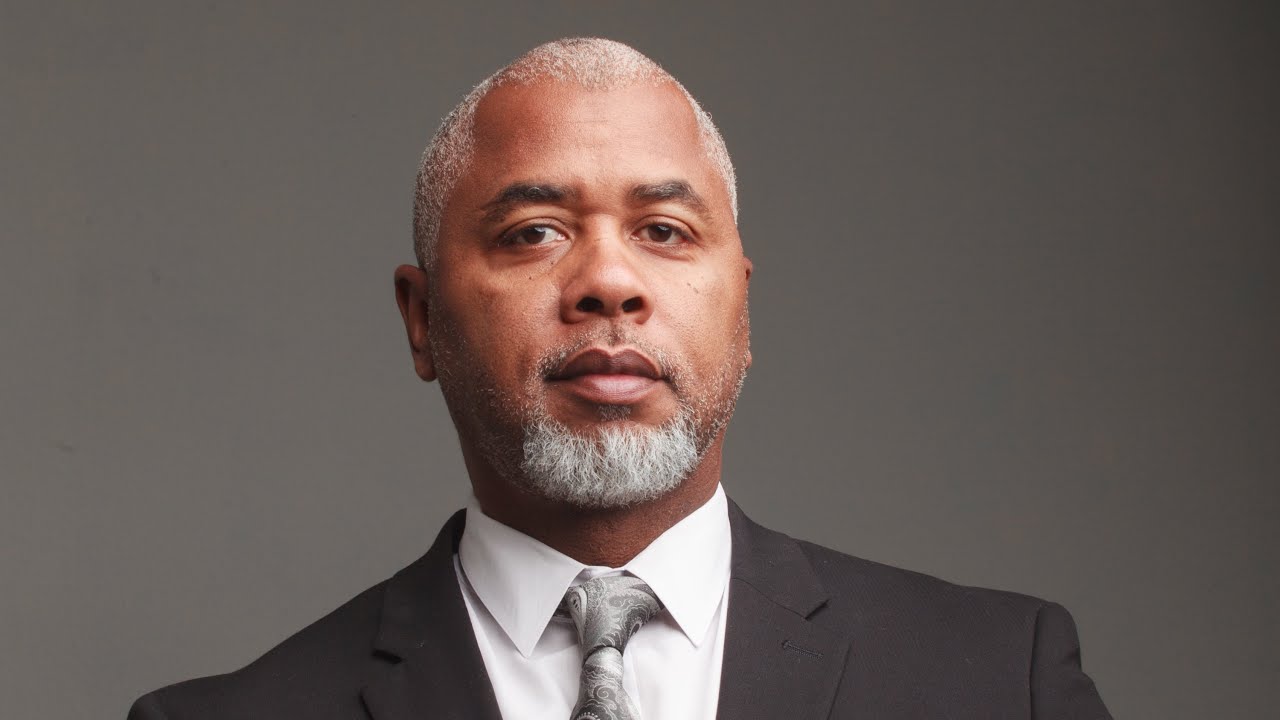
The Yusef Wiley Show, Podcast esp. 24

Yusef-Andre Wiley and Cortez Chandler argue that character comes from gratitude, not material gifts. They trace work ethic back to childhood hustles like lawn-cutting and newspaper routes, and say modern success requires financial literacy and discipline, not just talent. Jealousy on social media stems from status obsession rather than respect for hard work.
Chapters
All right, all right, the Yusef-Andre Wiley Show coming at you with my man here and VP of the Timeless Group, Cortez Chandler.
Doing everybody, this is Cortez speaking. How you doing?
That's right, what's going on, man? Uh, uh, you know, I, I said we need to maintain contact with our folks. So even though I'm on the road headed to another meeting which involves the very same thing that we're trying to achieve here, I thought it was important that we maintain this connection with our audience. So, uh, I appreciate you getting on like this with me, Cortez. So, um, but how's your day? What's the latest, man? What's going on? How you feeling? On this Monday afternoon, I'm feeling good, man.
I mean, Mondays is always, you know, hey, we back to work, we got to keep grinding. So I feel good about today, you know, actually, you know, running around taking care of meetings and bills, doing everything you possibly can do because the holiday is covered up, right?
So how do we feel about these holidays? I mean, you know, we talking about today building character, right? So I think what better time not to talk about building character. You got families, you got husbands, men, women, folks that are scrambling essentially right now to make sure that they can provide something for their house, for their household, that's pleasing. To the household that's keeping people happy with a smile on their face in this holiday season, right? But you know, I've been noticing something that goes around around this time of year on social media all the time is they have these gifts wrapped up, right? You probably get, get this. I hope our listeners that's listening today— and sorry for the background noise if you know, for our listeners, but I'm on the road and Cortez is in the office. But on social media, they have these, uh, you know, these skits, if you would, where the family is opening up all their presents. And once they start opening up the presents, one of the gifts says— it's actually a note— it says that your lights got paid. And then get turned off. Then the other gift they open up and it says, you got food in the refrigerator, open up the refrigerator. And then when they open up another box, it's, it's hollow as well, and they got a note in it and it says that your car note got paid. That was the one that the wife opened up, that the car, the car note got paid, or that the mortgage got paid, right? What do you think about that?
Well, I mean, because we, we lose a concept of gratitude. Let me say it like that, because a lot of times people don't appreciate what you're already doing on a day-to-day basis, you know, right? And they take it for granted. Well, you know, where's my present? I wanted a, a new car, I wanted the new, a new watch, I wanted new something, you know. But you showing them, you giving them a gift and showing them, look, this is what I'm playing. Now it's cold, especially at this time of season when you're expecting something. You know, I mean, I think I'd be feeling some kind of way too if somebody left a note talking about I'm gonna pay you later.
So what do you think about that in the sense of, uh, you know, we talking about building character? Does that— do you think that builds character for— on at least on the part of the recipient? On the part of the recipient, let's look at it from that end first. Can we say that that's a form of building character? Like if a person doesn't get upset because they didn't get a gift?
Yeah, it could be a form, loose form of building character, but the most, the first reaction to anybody is going to be like, hey, you wrapped the box, you took time to wrap this box, and you giving me a gift of a note that you said there's food in the refrigerator? You know? Looking on that side, I'd be like, yeah, I feel, you know, for all the hard work that's not being paid or something like that, I'll be looking for that gratitude, you know.
Well, let's delve a little deeper into this. We're talking about building character, right? So, um, getting to where we are today as business owners, as businessmen, as consultants, as organizational leaders, right? Um, it requires some sacrifice. We didn't just get here overnight. We worked for ours, right? We didn't just get to these positions that we're in today just haphazardly, or somebody gave us something. We had to work for this. And the whole concept of work in today's time, people don't really have a concept. Now you take California California, LA, you know, folks don't want to go back to work since COVID since the, you know, pandemic money and all this stuff been going on. And this whole concept of work ethic and building strong work ethic and character on the job is almost lost. I'm not saying it's completely lost, but you know, what do you think about that?
I look at it in our society as it's a given. You know, people take it as it's just a given. They hear it, this is yours. You don't have to work for it. You don't have to do nothing for it. But we, if we go back to our youth, me and you had to cut grass. Me and you had to do things to get allowance, you know? And sometimes you wouldn't get allowance. You get that lecture from your dad telling you, hey, you need to get the stuff together, you know?
Yeah.
That built that man.
Yeah, our parents were old school, man. They knew what time it was. And the kids now don't— don't— they sit on a computer, you know. Now don't get me wrong, we got some really sharp kids right now, technically savvy, technically savvy, right, kids. But in terms of work ethic, you just gave a good point about cutting, mowing, mowing the lawn. I recall going to the neighbors knocking on doors and asking, "May I cut your grass?" Right? "Can I clean out your backyard? Can I haul all your junk away in your backyard?" And quote them, and they like, "How much you gonna charge me for that?" We were young business entrepreneurs back then, man, in the '70s.
Yeah.
You know? Yeah. In the '70s, early '80s.
I had a newspaper route. You know, and my thing was I thought about making money. So one thing I did do, I went to go buy the TV Guides when they were like a quarter, and I would deliver the newspapers to people that would already buy the newspaper. And they're like, oh man, this is a nice service, you know. So I created a service inside of the service I was already doing.
See, that's what I'm talking about. Now you giving some game, you dropping some, you dropping some real game right now. Because that's marketing. Like right now, if, if I'm an e-commerce, uh, business owner, or I'm selling a product of some sort, or take from me, sometimes with my entrepreneur, uh, business, I might give away my book, my autobiography, for free. I don't always sell that book. You go on Amazon and buy my book, but oftentimes I just give it away. As a part of you doing business with me, right? I might just give away my book. So this is what we're talking about. We talk about building character and what's required if you're gonna really be a person about that money, about that paper, about that bag. You're not going to get it just on raw talent. And I think to Today's society, a lot think that they could just make money on raw talent alone. That's it, raw talent. You don't have to have no financial management skills, you don't need any marketing skills, you don't need any, uh, you know, business savvy skills or accounting or nothing. They just feel like pure raw talent, you know, I have the gift for gab or whatever to do this or do that, and that's it. They have one skill set and they're not building on top of that skill set so that they can be successful long term, right? So the only way that you're going to build character as an entrepreneur, as a business owner, as a business person, you have to have a strong sense of work ethic. So How do you look at work? How do you view work yourself?
If you work, if you work somewhere just to get a check, then it's, it's just work. I, I don't, I'll never take on a task that I don't think I can do. But I look at work as being something that's not just a hobby because you spend most of your time at work. I would say I spend, I can see myself enjoying work because I've had that work ethic. Raised up as a youth. So understanding that, understanding the value, not just the money, but just the principles, you know, and ethics, you know. That's like, I can't stay home and sit and play Xbox or Nintendo and I— and my wife's going to work. That's just wrong, you know. I'm supposed to work if I'm a man in the house. If I'm part of the house, I'm supposed to bring something into the house, you know. I'm not saying if I'm— if she makes more than me, hey, I got to work twice as hard, you know. I got to come home, cook the dinner and everything else. Just like she has to be, you know? So it's finding balance, man. And a lot of times we miss that because people don't, they feel it's a given. That's why I keep using that word given because people just take it for granted, you know? Like, you know, like I said, my grandkids do the same thing. Hey, this is supposed to be in the refrigerator. Why ain't it in the refrigerator? Where my juice at? You know, and I had to explain to 'em, you got to go work for this juice. You got to buy this juice. But all of a sudden, You expected to be here every time you come to the house, right?
And, you know, I think another way to just describe what that can possibly look like is, you know, before you go visit someone's house or before you go over— and this is to our young people sometimes, right? You know, come out of the pocket and, um, be the one that shows that initiative. You have to be one that's innovative, shows initiative, uh, stopping at the grocery store on your way to Grandma's house or to your parents' house and picking up a few items and deliver them to the house. You know, that all that little bit helps, and it shows, and it demonstrates, it helps build character. It refines those tools, those skill sets that you're going to need to be a successful person in life. And in order to get where we are, this, this, this mindset, which, you know, my hashtag is, you know, you always see the hashtag with me, success mindset. And hashtag that, man, success mindset, and watch what you come up with, because that's what we talk about here. We're talking about building character, but we also talking about a success mindset, having a success mindset. If you hashtag that, put that in your search bar on Google, or excuse me, on Snapchat or, or TikTok, Instagram. Put that in your search bar, hashtag success mindset, and look and just start reading. Look at some of the quotes, look at some of the jewels, the gems that's dropped on that hashtag. Very valuable stuff, right? And that's what we want. We want to help people achieve that success mindset. And here on the Yusef-Andre Wiley Show today, we talking about building character. And, uh, Cortez, I just, you know, there's so much negativity out there too, man. Uh, what do you say to that, man? Because, you know, a lot of haterism, you hear that a lot, you know, people talking about, you know, don't look at me, don't hate on me, you know, I'm trying to do my thing, why you hate? Why you think it's so much haterism? These days, man? Why so much hate?
Well, I've been talking about this before, and you came up with the best term in the world, jealous. People are jealous of what you're doing and how you create yourself. You know, however you present yourself, it might be, you might be perfect on Instagram or Facebook, got a whole bunch of likes, but at the same time, how you living, you know? That's the key, how you living. And a lot of times people, they see that on Facebook or Instagram, And they get jealous. Okay, how is he going on these trips? How is he doing this? It must be PPP money. It must be everything but what it is, you know.
Right, right, right. I like that. I like that you put that in there, man, uh, uh, because that is what's being said. Oh, that must be PPP money. Yeah, you know, he didn't just work hard to, uh, to buy that Bentley or to drive that Audi, uh, He must— he must have got a loan. He must have got one of them SBA loans or something, right? And it's a trip. And we got it bad, Black folks, African Americans. We got it bad, man. This haterism and this stuff that we got going on on social media, uh, even in the entertainment industry. I really— I mean, the coaching that we should be doing for our young people, and I'm gonna put myself out there as you as well, Cortez. We, we need to be doing some serious coaching, uh, for our folks that's in the entertainment industry. They need us, man. And you know, the mindset that we're talking about right now and, and building that success mindset, especially our, our folks out there that's in the rap industry, that's in the hip-hop industry and entertainment industry, even, you know, the sports athletes, um, that's getting caught up with this domestic violence and You know, out there in the hood when they not on the field or on the basketball court, you know, spending time in the hood and letting themselves get caught up or being— becoming victims themselves by their community. I mean, there's really some coaching that needs to happen for our people. And, um, and I'm, and I'm, I'm comfortable saying that because I've been there and done that. We were once thugs ourselves. And we know what that thug life is about, right? So in order to help bring somebody out of there, you know, you have to have been there, and we've been there, man. So what, what is it with our people, man? It's so many of our people, uh, that's got this haterism going on. What do you say to that?
I look at it— when you— we talked about jealousy, that's right down the line, but people are viewing and seeing things that might not be real, you know. It might be just a picture, it might just be an image, or it might be the clothes or the shoes you have on. We are so, uh, stuck on products and the money we're spending on something. I'm not gonna buy a $200 pair of shoes. I mean, that's just logic to me. That's like, well, I still got the same feet, you know, and I got 5, 6 pair of shoes. That are just as comfortable, but I'm gonna spend $200 because I want the name brand. And a lot of times— Right. We train—
Status and all that stuff, right?
Yeah, we train—
And I'm gonna be honest with you, I'm guilty of that sometimes myself, but I'm gonna be honest with you.
It's a treat though. It's different when it's a treat.
Yeah, but you know what's funny about it? Those shoes that you just described, usually the ones, those designers, they not even that comfortable, man. They actually not even that comfortable. They just for show, man. They actually just for show. And, um, you know, like you said, people want these status symbols and, you know, we all get caught up in that a little bit, but I think at the end of the day, work for yours. If you do want to wear a pair of designer shoes sometime, work for it, you know, earn it.
That's what I was getting to, 'cause a lot of people want it, but they don't want to work for it, you know? Yeah. Just like you was talking about smash and grab last week. That's— people don't want to work for it.
They want to take it.
You know, or somebody give it to them, you know? So that's the issue to me. People don't want to work for it. If you got a $300 pair of shoes on, I'm looking at your shoes like, wow, you know? And I'm matching everything together because I know the person, I know the environment. I'm not just putting on a show. So if I got a $300 pair of shoes on, I work to put them shoes on my feet, you know, or my kids' feet.
Yeah, right. Yeah, it's an interesting topic, man. And, uh, And I'm— it's concerning that, um, it's really concerning, um, that, uh, our people—
yeah, I understand, man. Trust me when I say that, you know, I agree 100%, you know, things. Yeah, yeah, I lost you for a second.
So this is a topic. This is the topic. So before we leave our viewers or our listeners, you know, what's your word, man? What's your word for the day, man? Because, uh, you know, we want to make sure that we get them, keep them coming back. We're going to probably be bringing some sensational live and active, uh, you know, hashtag success mindset. Remember that success mindset. And, um, you know, that's where we at, man. That's what we trying to— we're trying to get you there. And we want folks to understand what that means. If you want assistance from us, we can support you. Myself, Yusef-Andre Wiley, Cortez Chandler. And we— you can also check us out on www.ywconsultants.com. You can also find us there where we provide consulting services, uh, motivational speaking, coaching, mentoring, business mentoring, you name it. You know, it's all about helping our folks get their heads right and get on that path to success. So, um, any last thoughts before we go, my brother?
You gave me this a long time ago, man. Confidence, you know. When you're dealing with your ego, you're dealing with certain things in life, you have to have the confidence even to fail. You have to have confidence, you know, because if you didn't try, you'd never be where you're at, you know. If you sit back and you don't carry that confidence, you have to be able to push, you know, and perseverance.
I like that. I like that, man. That's good stuff, man. I appreciate it. Appreciate y'all for listening. There's more to come, you know. Like I say, apologies once again I'm on the road headed to another meeting to hopefully empower some folks. And, um, you know, I'm your man Yusef-Andre Wiley and Cortez Chandler signing off at the Yusef-Andre Wiley Show. Peace.
Peace.
More from Yusef-Andre


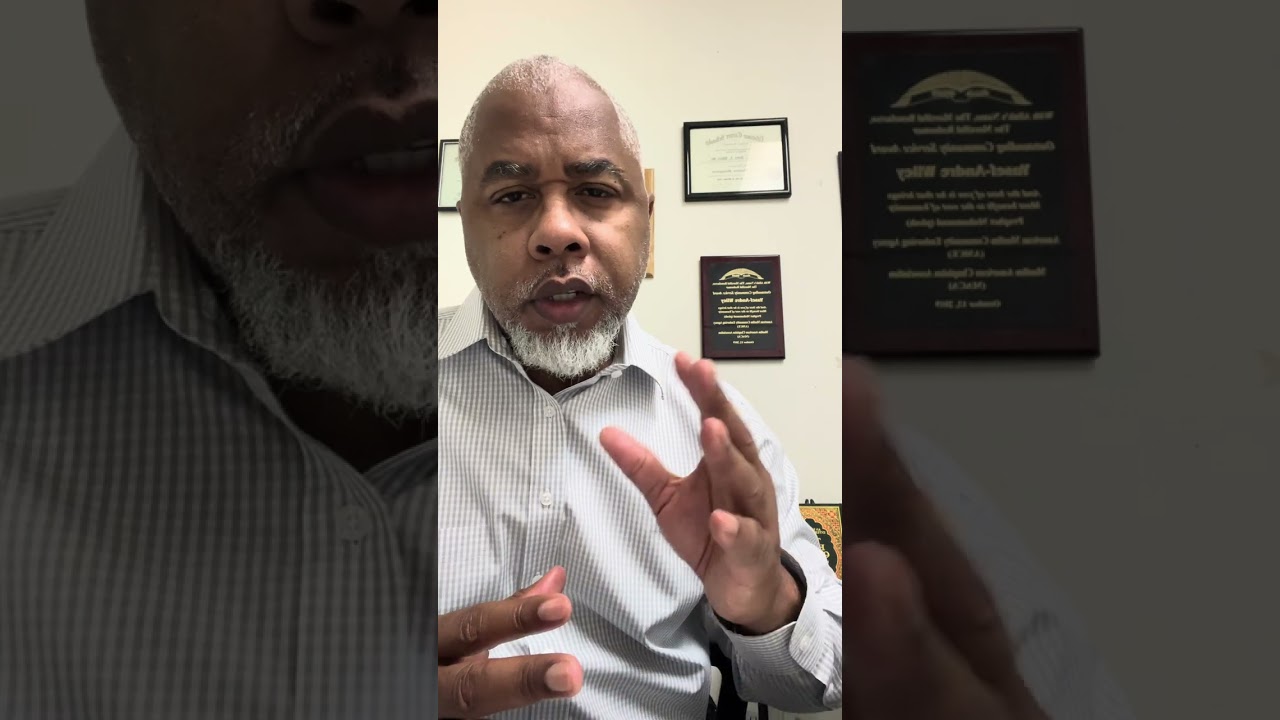
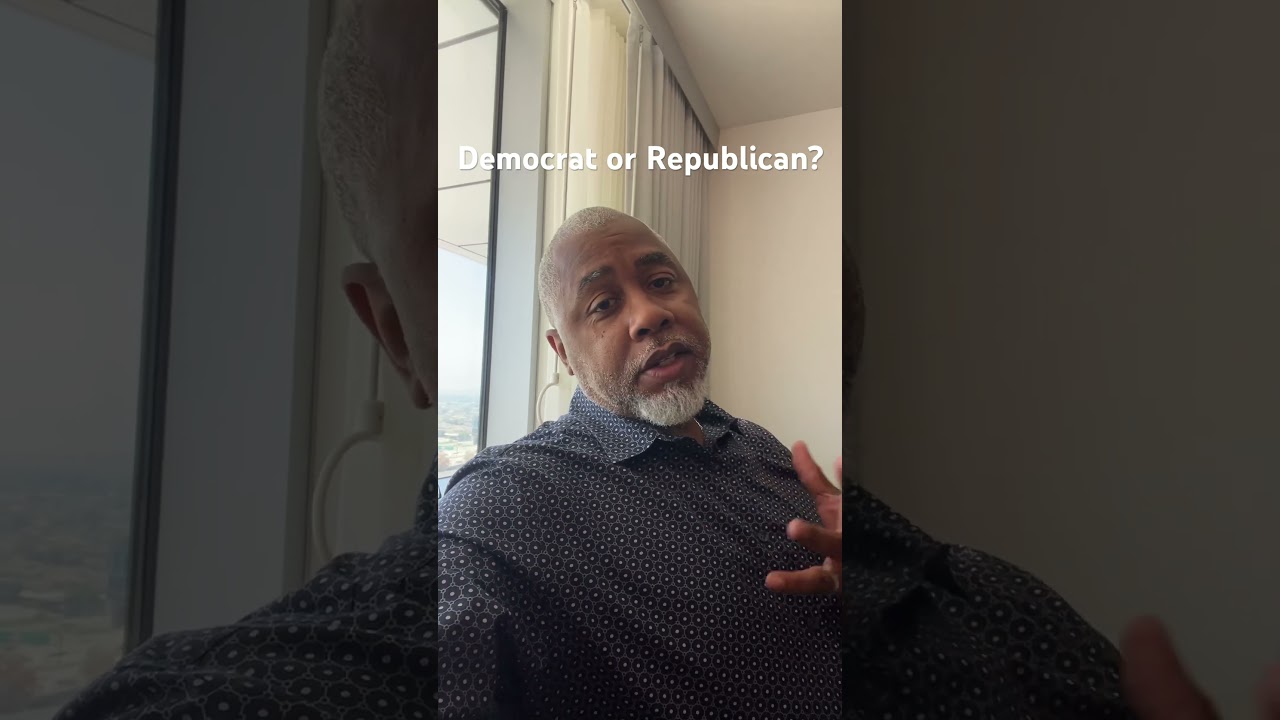
Are you a Democrat or a Republican? How do you feel about adding a third party? #democracy
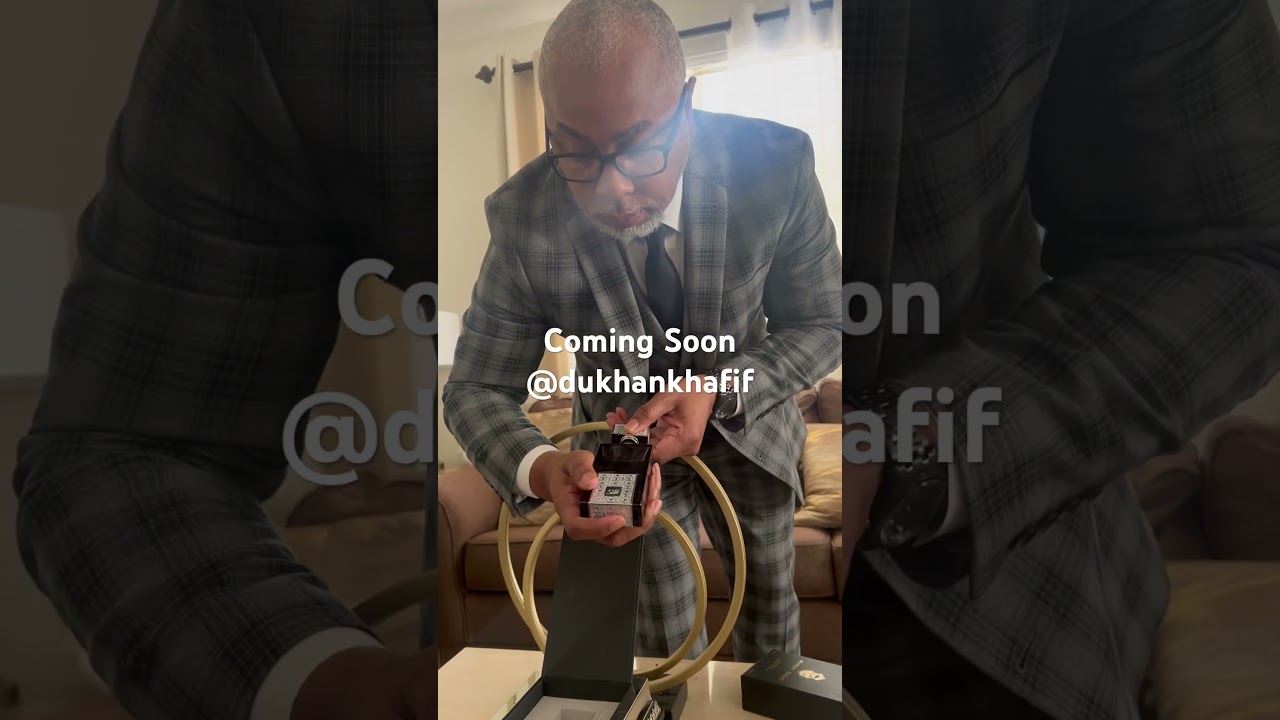
Luxury Fragrance Store coming soon. Dukhan Khafif #ould #luxurylifestyle #luxuryfragrances