CFM - Heather and Natalie share what they learned at ICIM Fall 2024
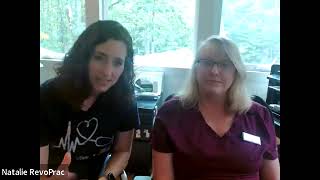
Heather and Natalie (Campbell Family Medicine team members) recap key learnings from the International College of Integrative Medicine (ICIM) Cellular Detoxification Conference. They summarize speaker highlights and practical clinical takeaways focused on cellular detox: peptides as therapeutic tools; the role of meta-inflammation and ‘inflammaging’; the liver-lymph-kidney triad for detox; simple measurements (first-morning urine pH >6.5) and morning vs evening weight change (≥5 lb) as red flags; concerns about polypharmacy, nutrient depletion, plastics (microplastic/chemical exposure), PFAS and thallium exposure in prenatal vitamins; screen/gaming disorder impacts on child development; mold/mycotoxin illness and the need to remediate environments; cautions about detox protocols (prepare liver/kidney/methylation, bowel regularity); and mentions of nattokinase/bromelain/curcumin and gene expression (epigenetic influence of environment). They close by inviting patients to seek care at Campbell Family Medicine.
Chapters
All right. Hi, Heather.
Hello.
Are you excited to tell everybody? You guys know we went to this conference, right? We went, gosh, what, last Thursday? I don't even know what day it is anymore. Time is passing so quickly. But we went Thursday and Friday and Saturday and we did have some good fun, good times with some of our colleagues and leaders in the industry. But we went to this icim, which stands for International College of Integrative Medicine Cellular Detoxification Conference, and our minds were blown.
Some good lectures.
I mean, the speakers were incredible. We heard from Dr. Cleaver and Dr. Lavelle and John Richardson gave us some legal updates. And then we heard from a doctor, from Doctors Data and Dr. Perita and Levy. And that was all just in like.
That was one day.
That was one day. Then we heard a really compelling. I guess it wouldn't be a lecture, it'd be more like a educational session from Holly Grow, who is just really, really pushed regarding screen times and electronic devices for our kids.
Yeah, just protecting them from themselves and our environment.
And so that was pretty compelling for me. That kind of hit my heart because I do have a teenage daughter who like is addicted to her phone, tick tock and all that stuff. So that one is something I'm gonna have to process personally. If you're feeling the same way, please hit us up and let us know because we do have resources to help.
Yeah, we do.
And I'll be taking advantage of our very own resources. We got to hear from Dr. Dale Guyer about peptides. That was. That was kind of cool. Joe Christa about mold and mycotoxicity. Yeah, that one hit home for me also. I'll just. Dr. McCullough. I mean, Peter McCullough just captivated.
Standing ovation.
It actually did, right? It was captivating. And some of that stuff we can't share with you, but if you want to learn more, please check him out. Just kind of Google Dr. Peter McCullough and lots and lots and lots and lots of stuff. Come up Dr. Bruce Lipton. I guess he is a pharmd and just wow, wow.
I mean, two and a half hour.
Lecture and we were glued. We were both on the edge of our seat and we got writers cramp because we were trying to keep up with everything.
Let's get into the top 10.
Yeah. Yeah. Oh, top 10. That's why we were here.
We have a top 10 for you. Like Dr. Campbell and I usually come back and we give you the top 10. So Natalie and I wrote ours out and so these are the Things that really just stuck with us out of the lecture. So we started with peptides, which. Peptides are like chains of amino acids that help regulate cells. They help optimize the body, they help reactions happen faster. And so they're a really awesome tool for healing. We don't. We have like 60 of them that are FDA approved, but that's kind of a tenuous situation. And even though there's like 7,000.
Yeah, 7,000 different amino acids.
But they talked about using them for long Covid in that recovery process for using them for depression, autoimmune disorders, adrenal fatigue. And that's on top of the stuff we already know about using it for, you know, physical injuries and that kind of thing. So it's the wild, wild west, though. So don't go running and buying peptides from just anybody.
Yeah, don't Amazon shop your peptides, please.
Because you're probably not going to get what's happening actually supposed to be in them. But it is something that we're watching. We do know some peptide experts in the area, and it's an amazing technology that's really going to help healing protocols.
And then let's talk about. We're looking at our notes. We have cheat sheets here. Sorry, guys, but that's the way our brains work. I love this statement from Dr. Lavelle. He said, meta inflammation leads to inflammaging like. But look, chill bumps again. Yeah, again. Because think about how. I mean, we live in a toxic world. I think they called it toxic soup. So there's no way we can escape it. But even if we can't escape it, we can do our best to mitigate the damages. Right? Right, Right.
We're only as strong as our weakest organ. So we really need to work on getting that weak organ strong so when we're hit, it's not worsened. And he talked about the liver lymph kidney triad, which makes sense because that's our detoxification process. And that was the focus of this conference, was detox. So focusing on that triad helps us optimize detoxification. So think about this. When you're in your appointment with Dr. Campbell and she's going over your urinary, your UA, she always tells you your urine pH.
That's right.
Dr. Lavelle tells us that that urine ph, which is a really cheap test, it's just ph paper, is a great way to measure your body's oxidative stress burden. And think about oxidative stress as your rate of internal rusting. You're turning brown on the inside, like the apple when it sits on the counter. Right.
It's oxidizing.
So if we aim for a First morning urine pH of greater than six and a half, then we're going to have better outcomes when it comes to our overall inflammation and oxidative stress. Stress.
So the higher your pH, Heather, the better. The better. And the lower your ph.
God, yeah.
Right. So the lower your PH is, the more you're oxidizing.
Right. And the way that we can work on this is more greens, less carbs, less meat, any kind of meat. We prefer that you. If you're going to eat meat, eat it clean meat, pasture raised, organic, all of those things. Wild caught, all that stuff. But if you're eating conventional meat, you're more likely to be acidotic.
Makes sense. That makes sense. So put crap in, get crap out. That's right. All right, let's talk about weight gain. Do we have to?
It's one of those signs and symptoms.
Yeah. No, another one that hit home.
But one thing that's really interesting is weight gain from amd.
Yeah, that. Yeah, that one. That one struck me because I've never thought to measure that. But. But how cool is it to know if you just measure your weight in the morning, naked, when you get up, get out of bed, go and weigh yourself, and then do it again before you go to bed? And if there is that five pound or more difference, you need to be. Well, you see me pointing at myself. You need to be calling Dr. Campbell, right? You need to be looking at improving your detoxification pathway, Right?
Because that's a sign of liver stress, it's a sign of kidney stress, heart stress, lymphatic stress. It could be any one of those things. And we need to figure out what that is and work on it. We want you to kind of stay close to your morning weight.
Right? And if you're not, don't get discouraged, don't do friendly foods. Come see us. Right? Because we have the tools to help you. All right, what else? What else we got?
So, number three, we talked a lot about what the medical industry in and of itself does when it comes to toxic soup environment. Right? So polypharmacy is a huge issue for the toxic burden. But not only that, nutrition, our nutrient depletion. Right? Because our drugs, they all steal something from our bodies.
Drug money.
That's right. Drug mugger. I love that book. It's a good book. So ask your doctor if you're on medicine. I'm sure they have a good Reason. But what is happening in your body? What is that medicine stealing from you to do its job? And should you be supplementing? Most people know if they're on a statin, they need CoQ10, right? Because a statin is going to steal that from you. And we don't want you to have muscle pain, so we tell you to take a little CoQ10. That's an example. So also, there's more and more evidence that Alzheimer's, cancer, it's the environment, right? That's. That's part of the problem that's causing these issues. And it's very rarely our genetics.
And even when we think we're eating clean and drinking clean, the world is not clean. So we can be doing our best efforts and still have these toxic effects. So don't get discouraged. There's more we can do, and there's other things you can do, and you can mitigate and supplement and step in and do other, other actions to help.
You know what one of my favorite things that Dr. Campbell always says? She says it's no longer survival of the fittest, survival of the best detoxifiers. And I don't know if that's her phrase, but I hear it her say it all the time, and I just love that because it's so true.
Yeah. All right. Where are we going now?
That.
Boy, you just want to hammer in this subject, don't you? That's right. Well, you know, but it's. It's true because, yeah, I mean, you can have skinny fat people and fat fat people and moderately fat people, but it's not necessarily that. It's what's in that fat and where it's located.
That's right. That's right. Our bodies store toxicants in fat to protect ourselves. So all of us are like, how can I lose some weight? But accelerated weight loss is just going to help your body. No bueno. It's not good. It's just going to help your body lose those toxicants, and then you end up in this vicious cycle of regaining weight because your body is trying to protect you. It's putting those toxicants away. So.
So I loved it because I forget who was it, if it was one of the speakers or one of the. The people that I talked to. But they said, imagine that your. Your fat is like the soap bubbles that when you fill your sink with dish soap, and then as you pop them, you know, they spray. Right. You feel it spray on your hands and whatnot and on. You see it on the counter. Well, that's Your fat.
That's a good example. Yeah.
Because as you pop them, as you get rid of those fat cells, as you really, you release what was inside.
Of them and then your body has to deal with them.
Right.
So pro tip, if you're going to do a weight loss program, your weight loss should be low and slow and it should be paired with detoxification strategies. And protein is really necessary during a detox strategy because you need, you need cysteine, you need, there's so many things you need that are in proteins and if you'll eat those, then your body's going to have a better fighting chance.
And you know, and I think they said if you're vegan or vegetarian, we can find ways to get your proteins, even if it's not through animal proteins. So don't feel like you're, you're out in the cold if you're trying to do good by eating vegetarian or vegan. Right.
So the next thing we talked about was the next generation.
Yeah, it does make me a little sad. But we, all of the patients of CFM are here to do something about it and change the outcomes. So.
So yeah, so the things that we do to our health are going to affect our children directly and indirectly. Really just kind of depends. And this is emotional, physical and chemical. So it's, it goes across the spectrum. One of the interesting tips they gave was that PFAS consumption. So PFAS are those forever chemicals actually lead to fatty liver in our children. Crazy.
But we're seeing it. So, yeah.
Also that thallium, which is when they did studies. Yeah, this one got me. One of the speakers presented this. When they did studies, they, they took prenatal vitamins off the shelf and they tested all of them. All of them were high in thallium. Kale is actually pretty high in thallium if the soil is full of thallium when we eat it. So thallium, when we consume it and then give it to the next generation can cause alopecia and neurotoxic effects. So we really need to be careful about our thallium consumption and pick a really clean third party tested prenatal vitamin if that's the situation you're in.
This is another reason not to order them from Amazon.
Exactly. You need quality supplements. Spend your money wisely.
Right.
So we talked a lot about the blood chemistry being like the terrain. And this matters too with moms. So the blood chemistry of the mother is transferred to the fetus through the, the placenta. Right. So if mom gets Stressed out. What happens?
The baby gets stressed out, too. And they showed that. Yes, they did an. Oh, it was the coolest thing, y'. All. They had a video of an ultrasound, and they subjected the mom to stress by arguing with her partner. And they showed the. What the. What happened to the baby. And as soon as her cortisol levels kicked up, that baby got like, an electrical spike, and you could see it jump. So it is just. I know we all know that. That mom feeds baby and it gets, you know, back and forth, but that was intense.
Yes, it was very intense. And, you know, this is not unknown. As females, we're carrying the next generation with us, and those eggs are carrying the next generation with them.
So we're programming them.
We need to take really good care of our bodies. Right. Screen addiction.
What?
Another. Another thing plaguing our children. And honestly, population that's becoming adult right now. So actually, you know, if. If you've ever been to a doctor, we use ICD10 code. You see those codes on your invoice as you leave?
These are diagnosis codes. Yes.
It's what your doctor is diagnosing you with as you leave. So we're. It won't be long. We'll be out with ICD11. And Gaming Disorder has been added as a behavioral disorder. As a diagnosis.
Gaming disorder as a diagnosis.
Right, y'.
All. That's scary.
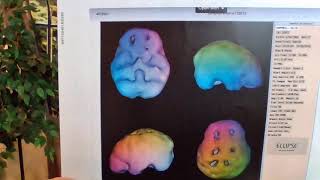
Right? But it's because they found that it actually affects the brain structure, which in turn affects behavior. And it is. It looks on images and scans just like substance use disorders.
That's right. They were showing that the. The opioid brain and the. The gaming brain. That's right.
Loads and loads of dopamine are being produced, and it contributes to things like emotional numbing. And when you numb emotions, you think about, okay, well, that person's just kind of flat.
Right.
But it also affects good moods. Like, they're not going to have high highs. Like the. They're just flat like me.
Like.
You're not flat.
No, I'm definitely not.
But they've also shown anxiety, ocd, delayed pediatric development. Some kids are not learning to write. Their eyes are not developing properly. They can't track. They need glasses earlier. All of that's been associated with increased screen time, not just gaming addiction.
And I thought it was neat how they said, you know, our kids that are now turning 16, that were, you know, 13 in the pandemic because of the increased screen time and computer time with those kids and the digital learning time that we had, that they're now Starting to drive. And they don't have the. What do you call it?
Proprioception.
Yes, that. That word. And they're not capable of turning their heads to check for dangers and oncoming cars and whatnot. So now we're seeing a bunch more accidents in our younger generation. So simply because they're not able to pay attention.
Another reason to learn about what Dr. Holly Gro is doing.
Oh, yeah, that's right.
So let's move away from this topic. Yes, plastic. So we know plastic is an endocrine disruptor. And I know we've taught this to you in our detox classes, but we've also learned more about plastic.
Water bottles.
Time. And he release antimony. That's a heavy metal.
Yeah, it is.
Microwaving it makes it worse. So if you're eating hot food off of a plastic container, if you're microwaving it, you're making it worse.
It's not convenience, guys. It's killing you. Stop it. Stop it. Stop it right now.
So if you can make the change, we want you to use a water bottle. Oala is a really good brand, and I don't get any compensation for saying that. I just like it.
That was good.
But use ceramic plates or glass bowls or it's not that hard. We can slowly switch over. So we're using less and less plastic and not getting our credit cards worth of plastic consumed.
Yeah. Didn't they say that the average American consumes one credit card size of plastic a day? Is it a day?
I thought it was a week.
Was it a week? Well, still, either way, a day.
A week too much.
One day, seven days. That's still a lot of plastic. Yikes.
Yeah. So this focus, this conference focused on cellular detoxification. So it's important to say that you. Before you start any detox program, it's really important to have a workup to make sure that you can handle it.
Yeah, yeah. Because detoxification, as wonderful as it is, and as much as we love, believe, and support, support it, it can be rough. And everybody handles it differently. And your burden determines how you're going to handle it. And lots of things actually. But. But if you're not ready to receive detox, it can be a negative experience and it shouldn't. And it doesn't have to be.
Right. So like, we learned about, and we talk about this when we do our detox in January every year. You know what your liver needs to actually go through the detoxification process. You know, if you get through phase one and then you don't have what you need to get through phase two. Those toxicants are actually stuck in a more har will form and can't leave your body. So we need to make sure. Do you have all your B vitamins, do you have enough protein on board? All those kinds of things to make sure.
And your kidneys, how are your kidneys doing?
Right. Are you methylating? Well, that kind of thing. But if you are not pooping, don't try and detox. You have to get pooping under control.
Be a super pooper.
You have to poop every day, at least every day if you're going to focus on a detoxification.
And one more point to my kids and to all the kids out there, it is not normal to poop once a week.
It is not. We are meant to poop daily. So I can help you with that. Let me know if you have questions. If you have trouble pooping daily, we can work on it then. We talked about mold.
Yeah, I don't like mold. I have my own experiences with mold and it has not been fun.
Mold is not a fun time. No, it is. It requires some work.
Yes, it does. And it's. It's life affecting, life altering, I will say.
So Dr. Christa taught us that mold toxicity is more than a spore illness. Because typically people who have mold issues and mycotoxin illness don't just have that. They have mast cell activation, they have a lot of allergies, they can't tolerate the smell of gas. So chemical sensitivities are an issue. Asthma like symptoms, there's a lot going on for these people.
So. Yeah. And so if you're one of those people that goes, and you can't pump the gas because you can't stand the smell, you can't walk by the candle store at the mall because you go into a coughing bed or a sneezing fair or you go to a perfume, you can't go to the perfume counter. Granted those are definitely chemical attacks or assaults, but there's probably an underly under lying cause.
And like we said earlier, what does your body do with toxins? It puts them in your fat to protect you. And the same is true with mycotoxins. Your body is trying to shove them in fat cells so they stay with you for a while because how long do you hold on to your fat cells?
Right.
So that's something to think about as you lose weight. Right. Also, not everyone's going to react the same. So it's very, very common for mom and one or two kids to be really sick. Not to be. Now, that doesn't mean that he's not suffering a negative effect.
He's just not showing it.
He's not showing it. It might lead to something nasty down the road. So it's important to remember that and that and to keep in mind that mold is not good for your pets either.
Wait, it hurts the kitty cats? Oh, no.
So when you're doing your mold protocol, be sure to get them involved as well.
Talk to your vet, because they can also have effects.
So the number one thing that you need to know about mold is you got to clean up the environment. There's no point in cleaning you up until you clean your environment.
And that means some very, very difficult decisions at times, including your stuff not getting near, getting rid of, or if there's a way to clean stuff. But it's expensive. But sometimes you gotta let go of it. Take a picture and let go of those sentimental items. Because if you're moldy on the inside, and that's moldy, it's. It's just not a good combination. And you're never going to get well unless you are willing to make those.
Really difficult changes and molds out for itself.
Yeah, it's very mean and greedy. And it doesn't like us.
That's right.
Actually, it does. That's the problem.
It gets in there and causes some damage. All right, we got two more. The next one. I'm just going to say this real quickly. Nattokinase, which a lot of our patients take, bromelain and curcumin have been shown to break down spike protein. If you think you've got long Covid, talk to your doctor about that.
And that's all we're going to say about that because, you know, we're good and we don't want to, like, instigate anything.
And next we're going to talk about our genes.
Not blue jeans.
Not blue jeans.
Right.
Dr. Lipton said, Such a good job talking about this. Our genes are our blueprints for our bodies, how they work.
But.
Our genes are expressed or not expressed based on the signals from the environment. And that's why our environment is so important.
And I loved it because he's like, you know, you can't really turn them on and off the way that people think. But what does affect those genes and what does make them express is the signals coming in from the environment, the things that we're doing, the things that we're exposed to emotionally, physically, chemically. Am I missing anything? Spiritually spiritually. All of that affects the genetic expression. So, I mean, there was some talk. I'm not, you know, but there was some talk saying that don't do your 23andMe. Or if you've done it, it's kind of a waste, because even though that's on there, it's not a predictor of how your health journey is going to go. It's your. Your genes are a blueprint. And what's. What? Think about a blueprint. What can you do with a blueprint? Erase and you can change it.
Yeah. So basically, to that end, our cells are programmable as well, because they're written by our DNA.
Yep.
And are you programming your cells, you know, and how are you handling your environment or detoxing from it?
And I think. I mean, this is what I love about Campbell family medicine, and this is what I love about you guys. Y' all are amazing. And you sought us out because you knew that we had the tools to lead you on a different path, a better path, a stronger path, and to be the best version of yourself. And that's what we want. And it starts with detoxification and understanding where you are. So don't be afraid to ask those difficult questions. Heather, she's pretty amazing. I ask her a lot of stuff pretty much every day.
Right.
And I'm dealing with a lot of what you're dealing with and facing, too, as you are, too.
I mean, we all have our personal journey.
We do, but, you know, we're all in it together. So don't be afraid. Come see us. If you have a friend or a family member, refer them to us. We are accepting new patients, at least right now. And we'd love to be part of your healthcare team and get you to be the best version of yourself and your kitty cat. And a kitty cat. The best version of themselves, per. Right. That they can possibly be. So come see us. We love you guys. Thank you for tuning in and. And letting us share our message.