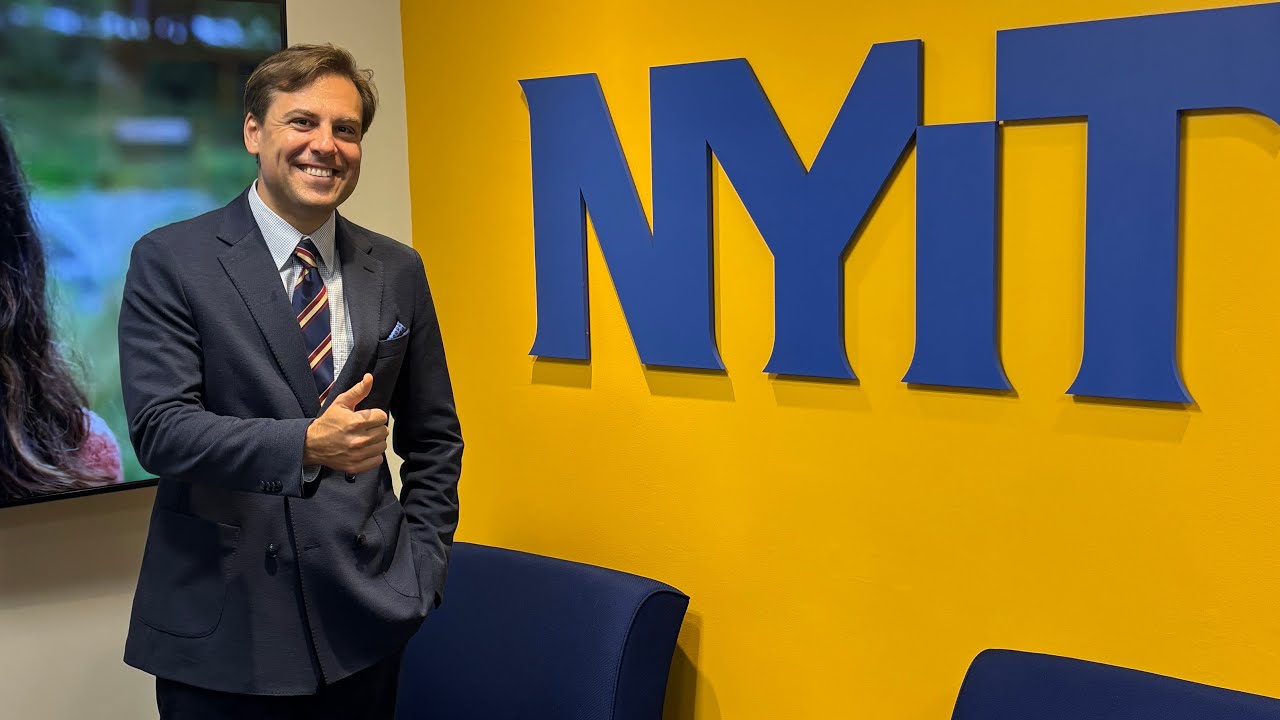
In this solo mentor‑style video, Andrey V. Karpov (Hire The Best LLC) explains why trust and respect are essential for entrepreneurs and any human (or animal) relationship. He opens with a walk‑along anecdote about his dog Leia, showing how respect for a loyal companion naturally creates trust. Karpov then examines common social rituals—handshakes, cultural gender norms, and regional customs—as early signals of respect that can seed trust. He argues that assuming good intent is the first practical step toward deeper connection, allowing conversations to evolve into coffee meetings, collaborations, or referrals without expecting immediate return. He ties this altruistic mindset to a “universal reciprocity” principle: good deeds return good outcomes, but the focus should remain on acting according to one’s values rather than seeking validation. Karpov critiques respect based solely on seniority, age, or socioeconomic status, urging an intent‑based approach instead. He introduces an Agile‑inspired “empirical knowledge base” to track how trust levels differ per individual, emphasizing case‑by‑case judgment and the importance of knowing when to cut off a relationship that becomes disrespectful or distrustful. Finally, he contrasts human dynamics with animal relationships, noting that animals respond directly to how they are treated. The video concludes with a call‑to‑action to like, subscribe, and contact him for further coaching, ending with a playful nod to the “true agile force.”
Chapters
How's it going, guys? This is your coach, Andrey V. Karpov. Mentor moment, and this is Friday. We're approaching the end of April. It's been a busy month with taxes and everything else, obviously, for most of us entrepreneurs here. Conferences, events, and something that comes to mind that I'd like to share with you today is trust and respect. Trust and respect is integral in everything we do as entrepreneurs. It is very important because without it, we can't build meaningful connections. We cannot form partnerships. We cannot serve our clients. And most importantly, we cannot truthfully feel satisfied, fulfilling, and impactful at the end of the day. As always, my dog Leia is joining me here on a walk in West Broadway Village. I trust her enough that she is without a leash. She is in pretty constrained quarters, but there are some openings out here in the field. But I know that she's well-behaved and disciplined, that she's not going to run away. So, that is my trust being extended to my animal based on respect to her, that she is a creature, also a living creature, that may not have an intellect that a human may have, but has a kind heart, has loyalty, kindness, and true pure love and unconditional acceptance. So because of all of these qualities, and just because it's my dog and I love dogs in general, I respect her. And because I respect her, I also trust her. Now, a lot of people say respect and trust, they come after a long time. Not necessarily. So let's think about it. Let's say I meet someone at a networking event. And I shake their hand. And these days, shaking hands is not a big thing, probably unfortunately, because it used to be that handshake was something very meaningful in the past. Men would typically shake hands. Women and men would not typically shake hands. Nothing wrong or bad or good in that. It's just how it was, right? It was more of a masculine thing. Now, obviously, everybody shakes. I think that's more proper, more important. You know, a man can even extend his hand to a woman. A woman should probably typically extend a hand to a man first, again, in more traditional classical European cultures, but at the end of the day, everybody shakes. But shaking by itself has the idea that you are showing respect and you're showing some form of initial trust. So by doing so, how do we actually create that bond and trust? So What we have to do is we have to assume good intent. Assuming good intent is really important because when we do that, we imply in our head that nothing bad is going to happen from the fact that we're interacting with this person. If this interaction goes well and we want to grab a coffee, we want to grab lunch, or we want to have a business chat afterwards, we are trying to deepen our trust through understanding. And understanding, or better understanding or analysis of the person can be gained through further respect. So then we reach a point where we're probably already ready to try something out, to synergize in some way, to build partnership, to potentially send each other referrals, clients, or just maybe even help someone without really thinking what are we going to get in return. In fact, that is really the right way to do business. To help someone with your kind heart based on your capacity and your availability without expectation of anything in return from that particular person. Well, you need to know though that the universe will give you back. Either way, it will happen just because you're doing something good. But don't put that as the main emphasis of doing good for others. So you are respecting the laws of the universe that way as well. And you're trusting the universe that it will balance and harmonize everything that exists so that you get a fair share of whatever good you're doing to others, right? So you're putting good in the universe, you're getting good back. You're putting bad in the universe, whatever bad or wrong you do based on how you feel or what's, I guess, in general is accepted as good and bad. And that kind of resonates into what happens. But overall, again, you're— you don't really care. You're not seeking validation or anything like that. You're doing your thing in the values that you believe, the standards that you have. So you respect yourself as well that way. You trust your gut and you know that what you're doing is the right thing. So, with that in mind, pure Stephen Covey, extending trust to someone to have trust respected, extended to you. But actually, what you're doing that way is showcasing respect towards someone else. Now, let me talk for a second also about respect based on cultural implications. It is very common in Eastern European culture or other cultures like Asian culture to have respect merely based on seniority or merely based on age or even sometimes some socioeconomic factors. That to me is not a defining factor in how you should approach respect and trust. So again, it does not mean you have to disrespect or distrust that person but what you have to do is make sure that that you are respecting and trusting people in general, that you have positive intent. What happens though throughout that process is that you build empirical knowledge base, and that's where True Agile Methodology comes in again. And you already know that with that particular person, the trust and respect level is different than it would be with someone else. By no means do you create some kind of cliché, standardized, standardization, or some kind of patterns that you replicate on other people. That is not right. You just need to trust your gut every single time. Take it case by case, but also know when to cut off the relationship, when to stop interaction in order not to go into this bad zone of disrespect distrust, and subsequently, you know, the bad of you, right? So that's really the way to approach any type of relationship, whether it's business, personal relationship, family relationship, friend relationship, or any other type of a relationship where two humans are interacting, or for that matter, an animal. But with animals, obviously those laws don't apply too much because they are loving creatures. So you're getting all the love, unconditional acceptance that you can. You don't need to know them that long. They do tend to remember how you treat them. So you, if you mistreat animals, obviously you're not going to get love from them, you're not going to get respect from them, you're not going to get loyalty from them. So I hope this was helpful. Overall, remember, trust and respect go hand in hand. It starts with you. You need to extend those qualities, you need to build the empirical knowledge base, and you need to have positive intent in order to gain back the same balanced forces of the universe. This was your Human Design Mentor Moment. My name is Andrey V. Karpov. I'm with Hire The Best LLC. If you'd like to learn more, please contact me. Obviously, like and subscribe, reshare, comment, do what you gotta do, and may the true agile force be with you always.