Building An Effective Marketing Team In 2026
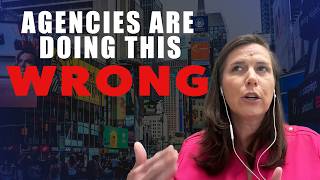
In this Accelerate Your Insurance Sales podcast episode, host Andy Neary interviews Shelby Fitzpatrick, Marketing Manager at Sterling, Sechrist, and Pritchard. The conversation begins with Shelby’s athletic background as a lifelong tennis player and multi‑sport athlete, highlighting how discipline, competition, and individual responsibility shaped her mindset. Shelby then recounts her career path from radio promotions to a decade of branding and community‑building at USTA Southern, where she learned to make tennis accessible and engage families. A chance LinkedIn recommendation led her into the insurance industry, where she now leads marketing for an agency. She contrasts B2C sports marketing with B2B insurance marketing, emphasizing the need to understand complex buyer personas, internal stakeholder alignment, and the importance of data‑driven community engagement. Shelby describes how she rebuilt her marketing team in 2025 using skill‑set‑driven roles (designer, event specialist, brand assistant) and instituted processes that eliminate “urgent” language, prioritize deadlines, and support sales enablement. The discussion also covers the partnership model between marketing and sales, the role of AI as a productivity tool that cannot replace human empathy, and personal habits that reinforce her disciplined approach. The episode ends with a lightning round revealing Shelby’s morning routine, exercise preferences, reading list, and preference for tennis over pickleball, concluding with contact information for listeners.
Chapters
I would view marketing, and I would advise anybody to view marketing as a partner. Like, they are there to help understand behavior and ask the questions of like, what is— what's the customer journey like? What are the things that they like to do? What are your touch points? Have you thought about this? And I think marketing can help bring it from another perspective.
Hey, hey, welcome back to the Accelerate Your Insurance Sales podcast. Andy Neary here, CEO and founder of Complete Game Consulting. I am excited today for the second time in the history of the show, I am joined by somebody with a marketing background in the insurance industry. I am joined today by Shelby Fitzpatrick, manager of marketing at Sterling, Sechrist, and Pritchard in Atlanta, Georgia. Shelby, welcome to the show.
Hi, Andy. Thank you so much for the invite. This is great.
How many podcasts have you been on, by the way?
This is number 1.
Yes! Awesome. I love to be the first. Uh, all right, well, we're gonna have fun because, uh, I always— like I said, I've only had 2 on. You're number 2. But marketing is near and dear to my heart as it is yours. And I'm sure we share a lot of similar beliefs when it comes to marketing and how it's applied in the insurance industry. But before we even dive into that, I just want to get into your story first, because one of the reasons I wanted to have you on is you also were in the world of marketing outside the insurance industry. And I think that's really important because you bring a different perspective to marketing that I don't see all the time in the insurance industry. I'm going to say something that might offend some people, but I think I got to say it. I see a lot of people in the marketing departments of insurance agencies that are glorified order takers, and there's not a lot of creativity, but nor have they been given the bandwidth to, to be creative. You bring a lot of creativity to the world of marketing, so we're going to talk about that, but let's talk about your journey. Um, you're also a former college athlete.
I am.
And so you're a former tennis player, and we're gonna talk about how you ended up in the world of branding and marketing in tennis. But how, what was that journey like from, from growing up playing a sport and realizing you had the skill to actually play it at a higher level?
Yeah, so I am a lifelong tennis player, uh, multi-sport athlete. I, um, My dad is my coach, so I don't— that's an interesting dynamic and relationship. And so, like the Williams sisters, so close, so close. Um, yeah, we— it's, it's interesting because like there is that dynamic of, is this dad or is this coach some days? And we definitely had that. But I think the discipline, and I enjoyed the activity and the camaraderie, even if you're— even though it's a Solo sport, if you will, cuz you're making decisions, you're living with them, like you have to reset, you have to do all that by yourself. But meeting other junior tennis players and like, I met somebody when I was 13, we, she became my college roommate. We were pledge sisters. Like that world was just ingrained. And I still meet people that I remember playing junior tennis with. I was like, this is awesome that we're still friends. But I played a lot of sports growing up and it was really important to me just because I liked the competition. I liked being prepared. I liked the discipline that it brought to me. And so it was just really, really fun. And then I always knew that I wanted to play in college. We just knew at like 12 that I wasn't going to be able to play at Georgia. So we were like, okay, let's play other sports, let's do the things. And so I went to Western Carolina, Go Cats, and got to play up in the mountains and it was fantastic. And I, I wouldn't have traded that for anything because I loved my coach, I loved my team. The two-a-days, you know, it is, it's part of the experience, but it's, it was a great experience and I'm really glad I did it.
What other, you said you were a multi-sport athlete. What other sports did you play in high school?
Softball and basketball.
Okay, awesome. I have this, uh, I have this weird skill. I was telling my fiancée the other night, we're having a conversation about what I think a question that came up was, what, what's one weird skill or talent you have that the other person doesn't know about? So growing up This is gonna sound such— I was such a nerd. I could literally tell you every college nickname of every Division I school in America. So I know Western Carolina is the Catamounts.
We are the Catamounts. Not a lot of people know that. And they're like, what's that? And I was like, it's a mountain cat.
Like, just spelled backwards.
It's Catamount.
Um, what was that like? I am curious cuz you know, I also am the son of a coach. So my dad was my high school baseball coach. One that probably lent itself its own kind of maybe criticism when you're the coach's kid.
Yep.
But more importantly, I, I actually was curious from the transition from playing high school tennis to college tennis, were there any big shifts you noticed going to the next level?
Yeah, I think for high school tennis, and we had a really good high school tennis team for a couple years, like our, our school did. And moving to college, like now you're, you're on the team with a lot of other people that were the best at their high school. So you're like joining a group and everybody's kind of leveling up. So I wasn't the best on the team anymore, which my dad made sure when I was training that I was very rarely the best on the court. So like I trained with kids older than me, I would go and hit with people that were better than me. I trained, hit with a lot of men. They were always kind of my hitting partners. So I think that was interesting. But you're also dealing with when you go from high school to college, it's on you. Like it's your responsibility. You're keeping up with your weight training. You're working with people that you have just met and kind of forging that relationship. And you have to realize they want the best for you too. And they may be communicating in a way that you have not been used to being communicated to. So I think that was always good and figuring that out, but, you know, creating those relationships and, and, and remembering that they want the best and that you're trying to go to the same place. Like you're trying to be better, you're trying to win matches, you're trying to do that thing. Um, and then figuring out where everybody is in the lineup, cuz where you might belong in the lineup might not be where your coach thinks you belong in the lineup. So having that kind of dynamic and, and working through that was always a fun challenge. And my— the guy who recruited me left after my freshman year, so I got a different coach sophomore through senior year, and she was actually really good. She played college at Vanderbilt. So like, I was like, okay, like, you know what you're doing. Like, this is going to be great. So she kind of leveled me up as well and had high expectations for me. Although I will say, fun fact, so I put a lot of pressure on myself. I'm an oldest child, big sister. All the things. And I remember I was telling my dad, I was like, you know, my forehand's just not working. Like, I don't know what's going on. Part of it was probably in my head. And because I went to college close enough where they could come visit, but far enough away where they couldn't surprise me, my dad could hear it in my voice and like showed up the next morning to campus. And my coach was like, she's all yours. Like, go fix whatever is happening today.
And he did.
And he was like, okay, well, let's talk through it. And he kind of knew that dynamic. And I think it's a really special relationship. And my dad and I are very close and very close for a lot of reasons. But I think he knows the cues and on both sides of like as daughter versus, you know, as tennis player as well and be like, what's going on in your head? What are we doing? And he was like, and he'll be like, you're moving your feet. And I'm like, I think I'm moving my feet. Like, I'm not. You're not moving your feet. Like, I've seen, I've seen it. I was like, okay, got it.
Well, and I think the two pieces of advice I would give somebody who is about to play college sports, moving away from high school, is there's two things you've gotta be good at. You gotta check your ego at the door and you've gotta be a good time manager. Because to your point, you're gonna about, you're about to go play a sport where everybody on your team is good. Now everybody's the hometown hero. Number two, everything in high school was structured. You went to class from 8:00 AM to 3:00 PM, then you went to practice, you came home, you had, you ate dinner, then you did your homework. College does not have that structure. You you may only have one class today. How are you going to manage your time in college to make sure you are performing your best in the classroom but as well on the field or on the court? And I saw a lot of very talented guys, much more talented than me, fizzle out because they couldn't manage that time.
Yeah, no, for sure. And it was— I think even beyond that is how do you balance— like, you're there to play a sport and then you're also there— like, where does the social life you know, fit in. And during the season, I'd be like, yeah, I'm not— I can't go to spring break with my friends. I like— I can't go out these nights. Fall, different story. Um, but you definitely have to like be aware and, and kind of have a backbone enough to understand what you're there to do. Um, and if grades suffer or tennis suffers, or just making sure you have those priorities in line and sometimes it comes easier than others.
Yeah, I agree. One last question I'd have about— I'd love your take on this, and then we'll move, move them off into, into your professional tennis career, but not on the court, but more in the branding and the marketing. Um, I always played team sports, and obviously you did as well with softball and basketball, but with tennis being more of an individual sport, if you're not playing doubles, What was that shift like? Was that a different mentality for you on a court where it's you against a competitor versus maybe on the court with a team competing against another team?
For sure. Like, you are in charge of the physical, emotional, mental. You have to like get yourself prepared. If your serve is not working or your forehand's not working, you still have to reset the very next point and then it's even. Like, having that mentality of You lost a point, you can get it right back. Like, yep, you lost a game. Okay, let's get first— 4 first serves in and do that. And really kind of trusting yourself and knowing that you've either prepared or not prepared and living with that, um, I think was really good. But I think playing an individual sport made me a better teammate because I knew that I could take care of myself and be the best version of myself for when it was ready to go for a team mentality. So playing basketball, you know, being in shape, making sure that I was paying attention to the plays, listening to the coach, going from there. But knowing that I can trust myself was really important, and knowing what I knew to get myself in the best position, like, I could handle. And I enjoyed it. Like, I, I'm an extroverted introvert. Like, I'm just as happy at home as I am on a plane going somewhere. Like, it's, it's fascinating. But yeah, so I feel like that kind of gave me ownership. And then it also was like, when you're ready for a team, like they could count on me 'cause they knew that I would have my part covered as well.
Yeah, I agree. You know, when I look at individual, again, I've done triathlons and stuff in my adult life, which is more an individual. I feel like when you're playing an individual sport, you know, if you're not having a good day emotionally on the field and you're part of a team, the overall team vibe can kind of maybe hide that a little bit. But when you're that on one side of the net and somebody's on the other and you're not where you should be emotionally, you are exposed because it is all on you. And I could see that being, you know, you see that with people playing tennis or golf or things like that where that mindset, the head trash, can have a huge impact positively and/or negatively.
And I think it's interesting to watch like Especially if you start young, because in marketing for tennis, we were like, it's a lifetime sport. Like, start young, do it with your family. But if you start young and learn how to do it, and as you mature and how you can quickly recover from things and reset, it's just like, oh, look how far I've come. Like, it's you doing it. And so you kind of know you're capable of that piece as well. So.
Well, after college was, uh, was over, you spent about a decade in tennis, but, but not playing, more on the branding and marketing. Talk to us about that. How did you, how did you end up in the business and, and just kind of share with kind of what you were doing in the, in the tennis world?
Yeah. So I, I came outta college and went into radio promotions, which was its own beast of a thing and worked in small market and major market. And that was really fun. And then an opportunity came at UST Southern and being a lifelong tennis player, I was like, oh my gosh, I can absolutely make an impact. I know that I can do this. I know, I know the, I know a lot of the people. I knew the organization structure enough to know how to kind of navigate. But I was like, this will be great. I can get, I know I can get more people on the court. I know, I know I can share my joy of tennis and like come up with creative ways to make it very less intimidating because that was the thing. In tennis, as an adult, tennis can be perceived as very intimidating. And they're like, I don't know if I'll be good at it. You know, where do I even start to begin looking for things? And so we were trying to do a lot more with like families, like, you know, parents never take time to do fitness on their own. They're always doing things for their kids. So we're like, okay, that is an element that we can create and come out and spend time with your family and learn something together that is good for your health and wellness and, and go from there. So we created campaigns for that. It was a membership organization. So we were like, okay, how do we engage our members on a regular basis? And it's something they love. So sometimes it's not difficult because when people love something, they're willing to like engage with you and give back. And so what we were trying to do is like, how do we connect with the right audience? How do we communicate in a way that is best for them? And then how do you make their life better? And that is kind of like at the core of my marketing. Philosophy, if you will, is like, how am I making it very easy for them to work with us and come and participate? But also like, how am I making it their life better and their day better and going from there? And it was a, it was a very cool job. And I am very proud of some of the things that we accomplished during my, the 10 years that I was there. I met some really great people. Um, and so I'm just, I'm really proud of that work.
Yeah. I'd be curious, you know, one thing you said there that kind of piqued my interest is, so you represented the USTA, right?
You, yeah, UST Southern.
And you were trying to create engagement, you know, with the members. It's almost like you were running marketing. What you wanted to do is make these folks feel like they're part of a community.
And they are.
And they are. And we're going to talk about that because I think that's something that really applies to marketing at large that I don't think the insurance industry fully understands. But at the end of the day, your prospects are your community.
Yeah.
And so when did you decide, you know, here you are in branding, marketing, client engagement, whatever we want to call it, with the sport you love and grew up with. And I'll be honest, most of us do not get in the insurance industry by design. What made you make the jump from what could be called a dream job in many ways to marketing within the insurance industry?
Yeah, so I will say I knew I had peaked in my current position. I didn't want my boss's job. I didn't want to go work at National. I was like, I've accomplished everything I'm going to accomplish. And so I started looking and I was like interviewing with a ton of people and I love interviewing for jobs. Like, I think it's very fun of like learning about other people and where they think they want to go and where they think that they are. And so start the— this is an accident. This is a happy accident. I lucked into the insurance industry, if you will, because it was a job that was recommended for me on LinkedIn. I didn't know that I knew people who worked here.
Oh, those LinkedIn algorithms.
I love it. I was like, oh, I read the job description. I was like, Oh, I can do this. This sounds interesting. Let's have a conversation. And so I just started meeting everybody and they made decisions quickly and they knew what they wanted to do and they knew where they were going and they just needed— they were like, the quote in the interview was, we know we need to do more. We don't know what that is. And I'm like, oh, got it. I say no more. But I met with so many people and I could tell that this was a very important role for them because it worked with so many people. And that's something about marketing departments they don't realize is like they don't work with just one layer going in a direction. They hear about a lot of different departments and they work with a lot of different departments. And so for me, I didn't join the insurance industry. I joined Sterling C. Chris Pritchard, who happens to be in the insurance industry. And so I just loved the leadership and I feel like it was a very stable organization and they know the direction they want to go and everybody's looking the same way and then the same direction. And I don't know that I can say that about a lot of companies. So I was like, okay, like, let's see what this can turn into. And I have been learning a lot. Let's just say that.
Well, and if you're with Sterling, see Kristen Pritchard. Just ignore the part where she said she loves to interview, right?
My boss knows. He will be aware. He's great. I love him.
Well, you, I think you bring up a really good point. I, and, and I love that you said, I actually joined SSP. They just happened to be in the insurance industry. It's not like you were seeking the industry out. You just found the right company for you. And oh, they sell this thing called insurance.
Yeah.
Well, now here you are marketing in the insurance world. And let's, the first question I'd love to ask, which I think is the most obvious given your background, you know, I talk to a lot of agencies and it's interesting when you hear the word marketing, there are some that will tell me, well, we do have a marketing department. They are the folks who get the quotes from the carriers. And I'm like, no, no, no, that's not marketing. That's called quoting. In your experience with us, because you've been with Sterling Secrets and Pitchard how long now?
2 years today.
2. Oh, awesome. 2-year anniversary on the day we're recording. Awesome. Love that. Congratulations. What do you notice early on here, the difference between what you saw in the world of branding, marketing, maybe in tennis compared to what you're seeing in the insurance industry?
Yeah, so the first thing I noticed, to your point about the quoting versus marketing, when someone was like, oh, you work with the carriers? I'm like, oh no, no, brand marketing. Sorry, I'll start being, I'll start being more clear. That's, that's on me. Two, lot of acronyms. And I was like, okay, I need to, I need to learn some things. But from coming from a sports industry where it was viewed as a luxury, and so like you're choosing to spend your time coming to the tennis court and playing the sport and working with people, this is part of business operations. So I don't even view it as like insurance because I think we all know what people perceive as insurance in the outside world. I was like, this is part of healthy businesses and how they plan for year to year, how their, what their 5-year growth plan is, how they engage their employees and doing all of that. So that's the part that's been really exciting and it's figuring out how to, to do different language. I think one of the biggest kind of differences is like tennis was very, this is what you're doing, this is where you go. And insurance has a, lot of different language and it seems very high up sometimes of like, what are, what are you talking about? And so like, I'm trying to figure out ways to easily communicate, how are we gonna help you? How is this gonna make your life better? How is this gonna help you in your planning? And that's the thing I had to learn too, cuz I think in my first 3 months I saw an RFP and I was like, Who is writing all of this information? And then I was like, whose job is to read all of this for the 5 or 10 or however many they're going to collect? And so I was like, okay, this is, this is definitely a different way of communicating and engaging people if that's a process to kind of work together. So that was a, that was very interesting. Um, the other thing that I don't know that that sports does really well that I don't know that the insurance industry does as well is data collection and keeping up with what people are interested in and how their experience was. Because in sports, you're like, hey, how did it go from here? What are you doing? What would you be interested in the future? And I think our client advisors do a great job managing the relationships and finding out what that is. And I think our service teams do a great job as well of retaining, and that's wonderful. But it's not like a centralized, hey, who's looking for X? Should we, is this a popular item that we should be considering educating people on and things like that? So that's something that stood out. I was like, oh, so how do you know what we should do next? We're going to have to come up with some ways to find that piece of it.
I think, yeah, what you said there is a lot to unpack because, you know, with the RFPs, I was just having this conversation this morning with a client. He leads sales and he was very frustrated because one side of their agency filled out an RFP recently, didn't include, didn't even include the marketing team in the completion of the RFP. And I'm like, Why? Marketing's job is to tell your story. An RFP is really one big story you need to tell to get the chance to get to that finalist meeting. And it, and, and, and I think things like RFPs and, and when it comes to whose story are we telling, are we telling ours? Are we telling the prospects? And that, that leans right into what you were saying next, which is Go back to your, what you, the branding and the marketing within the USTA. You were, you were supporting a community and you're, you're, you're asking yourself, okay, what does this community want? What do they need so we can create more engagement? To me, marketing to your prospects in the insurance industry is no different. It's, this is our community. How do we get this community to engage more?
Huh?
What are they asking about? What are they looking for? And I, I, I do feel like our industry often ignores that. And they end up just speaking at prospects versus having a conversation with. And to your last point, they do it at such a high level because they want to display their knowledge, they absolutely confuse everybody.
Yeah. And I, and I think it's— and it's— you're not trying to like dumb it where it's so simple, but it's like— and because this is important, like this is part of someone's business, it's a line item, it's part of how they're, how they're handling things. But it's also everyone's human and we're trying to figure this out. And a lot of people are coming into the industry and you don't know what layers and where they are in the organization and who's in charge of what. And I think that's the part where, you know, are we really capturing the right information and making sure that we're engaging them the way that they want to be engaged with and like what's going to be most valuable to them and really help them with what they need to accomplish. And in turn, we will accomplish what we're trying to do. In that same respect. That's a great point. I will say the one thing that's very similar in that, which I have found very promising, is in the same with sports industry and the insurance, people who show up are interested. People do not take time out of their day to leave something if they're not interested. So clearly, if you're showing up to a workshop or a webinar or a tennis event or whatever, you're like, I have chosen to spend my time here. I have chosen to do this and this is where I think, feel like it's most valuable. And kind of taking that and then continuing the conversation. Because that was always our thing with sports, with tennis. It was like, I'm not hosting an event unless you have next steps for them. Like if I bring someone to the courts, like we had, we did a campaign called Family Tennis Night. What do you think that is? Families, tennis, night. And so I was like, You're allowed to host one of these events. And we did like 30 events in like 6 weeks and across the Southeast. And I was like, okay, in order to get approved for this, I need to know what you're promoting next, because my job is to get them to the core, but your job is to make sure they have a good time. And I want to make sure we're on the same page. And that's the same here. It's like, if we get someone to the event, they're clearly here to learn more. They find value in this. What are we doing next? And I think that the relationship with our client advisors, like, we do a lot of sales enablement. Like, we are not traditional marketing. Like, that's— we see a lot of the things before they go out, which we really appreciate. We're helping people. Thanks to part of your training, we are helping people build their brand story and create content schedules and things like that. And so that's been the most interesting. But people want to engage. It's just how do they want to— how do they want to?
I was going to ask your opinion on that because When you look at what you were doing before, the tie between all the members you were marketing is they love, they love tennis. Now the tie that combines, connects all the people you're marketing is they buy insurance. Yeah. You were targeting somebody who loved tennis over here. Well, now you're targeting a CFO, a CEO, an HR director. What are some of the, you, you, you mentioned a couple of the similarity, but like, what have you, what are some of maybe the stark differences you've noticed? In how you have to market those two different things?
So I would say the definite shift from B2C to B2B, like first, first and foremost. And then I would say I'm marketing to two people. I'm marketing internally to our client advisors and our team and working with our service team members so that we are a valued asset, a trusted resource for you guys. And then when we put things out in the marketplace, what is the look and feel and is it easy for them to understand, and does it complement what is being communicated when we are not around? Because it's, it's a very different vibe. We have not done a ton of external marketing, so I'm very excited for some of the things that we're working on to like expand the presence and, and drive more traffic. Um, but I think for us, and for me especially being quote unquote an outsider, like my first year I was like just building relationships and building trust so that they were like, this girl is not trying to come in and just you know, a lot, because a lot of people will just be like, a lot of new marketers will come in and say, you need a logo and you need to change your font and you need to do your colors. I was like, no, no, I'm going to find out where we are. What do we do really well? What are the things that we're struggling with? How can we make an impact? What skills do we need on the team to do that? Um, and go from there. So it was definitely like build trust, build relationships, understand where we are most impactful as a company and like, how do we lean into that better? Um, So I think that was, that was different too. Whereas when I came into Synapse, they were like, we've got to get this, this, and this done. And I'm like, okay, but how many layers of people are we? Are we good? Can I just run? Or do we have like boards and all the people to get approvals from? So this is, this is a much easier access for—
I think you, you also brought up a really important point. You, you were doing this in the B2C space. Now you're in the B2B. And I think people even in our industry don't understand the difference between the two in how you market them. You know, we've got people out there now that I see teaching people how to go viral on LinkedIn. I'm like, great. Does a CFO give two you-know-whats about that?
Right.
You're, you're trying to get, you're trying to build credibility and trust with a C-level buyer. That is very different to try, trying to get Joan to be more active in her tennis community.
Yeah.
And I think a lot of people in our industry, agency executive and producer alike, are, are, are viewing marketing almost from the B2C standpoint when we know B2B is a very— the, the level of trust that has to be built in marketing from marketing in our world, because it is B2B at the executive level, which means it's a much longer sales cycle.
Mm-hmm.
That level of credibility and trust cannot be ignored. And I think so what I would love to, you know, I'd love your viewpoint. It's kind of be, it'll end up being a two-part question. I think you said when you came to SSP, one of the things they did say to you is they said, hey Shelby, we know we need to do this, but we're not quite sure what we need to do, which I love the vulnerability. If you were talking to an agency executive right now, what is your, how should they view marketing as it pertains to sales? Because I think a lot of them think marketing is the sale. Like, we need to— Shelby, you need to use email and social media to just generate appointments for us. How should they view marketing? Because I think a lot of people have it wrong.
I would view marketing, and I would advise anybody to view marketing as a partner. Like, they are there to help understand behavior and ask the questions of, like, have you thought about this? Or what's the best way that they would want to engage? Or communicate. Or like, for me, I'm very aware of when someone's busy. Like, I am— there are certain people I will approach certain times of the year, and other times of the year I'm like, no, no, that sounds like a Q1 question. And I think being— creating almost a profile of the customer that you want to engage with and work with, because that's essentially what we're trying to do, um, I would have— I would really dive into their dynamic of that, but work with marketing to be like, what does your whole presentation look like? And I don't mean the deck. I mean, what is that journey cycle? What is it? What's the customer journey like? What are the things that they like to do? What are your touchpoints? Have you thought about this? And they're not going to come up with just the answer and you say, hey, I'm thinking about this, give me an answer. It's like we're going to have a dialogue. Like there are a couple client advisors that we work with very closely on a regular basis. So we kind of see their tone and the type of companies they're working with and how they want to perceive themselves and how they want to do this. And we're like, oh, okay, we really understand all pieces of them. And that's probably like right now, I would say we have 20 to 30 that we are working with like on 5 or 6 projects a year and then others, you know, 2 or 3. But if they understand you, they will come with different ideas to help you get where you want to go. And I think for us, what's really important with our team is we know that we're making an impact because we are part of the sales team. Like, I reported to the chief revenue officer. I work with producer development. I— our team helps onboard client advisors when they are coming into our company. So I get that touchpoint and face time with them and be like, we're going to be your people that help you have the assets that you need. And when you're ready to like hit the ground running and you've got your appointments and things like that, like, what do you want to take? What do you want to show them? You know, whether it's numbers versus, you know, a nice deck or you just want to have a conversation, which is probably the first couple of meetings is just asking questions and listening. And what do you really know about them? And I think marketing can help bring it from another perspective.
I think that's important. What you said, though, is marketing isn't just the team that creates slide decks or creates the flyers. It's the team that helps tell the, the, the entire customer journey. Yes. Once you have the customer journey and the sales message down, now the flyers can be created, the slide decks, but it's not just the team that we ask to create these things for us.
Yeah.
Which leads to my second part of the question. I think a lot of agencies are still trying to figure out how to build their marketing department. How would you build a marketing department today within an insurance agency? What, what, what roles, what people do you need to make sure marketing is effective?
So great question because I literally just did that in 2025. I rebuilt my entire team except one person. And luckily for me, I had the first year to like listen and figure out what our team can really be used for and how we can, you know, work with producers and help them be successful. And so we have— the way we've built it is I'm very much a skillset-driven roles. Like I'm not hiring a bunch of generalists just so we can like deal with things when they get set on fire and everything's an emergency. I also have changed that we are no longer allowed to use the word urgent and no rush with requests because urgent in my world means tomorrow and no rush means next quarter. And that was not working for us. So I was like, we can't use that. So it was like, we're going to ask for time. We're going to ask follow-up questions. I require my team members to ask questions when a request comes. I require them to and empower them to, um, deadlines and make sure deadlines are okay so we can all work in a, in a very healthy mindset. But for me, it's like, what skills, what skills align with what our foundation of our expectations for the team are? For example, the most important thing for us to do is help with the sales enablement pieces. Got it. Okay. So I need to make sure I have a designer. I need to make sure I have people who can understand the language being used and the layout and the flow of the conversation that's going to happen. Okay. We also host a lot of events. So I have a dedicated event person. Like, we— and the events can be either SSP events or client-driven or client advisor-driven events. So like one of our biggest events of the year is one of our client advisors. He had— we're going into our 15th year for his event this year. And like, that is a well-oiled machine at this point. The attendees expect the invitation, it sells out within a month, we move on and can put on a great event because the promotion part is done. Um, and then we have like small stuff, like 30-person things. So we have a person dedicated to that. And then we have our, um, onboarding brand marketing assistant. So really like leading a lot of the digital and so like website, social, and being my important for me is. I want them to own what they're doing, and I want them to be known as the person to go to. You should not come to Shelby for everything. We should have established our team so well that you trust them and that, you know, that they can guide you through the process and meet the, meet the expectations, you know, have provide great deliverables. And so for us, it's as our team grows, will decide what skill needs to be added to the team and how do we, how does that work in and how does it have an impact so that when I go and ask for it, it's like, this is what we're going to get by adding this skill. And then when, if and when someone, you know, leaves the team, we know what their, how they fit back in to the piece. Because in marketing, like, there's high turnover and it's just part of the game.
Well, and once you got the process dialed in and somebody happens to leave, it's, it's a lot easier to replace that person because you're just plugging the next person into the process.
I know you can help, and you can help prioritize what they should work on. Like, like, oh, oh, this wasn't having as big an impact as we thought. That should be 10% of your time now, not 25.
Yeah. Well, and I'd also tell any agency executive team, give your marketing team the flexibility to be creative. That's their job. They're not just order takers. And sometimes your message that you think is good is not. I hate to as an executive team, you gotta let the marketing team be the creatives that help put out the right message to attract the right buyers. I'm gonna ask one more question. We're gonna go into a lightning round so people can get to know you. I'd be remiss to not ask a question about AI. And as AI continues to be more, having a bigger, bigger impact on marketing today, What's your take on AI's role within marketing today? And I still believe the human has to be a big part of that marketing piece. What are your thoughts on that?
Uh, 100% agree. I think AI is going to help us do things better. I do not think it's gonna be able to replace the human element. Um, that's actually a goal of mine is to be better at this and, and figure out how it can help myself, help our team. Um, But, you know, if you need AI to write a thank you note and then can't carry on a conversation, like there's going to be a challenge somewhere. So I think it's going to require some practice. And I will say accountability and I don't send things that don't sound like you. But it's going to be, it's going to be interesting for sure. Speaking of the AI part, I mean, I was literally thinking about this. I was like, Andy Neary are going to talk about this. So I do think the, there are going to be chances to make it better, but AI is not going to go help a client when their warehouse burns down. And AI is not going to be the person when someone goes in for surgery and someone needs to help them with drafting, you know, a document to be sent to work or the doctor. Like it might help streamline that process. And I think that will be a very cool tool, but the human element of actually caring about what's going on and knowing what's going on and being able to communicate that, I just can't see that. Yeah.
And I think, like I said, I think people are going to try to take shortcuts. You know, we're— we, we have a— we have a— how do I say this— part of our team, one of the things we do is we do social media content for people. And I think a big piece of the asset we give them is not just the creation, it's the strategy. We're also giving them the strategy. And I see a lot of people trying to build these automations where it's, you know, it'll do everything for you and all you gotta do is push a button and, and, and you don't even have to create. And I'm like, okay, that's great. But at the end of the day, you still, there still needs to be a human element in marketing. I don't think it's ever gonna be fully the, the mundane stuff of maybe copywriting or things like that. Yeah. We're gonna see workflows start to take that over. But at the end of the day, the human, the strategy side of marketing, you're always going to need a human involved in that. That's just my opinion. Maybe, maybe I'm, I'm ignorantly biased, but I just feel like that creativity is always going to have to be there.
Well, I think when people buy into or want to partner with you because they've met your people and like they— you align with them and we know— I talk about the psychographics and that's where that relationship starts. If you remove that, then we might as well just might as well just buy everything online and be very transactional.
Now we're going to go into a lightning round where we're going to get to know a little, uh, Shelby. I didn't prepare you for these questions, Shelby, so you're ready. I am a, I am a big proponent of habits, rituals, discipline, and so I'd love to get your thoughts on where you are today. So question number 1: what does Shelby's typical morning routine look like?
Love it. Um, I get out of bed and I make my bed immediately. And then I go get myself ready in the morning. And this is like a favorite question of mine because the discipline I have and, and people are like, why do you do that? I was like, first of all, it's easy to do. So just handle things.
Mm-hmm.
Two, I like the presentation when I walk back into the room that everything looks nice and it's where it can be.
And so this is actually a interview question I'm gonna start inserting.
I'm like, what chore did you, do you still do that you have not been told that you still have to do? And see what people say. So it's a great one.
I love that. Okay, so your biggest morning, part of your morning routine is making the bed.
Yep.
Anything else that goes into it though? Do you have anything else you do in the morning before you get ready for work?
I try not to look at my phone. I'm very much trying to like, don't check social or email until we kind of get everything moving. I've been trying to get better about breakfast, eating breakfast. Um, that's about it. Like, it's a very important— no husband, no kids. So like, I'm like, it's just me. So it's every— just me in my space.
Okay, I, I like it. How about if you had 60 minutes to exercise? What are you doing?
Uh, right now I'm walking because it's been so nice outside. Like, I, I feel better as a human when I exercise. Like, it's always been built into my day as a multi-sport athlete. Like, I genuinely feel off if I don't. So right now I've been walking 'cause it's getting up to like 70, 75 and sunny. Otherwise I like going to the gym, doing things like that. I'm trying to, I've gotta, my goal this year, I haven't played tennis in a while, so I'm playing, gonna play tennis this year. Nice. My rackets are restrung, so I'm ready to go.
Awesome. If you had an afternoon to yourself, what are you doing?
I'm gonna go for a walk. I'm probably gonna go to like J.Crew and walk around maybe. Um, if they have— I like some of their— the things that they have in their store right now. Um, I'm— and I'm also just running errands because I love, I love an errands list. I love accomplish— I'm very accomplishment driven. So like things that I can get done, okay, I love a checklist. And I don't mean it in like to take— again, to take the emotion or be like have to do all the things, but I'm accomplishment driven. So like, as long as I see things being done, I feel good about what's happening.
I love it. Love it. Any books or podcasts you're reading or listening to right now that you recommend?
So obviously, besides yours, I am reading— I listen, I love Ryan Rosillo and Bill Simmons. I love the sports podcasts. I'm reading The Art of Strategy at the moment, and I'm also reading a little rom-com, Emily Henry. Book. So I cannot read one book at a time. I get very bored. And so I like have multiples to be like, I'll read a chapter here, I'll read a chapter on this one. So I've been, I've been doing those.
Yeah, I could see you with your energy getting bored pretty quickly.
I do. But on the flip side, this is what's funny is when my body tells me, hey, we're going to chill, we're going to have a day, like I have no problem resting. For like a Saturday afternoon and we're doing nothing. I'm like, you— I— message received. Got it.
All right, well, I'm gonna ask my most important question for you: tennis or pickleball?
Tennis. Like, I, I'm sorry I made that face. Like, I've, I've tried and practiced. Um, I have never played pickleball. I, I probably—
I would say as a tennis purist, I would be— you probably look at pickleball like, uh, I, I do.
Um, and I think the things the reasons that I don't like it are different from like, I think that it has done some good things for people who are not active and are deciding to get out and try something great. The noise isn't great. And there's people who are into it, are very into it and passionate about it. And there's some side things. But yeah, from a fitness standpoint, I was like, I can still cover a court. So I'm going to still cover the court. And I feel like if I shortened that and took that away, I think my athletic ability would shift. And yeah, I'm just not interested in that. So.
Well, Shelby, it was, it was an honor. You're awesome. I love your energy. If somebody wanted to reach out, chat, learn more about you, where's— what is the easiest way to get in touch with you?
So LinkedIn is a great way. Just Shelby Fitzpatrick. And then, or you can reach me at S Fitzpatrick at S.S. Pins. Sspins.com.
Sspins.com.
That's right.
That's Shelby. It was, uh, this was awesome. If you're listening, especially if you're an agency executive or a sales leader, take, uh, Shelby's words to heart. This is what marketing looks like in 2026, even in the insurance industry. It's not just about flyers. It's not— definitely not about quoting carriers. It's, it's about how do you tell the client's story? How do you create the customer journey? How do you build a community? That you can use to engage with prospects. And this is going to definitely support bringing in better opportunities for your producers so they can be selling more business with the right people. So Shelby, thank you for taking the time to be here today.
Thank you so much. I appreciate the invite.
Everybody else, be good.
More from Andy




If you want producers to succeed faster, help them create a sales message that creates confidence.

Sales isn't a zero-sum game! You can have tough competition and still grab a beer after



Option 1: Meditation, a fast walk, a podcast, and protein. The ultimate morning routine!

How you do one thing is how you do everything. Ill elite producers fuel their body.


Stop living in the gray of maybe! Your job in sales is to get a clear yes or no