SOTSQ Episode 12 - The Auto Adjudication of Medical Claims is Eating Away Your Bottom Line
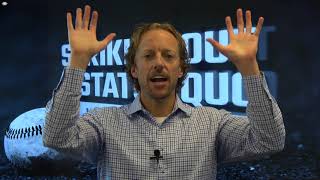
Andy Neary explains that a high percentage of auto adjudication in medical-claims processing creates hidden waste for employers. Using a restaurant-bill analogy, he shows how automated reimbursement can pay inflated or inappropriate line items (chef, expediter, waiter, restaurant fees), increasing plan costs. He urges plan sponsors to ask brokers/carrier reps about the insurer's price point for running claims, request itemized bills (higher-dollar claims often contain more waste), and contact him with questions.
Chapters
More from Andy




If you want producers to succeed faster, help them create a sales message that creates confidence.

Sales isn't a zero-sum game! You can have tough competition and still grab a beer after



Option 1: Meditation, a fast walk, a podcast, and protein. The ultimate morning routine!

How you do one thing is how you do everything. Ill elite producers fuel their body.

