Stop Selling "Health Insurance" - Sell Risk Management Instead
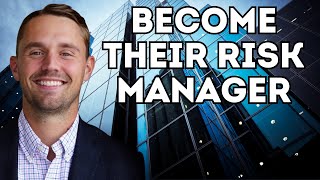
YouTube interview (Broker's Voice) hosted by Andy Neary with Kevin Han (employee benefits practice leader, Eller Brock Norris). The discussion reframes employee benefits from a product (health insurance) to a business risk-management vehicle. Key themes: adopting consultative, non-siloed advisory models; educating clients about self-funding and stop‑loss mechanics; addressing rising pharmacy and hospital claim costs (pharmacy share noted as ~15% historically, with some clients reaching ~40%); interest in direct contracting and surgery-center cash-pay models; and aligning benefits strategy with Eller Brock Norris’s “Protect Your Purpose” philosophy to protect talent and business continuity.
Chapters
I see so many agencies out there today that they often silo themselves. Like, I'm here to solve a health insurance problem. No, no, no. You're here to solve a business problem.
How do we become a strategic partner and align from a benefits perspective? Just like we would on the exit planning side or just like we would on the on the business insurance side?
Hey, welcome back to the Broker's Voice. I am excited. Today I am joined by Kevin Han, employee benefits practice leader. I hope I said that right. Kevin with Eller Brock Norris. I'm excited to have you on man today because I've also had Andy Bassett on CEO of Eller Brock Norris. And you know, I've, I've had an intimate chance to actually work with the organization at one point in my career. And just to, to watch you guys build what you've built over the last, I don't know, five or six years has been pretty impressive to watch. So thanks for joining me on the show, man.
Yeah, absolutely. So excited to be here. I don't know if I'm going to be able to follow up an Andy Bassett appearance, but we'll give it a go.
Hey, we're all about personal brands, man. You don't have to follow up. Just be Kevin. Right?
Thank goodness.
Before we get in, there's some cool things I think you guys are doing with the employee benefits that I definitely want to talk about before we get there. Let's just talk about your journey. I'd be curious to know because most of us did not get in the industry by design. How did you find your way to employee benefits and ultimately to Ellerbrock Norris.
Yeah, really good question. And you're so right. I was going to hit on it too. Like we didn't go to high school and college just being like, can't wait to be in the benefits industry, right? No. So I got an opportunity out of college just with accounting and finance as like kind of my background. Out of college I had a really cool opportunity to work for an actuarial consulting firm called Milliman. Some may be from familiar with it. Super awesome organization and, and the beauty of it was it kind of almost works as like a franchise model in a sense where different locations across the country dealt with different things. So whether it be pension or life or employee benefits. Right. Health and wellness. I was fortunate enough just where I live and where I was coming out of college, I was back in Omaha and the Omaha office was employee benefits. So basically we worked as you know, we had a lot of different verticals. There but we worked as simply, you know, we're going to be a third party independent for a brokerage. Right. So brokerages, independents like Ellerbrock, large nationals, we were going to kind of be their eyes and ears for their, their books of business. So got a lot of experience just in different funding arrangements, whether that'd be individual market related. Self insurance was, you know, kind of the, the main one. And then your, your standard fully insured or level funded markets as well too. So just kind of had a, a wide variety of experience there and got to see it from the, you know, kind of the, the background view or like, you know, the actuarial view. I myself am not an actuary but did that type of, that style of work and worked very closely with those actuaries that we had in, in, in house as well too. So that was kind of the background and it allowed me to see the, you know, we worked with brokerages all across the country and it allowed me to see like really awesome practices that I was like, wow, that's great. And some practices where I would be like, hey, I think I may do something a little bit different. Right. So it gave me a little bit of perspective there. And then I just had a really cool opportunity pop up with Andy and the guys over at Ellerbrock and I fooled them into thinking that I was the right choice for it. And what we've got going on here is we're just trying to take that consultative approach because that's really ultimately what I was doing at Milliman, take that consultative approach kind of third party, almost biased, sitting at the same side of the table as the client approach and just kind of try to build something.
Here at Ellerbrock, what is that experience been like for you? Working on what we might label as the industry partner side. Right. Milliman doing a lot of actuarial work for the industry, how has that experience been for you to go from more of the industry partner to. I'm now an advisor working with businesses.
Yeah, I think it's, I think I still want to try and keep in what I talk to our team about who's just fantastic that I try to keep the same approach to it. Right. So like at Millman I was, I was doing a lot of like, you know, we were doing, you know, renewal projections. We were doing things, you know, kind of getting people prepped for the, you know, the big part of benefits, which is your renewal. Right. Where I, I kind of still try to take that approach with our clients. You know, really talking about like what's the strategy and what's upcoming. Right. And what's out there too, because that's our job. Right. Is to let them know what are the different arrangements that could be a fit. It may not be the right fit, but just educating. So I try to take that approach, but something different from Milliman's perspective. You know, we were a little bit more quarterly in nature. Right. They went to us as the partner to provide them quarterly reporting or whatever that would look like. Whereas what we're trying to do here is still take that consultative approach and like the analytical approach to it, but we're just meeting more frequently. And that's kind of the Ellerbrock brand is, you know, just trying to be more of a strategic partner, ongoing. And you know, we never want to be the brokerage.
We.
That somebody's like, oh yeah, we talk to them once a year. You know, we, you know, obviously different clients need different levels of expertise. But it's, it's one of those things where we want to be that go to. And always being proactive in the approach and not reactive in nature. So those, that's kind of how I see like those two things aligning in a sense.
You know, talk about that a little bit because that, that is kind of the angle I wanted to take today is, you know, I'm guessing you saw something in Ella Brock Norris that, that gave you the desire to go, okay, I'm ready to make the jump. One thing I've admired about them and for the folks who don't know, I actually at one point was the benefit team that, that worked alongside Andy and Elliot before they really had a built out benefit team. We were doing some, some selling together in Omaha. But you guys, from day one when you built this, you took the approach that we're not going to sell health insurance because we have all these commercial clients that need health insurance. It was more. No, we're going to take an approach where we are using benefits in business to manage business risk, just like we are in the commercial side. Talk about that. Because that is a unique approach in this industry.
Yeah, I think you. Well, I mean, you hit it around the head and yeah, it's awesome. You have kind of perspective of who we are as well too. But that is what drew me to Ellerbrock. It was the, it was the fierce independent nature of what the leadership want. I have to give so much credit to them, not only because they obviously pay our paychecks, but just because of.
The, just because of listening. Right.
They are, they may be listening, which is Scary. But it was more just in the fact of, like their message. Right. They want to help protect. You know, our big slogan is protect your purpose. Right. Whether that's you internally or your business. Right. And they really tried to instill that in local. And now starting to grow outside of, you know, our Midwest community, even as going kind of almost nationwide in a sense, and taking that same message, because people in the Midwest, they are. There's a lot of companies that are fiercely independent as well too. And we want to help them continue to be independent and then also be able to perpetuate that down the road. And from a benefits perspective, what I think is so unique is we were able to have that be applied directly in that process as well. You'd hit it right on the head. Ellerbrock primarily has been a commercial business type brokerage and. But the messaging still stays the same on the. On the benefit side. Right. Like if we know that you're trying to attract and retain talent and it's a hard market. Well, let's look at some different alternatives to make that risk mitigation on like a key personnel planning side. Like, hey, how do we keep some of our key people, how does the benefits factor into that? And how do we make your, you know, your business a place where people say, hey, yeah, the benefits are pretty good here. The benefits are really good here. You know, those types of conversations, as you know, in today's job market are huge. And as rising costs continue to go, which I know we'll probably touch on, it's a, it's a key piece of like, how do we become a strategic partner and align from a benefits perspective, just like we would on the exit planning side or just like we would on the. On the business insurance side? I mean, how do those things kind of like synergistically align is really what we're kind of doing on the benefit side.
Yeah. I mean, one of the things I see, you know, in the work we do with advisors is a lot of them have that challenge when they go in to work with a prospect or a client. They. They often silo themselves like, I'm here to solve a health insurance problem. Yeah, you're getting at is. No, no, no, you're here to solve a business problem.
Yeah.
And so I'd be curious just, you know, as society and the social challenges we face continue to evolve, what feels like daily, what are some of the challenges your clients and prospects are? Business challenges your clients and prospects are sharing with you that you're trying to put a benefit solution Around.
Yeah, that's a great, super, super great question. And I think a lot of it has to do with, it's always so funny, you know, you hear what's your biggest issue like on the benefit side, right. And I would say 90% of it. And you know this too Andy, like 90% of it, they're like cost, cost, rising cost. Right. And that's okay, that's totally fine because there's a lot of, as you well know, there's a lot of mechanisms we can kind of work through there. But I'd say the biggest thing that I look at is I see the rising cost of not only like hospital type claims, but pharmacy as well. And I know that's the big, you know, the big hot topic, if you will is, you know, big pharma, right. That's where I see the most like when, when I was working with clients that, you know, self insured clients at Milliman, right. Pharmacy may make up like 15% of their overall claim spend right now. I mean, shoot, we have clients that run really well. Like it's not like they're you know, way out of whack with like budget and things like that. They're at 40% of overall claim spend as the pharmacy side of it. So it's like as that, as the years have gone on that's continued to creep up and up that percentage wise and, and I don't know your opinion on it. From my perspective, I don't foresee it to go down much unless we try to make some, you know, we try to implement some programs. We try to, you know, always be looking into what's coming next, like where can we source, what can we do from a, you know, just overall a pharmacy program perspective and try to partner with the best TPAs, try to partner with the best innovative programs that we can bolt on as well too. That's where I'd say we're seeing the most like opportunity. And then also on the direct contracting side is something that I'm very bullish on and I'm, I, I just think that that's, I don't know, I don't want to be like futuristic but like that's the way I think it is going to be in the future is we have a surgery center that can do a procedure that can be direct, contracted direct cash pay. And there's so many benefits to that from a, from a provider standpoint and there's a simplicity from the employer's perspective and then the employee still gets what they need at a, at A lesser to potentially zero cost. So it's, it's trying to really tackle the large claims because what we talk to our clients about all the time and not to like negate it, a primary care visit is a primary care visit. There's really not a ton that, you know, you could do there. But some of those larger claims, those surgeries, those larger cost drugs, like those are the things we're trying to hit on. And those are the things that I think we're seeing larger and larger. You know, I mean, if, if you look at like we always talk about like premature babies, Right. They used to be known as like the million dollar baby. Right. That's no longer a million dollar baby.
It's a three or four million dollars baby.
Exactly, exactly.
Right.
And $3 million baby doesn't sound as good as 1 million, the million dollar baby. Right. But those are the things like just over the just leverage trend in itself, over the course of time, the costs are increasing. So, like, what can we do for our clients? Because every one of our clients and every one of the people that may be listening to this, their clients, they're feeling the same thing. Nobody's really different from that perspective. But how do we try to just tackle those things on a proactive basis to try and keep the budget flat as many years as we can?
Well, and I think what you're getting at, Kevin, is at the end of the day, we're talking about risk management. Right. And I see so many agencies out there today that have been historically commercial. They understand what risk management means on the commercial side. Right. Safety programs, loss prevention, you name it. But they haven't applied that same risk management approach to their benefits. Again, it's been, hey, somebody told me I should have a benefits department because we're missing out on some revenue. And they're not realizing we can run the same approach we're running over here, that we are here and all these challenges that we face on the medical side, pharmacy costs, things like that. Yeah. My answer to that is it's not slowing down anytime soon. I think it's going to take a government intervention. But when the government's hand is being fed by the power players in pharmacy.
Yeah.
Do we see any interventions coming? I'm not so sure. And so that's only going to require risk management.
Correct.
To play a bigger role in helping businesses control their costs. Here's where I would love for you to go. And I want to put you on the spot, but you're good. Going back to what you guys do so, well, the protect your purpose mantra. Yeah, all these things you see a lot of advisors out there say I want to sell self funded because it's different, it's unique, it's cost containment and quite frankly for many advisors it makes me look good. But talk to me about in your world, it's more just the vehicle that lets you guys protect the client's purpose.
Yeah, absolutely.
What does that mean?
Yeah, so for us on the benefit side and yeah, self funded, you hit it right on the head. Like we just see a lot of groups moving to self funded, much smaller groups than even before I've ever seen. Which again is fine. Ellerbrock ourself, we're self funded and we're not.
So you're eating your own lunch.
Exactly. That's one thing that I'll definitely touch on as well too. But the thing that we see from a risk management perspective, if you look at most companies, no, everybody's a little bit different. But if they're offering a benefits program and they're self insured, that might be the second largest line item in your whole entitle, in the whole entire book, right. You're going to have your payroll most likely being number one. When we're talking about risk management taking that same approach from the commercial side that we're trying to integrate programs and just see, you know, have them have visibility. It's in my opinion, of course I'm drinking the Kool Aid. Right. Being more on the benefit side, but it's way more important on the benefits end because again, it's a larger line item for you. And so what we're seeing on like the self insured side and how to like truly handle risk is we know that there's just going to be a claim spend just like there is on the, on the property casualty side. You're always going to have to purchase the insurance. It's never going to be free. Right. That's the way it is. We know that there's going to be a bucket of money that's just you're, you're set in stone that you're always going to have. Right. But then when those little things come up, how can we mitigate those in a sense that can keep your budget as flat as we possibly can make it ongoing? Because then that way, that largest, that second largest line item, what we're fearing in the industry and what I think a lot of employers are looking at and they look at it okay, four years ago, now last year, now next year, that second largest line item, if we don't control that. It becomes your first largest line item quicker than people want to admit to. And because of that, that's a humongous risk to the overall organization. So that's where we're trying to do as best we can along with our partners on the PNC side, along with our safety folks that are integrated into these companies. And we're trying to basically say how, how can we collectively just be a one small piece of it, but really what it comes down to is it's a large line item, piece of it overarchingly.
Well and to your point, eventually if you're not controlling that, you're going to have to make the hard decisions of watering down the benefits, changing contributions, and guess what? Now you're not protecting one of your purposes, which is how do we attract and retain key people because your benefits are no longer an asset.
You can, you can. When we talk about some, with some of our clients, where can we lose with losing people that we have or losing people that we're trying to get over to our company? Right. We lose on cost. Yeah, we lose on. It's not even that good of a benefit type deal. You know, it's like, so how do we protect the benefit that they have today and try to protect it well into the future to not lose out on those opportunities of current great talent that we have to keep and current new or you know, the new talent that we're trying to, to attract to our company? Because again, the job market being it the way that it is and it always is, the best benefits shine. You know that, that's for sure.
I'd love to get your thoughts. There's a two part question. We'll start with part one. So I feel like it's when it comes to addressing risk using insurance vehicles, I feel like it's historically been easier to get a company to understand why it's important on a commercial side. You talk about risks, avoiding claims, things like that. You see a lot of organizations that have bought into self funded strategies like Captives for a long time in the, in the commercial side, but it's not as bad. It's been, it's not been as easy on the benefit side. I don't know why. There's just a more, there's more fear when it comes to that. How do you guys address that if you're willing to share when you've got a company who's bought into it over on the commercial side but may have their hesitations of, I don't know, Kevin. I Don't know if we want to do the self funded thing. It seems a little risky.
Yeah. I think the first and foremost you hit it right on the head and it's so funny. Like the self insurance are like the captive on the PNC side and on the benefit side it's so funny. Like it couldn't be more different. We always joke about that like it really can't. Then the premise is the same but just the administration that what you're going about it is different and, and why people hesitate so much. Number one, and I totally get it, is on the PNC side when you go self insured and you're in a captive, that, that affects the organization from, you know, the, the numbers perspective. Right?
Yeah.
When we, when you do it on the benefit side, everybody that has health insurance through you is a potential person that's affected. Right. So I think there's just that, that automatic fear. So what we try to combat that with Andy is just simply at the front end education. Like do we understand the arrangement? Do we understand the pros and the cons of it first then the numbers? Because the, the one thing that we always fear is oh, we show them the self insured quote and it's like, oh, this gives us a lot more flexibility even though there is that cash flow piece of it. Yeah, we're in. And it's like, no, whoa, okay, no, like let's get down to the mechanism because what about a bad month? What about August comes and it. You had two surgeries and you know, a high cost claimant, like you're, you're on the hook for that as well. So I think the education piece is, is, is first and foremost that we try to do every single time with our prospects and our current clients that we may be moving over. But more importantly, I think it's education on. I think the misconception. I don't know, I'd like to get your opinion too. The misconception on stop loss. Like I think people think self insurance, we're on the hook for everything.
Unlimited, unlimited risk. Yep.
It's like, well no, you know, if you're, you know. And I think a lot of, a lot of times people don't. Andy Bassett, our CEO, he does a really good job and kind of like does a parallel. Everybody's self insured really, other than like some, you know, some fully insured products and individual market products. But still that claims risk comes back at some point in time, right?
Yeah.
And so what we're really trying to do is educate that yes, you have risk and it's self insured. But that's why we purchase stop loss not only at the individual level, but at the aggregate level as well too. And so again that, that education is key because then we can really, once we get the mechanism or like the understanding of what that looks like, then we can start working in those programs that really make self insurance attractive or like a captive attractive. We can kind of work those in and integrate those into the program.
I think, and I like how you said it, I there's a big difference between a product and a vehicle.
Yeah.
And I think if people are trying sell self funding as a product, the, the client or the prospect's going to want to go right to the rates. Do the numbers make sense?
Yeah.
Without understanding how it works. And I think what you're getting at is I don't care what the numbers say, I don't care if they look pie in the sky. Yeah. We're not doing this until you understand actually why you're doing this and how it works 100%.
Because again I think especially coming from like even a level funded product that's like, you know, your pseudo self insured, they go right to the rates. Right. And it, and it's like, oh, that rate's way better than here. And it's like yes, but there it's a set it and forget it. In a sense. Right. You're going to pay the premium. It's going to be the full premium amount. And if you win in a month you won't know. If you lose in a month, you won't know either. I mean ultimately, whereas what we're really trying to do on the, on the education side is what makes up the fixed in the variable. Right. The fixed we know and what makes up those fixed costs. And, and then the variable, those are the ones we're trying to really attack from a claim standpoint. But until people have that understanding, we don't as like our team, we don't necessarily feel as comfortable getting them into that arrangement even if the numbers do make sense.
I got two more questions for you. And, and you just got me thinking as you said that because I was trying to figure, you know, the risk management perspective. I think one thing you guys do such a good job of and I'd love your opinions on you guys view. How do I say this? You guys don't have a commercial silo, a benefit silo and a personal line silo and a wealth management silo. Right. You guys look at every service you offer, product you offer as one big part of the wheel called risk management. And I see so many agencies that struggle. Everything's siloed.
Yeah.
What. Why do you feel that's important? Because it is important that you guys. It's not you guys when. When you guys go out and meet with a company, it's about addressing the. And then once you find out where there's the biggest gap, you figure out within your arsenal of services what's going to be most appropriate. Why is that a must today?
Yeah, I just think the. Especially because of the, like, the rising cost of it. And just the rising cost is number one. Because, like, as. As costs continue to rise, not only on the property casualty side, like I. Again, like we're in Nebraska, a lot of property costs have gone up because of hail. You know, just the variety of things. There's. And then the benefit side, just the cost of hospitalization claims, the cost of, you know, Rx, you know, and then the wealth strategies piece of it. How are we continuing to stay independent and keep our company and not sell out to, you know, a larger national and lose the sense of what we built? Right, Yep. All of those pieces, when you really look at them, we believe that they all have a piece at the table. Now, do every client that we work with, and Andy's probably talked about this as well, too. Do we do every single thing for every client that we work with? No. No, absolutely. And honestly, we would be the first to tell you, oh, that group, you don't really even need this. Right. But the big piece of what we're trying to do is just help be a strategic partner to employers to help them navigate those pieces and be able to assist where we can. And what we find to be really interesting, Andy, is when we're having those conversations with employers, it's so different than the conversation that they had where it's like, oh, well, yeah, that guy's PNC guy. They work for the same company, but they don't even discuss anything together. Whereas for us, we're going into meetings a lot of the time together. Right. So it's like there's that cohesiveness. And I just think in a. In a time of era that we're in today, I think that goes a long way and it fits with what we do.
Well, it's. You're going into meetings to talk about their business. You're not going into the meeting to talk about health insurance, commercial insurance. And I think you guys have created. You guys have built a masterclass on how to run a Sales process. And I think that's where it really comes back to is you go out to meet a business to talk about their business, and then based on the risks they share, you figure out where you guys can be the most important, what makes the most sense. Heck, you guys have done it so well. You have clients, you have companies hiring you just for the strategy. Not even to sell the insurance.
Yeah, for sure. Well, and I think that's kind of like part and parcel of like the getting. Getting to the next step. Right. Is. Is that we're seeing that Andy. Andy and the executive team talk about it all the time. No, like a business owner in Nebraska. We'll use a business owner who started the company, or their father or their grandfather, their mom started the company. The number one thing that they want to talk about or have the most passion about talking about, typically, is their business. Right. And if we can have those conversations with them, we can. You know, of course, with all the different expertise that we have at the table, we. We can pick out the places of like, okay, that's something we might want to dive into further. Keep going. Okay, this is something that you guys do really well. Let's build off of that. You know, that's where I think the conversations just get lost sometimes. And for us, I think it can just make the conversation even stronger in the relationship. A lot stronger, too, because we care about it.
What would be your final question? I have you. What would be your advice if you're willing to get collaborative here a little bit? If I've got somebody tuning in, going a little afraid to jump into the world of alternative funding and things like that, or, hey, we are that commercial agency that is treating our benefits like, here, guys, here's a client, go sling some benefits at them. What would be your advice to help them make that shift to more risk management?
Yeah, that's a. That's a really. That's a great question. I would say our. Our sales leader talks about this a lot, and we've kind of tried to really instill this too. You got to be. You got to ask more questions. You gotta come from a consultative approach and not, I think sometimes, especially when you feel so passionate about some life, I catch myself all the time doing it of like, oh, you guys should be doing this. How do you know they should be doing that? You gotta ask questions, right? You gotta be more strategic and consultative and actually get to the root of where the problem is. Not necessarily just. We always talk about, like, product launching or like, you know, solution launching. It's like, no, we need to understand. So I would say to your question, Andy, the best way to do that is just ask more questions and ask them about the things that matter the most to them because it's going to come out for sure. Just listen. You know, I wish my magic. I hope my wife. My wife hopefully isn't listening to this because she's going to be like, yo, you're talking about.
You apply that at home a little.
More, we're going to have to cut that.
Well, no, I think. But there's a. There's a beauty in what you said because if you just go out to a meeting just to learn about their business with no assumptions or no angle you're trying to take, and you just listen, you shut up and ask the right questions, it's amazing what you get out of it. And if you just listen to what they're actually trying to solve and then you go to work trying to solve it, it's quite amazing how much business you win.
Yeah, absolutely. Couldn't agree more.
Well, Kevin, it's been an honor to have you on, man. Getting to know you a little more. You guys are doing some great things. I think you guys are the standard right now of how to run an organization on built on risk management for both commercial and. And benefits. So keep up the great work, guys.
Yeah, thank you so much and I appreciate you having me on. It's been blast awesome.
Kevin, hands looks. Everybody be good.
More from Andy




If you want producers to succeed faster, help them create a sales message that creates confidence.

Sales isn't a zero-sum game! You can have tough competition and still grab a beer after



Option 1: Meditation, a fast walk, a podcast, and protein. The ultimate morning routine!

How you do one thing is how you do everything. Ill elite producers fuel their body.


Stop living in the gray of maybe! Your job in sales is to get a clear yes or no