The Broker's Voice: Mike Kroupa
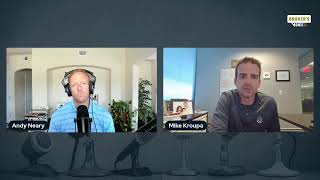
Mike Kroupa, Director of Analytics at Conor Gallagher OneSource, moved from remodeling to insurance and created Remodel Health, an analogy that treats healthcare like a home renovation: identify the problem, set a budget, hire a consultant, pick partners. He helps employers lower costs through strategic interventions instead of guessing.
Questions this video answers
Lyle, Illinois
Director of Analytics at Conor Gallagher OneSource
Mirror Image Remodeling (later Tim runs Mirror Image Carpentry)
North Central College (Naperville)
Remodel Health
Chapters
Hey. Hey. Welcome back to the Broker's Voice. I am excited this week to have Mike Krupa join me from Conagher Gallagher one source in what should we call it, Mike? Chicagoland.
Yeah, we'll call it a suburb of Chicago.
Well, Mike, welcome aboard.
Thanks.
In fact, you're in, aren't you in Lyle, Illinois?
I sure am. Born and raised, live here pretty much my whole life.
So I, I, whenever I think of the city, Lyle, Illinois, here's what I think of. I'm a Badger fan and if my history has it correct, Frank Kaminsky, one of the greatest basketball players in Wisconsin Badger history, I think is a product of Lyle, Illinois.
Sure is he? Actually he grew up in the neighborhood that I live in now. My wife grew up in that neighborhood as well, so she grew up knowing it.
Awesome. Awesome. Yeah, I still remember Frank. If you by some reason come upon this podcast, I still remember Mike. When my dad told me going into Frank's junior year he was going to be the starting center. I'm like, oh my God, it's going.
To be a bad year.
And then he ends up being the player of the year national play. It's unbelievable story. So anyways, let's get back to Mike Krupa. So Mike, a question. And Mike, if you don't know Mike, Mike is the director of analytics at Conagher Connor Gallagher. One source Mike, most of us did not get in the industry by design. I know. I had a friend tell me, try this thing called insurance. So I jumped in. That was 21, 22 years ago. You definitely had a career before insurance. Let's talk about that. For the people who have no clue who Mike Krupa is, introduce yourself and talk to us a little bit about the mic. Before insurance. Mike.
Yeah, yeah, we'll do so. Yeah, Mike Krupa. Nice to meet everybody.
Before I got into insurance, so remodeling has always been kind of a passion of mine. I grew up with it.
Worked at Home Depot for probably a good five years before me and my brother decided to open up our own remodeling business during our last years of college. I'm an identical twin, which is pretty important to know about just my overall identity. My mom labeled our company Mirror Image Remodeling. And so we did that our last couple years of college and just kind of forged our own path. And you know, I went to a local school, North Central College here in just next town over Naperville. And you know, one other thing I've always been good at is math and Andy, like you said, most of us fall into insurance. You know, good at math, and my advisor told me to be an actuary. That's kind of how I got down this path, is had somebody that worked in the industry, a relative got me, and I've been here ever since.
So I'm curious. A couple of fronts. Now. You didn't. I'm going to tell a little bit of this story for you, if you don't mind. So I want everybody to remember Mike's an identical twin and a brother's name again.
Tim.
Tim. You guys were remodelers. If anybody here is an HGTV viewer, Mike and Tim were the property brothers before the property brothers that you see on TV today. So, no, now I'm curious, Mike.
What made you even consider the transition? Because here's you here, Tim, and you and Tim are owning a remodeling business. What even gave you the thought that, okay, it's time to put this aside and get into insurance?
Yeah, I can't tell you I ever had a conscious thought. You know, you go through college and you're like, well, what the heck should I do here? You know, you talk to your advisor. And I think, you know, the reason I started looking outside of remodeling is, I'll be honest, man, it is tough on your body. Holy cow.
The Krupas have a history of bad backs. And so I didn't want to do it for the rest of my life. I liked having it as a hobby, you know, doing the woodworking and maybe eventually doing some things on. On my own home. But, yeah, I can't say it was a conscious decision. I just. My advisor told me I'll go down this path. And I was like, well, okay, sounds good enough for me. I'll. I'll. I'll try that. And. And that just is. That's what got me there, that.
It's funny that that statement is like a famous statement of anybody's in the insurance industry. Yeah, I guess I'll try that.
You know, it's funny what you said. I shouldn't say, it's funny. What you said really resonates because Amy, my girlfriend Amy, has been a dental hygienist for 20 years. And that too, believe it or not, is a. Is an industry that's very hard on your body because you're sitting like this every day. And so she's, you know, she's in the process of building a business as well, because she knows you can't do dental hygienistry for 30, 40 years. It's just way too hard on your body. And I can only imagine what that was like in the remodeling business. Now is Tim, is Tim still in the remodeling business?
Yeah, he is. He, he's, he's doing a couple of things. He does a little bit of remodeling, but he's, he got more into the woodworking. So he's a, he's a cabinet maker. He runs his own business, mirror image carpentry now instead of mirror image remodeling. But yeah, he's, he's still doing it. He likes it. He, he wanted to, you know, continue to work for himself. Yeah. And he's so he's, he's, he's actively, actively building cabinets probably right now.
That's awesome. You know. Does he still have all ten fingers?
He does.
He.
I tell you, he's got some, he's got a few more battle scars than I do though.
It's funny, you know, woodworking, you hear woodworking and how many stories you hear of the, of the saw going wrong and somebody loses a finger or. Two Happened, happened to a good friend of mine, to his father just about a year ago. Okay, so let's fast forward. No longer in the remodeling business. Now you're here in insurance. You're with Conor Gallagher. You are the director of analytics at Conor Gallagher One source. Talk to us. What is that role about?
Yeah, so, you know, I came in to really help support any clients that have, that have data, you know, and that's, that's the larger fully insured employers. That's the self funded employers mainly here to support them. I, you know, one, I help them create a budget and set a budget for, for their plan specifically on a self funded. So I got an underwriting background, actuarial background. You know, that's always the first step. And then, you know, one of the most basic things I help them do is try to relieve a little bit of an anxiety on a monthly basis. So just some reporting to help them understand, look, here's the budget that we set and every single month, here's, here's how you're coming in. That gives, that gives them a good indication for what the next renewal is going to look like. I'm someone that has a little bit of underlying anxiety, so I like to relieve that anxiety for our clients. But then, you know, really in the past two years I started getting heavy involved in the strategic thinking for our clients and. All right, what else can we do to, to try to impact costs. I recognize that the healthcare system is broken. Actuarial background. I see these large fully insured renewals come out 25% and then you negotiate it down to 5 or 10 and you think that's a huge win. I just look at it like, how is this possible? Like what's going on behind the scenes? So that just led me down this other path. And so now I'm trying to put solutions into place with employers that are going to impact the bottom line. But, but can be good for, for the members as well because there's just a. What I've learned is there's a ton of opportunity to do things different.
Well, and I gotta believe going back to your education that you got at North Central in mathematics, I mean that's had play a huge role in what you're doing now.
The math in the fully insured game, like it just, it has never made sense to me, you know, how a carrier can come out with such a high renewal and negotiate to something so much lower. It has always boggled my mind. And that's where I really started diving into that in the last three years. And I always say I have learned more about health care in the last three years than I did in the first 14 years of my career. I've always known a lot about health insurance, but health care is an entirely different animal.
Well, yeah, that's a good point. Because if we're all willing to admit it, all of us being peers in the health insurance industry, whether you've been doing this for five years or 25, we all have just learned about how important the health care system is to health insurance costs. Within the last five years.
Yeah, absolutely.
Prior to that, we didn't know what we didn't know. And so, you know, you also bring up a really good point. I can remember when I was an account exec at Burkwald and Associates back in Wisconsin, one thing Dan Burkwell always looked for in his account executives was a finance background, a math background of some sort. And it's so important because I truly believe there's two things we have to do well in the health insurance industry. Math and storytelling. If you understand both of those, you're going to do really well in this industry. And so you having that background of that numbers, the finance side of the background of what we do is so important. Now.
Most people who would be deemed director of analytics, and I'm making an observation here, so forgive me if I'm wrong, are people who tend to more like to be in the the back, you know, they don't want to be front facing, they want to be crunching the numbers in the back. But you're actually taking somewhat more of a front facing role right now from the strategic side of that. So talk to me, talk to us a little bit about what you're doing now that you get to see the numbers as director of analytics to how you're helping clients really get more by paying less.
Yeah, well, first they got to understand how much they're spending. Right. And where, where they're spending their money. And you know, you deliver a 20% renewal on, on any, any employer, self funded, fully insured, whatever, they got to understand why it's 20%. And.
That'S a feat in of itself sometimes. Right. It's just, just that education process. But, but now, now I'm, I'm educating them on all the different things that they can do to, to impact their plan because of that 20%. And like, hey, is this, is this the path you want to continue to take as an employer? If not, there's a lot of different things that you can do. But I'd say the first thing that, that is heavy focus of mine now, I call it being liberated. Liberated from the status quo. I got to get them to understand that the healthcare system is broken today. And there's certain things that have happened over the past 10, 12 years that have really gotten us to this point. And I found once I can get them past that, Humphrey, the sky's the limit from there in terms of the different things that we can do. But they have to be bought in to the fact that it's broken. And so a lot of what I'm trying to do right now is teach them why it's broken, have that light bulb go off. Now let's start talking about what we can do about it.
Yeah, it's important you teach prospects about what's happening because we definitely are in an industry where a lot of people don't know what they don't know. Our prospects don't know what their problem is often. Right. They see costs going up, but they don't know why. And so that education up front is.
So valuable and it's, man, is it tempting to like just try to jump to the solutions and I call it the spray and pray, let's just throw everything at them, you know, and see and see what sticks. It is so tempting to do that. But man, it just doesn't work like you, you lose them quick.
I say the same thing about marketing. It's if you're just spraying messages out there, hoping it lands on somebody, you're not going to have success. And it's kind of the same thing as an advisor. If you're just spraying strategies out there, hoping the prospect's going to buy something, it's not going to work. But let's take this to the next level, because what you've done, Mike, is you've taken this philosophy and you've built a really cool brand around it called remodel health. Tying your past as a remodeler into your current as an advisor, as a director of an analytical subject matter expert to help companies remodel their health plan, which I think is just beautiful. Talk to us about what you. What, what is remodel health? I think it's so cool.
Yeah. So, you know, first fell into insurance, right? We talked about that. So I just say that because it's not, it's not passion, Right. It's not a passion of mine or historically hasn't been a passion of mine. I don't wake up, you know, just getting so excited to underwrite a plan. But, you know, part of this journey into creating remodel health was, was my own journey. Like I was searching for something to, to get passionate about. And I love, I love remodeling. I've been remodeling my home, you know, for, for eight years. And it's just something I can get behind. I, I love being able to kind of just take a blank canvas and, you know, or take something that has a lot of problems with it and making it look great and adding, adding a lot of, adding a lot of function to it. So that's what I've started to mix my job and my passion of remodeling. And I'm looking to give employers a really good story to try to connect everything because healthcare is complex. And I found if you can relate it in a way to them that they understand, you can start to make that transition easier. And it does relate to remodeling a ton, because as you're talking about new solutions, I mean, you're inherently remodeling a client's health plan. And, you know, I look at myself as the consultant or the general contractor. Right. And there's lots of different partners that come into the mix here. And once you start to tell them that story, it's just like they get it. Everybody or most people have gone through or had an experience in remodeling. So it's an easy concept to get after. And when you can relate it to something as complex as healthcare can be.
It makes it easier to explain.
Think about this, Mike. Let's walk through this quick. I think it's going to make a lot of sense for people. So you're going to be the. You're going to explain remodel health to me, Mike, if, first and foremost, why do I want to remodel my bathroom?
A lot of reasons. But, I mean, look, you. Something's inherently, you know, you're not happy with it, right? You don't love it today. Maybe the. Maybe the function isn't there. Maybe you don't like the colors, but it's just. It's not a space that you necessarily enjoy being into. Or it's just old and decrepit and like, you know, sorry, gotta go. Like, some. Some things gotta change.
So step one in remodeling a bathroom is I recognize I have a problem. What's the next thing I have to do? Mike? Okay, now I know I need to remodel my bathroom. What do I gotta do next?
You gotta set a budget. Like, you have to know. You gotta know what the guidelines are. It's, it's easy in a remodeling project to get out of control fast with all the different bells and whistles. So you got. You gotta set a budget and a baseline for what you want to do. Like, without. Without question, have a really good idea what that's going to be.
Now I have a budget. Who do I go seek to control the budget?
You got to find a general contractor. So, you know, sometimes that person may be maybe doing a lot of the work. I prefer it when they're hiring in the experts. There's a lot of partners that come into a remodeling project, Especially if you're talking about something like a bathroom or a kitchen, a lot of different experts that, that need to touch it. And if you hire the right general contractor, they will get the right partners in there. But you don't want to be dealing as a homeowner with, you know, five different parties. You want to be dealing with one person who's, who's tying this all together for you, who's going to help manage this, manage your budget. You got it? You know, it's not, again, not an easy thing to stick within your budget. You got to have somebody that's. That's shepherding you through this process.
So I heard you say, if I know I need to remodel my bathroom, I need to, number one, recognize I've got the problem. I need to set a budget. And I'm going to hire a GC whose job is. It's going to stay within budget and find the right subcontractors.
Yep.
Wow. Sounds a lot like building a good health plan, doesn't it?
Yep, it's.
Well, that's what I love about what you've done with, with Remodel Health, man. It's taking a passion you had, literally a profession you had prior to entering the health insurance space and turning it into a process by which you help clients build great health plans without breaking the bank. And that, that's what I absolutely love. And what you said is so spot on. If there's a prospect out there that is into remodeling, has remodeled his or her home, his or hers home before.
Are they going to resonate with what remodel health is helping them do?
Absolutely. And the best, you know, honestly, the best part for me is it's put a little pep back in my step. Like, I, I get excited, more excited now to talk to clients about this in a remodeling fashion because, like, I am super passionate about that. And so now I'm talking about things and, like, I'm getting excited about it. They can feel my passion. I, you know, they're already, they're already telling me that. So it's just, just. It's great to do it with something that I love to do because it's. I, I feel like I got a little bit more purpose behind what I'm doing now.
Absolutely. So what advice would you have if there's an advisor listening in right now who is maybe caught waking up every day looking at his or her calendar going, I don't have a system. I don't have a plan. I just feel like I'm kind of spraying and praying a bunch of messages, throwing some phone calls out there, some emails, and none of it seems to be working. What advice would you give him or her?
Yeah, you know, first and foremost, and, you know, I. Look, I think we all learn things the hard way. That's the way it, it all. It's. It sticks in our brain. I, I felt like for the first 14 years of my career, I was, I had this idea in my head of what, you know, somebody in this role should be doing. And only in the past few years have I decided that you just got to be yourself. Like, just boil it down to that. You know, follow your instincts, follow your heart, but don't be trying to be somebody else. Be yourself. Once you start doing that.
I promise you, things are going to change for the better. And I guess what I didn't realize is like, that's what people want to see too. They don't want to see you trying to be somebody else. They can sense that, like, just be yourself. It, it's a, it's a freaking liberating feeling.
Well, and I want all the advisors listening to not miss a point you made. And that is if, if you're just in it for the money. Because let's be honest, a lot of us were told how lucrative this industry is. You may get that money, but you're not going to find fulfillment and happiness.
Yeah, totally. Totally.
What you've done, Mike, is you found that, hey, I don't have a passion for selling insurance. But now that you've tied what you have a passion for into what you're doing in insurance, you've allowed yourself to not only get your pep back in your step. As you said, it's probably helped. I know you've said it's helped a little bit with anxiety and all the stuff that you're going through. And by the way, you're now taking this brand and putting it out on your LinkedIn profile and your post, which is absolutely amazing and you're getting great engagement with it.
And you know, the interesting part is, so I'm trying to, you know, relate back to remodel health wherever I can. And when I do that with my own personal stories, man, the engagement on those personal stories fars out, far outweighs just a little piece of content on a place to remodel your health plan. Whenever I relate it back to a personal story, like just the, the engagement is, is night and day compared to it. And that's why I, the biggest piece of advice I, I would tell anybody is like, don't be afraid to, to be yourself. You, you, you have strengths. Find something you're passionate about. Andy, my advisor told me, right, you should be an actuary because it's, it's low stress, high pay job, right? So I was like, yeah, whatever, I'll, I'll do that. And it wasn't until I started being myself that I, I got a little bit of a fulfillment out of.
Awesome. Well, last question then. We'll let you roll. Now let's spin it quick. If there's an employer in the Chicago land market listening in saying, okay, Mike, we now know it's time to remodel our bathroom, AKA remodel our health plan. What if I said give them one piece of advice? What would that be?
I would say start to find a general contractor that is willing to educate you first, you know, is willing to get you over that hump of. Maybe it's just what is, what is self funding and what are the different things that you could do but focus on, focus on that education piece. And even, even before, again, you start getting into self funding, start to understand.
How and why the health care system is broken. If you can start to get there, then you can start to get past the point where now, now, now, now you can get into how to fix that problem. So it's. Learning is, is, is key here. Don't think you could just jump straight to the solution. You got to put the time in and, you know, find that person, that general contractor that's willing to educate you on what's wrong and, and then focus on.
Well, and it's the same analogy as remodeling a bathroom, Right. If you know it's time to remodel the bathroom in your house, you probably should know why it's time to remodel. What's, what's not working for you.
Absolutely.
That's causing you to say, hey, we need a different look. We need a different result. So, great advice. And by the way, if you're listening to this, do yourself a favor. Go connect with Mike on LinkedIn. Krupa is k R O U P as in Paul A. He's got great content, doing some great stuff with this remodel health program process. Mike, I want to thank you for taking the time to jump on the broker's voice.
Yeah, man, thank you. I, I appreciate it. Honor.
And for everybody else listening in, I hope Mike gave you a little clarity because you know what happens when you mix clarity with confidence. You take massive, massive actions. Go make that action happen today.
Appreciate it, Andy.
More from Andy




If you want producers to succeed faster, help them create a sales message that creates confidence.

Sales isn't a zero-sum game! You can have tough competition and still grab a beer after



Option 1: Meditation, a fast walk, a podcast, and protein. The ultimate morning routine!

How you do one thing is how you do everything. Ill elite producers fuel their body.


Stop living in the gray of maybe! Your job in sales is to get a clear yes or no