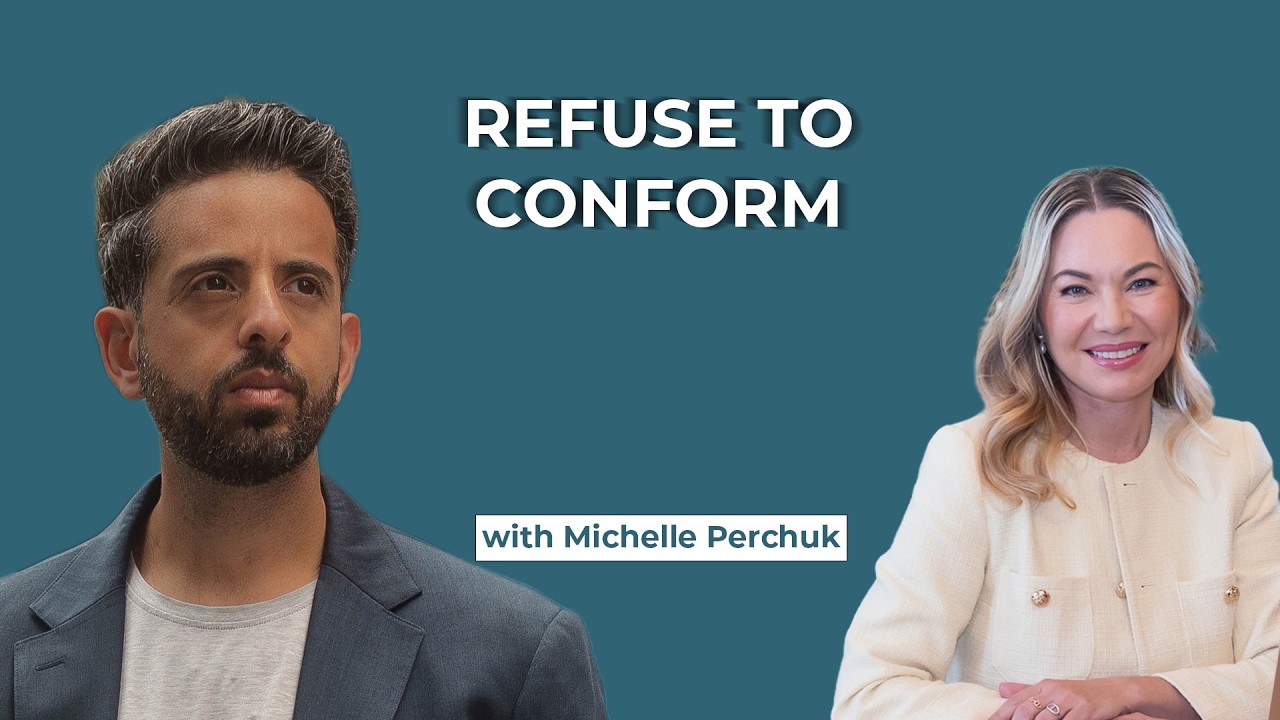
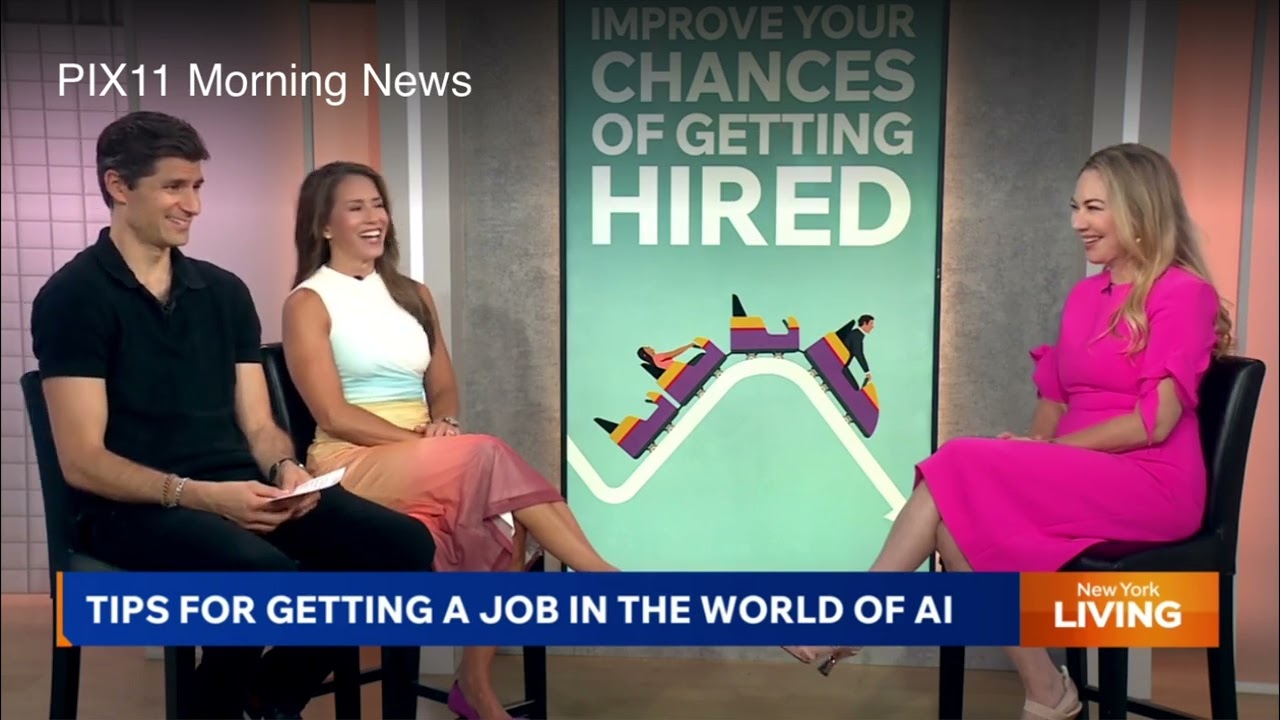
In this testimonial interview, Stephen Bush reflects on his experience with Michelle Perchuk’s executive career coaching program. He highlights the program’s structured framework—organized into three chapters and reinforced by memorable acronyms such as JEWEL, ROSE, and CCCTTL—as the most valuable element, giving him a clear process for tackling job searches. The video lessons helped shift his mindset, boost confidence, and combat imposter syndrome. Stephen also praises the comprehensive LinkedIn overhaul, new banner, and storytelling assets that refreshed his professional brand. One‑on‑one sessions were described as highly personalized; Michelle reviewed his materials, printed files, and provided patient, concrete feedback, which made Stephen feel supported. He discusses the challenge of severe social anxiety and how the program encouraged him to stretch his networking muscles within a supportive system. Ultimately, Stephen secured a new role, considers the coaching worth the investment, and credits the structure, branding work, and individualized support for his success.
Chapters
Which part of the program was the most effective for you, the most helpful? And what was the overall process of working with me, like your, your, um, your experience as, as a client?
Uh, so it was good. Um, you and I have some different viewpoints on some things. Um, and, uh, and so that was— there was always like, okay, How, like, this is really good. How can I add my own flavor and my own kind of process to it? And but you set out the structure and framework. So for me, that was the most important part was I didn't even know how to approach the problem, and you provided the structure and framework and this whole basis. So the videos were good. They were helpful. They helped put me in that mindset. of how I approach it, how I need to think through it. It was also good for confidence. I always feel like I have imposter syndrome and like, I feel like, okay, can I do this? In fact, I still, I'm struggling through that now. Like, can I actually do this job? And I'm like, yeah, yeah, you know you can. Come on, stop that. But like, so just the way that you're— Approach has you like look at that. There's a lot of acronyms, maybe a few too many acronyms, but I'll always remember JEWEL. I'll always remember ROSE. And the one that's not really an acronym, the CCCTTL, like that was really helpful, just really being able to frame it in terms of Like, because your program kind of has 2 parts. There's a, here's how you actually do it, here's how you build it out. And then from an executive standpoint, here's what you need to think about and here's how you need to frame it. And so that's— both of those were helpful in their own right and kind of being able to say, okay, so because there are a couple jobs that I applied for that weren't executive and some of those network— networking connections, but still the overall, like, these are your transferable skills. having that framework and being able to just plug it in to do it was really, really helpful. And, you know, it also felt really good to, you know, overhaul my LinkedIn. And that banner, like, is awesome and I love it. I loved, like, it just felt so new and fresh, the whole thing. And so Just very proud of that whole process. Like, tell Daira she did a great job on that. Like, I really liked what she came up with. And so it— going through that process, you know, when I was feeling frustrated and low, helped with encouragement, helped to just give me a new kind of like take on it that was just fresh. So, you know, I didn't get burned out on it.
Yes.
And it, yeah, it was the structure. The networking is hard for me. I am diagnosed with severe social anxiety, and it's been a while since I've really had to stretch that muscle, and I've kind of given into myself and not done it a lot. But so it was really good to stretch that and to have the support system while learning to stretch that. And again, the structure of the 3 chapters is brilliant. Like, and like starting off with, I almost didn't become a scientist. Music was my first language. I learned that creativity really thrives on structure, you know, at the piano. And every, like almost every time, like I got, oh, like a warm smile, a warm response. Like, People were just like, even if it was just like, oh, like, I got something. And several times people were like, oh, me too. Like, Michael, like, moved aside. He's like, look, there's a piano back there. And so many people did. And so that, that right there, like, it, it's something that you wouldn't think of.
Tell me a little bit about the one-on-one support. Specifically when you implemented everything that was the system, where we did all of your assets, where we crafted your story, you started the networking. There were a few bumps in the road when you started interviewing, when you started connecting with people. How was the customized one-on-one support that I offered you?
Uh, it was good. Um, I mean, I mean, I think part of it is, is I feel like the, the healthcare was just a little bit outside of your wheelhouse. But you, I mean, your advice is still applicable across the board. And when we talked, it was like, I'm so literal sometimes. And you were like, you should say like, I couldn't sleep last night. I'm like, well, but wait, but that, like, I could sleep last night. Like, and so like, so there was me having to like be like, okay, I like, this is a thing. Like, it's fine, you know? And you talked me through that and were patient with me with that.
Yes.
And so the one-on-ones were really helpful. Like, it meant a lot, like, when I sent you stuff, like, and then we had a one-on-one and like, I see you pulling out files, like, you've printed it, you've got it. You're not just like, this is not just like, okay, wait, now where were we? And checking boxes. You're investing, you're trying, and that, That meant a lot.
What was the outcome finally, which we kind of know here? And looking back now, was it worth the investment?
Um, so the outcome is we got— I, I got a job. Um, and, uh, it, it wasn't directly through like the networking. Um, but it wouldn't have happened without it. Like everything that we did, like it can't be like, oh well, I didn't get it through networking, I applied for this job. Everything about this program fed into that in some way. So yes, I would say it's worth the investment. It was a lot for me at the time, but it— I would say, yeah, I learned a lot. I grew. I made connections. connections, I learned how to network properly. And yeah, I would say, I would say it's worth it.