Audience Bridge Insights #10 - Email Was the First Social Network - And It’s Still the Most Powerful
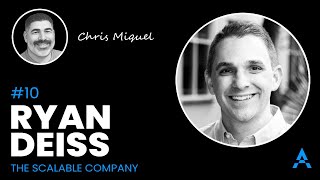
Ryan Deiss built his first online business in 1999 and has treated email lists as owned assets ever since. He runs short onboarding sequences that funnel subscribers to one piece of pillar content, keeps only his most conversion-ready contacts segmented, and obsesses over list hygiene by sunsetting inactive addresses.
Questions this video answers
1999
Circa 2001–2002 (references an ebook and an opt-in landing page from 2001/2002).
Sold in 2018 with the earn‑out in 2019
Historically Marpost; currently HubSpot, HighLevel, Beehiiv/Beehive, and Mailgun (delivery).
3–6% of the list
Chapters
Marketers do what marketers always do, which is we ruin things. I realized that email was it. If I had the ability to communicate with people, I had the ability to create money.
You know, what's your go to email campaign structures or flows today? What kind of frameworks are you guys running right now?
Email is serving as the mechanism to get them to go over to YouTube because YouTube today is a far more effective binge factory. Email was actually the first social media platform. I'm saying, like, how can I now take this real and turn that real real into an email?
The biggest issue today for emailers that they don't know about is the data itself.
Newsletters really should be thought of as more like a product. Basically from day one, email is our most valuable channel.
Welcome back to another episode of Audience Bridge Insights. I am excited. You probably recognize this guy right there. Ryan Deiss, founder of Digital Marketer, the scalable company and even the author or co author of Digital Marketing for Dummies. How you doing, Ryan?
I'm doing really great. How are you?
Good. Got a lot of stuff to cover. Ryan's one of the OGs of the digital marketing space and direct response marketing and all that, through throwing events for years, knows everything there is to know about digital marketing. Thus his books that he's written and all the businesses he started have been successful and continue to be. So if we can go ahead and just start, you know, since you've been here since like the early 2000s, probably before that, what role has email played in those businesses in the beginning growing up?
Yeah, well, I got my. I actually sold my very first product online in 1999. I like to say I got started in the late 90s because it sounds cooler or maybe it sounds lamer. I don't know, maybe that makes you seem super old. But. But yeah, I mean from the very, very beginning, I mean email has been absolutely critical to that journey. The very first product that I sold was an ebook on how to make your own baby food. Funny enough, but right from the get go I was building email lists and the first back I remember I launched, you could probably go and find it. I think it was 2002, maybe 2001. I wrote this ebook called the Great Easing Experiment because back then we called email newsletters e zines because it was like an e magazine edit. My theory then was that newsletters really should be thought of as more like a product. And so where everybody else, they had a website and then just somewhere on the website was this box where it was like opt in for my newsletter. I created a single page just to get people to opt in for my newsletter. So I created my, treated my newsletter like a product. This was back in 2002. Well now this is just what we've done. I mean you think about Hustle and Morning Brew, like that kind of became this thing. From the beginning I realized that email was it. If I had the ability to communicate with people, I had the ability to create money from thin air. And as a broke college kid, that was everything. And it became particularly clear to me when in the early days of my entrepreneurial career, all of my traffic came from organic search. I mean that, that was, that was what I did. And this, a lot of, you know, this is pre social, this before Facebook was a thing and pay per click was just kind of starting to come into existence. So organic search and like posting on forums and stuff like that was kind of all you had. And I'll never forget one day waking up and realizing I had zero traffic and I hadn't made any sales that day, which was rare. I was used to waking up, you know, checking my PayPal account and seeing that I'd made a bunch of money and overnight and this day I hadn't. And I did some research and realized that Google had made one of their first algorithm shifts. It was the Florida update. And, and overnight all my websites were just gone, vanished. And I would have been completely out of business if I didn't have email lists that I could mail to. If my traffic was 100% dependent upon other third party media channels and awareness channels, I would have been done for. And so yeah, I think owning your own media is everything. And so basically from day one, email's been the most important channel marketing channel I've, I've had.
So yeah, it's awesome. I have some, some questions here to get into more about all that algorithm changes over time that you've seen them all obviously since you've been there, since the beginning. I mean you're there in the wild going on email. It was, it was pretty easy to deliver email back then. And it seems like you had your original email landing page signup page is like the same. The top performing ones are today. It's just come here, put in your email. Beats most other newsletter signup pages.
Yeah, there was a headline, there was a sub headline, there was a form right there. There were some bullet points below it. And funny enough back then the reason that I designed my page that way is because it all I knew how to do. You know, I was Using Microsoft front page and Adobe. Like, it wasn't super easy to build websites back right now everybody else was building pages using Flash. You remember, like Mac Media, Flash was such a. You go to these pages, there's all this like swirly twirly stuff. Man, if I knew how to do that, I would have done it right? But I didn't. And so I built really simple pages. And lucky me, it just so turned. I just found that that's what converted the best. And so I kind of got lucky just by being utterly talentless. And, you know, sometimes it's better be lucky than good, I guess.
Back then when you got started, what was your first, like paid acquisition channels. So like banner ads, like through Yahoo or.
Yeah, I did some, I did some banner ads. But funny enough, what I realized when I decided I wanted to build my email list, what made sense to me was I should advertise where people already read email newsletters. So my first significant paid acquisition channel that I went after was buying ads in email newsletters, in other people's email newsletters. And this was before really anybody else was doing this. I was approaching him directly. And I remember my dad, when I went off to college, because I'm. I'm 20 years old. Like, I'm. I made. I made my first sale online 1999, as a freshman at the University of Texas from my dorm room. I mean, literally, like this is kind of a dorm room, start off story kind of thing. And my dad gave me a credit card and he said, this is an emergency card. It has a $500 limit and you are only to use it for emergencies. That's it. I remember thinking, well, this kind of feels like an emergency. And so I went and I put. I think the first ad that I bought was $100. And I put it on that card because I didn't have any other money. And I was like, if I can make. Generate enough revenue from the leads that I generate from this to my newsletter, and as soon as somebody opt in for my newsletter, I was selling them something on the other side. So I was able to kind of arbitrage this a little bit, then I can pay off the card before my dad really even notices, right? And so that was kind of my. That was sort of my game. And then I started also selling ads in my own newsletter. And I was just playing this arbitrage opportunity. And in the course of, I think it took me a couple of months, I was able to go from zero to a thousand subscribers on my little email list. And at the time, I thought I wanted to be a web designer. And so my very first email newsletter was called the Web's Worth Watching Newsletter. And it was just an email for other web designers who. And I was. What I was giving people every week were free resources where, if you're a web designer, here's. Here's a new site that just came out that's offering, you know, free web hosting. Here's a new one that's offering free images. And so I would just kind of compile these things for other, you know, other web designers like me who were broke and who wanted things to offer to their services so they could get more clients. Well, it just so turned out that the people who were actually opting in for my newsletter weren't other web designers. They were marketers, right? And so they then started asking me, how are you doing this? And so that's how it kind of transformed and morphed into me talking about what I was doing to sell my other, you know, products and services and things like that online.
When you had those strategies back then to do that, is that all just. You just came up with it yourself? Did you see someone else doing it? Did you learn from someone that kind of where you stole it from or, you know, got some ideas from, or just trial and error, you just winged it?
And yeah, I mean, there was definitely a little bit of trial and error, but back then it was. There were a lot of forums, like a lot of different marketing forums that were out there, there, and people just shared. You know, it was such a broad, open community, and so few people were doing it so that everybody kind of knew everybody. And. And what you had was a lot of, like, old school direct response people. So folks who were sending literally direct mail, right? And they were trying to figure out this, you know, this. This Internet thing. And so I remember there were arguments about should the webpage be just one long letter that people can scroll down, or should it literally be multiple pages? So, like, when they were sending out their direct mail letters, when they get to the bot them one page. So they click next page and then they would go to the next page and then the next page. There was like really strong arguments about it. And finally somebody tested. We're like, no, just have it scroll. And so it was. So it was a lot of that. It was a lot of idea sharing. What was weird is that I never did this because, again, I'm a kid and just values differences. But where a lot of the best ideas came from were the adult space, because of course. And so I remember there would be people who would go to these like, adult conferences where they were talking about how to market the adult because they're always the first to everything, right? Because they're utterly soulless. And they would kind of come back and report what they learned from this adult conference and sort of, you know, pg ify it for everybody else. And so that was, that was how it was done back then. It was wild, wild time. Yeah.
That's awesome. So during that time till now, what's the biggest thing that changed in how you approach email?
Funny enough, what we're doing today looks a whole lot more like what I was doing back in the early 2000s. So I submit to to you that email was actually the first social media platform. Like in the earliest days of email Deliverability was about 100%. Open rates were dang near 100%. People were excited to get email. I mean, we forget this, but there was a time and then there's plenty of people who don't remember this because they're too young, but there was a time if you had an AOL account, you logged on and after the modem was done doing it, speed on, beat hungry thing, you were hoping to hear you've got mail, right? And when you heard you've got mail, you were happy about it, right? You were happy that somebody sent you an email. That's how it still was back then because email was considered social. It was a communications medium. Well, over time it morphed from a communications medium into a broadcast medium. Marketers do what marketers always do, which is we ruin things, right? We push it to the limit, we take it to 11. We there's a line and we don't just like cross it, we leap across it. And that's kind of what we did. And for the longest time, we weren't really punished for it because there still weren't that many people out there doing. Even big brands still didn't really respect or appreciate email.
Right.
It's funny, like, the idea of email being a thing is fairly recent in marketing history. I mean, newsletters kind of people started acknowledging that with what, like substack, right. And the sale of like the Hustle and Morning Brew, like prior to that, email was sort of seen as something that, yeah, maybe you would do if you're an E commerce company, but in general, if you're a real brand, you're not sending many emails because you're basically just going to look like a spammer. They didn't see it as an A significant aspect of their commute, of their marketing strategy. And if they did, it was still kind of like, you know, let's not really talk about it or try to optimize it. Which meant that there was plenty of room for smaller brands that were doing it. And specifically, there was room in the inbox. Well, that's not the case anymore. No, but so back then, you could just blast away and go crazy. And that's exactly what we did. You know, we're emailing once a day, twice a day, just blasting out offer after offer after offer. Also, when the economy is up and to the right, when interest rates are at 0% and the government's giving everybody free money, they're opening emails, they're looking for opportunities, they're buying stuff. Things change when the economy shifts a little bit. And so where we are right now is we're not sending out emails with the purpose of just immediately trying to get people to buy. We're sending out emails more to try to get people to raise their hand and indicate a level of readiness so that then we can segment them out and make offers just to them. This is the great game of marketing today. 3 to 6% of your list is ready, willing and able to buy. Maybe they won't buy from you, but they're going to buy from somebody. Right. They're at least open to the idea. Email is a phenomenal mechanism, figuring out who those people are. But if you treat everybody like they're ready, willing and able to buy, you're going to burn out your list. And that's how it used to be. I mean, back in the day when, when we sent, when I sent the emails, it's like I was emailing each person individually, right? And, and I'm. My thing today is like, let's make email social again.
It's. It's funny you brought that up, that it was like the social network back in the day, because it feels like now Substack is trying to make theirs an actual social network. Like they're tying it all in the email and owning it all. And then, you know, which kind of sucks for the, the owners of the, of the, the brands and newsletters. They don't really own it Substack, but they're trying to link it all with the app and everything. So it seems like they're going for that, trying to turn it into a social experiment. So we'll see how that goes for them.
Yeah, I don't, I don't think that's going to work, but I think that People have, they occupy, they've got their social places where they do social things and they've got their inbox and trying to create a third place. Yeah, Good luck.
We'll see.
Good luck.
This is a good segue off all that. So we've talked about you. You're there for the, the initial Google algorithm update. You've been there for the other 500 since then. You were there for the launch of all the social media platforms, all the algorithm updates. They've had the killer reach, the killer things. You've been through the entire wild west of email sending to where you could basically send anything and it hit the inbox to super filters, bulk sender requirement updates all the time. All these things now even sms and they're doing all their. That's. That was a new wild west where like everything gets delivered and you had 100 view rate because it's a text now they're hammering down on that. Out of all the, you know, you had your, you know, your. Then the paid channels came in so you had to pay per click and you had all the banner and display and the YouTube which all got more expensive and crazy. Out of all those channels, which has been the toughest to deal with or has kind of like you can't really push as more just because it's too difficult. The ROI is not there anymore.
The ones that has changed the most that went from like this is amazing to like, dang, this is really, really hard is paid ads and social. Right. I mean we do still invest a lot in paid ads. So I don't want to say like that we don't. That we don't do anymore because we do. I mean.
Well, only way to scale, right?
Exactly. Yeah, we invest a lot and it does convert. We get, we get a positive return on ad spend. But there was a period there for, you know, Facebook launched ads in 2007. I believe there was a time period from like 2007 to 2012 where it was really hard to not make money. I mean like the cost per click was so cheap that. And there was so much traffic there that it was hard to not make money. I mean, contrast that to the early days of pay per click. The early days of pay per click clicks were cheap. Like, I mean clicks were a nickel and a dime and stuff like that. But there wasn't as much traffic back then. And because the early days of pay per click, it was originally goto.com, which was its own search engine that was only pay per click. So almost nobody used it, they were acquired by, they became Overture. They were then acquired by Yahoo. Right? And then it wasn't until Google introduced AdWords, which is now just Google Ads, that you started to see some volume. And then you had a couple of years there where, where that was, where there was kind of the wild west. And it was, it was easy, right? It was hard to not generate a solid return on ad spend a solid roas. But that window closed very, very quickly. The window in paid social stayed open for a long time because they just kept adding new avenues to connect with, to connect with the audience. So originally it was sidebar, right? And then it was in feed. And then when mobile came along and the audience just kept growing faster and faster. And the targeting, oh my God, the level of targeting that you could do, you could basically target people down to individual humans by their last name. I mean, it was insane. Then starting around, you know, about 28, 2017, 2018, that was when you had the whole Cambridge Analytica, you know, compliance came down. Yep, yep. That was when they said, like, okay, we're gonna remove a bunch of targeting options. You know, then you had the not.
Approving, not approving a ton of direct response ads for whatever claim.
Yeah, tons of slaps along the way of like, yep, these ads are no longer, you know, allowed. And, and what happened there is the same thing that always happens, consolidation. And so technology, technology follows the exact same, you know, cycle. You get a launch of a new technology and then it is mass proliferation. That's the wild, wild west period. Then what you need is you need some kind of period of regulation because it gets out of control. And then regulation ultimately leads to consolidation. Right. So proliferation, regulation, consolidation. And then the consolidation leads to disruption, and that's when the cycle repeats itself, you know, all over again. The period that we're in right now with social is still very much in that kind of consolidation phase and there's nothing new coming on board. So when pay per click went through that, you know, and Google basically owned it and they locked it down, you had Facebook coming on right behind it, you know, and that was. So you didn't feel like this significant loss. But now with, with paid social getting a lot more difficult now with Meta basically coming along with their Andromeda update and saying, hey, you're, you're targeting. That's adorable. Like it's, you know, it's sort of like the door close button in an elevator. Like it's for entertainment purposes only. It doesn't do anything.
Right.
They're going to show you to whoever you want to show it now is going back to where messaging once again reigns supreme. So it's no longer the quants and the technical people who are going to be the best marketers. It's actually going to be the best copywriters again.
Right.
Especially in an age where everybody can be a pretty decent copywriter because of AI. I'm excited about the phase that we're moving into because I trust me and my team to produce amazingly great hard hitting messaging. But it's going to be really, really, really difficult for, for a lot of folks. And so yeah, that's, that's the one channel organic, social similar because now that you have actual legitimate celebrities on these channels gobbling up a lot of the attention, it's just tough. I mean there's just only so much eyeball time available and so somebody can watch, you know, my stupid little marketing video or my you know, business video or they can watch a legitimate entertainer, you know, legitimate like celebrity entertainer who like that's what they do for a living. Like I'm not going to win that most of the time. They got to be really kind of in the mode and in the zone.
It's great. It's crazy to me how, how Facebook, we've been running a bunch of B2B advertising on it and it's, it's killing it. And to me it's like I never thought B2B targeting on Facebook would work as well.
Oh, it works great. We've done it for years and people argued with me that it wouldn't work. I'm like, you know who's on Facebook? Humans. And who works in businesses? Humans.
Let them optimize it for you. Just put the good content out there. It'll, they'll find the right people.
So it'll find them.
Let's, let's switch gears into kind of frameworks, you know, data acquisition and going through that and you know what's your go to email campaign structures or flows today? I know digital market has I'm sure a ton of them from like indoctrination to engagement to the offer. What kind of frameworks are you guys running right now?
So for right now and it does vary slightly but, but broadly speaking when somebody comes, when somebody gets on onto our list, what we used to try to do is we used to try to, to send a series of emails that in the emails itself we would, we would try to do the relationship building right. So we might send a seven part indoctrination series and each email was going to do you know, some type of building based on the assumption that they're opening the emails and they're reading the emails, it's just not true anymore. Like it's just not happening as much. You certainly can't assume that they're going to read each part of a series and so building it in some kind of series fashion where one email leads to the next. There was a time when that was incredibly effective. It's just not as effective anymore. You cannot assume that somebody read your first email and if you act like they did, you can't assume that they're going to go back and find it or even if you link to it, they're going to read it. Okay? Because they're probably not. So they're just going to opt out of it. So each of these emails needs to stand alone. So when somebody first gets onto our list, priority number one is in any of our businesses there is one pillar piece of content that we want them to go and consume. So one ungated piece of content, and usually that piece of content is sitting as the featured video on the embedded influencer, like whoever the face of the company is or the company YouTube channel. So for like, for me, I'm the face of the scalable company. If you go to my YouTube account, that featured image in my YouTube account, that featured video in my YouTube account, that is our pillar content, it's 120 minute long video. But if we can get somebody to watch that, then we know that we've got them. That's what is, is building the relationship. So the goal is to create a binge effect, a content binge effect. But we're no longer asking email to do the heavy lifting of serving as the binge factory. Email is serving as the mechanism to get them to go over to YouTube because YouTube today is a far more effective binge factory. Not only are people more likely to watch a video today than they are to read something, but YouTube is also just very effective its algorithm at, when somebody watches one of your videos, at serving them up another video and another one and another one. And if you can get that binge going, then you got them. So the indoctrination series we, we're now going to send, we got a new subscriber, three, maybe up to five emails. But virtually all of them are, yeah, there's going to be some stuff in there that's more relational, but just about all of them, from a call to action is go watch this video in one way, shape or form.
Are you, are you, are you are you are you taking them out of the funnel once they go to watch it or are you still sending the follow up once?
No, we'll, we'll send the follow up ones because the emails, again, each one of them stands alone. We also don't have any way of knowing if they watched it or not because it's on a, it's on a third platform. And so if they read the email and we say yeah, if you like this, you should go watch it still works. Like even if I've watched it, it still works. And we're only going to send, I said three to five. In general, it's three. So now they're on our list. Right. We no longer are building out these long pre written automated sequences. Again. There was a time when that worked. We called it one of them, we called the Monster. So you got on our list and basically the first 60 days was fully automated and depending on what you did, it put you in a different automation, take you out of that one. And it was highly complex and highly effective for a short period of time. What we found now is that that just isn't as effective. What is effective is being timely. And so now once somebody's on our list, we're going to kick off the week either Sunday or Monday with some type of content based piece. And so this is usually going to be some form of a newsletter that does feel productized. So it feels like I'm getting a thing. So for me it's my accidental NBA newsletter. Most of our brands that are going to have some type of a newsletter that they are receiving, then what? And so for me that goes out on Sunday because I know that like small business owners, this is kind of when they're, they're, they're checking their inbox, they're looking at stuff but they kind of got some time. Yeah, you know, the week hasn't started yet and so I got a chance from actually reading it on Sunday more than I do on Monday. That that's the theory at least. So that's when we're dropping that and then on Monday it really kind of depends on if we have some sort of event based thing happening that, that week then we're going to start talking about that. If we don't, then usually what we're doing is I'm thinking about what was something that I did in social, short form, social that performed well like as a reel, I'm saying like how can I now take this reel and turn that reel into an email. Email is our most valuable channel. So we do a lot of our message testing via social and if it performed well organically in social, then we know that it will perform effectively in email. Again, for us, email is just another social platform. So if I'm going to post a reel to Instagram and I post that same reel more or less to TikTok and to YouTube shorts, I'm going to cross post, why not also cross post the content to email? And so that's how we make sure that we're always sending out interesting conversational type things. And then there's a subtle call to action that is either inviting them to, you know, if it's B2B, go book a meeting, it might be, you know, pushing them towards a relevant, you know, offer. It might be inviting them to go opt in to another piece of gated content, even though they're already on our list. And we want to do that because that's a way of sort of resetting their attention. They also are able to move through a funnel or maybe they do book a meeting or something like that. But that's the basic flow when we're typically going to start out.
When you talk about, sorry, go ahead, being timely and things like that. Are you segmenting these people on those days based on the preview like you said? You said your email on Sunday, then you sell one on Monday. Are you sending, you know, how are you segmenting those people? People that have engaged that Sunday, or is it the whole list just that are recent, the last 60 days, 30 days, whatever your engagement windows are. How does that look for you?
We're doing almost no segmentation anymore. No segmentation like the, here's the. The segmentation that we're doing is we basically have people that are ready now. So they're in some sort of a, they're in some sort of a conversion sequence. So they, they're among the 3 to 6% who have indicated readiness. And they can indicate readiness by booking a demo, right? Booking a sales meeting, filling out an application. Maybe they buy an entry point offer of some sort, right? Every business has some way for subscribers to indicate that they aren't merely kind of lurking subscribers, but that they're actually in market.
Right?
They're, they're actually ready, willing and able to perhaps buy from you now. They're now interested in becoming product aware if they're not yet product aware. So for all of those people, they're segmented off and they're getting whatever relevant series or follow up is that's relevant to what they did. And perhaps if it's depending on the business that could be from a sales rep. So they are removed from the main broadcast list. They'll still get the newsletter on Sunday but they're not going to get the other mails because we don't want to distract them from where they are. But aside from that and aside from our just general client list and customer list, there is no other segmentation. So if somebody opts themselves into one of these conversion sequences they stay on our main list and the job of that main list is to get them to opt into one of these conversion lists. One of the ways incidentally that they can get into a conversion list is to reply to an email. So we'll send out emails that invite a reply. Hey, if you're interested in this, just reply, tell me more. And we don't use any automation for this. An actual human being on our end will reply to send them what they ask for and then manually move them over into that conversion series. And so we have gotten so much less sophisticated in our automations and in our, our segmentation in the last two or three years than we were 10 years ago.
Right. Well I'm really interested in this because I have a, you know, I'm pretty depth and the deliverability side of things. When you're not segmenting on your main list you're sending to all subscribers or you're only sending to people that have engaged in the last.
I'm sorry. Correct. Yeah, I'm sorry, I, I was assuming a basic level of.
Right, okay, that's fine.
Yeah. If somebody hasn't opened or clicked on an email in I can't remember if it's 60 days or 90 days then they do get segmented off and go into some type of a re engagement campaign.
Right.
And at that point if they do not re engage then they are put onto a totally different sunset list and they are not receiving those emails. So yeah, I was, I just, sorry.
I was offering, everybody knows that, listen to this that there is a base sending there's, there's got to be some sort of segmentation for engagement and sun setting your people so you don't kill your deliverability.
So yeah, there's got, I was assuming a basic level of list so I.
Get that some people that get to this they'll go no, he, Ryan's the goat, he said send to the whole list.
I am so glad that you clarified that because I would not want anybody thinking that I'm saying that like if somebody hasn't opened an email in like 2 years you should still be hitting them up. Now, that being said, we have gone back to leads that had been segmented off that had been disengaged and we did this run a re engagement campaign and we found the best re engagement campaign that we could run and we do this once a year is we look back and we say what were all of the best promotions from an engagement perspective that we ran that previous year. So from an open rate, because very often the reason that people haven't been engaging with you is because you just haven't been sending out good stuff. And so if you haven't been emailing your list like at all, then there's a reason that they're disengaged and it maybe isn't because they're not interested, it's because you haven't been reaching out to them.
Yeah.
So we will take the folks. Yeah, I think it's, I can't remember if it's like six weeks or eight weeks or 12 weeks. I don't remember the time period. I can get that exact info. What, what do you do? What do you recommend? You're. You're better at this than I am anyway.
Well, I've preached everywhere. I have what's called a base sending segment and that's just what you're saying. It's, it's. There's a time window of the last time they clicked, there's a time window the last time they open and there's a time window for when they were onboarded or subscribed the activation date and depends how many times someone's sending. You know, it's different for like say a daily sender might be like a, a 60, 30, 15. So click the last 60 days, open last 30 or subscribe last 15 days to once a week. You know, could be 180 days, 120. You know, it spreads out based on your frequency. But I always say you.
Yeah, I think ours is basically a 90, 90, 60, 30. Basically.
So you have to say you're, you're automated four times cleaning that's doings to keep your engagement as high as possible as well as getting. I mean, what can hurt you the most is. I forgot who I had a chat with on this. I think it was on a previous podcast a few weeks ago. Who was it? Vern. How. I think, I think it was Vern. How he said like the biggest issue today for emailers that they don't know about is the data itself. So they're sending the data that hasn't.
Engaged, that's been put in Spam traps basically, right?
They're, they're not validating the data. So they could be sending spam traps or you know, bots or things that, you know, could infect things. So by not having a good automation process for your, for your data, you know, that's the biggest issue that people have. The biggest issue that most people that get in the email space, especially all these new newsletter published out there, you know, crap, I don't know. I mean, I think Beehive has like 40, 50,000 newsletters, hubs, stub stacks, who knows how many 60,000 over there. Then you got freaking this one, the next one, you know, and all they're trying to do is go their newsletter and it was like, oh, I got 50,000 subscribers. My open rate's 15%. I'm like, yeah, because you're sending to the whole list. It's like, right, they don't get that. And then, you know, they're like, oh my God, I'm making my money. And then all of a sudden they go to zero because they can't deliver. And you know, they find out too late when they actually have some sort of business and it kills them and.
Recovering from that stop. So yeah, no, thank you for the opportunity to clarify that. I was assuming a basic level of list hygiene so that, that is definitely what we are doing. But if you do want to re engage a list and you want to move it over to a different list, different IP address, all that other stuff, maybe even different domain names so that the sender name is different. The best way to re engage a list is not to send some kind of passive aggressive, why haven't you been opening my email? It's to just send amazing emails. Just send great emails and don't acknowledge that they haven't opened. Okay, you don't even have to say anything about that. They don't remember they didn't open. They don't care. Just send them amazingly great stuff that is worthy of opening, worthy of reading and worthy of clicking on. If you will do that, then you'll be shocked at how many you can re engage. Because all too often lists become disengaged. Not because the people just, you know, don't care about your email anymore. You just stopped being interesting, Right? You stopped sending out good stuff.
Yeah, so we've been doing too is we have our automated win back series. Whatever they're producing, you know, sending out our best content to these people that try to reactivate after they've fallen off. Like they'll, they'll fall off or what I call the base sending segment. And then we'll, we'll, we'll let them rest for 60 days, just don't get to them. And then the automation kicks in setting the best content for like, I think it's like it's a 30 day, ours is a 30 day sequence. I don't know how other people do it, but we're basically sending day one, day three, day seven, day 14 and day 30. Just so we get it spread out through the month. You know, someone could be on vacation, traveling, who knows what's, you know, they're gone for two weeks, they have a chance to watch your emails. We're trying to hit them spread out enough to get the best chance for them to see it and reactivate. And if they don't reactivate off of that, then we push them into our dormant list. And then that list, what we've been doing is we push that into our system and we have, we gather a lot of activity signals and click signals for a bunch of partners and then off of that we use that to trigger a new reactivation off of. When we, if there's a subscriber in our dormant list that we see just clicked on someone's newsletter over here, we'll send that signal over to our newsletter. We'll try to activate that on a one to one send and just do it that way moving forward. Instead of sending these more bulk blasts of, you know, 30,000 people that have gone dormant, we're trying to be more precise and that's, they're working really effectively. I want to say we've seen like 18 to 20% reactivation off of it.
Reactivation. Yeah, that's really good. One thing, I'll say one more thing on this and we can, we can, it's your show, we can move on if you want to, we can stay here. But one, one point that I would make in terms of the reactivation timing, think about the, what is the general delivery cycle of your customer when they do invest in a, in a product or a service like the one that you and your competitors sell? Because more times than not, very often, I don't say more times than not, but very often when people get on your list and then they completely disengage, very often it's because they found a solution and the solution wasn't you. Okay, they went a different direction. They found a way to scratch the itch or maybe they just, the problem that they had kind of went away a little bit and, and it just, they were like all right, it's fine. I'm not, I'm not going to do it. But if you think about, okay, so let's say they went with someone else, how long would they give that someone else before they would start looking again? And this is going to depend. Right. I mean if it's Enterprise SaaS, maybe it's you know, a year or two. Right. And so you would want to think, okay, if I, if I'm going to have somebody on my, you know, re engagement cycle after 60 days, then perhaps where you want to start actively following up is the 10 month mark because you know that they got a 12 month contract minus the 60 days that they were on anyway. They probably already made that decision within that period and that's why they went dormant. And so if you start sending there, there's a decent chance that they're unhappy and that they're going to come back in market. If it's a fitness product. Right. Or it's something like business related, there's a good chance they tried it and it's been, you know, a month and it's lost its shine and they're ready to go again. So thinking about how long it takes for somebody to have an expectation of value is a good way to think about it. And then aligning your follow up with, with that is the way that I would approach it.
And I'll just add one thing to that, especially when you brought up the whole the SaaS example and then yeah, I mean you're, you know, they're tying you into a, a year long contract or two years, three years, whatever that time frame is. So when you do kind of wait that long, please make sure you validate the email again before you send it. Especially yeah. In the B2B space where people are leaving businesses all the time, they're changing. That email might not exist anymore. Make sure, do a little third party data validation there to make sure.
And the spam traps buy dead emails so that they can expand their spam trappiness.
Yep. So remember that. All right. We, there's a great conversation. I have a ton here. We're going to go like super speed now because I think we're running, we're starting to get to here but if.
We go a little over, it's fine.
Okay, cool. Today and scalable company and digital marketing, we don't talk too much on this because I think you, you've a lot of the stuff you've been saying and talking about is tied to those businesses I would assume. But outside of what You've already discussed how are using email across both those companies.
So that, I mean those are the core ways, I mean, so there's an initial when somebody gets on the list. We see email as the primary nurture device. I can't have any expectation that just because somebody subscribes to my YouTube channel or follows me on Instagram and TikTok or whatever, there is no expectation that they're actually going to see any me. We are in a post follower world in terms of social media. It is all now algorithm driven. It doesn't matter that they're following me in these other places. The only place where I can be have some reasonable level of assurance that they're going to still be able to see what I got is email. So it is the primary nurture mechanism. So we use it for that initial follow up once they're there to try to get them to consume our pillar content. We also use it to get them to re engage and to bounce them to other channels. So our owned and operated media, which of which email is podcasts, would be another owned and operated channel. We use these channels not just as communication channels to sell the stuff that we have or to get people in those conversion campaigns, but we also use it to send them to. Go check out this post that I just did on LinkedIn. Right? Go check out this video that that's kind of going viral on Instagram. You know, I just posted something on you on YouTube. The more that we can bounce folks around and get them in the ecosystem, that's the play today. It's no longer a single channel world. You've got to get your people seeing you and engaging with you. Everywhere they are, which is kind of everywhere. But email is the best way to not just nurture them via email but to continue to nurture them via the other channels. You can leverage email to send them there. So you should be sending a lot more emails, sending people to social channels, right. Instead of just sending every single email, trying to get people to buy something.
What's your current email stack or platform using? I know back in the day you guys at TNC used to pitch Mar post a lot. I don't know if you're still using them or if you're some other platform you guys using now.
Yeah, I mean marpost was Maripos is great when we had a dozen different companies and literally millions and millions and millions of emails and they were the only ones that could send out that volume of email that quickly. We'd exited most of those businesses back in 2018 and 2019. And so today the businesses are a lot smaller. We're mostly B2B. And so our stack is going to be HubSpot, high level, running something through. I think they're leveraging Mailgun and stuff like that to send it. I'm not as familiar with that side. And Beehive. And so Beehive is powering the newsletter component. And so now, for example, at the scalable company, when a lead comes in, they go into HubSpot and then they also get pushed into Beehive. So they're in both of these places and we do the bulk of our kind of broadcast sending from me through Beehive and then we do it and then the brand stuff comes, comes from HubSpot or from High Level, you know, whichever, the core CRN that we're using. But again, even if from that perspective, everything's gotten a lot simpler.
Yeah, I mean, it's the same for, for my audience. Bridge Insights newsletter. That's same thing though. I mean, we manage everything in HubSpot's our CRM. But when subscribers come in, they go HubSpot and then they come into Beehive and Beehive's all of our communication. Where do I want to go here? Okay, let's, let's talk to them. If you're running a media brand, we're selling a product. How does the email strategy change?
I mean, now the entire thing is how do I just maximize consumption of the emails themselves? Because in that case, kind of the product that you have to sell is the attention that you generate. And then you're going to sell advertising. And so if you're not continuing to deliver in the email itself, people aren't going to keep opening, they're not going to keep reading, and your advertisers are eventually going to bail out because they're not getting the results. And so in that case, it's less about kind of the relational social aspect and it is more thinking about email less as another social media property and thinking about email more as a product. And that is the big difference. If you're a media company first, then, then email is, is a product in much the same way that a podcast is a product. And you've got to think about it as such. Whereas if email is, if you sell something else, a product or a service, then now you should be thinking about email as a communications and social media channel. That's the distinction that I would make.
Got it. Nuts. Yeah, because. And you can see like all these newsletter first, the large brands you know, like Morning brew, the hustle, 1440, probably even the skim, all these. They're becoming more media companies. Newsletters, how they started, but, you know, they'll have podcasts now they're all having events, they're all having, you know, different channels that they have to do to, you know, maximize their, I guess, their revenue and their. And their reach. Because newsletter, that model can only take them so far.
Yeah, they always were media companies. And I do think the definition that you pick, the category that you choose, is going to have a lot of. To do with the upside of your business. And it frustrated me to no end that I'm seeing these companies defining themselves as a newsletter business or stop doing that. It's like when people are like, oh, I'm a course business, you're a publisher. Okay. There are categories that have existed for a long time that are hundreds of millions, billions of dollars in revenue, and you think you created something new, which is why you're not able to learn from those that are significantly larger than you are. And so, yes, these have always been media companies. That's why I, you know, it's a cheesy, corny, information superhighway kind of name. But the original name for the email newsletter, the ezine, was helpful in that. It was like, no, this is a magazine who publishes magazines. Media companies. So they should have always seen themselves as media companies. And media companies have always monetized through advertising, multiple publications. They've also had events, they've had sponsorships. Right. They've had licensing. And so all you ever had to do was look up market at who you were actually competing against, and the business models would have written themselves.
And when you say up market, make you think of market beat. Matt Paulson and how they started with SEO, then he crushed it in email. Now he's launching his podcast, his YouTube channel, you know, so he's been able to expand outside of just one core.
Channel, which is the smart guy. And he's following the playbook. Yeah, right. It's no different than, you look at all these other media companies. Look at Bloomberg, right? I mean, it's the same kind of thing. We've got all these pieces, and then there's Bloomberg tv. Like, the Playbooks were written decades ago.
So on that note, you think every serious business needs a newsletter component?
No, I don't know. They need a newsletter component. I think they need an email component. The thing about a newsletter is it is a product and it is. It's a commitment. And I think if you do A newsletter poorly, you would be better to not do it at all. And so do I think they should have it? Yes, I think it's a valuable asset. Do I think they need to have it to be successful? No, only because we have businesses that don't have newsletters. There's plenty of B2B companies. I mean, we've got, we've got businesses in our portfolio that do hundreds of millions of dollars a year that don't have a newsletter. So I know it can be done. Would they be benefited by having one? I'm sure that they would. And so it is. As a brand, you should always be asking, how can I own my own media? Because if you're a brand, you're always having to leverage other media to scale. The best form of media of all is word of mouth. Right? That's the best form. But we need something to juice word of mouth. And so how are we going to juice word of mouth? Well, typically that's going to come in the form of advertising. And so if you're leveraging advertising, then you're leveraging somebody else's media. So to the extent that you can own your own media, that is a good thing. This is an asset worth having. It's an asset worth optimizing, it's an asset worth protecting. So I think they should have it. But I've seen so many brands limp into it, not give it the resources that it deserves. You frankly have to, to make it work just like any, any product. And then when it doesn't work, they declare that newsletters don't work for my business. No, you just did a crappy job and so it sucked. So I think a lot of brands should do what HubSpot did and they should look to do acquisitions. You know, whether or not that was the ideal acquisition for HubSpot, I don't, I don't know. I don't know the numbers behind. But that model of I'm a brand and I'm going to go and acquire media and the team that's running the media. This, I think, is a, has always been a really, really, really strong model. So before you just decide that you're going to start it, make sure that you got the team there that can run it. Don't just make it a function of mod marketing and say, okay, marketing team, start sending out an email. We've got AI now we can do it. You're going to send out a crappy newsletter that nobody's going to open. It's going to hurt your deliverability for all the other emails that you do send and it's going to impact your brand value because people are just going to know that you send out crap.
And you just teed up the next topic, which we're going to go a little bit over because these next two topics are really, really juicy. I've been looking forward to these two. So I apologize if you got to get cut out. Just give me the freaking, let's end it and we'll end it.
No, I'm good. Do it.
Good old AI in the future of email. And it's funny because before the call I went to Digital Marketer to check it out and it looks like it's all AI now. All based AI. Like Digital Marketer used to be like a training course and training platform community for, for everyone. That's how the business was. And now I see it's talking about AI. I don't know if it's an AI software product now or what's going on, but let's talk about that. What's happening over there Digital market with this AI and the impact you see AI having on the educational and training businesses similar to what Digital Marketer was as far as like training, certifications, other things like that, that now people have a thousand different AI platforms. They can go talk to Claudine or, you know, ChatGPT or whatever they want to do and get all this information right to their hands and have good communications AI bots. I just created mine not too long ago. People can talk to me, take all my knowledge and keep on feeding it everything that I know. What's going on there with Digital Marketer, as far as this AI shift and in general it affecting kind of that education space.
Yeah, AI has fundamentally killed many education businesses, Digital Marketer among them. And a lot of, you know, education companies don't want to admit this. And I don't think that AI is going to be the death of like education and courses across the board. There are still plenty of things that need to be learned that you're going to like do with your hands that AI can't do, at least not yet, that people are still going to need to learn. But if you previously would have taken a course to learn to do something and now you can just tell AI to do the thing for you, you no longer need feel the need to learn that now, one could argue that you should. But it doesn't change the reality of the consumer. They feel like they don't and therefore they won't buy. And so we saw from 2004 to the end of the, of the second quarter in 2005, sales of our courses and certifications at Digital Marketer dropped to 20% of what they were at the end of 2020. 23.
Wow.
20%. Not by 20%. Down to 20% of what they were. That's devastating right now. We had other sources of revenue and things like that, so we were able to kind of weather that to a certain.
What was the. What was the cause of that? I just think there's so much more information that was getting published that was free out there.
Yeah, I mean, there's tons of free information. I mean, especially in the marketing space. There's lots. It was a combination of things. A lot of our business at the time was corporate, so doing corporate training. And when the economy tightened up, one of the first things they cut is their learning and development budgets. So we saw that go away. That wasn't necessarily AI induced, but it didn't help. You also saw just a tremendous number of marketers decide to. I don't need to learn this stuff. In the age of AI, answers are everywhere. Right. Like, what we don't really have are good questions to ask. And so giving somebody a training and saying, here, go and go and learn. This is not the thing that people value. Especially post Covid when everybody and their dog was buying courses and trainings and nobody did anything with them. And so they realized like, well, that was a waste of money. And so I think we were in a post Covid diploma. Then you had the, you know, shifting if you were doing any type of corporate and L and D budgets. And then you had AI come along. And the promise of AI is you don't have to learn this, it'll just do it for you. And so that's where Digital Marketer was. And we kind of had a decision to make. Are we just going to let this thing die a slow and profitable death or are we going to look to make a pivot? And the pivot that we made was, was a pivot to, to AI. Because what we realized is that AI left to its own devices is pretty cool, but it's still super dumb. But, you know, like I say, it's like a sophomore philosophy major. Right. It's smart, but it's not as smart as it thinks it is. It's cocky as hell. Yeah. And it'll give you kind of mostly wrong answers some of the time now. But if you will take this sophomore philosophy major and if you'll inject actual wisdom into it in the form of like training and best practices and data. Now what you get is something that's actually pretty smart. You get something that's actually pretty good. Well, at Digital Market we had all those things. We had decades of data and best practices. We had world class trainings that we could transcribe and that we could use to train our own AI. AI employees, our own GPTs. And so we shifted the business from we're going to teach you how to do this to we already taught AI how to do it. Do you just want access to our AI bots and agents? And that's where the business is today. And it's a combination of you can have access to our stuff and also we'll show you how to build your own. And it completely reinvigorated the business. It's where what people want today. And I do believe that it's the way to make AI work for you. If you're going to make AI work today, you're going to have to train this stuff. You have to treat it like an employee. And just like any employee, you don't just hire them and say, okay, there's your desk, good luck. Right? You want to invest in them, you need to, you need to invest in them in terms of, you know, general, broad based role training, but you also need to teach them what they need to know about your business. And so that's what we're able to do now at Digital Marketer. That's kind of the pivot to AI that, that happened. But. And so I use AI every single day, but it never is. The is is the start of something.
Right?
I'm always going to start with the kernel of an original idea and let AI develop it with me and edit it with me. It's always a sidekick, you know, an editor, an employee. It's never just the original creative force.
Awesome. Oh yeah, I totally agree. This one I've been wondering about. So you guys sold TNC trapping Converter Summit back in what, 2018?
Yeah, we sold it in 2018 and had our earn out in 2019, so timing kind of couldn't have been better for us and worse for the acquirer.
Right? So with that being said and well, obviously you guys got paid out, so that was great. And then, but now that the it's no longer around, it's gone. Which sucks because it used to be my favorite event of the year.
I agree, man.
Well, until you, until you guys sold it. Because then the content sucked right after that. But do you have any regrets from that? And what I mean by that, obviously you had a financial, we call it good timing on that because of what happened to it by them. But you know, that could have been bad management. That could have been Covid. That could have been lots of to things. I kind of just changed it. But do you have any regrets on that as far as could that event? And I know you have events now through Scalable, which I don't know if they're the same kind of similar, but any regrets of not having that as a growth tool for, for still for digital marketer and for, you know, Scalable. Any other companies. That event that, that seemed to me like it was following a lot of business to you guys over time just because it was great and, and the reach it had and the quality it had. Any regret on that?
No, no regrets about, about selling it at all. That was absolutely the right, the right decision. We, we made a lot of money on that deal. We sold it at exactly the right time. We top ticked it at the time. It was the highest multiple that Blackstone had paid for an event. And so we did very, very, very well on that, on that deal. And had Covid not happened and had, you know, there, there were some, some management things, meaning anytime you sell a business, you hope that the people who buy it are going to continue to carry on certain things and do it the way that you did it. And they usually don't. In this case. Yeah, they didn't. I mean, I don't blame the people there. I really don't. The people that we were working with were awesome people. I genuinely liked all of them and they genuinely wanted to do good work. I don't think they quite realized what they were, what they had bought. And I think that they would have been able to figure it out. But just the chaos of COVID made that transition so incredibly difficult for them. I mean it really was just like, what do we do? And they were put in a tailspin because that business, all they did was events. That's all they did. And so that entire business was turned upside down. And so I don't blame the people there. I think they were put in a really, really, really difficult situation. But yeah, I mean, they didn't continue to run some of the same playbooks that we were running in terms of production, in terms of, you know, the, like you said, the content, the marketing of. But also stuff changed post Covid. The world changed, you know, quite a bit. They were planning some pretty big scale and they were locked into some pretty big contracts and like convention centers that made no sense in 2021.
Right.
There was no way to fill a Convention center in 2021. But there's the contract. You can't really break it or you cost you even more. So they were really in a tough spot. And so I don't regret selling it at all because that event, the budget of that event was, it was getting really expensive and really risky. And if we had still owned that event going into Covid and that had happened, it likely would have bankrupted digital marketer like it would have. It would have put us in significant financial peril just because of the amount of money that you have to put into an event leading up to that event. Like you basically spend everything. You make a little bit of money from ticket sales, you know, sponsorship, but if the event doesn't happen, you have to give all of that back, by and large. And what nobody realizes is that there's no insurance that covers pandemic type things. It covers a lot of other stuff. But none of these events were insured for any microbial. And so it was a really tough, tough situation. So do I have any regrets for selling it? Zero. I am thankful. I am blessed all those things for selling it. Am I disappointed with the outcome? Yeah, I mean we still owned, you know, 20% of that business collectively and we had, we were really excited about the future. I mean the goal was to have TNC be the foundation, be the platform and to acquire other market RMS into.
Croak, you're stuck at sale and whatever, keep on bringing.
Yeah, man. And if, and if we could have, you know, 5x that thing in, in five years, then, then we get another bite of the apple and we get to keep, we get to keep doing it. The platform only grows and so yeah, look, I mean digital marketer was, was better when traffic and conversion summit, you know, existed. There's no doubt it was, it was better to do that. I mean, but, but for me personally, I don't love events. I, I kind of hate events. They're exhausting to put on and they're a giant distraction and they're incredibly risky. I used to have recurring nightmares leading up to TNC every single year. And so I sleep better at night. And we did very, very well off that deal. So it'd be hard, hard for me to have any regrets. I wish that certain things had turned out differently, but I don't blame or have any bad feelings towards anybody, you know, because of it. And look, the marketing world still needs a place. There hasn't been another place that has stepped into that. I think that place needs to exist and if we can find the right partner, maybe, maybe we'll be able to build that place again one day.
Cool. And even though you said how you were having nightmares and stuff right before, am I going to ask this question here? More broadly, how should newsletter operators think about leveraging in person or virtual events as part of the growth and brand strategy?
I think if you're a newsletter operator and somebody in your space is already doing an event, you should be there because one of the most difficult things that you will ever do in business is to consolidate human beings into a geographic place at a particular moment in time. Getting butts and seats is one of the most difficult business tasks that I've ever done. And so if somebody else is already doing that then, then I would make sure that you are there too. Sponsor it, have a presence there. Because, because it's hard and, but it's hugely valuable. It is so incredibly valuable. If they haven't done it and you want to be the person to build it, it's an, it's a phenomenal asset to own. It really is a phenomenal asset to own. Just know that you're probably going to lose money for the first three years. That's just kind of the economics of events and how it works. Your goal is to make enough off of ticket sales and sponsorships to kind of COVID the cost of putting off the event. If you can break even in the first couple of years, you're, you're doing pretty great. And so, but the asset value of that, especially if you have something to sell them when they're there and so you can leverage it as a platform for, for that hugely valuable. And that's what we're doing right now at the scalable company. There's, I mean there's two types of events. There's, there's the industry event where if there's a two sided marketplace, you have kind of a convention style, expo style event where, and that's what digital marketer, that's what Traffic Conversion Summit was becoming. Right. They're the vendor area shoot was as popular and as big and as profitable as the stages. And so that's, that's, that's a expo style event that can be very, very valuable. But you need a two sided marketplace. There needs to be people who want access to the attendees and attendees who want access to the vendors. If you have that, that's a much easier event to put on and to scale. If what you're building instead is a community event where your people are Coming to your place to hear what you and other people curated by, you have to say, it's tough. It's tough. In the age of YouTube, there's a lot of great information that people can get without having to get on an airplane. Yeah. And so you got to have something pretty special and you got to have a community of people who don't just want the information, but they want to hang out with each other. But if you can create that place, that's enormously valuable. Just know it's a minimum three year commitment and you're probably going to hate your life when you're doing it.
Oh, man. So in our business we follow traction, the EOS and the IDS framework. For anyone doesn't know, it's the entrepreneurial operating system. But road book traction, that is about it. And is that type of framework somewhere what scalable provides, Want to get some scale? Like what, what, what, what, what does scalable provide for, for businesses out there?
Yeah, the scalable company. We're. Our whole thing is we help business owners, entrepreneurs install a custom operating system for their business so that their company can scale and so the business owner can have a life again is the basic idea. And we had tried traction as well and stuff like that in the past and they're, they're fine. There's plenty of good ideas there. My issue with a lot of the other systems is they've got an operating system and you have to force your business into them. And I just found that that didn't really work. Also, the idea of running a meeting and having everybody at the end of the meeting vote, score it on a scale of 1 through 10, that was just like, punch me in the face, like I'm not going to do that. It just was so lame. But, and there's just other little things like that that I'm like, this just isn't us. But they sort of demand that you kind of work their process. It didn't work for us, it didn't work for us across most of our businesses. So over, you know, a couple of decades of doing this stuff in the trenches, we built our own. And so that's what we talk about at the scalable company. And the, the process is we start with the business and how does it create value? How do you get customers? How do you serve them once you got them? How do you build and design the things that you sell? Because those are three things that every business does. You make stuff you sell the stuff you make, you fulfill the stuff you sold. So if we can Map those, if we can visualize those, that's step one and that's the core basis of any operating system. And that's what nobody else does. They start with like your goals. Well that's freaking adorable. But goals and your mission absent, you know, truly understanding how your business works and how you're going to get from where you are to where you want to be. It's just entrepreneurial arts and crafts time. And so it winds up just being this like kind of kumbaya off site type thing where it wastes a lot of time. Again, we did it, we did all this stuff. And so we start from the business. How do you create value from that? We decide who should be doing this, these things. So we go to the people, then we can get into the playbooks, you know, in the nitty gritty on how the work actually happens. Then we get serious about scorecards and metrics. And that's where I think we're better than almost anybody else at building those. Because if you want to have a business that truly can run itself and a team that can become independent, you've got to practice scorecard based leadership. It's got to just get this objective thing. This metric should be X and currently it's Y. How do you person who occupies this role and whose name is next to that metric, how are you going to turn it from red to green? Right. That is the core. And then the last thing that we do is your goal setting and your mission and your values. So I'm not saying it isn't important, it's just the last thing you do, not the first. And so yep, it's, there's definitely some similarities, but there's a lot of differences in the output and in the execution of how you get from from here to there. But I tell people all the time, if what you're doing with, you know, whether it's traction or E myth or scaling up, if it's working, keep doing it. There's our things. That is a pick and choose. It's about creating an operating system for your business. It's not we have an operating system, it's ours. Force your business into it.
We're planning it for the first couple of years, then it was a disaster. Yeah, so we hired an implementer over the last year, year and a half and it's been going really well. I mean to change the business completely from when we were self implementing it. But we'll see if it gets to where we need to get to. If not, maybe we'll become the scalable co to see what you guys can.
Do, but we're not going anywhere.
So four quick rapid fire questions to wrap this up. What's the most underrated traffic source?
The most underrated traffic source. So I want to say, I want to say email because it is the cockroach of marketing and people have been predicting it's its death for decades and it just won't die. Nothing will ever kill it, but it almost seems too obvious. So I think what I'm actually going to say is Facebook is oddly performing well for us in a lot of markets and the one that's coming on strong in other markets is Twitter. X is starting. It was, it was good like in the 2000, 2001 and then just sucked and now it's starting to kind of come back again. Email is still the king of underrated marketing channels. The fact that people continue to say that it's going to die and it just never will. Cool.
A tool you can't live without.
I can't live without. I've got a paper planner that I write in kind of my big three things that I'm going to get done for the week and then I break that down. So what I'm going to get done for the day and if I didn't have it, if it wasn't like a physical planner and if I weren't opening it up and physically writing in what I'm going to get done that day and checking things off when I do them. The other thing that I do is I keep a, a record of how I spent my day so that I can go back and audit every 30 minutes. What was I doing? I've had this practice for over five years now and it's completely changed kind of how I work and how I think about the work that matters versus the, the work that doesn't. So yeah, probably my, my planner.
Yeah. I mean all the, all the most successful people I know have their physical data planner book where they're just writing their stuff requirements, even their calendar.
Even though I don't think that business owners should focus too much on personal productivity because your job should be to do less over time, not to become more productive. So I just want to make sure that that status warm.
What's the most impactful book to read? And it can't be Digital Marketing for Dummies or any of your other books.
The Goal by Eliyahu Goldrat. It's a book that introduced the world to theory of constraints. And theory of constraints is what forms the foundation of Everything that I've ever done. So if you go back to the customer value journey at Digital Marketer and how we would map that out, and you want to find like, where's the bottleneck? And just fix the bottleneck. Everything we do now at the scalable company when we're mapping out value engines, okay, where's the bottleneck? He was talking about this back in the 1980s for manufacturing assembly lines. But if you think about everything that you do in business is really just manufacturing, whether you're manufacturing a product, whether you're manufacturing the fulfillment, but whether you're manufacturing customers in the form of marketing, everything can be reduced down to a visual assembly line. If you can visualize it and then you can measure it stage by stage, you can identify the bottlenecks, you can identify the constraints. If all you ever do is solve for constraints, your business will grow. And that is the essence of scorecard based leadership.
Awesome. What's the hobby or skill you picked up in the last couple years?
I finally am back playing golf again.
There you go.
Play golf a little bit. Yeah. I played golf a bit when started in college and you know, then when my kids were little babies, and then it was like, I can't justify taking four hours, right? You know, away from my family. So I sort of took like a decade or so off. And then my, you know, oldest boys got. My oldest son got into it and his younger brother got into it, so I was able to play with them. And now that the kids are getting older and they're starting to kind of move out of the house and stuff, I can actually go, go play. I still suck.
But no, I'm with anybody. Talk. I usually play like three or four times a year. It's always at a charity golf tournament. But my kids are in high school, so they'll be out the door here in a few years. And I'm sure I'm playing a lot more golf.
I was a member of a con. I've been a member of a country club for the past almost 20 years now here in Austin. And there was a good solid decade where I was fundamentally a donor. I mean, I maybe went like once or twice a year. There was one year where I did not go once.
A good old $20,000 car fee.
Yeah, we spell you. But the, the, the. But now it's rare if I'm not there, you know, at least like twice a month. So I would say that that is my new old hobby and I love it.
Nice. And the last question. This is a ode to Matt Paulson and his Twitter post I saw a little while ago today. How do you like your copy? Black, sweet or bougie?
I like it, you know, blackish. I. It gets just a splash of cream, so not. Definitely not sweet, no sugar at all. But I do not like it bougie. I don't like all the kind of crap in it. So black with just like a little splash. I can drink it black, but for whatever reason, I don't know, I like just a little splash. Just. Just a little, you know, a little skosh. Perfect.
Awesome. So if you guys want to learn anything about the scalable company, there's a marker. I'll have the links and, you know, below in the. In the content description area. If you want to find Ryan on social media, just Ryan Dice, his name, you can do it on Twitter, LinkedIn and the other channels. You're on that, people.
Man, I'm putting all my best stuff up on. On YouTube. I mean, all the things that I used to turn into courses, I'm now, like, I'm just going to make this a free video on. On YouTube. So if you go to search for Ryan Dice D I S S Ryan Dice Official, because I have my actual name, but I didn't know how to transfer it over, so I've now got the long one as my account. That really is all my best stuff. And I'm posting something new once a week. So if you're only going to go to one place, I'd go there.
Awesome. Well, thanks for being on. I'm looking forward to linking up at the New Media Summit in February.
Yeah, man, it's going to be fun.
Talk soon.
All right, buddy. Thank you. Thanks for having me. Appreciate it.
More from Chris


Audience Bridge Insights #21 - He Kills Most Facebook Ads in 3 Days. One Has Run for 2 Years.
Audience Bridge Insights #20 - $3 to Acquire, $3 Back in 7 Days w/ Andy Mackensen, The Assist

Audience Bridge Insights #18 - The AI Standing Between You and Your Subscribers — with Chad S. White

Audience Bridge Insights #17 - AI Is the Biggest Change to Email Since the iPhone w/ Dan Oshinsky
Audience Bridge Insights #16 - CPM vs CPC vs CPA: How Newsletter Ad Money Actually Works
Audience Bridge Insights #15 - Why MarketBeat Just Cut Their Email List in Half (On Purpose)
Audience Bridge Insights #14 - Co-Reg Isn’t Dead — You’re Just Doing It Wrong (w/ Tim Bourquin)
Your Newsletter List Size Is Lying To You! Make sure you identify this hidden metric.
Audience Bridge Insights #13 - Your List Size Is Lying to You (with Armando Roggio)