Audience Bridge Insights #12 - How He 10x'd Revenue by Increasing Cost Per Lead (with Nathan May)
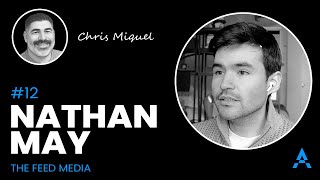
In this interview, Nathan May, founder of Feed Media, explains how his agency grew newsletter brands by shifting focus from cheap cost‑per‑lead (CPL) to high‑quality subscribers who generate higher lifetime value (LTV). He describes the evolution of Facebook advertising from manual targeting to creative‑driven audience discovery, the importance of measuring revenue‑per‑click rather than CPL, and how to calculate a reader’s worth. The conversation covers attribution challenges, the need for granular event tracking, and the impact of email deliverability and list hygiene on performance. May outlines a spectrum of traffic source quality—from low‑cost, low‑engagement sources like SparkLoop to high‑cost, high‑quality sources such as direct newsletter ads—advocating a balanced mix. He shares his invite‑only newsletter growth hack that helped launch Feed Media, and offers practical advice for media brands on creative specificity, metric selection, and scaling strategies. The interview ends with rapid‑fire questions about trusted metrics, underestimated subscriber needs, and recommended learning resources.
Chapters
A good question to ask is like, how much is your reader or your customer worth?
They don't understand deliverability. The data itself is what's going to hurt your deliverability. They're not properly segmenting their data. They're not sunsetting people. They're just constantly saying their whole list.
We just focus on quality. Everybody's really addicted to, like, cost per lead. They're taking that drug. They're hitting me more with that. And so we're like, well, we should focus on measuring and making sure we're spending money on the people who do that and people like that.
How long do you give it to decide that it's done? Definitely a good source. What are you looking at there and what's the time frame to establish the winner?
Facebook is like, if you looked at like, all the ad spend across, like, Everybody, it's like 80% Facebook.
You're playing with fire because you're going to be sending, you know, the.
Maybe there are two or three, like, huge opportunities that people should be thinking about. Number one is.
Welcome back to another episode of Audience Bridge Insights. Today I have Nathan May, the founder of Feed Media. I guess you can go ahead and explain to the audience a little bit about your background, what you're doing, a little bit about the feed media, and maybe you know how you got to that point.
Yeah, dude, thanks for having me. Yeah. So I run the feed. We're the largest agency for growing newsletter brands. So we do lots of paid growth on Facebook. We generally do that for two types, like, really awesome people. One are like big personal brands. So like Jay Shetty, like Arnold Schwarzenegger, like those kind of folks. And. And then also big media companies. Companies like, you know, the Neuron, the rundown, the points guy. Yeah. In our world is we want to bring subscribers who open and click and ideally buy from you buy from your sponsors.
That's.
That's our game.
Are you currently focused just on Facebook or you. You going in other media channels as.
Well or all just Facebook? Yeah, people use some of their channels, but like, Facebook is like if you looked at like all the ad spend across, like, Everybody, it's like 80% Facebook.
When you. I guess. How did you get to this point? Were you working for some other people doing this and then you just went on your own?
Y.
How did you come across the feed Media?
Dude, I don't know, man. I. I basically like, what did I even do? I. I had an agency when I was real young where we. We built like, custom Minecraft maps for famous YouTubers and I was like 14 or 15. I liked that a lot. I was like, oh, this is like quite. I like make content and people reached out and I was like, oh, this is like fun. And so then I guess almost 10 years later, I did a bunch of different stuff. I was a consultant, I did some paid ad stuff for other companies. And I saw this, this newsletter thing. I saw everybody's getting, you know, really into newsletters and company called Beehive and like they're making newsletter. And I was like, well, you know, they're going really fast. Like there's no agencies really that are focusing on newsletters. Maybe if we do that then like we're real fast too. And that's kind of been what, what's happened. And so my point of view, what I hope like we've tried to do maybe is mildly interesting is like we started like a lot later than other people who work with newsletters, but we, I did this private invite only newsletter thing that helped us get like a lot of the really cool people and got to know us and like started working with us. And then I think everything that we did that in hindsight, I know it worked now I wasn't sure if it would work was we just focus on quality. Everybody's really addicted to like cost per lead. They're taking that drug. They're hitting me more with that. And a lot of times you bring in these cheap leads and they don't like, do stuff, they don't click, they don't buy. And so we're like, well, we should focus on measuring and making sure we're spending money on the people who do that and people like that. And that's how we grew.
Awesome. Actually, it's a perfect segue for a later part in this, this podcast to ask some questions around that, you know, over the, over the past say year or two, what would you say has changed most in paid media and I guess in this case specifically Facebook.
Yeah, maybe there are three or four things. So if you want to run ads on Facebook, right. Great way to go your create your newsletter. Facebook's changed a lot. Number one way is that it used to be like super important to learn Facebook, to like learn the platform, like what buttons to push and like you had to tell Facebook, you know, who to target. Find me this person who's interested in this type of newsletter or this product or whatever. What's cool now is like everything has moved to the creative, just the targeting. And so the way I think about it is like, so I love browsing like Instagram reels. And I love watching reels are like little puppies. When I'm stressed out, I put on these little puppies, man, and they made me so happy. And Facebook knows that I'm watching the little puppies. It see, it recognizes the puppy. You know, if there's a woman over 40 and the puppy recognizes I'm watching the woman over 40 with the puppy. It's the same way that ads work. So if you are running ads for, I don't know if you're the rundown. If you're an AI newsletter and you have ads of a tech looking guy and tech bro guy talking about like the three reasons to be using AI to, you know, build a $10,000 a month business, that it is understanding it. One, you want to show this to people who look like that person who are interested in this type of thing. And so now it's like really critical to like cool. You want to advertise, make a piece of creative that is hyper specific to one of the probably five to ten groups of people who buy your thing or read your newsletter, talk to them about what they want and their problems. And that's how you win. It's how you get the lowest cost per lead. It's how you actually bring in people who do the stuff you want. That's how I think about it.
Yeah, I mean that makes sense a lot because I always felt previously in the years past like, I didn't feel like Facebook was a great place to acquire for the, for like B2B. Like my business, like to acquire customers. Like, like how do you target these people? Or everyone's just a consumer, you know, how are you gonna. But now it's one of the best channels to, to target people even for B2B stuff.
Because you got a lot of B2B people in your, in your world. Because the number one thing I hear from B2B people is like, oh, Facebook, it could never work. Yeah.
Well, so we have like 12 different publications, newsletters that we send out in different niches from political to finance to health trivia, you know, history feel good stuff. We have a healthy happy news newsletter. So we're, we're acquiring, doing the, the B2C stuff. But as far as our business, that helps, you know, the new other newsletters outside of us with email deliverability as well as some list growth with the different products that we have. We obviously need to target newsletters that are looking for or you know, media brands like MarketBeat for instance, that are looking for the service and targeting them on Facebook was like not a thing or it was very difficult to like pinpoint that. But like you said, since the creatives is like they're, they're, they're optimizing based on the creative and finding the right people, like you just put the creative out there, you're like really doing audience targeting and just finds the people over time.
Yeah, I would think of it, I would think of it in two ways. A good question to ask is like, how much is your reader or your customer worth? And so if you're a B2B media company, like insight links or workweek or industry dive or you know, people like that, you're, even your best customers are probably worth like I don't know, $40, $50, you know, in a year. And that's like, that's like world class, like B2B, like super awesome, you know, ad monetization stuff. Or if you're your role, I don't know how much your services stuff are. But let's, let's say a customer could be worth $20,000. I don't know. Well, you, you want to have a strategy for each of those. So the $20,000 customer you actually may be able to get from ads. But I think to start generally like that's valuable enough for like I'd be willing to manually invite that person to newsletter do what are like account based marketing tactics, like Dream 100. Like I just need, if I had my 100 Dream customers and they were each worth $20,000, that's a pretty big business. And that's how I grew my newsletter. If you are the other guys that I'm talking about, you can grow using paid ads. You're in a really big market. Like if you were go to millions, which is like an e commerce focused newsletter under work weekly. But you want to find the right people. And so the problem that a lot of people have is like they optimize. They tell Facebook to get them signups, you know, and you've got to take. Facebook is going to take your ask super literally. So if you and I were running an e commerce company, let's say we're, we're Sahel Bloom or we're selling soap or whatever this new, new thing is he's got going on. And I came to you and I was like, dude, Chris, Chris, Chris. I got all these people to like add to cart. They added our soap to their cart. And you probably come back to me and you go, Nathan, I don't give a shit about that. Who, who Bought who actually like did stuff telling Facebook to get people to add to cart find buyers. Similar thing for B2B. Right. Obviously, you know, the industry is not selling a product, but what you want to do is you want to train Facebook on like, all right, cool. You sign up, somebody tells you about who they are, or you work in this job, you're in the industry, da da da da. And if they do, if they're your ideal customer profile, then you tell Facebook, hey, congrats, you got a sign up that was qualified. And if the person's not qualified, you don't even tell Facebook about them. I don't want to train Facebook. I don't want to give Facebook the cookie on somebody who is not who I want. That's how I think about it.
Yeah, that's, that's kind of what we're doing. So we have that. I don't know if we're sending multiple events back based on, on where they are in our sales process or funnel. But like, I know we definitely, I think the first trigger we're sending is are they a sales qualified lead? If not, then we're not sending it back. And I think we might be now sending. If they become a client, then I think we might send that one too so they can optimize on both those, those events.
Yeah, this works, by the way. So we, we, we did some work with this, we still work with on this newsletter where they were, they were probably making like on $90 a day from the newsletter. Not, not a lot at all. And we looked at their funnel effect of like 10% of the subscribers they were getting from Facebook were qualified because they were just telling Facebook like anytime you get a free sign up, oh, awesome, great. That's, that's what it was doing.
Right.
And then we just made a tiny change which is, well, we only pass back and train Facebook on the good people. Another qualification rate is something closer to 75% and they're making closer to $1,000 a day in revenue. And I'd like that to be three, four, five thousand dollars a day. So like dramatic night and day difference between finding just anybody versus finding people who could pay you.
And what is the. What. What did you guys see there as far as the increase in the cost per acquisition of that lead? Ver the. Obviously the free was probably a lot cheaper just because there's a lot more of them. But based on training, obviously I'm assuming, you know, usually in the beginning to be a little higher. But have you guys got it close to where it's not too much. I mean, obviously it doesn't really matter if it's backing out on the back end for them. But what was, like, the cost kind of differential when you had that optimized?
Yeah. So most people get super into their, like, cost per lead and, like, how do you make it smaller? And we tried to do that a lot of times, but I think the better thing is, like, once you start being able to talk in terms of, like, dollars versus what you paid, it's like, what's my return on ad spend? Like, how much did I get versus how much I paid? And then I, you know, if I'm. If I'm making a 3x and paying, you know, a $2 cost per lead, or make a 5x and pay a $10 cost per lead, I'll give a shop. I'll. I'll pay. I'll pay that $5. $10, you know, all day, baby. Give. Give me more of that. And so here, here's the actual data for this particular newsletter. They were like a 7 or an $8 cost per lead. Uh, now they're closer to like a $10 cost per lead. So the cost is up, call it 30%. The revenue is up 10x300%. Oh, yeah, right, right. From 90 to $1,000 a day. So I go 30% higher cost, 10x more revenue. Newsletter before what? I want to be the newsletter now. I want to be the newsletter now. Yeah.
Where. Where do you see that. That current teams are. Are still lying about performance of the campaigns? Like, obviously, you guys sound like, you know, the ltv. You're focusing on the ltv roas, you know, whatever. Whatever type of metrics you're. You're looking at. Where do you think that people are still making mistakes? They're still focusing on the initial cost per lead.
The shorter list would be, what are the mistakes people are not making? I'd say, like, one thing that, is one thing that's tricky about the work that we do is that largely nobody measures shit in this industry. There's. There's some. There's some allergy to, like, measuring things and like, like tying things back to revenue. I will say it's also hard, right? Like, if most newsletters are supported via ad revenue. And so it's. It's kind of hard to say, like, you have a marketing team and you have an ad sales team, and they sell stuff and like, they could not sell stuff and your revenue could go down. It has nothing to do with, like, you know, marketing, and it's harder to tie like revenue back to like ad spend. It's not like E Commerce. I spent $50 to acquire a customer and they spent $80. My little topical soap. It's just not as clear and there's not tools like Shopify or other stuff to like put that back, you know, to Facebook. So it's actually not, I think totally the industry's fault. I would say the, the, maybe there are two or three like huge opportunities that people should be thinking about. Number one is most people do not track anything about the quality of the readers. They don't track a damn thing. So they look at cost per lead, but they're not even looking at like the open rate or the click through rate of readers who, let's say who just come from meta. Because if you, if you tease out organic versus paid traffic, the quality is going to be a lot different and you might make different decisions. Right. Based on how meta is doing. We, when we can try to go a level deeper, which is if you have a user come in from ad A. Let's say ad A is about, you know, learning how, how to use AI so you get to work less than 40 hours a week. Right. You're more efficient versus AD B is, you know, founders who want to use AI to get to, you know, people are building $10 million businesses with five employees because they're using cursor and a bunch of stuff to like do their coding, right?
Yeah.
Well, the cost per lead of both might be around $2, but AD B might have like a 7% click through rate and ad A might have like a 2% click through rate. And so if you didn't know any better, let's say ad B was a dollar or $2.20 and ad A was $2.00. You put all your money in the $2 ad, but it would give you the worst users because you weren't paying attention to the engagement of those people when really you'd be back in the truck up for ad B. You want to do that level of measurement. Most people, most people do not do that. Yeah, that's like the biggest mistake I see people make.
And that's, I mean that's what we're building an audience bridge is that insight. So, you know, everything we do is, and like you said, it's hard for especially media brands to really tie revenues to their sources stuff. So the way we do it is we just basically figure out what the total revenue for the media brand is in a given month and we just divide it by the, the Active engaged subscribers that are clicking on stuff, because usually the clickers are the ones that can only be monetized. So we get a revenue per clicker metric, and then we use that to populate everything else across the sources. So we break down each source, and the system has all the sources you have there. It'll show you how many were submitted that month or whatever, then how many have actually engaged, which is just an opener, and then how many actually became clickers. And we give you the cost per Engage subscriber all the way down. Then over time, we'll be able to show you the cohort analysis of where that revenue is, how long they've been staying on the list, and things like that to give the people insights and know that, okay, I'm paying this much. Like you're saying, I'm paying, you know, a dollar for these leads, But I'm paying $4 for these. But in the end, these are staying on an extra nine months and making this much money for me, where this one just dies out after a month and a half, two months. It's just basically fluffy garbage. And that's something that this industry hasn't mastered yet or hasn't gotten their hand around. And it's. I mean, it's not easy to do.
I like that you should do that. And we, we would totally use that. I would love it if you give it to us for free because we're friends. But we would think that's baller.
The.
There's two of the things you might want to consider for your product, like, down the road that we see, like, helps us, like, make people more money. And thing one is like, do exactly what you're talking about, but also attribute the revenue down to the ad level. Right? So yeah, user came from Facebook and Facebook ad 1, 2, 3 instead of ad 1 to 4. More revenue per user from ad 1 to 4 versus the cost. That's. That to me is it's still Insights. It's really useful insights because then we know, like, where do we put more of the spend then and after Insights. Even better than Insights is optimization. Right? So, like, what. What a lot of users probably should do is you shouldn't optimize to, like, user who signs up, because that can have, as we've just talked about, little to no correlation with, like, is somebody valuable to me? Well, you could send events further down the funnel to train. It's a smaller group of people, but it's people who are much closer to revenue. People who open or people who click and pass those Events back to Facebook so they find more people like that. The problem is, is like you need to go Convince Tyler at BE&Nathan Barry at Kit. Like all that info is stuff that lives on their ESP and it has to be available via their API. They gotta have a little API port, little thing that's like hey yeah, you want all the click data. If you can get that, that would be awesome.
So we are getting that now we're integrating with them to do that. It's not, we're not getting like real time data but what we're doing is we're just running you know, jobs every morning that'll pull the clickers in the last 24 hours, the openers last 24 hours, who was sent to in the last 24 hours, who bounced in the last 24 hours, who unsubscribed. And we're sucking that into our system that we can see and that's how we're getting all the engagement rates and all the stuff to populate our stuff. So every, every day we're pulling that out. It's not a real time activity stream that we can get from other ESPs. We're esp agnostic. Right. We're trying to get as many ESPs integrated to be able to use the system. But we have done that and then hopefully Tyler, our Beehive and Beehive will get us some like native integration where you maybe get clickstream stuff and open stream, like event stream down the road. This, it's good enough for now because that's all we need. We don't need even if you sent, you know, some people might have sent four or five emails in one day but in the end we just, we're just looking at like at a subscriber level, the describer receive an email and did they open or, and did they click or they unsubscribe. So at least that gives us an idea, helps us at least determine what's our 30 day clicker number, what's our you know, activation engagement per source and we can pull all that information out. What are your thoughts on, on, on attribution and the best way to kind of monitor that or what you tell your, your clients like the best. Some people might getting leads from multiple places. You know, anybody reactivating leads. What's your thought on, on that?
I don't think that it's, I don't think it's too bad. So here's, here's what I can see. I see it's super typical. If you look in meta vs your esp like meta attributed leads. There's generally always going to be some difference of 10 to 20% which is like, you know, not trivial. That is to some extent for stuff that's totally out of your control. Like if somebody like if, if, if my grandma signs up to your newsletter, she definitely has ad blocker on. And the job of the ad blocker thing is like strip UTM parameters, little things are on top of your URL and like take them out. And that's what like beehive or kit needs to say that my grandma like came from Facebook or me to like come, come read your newsletter. And so that stuff ends up getting relabeled, pardon me, as organic traffic or direct web traffic, all this other stuff. And so you'll never have 100% visibility. I will say that I don't think that the attribution for newsletter stuff is bad. Here's another piece of data I can see. Facebook will show you which conversions are one day click versus seven day click versus one day view versus seven day view versus 30 day view. And the tail here for someone who doesn't know a lot about that stuff is the further out you go and the more you lean on views versus clicks, the less reliable Facebook is. If you have a somebody who saw your ad and within 30 days sign up to your newsletter, like maybe they saw like five ads or they saw a Google Ad instead of your Facebook ad or maybe their friend told them about it. Like you don't know. Like Facebook didn't necessarily deserve the credit for that. But if you go to like one day click, within one day of clicking somebody signed up to your newsletter, to me that's pretty indisputable. And what we see is that like 99% of the conversions that are coming in are that one day click. I mean so we feel pretty good it about the fidelity of meta. The reason for that and why it breaks for a lot of other companies is or industries is we're not asking for a lot from the user. There's no consideration period to say oh, do I sign up to this free newsletter that costs me nothing. It's a very easy decision to make if you're trying to get somebody to pay $50 for the fancy soap. Yeah, like they click the ad, they might not buy that time. They need to watch like five more ads. There's just less friction in newsletters.
On the media buying side, what examples can you give of. I guess a couple things here is what examples can you give that a campaign is looking good to most people, but it really isn't right. It looks like it's working. Everyone's excited. It's just, it's a loser basically in the end. And then is that, you know, a result of maybe scaling a campaign too fast because you saw a, you know, winner early and you kind of push too hard on it? Like, what's your, what's your thought process behind how you're trying to scale certain campaigns and balance the, keeping the quality and also being able to get obviously more volume because that's, you know, in the end people need to increase their, their acquisition sources because they gotta. Once you get big enough, you're just trying to fight the churn.
Yeah. So there are three things I think about. Number one is like, how much can I afford to pay for a user? Number two is what am I paying for that user in Facebook? If I'm paying too much, why am I paying too much? What metrics can I point out to help me actually make decisions that can improve my cost? Number three is like, okay, well cool. Once all is said and done in Facebook, is the person actually doing the stuff that I want them to do once they're, they're in my newsletter. So on number one, you know, the average newsletter, I would say if they're performing really, really well, probably makes somewhere between 30 to 40 cents per reader per month in revenue. That's ad like sponsor monetized. And so let's say that the top end $0.40 times 12 is $4 a day. $5 reader is worth you like $5 every year. And so once you know that now, now you can actually start saying some things about what you're seeing in meta. Right? $4 cost per lead. I don't know, $2? Oh yeah, great. I put in a dollar, I get two and a half times my money back like by then the, the end of the 365 days. Cool, I'll take that bet all day. That's, that's pretty good.
Yep.
Well, what happens if I'm like a $3 cost per lead? Well then you have to go into like in platform metrics and understand what those are and like make decisions off of them. So like usually what we're looking at is CPM cost per thousand impressions on Facebook. The unique outbound click through rate. That's the percent or percent of people who are seeing my ad and clicking the link that actually takes them to my landing page. And then there's the landing page conversion rate. Once they're on my landing page. What is the percentage of people who actually sign up to the newsletter. Cpm. All these routes can be broken by the way, but CPM, typically you want to see between like 10 to 20. It can go higher if you have a really premium audience, let's say 10 to $20. If you have a one and a half percent to 2% click through, you need get one click rate. That's fine. It's really solid. 2% to 3%, that is good. 3% or above is great. And landing based conversion rate, you generally want to see something that is 40% or higher. And so if you're in a scenario where like you know, hey my, my CPL is like 20% too high and your click through rate is like 11 half percent but your landing page conversion rate's 42% and your CPM $50. It's now very clear. Oh it's click through rate is an ad opportunity. People are not clicking my ads. When they click them, they, they subscribe on the landing page. But we have a click through issue. So I need better creative versus if it's a landing page issue, you got a 30% landing based conversion rate. Right? They go oh well my ads are good. But like either we're setting up the wrong expectation in the ad versus what somebody sees from their landing page or landing page is just, you know, shit. Right. It's not good. We need to improve it. So you tie metrics back to like things I can now do in the business.
Makes sense. Yeah, there's that there's a levers. I remember seeing a formula before where it's like, you know, that's what you're saying, cost, visit, conversion on the page, blah blah blah. And then you pull on the levers. Either you're fixing the landing page, you're fixing the ads, talking about all this data and the acquisition. How long do you give it the traffic source to campaign to decide that it's, it's definitely a good source and you're going to push on it like enough data so you can see the engagements going on that these people are sticking around or real people stuff like that. Like what, what are you looking at there? And what's the time frame to establish the winner that you're saying yes is the winner.
Yeah. So that's. Yeah, I forgot to talk about like step number three. That's really that. So usually like on the cost side, like cost per lead, it should be clear like three or four days if something is dramatically high is a $6 running to $2 that you can kill the ad, right then is it, there's, there's no level of engagement down funnel. You know, the person would have to be so good to make up for how much higher their cost is relatively other subscribers. But you can, you can make a fairly good decision, right? Then the longer time is actually looking at quality. And so if you sell ads, therefore you care about like open rate and click through rate and you write daily, well then like, like, you probably, you probably have a good sense within a week, definitely two weeks if somebody is going to be good or not. Do you write weekly? All right, well, you might need three weeks, four weeks for that same level of like, certainty. Do you, you know, are you the points guy and you, you make all your money when amex or Chase pay you for like sending them card referrals? Well then like, you need a longer period of time for those people to convert. So a lot of times we'll look at like 30 to 45 days. What is the conversion rate and like, what's the revenue actually made from that, that, that cohort? So it, it goes back to like, the further down funnel your event is, the more time you need to have enough information to say something about that reader that you can be confident in. But that's a little bit of how I, I would think about it.
If you come across someone who, who's trying to use you and they don't have their, their LTV figured out, you know, they don't understand how to even calculate it because the way the, the media space monetization works, what do you do? Do you try to help them figure it out? Do you not accept them as a client? Because it's just gonna, it's gonna hope it's winning. Like, what's your policy on that?
Yeah, usually I just ask. So I'm like, usually we try to help them think through it. So like, even, even quick swags, this is not a perfectly correct answer, but I just go, oh cool. Like how, how much did you make in revenue last month? How many readers you have? Oh, cool. You've got 200,000 readers and you made, you know, $40,000 last month. Awesome. So you're making 20 cents per reader per month. We're going to say a reader to you is worth about $2.40 in the first year. I'm so. All right, cool. Can we go get you a, you know, a dollar to $1.80 cost per lead? Like that probably, probably feels like a good goal at high level. Let's do it. If somebody's selling a service or a product you see, ask a different set of questions that were intended to get the exact same answer, which is how much do you make per reader per month? Or like what is the value of you know, somebody who's qualified to you? So you know, we know for instance, it's a good example I can use. We know for instance for like a big financial publication that we work with that typically they're able to make back the entire cost of their reader in the first 30 days. They're, they're, they break even 100% in first 30 days and afterwards it's all pure profit. And so you know, that's like a good goal where. Okay, cool. Like we can start with that as a baseline, like right away. Yeah, some, some form of like how much is reader worth to you per month?
How would you define quality traffic in practice? I know you really focus on Facebook, but are there any other sources out there that you would consider good quality sources? And what defines in your, I mean obviously in the end it's going to be, you know, activation, LTV and all that stuff is really what's going to I guess establish the quality of the other traffic. But are there any other traffic sources that you know about that are, that.
Are high quality paid media Overall? I think there's like a spectrum of quality and it's not that like any source is worse or better than the other. I just think they have, they have different purposes. So let's say you've got like cheapest traffic, right? Lowest quality traffic at the cheapest and most expensive. That's the highest quality. And meta is typically like in the middle on the far end you've got sources like Sparkloop, Beehive Boosts traffic grid. These I would say typically in my view are low quality traffic sources. You can get a really good deal especially on like traffic grid. We have seen dramatically lower click through rates on sponsorships, dramatically lower conversion rates into paid products from those types of readers. That's not necessarily a bad thing. If you sell ads and you're go, you're doing lay down sales or like people are re upping, people are extremely happy. And then so then your goal is we're not churning people, we need to get that, that to that next level of list growth. Well, you may have earned the right to actually use some of those sources to get there for like really cheap where you can raise your prices and you'll monetize those subscribers just the same as Facebook, but you'll pay way for those sources right on the Other end you've got sources like buying ads directly and other newsletters. 1440 does a lot of this. You might pay 4, 5, 6, $7 per subscriber but it's extremely high traffic or a high quality traffic. Really high quality, right. And then meta's like in the middle. And so there's a game you're playing especially if you sell sponsorships. If, if you sell your own stuff that it you, you always want the highest quality traffic sources but you're playing the sponsorships are a B2B sales game. And if you suck, if your sponsorship performance is shit, well congrats now you need to go do the highest quality stuff possible just to stay alive. Right? Just, just to stay around and be useful. That is why like a lot of people do this stuff over here and then they don't monitor how much they're doing or they, you know, they never think about it and then their sponsor performance sucks and they start churning sponsors and then now you have to move the click through, you have to move the performance on a huge list with, with a little faucet of new subscribers are coming in every month and it's this huge problem that you get into for multiple months. And so my suggestion is like manage all three sources, try to never get there at all and realize what position you're in with your sponsors and you know, change the spend mix accordingly.
Right. I mean one of our products is similar to Traffic Grid Smart Feed, the slimmer product I think but and ours is very high quality as far as it's all clicker identified subscribers like highly active people who read newsletters and we've seen great quality results from, from that.
But I think what's the sponsor click through rate? Have you, have you measured that like on my side?
I mean I know I can talk to some other people that they have not even like the sponsor click through rate but like the monetization on the back end, you know through affiliate tracking, whatever that they run run stuff on and the Fin Pub space and it kills it. They're doing like I don't know it's like 4 or 5x I think 7x, you know 7x ROAS after you know I think the 6 month, you know they're getting their, their, their money back or, or 2x month one on, on the buys.
I like that. You should see how cuz finpub Fin Pub also tends to monetize people the best because they do, they have a lot of high ticket stuff. They do a lot of affiliate and they ran the out of you with with email. So I I'd be curious like for non fin pub because we'll see like we worked this newsletter for a while and you know their cost per lead on Sparkler is about the same. The click through is about the Same on Sparkloop vs. Meta just as an example and we were looking at sponsor clicks and it was like the, the number the percentage of subscribers from Facebook who had clicked an ad unit versus the ones on sparkle with traffic grid was like 10x right. So way higher quality when you look all the way down funnel. So I don't want to like yuck your yum but you should, you should look at that data. If it's great let me know because I want to pay you money and get you subscribers.
Well we definitely. I'll pull that's a good thing. Good metric to have. I just got to make sure that the I just got to find the right people that have the access to that. That data is probably the biggest thing but I'll definitely pull that and I will give you an update and maybe before this gets published I'll have the update in the description below. Yeah since I, I do come from a deliverability background. Email deliverability is my expertise. I want to touch on that as far as it comes with data acquisition and see if you have any insights on your, on your, you know side as you're acquiring data and you're. And you're speaking with your media operators and things that you're. You're generating leads for. Are you. Are they keeping a close eye on their email deliverability as their list is growing with you guys and keeping you up to date with, you know, you're pushing hard on this data. The activation might not be where we wanted the engagement, but is you know, are you guys then looking into deliverability? Is it a deliverability issue or is it a data acquisition issue? The problem I always see over the years has always been like oh it's the landing page sucks. No no the me it's a media buyer's problem when reality it's probably the email deliverability problem if the emails aren't even getting inbox have a chance to activate.
Yeah, everybody loves to cry woof and like each other. Yeah, yeah, yeah. It's. It's hard. So most people do not track deliverability. We have some clients that I'd say more sophisticated who do that. That is not the vast majority of people typically where we will see it show up is in open rate. Right. Because somebody's getting thrown in the Promotions folder or whatever. And so we're not able to say like is it a product thing, like a ads thing? What we would, what I would look at is okay, well if the, if your open rate overall from organic is 45% or let's say it's 40% from organic and your open rate for meta is 30, even 35% which typically I would say is like a little below what you would want. The conclusion I draw is like your organic, your, your highest quality traffic source is at 40. So which is not incredible for like truly organic. Like found you. Naturally readers, we're not that far off with paid and so I actually think in that instance paid is doing well. It is much more likely you have a deliverability, some kind of product issue or opportunity versus an ads opportunity. So those relative assessments I found are typically pretty useful and we'll give people recommendations, you know, on that. I mean I, I'm not a deliverability guy but like I do know, like I assume actually. Well actually here's what I believe you told me. This is right, you know, most people in their welcome email and stuff. So most important email you are ever going to send is your welcome email, right? People open that, if they click that they send a good signal then hopefully you'll get more stuff in primary instead of promotions down the road. And so I go, how do you compel, how do you seduce, you know, clicks out of that first email? Do things like send people your highest, your most popular articles of all time, give them a lead magnet, do a tell people that you do double opt in and your confirmation, your subscription is not confirmed unless you click but you haven't actually done double opt in. You just want the click through rate. Do whatever you can to get the click so that people end up at primary. What do you, what do you think about that?
It's definitely one of the, you know, most important things that you can do. It's the initial trigger. But the, even above that, the biggest issue that most people, media operators in general especially the people just coming up and they're just building stuff and you know, they're getting good success in the beginning they understand, they don't understand a little bit. So in the end it becomes the data itself is what's going to hurt your deliverability. And what I mean, what I mean by that is that they're not properly segmenting their data, they're not sunsetting people, they're just constantly saying their whole list. And unfortunately it works at low volume, especially on, you know, sending through, you know, Say beehive, good infrastructure, sending, great deliverability. But once you get to a certain point and it could be 50,000, could be 60,000, your metric is going to keep on declining. Mining, where you used to have a 60 open rate, now it's that maybe down over to 45 just because you haven't been cleaning your list off of people that have not engaged. So and then people, when they get to that point, like now it's time, you know, making money, now it's time to push in even more data acquisition, they double down and getting more subscribers, which then just compounds on the fact that they still have all these people that are unengaged. More people are going to be engaged and now you're, you're flooding in with new people and unfortunately at that point probably your reputation is a little, you know, on the fritz. So not all those people are in the inbox with that welcome email. So what they need to do is you have to have your, I call it a base sending segment and that's basically your, your three criterias like who's clicking X amount of days, who's open X amount of days and who's been newly subscribed in X amount of days. So like for most of my stuff I send twice daily and my normal thing is a 30, 15 times 10. So I have clicked in the last 30 days, you've opened in the last 15 days or you've been subscribed in the last 10 days. But the way I look at it is like you can send a welcome email, it's fine. But that's just one. I don't believe in double opt in. So anyone who preaches double opt in is crazy. Especially in the, in the big media game and all that stuff.
Noble double opt in, just fib and say you're doing it. So people click the welcome email. That's my advice.
But keep saying too many ways page. We found that even if they don't click on that initial welcome email, they're going to click on, you know, if it's the conf that they want and they sign up for, they're going to click on the other stuff they're going to activate anyways. So don't worry about that. But like if you send someone sending twice a day, in 10 days you've sent them 20, you know, 20 emails and they haven't opened and they're falling off. Good. There's no reason to keep on sending to them. So people don't.
Well I, so I agree. I like that I'm going To play devil's advocate. So here's what like a big sponsor monetizing newsletter would say. So you got 100,000 people on their website list. If they do what you're saying, maybe they're going to send to 40,000 people who are like, truly engaged, and they're going to go to you and they're going to say, fine, but dude, if I tell my sponsors I'm sending to 40, not 100, they're going to flip the F out. And that's going to be like a big deal for my sales team. And so typically what I'll tell people, I want your opinion on this is I go, I hear you, I hear them, and I also hear you. And so my advice is, all right, I think it's probably safe to like, optimize overall this huge group, like, try to stay in that 40% plus, you know, open rate range and keep the, the dead people, the zombie people on your list because you can charge for those people to the sponsor, right? You know, take credit for those folks. Now if you're dipping below, then like, yeah, like, you need to clean your list until you bring it back up to that point, right? So you, you, it's kind of like a meet in the middle answer, right? What do you think about that?
You're playing with fire, right? Because you're going to be sending, you know, you know, a lot of people eventually, eventually is going to bite you in the ass. It might be fine. It might be, you know, and I think I actually might have in my newsletter just sent something out about this last week or maybe the week before that, like doing these, these incremental, like, pushes of data, you know, list size, to just deliver to fit whatever narrative it is, if it's for the advertiser or if it's, you know, dormant subscribers, I'm trying to reactivate and then like, oh, I get a nice little instant bump and you might look good for that 30 days and you guys like, yeah, we killed it. And then next month you guys crash because it finally slowly caught up that they didn't like what you were doing. And now you're going to be spending a month, two months not being able to deliver your message. All your advertisers you have onboarding me pissed off because you're, you're not, you know, delivering click stuff. Unfortunately, what needs to happen is the, the media space and advertising, you know, the media buyers, the advertising, they need to switch their, their mindset and quit talking about CPMs. And this is how big my list is and just go into a flat rate. My list costs $10,000 to send to, you know, and that's it. You get in this, this is my demographics. These are my, my click. No. And you can expect, you know, you know what clicks you're going to get. So if you know your ad clicks, you're going to be like, oh, you can expect 5,000 act like, doesn't matter if I send to 100,000 or I send a 50,000. You're gonna get 5,000 ad clicks. And then if not, then okay, we can, you know, deal with, make goods or whatever, you know, extra stuff, you know, extra, extra slots throughout the week or something. But to like over send because you're trying to hit the CPM level, it's just, it's not valued correctly. You're, you're, you're, you're over, you're overdoing your list. And whatever your CPM rate, If it's a $10 CPM, well maybe it should be $20 at 50. At 50,000. It's all going to back out. Everyone's going to be able to see what money they're making on their side. Is it backing out for them? And in the end that's, that's going to be the magic number. But when you start and, and, and it's getting harder, harder. Hey you, what you said was fine. It used to work even two, three years ago. And obviously five, 10 years ago it was, it was a lot easier. But now with Gmail and Microsoft and Yahoo all freaking been tightening up our core. They have all their new sender requirements. Everything is no longer, you know, based on, on one like rating for, for your domain. Like, okay, we're gonna inbox all your stuff because we like you. No, it's, it's very dynamic based on what subscribers are we doing. So this guy's gonna get in the inbox, this guy's gonna get in spam, this guy's gonna get in the promo folder, this guy's gonna get it in the, the other folder. And like there's no, there's no like magic. Like if I'm doing this, it's all going so know the more bad signals you give it which people not engaging, that's where the problems come in.
That's an easy. So the, so very interesting. So I have a question for you. So if, if having a 40 open rate, but you've got all these kind of zombie people on your list could be like bad, then the implication is not all like 40% open rates are created Equal. Right. So, so you tell me if this is true. So you would prefer if we take an email list that has a 40% open rate rate because just, you know, for the sake of the argument, every single person that list has precisely a 40% open rate versus an email list where actually, sorry, let's do 50. That has a 50% open. Every single person versus the email list that has half of the list is true. 100% openers. And the other half literally never opens at all. Are you saying the first list is way better than the second list? Are they the same?
Which one? How many, how much are you sending in each list?
I. Both lists are 100,000 people. List one, every single person opens half the time. List two, half the people open every email. Half the people open none of the emails. Right. So overall open rate in both cases is 50%. Right. But there's just dramatically the first one. Interesting. Okay. Yeah.
Because you got to understand, if that, if that 50% is never opening, that means how if you have 100,000 people, that's 50,000 people that have never opened a damn email and you've sent them them 60 emails, whatever it is, Gmail knows that person don't want your email. And I think I said it in the little event, virtual event we had with McGarry with the beehive sponsorship before the, the prediction was like, I think that Gmail is going to start auto unsubscribing people from your lists because they know that people don't want it, right? They have the one click unsubscribe. They have the technology there in place.
That, well, maybe that's good. It's good for everyone because the newsletter people aren't going to do it, right.
It's, it's, it's good for, it's, in the end, it's good for everyone because they know what they want. And like a lot of these people, like you said, they, they don't really know how to manage it properly. Some of them might not care because they have this vanity metric in their head that the larger the size the better. And then, you know, they're, they're just not gonna do it. So I see that Google's gonna do it. And in the end it's gonna be better for everyone because you're gonna get, you're gonna be only sending to people that actually want it versus people, you know, not just for the people that don't, don't do like segmentation and stuff and sunsetting like I'm talking about. Hopefully Gmail Helps them out because they're not doing it. But it's, it's a big, it's a big thing. And talking about, so back talking about open rates in general, like, I'm not a, I'm not a really strong advocate of open rates. I don't really focus on open rates. Open rates to me is just a, is more of a signal warning sign that I look at just because there's no right open rate. Every ESP has different way, you know, open rates. Some are removing mvp, some are not. Some are. You have a better job of removing some bot activity. This, that and the other security stuff. And so they're all different. You don't even know if it's a good open rate or not. I mean before all this stuff happened, MPP and then all these other security things, you know, open rates used to be like 20%, 25%. Back in the day was like a good open rate. Like now people like 50, 70%. Like that's just not realistic. Yeah, maybe if you're sending to your family of 10, but when you get to volumes, this is not real. So I don't, I just look at my, my open rates as, as, as a baseline. Like what's my, my normal baseline? If it's 50, it's 50. Great. I don't, I don't know if that's good. I don't know if it's bad. I just know it's 50. So if I see a drop to 40, 39, that's when I'm like, okay, there's something going on here. Not inboxing or something, that's when you can look in. It's usually going to be an ISP specific thing. Gmail's not letting stuff in or Yahoo's having problems or Microsoft, one of your, one of the main groups is having issues. And you got to figure that, solve that and then play with, you know, the segments that you're kind of using to send to those people or exclude those people so that you can, can win back the good graces of the inbox provider. So I'm just using it as a warning sign now. Some of these people are getting a little better. They're going to keep on getting better. So you know, customer I.O. as an example, they have a human opener and a human click metric now that they're tracking since like, I don't know, maybe June of last year, I think they implemented it. So anything since June they start tracking this activity. So they have their open rate rate and the click rate just like they normally would, but then they have another one which is the human opener and human click rate, which they're using different things. And I've, I've consulted with some people that are building their own custom systems. So they're like, okay, first of all, they get rid of all the MPP stuff from Apple, any, any server type of traffic that's coming, activity from like certain servers that are out there, Amazon, you know, Asin, some stuff like that, some technical stuff. And then another thing they do is they, they look at the timing on, on when activity happens. So if email is delivered and someone's opening within the first minute, two minutes, they don't classify that as a human open. If they click in the first minute, tumor, they're not classifying as a human click because a lot of times it doesn't happen that fast. It can, don't get me wrong. So there might be some that they're missing but if that person is really engaged on going, they're click again. They're never going to always click in the first 60 seconds. So if you're staying like that, so they're removing those people, they'll give you a better metric. So people are going to be able to look at those for a better idea of what's happening, which is a good thing. Beehive came out with it. They have what's it called, the Verified open or whatever.
Yeah, everybody's got their own thing.
Yeah.
So there's babble dude, you show up and I'm talking English, somebody's talking Spanish, he's got a Cherokee guy over here. Yeah, it's all, it's all over the place.
They're slowly starting to roll that out. There's still a lot of ESPs that don't even give you that insight. We'll see.
Interesting.
Cool.
Cool. Dude, should I have my own, should I send all my emails my own custom domain? I don't know that I should. I like the Beehive. You know, I, I think of like, I, not that I, I don't do anything nefarious but like, you know, I'm on Beehive school bus and there's other kids in that school bus. No worries. And you know, I can send a lot of emails if I want. I don't send any. I'm not like market beat aggressive or anything. I try to keep it all, you know, above the belt. But like, you know, if I do act up one day, I'm, I'm on the back of the bus. Like I'm still going to get to school on time. And I, I like that. I, I, we, you know, we do a lot of revenue and I, I, I'm worried if I do my own like, custom domain thing, like how big.
How big your list? Right. How big your list?
Right now we're tiny. Like 10,000. Forget it.
Yeah, just stay on there. There's no reason to, it's not even enough. How often you sending?
Twice a month. But then during sales periods, we'll send, you know, once a day for 10 days.
Yeah, man, there's, there's not enough volume and frequency to even like get enough reputation on the custom domain or, or you know, dedicated IPs to even deal with that. You're better just staying on the beehive domain because like you said, you're getting the support of everyone that's using it and you know, it's better off. You won't have as many issues. Now if something blows up that whole domain, then that's another story.
Yeah. Yeah.
But for now it seems to be squeaky clean.
Cool. I like it.
Getting into what smart operators are doing differently, what do you think the smartest brand or what are the smartest brands doing right now?
Know, I think that I, on the paid side, it's like make better ads. See which ads drive the best users and force meta to find more of those people. We've already talked about, you know, see which ads drive better users. Force meta. Right. This optimization, it's like the insight stuff, better creative. You know, everybody does this, like, learn more about XYZ in 5 minutes a day stuff. And that can work. We have found it can be way more useful to like just get deeper on like the, the AI thing I mentioned before, like somebody who wants to perform better work, work. And it's going to respond to, you know, hooks that are more similar to you. You know, you want to be a CEO one day. Like CEOs know how to delegate and you know, you should be delegating PowerPoint to Gamma. You should be deleting Excel to, you know, some Excel AI tool. Right. Learn more about that in this free newsletter. It's going to perform way better for those people than learn more about AI in five minutes a day. And that ad is not going to perform as well for the founder as the people are building $10 million companies in like two or three years. Right. Because they're using it with other employees. So like hyper specificity is really important. And I think the larger thing has nothing to do with paid ads at all. All it's, it's stacking ltv. Newsletters that sell ads are fine businesses. Many of them have scaled. You know, the Neuron, the Rundown. There's plenty in the last like two or three years that have done well, but the best businesses are always businesses that sell ads and high ticket digital products or services. Rowan at the Rundown this year will do north of $10 million. About half of that revenue comes from something called the rundown University, which is a thousand dollar a year AI like education, university for university, University platform. So the implication, right, that that's going to be half of his revenue is that his decision to do that product doubled whatever his revenue was before. Right. That's, that's the only way. Half. Right. So like therefore doubled the value of his subscribers. Therefore he could pay twice as much as his competitors. Superhuman. The Neuron Deep view. If he wanted to sackle TV and crush everybody.
Got it. I do want to touch on one thing that you briefly mentioned. I remember you talking about it before for this, the VIP invite list or the invite list only kind of newsletter.
Yeah, man, you're on there, right? I think so, yeah.
How does that work? All right, what's the strategy behind it? Obviously the exclusivity is like the carrot.
Yeah, it's super simple, man. I don't know why more people don't do it who sell like surfaces or high ticket stuff. I was like, hey, you know, so I want to build a big agency that works with newsletters. It's kind of like a amorphous goal, right? But if I go, well, there's only like two people who we could maybe work with at each company, right? It's like usually the founder, like the head of market marketing. And there's maybe like 300 companies that we want to work with. So maybe 600, let's call it, let's just say a thousand, make it round. A thousand people that I would really want my email list. Can I get a thousand people on my list? If I know exactly who they are, doesn't seem so bad. Like I can send a thousand DMS. And so that's largely what we did. I DM people on LinkedIn. I asked them if they wanted to come to this invite only newsletter. I share what was about. I shared other high profile people who read it and a lot of them, yes, said yes. And that's how we built a business. Went from zero to a million dollars of AR in ten and a half months in 2024. We do a lot more than that now. And I know I didn't know it at the time, at the time it actually felt a little silly. I didn't know if it would work. But in hindsight, you know, it was a really good idea.
Now you said your list is at 10,000. Is it all 10,000 still doing that same method or are you going outside of that doing your own media buys and things?
Yeah. So phase one was get the 1,000 right people. And it was a little more than 1,000 from that group. Everybody else has come from lead magnets, workshops, other things that I've done. All high quality people, you know, in their own way. We do a little bit of paid ads and meta. I'm going to be testing a lot on paid but qualifying like the B2B way that we were talking about earlier. And that's how we've. Yeah, that's how we built a business. So that, that phase two now, now we have consumer products. Right. So now we, we do the agency, we work with all the top newsletter people but we also teach other people how to start and scale newsletters. Sell ads plus a high ticket product or service because that's the way I believe it should be done for most people. And that's like grown really quickly. That is for like the 9,000 people. Right. Who, who aren't the, the 1,000 invites.
Quick, quick, running against it here. Couple rapid fire questions here. What's the most overrated traffic source channel traffic grade Spark Loop metric you trust the least.
Lou's going to be so mad at me if he sees this. I, I like Spark Loop for lots of other stuff. By the way.
Stop at you.
I love everybody should be using Spark Loop for co registration on the front end. I think that's fantastic. I just don't like the other side of the marketplace. Yeah. What's your question?
The metric you trust the least.
Ooh, it's a tie between cost per lead and open rate. Cost per lead, Cost per lead.
And then what, what thing? Brands consistently underestimate the one thing brands.
Underestimate, how many newsletter subscribers they'll need if they want to build a big business just selling ads, you should sell things that are expensive. And plus ads do both. Look at the hustle. Look at the rundown. Look at virtually every newsletter media business that's growing quickly, they're doing it this way.
And then what book are you reading right now?
I don't read books. I know how to read. I just don't exercise that, that skill.
Audio.
Audio book books. You listen to them? Yeah, I'm out. The content that I love Alex Shamo's the Game. My first million. Yeah, I love that stuff. I love learning about businesses and listening to podcasts. That's why that's my book of choice.
You're the podcast guy.
I love podcasts. Sean Pur has been in my ear more than my mother. Yeah.
Awesome. You want to go ahead and plug anything, your socials, how people can find you.
Yeah. Nathan May on LinkedIn. We run an awesome accelerator 3 to 4 times a year helping folks scale to 10k a month or more through newsletter called the Newsletter Accelerator. If you just Google that. And then I run a podcast with Beehive called Personal ipo. I talk to founders who have built big audiences and use that to launch companies that make millions of dollars a year. People like Sam Parr, Justin Welsh, Tyler Dank, all kinds of fun folks. We break it down so you just do what they do and you'll have, I think, a reasonably good chance of success if you stick with it. That's personal IPO on your YouTube.
Awesome. And we'll put all those links down in the description. You can find them. Nathan, thank you so much for being on the podcast. I think the audience is going to learn a lot from this conversation.
Thanks, man. Appreciate you.
More from Chris


Audience Bridge Insights #21 - He Kills Most Facebook Ads in 3 Days. One Has Run for 2 Years.
Audience Bridge Insights #20 - $3 to Acquire, $3 Back in 7 Days w/ Andy Mackensen, The Assist

Audience Bridge Insights #18 - The AI Standing Between You and Your Subscribers — with Chad S. White

Audience Bridge Insights #17 - AI Is the Biggest Change to Email Since the iPhone w/ Dan Oshinsky
Audience Bridge Insights #16 - CPM vs CPC vs CPA: How Newsletter Ad Money Actually Works
Audience Bridge Insights #15 - Why MarketBeat Just Cut Their Email List in Half (On Purpose)
Audience Bridge Insights #14 - Co-Reg Isn’t Dead — You’re Just Doing It Wrong (w/ Tim Bourquin)
Your Newsletter List Size Is Lying To You! Make sure you identify this hidden metric.
Audience Bridge Insights #13 - Your List Size Is Lying to You (with Armando Roggio)