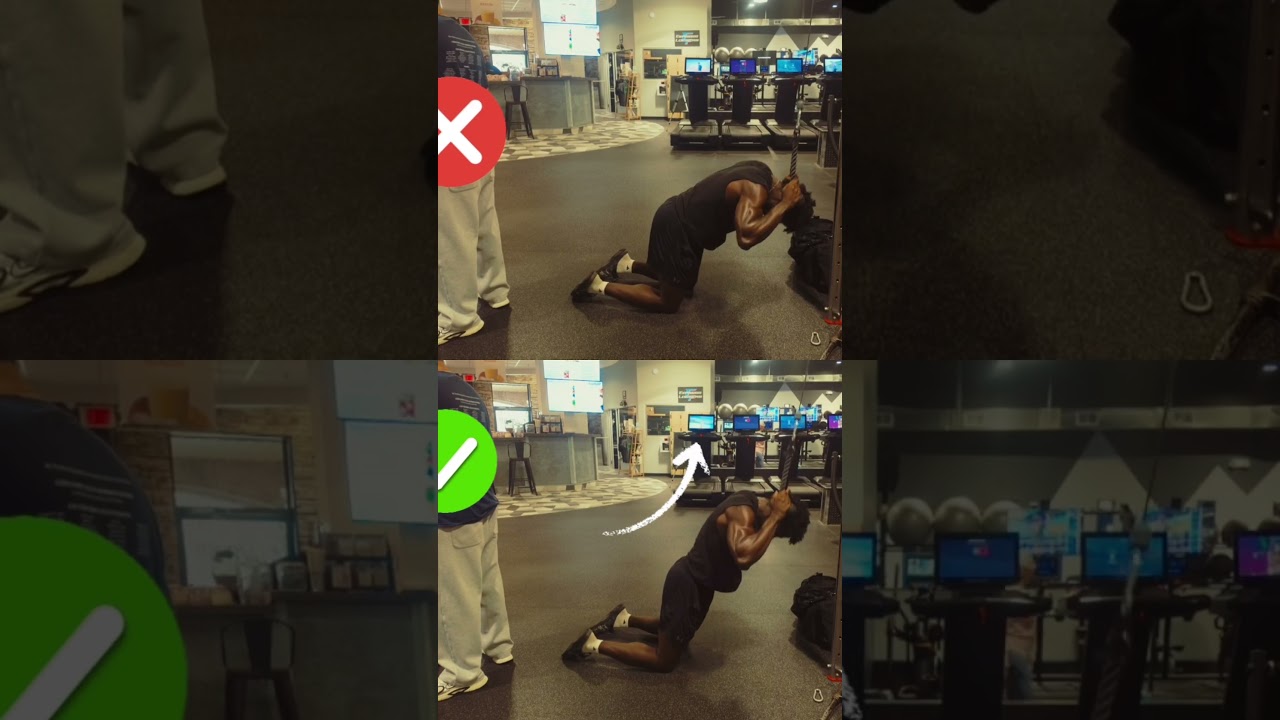
Muscles adapt to strength training in weeks, but tendons need months because collagen remodels slowly. Most programs overload muscles while neglecting tendons, causing injuries that derail training. Add slow, heavy eccentric work like controlled lowering in squats and rows to build tendon resilience and stay injury-free.
Chapters
The most common thing most men and women over their 40s hear from their trainers is that your muscles can get stronger in weeks, but your tendons take months to adapt. Well, that's because collagen remodeling is just slow by nature, ladies and gentlemen. Deep game. That mismatch is exactly why tendon injuries literally end people's training for good, not muscle strains. And most programs tend to load the muscle hard and never load the tendon directly. So the muscle keeps getting stronger, of course, while the tendon, it quietly falls behind until one day it simply can't keep up with the force the muscle is capable of producing and something tears or flares up. Rest does not fix this. You need slow, heavy eccentrics— the controlled lowering phase on squats, calf raises, and rows— done consistently, of course, not occasionally. That slow lowering stress is a specific signal that forces collagen fibers to remodel and thicken over time. Build that in a row, and you're not just avoiding any injuries, ladies and gentlemen. You're actually building connective tissue resilience that lets you keep training hard for decades instead of getting sidelined by your 50s. Let's be real. Also, make sure to join my live training this August 9th, 3 PM Eastern Standard Time, by and training, I will send you the invite. Stay blessed and disciplined.