A mobility routine for people in their 30s to 50s with joint aches. Hip openers, calf work, sissy squats, and explosive hops done two to three times a week can bulletproof your joints and keep you moving well into later years.
Chapters
Ah, what's good everybody? Haven't done one of these in a minute, but today's video I'm gonna just jump right into it. How to bulletproof the body. So I get a lot of clients who are typically doing in the, in the age range of, uh, 30s, 30 to I would say early 30s to about I would say 45, 46 if I'm correct. The oldest I've ever worked with has been 50, and you know, they typically have the problem of Their joints aching, quite literally. So I will simply show you, you know, ways you can go around and mitigate these problems and all that. As you can see what I'm doing here, I'm just opening my hip flexors. That's all I'm doing. I'm just opening it up. Nothing crazy, nothing intense. This is still, you know, this day was, this is, I think this was a Wednesday. Wednesdays are typically the days I do mobility, you know, mobility work, you know, stretches in a sense and just movement. Uh, you know, I do these simply To obviously mitigate any joint pains and anything of that nature, because I'm trying to be physically fit, quite literally, you know what I'm saying? I want to stay fit for a long, long time and just, you know, really just be agile and mobile. So yeah, like I said, I'm just opening up my hip flexors. Your hip flexors are super important because without them, you lose movement. You lose the agility that you once had. Or, you know what I'm saying, you can never really get better at anything if, you know, if you lack movement, I would say. So after the hip flexors, I go to obviously, you know, stretching my back out and all that. These are these are exercises you really want to do at least two to three times a week. Now two and three is like three is a really really good number, but you know two is also fine. You can do these you know two times a week. Nothing wrong with that as well. You feel me? I do I do a good job of making sure I mitigate all these and making sure I mitigate all these and obviously eliminate any any pain I may have. I move into the Achilles. Now I like doing this with heavy weight, but like I said, this is me just demonstrating the you know. Demonstrating how you should go about it. So I'm using lightweight, and I'm really just you know holding my you know sitting on my standing on my Achilles right there. I'm doing an isometric hold with this, and I'm doing it on an elevated stance right there. If you have that board, definitely use it. If you don't have it, you can still do on flat ground. There's nothing wrong with that at all. It still works perfectly, gentlemen. Trust me. And whatever you do on one side, you want to do on the other side. Yes, you don't want to. What's it called? I wouldn't say you don't want to, but in a sense, you want to. Eliminate any imbalances as well. We call this a unilateral isometric hold. Yes, because you're training one leg at a time. Can you train both legs at the same time? Of course. You can do that with standing calf raises or seated calf raises. You can obviously do that. But typically, since we have— since we're human beings and we have, you know, one side is typically stronger or, you know, or just, you know, weaker than the other side, it is important to obviously do unilateral training. Here I'm going to a lunge position. I'm just opening my hip flexors. That's all it is, gentlemen. I'm just opening my hip flexors. I like to move when I work out. It just keeps me fluid and agile, literally. I actually did a video on this on my, um, on one of my shorts a while ago, and people were asking why do I move a lot when I work out. Well, well, you know, I lift heavy weights, right? And I really don't want to be stiff in a sense, you feel me? And as you can see, I'm never stiff, obviously, you know what I'm saying? That— and the reason why I'm never stiff is because I do these things when I work out. I move Things like, you know, I'm— not only do I move weight, I make sure to move around too as well. Yes, it is important to move around when you lift some heavy-ass weight. Trust me on that. Now I go into assisted sissy squats. Now the assisted sissy squats are good because obviously you're working on your knees and you're trying to obviously, you know, mitigate the knee pain you may have, or really just strengthen your knees as well too. They're doing both. Trust me on that. Once you get really good with these assisted sissy squats, you can obviously move into just sissy squats. I'm talking about advanced sissy squats. We're talking about elevated plane sissy squats. And we're just talking about no assisted sissy squats right there. That's when you know, that's when you know, you know, your knees are really strong. Trust me on that, ladies and gentlemen. That's how you know you have strong joints. And the thing about the knees is that you just always want to work on your knees, man. Like there's no way around this. I mean, I hate to say it, but there's no way around this. It is important to always work on your knees. Now, if you want to train your knees every day, you can definitely do something like that. Would I advise that all the time? No, because you're obviously going to need weighted workouts with your knees because you're trying to obviously strengthen the joints in it. You know what I'm saying? Not joints in it, but you're trying to strengthen the cartilage and things like that of that nature, making sure it's not worn out and all that, and you can still obviously bend your knees. And, you know, like I said, move around really smoothly. So yeah, these are things you obviously want to do. I went to reach for my bag because I had to get the bands. Now, the bands will be your best friend in a sense how I do a lot of— I do a lot of what's it called? A lot of just light movements with the resistance bands because they're very, very good. You know what I'm saying? You can control your movements to a certain extent. And it's not too much resistance. You know what I'm saying? It's not too much resistance in the sense, like, you know, it's, uh, it's not pulling your body apart and it's not too strenuous on the body. It's really good for the body. Trust me on that. Because like I said, it's just light resistance bands. If you have these at home, you can quite literally open up your hip flexors, strengthen your knees, and obviously work on your Achilles as well too. I'm telling you, like, this is like— the bands are no joke. They're a game changer. Believe me when I tell you that. And I move into You know, banded TKEs. I'm doing unilateral training still on my knees. I'm simply showing you exercises you can do to obviously strengthen your knees, gentlemen and ladies too, of course. Let me not forget y'all, because I had a lady say in the comments one time, she was like, she was like, don't forget, you know, I'm a lady too. And, you know, I'm watching your videos. I was like, oh man, apologies, man. Apologies, apologies on that. You feel me? So ladies, I'm addressing y'all too. So, you know, I definitely see y'all, you know, apologies on that. I'm just so used to talking You know, like I say, most of my clients are men. I do have some female clients, but I'm just so used to talking to men. So I always say gentlemen. I'm so fond of saying that. But apologies. So for the banded TKEs, it is important to do— I digress, but apologies. But for the banded TKEs, it's important to do— you want to do seconds. You know what I'm saying? You want to time yourself. You don't really want to do reps in the sense where you're counting. You want to do 3 sets to either 15 to 20 seconds or even longer if you want to. You know what I'm saying? There's nothing wrong with that. And you want to make sure you're moving your legs like that as well too. I'm saying you're trying to, you know, trying to see the extension right there. That's all it is, the main TKEs. And an elevator, you're doing it on an elevated, uh, plane, is all— is very, very good. As I always say, there's nothing wrong with that. It's actually, you know, it makes you, you know, you can reach a new range of motion and you can stretch it further in a sense. And I go into an ATG split squat hold. This right here, you're killing multiple birds with one stone in the sense how you're working on your Achilles right there, as You can see, you know, I'm on my tippy toes. You're working your Achilles, your hip flexors, and your knees as well too. The knees will be unilateral training because it is one knee that is in front, gentlemen and ladies, let me not forget. So yeah, you want to do that in a time phase as well too. You want to do 3 seconds to 10 to 15— you want to do 3 sets of 10— apologies. You want to do 3 sets of 10 to 15 seconds, or you want to do 3 sets of 15 to 20 seconds. It is up to you however long you can hold it to as well, and how, you know, uh, how much weight you're using. I typically do 20 to 25 pounds sometimes. Sometimes I would do, uh, I never really go below 20. I don't really see the need of doing that. But if you're just starting off to build up that, that, uh, baseline strength, there's nothing wrong with that. Trust me, there's nothing wrong with that. And there's no shame in doing 10 pounds or 5 pounds because it also helps with your coord— not coordination, but your stability as well too. Because remember, You have one foot elevated and you're on your tippy toes. You need some sort of stability for that. If you do not have the stability, you would quite literally sway left or right. The reason why I didn't sway left or right is obviously because I have some sort of stability, you know, because I'm obviously not a beginner to these workouts. So yeah, do not, you know, do not be fooled by the exercise. You know, you have weights on both sides to balance you out, but yes, but you still need some sort of stability. And it will help with your stability as well too. So have no fear on that. Now I'm moving to just calf stretches right here. You know, no weights, no nothing. You can use weights too as well, gentlemen. Last time I did a unilateral exercise. I'm doing a bilateral exercise right now. I'm using 2 of my calves, you know, 2 of my legs, obviously. And I'm going up and down. I'm just stretching. I'm doing a full stretch. You know, as you can do, you can do it in a slow tempo too. You can do it in a fast tempo. It is really up to you, but I would advise you doing a slow tempo. So yeah, I did a fast stretch right there. Now I decided to switch the camera. I don't know why I did not cut that part out, but it doesn't matter. It's fine. You feel me? I'm just showing you exercises. Now I do the assisted sissy squats. My bad, not the assisted sissy squat, but I do the sissy squat, no assistance. Now this is how you know your knees are really strong. I mean, as you can see, I have pretty decent knees. You feel me? Nothing crazy, but you know, they're quite decent. You know, I'm able to do this with ease. I mean, so yeah, this will help mitigate knee pain for sure. Once you, once you, once you're obviously going through the phase I showed you, you know what I'm saying? You don't want to skip. Trust me, you don't want to skip these phases. These phases are important. Oh man, goddamn. Sometimes I be impressed too. I'm not gonna lie. Like, my knee's definitely strong because damn, that was, that was impressive. That was impressive. Apologies, gentlemen. That wasn't, that was impressive for that, but that was impressive. So yeah, I'm just doing high knees right there. You know, opening up my hip flexors. Now, like I said, take note of all these exercises because these exercises, they're gold. Trust me on this. This is what literally, and I mean literally, de-ages you. You feel me? Now I'm about to do the banded in and outs. These are lovely, man. Not only is it good for your hip flexors as well, for your groin, your inner muscles as well, but it is also good— oh, oh, apologies. I didn't even do the, what's it called, the in and outs yet. This is, like I said, this is still good, actually. So yeah, I'm just opening up my hip flexors. I'm just moving side to side. I'm doing lateral shuffles, but slow lateral shuffles with the banded resistance bands right there. And that resistance band is nothing crazy. It's not too strong in a sense. It's just light to where you can obviously open up your hip flexors and obviously move smoothly. So yeah, this is good too. And this is also good for people who are in rehab. If you're just starting off with these things, these are lovely. Trust me on that. So yeah, these are things you definitely want to do. Now we move on to a movement with the bands still, you know what I'm saying? Oh, I'm just— I'm lucky I didn't hit her actually. What the heck? But yeah, I just noticed that watching this. So yeah, you're just moving with the bands, you feel me? You're moving forward and you're moving backwards. The other one we did, we moved laterally, you feel me? But with this one, you're moving forward and you're moving backwards, opening your hips as you go. You know, you're quite literally like rotating in a sense, you know, semi-rotation in a sense. Yeah, after that, yeah, I mean, it doesn't hurt, but I mean, you know me, I'm just gonna walk around and all that. Like I said, these things you want to do them, man. You feel me? This is literally a bunch of free sauce exercises you can spam. You know what I'm talking about? Like I said, 2 to 3 times a week. Now we're doing quick foot right here. You know what I'm saying? We're doing the banded up and downs right here with the knees. If you're a track runner or if you're a track athlete, you know what this is already. You feel me? You know, just some— this is a good way to prime your CNS too as well, gentlemen. Yes, your central nervous system. This is one of the best ways to prime your central nervous system before working out or doing it, doing what's called typically explosive movements. Because when people ask me about my— when people— oh yeah, bandit in and out. Before I explain that, let me talk about the bandit in and out. It's one of the best exercises for literally your hip flexors and like I said, priming your CNS, your central nervous system. So now let me get back to what I was saying. Before I typically start working out, I actually never work on the treadmill. Never walk on a treadmill unless you know I'm trying to do my get my ten K steps and all that. You feel me? One two one twos. But before I start working out, I typically prime my CNS before I work out with explosive movements. I'm talking about pogo hops. I'm talking about quick movements like this. Quick fast switch movements like this. I never really walk on the treadmill. People people always ask me why I don't do that. But I mean, I'm about to start. I'm I'm I'm gonna be moving explosively and all that. There's no need for me to walk on a treadmill. That does nothing for me. People say warm up, it warms up your body, bro. No, I'm going to do it. I'm going to move fast because I'm getting ready to do very explosive things. So it is important to get your body, uh, what's the word I like to use? Get your body familiarized with what you're about to do. So you move quick and you move explosive and fast, not, uh, not walking on a treadmill, uh, or doing, uh, uh, static stretching. People like to do that. That's weird. Like, you know, like I want to say naturally weird, but if you're if you're if you're training like you know training explosively or training you know very ferocious in the sense ferocious in the sense how when you're about to move do explosive movements, it is you have to do it with some with a with a force with intent intention and all that. That's what makes it explosive. You know what I'm saying? Excuse me. Sorry about that. That's what makes it explosive. So it is important to not do any static holds or any static stretching because while you doing that, you can actually. Injure yourself. Yes, you know, your muscles are in a state of relax, you know, you don't wanna do that. What you wanna do is get it remotely close to, close to, what's it called, being active in a sense. And that's priming your CNS, gentlemen, moving fast and moving quick right there. And this is me just obviously, you know, playing around as I get— after I got done, you know, doing my mobility work and obviously joint strengthening. I'm just showing you, you know, what is possible, what you can possibly do. You feel me? And yes, gentlemen and ladies, that is pretty much it. Stay blessed and disciplined.
More from Daniel
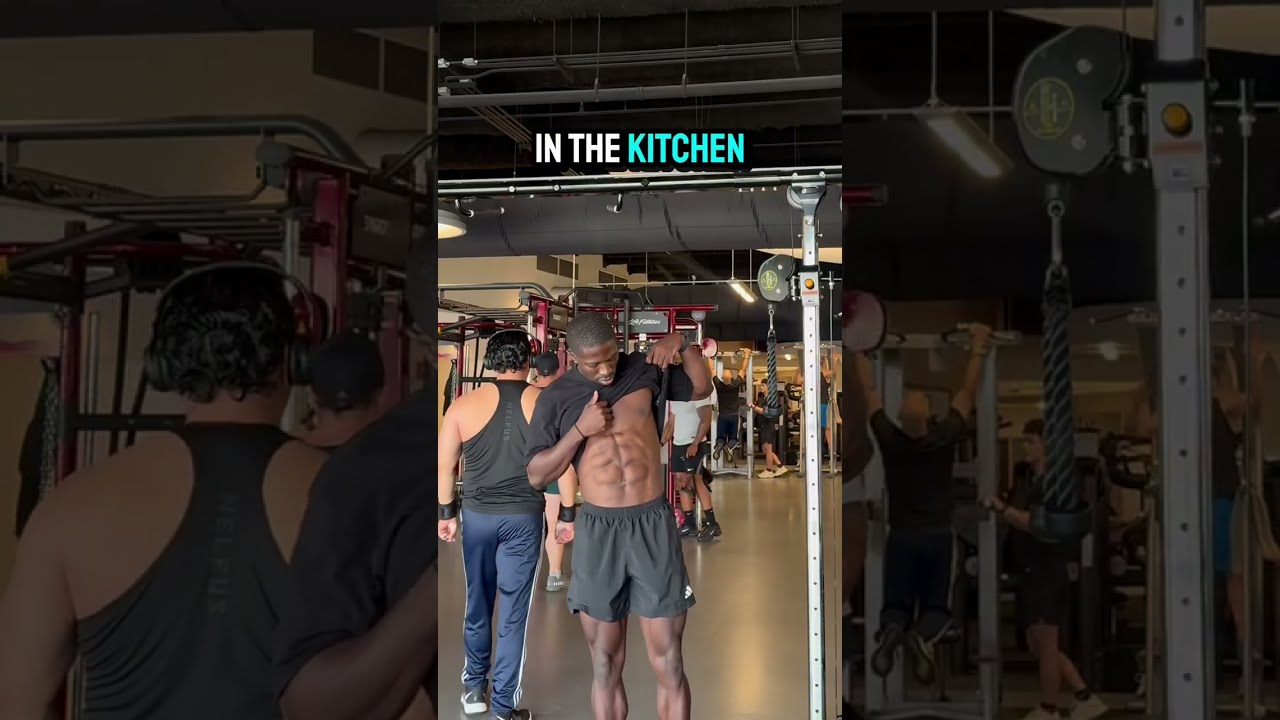
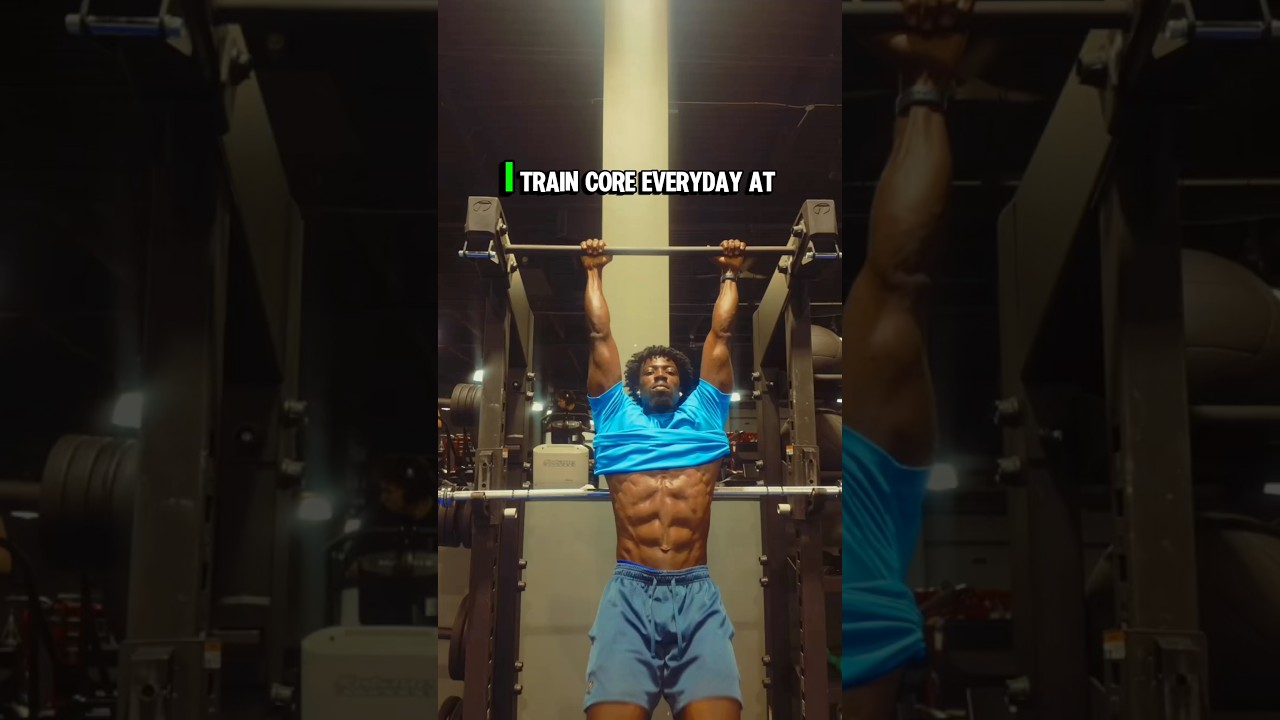
Underrated Core exercise! #youtubeshorts #foryou #motivation #foryou #fyp #basedfasho

Bulletproof your knees! #youtubeshorts #foryou #motivation #foryou #fyp #basedfasho
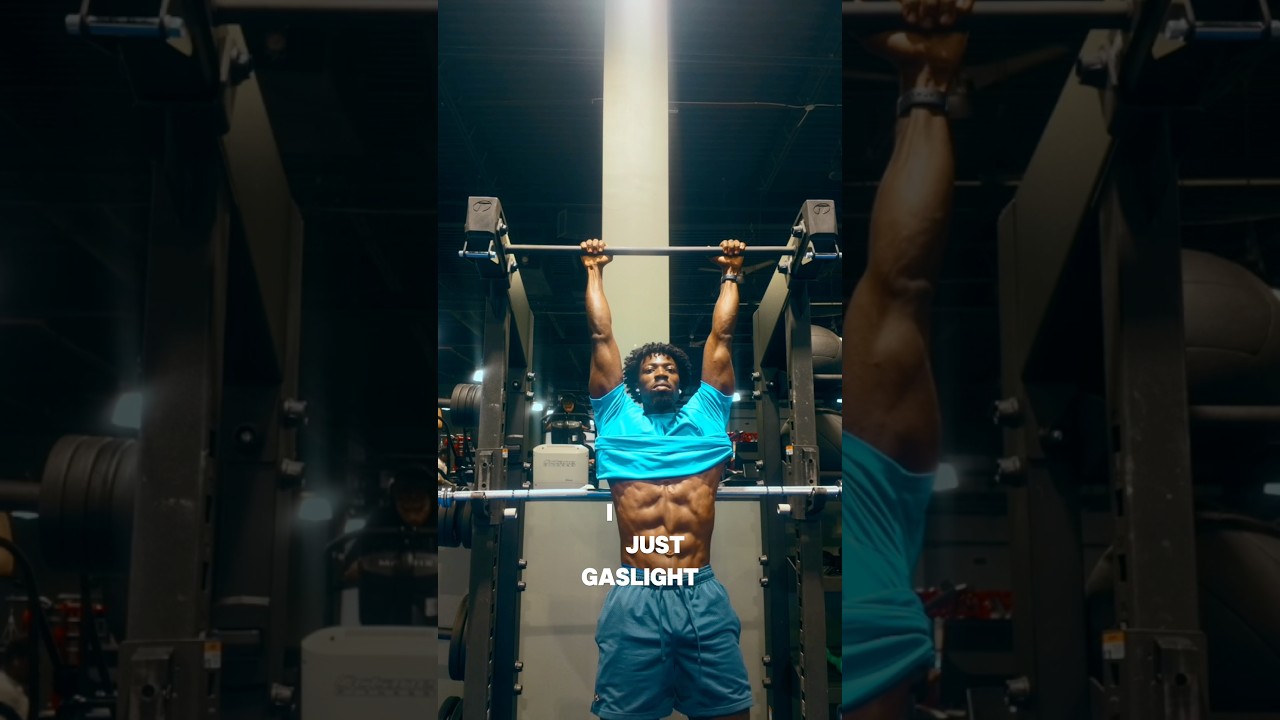
Never break this rule! #youtubeshorts #foryou #motivation #strongabs #athlete #basedfasho
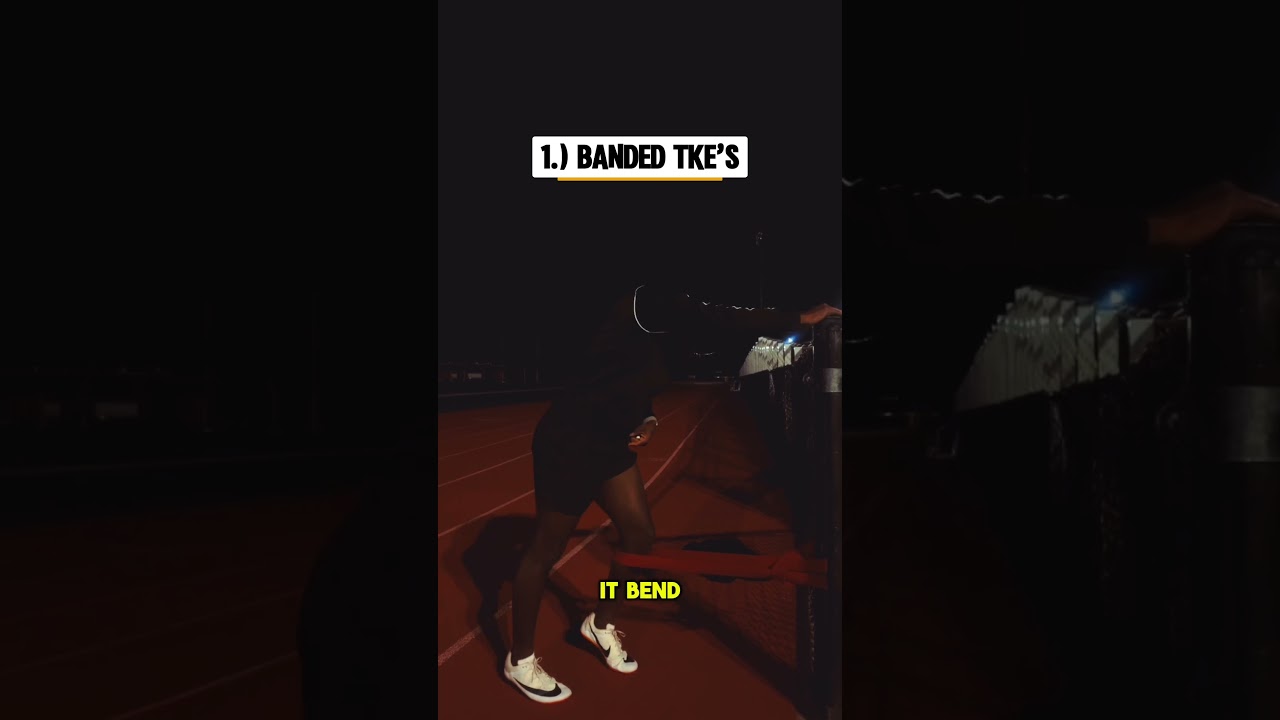
Knee exercises! #youtubeshorts #strongabs #foryou #motivation #athlete #basedfasho