From Being Sued for $100M Dollars to Creating Over 100k Careers in the Entertainment Industry | T...
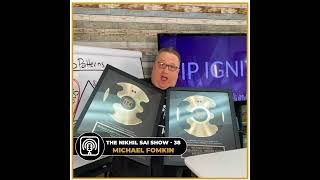
Michael Formkin, CEO of VIP Ignite, got hit with a $100 million lawsuit over a modeling agency franchise and settled for $150,000. He turned that into a platform that trains thousands of models, actors, and musicians yearly across five locations. He shares how to build entertainment careers by reverse-engineering established talent on IMDb and surrounding yourself with successful people.
Chapters
What's going on? What's going on everyone? Guess what's going on today. First of all, welcome back to another episode of The Nikhil Sai Show, which is hosted by me, The Nikhil Sai. And guess what's going on today? We're back with another amazing 2Kama Club interview, and this time we're having a great guy in the industry. Especially, this is a very different story rather than what we usually do, and this is why it's completely a different learning curve for you guys as you stick along to this podcast. We are having an industry expert who is helping people to get into this entertainment industry for almost 20 years. And guess what? His story is crazy. Like, imagine yourself waking up in the morning and you have a— like, someone sues you for $100 million. That's what exactly happened to this guy, and he handled it very well and won the case. He wrote and directed a documentary called Behind the Ropes, which is a successor. Then he actually started his company from home with just $1,600. And now he has— he's operating his business in 5 different locations, pan-USA, and having over 100 employees in his company. So there's a lot of other things we need to cover on this podcast episode. So let's not waste any time and welcome the CEO of VIP Ignite, Michael Formkin. Hey, Michael, glad to have you today.
Hi, how are you? I'm so glad to be here. This is so exciting. This is going to be awesome. So I'm definitely so honored and such a pleasure to be here with you today. I mean, we've been going back and forth now for the past few weeks, so the day's finally here. So this is really an awesome opportunity to be here. So, so excited to share with your listeners and viewers, you know, hopefully some advice they can take away with and help better their lives and better their businesses.
Absolutely, Michael. And I'm sure, brother, like once people start to hear your story, even though if they're in the rock bottom in their life, they'll be like, Yes, let's do it, right? That's your story, right? So Michael, we really love to hear your story out, brother. Would you like to start with your backstory? Like, how did all of this crazy journey into this media industry, uh, where you are into this 20 years extra— like, can you please start with your story?
So, um, we've been doing this now for over 20 years, and how I got started— I used to actually be in the restaurant industry for a long time, and, um, you know, when you're in the restaurant industry, it's long hours, long days. And decided to want to shift gears, change my life a little bit. And at the time I went online, sold the restaurant, went online and I was searching around for like business opportunities and up comes this ad and it was for own a modeling agency. And I was like, I wanna own a modeling agency. And it was like, you get to judge beauty contests. I was like, I wanna judge beauty contests. I wanna talk to beautiful people. I was like, this is a perfect job for me, right? Working in the restaurant industry for so long. So, you know, I followed up with it and it was a business opportunity and I, I purchased it. But what I didn't know at the time was it was done through this, through this gentleman by the name of Lou Pearlman, who was— he was the, at the time, the manager for the Backstreet Boys, NSYNC, O-Town, which I thought was really, you know, exciting to be a part of. And they had a concept where they wanted to take the modeling industry digital. So they wanted to take the modeling industry that at that time was all paper. It was just like— there was— they— like, most agencies didn't even have computers. Just to kind of give you a back. When I started this, Facebook didn't exist, the iPhone didn't exist. And at the time, the New York Times, the editor of the New York Times had made a quote, the New York Times will never ever be on the internet. Okay, so this is where I started. See, and people don't realize that this is only 20 years ago, that 20 years ago, the internet was still brand new, where large companies didn't really understand it. They didn't want to have placement on it. It just didn't seem like something they could control. It's almost like if you compare it to like, you know, some online businesses today. So what they wanted to do was digitalize the modeling industry where they could create databases. So if somebody, you know, a client needed a girl, blonde hair, blue eyes, 5'6" to 5'8", normally you would go and they would have all these paper comp cards. They'd have to sort through them. They'd have to send them out in the mail. And it was a time-consuming process. By putting it online, You literally could just type on your computer and then within seconds have the result. So just even though it's such a brilliant idea now, at the time they were like the first ones to market with this. So as you— I'm sure if your viewers know, if you don't, really great quote, uh, from Russell Brunson is the first person to market is usually the person with the most arrows in their back, which means that it's— they're gonna— they're the ones fighting for, you know, the results for to get the market to understand the business. If you think about it, you can compare it to Uber. When Uber first started, what a lot of people don't realize is that Uber in most markets, they were operating illegally. Like they were literally being sued by the state. They were paying the tickets for their drivers to go and pick up the passengers at airports. Like there was so much that was running behind the scenes to get Uber to where it became, reaches a plateau where it becomes acceptable in the market. So this company, they weren't— 20 years ago, they weren't as clever as the companies are today and being able to really get the branding out there. Social media didn't exist at the same level. So the company floundered around and they wind up failing. And during the failing process, the owner of the company, Lou Pearlman, decided to sue some of the franchise owners to force them out of business, pretty much. So imagine everything's going great. You're involved in a company. At the time I had 10 locations. We were bringing in over $150 million a year. And literally the company decided they were going to close overnight because they were getting a lot of pressure that their business model just was, I don't want to say illegal, but they couldn't fight the government. They couldn't fight the states the same way like an Uber could today. So Lou Pearlman, to deflect that, decided he was going to sue the franchise owner. I woke up one morning and I got served with a lawsuit for $100 million. So imagine now, this was a brand new business. It's 2 years in. I invested my life savings into it. So I had everything on the line, you know, my future, my family's future, like pretty much everything, um, because we were at that startup stage. And all of a sudden he pulls the plug on it. Not only does he pull the plug on it, there's everybody for $100 million. But long story short, when you, when you're doing something and you're doing it the right way, you can't be afraid of that. That's like a bully, right? People all the time, you know, they back down. Somebody, well, somebody says it's not a great idea, you shouldn't do it, or this or that. If people aren't talking about you, it means you're not doing something. You have to, you know, people have to be out there. So we, I fought it. I liked a lot of the other owners, they walked away from it. I went in and I fought it and I wound up winning. We wound up settling out of court and I wound up getting a check from— I got a check from him for $150,000. So I wound up just wanting to get it done and over with. But the whole point is, I went in, you know, I could have crushed me, but I grew bigger because of it. And I went in, fought it, and won. And at the time, the company was playing around with this idea of doing events where people could come in and meet with, like, producers and executives. And it was a big grand thing. I was, I was hanging out with Hulk Hogan and all these different celebrities, and it was really fun. But when the company closed, they said, wow, that's such a good idea, because people, when they want to become a model, actor, musician, they don't really, really know who to turn to. And I said, how cool would it be to be able to get people who understand the industry and get them to meet people face to face? So that's what the idea for my company VIP Ignite Live came from. And it was just an idea to say, hey, there are people who are struggling to be in this industry. There's all these wrong answers out there. They don't know who to turn to, right? It's like If I wanted to become a real estate investor and I'm asking my plumber for real estate advice, I'm not really going to get great advice. But if I could talk to the top real estate investor in the world, I could talk to a Grant Cardone, or I could talk to somebody who's really had success in the industry. Or if I wanted to build a funnel and I went, you know, Russell Brunson, who's a really good friend of mine, and I said this would work. And that's where the concept came in. We started 20 years ago. We're now the largest company in the world for connecting talent. And it's an incredible experience. And the one thing that we've always, always spoke about is in order to be successful, you have to surround yourself with successful people. And that's why I only work with the best. I'll work with people like Tony Robbins. I'm actually leaving for Costa Rica in a few hours to go hang out in Costa Rica for the next 5 days with everyone from there. Or last week I was in Boise with Russell Brunson. And so forth. I think in September, in September, yeah, end of September, I'll be at Funnel Hacking Live receiving another 2 Comma Club Award. And it really comes down to just surrounding yourself with the right people, you know. So I literally went from nothing to being crushed to just like believing in what I do and just knowing that if I surround myself with the right people, I'm able to push through. And, and that's how I got to where I am today.
Absolutely, Michael, that's a beautiful story and it has so many key learnings that every business owner should understand, right? And I believe like the analogy, as you just mentioned, is about surrounding yourself with the right people, right? Like you should be making sure that you are the tiniest guy in the room while you're surrounding yourself. You should be hanging out with biggest guys you personally know.
Exactly. If you're the smartest guy in the room, you're in the wrong room. That's how I look at it. You have to be in a room with people who are one chapter ahead of you or in front of you, not people who are behind you if you want to keep moving forward. You have— you just have to make it happen. You figure it out. There's tons of people out there that— and you go to the ones who are doing what it is you want to do, and they're doing it at the highest possible level, and you, you, you get to become a part of their life. So, which we can talk about in a moment, um, how to do that.
Yeah, absolutely, Michael. That's so beautiful, brother. And we would love to know more about like the entertainment industry. Like, you've been into the industry from a long time, right? Like people who understand different business, I believe entertainment is a different ball game, right? It's just completely different thing, not like the usual product or service business, which happens 99% of the time, but entertainment industry is a little different. Can you tell us like a glimpse of like how— tell us more about like the entertainment industry in 2021, like how it looks like, how it functions?
Well, the entertainment industry, you know, it's obviously a worldwide global brand. It's one of the largest brands in the world. Obviously everyone watches, you know, This right now, you have, you know, everything from HBO Max to Apple TV to Netflix to all, you know, all these content creators. And because of the, you know, the chaos the world is going through and has gone through, um, there's such a backlog now for opportunities that literally right now there's going to be more opportunities in the entertainment industry in the next 12 months than there have been in the past 10 years. Like literally, it's an exploding industry. And it's different than a business where you may be selling widgets online or something like that. Here you're dealing with people. So what's really great about it, it's the creation process. Like every time you create a new product or you're creating a new story or you're getting involved in a new advertising line or, you know, I'm up in the New York region, so we have Fashion Week coming up. So there's always something exciting going on. But what's really great about this business is that it's the people who work in it and that are successful. They, they reached a very high level of success by being on time, by being professional, by being reliable. So it's something I really thrive in because I have that type of personality where if you can't do something the right way, there's no sense in doing it at all. I think a lot of entrepreneurs, when they get into this business, they, they have a dream, they have a passion, but they're being distracted by everything else in their life. And like, think about this, when you're on set, you have to be in that moment. You're in character. Like, it doesn't matter what's going on in the world. Like, there could be literally a raging fire outside. If the director's filming, you're in the scene. And I think as an entrepreneur, you have to see yourself that way. You have to see yourself being in the scene. You have to be able to fully focus. And I know people, you know, they start making excuses. Oh, but I still need my regular job and I still need to do this and that and I can't dedicate 100%. That's mindset. Right? Everyone has the resources, they're just not being resourceful. Like, I literally, when I'm behind and when I first started, I would be up at 4 AM. So every single thing I needed to worry about, whether it was laundry, whether it was shopping, or whatever it could be, I would have everything done in my life before 8 AM so that way I could fully focus on the business, you know. And if you come home from work at 5 o'clock, great. You have now from 5 to 9, you come home from work at 9 PM. The internet's 24 hours a day, 7 days a week. So if you're trying to be an internet marketer, you're trying to work online, there's more than enough time in a day to get things done. And if you're struggling, it means you're doing something wrong. And it means you need to turn— you need to reach out to find somebody to help you overcome that. You know, whether it's getting a virtual assistant, finding the right coach, finding the right mentor, you know, studying. A lot of people try to jump and build a website way too quickly without not really understanding everything that goes on behind the scenes. You know, create a podcast, create a YouTube channel. There's so many things you can do to start becoming a market leader and then you launch your business.
Yeah, absolutely, Michael. I think that's a great learning curve for people who are listening to this, right? Like, as you just mentioned in the end of the conversation, that people start to build out something before they really don't have a clear idea of what they're gonna do. Right? Then they'd be like, oh, this is not the right website I need, right? And as you just mentioned, I think they need to be fundamentally strong with their ethics and the product or service they're going to provide and the value they're going to add to the marketplace. I think that can literally change the complete game plan. And as you just mentioned, mindset is everything, brother. So, and let's get into the next quick question, brother. So what do you think, especially if someone wants to become an actor or model or a musician, what do you think the skills are required to stay ahead in the game? Because there is such a lot of competition happening in the entertainment industry, correct? So what do you think are the skills required to stay ahead in the game?
Well, right, the way the market works right now, it's all about being unique. It's about being you. You know, there, you know, 10 years ago, the world was very typecast. It was just the same types of actors, the same types of models, the same types of people in commercials. But if you watch television now, It's so diversified. Like, you know, when I tell people all the time, like, you know, if I go up to the average person, I say, tell me what, describe to me what you think the average model looks like. People will always say, oh, they're tall, they're thin, they walk the runways of Paris and Milan. And they would be absolutely wrong because what they're describing is high fashion. And high fashion actually accounts for less than 10% of the industry. Only 2% of the world's population actually qualifies to be a high fashion model because it's based upon like certain height requirements and sizes. And it goes to how the designers design their clothes. When you think about a designer for a fashion show, they're making one-of-a-kind pieces, which means they're very labor intensive, which means they're very expensive to produce. So by having a set standard, so they know the exact sizes of the models, if they're gonna create like 10, you know, 10 articles of clothing for men and then 10 for women, they can call an agency and they say, hey, I need 20, you know, 10 guys and 10 girls. When the models show up, they have like the exact specification, the clothing fits, so they're not making unique clothing for each person. So based upon that, for most people, they just think that's like the whole end-all. And in reality, if you take out the glitz and the glamour from high fashion, at the end of the day, it's really, um, The models are just walking hangers. Like, they're not even— like, there's— like, it doesn't matter. Like, it's just the right mom and the right dad came together and they produced like a tall skinny person. But when you look at advertising, if you take a step back and you pick up magazines, you look at catalogs, billboards, magazines, there's what's called commercial print. Commercial print is 80% of the industry. So like somebody like yourself, you would be a commercial print model. So you could play like the the college student, you could play the police officer, the doctor, the lawyer, you know, the younger brother, you know, you could play all different types of roles. You can have like a versatile look. So what a lot of people don't realize is in this industry, it really is just about belief in yourself, just having the confidence to go out there and meet the right people, get the right agent. At the end of the day, it's really about networking. And it's about not only who knows, it's not only about who you know, and people like to throw that around, Oh well, it's all about who you know. Not really, it's about who knows you. Like, what are you doing to step out? Like, if I went on your Instagram page, would I see you just like posting random pictures, or do you have like a theme to it? Do I actually see you having professional photos? Do I see you at least trying? Like, everyone deserves a chance to be in the industry. Everyone has to start somewhere, right? And, and people just, you know, at the end of the day, it's just really about like learning. Like, we do a 2-day boot camp. We do it for free for people who can like learn about the industry And, you know, there's just so many things out there like that. There's YouTube channels, there's books you can get, you know, the information is limitless. It's just people just need to just go out there and actually do it, really. Get involved in local community theater, working with local photographers. Like, you can call any college and say, hey, I'm an upcoming model, I need to get some photos done. I know you want to be a photographer, we can like work together, you know, and that way you're just getting practice in front of the camera. You know, you record your monologues. Like, you just, you know, think about this, like 90% of the time an actor, a Brad Pitt or Julia Roberts or whoever it may be, 90% of the time they're not working, which means that they're only working 10% of the time. The other 90%, they're practicing. So you have to look at it the same way. You know, if this is what you wanna do, if I called you right now and said, hey, I want you in Fashion Week, could you actually do it? Do you have all your poses? Do you have 3 monologues ready? And most people, they always say, oh, well, no. I'm like, well, what were you waiting for? Well, I was waiting to start. Well, you should have started 6 months ago. You should have started a year ago, right? The best time to plant the tree was 20 years ago. The second time to plant the tree is today, because the worst thing in the world that could happen is opportunity comes and you're not ready. And that's where I see 90% of people fail. Is because they're searching for an opportunity, but in reality they're not ready. An entrepreneur, the same exact thing.
Oh wow, wow, that's just, that's just amazing brain juice happening, brother. Like, that's just amazing. I think this is something every single person who is trying to get a successful job or want to start his own career as a model or he's into business, they really need to understand this stuff really clear, right? First of all, they need to get their mindset right and like the golden word is you need to get started.
Exactly.
I believe, like, I've seen this happening, like a lot of people who are trying to get into this industry, especially entertainment, they'd be like, you know what, I need one of my YouTube video to get a million views so that I can start creating great content, right? If you see people, like you also said, like if you want to hire someone, they should already have pre-assets about the— about them and all the skill sets they have. But they'd be like, first of all, I want to get a chance to act in a movie, then I can create them. And that's like, hell no, that's not a process. That's not how it works. First of all, you need to get into the work. You need to get the mud, right? You need to touch all the shit first of all so that they can— you can wash your hand and get into the clean space.
That's exactly right. They put the cart before the horse, I like to say.
Absolutely, absolutely, Michael. That's, that's just beautiful, brother. Thank you so much. This is just amazing information, especially business owners. This is just gold. So let's get to the next crisscrossing, brother. So One of the main myths which happens, like which bubbles around in this industry, especially entertainment, right? Movies and all of this stuff. They'd be like, oh, you know, it's just an insider game. Like normal people cannot enter it. Like, what do you think about it? Like, can normal people enter into this industry? If yes, like—
Oh yeah, absolutely. What is that?
It's like— You need models to get in.
Yeah, absolutely. So it's like I was saying, like right now, like there's such a demand for curvy models. There's such a demand for unique looking people. Think about all the hit TV shows, you know, the Stranger Things and the Ozarks and the dozens and dozens and dozens and dozens of shows coming out. They're just normal people that are in these ads, like in the ads on the shows and so forth. The industry's so shifted. Like right now, there are more— right now here in the United States, the biggest demand is for people who have multiple ethnicities. They don't want the Caucasian person anymore. They want the person who has, you know, because it's a mixture of cultures. Like, that's just, that's where the world is headed, right? The whole, the world's gotten smaller, right? You know, and you think about people always, you know, look at the life so negatively. Like, think about all the progress that we have. Like, we live at literally the best time you could ever possibly be alive, you know? And there's so many wonderful things going on, and the world shrunk because of that. So now The, the television, the ad campaigns are a representation of that, you know. So they, they— so it doesn't matter if, you know, if you're the older person. Like right now, a lot of times people all the time, they tell me just because they're older they can't do this. I'm too old. I'm like, okay, well think about this. If I walked into a high school and I said, raise your hand here, who wants to be a model? Everybody raises their hand. So that means you have a market, you have like a red ocean of competition. But when you think about people like that are, you know, 25, 30, 40, 50, 60, 70, they're involved in their lives. So their competition is so much smaller. But yet there's such a huge market for banking. You know, like we have here, like Flo from the Progressive ads, from the insurance company, from the advertising. She earns like $2 million a year. Her name, her real name is Stephanie. Most people wouldn't even recognize her without her little outfit. And she, she really wanted to be a comedian, and one day her agent just said, hey, I have this, uh, this insurance company is looking for somebody for an ad. And all of a sudden that turned into like a huge career for her. So there's so many opportunities, like people just don't realize having a unique look, having, you know, just being different. But it's just about being professional. So like, like right now, like there's more opportunities now than there's ever been before. So for anybody who's listening to this, if this is something you want to do— be a model, actor, musician— go for it because there are more opportunities than people to be able to fill them, especially because of the chaos we came out of. A lot of people left the industry, so there's all these holes now that need to be filled up.
Yeah, that's, that's a great suggestion, brother. I think that's, that's really it, right? Like, people can really understand like where they want to go and they just need to start moving to the right direction, right? Of course they need to pivot multiple times, but in the end, if they stick to the plan, they will just reach the end goal, as you mentioned. That's crazy.
Exactly. Just like, it's like being an entrepreneur. If you have a plan, you have a great idea, you have results. If you, if you want to be a coach online and you can show results, then you continue with it. People, I think people, people always give up like right when they're at the finish line. You know, there's that old saying about being 3 feet away from gold, and that person is just literally right there, and then they, they give up, right? Yeah. If you believe in your product, you believe in what you're doing, You have proven results. That's the most important thing is having proven results. And I always tell people when you're first starting out in business, go out and find somebody, help them, do it for free, do whatever it takes at the beginning just to build up your brand, just to prove that what you're doing works, not only to the market but to yourself. Because once you do that, you have a shift in mindset. Literally the impossible becomes possible.
Yeah, Michael, I think that's just a goal learning for everyone. Like a lot of people be trying so much harder without any results and they just stuck by getting their first client or the next project. But once they build that credibility in the industry by genuinely delivering results and have all of these case studies, testimonials, and real-life success stories, I think the game literally changes in a snap, right? Now people will look at them as an authority in the business, and they'd be like, yes, I want your help because you have this beautiful case studies and testimonials, right? And that's just how the business turns around. So that's awesome, Michael. Let's get into the next quick question, brother. I think this is a real demanding question. Like, there is a lot of competition. Like, how do you think, like, you know, when someone, when someone becomes an actor, model, or a musician, how they can actually get into a paid career? Like, what are the types they can monetize their skill set or their, or their day-to-day life, and they can actually have a good steady income? And also, like, how they can actually make it happen, especially, you know, it's about networking, right? So would you like to talk about that a little bit?
Yeah, I'll give you a great example. I have a talent, she's 51 years old, she lives out in the Midwest Um, she— zero experience. She started, she started working with us right during the beginning of the chaos of last year, and, um, she was interested in modeling. She's an older woman, 51. She has like gray hair, and like a lot of women her age would dye their hair, like they literally would dye their hair, right? They don't want to show they have gray hair at 51. She decided to do the opposite because we spoke about what makes you unique And she said, well, my hair is really gray. And I said, well, why don't you go with that? Like, you have, you have a beautiful look, you have the long gray hair. And, you know, she came to an event, you know, she was going through some training and some coaching, and she met an agent. And, you know, at first the agent wasn't interested in her. And I said, well, just follow up. You have to, you know, it's kind of like that, you know, they play hard to get. They want to see, are you serious, right? They're just not gonna, you know, they have thousands of people that are interested. They wanted to see, are you interested? So she followed up They had a conversation, um, they— she got signed, and literally since— it's probably like, yeah, but it's a year this month, literally a year to the day, um, she's already— she's just broken 7 figures in earnings. She's appeared in NFL ads, AT&T ads, um, uh, voting ads. She's appeared in— she's even appeared in, in, in medical ads. Like, literally There's literally nowhere where you can't— like, literally, I get on my phone literally every day. I'm getting like a new ad that she's appearing in, and she just made it happen. Like, she just showed up. So I think the trick for this is you need to have an agent. Like, so if you're online and you're trying to find castings on auditions, it doesn't work that way. Like, that's just, that's just, that's just people trying to take your money, people trying to take advantage of you. You need to find an agent. But here's the thing where people go wrong. So a lot of people take my advice and they're like, okay, Mike said go find an agent. So then they go online and they try to start finding an agent. No, no, no, hold on there, tiger. I appreciate the enthusiasm, but you need to first find who you are, like what it is that you want to do. Where do you fit into the industry? Are you commercial? Are you fitness? Are you, are you the creepy guy? Are you the character next door? Like, who are you? And what type of agents represent that person. Then, so now you got to think about that. So now you got to say, is who is the right agent for me? And then the second thing you got to think about is, who, who do I have to become for that agent to want to work with me? What, what do I need to bring to the table? A lot of times people come to an agent and they, well, I don't have training, I don't have photos, I don't have anything. And they're like, what do you want me to do? Like, I'm like— I— it's like, imagine you want to be a doctor and you show up at the hospital and you're like, hey, I'm here, I want to be a doctor. The hospital is going to be like, are you crazy? Like, what? Why? We don't train doctors here. We hire doctors. We want to hire doctors. If you know any, give us a call, right? And it's the same thing. A lot of people get into this industry without training, without anything, and, and then they just go online and then they wind up spending a lot of money with the wrong companies. So like, you know, a great site is IMDb. It's the Internet Movie Database, and it tracks all the movies that are currently in production, pre-production. So a great tool is to go there, look what movies are coming out 6 months from now, right? Find out who the cast of actors are. Find out who that— find out the actor. I say, hey, I could be that person. I could— I'm like that actor, right? Find somebody you really can relate to and then say, who is his agent, right? How did he get signed? Where did he study? How did— right, it's reverse engineering success. Wow, it's literally a map. All you got to do is follow the map, go from here to here to here to here, and boom, you find success. And it's just like being an entrepreneur. So if you want to be a paid model, actor, musician, you want to be an entrepreneur, Find somebody who's doing what you're doing and copy them, right? Find somebody who's not doing what you're doing, is failing at it, and don't copy them. And that's what a lot of people do, is they go and they follow the wrong person. They follow— they start getting involved with somebody who's a lot of hype, not realizing— find somebody who really has the success. It's so easy to do. It's just you gotta, you gotta think about it logically. And you have to use the right tools, you have to have the right people. And again, it's hard. When I first, when I started with internet marketing, I came from a world where they didn't even have computers. I came from a world where we had to shift people's mindsets. And then now, dealing with talent, it's educating them the right way. So, there's so much potential if you just do things the right way. But my number 1 tip, Go to IMDb and mimic somebody that you want to. Where did they go to school? Where did they study? Who were their coaches? You can find this information. You can even reach out to them. Hey, you know, Instagram, social media, TikTok, it's so easy. And when you ask a great question, you're gonna get a great answer. It's not like, hey, like Denzel Washington, hey, I wanna be an actor like you, give me some advice. No. Reach out and say, hey, I really admire your work. And I saw that you studied here and I did my research. And I was just curious, like, what were the people in your life that helped you go from where you were to that next step? Right? That's a great question because now that person gets it. Wow, this person, I want to answer this question. Like, there's no one you can't talk to. Like, I, I, I was on a call a week ago with like 7 billionaires. And they were just like us, but you had to ask better questions. And I think that's something people really need to do. You gotta know what you want and you gotta come up with a great question, right? It's just not like, you know, oh my God, you have a great mic. I see it's a Shure mic. You know, tell me more about it. Like, no, you see the name of the mic. I know that mic. It's one of the best mics you can get. Like, you're on your A game. And, but I already know that. But if I didn't, like, I'm gonna research it before coming to you. I'm gonna do everything I can. And then I'm gonna come to you with a question that I'm stuck with, something that you could really help me with. That's what mentors are about. Mentors are not meant to carry you. They're meant just to guide you. Like, you would, I would be a bad coach if I just gave everybody the answers. You want people to discover them and you help them when they're stuck, right? It's, I reach a handout. And I pull the person up. But they have to come, they have to come with me. I can't bend down and pick them up. I would be doing them an injustice. So people, if this is, you know, you want to be successful in anything in life, my best advice, one of my best tips is, you know, is research, find out the best people out there, follow what they're doing, and so forth.
So absolutely, absolutely, Michael. And that was just amazing, brain juicing again, right? This is like literally all the things comes down to reverse engineering people who are living that Lifestyle where you want to be, right? And just— yeah, Michael, that was really great, brother. So let's get to the next quick question. Like, you're in a company of over 100 people, you train thousands of models every single year, you handle all these agents, producers, castings, a lot of crazy stuff, right? Like, I wonder, like, what are the tools you use to manage your business, your projects, your clients for productivity?
Um, well, our number one, our number one tool that we use— people always, um, I love people always love asking these questions and always expect some major secret. At the end of the day, it comes down to a pen and a notepad and creating a to-do list every day, right? I don't, I don't need a fancy app. I don't need a fancy program. A pen and a notepad. Really, this is everything I need to do. I break it down, what's important, what needs to be done right now. So 1, 2, or 3, and I accomplish it. And then I cross off everything that's done. The next day, I carry over what hasn't been done, and I restructure it. Okay, if you create a to-do list, right, you buy— go buy yourself a little me notebook, like a $2 notebook, a dollar pencil will change your life in ways you can't even imagine. Because it allows you to sit and think, right? It's so easy to be online and you start Googling, well, I need to set up a website, what's a good website software? And then all of a sudden you're down 1,000 different rabbit holes. Uh, we use ClickFunnels obviously for everything, um, pen and paper, and then we use— we track all of our stuff through Excel. So literally everything's done in spreadsheets, and that's literally it. And like, and I've spoken to so many people that have run billion-dollar companies, and yes, the front end for customer deliverability and for, you know, tracking things, you know, obviously as you scale your company, the needs change. But like, literally up until about $10 million, you can run a company, ClickFunnels, a pen and paper, and Excel. Like, that is all you need. Right? That is it. So, so many people overthink it. Like, they think— they keep— they always think that software is the key. Software is meaningless, okay? It's result. If you put— there are people I know who earn 7 figures, they have an Instagram account, and literally people will DM them, they send them to a Calendly link, get them on the phone, and they'll close a, a million dollar deal, a $10,000 deal. Okay, that's simple. So stop overthinking it. A pen and a paper, like, just plan it out. Like, go. Because here's another thing: the more simple it is, the less things can break, right? The less things can break.
I definitely agree, Michael. Yeah, I think that's just on point. Absolutely right. Like, especially this is for people completely on Facebook, the business owners who claim that they don't have the right software, systems, processes in their business. Because you don't need them, right? All you need is just a pen and paper and the right— like, all these softwares are just tools which will enable you to get more power, but in the end, it's you who are using them, right? It's not the technicality of the tool, it's just how you implement things quicker, faster, efficiently, and actually deliver great results for your clients. And that's just going to blow up. That's awesome.
Yeah, so once you're ready, let's get into the next question. Yeah, go ahead.
So we would love to learn more about, like, your daily routines and reach you personally follow when it comes to your day-to-day life. So how does that look like? How does, how does your daily routine look like?
Um, it's not, it's not as complicated as it seems. I wake up early in the morning. Um, I like to be up by 5. Um, I still focus on whatever I need to do by the, for the day. I like to get most of my, um, thought process out by, you know, 8 o'clock, 8 AM, 9 AM the latest. From there I'll have breakfast. I go to the office. So even though right now I'm home, I do have a small office I work out of. I could literally do— I could run everything from a laptop from anywhere in the world. But I like to have the office because I like to be in a different environment from working from home. It's too easy to be distracted and just fall down a rabbit hole. So if you're at the office, to me, it's really important to have a small— you know, you just have to be very disciplined to work from home. So I'm not as disciplined as I should be. But I like having a different environment. You know, and then from there, it's just really doing the to-do list. You know, I have a meeting with my developers. We'll have an office meeting, staff. I check what the numbers are. You have to be aware of your numbers, your KPIs. You have to be aware, hey, if I'm in a sales business, let's just say, and there's 50, you know, new customers today, what— who's, who's speaking with them? What's the follow-up with them? What happened? Like, you have to track results. A lot of times people just don't pay attention to results. There's like every little problem you can have that holds you back is really solvable by keeping systems simple because then you just figure out what's, you know, what went wrong. You know, somebody didn't purchase a product, you call them up, hey, I'm the owner of the company, what happened? You know, it's like, you know, just curious, you know, help me out. Yeah, you know, there's so many little things you could do it, you know, and from there, like, I usually like to have my day finished by like 2 o'clock, 3 o'clock, and then just go enjoy the rest of the day. Yeah, you know, when you create systems, that's what life's about, right? Life's about trying to make it as simple as possible. I do a lot of writing, so I'll make sure I write my own copy. A lot of people, they try to hire like team members for everything. So I'll write my own copy, I'll set up my own emails, I'll send everything out. You know, I'll have meetings with different producers and directors and whatever it may be. Like right now, we get a ton of noise. Like we have Fashion Week coming up, so I have like dozens of designers, you know, reaching out for models and talent. So, you know, you have to create a system for everything, you know what I mean? Like, so when I feel overwhelmed, I create an Excel spreadsheet, I make a form on Google Sheets, and then whatever the questions are people may ask me, I have my assistant send them the link and they, they fill out the form, and then, you know, you sort through the answers. Yeah, it's just, it's like always just trying to, like, the moment you feel, oh my God, overwhelmed, okay, hold on, what can I do to make this process simpler? The off— the word we use in the office is called frictionless. So we use the word like no friction. So we want every, every, every interaction we do, every interaction our customer does with the website, every interaction the models when they're going on set, we want it to be frictionless. So like, you know, we have our own website so like we can track when the talent are on location. We could track how many hours they're there. They can upload and change their stats. We do everything via like a private app. So we have like a private communication app with them. So all of this came, you know, yeah, of course. And it sounds magical because we've been doing this for 20 years. But all of this came from solving a problem that created friction. So every time there's friction, how can I solve this? You know, Zapier, you know, is a great tool, you know, for sending, you know, information to a spreadsheet. Like, so these are things you have to learn. Like, you have, you have to be responsible for your business. I tell this to the talent all the time. Don't think that I'm responsible for your career. You're responsible for your career. You know, agents get paid 10%, right? That's how agents make money. So if an agent's getting paid 10%, that 10% of the work, the other 90% is yours. So if you're an entrepreneur, 100% of the work should be on your shoulders. You, you should never turn over a portion of your business to somebody until you could master it yourself, right? When I was in the restaurant industry I— first job I had was the dishwasher. Boy, if I was the best dishwasher at that place. Well, then after that, I mopped the floors. And guess what? I mopped those floors so shiny and swept them. I knew how to lift the tables up and sweep under the tables. But you know what? Because I did that, when I hired a delivery guy whose job it was to sweep the floors, I would say, hey, did you move the tables over? No, I didn't. Oh, look at all that dust, right? So it's like the same thing with an entrepreneur. Like, know your business. No, understand Facebook ads, understand YouTube ads. Don't just turn it over to somebody until you've mastered it. Spend the time. Like, there's nothing that complicated you could not learn in a day. And most people, you can, you can spend 10 hours watching Netflix, you can spend 10 hours on your business.
Yeah, that was just long internet connection problem, brother. I really apologize for that. Usually it doesn't happen. Yeah, so yeah, that was just amazing, brother. That was just amazing. I was actually thinking, right, like as you just mentioned, KPIs speak for themselves because, you know, emotions lie, people lie, or people do mistakes, but numbers don't. Like, they clearly show you what's happening in your business. And according to the KPIs, you find out once you have the right systems in place, right, they just flow your business to a different level, right?
Yeah.
And I genuinely believe, yeah, that's what's going to build a business.
Yeah. And the same— and another great thing, remember I said the pen and the paper? So as you're trying to replace yourself with somebody, write down the steps, right? It's like when you're opening a restaurant. First step, you open the door. Second step, you turn the lights on. Third step, the oven, right? Yeah, you systemize it that anyone can follow it, right? Yeah, that's, that's, that's the secret to it. And It's, it's, it's following that principle, right? It's a simple principle. It's just being— yeah, it's being, um, focused and making it a habit of yours, right? People have habits. They can watch Netflix for 10 hours a day, but they won't put 10 hours a day into their business. I tell that to people that tell them all the time they complain about this or that. I'm like, okay, great, let me get your login to your Netflix. Let me see how many hours you watched Netflix last month. Oh my God, you watched 90 hours of Netflix. Imagine you put those 90 hours into training, to your business, and to— like, you found time to do what you wanted to do. So exactly, so don't, don't complain to me. You have to be fully focused. You have to be dedicated. Like, you, you have to be— yeah, you're going into the fight of your life. You need to be ready for it.
So yeah, absolutely, Michael. I think, I think that's definitely someone really need to understand that. Like, people say, you know what, I want to be a good actor, but how dedicated are you? How committed are you to be an actor? What are you really working on day in, day out? Like, if you're watching Netflix and seeing a show and you say, I want to be in the show, that's never going to happen. You should actually stop watching the show, get into the work, try contact some agent who can actually get you the next show they're going to shoot, right? That's just— that's how they can do it, right?
Absolutely. Become the person an agent wants. When you become the person an agent finds, they find you. It takes time. Every actor you see on TV They didn't just appear there. Their careers will go back 10, 15, 20, 30 years, and people don't realize that because they only see them on the show they're watching immediately. They don't realize the thousands of hours that went into it before that moment they saw them. And that's what— that's why I tell people, go to IMDb, research, find the— find the roadmap, find the map, and work your way backwards to the beginning.
Yeah, absolutely, Michael. I believe, like, when it comes to the internet industry especially, I believe it's just having that one connection, right? You're just one connection away. If you find the right agent for you, it's just going to turn out at a different stage, right? That's awesome, Michael. So let's get to the next quick question, brother. What will be your suggestion to a 20-year-old you or someone who is just getting started right now into this industry?
Um, I think, yeah, my best big sex— my best advice for somebody who's trying to get into modeling, acting, music industry is You need to find the right people to work with. Otherwise, you're just going to be wasting your time. You have to accept the fact that people will not approve of this in your life, right? People always, you know, your parents, your significant others, and you have to look at like relationships as having two hands. One is your business hand and one is like your friends and family. You keep them separate, right? You just, you know, how is work today? Yeah, limit, limit them, limit them getting squished together. And it really just comes down to like, everyone will succeed in this business as long as they never give up. But you just gotta be making progress every day. Like, you should never go to sleep at night without learning something new and feeling that you improved yourself, whatever that may be. And if you feel like you're not motivated enough, like, you know, who motivates the motivator? You have to be willing to motivate yourself. You know, you should be reading, you should be reading and learning as much as you can, you know. There's so many tools now. Like, you know, you can be on calls like this all day. You can be doing practice readings with people. You can be posing and setting up your cameras and your lighting. You know, like right now there's such an opportunity for people. Like, they don't really, like, they don't understand lighting, but yet you've been working from home, like with Zoom. Like, how did you not correct your lighting? How did you not get the right equipment? You should be like, like literally submerging yourself in that because you want to be an asset on set. You know, and then I tell people all the time, like, your next step, call a local photography company, offer to go work for free. Like, call a local magazine, offer to work for free. Like, tell them you'll sweep the floors. It doesn't matter. You just want to get your foot in the door. You know, there's so many local opportunities, community theater and churches. Like, there's so many stones to turn over that you can— yeah, that, like, literally can lead to success. There should never be a day where you're not doing something to push yourself forward. You know, even being in a local community play, you know, that could take, you know, 8 weeks to 12 weeks for rehearsals and then, you know, a month or 2-month runtime. That's 5 months that you could be busy working on a project, you know. Go out and put yourself on a platform instead of just, you know, going on Instagram and just rambling about nothing or posting pictures of your dinner last night. You know, go out and put it out to the world. This is what I'm doing. This is what I'm struggling with. You know, put that message out there every day. You know, write it down. Keep it on your walls every day. You see it like that. That should be your life. The moment you're getting distracted, you know, I mean, so many times, you know, actors and even entrepreneurs. I had a conversation the other day. Somebody was like, oh, Mike, I'm really struggling with my business. Can you help me? And I was like, sure. I said, I have some availability on Sunday. And they're like, well, but Sunday's my barbecue time with my family. I'm like, well, I'm like, you know, here you go. Like, this is— I don't even need to have a conversation with you right now because I already know the problem. This is the problem. The problem is, is you're choosing what's more important, you know? And I get it. Family time, family time is important. I totally agree with that 1 million times, 1 million percent. But if an opportunity arises where you get a chance to talk with me, or you're asking for help, then you move it, you change it. We're not going to be on the barbecue— a barbecue's all day, a conversation's an hour, right? You have plenty of time for a barbecue, you know. So, and, and, and, and that's just the symptom of the larger problem, is that they're not fully focused in their business, you know. Until you, until you burn the boats, you're never going to be successful. So if you want to be an actor, you want to be a model, I, I'm not saying quit your job, but put 100% into this. Make the— yeah, you will grow, you will figure it out, trust me, right? Money is replaceable. You can always earn more money. Time is not. Time is your most valuable resource, so spend it wisely, because once you run out of time, that's it, game is over. Okay, so don't let— yeah, don't let them— a poor mindset hold you back. I think that's what holds most people back, is they have a poor mindset. A millionaire mindset, you risk everything. Because you believe in yourself and you make, you make it, it happens, it works. Like, it's, I'm, you know, like, uh, proven success at it, and I can give you a million other people. Yeah, and we failed many, many times before we found success.
So yeah, absolutely. Like, poor people have this mentality that if they make this $1,000 this week, they just try to hold that on and save it and keep it in the bank and just let it be right there. But people who understand business and who want to grow, they just be like, they'll be taking the next $10,000 business loan to invest, reinvest in Yeah, if you're not, if you are not in debt, you're doing it wrong.
That, that's like a billionaire actually told me that. It's like you need to always consistently be in debt because that's what pushes you forward, and you're leveraging other people's money for you to be successful, right? It's, it's putting it in the bank. What is that doing for you? Nothing. It's not even earning any interest. It's earning like a penny. So why, why, why not invest? The best investment you can make is to invest in yourself.
So yeah, brother, let's get to the next question. We have a few more questions, uh, and we'll be wrapping this up really soon. So yeah, brother, I think that was really great suggestion for every single young girl or a young boy or someone who's just getting started in the business, that they need to stay committed, not just be interested in something they want to do. And that's going to completely turn around the way they think and the way they achieve things, right? And Michael, would you like to talk about like your life's achievements, biggest achievement so far, and any next bigger goals?
Yeah, well, like I said, I'm working really closely with Tony Robbins right now. So that was something I've been working on for the past 3, 4 years to really get a lot more access to being in that world. So I'll be in Costa Rica. So I'm going on a trip with the whole crew down to Costa Rica. I'll be with him backstage in November. So that's that, that like, I think my next goal is to like speak from stage. With Tony Robbins. That'll be one of my goals. Um, I have a 2 Comma Club Award that we're getting. I probably have the 10X Award. Um, I've already won— like, we've won 38 awards. I've won 6 Tonys. 2013, I won the Tony for Best Play. So, you know, all the awards and accolades are great. You know, we've been featured in CBS and on NBC, and, you know, we've done, you know, an Entrepreneur Magazine and Forbes Magazine. So I've done all that and I think it's great to have that platform and to have that voice. But I think my one goal really is, is how can I— what can I do to make my life in a position to help more people? Right. Like, I think when you focus on helping others, that's, that's always been like our main goal is like, what can we do to help more people? You know, so, you know, at a lot of our events, we raise money to feed the homeless. On average, we'll help feed 25,000 people in a city that we're in. And we work with Operation Underground Railroad. Last year alone, we combined with Tony Robbins and Russell Brunson. We helped free over 3,500 children from the sex trafficking industry. So it's like things like that. I think your goals and the things you want to do with your life have to be your why. What is a reason? When I think about these kids, or I think about homelessness, when I was younger, my family struggled financially. There were times where food was not a luxury item for us. So I understand what it's like to be in that position. And when you have a reason to wake up every morning, knowing that the results of your business will help feed somebody or help free somebody, from a terrible life, it's a strong pull that you have to accomplish your goals. So I think it's, you know, my goal is always what is my why? What is it that I can do to help others? So the awards and all that are great and they're phenomenal, but when you have a why, that's the biggest reward that you can have.
Yeah, absolutely. But I think that that really comes down to the why again, right? The more whys they have or the more reasons they want to succeed, the better chance they'll be succeeding, right? So like billionaires have millions of whys of why they should be doing the work they're doing, right? And people who watch Netflix— I'm not against Netflix, by the way, but it's just like they're not really committed or they don't really have a strong why to win. That's why they just get back off and they quit easy.
Netflix is a great example for entrepreneurs. When they first started this industry, people did not have fast internet, right? They were starting a mail-in DVD company that was competing against Blockbuster. When they, when they were streaming, when they went to streaming, they were struggling so financially that the owners of Netflix went to Blockbuster. Blockbuster, for those of you that don't remember, was a huge chain of video stores where you would rent movies. And they went to Netflix, and Netflix went to Blockbuster to sell their company. They went there to say, hey, we would love for Blockbuster just to buy us out. They surrendering, right? We, we built this platform and Blockbuster laughed at them. They were like, are you guys kidding us? Like, they literally laughed at them and threw them out of their offices. And that became their why. That became one of the reasons why, okay, well, we'll show you. And now, right, Blockbusters are gone and Netflix is the dominant dominant, you know, streaming service. And now you have all these other ones that are coming eventually that, you know, they'll dilute the market and there'll be somebody, you know, a new technology a year, 2 years from now, who knows. But it's like, just because you reach the top doesn't mean you can't— you're going to stay on the top. You always have to be innovating. You always have to be improving. You can't— you're never— there's no business in the world that innovation is not necessary. So, you know, which makes entrepreneurs great. It's good. Creative thinking, but also keeping it in control. Doesn't mean you come up with a new idea every day and you do it. Some work, some don't. You know, we're always having to innovate. We had to pivot. We were a live event company, uh, you know, a year ago where we just did live events. When the world changed, we had to do everything virtually. So we have to be prepared to make those changes, you know, with the industry. So that's such an important part of being an entrepreneur, being a model, being an actor, being a musician, is being able to pivot your business, being able to always stay ahead of the curve to make these things happen.
So all right, that's really great. What was your biggest mistake so far in your business?
Especially, I think, I think the biggest mistake I had earlier on is not hiring and working with some of the wrong people. And I think not, you know, it's like, You want to be able to fire people fast. And I think the biggest mistakes I've ever had is I've always, I've always really expected a lot from my team. And I've had people who just were the wrong fit. That didn't mean they weren't a good person. They weren't just the right fit for us. And I allowed them to hang on for way longer than necessary. And that, that, that, that loss compounds, right? When you, when you're in a sales business, you're in, you know, a TV film business. Things are not measured in days, they're measured in months and years. When you're creating a film, a film from idea to actual being in the theaters can be a 3-year lead time. So if you have the wrong people at the beginning, the front end, you know, over the course of time, now all of a sudden pushes that project back a year. So now you're 4 years out, you lost 4 years instead of 3 years. So it's just really, it's really making sure you're surrounding yourself with the right people. And, you know, and I take full responsibility. That's another thing is that the things you learn over time is you just have to take full responsibility. Whatever goes wrong at the end of the day, I take responsibility. How did I— how can I improve upon that for the next time? What do I need to be aware of? What mistakes were made? What training did I not give the person who was in charge and so forth? Why didn't I dedicate enough time to it? You know, and then when this person's just wrong, just being able to not have them be a part of the project. You just have to be willing to fire fast, you know, fail forward fast, like Russell Brunson always likes to say. It's the same concept whether you're in TV, film, you know, for projects not working just because they may have a small fan base, but it just doesn't reach enough of a platform where it's worth it for the advertisers to invest in it. Those shows are canceled, right? You know, I'm sure everyone here can relate to having a favorite show canceled or a favorite magazine canceled. And so forth. So that's really what it comes down to, is, is being able to make decisions rapidly, um, and wisely. And sometimes you just go with your gut. Your gut always knows. Like, you just— I know, you know, you knew right from the start.
So yeah, absolutely, brother. That's a great learning, by the way. So brother, like, you have some amazing stuff. You're one of the best, uh, people I had on the podcast. A very great mind, positive attitude, good vibe, and genuinely understanding people's problem and helping them. From the roots and helping them build great fundamentals for their business. So we would love to know more about like where can our audience find you mentoring?
Um, you can just go to vipignitesummit.com, so vipignitesummit.com, and we host a free boot camp. It's absolutely no cost. They're done live. You can attend from anywhere in the world. We will have casting directors and producers and agents and models and actors It's literally 2 days. It's super motivational. And I can guarantee you the person who comes, even if you're not interested in the entertainment industry, by the end of the weekend, you'll be a completely different person. We do a lot of mindset training. We do a lot of motivational stuff. We literally, we talk about social media, social media domination. So it focuses on an entire 360-degree view of what it takes to be successful, not only in the entertainment industry, but in business and in life.
So wow, that's crazy. This is definitely a great opportunity for everyone who's listening. So just make sure to check out vipignitesummit.com and also add the link in the description of this podcast so that you can actually check that out. That's really awesome. This will definitely be a great opportunity for everyone who's listening. So this is a great guy, like why wouldn't you love to hear him over and over again, right? So that's just a great opportunity. So Joe, just go get it, right? So yeah, Brother Michael, it was just great talking to you, brother. Any last words before we conclude the whole interview session?
Just, you know, massive action, you know, massive results. Just believe in yourself, you know, don't let anyone ever hold you back. I tell people all the time with their dreams, like when somebody says to you, you can't do what you want to do with your life or you can't live the life you want to lead, I always say, don't argue with them. Just ask them this simple question, say, Let me ask you something. Are you leading your best life right now? Is everything that you've ever wanted, is that in your life? Did anyone stop you? Did anyone stop you from marrying the person you married? Did anyone stop you from getting the job you wanted? Did anyone stop you from living where you wanted to live? No one ever held you back from living your best life. All I ask of you is to give me the respect to live my best life. So anytime somebody tries to stop you, just turn around and ask them that. Say, are you living your best life? And then say to them, no one stopped you. Why are you trying to stop me?
So yeah, that's the right question to ask. And the game just turns around, right? And they just keep quiet for sure, right? That's a great question to ask. I genuinely feel like people are getting out of that one. Yeah, right. Like people who understand business, who, who are really, who are really strong personalities, they never let someone hold back. To guide them like, hey, this is not where you should be going, this is where you need to go. But there are these negative people who just say you can't do anything. You just sit there and you watch this thing and you just be in the same job and you just get this shit out, right? And that's not, that's crazy. And again, Michael, it was just great connecting, whether it was just a great experience to hang out with you for more than an hour, understanding your business and how this entertainment industry function, how someone can go from almost nowhere to now earning 7 figures, just like one of your client did. Which is freaking awesome. So again, brother, thank you so much for this amazing opportunity to connecting with you, and thank you so much for being on this quick podcast even in your busy schedule. And everyone, hope you enjoyed the session. Please make sure to check out vipignite.com. You will get free info on how you can actually enroll into the boot camp, and that will be just a different experience like just you do with Tony, right? And I hope everyone enjoyed this podcast session. Michael, thank you so much for being on time, and Hope everyone enjoyed the podcast session. Make sure to connect with, uh, vipignite-summit.com and stay tuned for the next interview, guys. Peace out.
All right, thank you guys. Have a great day wherever you are.
More from Nikhil










BURNED $1.5M in his 17years online #digitalmarketing #entrepreneur #onlinebusiness
