From Broke to AI Marketing King: Russ Ward’s Unfiltered Journey to Success | Nikhil Sai Show
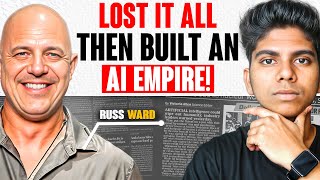
In this episode of The Nikhil Sai Show, host Nikhil Sai interviews Russ Ward, known as the “Lead King,” who shares his transformation from a bankrupt, boot‑strapped marketer to a leading AI‑driven lead generation specialist. The conversation covers: Russ’s personal backstory (military service, early failures, solar and real‑estate lead sales), the evolution of his business Bizdom Bots, and how he leverages AI to automate lead qualification, live‑transfer calls, and creative production. He details his tech stack—HighLevel for CRM/workflows, Consolidata for messenger bots, CallFluent for AI voice calls, and Zapier/Nifty for project management—explaining why simplicity matters for agency owners and solo agents. Russ discusses prompt engineering as the new core skill, his learning resources (YouTube, Skool communities), and the importance of mastering prompts to fix AI‑driven systems. He outlines his SaaS growth strategy: bundling HighLevel with coaching, a low‑ticket entry, and a community‑driven model that helped him reach 100+ sub‑accounts and earn a HighLevel “SaaSpreneur” award. The interview also delves into operational best practices (clear boundaries, contracts, onboarding flows), daily routines (gym, meditation, VA support), mindset lessons (avoid quick‑buck mentality, focus on long‑term value), and future goals (more live trainings, becoming more human‑focused). Throughout, Russ emphasizes resilience, continuous learning, and niche‑focused coaching as the future of the industry.
Chapters
What's up? What's going on, everybody who's actually listening to this podcast? First of all, guys, welcome back to another episode of The Nikhil Sai Show, which is hosted by me, The Nikhil Sai. And guess what's going on today? We're back with another amazing entrepreneur, and this time it's going to be a quite unique and different approach to marketing. So be optimistic, be open, because this is not the traditional 2020 type of marketing. This is the AI era of marketing. 2025, every marketer is using the one buzzword which is AI in all their marketing. So I'm excited to bring an interesting guest who has his hands on in the AI, in the frontier of being AI marketer. And he's known as the Lead King. So he's a powerhouse in digital marketing space, endorsed by many top entrepreneurs. He has a very interesting history of being in the US Army side and now coming into solar and then building his own lead generation. And then building a digital marketing agency and now in the AI automation space. And I'm excited to break down his brain and what he's believing will change in marketing space with AI. Let's not waste any time and actually let's welcome the founder and the lead king, Russ Ward. Hey Russ.
Hey Nick, thank you so much for having me on the podcast here. It's a pleasure. I've actually admired you for a while. I was at the HighLevel Summit and I went to your presentation and then I got to have some fun and party with you. It is an honor and a pleasure to be part of your show and I'm looking forward to sharing what I can time with your audience.
Yeah, I mean, it was such a fun time. I still do miss the time we had at the HighLevel Summit. So many great connections, so many amazing entrepreneurs just like yourself. I would love to get into the specifics of how you're using AI. Before that, Russ, for anybody who is tuning in and who don't know you yet, they're just listening to you for the first time, how would you describe yourself? Who are you? Like, what's your quick backstory so people have context of who they're listening to?
Yeah, so I appreciate that opportunity. So a lot of people that get into marketing, myself included, we never planned on getting into marketing. We were just looking for a new way to make money. Maybe we didn't have a job, maybe we didn't have skills that paid as much as we wanted to make. So I went through a particularly difficult time about 7 years ago. I literally lost everything. I was doing a lot of crazy stuff. I was, I was selling bootleg DVDs online. I was doing all kinds of things. And eventually it all caught up with me. I had tax liens, I had a lawsuit from the NFL, and I had to declare bankruptcy and start over. So when I did that, I was trying sales, I was trying real estate, I was trying everything I could think of to make some money. And when I was doing solar, I was actually needing to find a way to get leads for myself. And what I realized was that solar leads were very valuable. If you could close a solar deal, you could make anywhere from $3,000 to $6,000 pretty easily. So once I realized how to do solar leads, I started selling them to other solar people. And then I started selling some real estate leads. And before I knew it, I was making more money selling leads to real estate agents and to solar people. And I just kind of went with that. And at first I was just a freelancer, Russ Ward. And along the way I was like, well, I need a brand. So I could, I could build this thing up. And I just called myself the Lead King Russ Ward. It sounded really cool, and, and people just kind of went with it. I had a little bit of a following, and people knew my backstory of how I was struggling and starting over. So I had some people rooting for me, and they would share my stuff and give me testimonials. And, and really, I just did what a lot of people are probably doing right now that are listening to this podcast. I was just bootstrapping it. I was struggling. I was doing anything I could to— I was charging $50 to run some ads, plus you give me a testimonial. And I kind of built everything that I have today from those beginnings, those very humble beginnings of Hey, just give me a chance. Give me a testimonial if you like it. And you know, as a lot of you know that are probably listening to me, I have a decent reputation now. I never ripped anybody off. I've treated everybody fairly. I've been brand for as long as I've been in business. My core values are to just treat people fairly and to give people, you know, good value for what they pay me for. And that's done really, really well for me. I've treated people well and they've treated me well in return.
Yeah, I mean, I love that. Honestly, the fact that you're so vulnerable, it kind of makes me feel so much more connected 'Cause especially I hear a lot of people connecting with me and they're just expecting that one enterprise client is dropping in their lap and paying them 5 figures as a first check and that's when they start their marketing agency. But in reality, everybody starts like you did, right? Like I did, you know, with humble beginnings, no real financial advantage or any social proof and just creating that social proof and whatnot to build your own skills and build your reputation online. Because that's the trickiest part, especially when you're getting started. And I would love to kind of go a little bit more into your marketing journey, but before that, I kind of see some relevant experience of you being a former intelligence analyst at US Navy. I mean, is that true? Is that's on your Facebook? Like how did you even end up there and why did you pivot? What was the key moment for you to say, ah, no, I want to go market?
Well, yeah, so my whole story is it's just a backstory of me screwing up and then fixing my screw-ups, right? So when I was very young, I was about 20 years old, I got my girlfriend pregnant. I had been kicked out of 3 colleges in a row for bad grades, for partying too much, for just a variety of things. I was— I, I have screwed up and fixed my life so many times, and probably people can relate to that. So when I got my girlfriend pregnant back when I was 20, she said, listen, what are you going to do? Are you going to go back to college? Are you gonna get a job? And so she's like, take 30 days, figure it out. And I couldn't figure anything out, so I joined the military because I knew they would not let me quit the job. You can't quit the military. And I knew I would have good benefits for my new family, and I knew that, um, I would learn something along the I learned a little bit of discipline, not too much, but enough to get me through. I got 3 degrees, including an MBA, and I got a lot of structure that I didn't have. And I ended up staying in the Navy for 8 years. Very proud of my service. I was one of the first ships deployed after 9/11, so I got to, you know, just go out and help the cause after 9/11. I did multiple combat deployments, and I was really, really proud of my military service because it was just, it was just something I was like in the steps of my grandfather as well. He was a World War II veteran in the Navy. I never really planned to make a career of it. Like I said, I did 8 years and then I got out and I started doing other things.
Hmm, that's interesting. Now let's get to the meat of AI marketing. I'm curious because again, there's so many new technologies, LLMs, updates, tools, functionalities, you know, everything is only getting better. And I could see like how AI is going to transform. It already did, but like change how marketing is done forever. I'm curious, what are you getting your hands dirty with right now being in the trenches and frontier of AI and marketing?
So what, what I've always tried to do, and I'm doing the same thing in AI, is I try to keep it as simple as possible. 'Cause I know there's a lot of guys out there doing way more advanced things than me. They're using APIs and, and, and just all types of things that I'm aware of, but I'm not doing. And the reason I try to keep things simple is because my end user, my end client is either one of two kinds of people. They're a, they're an agency owner that wants to take what I build and then resell it to their clients and roll it out en masse. I teach them, I, I basically set it up for them and then I teach them how to snapshot it and then to, to resell it. Or it's an end user such as a real estate agent or a mortgage loan officer, somebody like that. So I can't make this stuff extremely, extremely complex and then expect them to use it on a day-to-day basis unless I wanna give a lot of support when this, when this complex system breaks down. So right now, my, my main focus is what I really, really believe in, AI. I actually wrote a book about it, and, I have paperbacks, and it's actually on Amazon for the first time. So I'm really excited about that. But realistically, yeah, thank you so much. What I, what I like is, let me just tell you why I did this. So my main issue when I was doing regular lead generation for solar, real estate, anything like that was, I could generate the leads and I could bring them in for a good price and I could bring them in well qualified, but I could not get my clients to call their leads in a timely manner and they would just tell me the leads sucked and they would want refunds. And so I started looking for other ways to do that. I started like hiring call centers for them and it was just a nightmare. So once AI came in, what I could do is I could have a new lead come in for a client. AI could contact them through whatever medium. It could be through an SMS. It could be through Facebook Messenger, through WhatsApp. And then as soon as they engage with the AI, it will qualify them. And then at the right time it will say, hey, we actually have some people in the office right now that could probably help you with this. Would you like to talk to them right now? If they say yes, that puts a tag in there and then it prompts the AI voice bot to call them and it'll say something like, hey, this is Emma with ABC Company. I'm just going to transfer you over to Russ now. Are you, are you ready? And if they say yes, it live transfers them right over. So what I've been able to do is, is take it so now I can run their ads. I can have AI pre-qualify them and then I can have them transfer to the end client. And all the client has to do is answer the phone when a qualified lead wants to buy their product or service. And, and that has solved every problem I had with my clients because the number one problem is we would fight over whether or not they were calling their leads or not, which I knew they weren't and they knew they weren't. So now we just don't do that. We just have AI call them.
Yeah. I mean, I can only imagine how many clients, uh, I've gone through with that situation where they get leads and now they're like not dialing them overall, but I'm glad that the technology now allows you to do so much. And I mean, it's a huge change on how you could interact with your future customers using AI. And I'm curious if you would have to break down the toolset and the workflows you're using. Again, we don't have to be like super technical because I'm sure a bunch of people are listening and, you know, they might not be looking at the screen and whatnot. If you have to give me like a high-level perspective on like what tools and how did you set up the workflow and what kind of technology are you using, can you give us a quick rundown on that?
Sure. So most people that are probably listening to this probably know of high-level And if I could have my preference in a perfect world, I'd love to keep everything within HighLevel. I do that the best I can. However, you know, they're AI bots. They have some challenges. The AI voice, they have some challenges. They're good for what they're good at, but they're not perfect yet. And I think someday they will be, but not yet. I use HighLevel as the place where I build the workflows. I build the follow-ups and then I connect it together with some type of medium that will connect us to the AI. So, so my flow goes from HighLevel. To a third party called Consolidata, and I use Consolidata to build my messenger bots. Basically what happens is somebody sends a message through HighLevel, Consolidata takes that information and moves it over to OpenAI, which is— most people know as ChatGPT. It will develop an answer and it will send it back through Consolidata back to HighLevel, which will give the end user— it'll give them their answer. Now, HighLevel does not have the ability to do outbound dialing with AI voice. So when that is needed, we add a tag to the user. That tag triggers a workflow, and then we use a software called CallFluent. CallFluent is, um, just, it's one of the many AI voice softwares out there. I picked it because it easily integrates with HighLevel. You can send all the data back. You can ask it a whole bunch of different questions in the voice call. You can book appointments through it. So it's, it's really easy to set it up. Um, and it integrates with HighLevel easy. So those are basically the 3 main things I use. I use HighLevel, I use Consolidata, and I use CallFluent. And they connect together well. Like I said though, if I could keep it all on HighLevel, I'd like to. And I think maybe within the, you know, by the end of the calendar year, we'll be able to do that. But for now, you know, we got to piece it together the best we can.
Yeah, I agree. I think they're just building the base functionality. I mean, that's kind of how they have ran. And I do respect that from a sense of building the product and having the timeline with it. So, I mean, with enough data and enough people using the bots, I genuinely believe they get better. Right now, I think the integration you mentioned looks pretty simple and cool. And I know Many other people are using this but with different tools instead of what you have recommended. But it's so cool to know. I'm curious, I understood how you're using AI in building ad bots and call bots. I mean, in your primary company, which is Bizdom Bots, like that's literally the name of the company. So where else are you using AI? Like, are you doing image generation with AI when it comes to creative? Are you also using them anywhere else in your scripting, video? Like, editing or emails follow-up? I'm kind of curious, like, how did it transform the overall marketing experience you are actually giving to your clients when they actually use your services and whatnot?
Yeah, I've actually turned everything over to AI. I mean, it can do everything better than I used to be able to do it. So the images that I use in my funnels, the images that I use in my ads, that's all AI-based. And what's cool is even with ChatGPT now, you can, you can give it a good prompt and it will give you a good image return. But I mean, if you know how to do it, and what I mean by that is like you can't just go to ChatGPT or any of these others and just say, write me copy for this. Like you have to be able to prompt it well, and that takes a lot of practice. So some people out there are, you know, they're like, oh, I don't want to use AI copy or email copy because it sounds like AI. Well, it doesn't sound like AI if you practice and you learn how to prompt properly. And what I think personally, and a lot of other people think this too, is in the future, everybody says, well, AI is going to take our jobs. I don't think that's true. I think there's going to be people left over who have to run the AI. And they're gonna have to prompt the AI. So I think it's really important to learn to, to do AI prompting as best as you can, as quickly as you can. Because when I was first getting started with Consolidata, it was like a, kind of like a startup in the AI space about a year ago. And I was banging my head off my desk because one minute it would work, the next minute it wouldn't work. It would save a field, it wouldn't save a field. And that really forced me to just go over and over my prompting and I had to change it up just slightly. And especially with voice AI, you can, you can change one line of instructions in the, in the prompt and it will react completely differently. So almost all of my time when I'm personally doing this— now I have a, I have a VA that I've trained to do almost everything I can do, but when I'm innovating and I'm fixing broken things, the vast majority of my time is, is basically fixing prompts and making prompts better. I think that's the most important part.
Yeah, I mean, it used to be writing the code like the most valuable skill, period, but like recently it's all about like writing a quality prompt and Having the ability to ask AI, you know, and having it do the things you wanted to do is probably the most important skill. And like you said, like prompt engineering or so-called doing prompting and learning the techniques looks like a very valuable skill. Where do you suggest, or how do you think somebody can go from like a beginner in AI who don't know much about all these cool tools and automations to learning the right prompting techniques and having and building that ability and muscle to write great prompts to get things done with AI? Where do you think somebody can actually learn these techniques?
So I learned it because I just went to YouTube and I just started searching it. So when, when I first started doing AI, like I think I, I mentioned, I was getting really burned out working with clients who wouldn't call their leads. And so I was, I was literally considering maybe getting a job and going to corporate America or, or maybe starting a different kind of a business, maybe a service business. That's how burned out I was. And I said, you know what? AI's getting popular. Let me see what I can do with it. So I took about 3 weeks and I just went to YouTube and I watched everything I could on AI and where it was going. From there, I got a base level of, all right, I can do something with this. But I'll tell you what, the best places that I've found to get free AI training for, for anything you need is actually on Skool. Skool has so many different groups of people that, of course, they have something to sell you on the back end, but on the front end, they have tons and tons of free training there with groups of other people who are learning. I just think it's the best place right now where you can learn pretty much anything. And, you know, in addition to YouTube, YouTube is just loaded with information. But I don't think that you need to go out there and pay a guru, you know, like $2,000 for a course or some one-on-one coaching. It's because honestly, and I'll just be real with you, like anything that I know that you could pay me to teach you, you could probably find it on YouTube, or, or I might just be two steps ahead of you, right? And that's literally what it is. So I think with the evolving technology of AI, there's no need to go out and buy these expensive courses that have traditionally been out there because it's, it's all fresh and it's all brand new, and a lot of people are sharing it. I'm sharing it out there as well if you go to my YouTube channel.
Yeah, that's quite interesting when you say it. And the reality is, I mean, it's so funny, like the way coaching industry is evolving. People used who sell information are like, hey, I'm the guru and I know you don't, so you have to pay me. But now the most intelligent being is right in the phone, right? Like you could just ask ChatGPT, the highest IQ and all the data in the world. If you learn how to prompt, you could get it overall. It's quite interesting how it is changing. I'm curious, like when you started with HighLevel and you got through these frustrations of your clients not calling them, to now you are actually able to automate, use bots and getting them results. One of the things you have done successfully is selling SaaS. I mean, we see the gold plaque you have behind you with the SaaSpreneur Award. I'm curious, what was the journey like to get your first 100 subaccounts? And if somebody is just getting started with HighLevel and they really don't have any clue on how they can go about getting their first 10, 50, 100 SaaS customers, what do you recommend as a playbook to run in 2025 and beyond?
Yeah, that's a really good question. So I'll be, I'll be very transparent with you. I've been using HighLevel almost since it began and it took me, I think, 6 years to get that. And the reason it took me so long is because at the beginning I was trying to compete with everybody else who was just selling SaaS, right? I was basically taking my HighLevel, putting my brand on it and trying to sell it for $297 a month like everybody was doing. And that wasn't working because there was so much competition. Everybody and their brother was selling HighLevel and there was people that were doing it way better than me. People with a lot more money were just putting every potential potential add-on, plugin, whatever you could think, and then they're selling it for $99 a month. And here was I trying to sell the base level HighLevel for $300, and I was getting destroyed. So I gave up on that dream for a little while. But what I realized was that if you take HighLevel and you package it with something else, that's the golden key to actually getting a lot of users and subscribers. So the way I was able to, to earn that gold award was I started a coaching program for AI. And in the coaching program, You, you, you pay for HighLevel is what you're paying for. But in addition to the HighLevel, what you get is you get a Consolidata account. You get a branded website that I made for you to give away free vacations. That's just another topic altogether. But more than that, you get all the coaching that you need. You get training videos, you get weekly calls with me, and you get a support group of people who are going to help you build bots and sell them. So rather than selling HighLevel for $297 a month, I ended up selling this coaching program that went through HighLevel for $97 a month. And I went from 0 users to, I think, like 75 overnight when I, when I did that offer. So I just had like within the next month, I hit the 100 mark and then I had, then I had the award. Oh, I think that's a good blueprint to go with, right? You can, and it doesn't have to be a coaching group. It could be anything at all that you want. But if you package HighLevel as part of the package and have them sign up for the HighLevel system, then you get credit for it, which is cool. I mean, I love the fact that I won that award because I've been shooting for it for years and I'm very motivated by winning awards more than money actually. But I think, I think that's a really good way to go, whether you want an award or you want to make money or you want to grow a group, doing a package together like that is what's worked best for me.
Yeah, I agree. I think that's a very smart and sound suggestion because when there's like almost 100,000 active HighLevel users right now, and if you're just another HighLevel agency, you just like can't, like you need to be positioned differently. And I really love the fact on how you could take a piece of HighLevel and add your own element to it. Not just sell the software, but package the software with your services. Now you are unique. Nobody else can just copy Russ's offer, like, because they're not Russ. Like, it just can't work. And I love the way you have created that playbook there. And I mean, I'm curious, how do you see the coaching industry evolving with AI being so fast and information being available now? Like, everybody has access to information at their fingertips. And you are running a successful coaching program. I'm kind of curious on where do you see coaching evolving into and like the long term of running information or education as a business.
So almost everything I do with coaching, I try to emulate my mentor. My mentor in the business is Jeff Miller. I've been following Jeff for many years. I've actually interviewed him on my podcast. And if you speak to this guy, in fact, he's somebody you might want to get on your podcast. The way he speaks, he speaks like a genius. Like I've never talked to a human who has a vocabulary that is so like, wow, that's just just amazing. But what Jeff does is he recommends having a low-ticket offer up front, say like a $7 training. And I'm, I'm starting to get into this as well. And then you upsell them to a group coaching. His, his thing is, do you really think Amazon is selling all the products and services that they sell on Amazon? No, they're selling you Prime because Prime is their recurring revenue offer. And that's how most of their money comes in that they know is coming in. So Jeff started saying that you need to build your own Prime. And so that's what I did with my group coaching. And, and I think that's where things are going to go in the future. You have these groups that are very centered around one topic, right? Mine is centered on AI bot building. And we get in there and I'll do things like hot seats where if somebody's having trouble building a bot or selling a bot, we'll put them in the hot seat and we'll start grilling them with questions. And then everybody can benefit from that person taking a grilling. And I'm not mean about it. It's just, it's just very direct and very to the point. And I think if you get very niche coaching groups like that, that people can pick, hey, this is what I want to go with rather than very broad. Because I remember when I got into marketing, everybody Everybody was always like, what niche should I do? What niche should I do? And a lot of people, me included, just said, I'll do everything because I'll take any client I could get. Right. And I have personally found that anytime I've gone outside of niching, I've lost money. But anytime I've been super specific, I've gained a bit of a following and I've made a lot more money when I do that. And I'm a big advocate for it because when I went into AI, that's all I started doing and I started turning away everything else. And it was hard, you know, because when you're in business, sometimes you need that operating capital, man. You need that money. What I noticed though is if I turn away projects that I know are going to be draining on me, that are going to take me a long time and I don't really want to do, more doors open for the niche that I'm actually in. So a long way of saying that is I think coaching in the future is going to be super specific and niche. A lot of these school groups do that. High-level groups do that. We even have Facebook groups that do that. But what I don't think is going to happen is you're going to have giant marketing groups for all kinds of marketing anymore. It's just, it just doesn't work that well. I don't think, you know, Yeah, I, I think that's a smart perspective.
And I, I mean, I could already see that in effect. There used to be like the guru for anything, right? Like there is a, the guru for e-com and there's the guru for marketing, but it's not the same anymore. Like you gotta be niche and specific now. Like it's fragmented, but I think it's good. Like net-net, like the end customer or, you know, the user or the so-called student gets the best support in the specific topic they want to learn. And I think I think it's doing more good than expected. So I'm optimistic about it. And I would love to know more about what's happening behind that little phone right there. It's blinking, going red and green.
Oh, that one. I don't know if anybody else can see that because we're on a split screen like that, but that's actually an old school scoreboard. You're probably too young to remember things like these. How old are you? You're like, you're probably 25, right?
Yeah.
Yeah.
I'm 23.
Right.
23. Okay.
So, so back in the day, we used to have scoreboards with little light bulbs in them. And that's an old school scoreboard that'll light up like old times for old guys like me. Yeah. So it's just something to decorate my office with a little bit more, but I actually have my logo that pops up on there as well.
Yeah. I could see like the AI lead.
Yeah.
All the things are showing up and what are the scores behind? Like, which I could see like Bitcoin or something like that going on.
I don't know if those are— those are like sports scores. You can put with that thing, you can put a bunch, you can put anything you want on there. I have a sports scores on there. I'm a big fan of Inter Miami Soccer Club. Club. So I have Miami's team on there. Yeah. So it's, that's what it is.
Okay. That's actually a fun thing to have in my workplace. You know, I might need a scoreboard somewhere. I don't watch sports, so it really, really can't apply. But yeah, I mean, Jeff is great. I mean, we are going to book a podcast with him. We are already in chats, but yeah, I mean, one thing I should definitely mention is the way he speaks. Like you said, he's like no BS, like straight to the point and like cut to the chase type of conversation, which really hits the nerve. Not many marketers talk like that. Like, many marketers like, hey, I have a secret, like, you should buy and, you know, then I'll tell you. Like, he's like, nope, this is what I do, here's how it works, buy or die. Yeah, pretty simple and straightforward. I kind of relate overall. Russ, there is a different section of the podcast if you're ready. I would love to know more about like the tool stack you are using on a daily basis to manage your clients, your projects, and your production Yeah.
So it, it's kind of evolved over the years, but what, what I do is when I bring in a new client, I have HighLevel handle the onboarding process. So we'll typically have a sales call and then I'll have them go to my, my sales page, my funnel while we're on the phone and I'll have them make a purchase. Right. And that could be any price I charge. As soon as they purchase, we have HighLevel send them out a contract. So it auto-fills in the contract. They have to DocuSign basically the contract. And as soon as the, the contract is signed from there, what happens is they get a couple of text messages and emails and it it walks them through an onboarding process. And I have videos every step of the way, because for, for building AI bots, I pretty much need access to their HighLevel account if they don't have one, or if they do have one, I need access to their OpenAI account. And if they don't have one, I always have videos on how to set it up. And then I need access to basically their onboarding information. This is, this is all the different stuff that I want you to do. This is how I want the bot to start. And I'm very specific that I'm like, you don't have to be perfect about this. Just fill it out to the best of your ability. Give us an opportunity to get started for you. And then, you know, we'll kind of go from there. So once that onboarding form is filled out. Then I have a Zapier zap that zaps all that information into a project management platform I use called Nifty. Nifty would be comparable to what most people know as ClickUp. The reason why I use Nifty is because like 3 years ago I got a lifetime deal on AppSumo and it's really good and I can add as many users as I want. But what's nice is it auto-creates an account and then I tell all my clients, because, you know, a lot of the people that are my clients are people I've known for a long time. I know them through groups or I know them through chats. You probably get the same thing. And I said, listen, it's— we're still cool. We can still talk over any medium you want, but keep everything related to this project within Nifty. Nifty, so we don't lose anything. Because sometimes I'd have things in text and an email and I would lose it and I wouldn't remember where to find it. So we keep everything in Nifty. And then our process is we build the prototypes for them, drop the links into Nifty, and then they approve it or don't approve it. And we kind of go back and forth. And then that's, that's basically our onboarding process and what we use for that. And then obviously the, the tech stack that we use is HighLevel, Consolidata, and CallFluent for right now. So that's pretty much everything that I use on a day-to-day basis.
Yeah. Love that. I'm kind of curious. I mean, especially when you're positioning and selling the this done-for-you offer, right? I mean, I have seen this problem, especially with new agencies who are trying to sell done-for-you services. They basically sign up for done-for-you CEO position as a marketer. It's like they're like trying to be the captain, you know, save a whole kind of situation, right? So, right, uh, it's funny. So I'm kind of curious, like, how do you manage expectations? How do you set up like clear scope? And what do you recommend to new agency who are struggling with that situation? Because I've seen people who sign up for, I'll set up your CRM, but then they end up becoming the whole marketing guy and now the business owner is just milking all their time from them and, you know, they're now like just stuck in that one client and wonder why their revenue is not growing.
Yeah, that's a really good question. And I actually went through that as well. So what I recommend is on the call, but wherever you start the relationship is you have to set very clear boundaries and expectations, right? So I just make it clear that, look, I got a family, I got a daughter, You cannot, you can contact me anytime you want to in the, in the project management platform, Nifty. You can put a message in there anytime you want to, but I'm only gonna get back to you during clearly defined working hours.
Okay.
I may get back to you outside of those working hours, but there's no guarantee that I'm going to do that. And I just let them know, hey, I'm a human just like you. I have a kid that I wanna, I wanna interact with and I try to hit their, their, you know, human side that cares about other people. Right. Because I have noticed that if I don't set these boundaries, they will just harass me nonstop. They'll blow me up and I had to change my phone number at one point because so many of my clients have my personal number that I couldn't block them all. So I changed my number so they could— they stop. I had a guy call me at 2 in the morning. I was like, that's it. That's what prompted me to change the number. So very clear expectations. And then to further that, I have a very specific ironclad contract. The contract says everything in it from these are my working hours, this is how you may contact me. But I also have this thing in here, and this is something other agency owners may encounter that was super frustrating for me. Let's say, uh, someone buys a product or service. Sometimes people weren't even filling out the onboarding form for weeks, sometimes even months. And then sometimes we would, we would start building their bots for them, and then they wouldn't get— test our bots, and they wouldn't get back to us for days or weeks or months. I recently had a guy who didn't fill his onboarding form out, and a year later he reached out to me a couple— just a few weeks ago and said, hey, where's my bot? Why isn't it done? And I, and I had to say to him, hey, we're still waiting for you to fill out that onboarding form, bro. So I have it very clear in my contract now, and they must initial next to it. If you do not talk to me for a period of 10 days in this project is completed and there are no refunds. Because we have to keep the momentum of the project going because otherwise what'll happen is you'll move on to the next project, you'll forget about them, they'll pop back up into your life, and then it'll just stop the process of everything else. So you have to make it very clear that once we get started, we need to move on to the end. Something I've done to help with that, because I was having headaches with that, and I've made TikTok videos about that, it was just driving me nuts, is rather than wait for them to get back to me, if we have a particularly difficult client that won't fill out something or won't give us feedback, I just, I just say, hey, let's jump on a Zoom call and finish this up. And so I'll jump on a Zoom call with them and sometimes I'll spend up to 2 hours just knocking out every single thing we need to get done and then saying, are we done? Are you happy? And I record that. And I think a lot of you're laughing because, you know, I think this is, this is more prevalent than you think. And I started thinking, well, why do they do that? Why do sometimes people pay me $2,000, $3,000, $4,000 and don't even— it would be like me buying a car and not picking it up. Right. And so I just started asking them, why do you guys do this? And they're like, well, we get busy. We forget. We have families. Okay, that's all normal stuff. So I started taking it on board as my problem. If I sell you a product or a service, I need to keep pushing you along. And if I have to, I need to grab you by the back of the neck virtually and say, let's get on a Zoom call. You know? Oh my God.
I love that perspective. And I think, I think it really does help, especially some for somebody who's just getting started. And I think having that proactiveness can really set expectations. And as an agency, like you need to do volume of clients, so you can't not let just have that client like hanging in you and catch you by neck. You got to keep moving and keep flowing with new and new clients because that's your revenue source, right? So I love the answer you've given. Thanks, Russ. That was, that was really valuable. Let's go to the next question. I'm curious about like your daily routine. Like how does that look like? What do you do on a day-to-day basis?
Yeah, so every day I go to the gym. I found that when I start every single day with a, with a tough workout, that if even if everything else goes terrible, at least I got through something hard in the morning. And I don't know, I learned that in some motivational video along the way and I found it to be true for me. I also have an assistant, a VA, that starts the day out for me. So, so, um, she'll start out, she'll jump in. We have, we have, like I said, Nifty, our project management. She goes through all the different channels of all the clients to see if they have any questions, they have any complaints, any, any revision requests. And, and so I have basically an SOP for her to start the day. Once I'm done at the gym, I honestly, I, I take some, some time for me in the morning. I'll do some meditation, I'll do a little bit of reading. I don't just jump into work because I, I've noticed that in the past when I did that, I just roll out of bed and hit the office. Oh my God, you know, it's frantic and I'm not in a good mind space. I'm I don't sell anything because I'm just not in a good mood. I do best when I'm grounded, I'm meditated, I've had a good workout, my belly is full, right? And so I think it's really important that whatever your routine is in the morning that makes you feel good. I like meditation and I like working out. Somebody else might like to go for a walk or go for a bike ride. But I think it's really important that you don't just jump into the office first thing in the morning. And I also think it's really important that you have a VA that can do those you know, those mundane tasks that need to be done every day, but you just want to have those off your plate, you know?
Yeah, that's pretty simple. I think it's interesting, like many people who listen to like morning routines, especially this is for the audience, like they need to pick what could work for them and try it and see if it works. You don't have to like copy-paste somebody's morning routine to be successful. That's just a disclaimer. But yeah, I really love how you keep it simple and straight to the point. And yeah, I'm kind of curious if you could have— if you did have a chance to go back and talk to that 20-year-old Russ, partying, not going to colleges, having all the fun stuff. What is the number one advice you would give him right now?
Well, here's the thing about me, and maybe some other people can relate to this. I grew up really poor, and I didn't have much expectation for myself. Like, I really had— I had really low self-esteem. I didn't think I was very intelligent. I honestly didn't think I would make it out of my hometown. So once I got just a little tiny taste of success, and I'm talking like I got promoted in the Navy, right? Everybody gets promoted in the Navy. I was like, holy crap. Like, I I can actually do something with my life, right? And then I, then, then I did a decent Navy career and then I, my God, I made $10,000 for the first time in a month. And then, you know, then I made 6 figures for the first time in a year. And every time this happened, it would blow my mind that I was capable of these things. So what I would recommend to myself and other people who are young and getting started out is you have no idea what your potential and your capabilities are. If I could go back and talk to my young self, I would say you have unlimited potential. Potential, you better act accordingly. Because I didn't act accordingly, because I, I thought I was never gonna amount to anything. So I partied, I drank, I was terrible with money, I was terrible with relationships. And if somebody would have said to me with definitive proof, you are going to be an amazing whatever when you grow up, I would have conducted my behavior completely differently. And I think if other people are listening to this that are young, they're in your 20s, just remember that you're going to grow up to be something someday, and you want to be proud of how you got there. You want to be proud of how you conducted yourself. You want to be proud of the relationship you've made and in everything that you've done so you can look back on your life and not be embarrassed or not have, you know, a lot of problems. I created so many problems for myself just because of the things I just explained to you, and I didn't have to do that. But I did do that because I just was in that type of a mindspace, you know?
Yeah, I love that. I mean, especially you being vulnerable. Many people will have some sort of trouble, some, you know, happening in their life, and you just telling the truth and being transparent about it. It can really inspire a lot of people because that's one of the things I've struggled with, huge self-doubt of like, you know, like how can I like close clients? I'm like a different kid from like some random country with a dropout, never have a degree. So I could relate to what you're saying and I hope like this inspires and the story inspires a lot of people who are listening and just like nobody cares. You just need to pick yourself up and just hold yourself accountable. To do the actions required to get the results you want. And I'm glad you did that. And I hope many more people who are listening to the podcast will continue to do. Now let's get to the next question. What do you assume, or what are the few biggest achievements that you believe you would like to share? And also what's the next big goal you have for yourself?
Big achievements. I'll tell you what, I'm really proud of that gold award I got from HighLevel just because part of my problem in life, and some people might relate to this, is I've quit and started, quit and started so many things in my life that I never really stayed with anything long enough to really have achievements. I've stuck with HighLevel for a really long time and I've worked my butt off to get good at it. And so what that award back there means more than anything is it means I stuck with something for once in my life and I achieved something. Yes. And that's, I'm really, really proud that I was able to do that. And every day when I walk into the office and I see that, that That means whatever I'm working on, I'm going to stick to that. And it's, it's a really nice reminder.
It's working.
But I'll tell you what, like, little things along the way that don't seem so little anymore was like, I remember hitting milestones when I hit my first $10K in a month, when I hit my first six-figure year. I mean, I really celebrated those things, man, because I came from such a low place. I thought only really, really rich people could do things like that, right? Now going forward, what I really want to do is I want to just start changing people's lives. I want to reach out to people who were me. Somebody, you know, I, I tend to do really well with young men. I don't know why they tend to listen to my advice. Maybe because I'm an old head is what they call me, and they can learn from my experience. I, I'm not really sure, but I do well with, with young men. They tend to not have all this jadedness and stuff, and if they follow my directions on things, they tend to do pretty well. So I would like to reach a lot more young men if I can, that just says, hey, I'm, I'm a— now I'm an old head, but you can avoid the consequences of my mistakes if you do these things and you work hard along the way. So I want to do a lot more public speaking Next month, I'm doing my first live training as the AI King brand. We're doing that at, I live in a really nice housing area where we have, like, a clubhouse with, like, a really nice meeting area. So I'm gonna do that. So going forward, I wanna do, I wanna build better relationships in person with people. As we get more and more AI, I wanna become more and more human because what I hear from people all the time when I tell them I'm in AI is, oh, I don't want AI. It's not human enough. So what I'm gonna do is I'm gonna go reverse on that. I'm still gonna build AI and use it for business systems, but my goal is to become become more human-like and meet more humans and change more lives to the best of my ability. That's what I want to do going forward.
Yeah, I love that. I mean, more power to you. I really want you to go out and share your story and reach a million more kids and show them what's possible. I think your story truly has some power and it could really change perspectives. I mean, most people, they just don't know what's possible. And when they hear stories— and this is the reason I run the podcast in the first place— they shift the belief systems you, you have been ingrained by society or your parents or your friends, and you just believe that, you know, mentally you're dumb and you can't figure it out. But when you listen to other people who sound much dumb— like, I sound absolutely dumb— and like, when you look at, look back and you're like, like, if this guy can make it, like, so can I. Like, you know, it kind of fires up, and, you know, I think it's a really, really powerful lesson. And I'm excited for you to do that. If you could back in your own journey, you're like, Nick, this is the biggest mistake I've made, man, and I wish I avoided that. And you want everybody else who's listening to this to save themselves from doing that. What would that be?
Huh? Well, I've made plenty of mistakes, so let me— data based on that, hard to pick. It is hard to pick, honestly. I mean, if we're going way back to when I started internet marketing, I was always going for the quick dollar. I was, I was, you know, if you guys want to research me, you'll find out that I got sued by the NFL for $10 million because I was selling bootleg DVDs of the NFL and other TV shows. And I was killing it. I was, I was having huge months, like $50 grand months bringing, but, but it was all illegal. I knew eventually I was going to get caught. And that's what led to the downfall of my life. I got all my assets frozen. I lost everything. And the reason that that happened was because I was going for the quick buck. Again, it related to my mindset from when I was young. It was like, oh, I'll never achieve anything. I might as well do whatever the hell I want. And it just kept perpetuating and perpetuating. What happened though was even though I learned my lesson and I started a legit marketing business, business, I still kept that quick buck mentality for a while. Rather than building something long-term and recurring, I would try to do like, say somebody else was charging $2,000 for a service and that was a fair price, I charged $497 just to get a quick $500 and a quick $500 and a quick— I always wanted that quick buck because I never believed in myself to keep on making money. So my advice to people would be build something long-term with long-term in mind rather than going for the quick buck, because once you start that quick buck cycle it never ends unless you have a massive crash.
Yeah. I mean, I love the vulnerability here and if I can add something more, I think everybody starts with that feeling because you are unsure of what you're going to deliver when you're getting the first client. You don't know, you never had experience, you never got some results. So I think like starting with that free or like results, pay me if I deliver results type of framework would work really, really well. But on top of it, like have expectations that you're going to suck and stick to and keep learning. I mean, there is nothing you can't learn if you really try, right? You cannot lose if you try and if you don't give up. And I think that's a good lesson that you have shared because many people do believe— have like, I've heard people like they don't scale after a certain revenue and now they say, oh, it's marketing, it's my sales, it's my product. But once I talk to them, I realize it's their belief. They don't think they're worth enough to make $50 grand or $100 grand. Brand, they need to change that mindset. And what— that's what changes the income level. Otherwise they're just in that chasing few clients and being happy mode instead of the other way around to build a business. I'm glad you shared that advice. Who inspires you, Russ, and who are the key people involved in your journey to become successful?
I'll tell you what, what I just said is something Alex Hormozi would say almost verbatim. Alex Hormozi talks a lot about how you just have to get the reps in. His wife Layla says the same thing. And he repeatedly says that, that if you do anything enough times, you're going suck at the beginning and eventually you're going to get good at it if you don't quit. So I listen to a lot of guys like Alex Hormozi, I listen to David Goggins, I, I listen to Tony Robbins, I listen to a lot of these guys who are quote-unquote traditional motivational speakers, but I listen to a lot of just marketing guys who make sense too. And, um, you know, I know Alex Hormozi isn't everybody's cup of tea, but, um, I was gonna grab— I have an Alex Hormozi hat over here. But these things are really important because when you see people like Alex Hormozi who's you know, brings in hundreds of millions of dollars in revenue and you know that guy came from nothing at one point or another, it really, really can keep you going, you know? So that's why I followed these guys. I mean, even Dan Henry, I know Dan takes a lot of hate, but I mean, you know, 'cause he can have like kind of a brash attitude, but I mean, the guy's a genius and he built something from nothing. I respect anybody at all regardless of their abrasive personality if they've done that, you know, if they've actually gone through the process from nothing to something, there's something you can always learn from these people. And I'm always looking for ways to learn from that because I'm a nothing to something guy. Now my something isn't as big Dan Henry's or Alex Hormozi's, but I hope to get there someday, you know?
Yeah, for sure. I mean, everybody's story is unique and Dan does get some heat, especially with his new Dubai, new profile and talking about religion and stuff and politics. Yeah, it is crazy. But you know, that dude is smart. Like he is smart enough to keep the attention. Like there is no such thing as bad marketing. You just get attention and you can turn that attention into revenue, which is which he pretty surely does every single time.
Definitely.
You know, like, he, he says something so annoying and he gets 500 comments, and he might charge 3 people $10 grand for a consulting day or something, right? I don't know.
Like, exactly.
Yeah, he always turns it into money. So long story short, that was pretty fun. Now, if somebody is listening to us and they're like, Russ is cool, you know, I want to learn how I can work with him, where can people find you? How can they contact you?
Yeah, so everything I do is on my website, russward.ai. So you spell it R-U-S-S-W-A-R-D dot A-I. What you want to start with is I have a free ebook on there. I just had my book released, so you can go there, you can download my ebook, you can learn my whole entire process for doing the live transfers. I think I have something like 160 different demo bots that are linked to my website. So literally everything I do is on rustwar.ai. And then if you want to find me on Facebook, that's where I'm most active. Friend request me. I'm a pretty friendly guy. I'm pretty approachable, just like you are. And I'm always open to help people, man, as long as they don't abuse it. You know, like, you know, there's always those people out there who are like, hey, let me talk to you for 3 hours. If someone has a question or or a quick thing I can help them with that will save them a few hours, I'm always happy to do that.
Sure. Appreciate that, Russ. And so, guys, if you need some help, make sure to contact Russ. And Russ, any last words before we conclude the podcast for today?
Well, I just wanted to thank you personally for giving me an opportunity to share my story on your podcast. Like I said, I want to get this out to as many people as I possibly can. It's one of my life's missions is to just tell people, hey, listen, no matter where you started from, it doesn't matter. Matter, man. Like, I, I came from little. I'm sure there's people that came from less than me, but as long as you keep on trying, you can, you can accomplish something. Like, I, I did not believe the life I live today, and my life is, you know, upper middle class, but I started at lower, lower class, right? And I live in a beautiful gated community in Tampa, Florida. I, I go boating a couple of times a week. I, I do literally anything I want to do with my daughter, and all of that was just because I didn't quit and I just keep on plugging and plugging and plugging. There's nothing special about me. I'm one of those guys who's the least likely guy in the room to succeed. The only advantage I have over most people is I won't quit and I work hard and that's it. And I think those are two of the keys to success.
Yeah, that was a mic drop advice, fire advice, Russ. Thank you so much. And guys, hope you enjoyed the podcast today. And this story was really inspiring and heart touching for sure. And I hope this story reaches many more people. If you know young folks that are listening and maybe they're agency owners and they're struggling with some, you know, imposter syndrome and shiny object, self-doubt and whatnot. Make sure to share this podcast, you know, show that it's possible, can happen, you stick to it. And if you really try to deliver value, because in the end you get paid in the market depending on how much value you add back, you know, that's, that's the ultimate game of business. And I'll be back with another amazing guest on this podcast once again, just like we're us. Thanks for tuning in today, guys. Subscribe and share this video. Once again, Russ, thank you so much for joining us today. Once again, bye-bye.
More from Nikhil










BURNED $1.5M in his 17years online #digitalmarketing #entrepreneur #onlinebusiness
