From Hollywood to HighLevel: How She Lost Millions & Still Built an Empire
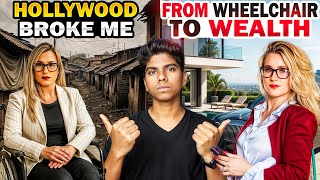
Caitlin Lemos Portillo toured with Willie Nelson as a recording artist, then lost millions in the marijuana skincare boom. She rebuilt by selling HighLevel automation sub-accounts, acquiring her first 100 customers through personal networking and video content focused on three core features.
Chapters
What's going on? What's going on, everybody who's actually listening to this podcast? Guys, we're back with another crazy episode at the Nikhil Sai Show, and I'm back with another amazing guest. The guest today has a very insane and unique journey. I usually don't say this because everybody has their own, like, one direction and one niche and one thing they have done in their life. But the person we are getting on podcast today has done a variety of things, which kind of makes me think about, like, a fulfilled life. And I'm stoked to see what are the secrets that have gone into creating this unique, enjoyable life and what we can learn from there to make our lives easier overall. And the person who's joining us today, she's a visionary entrepreneur and automations expert and transformed many businesses to create AI and automating marketing automations and whatnot to help them get their time back and scale their business effortlessly. And she has a very unique story. I don't want to give you a lot of details here in the intro, but I'm going to tease. She's been into Hollywood. Now she's into like many more interesting things as well beyond, uh, you know, her career. She's been into singing and stuff like that, got signed and all that cool stuff. We'll get into the journey. Let's not waste any time. Let's actually welcome the founding member of Freedom Automations. Let's welcome Caitlin Lemos Portillo. Hey Caitlin.
Thank you. I am so honored to be here.
So stoked to have you. We bumped into each other for maybe a few minutes, maybe when we were at the HighLevel Summit. Congrats on getting your SaaSpreneur Award and you got your third one.
The third one will be in October, but the second one came in the mail this morning. So they're a little bit behind on the production of them. That's okay. It arrived.
Isn't that fun? It's not fun. I'm stoked. Uh, many, many people dream about getting those awards and whatnot. And we will talk about the technical stuff on how to scale, high-level automations, AI, and all that cool stuff. But before that, when we spoke briefly yesterday and it was a very fun side chat, I would love the listeners to understand who are you and give you— give them more context about what's been your journey. And I think that's what makes it unique, right? Like when they know you as a person, who you are, then the whole thing comes together. When you give advice, now they're like, wow, I should really lean in. So tell us, Caitlin, if you have to describe your backstory in a few minutes, how would you go about it?
Yep, so I am a full enjoyer and lover of life, and I do a lot of living. I'll start with that. And when I was a kid at a very young age, I knew that I really wanted to live. And so I had started, you know, my dad had bought me this pink boombox from Walmart when I was a kid. I was like 5, 6 years old. And I remember getting up at like around 6 AM and like studying music and using that radio and getting tapes and finding tapes at garage sales. And then I started studying music theory and I got really obsessed with it and pretty hyperfixated on it, you know. It turns out I was like a high-functioning autistic kid and I had just like a lot of interesting hobbies, right? And I took a passion to music and music theory, and I wanted to learn how to like read notes and understand notes and the math of the music and all that stuff. So I started studying that at a ridiculously young age, and, um, I know that was kind of weird for my parents, you know. I'm the first child, so this is the, the basis of what they're learning parenting on, you know. So, and so then I picked up the piano I started clunking around on it when I was like 5, 6 years old, you know? And then I started like, and I have pretty early memories of this, like trying to write songs at a very, very young age. And then I learned guitar and then I learned saxophone and then I started learning bass guitar. And so then I was just like, well shoot, I can play anything, you know? So then when I was like around 8, 9, 10, I got really obsessed with audio engineering and I was like figuring out how to audio engineer and reading every engineering book I could, come up with and how to, like, you know, get a perfect pitch and how to record in the studio and use the equipment and how to produce this stuff and edit this stuff. And but it was hard to, like, do all that at the same time. And then what happened in the end, I was like 8 years old and I heard I always had a drive when I was little. I used to mow lawns and scoop snow when I was 8. Okay. And my brother was 6 and we would get— we'd walk around the neighborhood and get these people to pay us money to do this for them. Okay, so I was 8 years old, and this woman, this widow that I would scoop snow and mow for, came up to me and she was like, hey, when my husband was alive, he was obsessed with music, and I have some, some blank music note paper and some of his memorabilia from his career as a one-man band traveling the Midwest, and I want to give some of this to you as a gift. And I want you to know that I've done some research. This little old lady, she's like, there's a recording studio somewhere here in the Midwest that's not that far away from here, and I want you to tell your parents about it because you are talented and you deserve to, like, try to do this dream of yours. And my husband would, you know, really want you to do that. And so she gives me this number, and then I call my grandma, and my grandma finds out this guy. At 8 years old, I tracked this guy down with my grandmother, who is now like 93 old. And so I tracked this guy down and I call and he answers the phone and he's like, hello. Sounds like he's been smoking Marlboros for like his whole life. And I'm like, hi, I'm trying to reach Stan Ferno. And he's like, this is him. And I'm like, Stan, my name is Caitlin and I need to record music. And I heard you have a studio and a full engineer audio engineer setup. And he was like, how'd you get this number? How old are you? I'm like, I'm 8 years old. And he's like, do your parents know that you're calling me? And I was like, no, but I'm gonna tell my dad when he gets home today from the farm, I promise, you know. And so the guy's like, listen, kid, you need to tell your parents that you're calling me. You can come next weekend at 1 PM. And he's like, but I need your dad to call me. And so I remember my dad gets home from work, and I know he needs to like debrief and chill for a minute, and I wait outside his office because he had an office with a desk and everything at home as well. And they had these beautiful glass French doors, and when we were kids, if you wanted something from him, you had to wait outside those doors for a little bit. And so I sat there and waited for like 2, 3 hours, just sitting there waiting for him to come out. And he came out, and I was like, on a little piece of ripped white paper, I had Stan Ferno's number and Saturday 1 PM written on it. And he's like, what's this? And I'm like, I need you to call this guy because I'm gonna be on the radio and I want to write songs for people, and I really need you to do this for me, Dad. And he did it. He did it. God bless him, he did it. He called the guy. I went up there on Saturday. The guy was like, holy cow, this girl really actually knows what she's doing. She's really different and weird. And he's like, you need to let me work with her. And he was the best guy ever. Um, really, really cool guy. And his wife was amazing too. And eventually what happened is he led me to Willie Nelson, and he got me on the Willie Nelson tour for Farm Aid. Where you do charity and all the proceeds Willie gives to the farmers. Okay, so I got my first dose of charity philanthropy work and the biggest break of my life at the same time, which, remember that detail because it weaves through my entire life basically. Um, yeah, so that, that was the beginning. And then I got signed to Universal Publishing, which is a division of Universal in general, right? You have your record label where just artists are on, people who sing but don't write, and then you have Universal Publishing where you have songwriters and that was me. And then I had a manager who was the manager to a lot of other celebrities. Nice gal. I enjoyed working with her and she got me some pretty big deals. And one of the, you know, biggest breaks I had was the Hilary Duff movie. It was a Disney film. It was called A Cinderella Story. And I wrote the theme song and I sang it as an artist as well. And so I started to kind of catapult my career as an artist not just a writer. And we went gold, then we went platinum. I got to go on tour at all the movie theaters and meet all these little girls who told me their dreams and about their life, and I would sign something or sign the big bill for the movie for them. And I got to do all that. Um, and then I toured a bit with Hank Williams Jr.'s daughter Holly Williams on the No More tour. That was really cool. Marie Claire, the fashion magazine, and then this other massive magazine I don't remember, it was so long ago. They sponsored the tour and the tour was called the No More Tour and it meant no more DV or domestic violence. And a bunch of the money from the tour went to women and children who were, you know, lots of bad stuff happened to them, you know, domestic violence, sexual violence, all that stuff. So that was the next big tour I did. Okay. So again, weaving all this kind of stuff into that and it just happened naturally and I was drawn to doing that stuff. So, um, last part, uh, I decided that, um, you know, I was only in the music for two things: passion. It felt good. I liked writing, I liked singing and connecting, and I liked the money because it was big money. When I was in the industry long enough, and for growing up most of my entire life in Los Angeles, there's— Hollywood is just not a place, um, that I would want to be. And, uh, the industry and what you have to endure and put up with to stay relevant is nothing I'm interested in. And so with that being said, there was no fun anymore. So it was just about the money. Well, I told myself in conclusion, there are so many ways to make a load of money, I could figure that out. So I left the industry. And here we are. Well, I'm sure we'll get into that. But That's the quick 3 to 5 minutes.
Yeah, that's pretty interesting. I mean, so many, so many unique things you've done. And like, for people who are listening, let that sink in. You were 8 and you're super opportunistic, like, yes, learning things, calling people, trying to record your own songs and learning audio engineering. Like, I'm pretty sure I don't even know the word, uh, until I was 16 or something.
So I think about my child who's 4 and a half years old, like, coming to me at 5 and 6 and learning music theory. And my kids are smart, but like, I think about that and I'm like, that is insane.
Yeah, that's pretty dope. So interesting. I mean, I've been to LA and had a bunch of friends. I mean, it's a very unique, shallow life, like you said, you know, at the final destinations of the fame and all that things you have to put up with. But I'm glad now you're in El Salvador having fun, you know, traveling between Costa Rica, America, and all the South American countries. It's so fun. Uh, so let's get into it. What prompted you, uh, like, let's talk about the HighLevel journey. How did you go from this artist, singer, audio engineer, songwriter, and, you know, all the Hollywood and, you know, signing papers and whatnot, being the celebrity person, to now like, hmm, let me do strategy, let me do consulting? Let me start and do like automations. How did that happen?
Okay, so it happened through a lot of horrific, painful startups and exits. All right. That's how it really happened, because I was already really driven and good at sales because I would sell the songs or I would sell myself, right, to things, people, places like the labels, things like that. But it came through a bunch of experience and a lot of pain and tears, really, because I had had several startups after I left. So as soon as I left the music industry, and I will say this, God or whatever people want to identify with, he was giving me signs it was time to go and that he had massive plans for me. I'm talking massive. I got very sick. I started having to do chemo. Then my leg broke into like 13 pieces, and I was a young girl in LA working, having to go to the studio still in a wheelchair. I had a brand new baby. I was, you know, I was learning how to drive in LA with you know, I couldn't move my left leg for almost 24 months. I was in this wheelchair for like a year and a half. Um, God was like telling me all these things and trying to get me out of LA, and I was just like, no, I can't leave the music industry, I'll never make it, like I can't do it. But there was this thing inside of me that literally this voice that just kept saying, you will, you will make it, you will figure it the heck out, girl, like you will do it, you need to just do it. And he debilitated me physically to the point where that's when I gave up. Because I was mentally like, no, I'm pretty sharp, I'm pretty smart, I'm pretty strong, right? I'm not gonna leave. I'll figure out— this is the funny part— I was like, oh, I'm special, I'll figure it out where I don't have to interact or do any of the naughty things that people are doing in Hollywood. I don't have to get involved with all these nasty people who are doing really weird, questionable things. I can somehow figure this out. That's what I kept telling myself. Yep. And so that— so he was like, okay, girl, I'm gonna have to almost kill you. I'm gonna have to almost kill you because you're not listening. That's what actually happened. And people have those experiences and they don't realize it's happening till later, usually, right? So I left Hollywood and went back to visit my family, you know, got a place over there. And immediately— I'm talking, I'm still in the wheelchair I go to the local college and I go meet with a professor who does business and real estate and I go, I gotta get my real estate license. I'm gonna invest in real estate. I gotta figure out new builds. I gotta start to train with a builder. I need to understand construction. I was— and the guy was like, who are you? I was like, listen, man, I need a crash course on real estate, but I need to know how to go look at a house and know if it's rotten. Does it have good bones? Is there mold? Is there water damage? Is it worth salvaging? Is it not? And because my autism is the pattern recognition type, I knew I was going to be able to do it. I was like, I got this. I just need somebody to mentor me and help me out. So he sent me to this campus that does just real estate. And I did real estate, became an agent. Then I was like, well, I need to know a little more just in case for legal purposes. I'm going to go to broker school. So I'm— I get into broker school when I'm finally out of the wheelchair and I'm on crutches and this boot thing and I'm doing physical therapy and learning how to walk again. After being in this thing for a year and a half, and I'm getting— graduating from broker school. Now, I didn't plan on being a broker, but I needed to. I needed to have it just in case and to fully understand processes, right? So I did that. And then I started working with a new build guy, but it was just too slow for me in the Midwest was one of the issues. Okay. And then I was like, man, I gotta, I gotta invest in real estate. And maybe— and this is where it leads us to the THC marijuana boom and the medical boom with it. Okay. So I was like, okay, I'm sick. I've got horrific rheumatoid arthritis. I just got out of a wheelchair. I know real estate now. I've got my real estate license. I know brokering. Like, what could I do? We got to, we got to still think bigger here. So I go up to Humboldt County, California. If anybody is watching this knows what that is, it is the marijuana capital of the United States and where all the growers grow the marijuana to sell to dispensaries and of course on the black market too. All right. And so I get into that. I dive into that with one of my business partners of many years, Andrew, and we go full force. I'm looking at properties, I'm looking at real estate investments up there. I almost bought a bar with one of my best girlfriends. She ended up actually buying it. Um, I started growing marijuana and experimenting with marijuana and creating a skincare line that treats rheumatoid arthritis, which is the disease I was suffering from. Because a bunch of people were just taking OxyContin and doing all sorts of pain pills from their doctor, and it— and, and if, if you know anything about rheumatoid arthritis, actual pain pills don't help. You need anti-inflammatory type stuff. Okay, so you've got to take prednisone, which is a type of steroid. Steroids will get the inflammation down, but steroids will also make your leg break into 13 pieces. So you got to figure something out. So I dove really big into that, right? And then I started going back to college to get, you know, my PhD and my doctorate, which I'm still working on. Um, I'm— I've switched now to a doctorate of education because of the school stuff. We'll get into that. But what happened is, um, I rode that wave for as long as it went. And just like the crash of real estate in 2008, the crash of THC and marijuana did happen. Marijuana wasn't worth anything anymore, and everybody and their dog was selling some sort of skincare line. Okay. Um, also, we had to get a lot of permits, and we got some fines. There was a lot that has to do with that production and what you're doing. Um, and it was really hard. It was really, really hard. And I was really young. I was 20s, my early 20s, doing this and, you know, running this this whole extraction lab with scientists who I paid for them to go to school to learn all this stuff. It was a lot and it was great. I'm very proud of what we did. But did it work out in the end? No, it did not. So with that being said, I was like, man, okay, what am I going to do? I'm going to let the whole THC marijuana skincare line go. I've lost millions of dollars at this point. I'm talking— I don't even want to think about it.
All right.
Yeah, don't even want to think about it. So at this point I'm like, what am I going to do? What am I gonna do? How am I gonna redeem myself? You know? And I decided I'll go back to what I know. I know real estate, I know construction, I know professional companies like that. So I stayed in Colorado. I loved Colorado, you know? I was like, okay, I'm not gonna do that anymore, but I do really love Colorado. I do love the mountains. So I started a construction business, consulting business there. And professional cleaning company that hooked right under that construction company. And I did that with my buddy and then I bought him out and then I did that for as long as I could and then I exited. That was awesome. And what led me into HighLevel at the end of that company, I found I was already automating and doing things and helping my other buddies who my competition with Jobber and I was setting up their automations and helping other people with Jobber. And then HighLevel came out. And I started automating several of my businesses with it and I was like, no way, I'm going to take this to the next level. And so then my husband one day said, hey, let's just start selling subaccounts for $40 a pop, you know, a month in our agency. We can either give it to them for free or they can pay us $40 a month. We'll get unlimited, we'll figure it out. So we start doing that. And I started consulting these businesses. This was, you know, 6 years ago when it first, first came out. And yeah, and I— when it was just triggers instead of workflows. Yeah. And so anyway, that's how it all kind of— I mean, smashed together, that's how it all happened. And so learning and dealing with— honestly dealing with and making and losing a load of money is what helped me like really humble myself and understand like not to get too excited about stuff and vet everything out you're going to do and be careful if you're going to collaborate or partnership with somebody and all these different things, right? And so here we are. I still am investing in real estate. I've mastered how I do it right now. I own properties, take the title, I own the title, or I pay for them in cash. I leverage it to get the next. And I do a lot of consulting and high-level stuff. We've built an awesome team and we have a blast doing it. And I travel all the time and my kids are having a lot of fun. So I'm, I'm living life, but it took a bit to get to that.
Yeah, for sure. I mean, that's what people like who are listening don't understand. They think it's all peaches and sunshine, but when you really get into the weeds, we all made money and lost money and gained experience and use that experience to rebuild. And maybe we are making it, right? Like, you know, from outside at least, right? So who knows what, you know, God knows what's happening in the business. But yeah, it's great to hear these vulnerable moments and, you know, the moments where things didn't work out because many entrepreneurs who might be listening to this podcast might be beating themselves up saying, oh my God, why? Why it's not working. The reality, it doesn't for most people. And you have to just keep pushing through and keep learning and get good at what you're doing and really not give up and continue to build until it's built the way where it's actually adding value in the marketplace. Now, if you have to give a masterclass, a 5-minute version of it to somebody who's trying to get the first 100 customers, right? I mean, you're winning the third award as well. So that's exciting. I'm kind of curious, What's your playbook to get SaaS clients for somebody who's listening in HighLevel? What is the easiest thing you believe can help somebody go from zero to their first 100 customers with HighLevel SaaS?
Two things. All right. And there'll be a few things under those two, but let's start with the base. Number one, networking in person, being able to shake somebody's hand, being able to have a full-blown conversation and tell the truth. Like, that's networking. That's true networking. If you can talk to people, you know, join a BNI group, People still love a handshake and an eye connection, you know, and eye contact and understanding that they have somebody in their corner. That's one. Number two, video content. Video content. Here's the thing people keep forgetting. They think they have to be perfect on camera. Dude, the next person to the left of you isn't making videos. So if you're making videos, you're already 100% ahead of them. And it doesn't even matter if you've CapCutted it, put it through this, Descript, whatever the heck you're doing. It doesn't matter compared to the other 90% of people that aren't making the video content. You are. What do you mean you don't know if it's going to bring you clients? Maybe not that day, but what if you compound it? You make 5 videos a week, 3 videos a week. You think you eventually aren't going to have leads from that? That's crazy talk. That's what it is. People think they got to do all this fancy stuff. I started as a streamer in the music industry using that old stream stuff that they don't even have anymore while we were in the studio being kids, you know, and people loved it. And it wasn't, it wasn't edited. It wasn't perfect. We had no filters then, you know. So it's like, I think that people do like to make it too crazy. Like for my SaaS clients, I, and this is why I don't probably get like beyond the Gold Award. I don't run ads for my SaaS. I don't offer 24/7 support. And the clients I have for our SaaS are all homegrown. They just come in, friends, family. I mean, they pay us, but it's friends, family, associates, people I talk to every day. They are my SaaS clients, people that see my videos every week on Facebook and TikTok and everything. They're like, hey, I'm not an agency. I just want to use HighLevel, but I need some help setting it up custom for us. And then if you can help monthly or something, can you help out. And this is a good teachable moment right now for anybody watching this. I say yes, but please note we don't offer anything like 24/7 support whatsoever because I like my life.
Yeah, that's a very important thing. I've seen many, many, many high-level entrepreneurs trying to build SaaS, right? I mean, it's good. They're going above and beyond with their offers and stuff. But then the problem is I'm seeing a lot of people trying to pull the market down, you know, sell sub-accounts that's so cheap and then like try to offer anything and everything. You know, it's a race to the bottom and we don't like it. Like you and I, we both agree on the same thing. We talked about it yesterday. We like selling premium services. Like there's no point of charging a dollar and not giving anything. Instead, like charge $10,000, actually make them $100,000, you know, for what they've invested, right? Give them that value in return. And I'm curious, I mean, you've been selling a lot of high-ticket consulting. You know, I'm kind of curious, for somebody to go from that, I'm not sure how much should I charge, maybe I should be the cheapest guy on the block, how can they turn that mindset into saying, no, I'm a solutions expert, I could solve problems and I'm willing to charge premium prices and that's my brand? How can somebody do that?
Okay, here's how they can do it. And this is a couple steps and it's the messy stuff. I'm not going to do what a lot of other people do and like do the glossy, shiny, sexy stuff. This is how you do it. If you're going to sell premium stuff, you better know your shit. How are you going to know it? We got to reverse this. How are we going to know it and become experts? It's not just about going and reading the book or watching the YouTube videos. What we're going to have to do is spend hours tweaking, testing, breaking, and building. Okay, that's one thing. All right. The next thing, don't offer so many features. Stop trying to offer all these features. If you're going to become an expert in something, you got to understand that the human brain and my father used to say this all the time. It can handle 3 major things. 3 major things. Okay, so pick 3 features of HighLevel that you're going to be the problem solver at and remove the rest. You can't become an expert in 500 features or whatever, right? That's not a thing. That's, that's just stupid. That's the next thing. Quit setting yourself up for failure. And, and the other thing is, the other part is take This I feel very strongly about. If you want to do high-ticket consulting, what did you used to do before you were doing this or getting into this like, uh, entrepreneurial journey? Or what stuff— and we talked about this before the show started— what stuff do you hyperfixate on or love or obsess about? Okay, that's what you should be consulting on. That's what you're— anybody who has massive obsession or hyperfixation on something usually is an expert at it, low-key. right? They can talk about it for hours. It can ramble off their tongue for like in a second when you bring it up, and they can go on for an hour straight without really realizing, right? That's what you could go into. So like a lot of times when I meet with people, I tell them, what did you used to do for a living, man? Okay, so they tell me that, and then I'm like, what do you like, like to do? And usually they're like, what? I'm like, what do you obsess over? What do you like? What stuff you look up on Google all the time? Are you obsessed this? Do you like this? Do you have these hobbies? Well, those things you probably know a lot about, right? So couldn't you sell consulting packages to people who are in that industry but don't know really much about it? Couldn't you sell that to someone who just acquired— like, let's say, and this is a very specific example, let's say you're one of those guys who's obsessed with having a perfect lawn, and you and your wife love different flowers and shrubbery, and you're always like taking care of it. And making sure it's got the right fertilizer and all this stuff, right? You're really into your yard. Wouldn't you be like the perfect person to consult lawn care companies or guys that do that, that want to run a— that want to use HighLevel as their CRM and then a guy to help them market and knows all these facts about lawn care and can do maybe some training or educating to the team of that company. Boom, done. Now you're a lawn care consultant. You know, that's a very obnoxious example, but it is an example of, you know, they aren't using what they have a lot of times.
Yeah, I agree. And I mean, I see this all day. Like so many people start the journey and they're like trying to be another HighLevel. I'm like, okay, there is 100,000 people competing. You can't just be another CRM account, you know, white label CRM solution and make it. That's not real. I mean, it is possible, but you need to have bigger pockets to be able to spend money and build teams and sell it and scale. But I think what you said is so beautiful. I think I'm hoping that a lot of people are grasping the actual juice you're dropping in it, which is like, just find your passion, find the place where you can make a profit and find your purpose and just start solving problems with few features. Don't get super nerdy about learning everything and becoming certified. Like I see people who are like, they don't even have 5 clients. Now they're like working on learning the tool and spending dozens of hours every week trying to learn. I'm like, go sell and make people money. Things will fall into place. Just stop, like stop overcomplicating it. Love that. Yeah. If you have to, this is something which I love to understand a little bit. You've been one of the smartest people I've seen who could look at a problem and from a fundamental perspective solve it, like make it so easy. And now you could, like, you're just breaking down and cutting all the fluff, and now you're left with the actual meat that's making things happen. And now you're building automations around it. And that's, I'm assuming, is the whole Freedom Automation is all about. How can somebody build that mindset or ability to get good at consulting so that they could actually monetize that skill use it in their own business and, you know, sell it as a service?
Okay, um, this— well, it's not the prettiest thing, but I, I had a pretty, pretty delusional sense or mind since I was a kid. And I don't know for sure if that delusion comes from actually being autistic, because I am autistic. I don't know what it's like to not be. Okay, so I don't know if other people have that sense of like, no matter what, I'm gonna bet on myself and something's— I'm gonna do it. Because like, that's what it is. It's like I've had this really, really creepy sense of like, I can do this, and like, it doesn't matter what anybody says, it's gonna be just fine. Um, because I was, I was in third grade and I had the, I had the biggest crush on this boy named Chase Ehlers. And he'll never see this. It's fine. He's a— I think he's a pharmacist. So anyway, I had the biggest crush on this little boy in third grade. And I told him, I said, I'm going to play at the Grand Ole Opry someday. I'm going to tour with like Willie Nelson or something. And I ended up touring with Willie Nelson a couple of years later when I was 12. And I mean, I'm— that's totally delusional, but I actually did it, you know. And so I don't know if that's because I hyperfixated on things and that like gave me, my disability gave me, like, which I don't call it a disability. I think it's awesome, to be honest with you. But that maybe gave me this edge because I don't know if other, like, people who don't have that, I don't know if everybody wakes up every day and is like, I'm gonna fucking kill it. Even when I'm super sad deep down and I don't want to get out of bed that day or something like makes me really, really sad, there's still this thing in the way, way, way back where I'm like, I'm the— I'm, I'm so cool. I got this. It's fine, right? I don't know if everyone has that. I have that, and that's been it. And then the other thing was when I got really sick and I was told that I was gonna like maybe lose my leg and all these things were happening, and I was like doing chemo and losing my hair and all this crazy stuff. I was like, shit, I gotta really want to live, because if I don't really want to live, what if God decides like, all right, kid, 'You could have really wanted it. Now you're coming home.' Like, you know, I don't know, it sounds funny, but I thought about that stuff when I'm like laying there, you know, and I, and I was like dying essentially. So that, and then being in that wheelchair really sucked. I had, uh, that was hard. That was really, really hard. A year and a half, 2 years is a long time to be in that. And so I was just like, that was just more fuel to my fire. I was like, God, if you get me out of this chair, if you don't make me amputate my leg, I'm gonna like do so much shit. I'm gonna do everything, everything, you know, so that, that's it. I don't know if everybody has that. But if you can find that in yourself, that's, that's what it is. I just want it bad enough because anything, I just look at it this, do it all or death. It's black or white.
I love that. There's no trying, you do or you don't. I love that. Yeah, I think, I think it's a skill, honestly. I mean, every— I've interviewed a lot of entrepreneurs on the show, and every single person who's made it in life big time had that sense of— I won't call it delusion, I would say a sense of clarity of that they deserve more and they're insecure about achieving it, but they don't want to stop. They just want to keep going. They want to keep playing the game. And I, I really have seen that pretty strong enough, and I think it's a skill. Like, if what— I think the best thing most successful entrepreneurs have mastered is the ability to not let the projection of other people's views and information let decide your future. Like, you were 8 and you were like, no, I can actually just call somebody and record my own song, or I could actually get into Hollywood and get signed when I'm young. You didn't let somebody else— if you would have asked anybody saying, hey, do you think I would be able to be signed as, you know, a kid in Hollywood? They would be like, no, that's not possible, nobody's ever made it. You got to be 47 before you make it in Hollywood or whatever. But you were like, you didn't— you never cared. You never cared about somebody else's opinion or somebody else's approval. Their belief systems didn't reflect yours. You just ran with your own. And you know, that's, that's so fun, uh, when, when I'm looking at it from that perspective. I think it's a very, very doable and learnable skill. Appreciate you sharing that, Caitlin. I have a few questions for you. Can you walk us through the typical daily tools you use in your day-to-day life and business? What tool stack you use to run your business and clients' project productivity?
So my husband first, we'll start with him because he runs a lot of the tech department because I do a lot of the consulting strategy, talking, all that stuff. And then I meet with them and we, you know, reconvene together. But we, my husband is prior military, right? And in the military you do a lot of what's called tracking. Okay, so we really do like ClickUp, we like HighLevel, and we also really are into the live note sharing. Okay, we have this process we've nailed down after almost 6 years of how they do like live tracking, and he kind of does it like military style with his staff. And it works because we, we have people who are doing certain things and they're working certain hours of the day on certain projects, and we want to know you know, where they're at live tracking, and then they have to go put it in Airtable as well. So we really are starting to enjoy Airtable now. We did not use Airtable until we signed up for it probably 2 years ago, right? And then we started to super implement it about a year or so ago. And I will say it is pretty good when I go in there. I feel like I have a pretty good picture of like what they're doing, but nothing beats the live tracking notes. I will say that nothing is—
what's live tracking notes? What do you—
we share notes on very specific iCloud accounts. Okay, so anytime somebody goes in there and makes any sort of change, it updates, and then we get a notification that it's been updated. And we do enjoy doing that because like some of these builds are large visions, they're pretty big companies. Okay, so we're doing them in segments. All right, so it's like that is very helpful in our, our thing. And I know that might not be scalable for some companies, but remember, we're high ticket. I don't have to take on a bunch of clients and have my my hair pulled out in like 1,000 sub-accounts that I'm worried about, right? That's not— I don't have to worry about that. And the sub-accounts I do have, my SaaS clients, they— I, I, I started boundaries with them years ago. And the few that trickle in, like, I don't have any problems with those people. You know why? Because I just set it up, tell them who we are. We do such a good job on the setup and the onboarding that they don't reach out often. You know, isn't that the best thing?
Yeah.
I'll hear from them when they go do a vendor booth somewhere and they want a QR code made in a couple workflows. You know what I mean? I don't ever have to like do anything crazy. Love that. Just set up. Yeah.
Sure. Yeah. I think that's the best SaaS client. The best SaaS clients you can ever have are the ones who sign up and never talk to you. That's the best SaaS client. Yeah. And that's who you really want to sell software to. If you, if you have to. If you have to walk us through your daily routine, how does that look like right now? I know you've had a variety of phases in life and, you know, everything changed over a period of time. But if you're looking at right now to keep your maximum productivity and, you know, run your business at this scale, what's your routine looking like?
So right now I'm in the phase of physical health, really getting my physical health together and like what I put in my body and like my surroundings. So I have certain stuff I listen to when I'm going to bed that's really important. I like to feel super like cozy and safe at night, so I have like certain stuff I play that gets me— like, by the way, I don't have trouble falling asleep. Thankfully, God did not— I don't have any issues with the sleep, but I do have a certain way that I like to sleep and fall asleep, and that sets me up good for the next day. And I'm like big into that. I take this thing with me everywhere I travel. And then essential oils, I'm hyper hyper on that stuff right now, certain ones, specific ones. And then I have like the diffuser going all day, all day, all day based on like how I'm feeling or what my kids need. And then I have the special kind that I use at night to help the whole house kind of close down and calm down that are safe and good for my kids. Um, and so that's really important. It may sound crazy to people listening, but this is like, I have a whole ritual of my stuff. Okay, the next thing is I'm working on my physical health, so like I'm working out more and now I've introduced myself to weightlifting. Okay, so now I'm starting to finally get like, you know, in way better shape from weightlifting. And then I also am doing lymphatic with like an actual medical professional almost every week, if not every other week. And I am taking inflammation and all sorts of things from my body and getting it removed so my brain can function and fire off quicker and have less fog. And that's really important to get your lymphatic system cleaned out for like ultimate functioning of your brain. All right, uh, the next thing is almost all of us are vitamin D deficient. I'm taking 20,000 milligrams of vitamin D a day right now to completely shift. Let me tell you what, I'm not a doctor, this is not medical advice, but all I'll tell you is this: I'm not telling anybody how much to take, but I'm saying vitamin D factually can change your whole life within a couple of weeks. And as an entrepreneur, you get very down and up and down with the ebbs and flows of success. Vitamin D could completely change how you feel. That's— consult your doctor. However, vitamin D is a huge, huge thing for me right now. Right. And then gluten. Gluten. I've given up beer. I've given up gluten. I've given up all sorts of stuff. I'm not perfect on like a few foods that have gluten in it, which I regret it later because the inflammation comes. But, um, I've removed all sorts of stuff from my diet and almost gone fully carnivore. All right, and those are the things that I'm doing to stay, um, at my prime. Because here's what I learned, you guys. I've mastered a bunch of different marketing things or video content organic. We've mastered our niche and our expertise. Now I can't keep the machine going unless I'm mentally okay and I'm physically okay. So it's not even about like, you know, a lot of the stuff that it was anymore. It's about making sure that I'm physically like the best that I can be. So that's like what I'm personally in right now, the cold plunge stuff, all those things, just keeping myself whatever. I'm 36 years old. It's like it's now or never. And, and if you don't do these things, you're probably going to be depressed and you're probably going to have trouble and you're probably going to all that stuff's going to like bleed into your family or how you treat your wife or your kids or your husband and how you treat your clients. And so you got to, you know, you got to take care of yourself. So that's where I'm at right now.
I agree. I think that's the highest level of service you can ever do to anything. Like if you're just taking care of yourself, the mental clarity you have and the productivity you could bring out of yourself. And it really impacts like the quality of relationships, the quality of thought you have and the quality of energy you have on a daily basis. And yeah, I think it really compounds. I appreciate you walking us through your interesting routine there. And if you had a chance to go back and talk to the 20-year-old yourself, the young Caitlin, you know, maybe interested in continuing the Hollywood or not, not sure, like kind of situation, what would be the one suggestion you would give yourself?
You're good enough. There was nothing to prove. It was gonna be just fine. That's it.
Yeah, the crippling insecurity, right? A lot of people think you have this immense self-confidence. Yes, from the outside, but inside everybody always feels that insecurity of like, am I good enough, right?
Yeah.
Thank you so much for the vulnerability. Uh, what do you believe are the life's biggest achievements you had and what are your next big goals?
Absolutely. Um, I love my kids, my two kids. I've got two girls. I have a beautiful stepdaughter as well, and I love them all very, very, very much. My next thing would be we founded a school in Costa Rica. It's going very well. My friends Pete and Roxanna, they have it now. They do the whole thing. That is probably one of the coolest things I've ever done. And we are now in El Salvador and I am working on fundraising and doing all the fun stuff to do the next school. So we are just making our way through Central America. And to note, I do not make a dime off the first school. I in fact helped found it and then gave it away. I have absolutely no legal anything, and I just know that I did it and that's enough. Doesn't need to be any more than that. Um, and I get to go see it and talk to Pete and Roxanna. They're some of the best friends I've ever had. They're involved in our Kicking Sass Summit events. And so people who come in can come see the school and what we did and all that stuff. So That's the coolest stuff we've done, helping children, educate children, making sure that better education is brought to places in the world that need it. And then, you know, whatever we get accomplished in El Salvador, we will be super happy and proud of as we, you know, keep doing that. And so that's what I'm really big in right now. I actually just— a lot of people watching this episode will know this guy because he is just massive. His name's Murph from I Am Murph's Life. For the past like 5 years, you know, he's been on there. He's got— I don't know, this dude's got probably 20 million followers total. And I was just invited to come up there and we're— we went up there and spent the whole day, some of our staff from Freedom Automation, and we got to see over 50 families being employed and they had brought water and power to them and just a bunch of other amazing, crazy cool stuff. And I got to go to the property where the school could be put and where it's permitted. And they got all the the land and the dirt testing done so it's safe for children. So we're just in the— this one, this time I'm gonna do fundraising and try to get a bunch of like big tech dudes to come out, and we're gonna— you can have your own house in paradise overlooking a mountainside and the beach, and you can also help build a school, and you can also, um, you actually— they build a house for, um, somebody who lives in a shack. So it's, it's nuts. And it's— I, I, thankfully it's not too good to be true. It's real. I got to go see the whole thing. And then there's like this— it's just nuts. There, there's 120 fruit trees there and they're using it to feed the local community and they're doing permaculture and they are housing and educating domestically hurt women from their, their, um, people who have done horrific things to them. And these people are getting a second chance all on this property. It's insane.
Wow.
So that's getting involved there. So I'm really excited for the future.
That's a, that's a lot of impact right there. I'm so stoked to see you making moves and making other people's lives so much better. I think that's the ultimate motivation. Like after you get financial freedom and freedom of your own life, now you're like, okay, like what else? Then you're like, oh, helping other people. Yeah. It's really, really bringing that light into other people's life. And I'm glad you're doing that through your business. And your, you know, charity work. That's, that's pretty, that's pretty exciting to know. If you have to save other people who are listening to this from the one big mistake that you've done which you don't want other people to repeat, what would that be?
Probably two things. Uh, one thing we tend to do as humans is we don't think we're good enough, so we tend to try to prove ourselves. So we put ourselves in positions that we shouldn't put ourselves in. Okay, so that's the number one thing. And those are really hard to learn because you, you get yourself in something where you've made yourself vulnerable. Somebody could really harm you in many different ways when I say the word harm. The next thing is boundaries. Once you've gotten your first couple sales and you've got a little money in your pocket, start saying no. That's it. Start telling people no. No, I can't do that. No, sorry, that's not enough amount of money. No, sorry, I actually don't, um, accept when people talk to me like that. No, no, no. And here's what happens. No gets a couple of people to go away. You're broke for a little bit. And then what happens is the real quality people start naturally coming to you. And the people that you say yes to are the people that actually deserve to work with you and aren't going to do bad things to you. So those are the two things and they're both really hard. But if you start doing it now, it's fine. And saying no is physically hard to do sometimes. That's the thing. It's not just mentally. Your body Your body wants to say yes because biologically, cellularly, we know we need to make money or be successful or get a yes or get a close or get a sale to buy food. Okay, it's biological. And some people are easier to like, especially— and I'll say this, a lot of times men seem to have an easier time not being so emotional about it. And before the women come for me, hey, those of you who aren't emotional, awesome, great. I was not one of them. It was hard for me. Cringe. Physically impossible for to tell people no at one point in time. Now I love it. I love doing it. I enjoy it, but not in the beginning. For me as a female, it was very, very tough. So, you know, once you start to understand, like, it's not just hard to say it, it's hard to do it because your body is telling you to say yes because it knows you need to buy food to eat.
Yeah. I mean, that's, yeah, those are two, two lessons, uh, people, you know, tend to usually make that mistake, including myself. I can't relate. I'm like, ah, that's actually pretty, pretty done right. Appreciate you sharing that. Caitlin, what inspires you right now? What excites you to wake up and get to work? And who are the key people involved in your journey of success?
Um, my kids, obvious, right? Um, that should be, that should be a normal thing. Um, but beyond them, um, I'm, I'm really the future of the world and children, you know, like in general, like what's going to happen and how are we going to provide them food and power and things of that nature and What the next 25 years look like, because the next 25 to 35 years is probably what I, you know, I'm 36 years old, right? There's an endpoint at some point, right? So what can I do to make a difference the next 25 to 40 years, right? Probably worry about education for kids, whatever that looks like, a place for them to feel safe. How do we help heal childhood trauma, you know, and, and things like that, like So those are the things that inspire me. The, the upcoming events that we're holding and the self-development stuff that we're going to be doing, and that stuff inspires me. Bringing the people together, helping them heal, helping them learn things, you know, all around personal development really, really inspires the heck out of me.
I love that. And if somebody's listening to this and maybe they want to consider working with you, uh, you know, they want to consider chatting and having a conversation with you, how can they your help, what's the best way for them to connect?
FreedomAutomations.com. And just make a note, when you go to FreedomAutomations.com and you make that appointment, you're given an opportunity to kind of give them a heads up what you need. And if you really feel that you want to speak with me and that's important, then put that in the notes so you don't get a sales guy, you know? And it's that simple. Just put, hey, I really feel like I would need to connect with Caitlin, and Andrew Hager will make sure that happens.
Sure.
Yeah.
That's That's pretty awesome. Uh, Edlyn, it was wonderful having you on. Thank you so much for sharing your journey and giving us a lot of insights and perspectives on being a better human being and building a better business and whatnot. And I would love some last words, uh, for the audience from your side before we conclude the whole show. Anything to say?
Yeah. Stop making it so complicated. Um, the people who love you, love you, and the people who don't, don't even matter. You know, like, and you need to— I'll take it back to the business. You need to do a little deep diving and soul searching of things that you are passionate about, nerd out on, and hyperfixate on. And then you need to try to mix that knowledge with offering HighLevel and 3 to 5 features and jot down after this, you see this episode of what that all is and then put it into ChatGPT and see what the heck happens. What do you have to lose?
Yeah, nothing, nothing. I mean, that was pretty actionable. I hope you really enjoyed the show. And, uh, this is so actionable. I mean, she's just given you a playbook on what you need to do to get clear on who's your niche. So one feature you can sell and how you can monetize. So don't overcomplicate your business. Just keep it stupid simple. We all have crippling insecurities. Nobody cares. Just go out there, change those lives, make that money, transform your life, and try to give back if you want to. And that's pretty much it for now. And it's been wonderful hosting you, Caitlin. Guys, if you really enjoyed the episode, make sure to share this with some friends and make sure to inspire more lives by sharing this episode. I'll be back with another amazing guest just like Caitlin. Thank you so much for tuning in for the Nikhil Sigh Show. Bye now.
More from Nikhil










BURNED $1.5M in his 17years online #digitalmarketing #entrepreneur #onlinebusiness
