How Eric Made $1,000,000 selling $47 digital product In a very short period - ft. Eric Thayne | T...
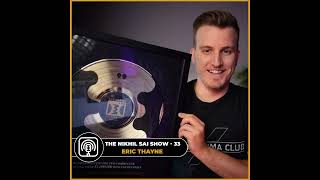
Eric Thayne went from losing $15K in February to making $100K+ months by May selling a $47 digital product through a high-volume funnel. He shares how he ditched high-ticket programs, obsessed over split-testing, and used paid customer acquisition to hit seven figures in a short period.
Chapters
What's going on, guys? Hello everyone who's watching this right now. First of all, I want to welcome everyone who is watching this to the Internet Entrepreneur Showdown Show, which is hosted by me, the Nikhil Sai. And guess what? I'm pretty excited, right? I'm super excited to show this guy's journey. Like, we are having another, another 2Karma Club Award winner on this show today. And like, he literally, he literally started started with some brick-and-mortar stuff, running hard with studio, and now actually hit his business to 2 comma club selling simple courses at just $47. Guess who is interested and excited to see his journey? Let's not waste any time and welcome Eric Taney, owner at Seladora. Hey Eric.
Hey Nikhil, how you doing? Thanks for having me on. Appreciate it.
Absolutely, Eric. Super excited to have you on as well, brother. How was the day so far?
It's going well, just getting things done, you know.
Absolutely, man. So everyone who's watching this right now, first of all, thank you so much for joining this. Please put #live if you're watching this live and #replay if you're watching this on replay. And I'm super excited to interview Eric. Eric is with us for 40 more minutes right now. So if you have any questions regarding how to scale a business, what kind of video gear you should be using to do videos and all that cool jazz, put that in the comment section and Eric would love to answer. So Eric, let's not waste any time, but can you please tell us like how did this all start? Like how did you get started?
Yeah, good question. So I actually— so what I tell people is I, uh, I actually got started selling online when I was 13 years old. So I was really young. Uh, I grew up with the internet, so it was just kind of natural to me to do that. And I don't think that when I was that young, I don't think I realized just how powerful it is and what you can do with it. Um, but my first business was actually creating little graphic designs for heavy metal bands on MySpace. So I don't know if you remember MySpace, but there were— Facebook, yeah, like the pre-Facebook, right? And, um, and there were a lot of musicians on there and bands, and they would get on and, and they would create a profile and share their music and all that kind of stuff. And they needed like little GIFs or graphics or like t-shirt designs or banners and stuff that they could put on their profile. To make them look cool, right? And so they would hire me to create those for them. So I would actively reach out to bands on MySpace and say, hey, look at all these things I've made. I can make them for you. And it was kind of funny, like—
At 13?
What's that?
I mean, at 13 years age, you're doing that?
Yeah. And I was always entrepreneurial as a kid, like selling lemonade and rocks. All sorts of stuff. And so, and so like I was always trying to figure out, you know, how to make money doing things that I love to do. And I would, so I would reach out and they would, they would have, you know, these really weird band names, these metal bands. And I would draw like a picture of a dinosaur or something and then put the name of their band in like a really scary font. I, you've probably seen it before. And you know, they had the weirdest band names. But anyway, so, so that's actually how I got started selling online. And like I said, I didn't realize that it was so powerful. There's a lot of people that like are older than me that grew up and the internet was this amazing thing. To me, I grew up with it and I was— and it was just like normal. Like the fact that I was talking to people across the world and doing transactions with them like didn't really faze me. And it wasn't until, you know, I ran a lot of businesses like you mentioned, some brick and mortar like recording studios and video production companies and that kind of stuff throughout the years. It wasn't until, you know, about a decade or so later that I really started to understand and grasp the power of selling online when I created my first online course. And I created a course for filmmakers. So I had been running a video production company, um, and, uh, had built it up to six figures. And I had a lot of people asking me questions about, you know, what— how did you do it? How did you get clients? How do you create work like that? And so there's a lot of these filmmakers that needed to learn business and they needed to learn how to make better looking videos. And so I created online courses and products to help filmmakers create really cinematic looking videos, like, like high-end, like Hollywood style commercials. And, and I would, I would help them make those and then help them learn how to run their business and how to sell them to clients and do basically duplicate what I had done. And that went really well for a while. It still continues to, I'm still running that business today. And about 3, let's see, let's, uh, about 3 years in, uh, to that business, I had just hit half a million dollars in revenue.
Okay.
So we were doing like low 6 figures every year. And, uh, you know, I am very grateful for anything that I've accomplished that, you know, it makes— it's, it's amazing. Like compared to what I was doing with businesses before this, that was an incredible increase and just It's amazing being able to make even low 6 figures. But like, how many of you guys listening are entrepreneurs? Like, when you hit one level, it just like makes you even more fired up to go to the next level, right? And that's, that's how I felt, is that we were at that 6-figure mark and I was just like, how do I get to 7 figures? Like, I want to do, I want to do 6 figures a month and, uh, you know, 7 figures a year, and then ultimately from there even beyond, right? And so I hit a point where I was actually kind of stuck for a while. And, uh, I talked to some of my close friends. I told them that I didn't really know what to do about it. Uh, I, I wasn't, I, I had like a, you know, $1,000 course. I had a $7,500 program. I had a $15,000 program and they were all selling okay. And we were doing fine, you know, enough to, to live a lifestyle with my family and to be able to, you know, be an entrepreneur. But like ultimately, like I wanted more and I really, really wanted to hit the, the 2 comma club, right? And, uh, I wanted the plaque. I wanted to put that on my wall. But like, exactly. And the plaque is really cool, right? It's up on my wall now. But, but like even more important than the plaque was just like the ability to be free and to have the lifestyle of an entrepreneur. And to ultimately, like the reason I got into this from a young age was someday I'm gonna have a family and I wanna be able to spend my life with my family. Now I have a wife and two daughters and like, that's, that's like everything to me. And so that's kind of where I was stuck is like, I'm not, I'm just, I'm just not getting there. And it was at that point that I discovered what I now call a mighty offer. Now for anybody that's out there is listening that had like a high ticket offer or, or even like a mid-ticket offer, but anywhere from $1,000 to $20,000, $50,000, $100,000, a million dollar offer. Um, the one of the biggest issues with an offer like that, the trickiest things is getting more people into it, right? It's just, it's just filling it with clients. And so, and that's where I was stuck because I had these offers, but like the, the volume was just too low. And I discovered this thing that I call a mighty offer, which is basically a really, really valuable low-ticket offer that you use to bring in, uh, not leads but buyers onto your email list and then send those buyers into your high-ticket offers. So you can think of it like a lead funnel, but instead of going out and actually paying for leads, which are going to get on your— they're going to clutter your email list and probably not buy anything, and they're, they're just looking for freebies and all that— instead of paying, you actually get paid to get buyers on your list, and then you can send them. So it's like a win-win-win, right?
Absolutely.
Yeah, so I discovered this and I decided to go all in on this funnel and try to build this out for myself. And let me just tell you, I was going from like about to give up. I mean, I was ready to be done. Like, this is, I'm not gonna make it. I'm gonna move on. I'm gonna start a different business. Like, this isn't gonna work. And I blamed my market. You know, we're human. We tend to blame other things.
100%.
It's my market. They won't spend money. There's not enough people in my market. There's not enough customers. In my market. Um, and I started to blame all these things and, but I decided to go all in on this offer. And when I did, uh, let me tell you this. When, so it was February of that year, we had done $15,000 in revenue at about a $3,000 loss.
Okay.
That's kind of where we were at. Like we were losing money every month.
Okay.
We launched this offer in March. We did $30,000. In April, we did $50,000. And in May, we did our first 6-figure month, made over $100,000 in a month.
Whoa, there you go.
Yeah. By August, we flew past the 2 Comma Club line with our entire funnel stack, value stack. And then now that funnel all by itself has done over a million dollars.
Wow, man, that's crazy. Like, literally that short period of time, like in, in February you're losing money to actually where you're making 6 figures within just 3 months of span. That's absolutely a brainstorming for every single person who's giving up. You have the living proof right there on the camera, right? Eric have done it. So you have the right option, you just need the ability to take action and build the right stuff. So like, that's exciting, buddy, and thank you so much for your quick story. Like, that's the next question I do have, like, like I wonder, like, you know, you're making $500,000 from so many years, like 3 years of time, then you just hit 2 Comma Club within a couple of months. How did you do it? Like, how did you scale your business to 2 Comma Club within this short period of time? But how did you manage that level of scale?
Good question. So, um, so like I said, it took us 3 years to get halfway, and, uh, and then after implementing this, we, we did the other half in just 6 months. And so it was an extreme acceleration. And I don't know how to explain like what that feels like, except that just say that like it's life-changing. I mean, I remember the first day that my wife and I woke up one morning when this all like started snowballing. We woke up that morning and the first thing I did is I picked up my phone and I looked at Stripe, okay, our payment processor, just 'cause I was curious. And waking up in the morning, we had already made from midnight till like 7:00 AM when we woke up, we'd already made $2,500 completely on autopilot. And, and I, and I was just, I just, I didn't know how to feel or how to, how to think like, like this is, this changed our life forever. And, and, uh, you know, ever since then, like our business, it wasn't like a slow incremental growth of the business. I started to understand this concept of like making quantum leaps in your business where we literally went for, it was like a stair step, like our, we were here and then we were here the next day, you know?
Exactly.
Almost that instant.
Huge gap.
Yeah. And what I realized from that is that you can, you can make quantum leaps in your business. A quantum leap is an instant and spontaneous, um, improvement in performance, a massive improvement in performance. And the way that most people look at growing a business is like slow incremental growth. And in reality, even though a quantum leap sounds hard, it's actually easier than the alternative, which is slow growth. Okay. And so it's really just a matter of looking like, where do you wanna be? And, and instead of like growing to that point, just being there now, it's a shift in your mindset.
Okay.
And so, and so the way we did this was with this, uh, Mighty Offer Funnel. So like I said, it was a, uh, It was a low ticket offer, a $47 lighting course teaching videographers how to light their videos and make them look better basically. And so we launched this offer, but how many of you guys have ever launched a funnel and it didn't work?
I believe 95% of the complete market have seen that face.
Probably most people, right? I know I have.
Yeah. Okay.
And the big shift that I made, and this is what I'll share about this, is that You know, usually for the first 3 years, whenever I launched a funnel, if it didn't work, I would do what most people do and I would just turn it off and move on to the next one. Let's go build something else, start over the whole process.
Uh, number one mistake.
So we need to create something different. That was the thing that I did very different with this one. Um, if you guys know who Russell Brunson is, he says this thing, everybody stuck with me. That he always says, if you want to be successful, pick one funnel, one offer, and one traffic source and use those until you make a million dollars. And that was the thing that I did different with this one. So instead of like, when you decide to focus, when you decide to put everything aside and focus on one thing, what happens is instead of when it doesn't work, you just go somewhere else, you try to figure it out. You start asking the right questions. You start figuring out, you start talking to your mentors and your coaches and your friends and getting their advice and feedback. It's a mentality not of this doesn't work, but rather of how can I make this work and 100% making it happen. So we went through a series. When I mentioned that we were losing money in February, it's because this funnel was actually losing money and we were losing money for every single person that bought. And so we went through a series of really intense split tests to test everything we could possibly think of. I got on with my coaches and my mentors and my friends, and I asked them, I said, look at my funnel, what do you think we could do better? What's not resonating with you? What, what needs to be improved? And they gave me a laundry list of ideas, and I went through one by one and started testing those things. And we took the funnel by doing that, by following this process We took the funnel from losing money for every single person that was buying it to making a 4x return on every single person that bought it. So we're talking spending $15 to acquire a customer and making $70. Whoa. A $47 product. Okay. And that's not, that's not even counting all of the, the ascension into high ticket offers.
Yeah.
So what I was talking about with the, you know, with our increase in, in revenue every month, like that was just this funnel, that one funnel. And then from there we were able to take all of those new buyers, which we've now had almost 14,000 people buy that product. We were able to take all of those people on our list. Our list is like almost completely buyers now at this point. And we've got a very warm list that it's hot. We can sell things to it and we do launches, we do our high ticket products, we do all that kind of stuff. and like they sell really well because we have buyers on our list and not just leads.
100%. Yeah. Like that, that's, that would really differentiate every business person who is still struggling in his business, like to the person who actually hit that plate level. Right. So that's really awesome. Like a lot of people will actually give up, like what you just mentioned. And like, it's really the mindset which you had, right. Which actually took you off in the right, uh, stability in your life with your business right now. And that's really awesome. Like everyone who's watching this, you can do it too. It's really like at the level of scale you need. And like what you exactly mentioned was one of the best suggestions I've ever had to do the right funnel split testing. Ask your coaches, mentor. A lot of people will just quit the sales funnel. They come up with a different offer. They come up with a different strategy. They go into a different niche, different traffic source. But what you just mentioned, pick only one offer, one funnel, and one traffic source and just go all in and it will definitely work out. That's awesome.
Let me just say one more thing just to kind of cap this off. And that is that if you're, if you're looking to scale a business, the key to scaling is being able to pay to acquire customers.
Okay?
You can build a 6-figure business organically, you know, right? And you know, if you have a really big following, you can build a 7-figure business organically. But most people are starting out without a following. And so you can build up to the point where you're making 6 figures organically. That's totally fine. But like, if you wanna scale to 7 figures, 8 figures beyond, the key is understanding how to pay to acquire customer. You have to be able to buy clients in your business.
Exactly.
This funnel, the, the mighty offer that I call it, the, this low ticket funnel, low ticket, high value funnel is by far the best way to do it that I've ever seen.
Absolutely. Like you're actually not spending money, you're making money while you're acquiring them. Like that's where the beauty of the complete sales process is, right? You're making money while you're acquiring real customers. That's awesome, Eric. Hope people are getting a lot of insights from your complete business plan. So let's get into the next question, Eric. Like, what do you think is the key components to result in a more cinematic look of videos? Like, if you see even my setup, I'm just trying out some jazz to make it look more cinematic. I would love your input. Like, what do you think is the right key components to make a video look cinematic?
Well, your setup looks better than mine right now, so I'm just on the webcam, like, not even trying. Um, But so, you know, like I've been teaching filmmakers for the last 5 years and have done video production since I was a kid really. And there's, it's actually interesting, like the big mindset shift that a lot of these filmmakers have to make is that creating good looking videos actually only takes a few small little tweaks. It's not really that difficult. And the tweaks have to do with knowing how to set things up, not with what camera you're using. So a big mistake that most people will make is they say, well, I wanna make something that looks cinematic or looks really good, and they'll go buy a really expensive camera or a really expensive light or something like that. And so, so we have a tendency to like kind of put the emphasis on the gear and like, if I have the best gear, then I'll be able to make a good looking video. It's almost like, you know, if you wanted to learn how to paint and be really good at painting and you went out and bought the most expensive paintbrush you could find, it's not really gonna make a difference. You know, that was the best. And certainly if you're a professional, like, having the best tools is important. Like, if you, if you look at any professional painter, they're going to have the expensive brushes, right? Because they know the value of those. But the reason that they're good at painting is not because of the brushes, it's just kind of an additional help. So it's the same thing with filming and with videography. So if any of you guys are looking to make your, uh, live streams look better, or your Zoom calls look better, or any video content or ads that you're putting out there, there's really only a few simple tweaks. And, uh, having a good quality camera is nice, uh, but I wouldn't go out and break the bank on one. Um, just, just having, you know, something, you know, if you're using your webcam like that's built into your computer, just upgrade to like a $100 webcam or something like that. You know, just go to the next step and you're totally fine. Um, and so, and so the biggest thing after that is understanding lighting. So lighting is 100%, like I would say that 80% of the quality cinematic look of videos comes from lighting. Okay.
Exactly.
Even this setup right now, like I'm on a very cheap webcam, so it doesn't, like the quality's not that good. And so like you can see that my face right here is like blowing out and it's all white and everything. That's just, that's the quality of the camera.
Okay.
But even with that, like, the lighting of the scene looks pleasant. Okay, I've got light from a direction. I've got a window over here. Uh, what most people don't know is I also have a light up here as well. So actually, if I turn that off, then I'll look like this. Um, one of the biggest tips I give people is the first thing, just sit next to a window because it's one of the best things you can do, the easiest things you can do, because you automatically get a really nice soft light on your face. And and it's gonna look even. Now we could adjust this so it's not so dark on this side and all that kind of stuff. I've got, there's a whole thing going on here that I use for my YouTube videos for that camera over there, which is why it's dark over here. But if you're in a small room and you've got a window, it'll light up the whole room and it'll light you up. I have another light here and this is where you should use your light, is a big softbox, something big and soft that's gonna give a nice flattering light on your face. I'm using that to help kind of wrap the light around. So you notice this side of, sorry, this side of my face is really dark. Because the window is over here. If I just simply turn this light on, then it's going to help wrap that light around. So the shadow on this side, but you can see the front of my face.
Absolutely. Yeah, like the light is super soft, like we can literally see that on the camera itself. Absolutely. So after the lighting, like what do you think is the next key component, uh, for the great cinematic look on, on videos?
Yeah, so, so lighting is going to be key. Your lighting looks great, by the way. I mean, you've got, you've got nice soft light coming from about a 45-degree angle, okay, from the bank's direction or whichever way. And what I like is that you have, you've got a light side and you've got a shadow side, right? So on your left ear is in shadow, right? And your right ear is lit, but, but the front of your face is all lit. So you don't, you don't ever want like half of your face lit because you're going to look like a supervillain or something. You want to have the front, but then have shadow somewhere. So you could have a shadow on this side or underneath your chin to help kind of give definition to the face. So, so great work.
Um, thank you, man. I appreciate that.
The next thing is from lighting is really probably just having a good location and, and setting up the composition of your scene. Uh, like in your setup, you've got, you know, you've got the nice like chair, you're in front of a black backdrop, it looks clean, everything's, um, looking nice. Uh, but even if somebody who's listening, if you're in an office like I am, you know, I've got like a lamp back there and a chair and, and a bookcase. That's totally fine too. The biggest recommendation that I would make is just make sure that you are away from the background a little bit.
Okay.
So you don't wanna be right up against it because then everything's just gonna be right there. You wanna have a little bit of a distance. And so, um, just giving yourself some space from the background. So that back wall is over there. I've got my desk up against this wall so that there's a little bit of space back there. and then it looks better. And then, and then the last thing is just framing and composition. So like in your setup, you are right in the middle. You've got your like perfectly framed. You've got not too much space above your head, but not too little. Um, you know, in terms of competition, you don't want your head to be cut off like this. That looks bad. But you also don't want— I see this sometimes where people are down here, there's a ton of space above them. So just use your body to Fill the frame in a way that looks pleasing and you'll look great.
Absolutely, man. Like, that, uh, that's amazing tips right there. Like, everyone is actually doing Zoom meetings and like trying to shoot some YouTube content. Like, literally Eric showed you how you can take your content to the whole another level. Like, I see a lot of people trying to shoot content, do these silly mistakes of, you know, not covering up things, but you made them right there. But thank you so much for giving that information away. And like, and you know, like, everyone's tries to create a lot of content, they make huge mistakes, like silly mistakes, like they don't even point out. Like someone else would tell them and they feel like silly for that, right? So like, what do you think are the number one mistakes to be avoided while creating quality content? Like maybe 3 to 5 mistakes.
Oh, 3 to 5. Wow. Okay. Mistakes to be avoided while creating content. I would say in terms of creating the content, one of the biggest mistakes is not having good audio. Because that's one of the things that's going to take your videos really to the next level. When people are listening to you talk, they wanna be able to hear you talk. And that's one of the things. So, you know, having good audio quality is more important than the video because people could turn on a YouTube video and listen to it in the background. They may not even be watching the video. And even if the video doesn't look good, so like right now, the video quality of my video isn't like super high quality, but I've got a high-quality microphone and like we'll always have this because it's going to at least sound good. It'll be pleasing to listen to my voice. So all you need in order to do that is just to have a good quality microphone. This is a Blue Yeti mic. Um, these are really good, really affordable, and, uh, I've just got it on an arm here so I can kind of position it wherever I want.
Yep.
And then this microphone just serves as, uh, my mic for everything, for creating content, creating videos, for doing live streams, doing whatever. And then in terms of the microphone, you just want to have it close enough to your mouth that it's going to— you're not going to get too much reverberation in the room. So to give you an example, if I go really close to my microphone, I'll talk a little bit quieter because it's going to get louder, but you'll notice that it starts to sound like the podcast voice, right? It's almost like a podcast, and that's like the classic podcast voice. Get really close to the microphone. There's a lot of bass response in your voice. It's called the proximity effect. And so you get that. Now, if I go really far away, let's say I put the microphone over here, now you're hearing the sound of my room more and you're hearing the room that I'm in. It's bouncing all over the place and then going into the microphone. And so you don't want that, right? So the sweet spot is about a foot away from your microphone. And then you just, you'll get, you know, it's not too close and kind of awkward, but also not too reverb around your room, you get just nice, nice look. If you don't have a microphone, like the best thing you do just to start out with is put in earbuds, use, you know, especially the ones that have cords and have a microphone that's a little bit closer to your mouth, that can be effective. But ultimately, like these are not that expensive. Just go get a good mic and you'll sound great.
Absolutely, buddy. That's awesome. Like you're literally hyping up this thing. I really love the vibe, man. Like you're making it so interactive and lovable, right? Thank you so much for that quick tip. And like, and also like, uh, as you're teaching especially like how to create this video skills, like get into more cinematic content creation and all that cool stuff, like what do you think is the capability? Like how can people monetize these video skills and make a living out of it? What do you think is the possibility with this skill set?
Um, do you, do you mean specifically for filmmakers wanting to sell? Yes.
Yeah, yeah, exactly.
So the biggest thing for anybody that is, you know, running a video production company or as a filmmaker, the biggest thing I teach is really just understanding the basics of marketing and sales. So most filmmakers, in fact, most creatives, so anybody who's listening that's a creative or an artist or a filmmaker, the biggest mistake that they make is this belief that the only way to grow my business is to create good work and put it out there and hope that people call. And that's how most artists go about it is, you know, I'm gonna have an Instagram profile and a YouTube channel and I'm just gonna make really good videos and try to make them better and better and better and better. And then, and then, you know, hopefully people will see them and they'll get more views and then someday I'll get paid for my work. Um, the problem with this method is it's what I call a hope and pray marketing method, uh, because you're basically just hoping that people will hire you. Instead, by learning the basics of marketing and sales and, uh, picking a niche, understanding that niche, knowing how to communicate with that niche in a way that that, uh, helps them see the value of what you do. Um, all of these things, like really understanding that, will take you to the next level instantly. And it's just a matter of, um, understanding those basic marketing and sales skills. If you can do that, then instead of just hoping that people will connect the dots on your videos, like they'll see a video and connect the dots, like, oh, I could see myself doing a video like this and it could get this result for me and it could be something that I want, and then calling you and hiring you, right? Right? Which is what happens, which is why people that just put work out there occasionally get phone calls, right? Instead of making people connect the dots by themselves, the sales process connects the dots for people. So you walk them through that journey. Look, you just saw my video. Here's the result that it got for this client. Here's what it could do for you. If you were to do this, this would happen. Now let's talk about doing it. Okay, that is— that's sales essentially, is finding out what people want and then giving it to them. And so learning how to communicate in a way that helps people know that, oh, this is a person that could be helpful to me. That's ultimately what it comes down to.
Absolutely. But like, I believe that's the number one key for any business, right? Like, even if you have like the sleekest product, like the most valuable product ever, if you don't market it well, if you don't show the message that you have it, you're ready to sell, then who's going to buy it, right? Like all these people are creating content, making their skill set better. But they're not selling it, they're not monetizing it, then like how can they sustain for long term, right? That really boils down to sales and marketing, which you just mentioned. And like, this is like my personal question for a lot of viewers who are going to watch this on replays and stuff like that. Like, a lot of people have a limited budget, but they want cool video output. Like, everybody wants that. Like, literally, they don't want to hurt their bank, but they still want good quality content. So like, what do you think is like your go-to best video setup in budget? Like, I'm asking you about the gear especially.
Yeah, in a budget, um, because you can easily spend hundreds of thousands of dollars on, on video gear.
100%.
Yeah, but like, but like, yeah, I wouldn't recommend that for most people. So, uh, so best video setup, um, you mean like specific pieces of gear? So, so I'll try, I'll try my best because, um, I don't typically work with the low end like the budget.
I know that.
Yeah. But I also don't own a lot of gear. And this is probably the more important principle to understand than knowing exactly what gear to get. And that is that it's not about having the best gear. And if you wanna use the best gear, you can rent it. So in the filmmaking industry, there's a really big rental industry, like any big city or metropolitan area, or like even small cities, probably have a film rental house, okay, is what it's called. And you can go there and rent gear. Some of them will, will require insurance. Um, so your business will need to have insurance, but, but a lot of times they don't. And really you can just go, like, if you've got a filmmaker, an editor that's working for you, or you wanna do it yourself, like you can go and pick up, you can go pick up cameras and lights stuff that you can rent for a day and then you can use them for that day. And it's, and it's way more affordable than just buying the gear. You know, a camera that costs $50,000 will cost you maybe $500 to $1,000 for a day. And so it's just way more effective to do it that way. And then, and then, and usually, you know, if the people are nice there, you can go in and ask them to just kind of show you around and show you what they have. And so, and so that's what usually what I recommend doing in terms of like actual gear. You can, you can do a lot of things. Like I mentioned, if you're, if you're trying to do video and you're on a budget, I would recommend just getting like a small clip-on, uh, webcam.
Okay.
Something very simple. I would just Google it, like what's the best webcam out there and look for one that's within your budget. And that should work. Um, you can go up from there. So like the camera that I typically use as my webcam, which is, uh, not set up right now, obviously is a Canon EOS R, um, which is a, which is a mirrorless camera. It's a little bit nicer. It's about $1,000. And, uh, and so like, that's what I use. Well, it's a $1,000 camera and about a, I don't know, $800 lens. And so that's kind of my stuff I usually have set up over here for my course videos. I'm actually using a $25,000 camera, uh, but that's the one that I use for like high-end commercial productions. But then I also do my course videos, my YouTube videos using it because it just looks great and I have it. Um, so, so the, the range can vary a lot, but like if you're really If you're trying to graduate from your built-in webcam on your computer, then just like I said earlier, just buy like a clip-on webcam for $100, $200, like whatever it is that costs. And like you'll look great with that. And then in terms of lighting, first sit next to a window and see how it looks. And if it looks good, then you don't have to do anything else. But if you need, like for example, if you sit next to a window and it looks like this, like mine does and you need a light to kind of light up your face, uh, like a softbox. And, um, for most people, like, anything will do. If you want to get into quality lights, uh, the brand that I love the most is called Aputure. That's A-P-U-T-U-R-E. And, um, they create— that's the light that I'm using here. They have a light called the 100D um, which is I think about $200, and so it's like built for content creators. And then there's a softbox you can get for it called the Light Dome SE. If you pair those two things together, you will have basically the same light lighting setup. This is a little bit more expensive one, but it's because they, they just recently released these cheaper versions of it that like have the same light quality, the same everything, just like built content creators. So that's what I would recommend.
Absolutely. But yeah, thank you so much. I think that would definitely help a lot of people who are having short budget to want to have like a great quality content out of it. And hopefully that helps. And let's get into the next question, uh, Eric. Like, like in this short period of time, like you scaled to another different level. Like I believe you have this clients, high-end coaching programs, and your own course for ads, funnels, follow-ups, like everything. Like there's a lot of stuff on the table. While you're especially scaling a company. I wonder, like, how did you manage it? Like, what kind of tools do you use to manage your projects, your clients, or your productivity?
Yeah, good question. Um, so we use a lot of tools, um, but I'm going to say that the greatest tool is to— is, is your own ability to simplify. So it sounds complicated, like everything that we have going on, all these programs and everything, but like, we have aggressively worked to simplify things and make sure that it's, that it's a streamlined process because otherwise it can get out of hand with software and everything that's going on. Uh, you don't need more than like 1 or 2 programs to build like a really big business. And so, and so like, you know, I don't recommend people go out there and like sell a ton of things. Like just pick 1 thing and go all in on that 1 thing. Uh, but in terms of tools that we use, like software, you know, we use, we use ClickFunnels for landing pages and membership sites. Uh, we use Stripe for payment processing. We use, um, Airtable is a really good like organizational tool. So all of our, um, important like database information, like who's in our programs and where they're at and, um, everything that we're managing, uh, like, like for example, like you filled out a form, uh, for, for this interview, right? And so we have everything systematized like that. That goes into Airtable and all the information. So I have a list of all the people that I have interviews with. Over the next couple of weeks. Um, so all that information is in there. So we use that as an organizational tool. Um, we use Slack with our team as a team communication tool. We use Monday for, um, for, uh, project management. Okay. So Monday is a, like a task tool with your entire team. So you can see like whatever he's working on. Um, let's see what else. I mean, there's a lot of them. I use ActiveCampaign for emails. Um, uh, for live streaming, um, stuff like StreamYard is great, which is what we're using here. Uh, if you're on Mac, Ecamm Live is a really good affordable option for, for live streaming on Mac. Um, I could go on and on, but there's a few of them at least.
Absolutely. But yeah, like, that really makes sense. Like, those tools are like the go-to, and I believe like those are more than enough to actually scale a business to six figures and beyond easily. Like, they don't need to complicate it. And I love the sentence which you said, it's all about simplifying the process, not complicating with multiple tools, processes, people in between, right?
Yeah. The ultimate key to being more productive is simplifying your business, because if it gets too complicated, then you spend all day putting out fires and answering emails. And so, like, I don't read my emails, I don't read my messages. I have people that take care of those things for me. And then I focus on being in a more strategic role in the business. That's the ultimate, like I wanna spend more time learning and reading books and processing and thinking about strategy than making posts or writing emails or that kind of thing.
Absolutely. You're being like the mastermind of your complete business and you're packaging yourself to the next level. Where you want to take your business to, and you're guiding your complete streamlines with the instructions to do it. It's— that's awesome. But, and like, I wonder, like, how does your daily routine look like to manage all this stuff together? Like, do you have any stick to the routine?
Yeah, in the morning I have a pretty, pretty, uh, well-built-out morning routine. It's simple. Um, I get up in the morning, I, you know, drink a bunch of water, brush my teeth, all that kind of stuff, and then, uh, and then I get ready for the gym. I go to the gym for for about 45 minutes in the morning. Um, and so I do a combination of cardio and weightlifting, uh, just keep myself active and start the day off with like a high-energy activity. And then from there I come home, I do about 10 minutes of meditation, and it's just time to just relax. Um, as, as long as the day is going well and like I get on top of that early, I'll do the meditation. I'll spend, you know, 20, 30 minutes up to an hour reading whatever book I'm working on at the time, and then from there it's right into work.
Absolutely. And that's like a very simple and effective routine. We should look at all the high-end entrepreneurs. That's really awesome. And thank you for like being super transparent. And I wonder, like, we have the next question here, like, what will be your suggestion to a 20-year-old you or someone who is just starting out who's struggling in the business?
Um, for me, if I were to go back to like when I was 20, it would all revolve around learning and education. So, so I would start devouring books fast because there's such a wealth of knowledge in books, like so much that you can learn. Like find out what people's top books are and go read those books. You start with the classics like Think and Grow Rich or any of the other wealthy mindset books. Those are extremely powerful. And I, unfortunately, I didn't discover those until a little bit later. Had I discovered those earlier, like, I probably would've grown a lot faster. So, like, books and any other resources you could find out there to help you with your mindset, to help you understanding business, sales, marketing, The ultimate like money-making skills, that's gonna be really important. And then, and then number one really is like hire a coach as soon as you possibly can. Because ultimately like that's the thing that took me from, yeah, you know, every time I hired a new coach, we made a quantum leap, right? So like that took me from making $50,000 a year to making over six figures a year. And it was the same thing from 6 figures a year to close to 7 figures a year. And then I just recently hired a new coach and our goal is within, hopefully within the next year or 2 maybe, but maybe within the next year is to get to the point we're doing $1 million a month.
Absolutely. So you're going to hit the 2 comma X, my friend, right there. You have a sick goal. Awesome, man. Yeah. Super thankful. Like, and I really genuinely love that. Like, you know, like, learning is the number one thing. Like, people just be in the mindset after they get older or when they're struggling in the business, they'll be like, oh, I know everything, but it isn't working. I want to try something else. But when you learn the ins and outs of everything you're working on, then you'll be so mindful to work out the right stuff which should be actually taking place, and you make it happen right there. Absolutely, Eric, love it. And Eric, like, what are your life's biggest achievements so far and any bigger goals?
Uh, yeah, that's, that's a good question. Kind of like what I was, um, what I was talking about, like our, you know, we've done, we've done a million a year. We've done six-figure months. Um, we've done, well, we've done almost a million in a year. We're, we're like, like so close to that, but, but like we have done six-figure months. Um, and then, um, the next step is to get, get to million-dollar months. And, uh, the funny thing is like, as an entrepreneur, you, you tend to think that like, man, once, once I make six figures, like everything will be great. And then you get to that point and it is great, right? But then, but then like, but what if we could do 6 figures a month? What if we could do 7 figures? And so like, yeah, it's like, man, once I get to $1 million and I get my 2 Comic Club awards, it'd be amazing. And the reality is that as your business grows, uh, I will say yes, it gets, um, it gets more and more amazing. The lifestyle is amazing. The impact is amazing. You're working with more people. Like there are parts of it that are just Incredible. But like the problems and the issues and the struggles that every entrepreneur's gonna have forever are, they get bigger.
Okay?
The problems are more difficult to solve. They take a lot more brainpower. There's a lot more thinking. There's more team members involved. There's the scope of the business gets bigger. And so, and that's not to like, not like scare anybody, like don't go make money. You know, like I said, it is amazing. But like just to prepare you and understand that like you're in this to solve problems and business is about solving problems. You're gonna continue solving problems and those problems are gonna get bigger and bigger. But as they get bigger and bigger, you are going to be more and more well-equipped to handle those problems as you grow and your mindset increases. And so that's kind of, you know, where we're at. We're at a certain level right now and trying to get to the next level. And that next level, like I said, like our next like immediate goal is million-dollar month. And, uh, you know, we're gonna be working towards that really hard right now.
Absolutely, man, that's awesome. And hopefully you'll get that 2 Comex pretty soon. I would love to see you on FHL 2022 holding that award for sure. But excited for 2021. Aggressive, man. Let's go, let's do it, man. Awesome. And like Eric, like, you have done so much entrepreneurial stuff when— from when you were so young to actually the point where you're doing 70 years right now. Like, what was your biggest mistake in your life, in business, and probably personal as well?
Um, okay, personal, I don't know. In terms of, uh, business, biggest mistake, uh, I'll say this, okay? So earlier I was talking about Mighty Offers, right? These low-ticket offers that you can use to get buyers on your list and send them into your high-ticket offers. The biggest mistake that I made in my business is that when we started running that Mighty Offer the first time and it started making so much money by itself that I forgot to ascend those clients into high-ticket programs.
That was silly, man.
Probably sounds funny, but when you're making a 4x return on your product and it's just running all day without you, it's just— you just don't even think about it. You're just like, oh, how can I just keep keep going and doing things with this.
It's a money machine.
Forgot to like increase that lifetime value because what's gonna happen is like after a while the offer is gonna fatigue, your ads are gonna fatigue. Like people have seen it. Like, like our video ads have millions and millions of views. Like they've been seen by every single filmmaker on the planet, right? At this point it seems like. And, um, and, and the reality is that like eventually you just, you, you burn through all of the people that are going to buy in a specific time period. And then, and then things slow down a little bit. And when those things slow down, you want to make sure that you have the process in place to ascend people to higher ticket items because you don't want to build an entire business off of a low ticket product. There are people that do it and they're successful with it. Honestly, not my thing. Okay. Um, you're just, you're just pinching pennies and it's about margins and it's, and it's a, it's a really difficult game. If you can really figure out the high ticket part of it, and send people into a high-ticket program. I'm talking like $10K minimum, uh, if not like $30K, $50K, $100K, um, into something like that. That's really where like your profit maximization is going to be, and I would focus there really hard.
Absolutely, buddy. And yeah, that really turns out really well. Like, everyone who's watching this, make sure when you're making profit, just look at how you can increase your average customer value, because you know there will be tough times along the way, right? So you should be prepared by that. Just making sure that you get most of your marketing budget. And but let's get into the next question, like, who are your main inspiration for all the success and any key people involved in the journey?
Uh, yeah, so main inspirations, I mean, Russell Brunson is a big inspiration of mine. I just, I look up to him in a lot of ways, um, not even just business but personal. Um, so, so that would be one. And, uh, and like a lot of just my friends, coaches, mentors I've been lucky to get into like a really good group of people that are positive and uplifting and helpful. And so those are, you know, some of the people that I follow and we help each other out.
Absolutely.
In terms of key persons, and I'm not sure what you're asking there about key persons.
Yeah, like maybe your teammates, your wife, or someone who's just helping out. In a business, if you wanna give a shout out.
Of course, my wife, she's, you know, she's my business partner and I feel very lucky to have a business partner. I know, I know like not everybody's spouse wants to be involved in the business and she wasn't for a long time, but like slowly has come on and taken on more of the workload and she actually loves it. And so, you know, I don't know what I would do without her. Like she's, I have the creative brain, right? I'm like the visionary, just kind of like idea person. I have so many ideas. and I need somebody that's going to take those ideas and put them into a system, into an organization, uh, process. Because otherwise, like, if it's just up to me, nothing gets done. And so, uh, exactly. That's, that's in my case, that's my wife. If you ever like email me or message me on Messenger or whatever, like you're gonna get a response from her or one of our customer support people that are just so much better at, uh, just like organizing things and putting these together than, than, uh, I will ever be.
Absolutely. Thank you so much for mentioning that. And like, where can our audience find your mentoring? Because you're giving so much insane amount of value with all this scaling of businesses, like learning how you can do that and getting into this high-level filmmaking systems. Like, where can our audience find you mentoring?
Yeah, so that's actually a really exciting question because I have a new thing coming out that I haven't really talked about yet. And, um, uh, so for the last 5 years I've been coaching filmmakers on how to create cinematic videos and how to, how to grow a business as a filmmaker. And, uh, if you're, if you're a filmmaker and you're interested in that, you can check it out at cinemamastery.com. Um, so that's, that's where I would take a look. But for anybody who's an entrepreneur who, uh, let's say you, you know, you have a high ticket or a mid-ticket program that is selling decently well and you're doing okay, maybe you're making around 6 figures or maybe a little bit less, uh, a year, and you're looking to grow and scale. Um, I actually have my very first live event coming up in a couple weeks, actually end of next week, uh, where I'm gonna be teaching, uh, entrepreneurs how to use this Mighty Offer system to drive like tons of leads into your high ticket offers. So, uh, kind of exciting. This is actually happening next Thursday and Friday. Um, and I'm gonna be spending 2 whole days with you just like taking your hand and walking you through the entire process. Workshopping it, helping you understand how to create one of these offers that can literally scale you like it did for me, from, from $10,000 a month to $100,000 a month in, in 3 months, like it did for us. Pretty insane. So if you're interested in looking at that, um, that is happening next Thursday and Friday. Uh, tickets are available now. Um, you know, the value of this can't be understated. I mean, it could easily be worth millions for the right person. And, um, you know, and I charge $30,000 and up for coaching, like one-on-one people do this. Um, but since it's a virtual event and not like a, like a real live event, which, which, you know, you'd be paying $1,000 per ticket for something like that, plus hotel and food and everything like that. Um, it's a virtual event, and so tickets are only $97.
So, oh, no-brainer.
And, uh, and I'll walk you through the entire process. So if you're interested in that That's next Thursday and Friday. You can check it out at Mighty Offers Live. Mighty, M-I-G-H-T-Y offers live.com.
And, uh, I'll post the links in the comments.
Yeah, so you can get a ticket there if that's, uh, something you're interested in as well.
Absolutely. But thank you so much. And that's a no-brainer. Like, literally, Eric is going to walk you through the complete 7-figure business on how did he scale it in the 2 days. And it would definitely be amazing journey for everyone who's going to join that. And but like, it was amazing interview. Again, thank you so much for hopping on. Any last word before we conclude the whole opportunity?
Um, I don't, I don't think so. I hope that was valuable for everybody and, you know, you learned a little bit. And hopefully it was you at the event. And, and thank you, Nikhil, for having me. Like, this is a lot of fun.
Absolutely. But again, thank you so much for joining on time, Eric, and we really enjoyed interviewing you. Like, you had a great person with a great amazing vibe to share and really transformed person who really wants to add value to other people's lives. That's what, that's what I can see actually talking to you for a super long time. And again, Eric, thank you so much for joining. And everyone, hopefully you enjoy the session. If you want to join this virtual event, which is no-brainer, just do it. I'm going to post that link in the comment section as we just end this interview. And everyone who's watching this, thank you so much. Post any questions if you have. Eric, if he has time, he'll reply that. And again, stay tuned for the next interview, guys. Peace out. Thank you, Eric.
More from Nikhil










BURNED $1.5M in his 17years online #digitalmarketing #entrepreneur #onlinebusiness
