How Tyron Attracted Fortune 500 Companies using Linkedin Funnels to do over $22M as fee | The Nik...
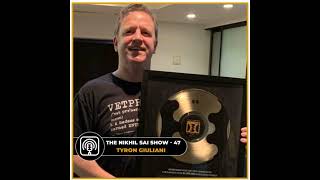
Tyron Giuliani built a $22M business using LinkedIn funnels to land Fortune 500 clients. He converts his profile into a landing page, uses pattern-interrupt questions in outreach, and gets near-100% open rates by nurturing inside LinkedIn. He started in Tokyo at 23 after an army injury forced a career pivot.
Chapters
What's going on? What's going on, everyone who's listening to this podcast right now? Welcome to The Nikhil Sai Show, which is hosted by me, The Nikhil Sai. And guess what's going on today? Today we are back with another amazing, amazing Two Comma Club winner. This is one of the craziest stories you'll ever imagine. He's an Australian entrepreneur, now started to do business in Tokyo from 1998, which is freaking amazing. He's been a consultant coach for over 10,000 people, helping them to do organic LinkedIn and scale their business amazingly. And the best part is he has been consulting higher-level enterprise-level companies like Amazon, Apple, Red Bull, Google, PayPal, Starbucks, Virgin, and Walmart, which is freaking amazing. So he had built multiple successful 7-figure companies and partnered with multiple 7-figure companies which are in the stock market as well. So let's not waste any time and actually welcome Tyron Giuliani, who's the founder at Selling Made Social. Hey, Tyron.
G'day, g'day, mate. Good to be on. Thanks for your time.
Absolutely, Tyron. We are excited to have you. Thank you so much for hopping on time today. Tyron, this is a crazy journey. Started in Australia to actually building multiple 7-figure companies in Japan and covering all of the— like, became one of the topmost experts in the Asian continent, which is freaking amazing. And you're also, by the way, a Forbes Official Coach Council member, which is freaking amazing. So, Tyrone, would you like to tell us your backstory? Like, how did all of this crazy journey started?
Right. So, yeah, originally from Australia. Maybe the accent gives it away. I actually was in a very different line of work. So I was an army officer, and I got injured, unfortunately. And after multiple lots of surgery on both my legs. My, my career was kind of over after a short time in the army. And in 1998, you know, I decided I need to make a change. But, you know, being from the army and being, you know, after graduating 4 years of officer training school, I wanted a challenge. And I decided to leave Australia and just try somewhere else. And originally, I was going to go to the UK. But I thought on the way, I'll stop in Japan. And, you know, I knew nobody here. I had no friends, no family. I didn't speak any Japanese whatsoever. And decided, like, you know, well, that's challenging. Let's do it. So I was 23 years of age, and, you know, landed in Tokyo and very quickly realized the potential that was here. You know, coming from Australia, and certainly where I lived was a small kind of seaside community. And, and here I was in a city that had, um, the population of the entire country of Australia— well, more than, you know, 30% more of the entire population of Australia in one city, in Tokyo. And I just thought, man, there's, there's opportunity here. There's so much money compared to where I'd, you know, come from. And I just thought you know, how can I use my— the things that make me different and maybe be seen as a weakness, i.e., I knew nobody and had no language and, you know, didn't have a support network. How could I use these things and make them into, um, and into opportunities? And, you know, the first thing I did was actually I formed a, um, a wedding services business. That was my first kind of real business in Japan, and that has grown. And in the end, you know, pre-COVID, we were servicing 420 weddings a month here in Japan. So we're the number one ranked independent boutique in the country, which is cool. At the same time, I then went into the recruitment business. I was a partner in a firm. We actually got acquired and went public on the Tokyo Stock Exchange and started some other businesses, you know, during that as well and partnered with stuff. But it really was probably end of, uh, 2017. You know, we knew we were going to go public in 2018. That's when I was going to exit. And I decided that with all these other businesses, what I really wanted to do was— I have like a K-pop cafe, I've got other stuff, little small restaurants and stuff— but I really wanted to move, um, some of my resources and focus online. You know, most of my business had been heavily brick-and-mortar businesses, you know, offices, lots of investment, hundreds of thousands of dollars, you know, to set up boutiques and all that. And I thought, well, you know, I want to go online. And that's when I literally came across ClickFunnels during, you know, how can I do this online? And, uh, you know, and it just kind of went from there. And, and so far it's worked out quite well. It's a, it's a business You know, what I really like about coaching, and I know coaching gets a lot of, you know, when I started, I wasn't in the internet community. So I spoke to people who, you know, were business people, and they needed help. And I had the skills to be able to make things simple and explain it. And that was coaching. And it wasn't, you know, some of the stuff you see now where people, they learn one thing, and then they're an expert in it. Well, this came after 20 years of of growing businesses, of partnering in businesses. And, you know, what I really liked in my former role as partner in the firm was I loved the mentoring part. I loved the questions. I loved being the guy that people would come to and working out a solution. So for me, it was kind of a natural progression to then like, well, I'll sell that information, I'll sell that mentorship and knowledge and that, you know, it just worked out. That was a really nice fit. And, you know, from, from this business, it's, it's, it's spawned, you know, 3 other businesses now. So it's not just the coaching, but now I've got investments in multiple digital assets, which, you know, are now making me passive income, which is awesome. So it's always about looking for those opportunities, I find. And I think when you're in that mindset of just being open to opportunities, opportunities present themselves, you know. And, you know, when you have that abundant mindset and you, and you see an opportunity, take, take it. I mean, you know, there's, there's, of course, there's always problems along the road. And, and, you know, the journey may sound, oh great, he just had win after win after win, but man, there was a heap of losses in between. Um, there was a heap of defeats. But, you know, I, I've always believed as soon as I come across a problem, it was all— there's no problems, there's challenges. Now there's problems. As soon as I come across a problem, though, I switch to my thinking to where is the opportunity in this? Where is it? So every time I, you know, something fails, or there is a problem or a challenge, I just think, where's the opportunity in this? Is it a learning opportunity? Is it an opportunity to try something else, whatever it is. And when you frame yourself like that, you know, that the impact of losses aren't as bad. Because as entrepreneurs, that's what, you know, really stuffs up so many people is, you know, entrepreneurship is really about managing your energy. And it means, you know, what you put in your brain is, is, you know, you're either going to be in a state of abundance, or you're going to go into contraction and scarcity with what you feed your brain. And You know, I know it sounds woo-woo, but that's the flow of business, right? When we're in a state of abundance as an entrepreneur and positivity and abundance, what it means is that our minds are freer to make better decisions. And when we make better decisions, we make better strategy. When we make better strategy, we take better actions. When we take better actions, we get better results. And the same is for the opposite. Right? If you, if you are constantly just, you know, banging on yourself, down on yourself, hanging around with negative people, hearing negative stuff, well, you go into scarcity mindset, right? And means bad decision making, bad strategy, bad action, bad results. You know, you just gotta look at your circle of friends or family. Generally, there's one person that you always meet them like, oh, it happened to me again, or this went wrong again. It's like man, they're a magnet for it. So, you know, that's kind of been my philosophy is just look for opportunities, the weaknesses that I have, how can they be, you know, how can I use these different, especially here in Japan, how can I use it differently to stand out and as actually a benefit. And then, you know, COVID, once COVID came as well, I know it sounds horrible and it's been devastating for so many, you know, my wedding business was hit very hard as well. But it also made international business so much easier. I mean, all my clients, 95% of my clients online are not based here in Japan. They are all global. Even more so with COVID no one cares if I'm an Aussie here in Tokyo coaching someone in the US. It just doesn't even— it's smooth now. No one even questions it, which is— that's probably a positive spin-off. And again, you know, looking for the benefits and opportunity in any kind of situation. So yeah.
Wow, wow, wow, wow, Tyrone, that's beautiful. I think the mindset is a really important key for all success achieved, like from being in Australia serving the army to actually being like, no matter what, I'm going to figure out and fly to a new city which I've never been to, where I have no friends. Still, you figured it out, built multiple businesses, which is amazing. And as you just mentioned, like post-COVID, this world has become like a superconductor. Like it doesn't matter where your comfort is or which city you are in, it's just about what value you can add to other clients. I think that's, that's beautiful, Tyron. Thank you so much for your backstory. It is so inspirational. I think a lot of people should actually get to that abundant mindset and really pay attention to what they're getting in so that they can deliver their output perfectly.
That's awesome.
And Tyron, I love your stuff when it comes to the LinkedIn creating sales funnel, like rather than other people who who technically have that same kind of resume. Like whenever you go to LinkedIn, it looks like clones, right? Like literally I feel like, oh, is this a circus or what? Like everyone is looking same, right? But you created a different strategy, right? We would love to hear about that, Tyron. Would you like to tell us about like how to create LinkedIn sales funnel to actually attract clients on autopilot?
For sure. So, you know, the Two Comma Club Award that I got was related to one of my funnels, which is the LinkedIn sales funnel. The difference, the approach that I take to LinkedIn is, I mean, look, there's 1,000 ways to skin a cat and, you know, I don't know if that's politically correct, but there's 1,000 ways to skin a cat and on LinkedIn is the same, right? There's multiple ways to do it. So, I'm not saying that my way is the best way, the only way, and that's the way it should be, but this is a way that works. And for my particular clients who tend to be solopreneurs, small business owners, mostly their revenues are less than kind of $3 million a year. They tend to have more time than they have money. That's just the fact. You know, some people have more time on their hands than disposable cash to do paid advertising, to do other techniques. That's just the way it is. And I understand that because I've been in that situation. So they're the kind of people that I'm coaching, are the ones that are, you know, they're solopreneurs that've got a B2B business offering and they want to sell it to other business owners. They, you know, they want to reach out and get into conversations and they don't want to be spammy. They don't want to be salesy. They hate that feeling. Most of my clients tend to be a little bit older like myself, a little bit grayer, and they've been working for 10, 15, 20 years and they're moving into these entrepreneurial roles and they just haven't had that ability to establish themselves as an authority, as an expert, and then they're missing gaps in their knowledge of how to reach out to people and not sound horrible. One of the first things I do is really look at the way that they're approaching LinkedIn because If you're using LinkedIn to get clients, you should be using it differently than what 99% of people are doing. What I mean by that is 99% of people on LinkedIn, their profile is a resume or a CV, depends what country you're in. Now, what's a resume used for? Well, for getting a job. You're not trying to get a job, you're trying to get clients. So you've got the wrong tool for the task. So I developed a process where we reboot the profile, we change it more into like a mini landing page landing page, and we use those experience sections, especially the first 5 experience sections, to talk about your key services that you're offering. And we use, you know, fonts and stuff like that to really stand out. But, you know, my clients' profiles transform more into a landing page, and those experience sections are, you know, this is our key service 1, key service 2, key service 3. Here's a case study, here's a case study, here's a call to action. So we, we kind of use it just like free media space All right, that's the foundation. So when someone lands on my client's profile, they know exactly what they do, how they do it, who they do it for, what they can expect when they work with my client. They can see some case studies, there's a call to action. It's just different. So, you know, I just see LinkedIn as a free media space and we get to put what we, you know, put on it. And the reason we do that is, you know, when you go to some business's website, They don't have a resume of the owner as their website, right? No, they have a landing page, they have information. So like really, if that doesn't convince you, you've got the wrong thing on your profile. And that's just the start. We then look at techniques for outreach where we use, we use natural, the anatomy of a conversation. We don't do these horrible value vomits that people do on outreach where you get it in your inbox where they say, hi, I'm this person, I solve this problem, I have this, here's a download, here's a video to watch, book a time for a 15-minute chat. No one speaks like that in real life. No one communicates like that when you meet someone for the first time. Why do we do it on LinkedIn? Because marketers tell us, give value first. Well, it's not value until you know if the person actually has a problem and they want it solved. Otherwise, it's just vomit. You are literally doing a value vomit in a negative sense in their Messenger? How about starting a conversation? How about actually using the way we really communicate? So I have a very particular framework that we use, and then we look at the other parts of the funnel, which are nurturing and nurturing your connection. So many people just collect people on LinkedIn, they just put them on a shelf, and their LinkedIn becomes like a museum piece, right? And just gathers dust. And what growth hackers teach, and nothing's wrong with this, this is their style, is they just strip everyone's contact details, put it in some email campaign, right? ActiveCampaign, Mailchimp, whatever, and blast out 1,000 emails. Now, what's the average open rate of emails?
17%?
17 to 21%, right? That's open rates in the, in the world on average. That means 80% are never even being seen, right? However, if you do the same nurturing techniques inside LinkedIn When, when you've gone to LinkedIn and you see that red dot above messaging, have you ever ignored it? No, it's like catnip. You just open it, open it. Yeah, you can get almost 100% open rates on LinkedIn when you do nurturing and you do mail campaigns inside LinkedIn properly. And there's ways to do that. That's what I coach. Like, why get 18% open rates when I can get 100% open rates? It's just nuts. And I can keep people in the platform so then they can go and see my pro— who's this guy again? They see a landing page. Wow, that's interesting. They message me. I then use my message techniques that we use, and they're like, every touchpoint is this unique experience that they haven't had with anyone else, right? And that's the key. Then having your content and your engagement strategies, tying them together, so important. And then putting it all together in a workflow process. And that's where a lot of people fail, is they go into LinkedIn and they flounder. They don't know what to do next, or they do a bit of this and they do a bit of that, they do a bit of this and they get off after an hour, and all they've done is read an article about Steve Jobs wearing turtleneck sweaters and why he did that every day. It's like, well, that was a waste of an hour. So we teach focus on workflow process. So every time you're on LinkedIn, you have an exact path to follow. And overall, How I see it is the way to generate you as an authority on LinkedIn into daily conversations with people is to see it as a funnel. And what it means is there's different components of the funnel. It's not one thing. You know, a lot of video marketers now, they come on board and all they do is video. They just teach about, oh, don't reach out to people that spam you, just do a video. Well, that works for some The problem is it's unpredictable. There is no scalability with it, and you totally, you know, you're just— it's a hope strategy, right? You're just hoping people, you know. But it should be one part of your complete strategy, and that's what I look at. Each part of these, of the funnel, has a function and has a purpose, and you should be— and like any kind of pipe, if there's a hole in any part, the whole pipe's useless, right? So rather than focusing on one part, we look at each part and we, we try to do the right tactics, and it all feeds into the next part. And, you know, the strategy is as a whole, it's doing all these little things correctly produces a result, and it's scalable, right? And you can self-diagnose. Like, you know, you can— if something changes and you're not getting any conversations happening, no one's coming to you, you can, you can look at the funnel and say, okay, did I change my profile? Is something wrong with the front of the off the top of funnel. Okay, how about my outreach? Am I doing A, B, C, and D? Yeah. All right. Now, how about my nurturing? Have I stopped doing that? Yeah, I stopped doing that part. And I stopped doing the second part of the engagement. Fix that, fix that, funnel's fixed, right? Rather than throwing out the whole system as well. I think any good sales process, any good funnel, you should be able to diagnose and fix it. When things— because, you know, sometimes as humans, even if you have a process that you follow, you just sometimes stop doing it. You know, like, for example, my father-in-law is an avid golfer, and he's quite a wealthy guy, and he had a driver for many, many years. And every day, like almost 3, 4 times a week, they would drive out of Tokyo and go to this golf club up in the northern Tokyo area. Every day, same route, every day, every day. then suddenly the driver would just do a left turn, just, and then be like, why are you doing that? I don't know. It just happens, right? And it's the same thing. Even though we do something over and over again, sometimes, for some reason, we stop doing a piece of it. And everything just crumbles from that. And then if we don't have a funnel, if we don't have a process of diagnosis, then we just like, oh, it stopped working, we throw out the whole thing. I think it's important for me and for my clients is, is that we approach it like that. So then we can fix things and we fix the right thing. We don't just like, you know, stop working now. There's always a reason. And it generally, when you're able to diagnose each part of your funnel, you can, you can really quick, and then you just fix that, you double down on that, fix it, back running again. So That's my approach. It's very holistic. It's not, you know, I believe, especially after COVID as well, and I'm seeing this shift on LinkedIn, people are craving relationship. You know, there's some countries, places like in Australia where I'm from, like Melbourne, Australia, they were in lockdown, like serious lockdown, can't leave your house. You've got to be within 5 kilometers of your house if you do go out to a supermarket or a doctor. For 30% of the year last year. 30% of the entire year they were in lockdown. You know, it's like that. People are craving real discussions, real relationships. And that's always been my approach. Now, you want to do it en masse, and you want to get it as efficient as possible. But I just found that the money has flowed so much easier smoother and in larger quantities when I've done real relationships, real discussions. It just works. It just works. Nowadays, that's what people want because they're sick of these auto drip-fed 6 messages one after another that you ignore. And, you know, people are just tired of it. And depending on who your prospect is, they're more sophisticated than they've ever been. And, you know, so if you're trying these kind of, oh, this is semi-personalized spam, you know, the majority of people are sniffing that out and they're not interested. They're not interested in that anymore. That will slowly be the thing of the past until AI gets super awesome and you can, you know, and some of it is getting that way, but it's very expensive. But, you know, that personal touch, but doing it in a way where it is it is a process, and you can repeat the process, you can scale it. That's, that's what's important. Yeah, but that's, you know, that's my feeling. Other people still just do mass amounts of activity to get a small percentage. That's fine. That works as well. You know, I just prefer to do, you know, inherently, I'm kind of lazy. So I want to— the more I do, everything I do, I want to be able to leverage. I always want to think, okay, how can this one activity get me, you know, how can I I use it 3 or 4 more times? How can I get 4x on everything I do? So, um, you know, I'm looking to do the least amount of work with the biggest bang, and I just find that is— that works best when I put in strategies to engage with, you know, into real relationships, real discussions. And you can speed it up on LinkedIn. It doesn't take months and months and months of building. You can go from having someone cold to selling them a product, you know, in days. It doesn't, it doesn't necessarily mean it has to be this, you know, 6-month burn of relationship building. There's techniques you can use to, to accelerate that and speed up that feeling with people on LinkedIn.
Wow.
Because you've got to remember, on LinkedIn, especially in the US, for every 1 person engaging and posting, there's 42 people that aren't, right? So 1 in 42 of actually doing anything on LinkedIn.
So you have a massive opportunity.
Yeah, you have an opportunity still to be able to stand out in your prospect's mind very, very quickly, very effectively, and become known and liked-vocalise. And, and then when they see your content, they see your style, trust it. And they're the three components that you need when you need to sell something, right? They need to know and trust you, and you can do that on LinkedIn.
Absolutely, absolutely, Tyron. That was beautifully articulated. Like, literally all the business owners who are using CVs and websites and never had a proven process in your system, like, literally Tyron laid out very clearly. That was beautiful, brother, starting from actually understanding how a funnel, LinkedIn funnel, works to actually going through the process of testing it, diagnosing it, and just making sure that everything works. And I think that is the key part here when, whenever you're creating a system, that you can track something. Okay, top of the funnel isn't working, my messaging isn't working, I couldn't close on a call, so they can fix that one part and double down. That was a golden nugget, by the way. Amazingly articulated. Thank you so much, Taryn. Love it.
Love it.
And Taryn, as you already covered this earlier on the conversation, there are a lot of people who are spamming kind of like with that one message, like, hey, welcome, I do this, I see that you're having this XYZ problem, I can help you, reply me back, let's get on a call, something like that, right? So like in a short term, like how do you think someone can actually stand out when it comes to the messaging on LinkedIn? When it comes to attracting your clients? Like, because it's so much saturated. Again, that's the market research, what says. Yeah. So how do you stand out when it comes to the messaging part?
Yeah, I mean, the messaging, the reason why deals don't happen on LinkedIn is because conversations never start, right? It's right at the very beginning. If you're, if you're only getting 1 to 3% of people responding to one of these horrible messages, you're leaving 97, 99% of the market, you know, on the table, which is just nuts. It's just nuts. Because yes, some of them aren't going to be ready to buy it, but you can get a heck of a lot of them to start conversations. Because unless you are having conversations and having opportunities for them and opening up opportunities for them to ask you, oh, would that work for me? Or how does that work for me? Um, you're not going to be selling, right? It's, it's having those daily conversations. You know, I coach this specifically. It's a very, you know, special process that I use and I develop. But what I can give away here, because the clients have paid me thousands for this, what I can give away is, you know, you've got to think of the anatomy of a conversation. How do we speak in real life when we meet someone? Now imagine the situation. I'm here in Tokyo, Japan. If you've ever been here, if you've ever gone to a networking event, the Japanese worker, you know, corporate worker, they call them salaryman, right? And I'm just going to use men as the gender here. They call them salaryman, and they all wear like black suits, white shirts. That's, that's the uniform of the, of the Japanese salaryman. So you go to a networking event here, you walk in, everyone's in a black suit, white shirt, right? Just the way it is. Now imagine if someone is in that networking event and they're in a pink neon suit. They're standing there in a pink neon suit. You walk up to that guy, what's the first thing you would say? Like, real life, you're there. Well, you'd probably ask him. You'd observe, you'd see the pink suit, and you'd ask him a question about it, right? You'd probably say, hey, I love your suit, where'd you get that? Or, I love that, did you make that? Or, hey, I love that suit, why'd you wear that tonight? Or, what made you wear that tonight? You would observe and you would ask about that, and you would start a conversation. You would rub his ego a little bit, you would make an observation about the obvious thing, um, make it about him, right? That's natural conversation. That's what we do. Think of conversation anatomy. It's question, answer, question, answer, question, anecdote, opinion, anecdote, question, right? That's kind of the natural flow. Whenever you meet anyone the first time, you either ask a question or you make a statement. Now imagine If I used what everyone does on LinkedIn in this situation, I walk into the room, black suit, white shirt, there's the guy in the pink neon suit, and I walk up to him and I say, oh, hi, I'm Tyrone Giuliani, I'm a LinkedIn expert, and, um, would you like to book a 15-minute chat on my calendar? And how about you watch a video? Here's a 5-minute video about the top 10 things. And by the way, here's a brochure I made, would you like this? That's what people do on LinkedIn. Can you see the difference?
Cold maggots, right? This is awesome.
It's not about them. It's, it's, you know, what people are doing on LinkedIn, it's all about them. They think they're giving, but all you're doing is saying, I want you to watch my sales stuff. I want you to book your, you know, give me your time so I can sell to you. I want— we never start a conversation like that in real life. So what I teach is we emulate that in LinkedIn. We emulate real life. We observe, we use pattern interrupts, we find something to act as a pattern interrupt in their messenger, ask an irresistible question that is going to be rubbing their ego that they can't resist but give you an answer to. The reality is the guy's wearing the pink suit because he wants people to notice him. He wants people to ask him a question. And the same thing when you look on social media. When someone puts a post on social media, or someone's in an interview and they put an upload onto YouTube, or someone creates a beautiful design logo, what are they doing? Do they put it up and they hope, I hope no one asks me about it, or I hope no one sees that, I hope no one questions me? No, they want it. They want it. It's a dopamine hit. Like, we are like You have the opportunity to be a bit like a, you know, drug dealer in a good sense, giving them that dopamine, right? And that's how you've got to start conversations on LinkedIn. You've got to start emulating real life as close as possible. And the irresistible questions, the pattern interrupts— we have techniques for that that I coach. But that, you know, that's how you've got to come at it. And that's just the start. That's just to open the conversation. Then you can't stuff it up from there. And lots of people stuff it up from there because they, they stay in situational questions too long, and then the person's like, why is this person talking to me? What do they want? Quiet? Or they ask complex questions. Like, nothing's worse than going into LinkedIn. It's like walking up to someone at a networking event for the first time again, say, hi, I'm Tan Juliane, I'm a LinkedIn guy. So what do you think about Freudian's law about ABC and the matrix gyro generator? And it's just like, oh, okay, like, get out of here. Yeah, if you ask a question, these complex questions, and you think it's a smart question, or give me your opinion about the market, like, who's got time for that to tell a stranger and talk to? No one. No one has time. These questions are useless that I see some marketers teach, and they think they're smart. But what you're doing is you're forcing the person to make a choice. One, they either give a really short answer, and that makes them look foolish because they're not being well-rounded and showing that they're actually smart and they know they do have an answer. Or two, ignore it. That's it. And they're both— which one do you go? Well, 99% of the time they go with an ignore that, ignore option. Yeah, that's not how we start communication. That's not the anatomy of conversation when we meet someone for the first time, right? Not only is there a structure, but think about questions. They're usually observations, some kind of joke, some kind of short question. and it's usually short, right? And the answer is really short. And then you get a longer question, a longer answer, and then it goes to storytelling, right? So you also have to think how does conversation, how the structure actually looks like. You know, we don't ask these long, detailed, complex questions when we meet someone for the first— we don't. Why do it on LinkedIn? Why do it on messaging? It's just nuts. So, um, that's how you stand out, by not doing and not treating Messenger like an inbox, like an email inbox. Because what everyone does is structure these emails that they send. It's called Messenger, right? And on LinkedIn, it doesn't say inbox, it says messaging, right? So start with message, and that means you can set the tonality casual, which is cool because everyone's walking around in suit and tie on LinkedIn and all stuffy. But you get in the inbox, you know, in Messenger, ties off, people are relaxed. If you start off relaxed, you— they, they come at the same level. You start off formal and stuffy, it's so hard to break it. So, you know, you've also got to see Messenger as not an inbox but as a true messaging service and use the same verbiage, use the same tonality that you do in messaging. It's a different— it's totally different than formal direct emailing techniques that everyone uses, right? So they're missing out on the opportunity. So I hope people continue to do that because you have a massive leverage. Yeah, because you stand out and you get into conversation. And the final thing, you know, just as one tip, is there's one really easy filter you can apply to your messaging when you're in LinkedIn, when you're speaking to someone for the first time in particular, and it's with what you know of them and with what your relationship is with them. Would you say it in real life if they were standing in front of you? And if the answer is no, don't type it. Simple. That will save you thousands and thousands of rejections just by that one filter with what you know of them, right, and what your relationship with them would you say that in real life? Like, say it out loud. And if the answer is no, don't type it, because it's going to be as corny as it sounds to you when you say it out loud. Yeah.
Wow, wow, Tyrone, that was beautifully articulated. I think this can literally, literally 10 times, 20 times, even 100 times multiply the reply rate and the way they actually have conversations on inbox, because I believe what you mentioned is absolutely on point. They should really think about, like, what if me and this XYZ client is in a room and how we can start a conversation? And it should be the same messaging. But rather they use an inbox strategy. It's a, it's a 1,000-character email they push into this inbox saying reply me back if you're interested, which never get replies by the way. That's awesome, that's awesome, Tyrone. So let's get to the next question, Tyrone. So recently, like after LinkedIn update, recent update, like they limited the reach to less than 100 people a week if I'm not wrong, right? So kind of, you know, the number of people of connections we make decrease dramatically, right? So would you like to tell more about like how can a LinkedIn profile, or specifically when you create a LinkedIn funnel as a business, how they can get massive visibility on LinkedIn? Like what should they do? Is that sending more connections strategically or posting content? How does that look like?
Well, this is the thing. I mean, already, you know, growth hackers already got around that. So ways that you can get around the 100 limit. You know, for me, nothing kind of changed because I'm always about finding a group of people that I want to speak to and trying to get 80+ percent converting, like speaking with 80+ percent. I don't want to do the 3% I'm happy with. No, I want to do 80+ percent. So, you know, there's a few things at the moment that with the 100 limit, they also opened up some things. So for example, one little hack that you can, you can do, if you go to LinkedIn groups, before you were limited, you can join 100 groups, but before you were limited that you could message, I think it was 15 or 16, some odd number, but you could do 16 messages a month throughout the whole, all your groups into the Messenger of anyone in the group. Right? So you didn't have to be connected to them, you didn't have to do a connection request and then wait for that to be accepted and then message them. You could go in and do 16 people. Well, now that— that's unlimited now. They've opened that up. So you could probably do about— you can do about 200 a day and, and probably not get any kind of strife from LinkedIn.
Oh my God.
Yeah. However, when you go to a group all you see is lists of people, right? And you've got to go through it. So what you should be doing is first, and this is why I highly recommend if you're going to use LinkedIn, you're serious about it, get Sales Navigator. It's like $80 a month or something, but it is gold. I mean, it has made me millions. This $80 a month has made me millions. So look, the way to do it is you can run a search Advanced Search inside LinkedIn Sales Navigator, and you can search within a group. You can pull out the people, say you wanted a CFO who's in a Fortune 500, who does food services, is in Eastern Seaboard of the USA, and is interested in fish, and he's in the fish group. You can do that search. You can find the name, you can save it, then you can go back into the group, pull his name up, message him. So you don't have to just like message a random group of people. You can still, you know, do some research, get your list of 50 or 100 exact ideal client prospects that are in a group that you, you have joined and you're a member of, and then you can message them. You don't even have to connect. You just— you can— you're right in their inbox. So there's ways to get around that. Open profiles, you can do searches and find people. That are open profile, they'll accept messages without being connected as well. And then plus I'm doing engagement activities which gets people to use their connection requests and send you a connection request and you accept that and it's theirs getting used. And you can do a couple hundred of them, you know, a month easily. So, you know, there's ways, there's always ways to get around it. Some people even go more hardcore, they just, you know, are just stripping emails and then sending a request with the email and, you know, you can get connected as well. But you don't have to go that way. I think it's really also about managing how many leads you can manage properly. So if you don't have a backend to manage them, it's kind of useless anyway. Now, some growth hackers, they've got it down pat, but the reality is a lot of my clients, they're not tech savvy. They don't have all that. They, they don't want that. They want a simple system so they can manage you know, 50 to 200 in a month. But if you're having conversations, you know, every day with 3 or 4 people, it adds up. You know, you're having 150 conversations a month with ideal client prospects. Well, that's giving you 150 opportunities to open up a, a conversation where they get to the point where they say, oh well, how does that work for me? That's what you want. You don't— you never want to just be, I have this, do you want it? You the way that I coach and the way that I've always used it is I set up my conversations as I showed you how to start it, but then we move them and I have a technique to get them to say to me, oh, would that work for me? Or how does that work? And well, let me tell you then. Yeah, so that's my feeling on the limits. There's always ways around it. And some of the things that they, you know, they took away, they've given you now the, the group one, which is just awesome.
So wow, wow, wow, that's awesome. So technically now people can reach 200 people a day on groups, correct? That's, that's amazing.
You can be right in their inbox. And with the messaging though in groups, you know, I like to use pattern interrupts. I like to use imagery and then ask irresistible questions. You can't do that in, in LinkedIn in groups, and only you can do emojis and you can do text. And therefore, what I like to do is I use Google Photos and I will take my imagery and host it in Google Photos, send them like the Bitly link, make reference to that, ask that irresistible question. So they're still getting that pattern interrupt. It's about them. They're seeing footage, image about them, and they're like, oh, okay, this person's taking the time to do some research about me. They care, right? Because remember, the likability factor is important. Right. And it's a lot of people get this wrong. It's not that you're likable and affable. It's that the other person feels you like them. That's what likability means as a principle.
Absolutely.
The other person feels you like them. And by you doing some research and you showing them that you've gone off LinkedIn and looked at them on YouTube, you looked at Facebook, and then you're referencing that, and you can do it with under a minute once you know what you're doing and you get in the routine. It's very quick to do these. This. It has impact, you know, it has massive impact and it gets you into conversation.
Absolutely, absolutely, Taran. That was beautifully articulated. I think this simple trick can actually help people 10x their reach and their— it's amazing, Taran. And again, Taran, I know you're an organic guy who's been helping Fortune 500 companies scale completely organically, but we would love to hear in a short sentence, like, what do you think when it comes to organic versus ads when it comes to client acquisition in your own terms?
Sure. I mean, look, the reality is if you've got money, you've got more money than time. And some people always say, well, time's so— its price is about— look, reality is a lot of smaller business owners, they just don't have the money to run ads. They just don't. That's just it. Or they're too scared to. They don't— whatever. There's a whole host of reasons. However, if you have money and if you have a service or product that's about 15, like $12,000 to $15,000 and above, you know, running ads is a no-brainer on LinkedIn. I mean, you've got to get good at it, of course, but hey, it's like any mass media, right? You get more eyeballs on your product, you have more people entering your funnel, you make more money. I mean, that's, that's a no-brainer. So, um, yeah, but that's not my target. I'm going for those people that, you know, they need, you know, hopefully they, they get these clients and they, they form a a chest of money that they can then deploy and start doing other methods. But, um, you know, so my feeling is LinkedIn ads— this is their third permutation of, of ads. Like, they've had it before and they stuffed up and they redid it. This is the third version. Um, so they'd be much better than they've ever been. Um, they're of course more expensive than, than Facebook and, and other platforms, However, if you do have that kind of— if the lifetime value of a client or even the first purchase value is, is going to be about $12,000-$15,000 and you've got money, look at LinkedIn ads. Absolutely. You know, if it's under that, it starts to get pretty pricey. And, you know, even to test and stuff, you're looking at at least kind of $6,000-$7,000 just to test, you know, whereas you can run a test for a couple hundred bucks on Facebook and like Let me change that. So it is, it is more pricey and you do have to have a product or service that's just worth, worth doing it. But yeah, you know, if you fit that category, absolutely.
Yeah, makes a lot of sense. So technically people who are doing under $3 million or something like that, they don't really need ads. They can exponentially grow just organically on LinkedIn. That's, that's beautiful. Yeah, absolutely. So, Taryn, you've been doing so much stuff. You run your wedding business averaging 420 weddings every month. Pre-COVID and you are coaching, consulting Fortune 500 companies and you got clients to help them sell socially and stuff like that. We would love to hear like how do you manage your client for productivity? Like do you use any kind of tools to do that? Like can you please elaborate on that part?
Yeah, I think wherever you can leverage yourself with tools and automation is critical. So like everything, I document a lot. So any process that I do, if I do it more than once in a week, I'm filming it, I'm making an SOP, and I'm handing it off, right? So, and everyone can do that. You can use Loom now, it's so easy. But if you find yourself on a daily basis, if you just find yourself doing tasks repetitively, like that should be systemized and that should be handed off. That's an easy, quick fix for so many things. So one really good goal is, is to write down what you do daily, what you do weekly, just list it out. And then your mission, rub them all out until what's left are those kind of visionary stuff, bigger pieces where I like to deal like me. So, so, you know, I, I can hire a business development guy, you can have a sales director as well, as well. I can write business, you know, and majority, majority, that's, that's maybe what you said, what you said, what you were saying, it's like you should be out there generating business for the business, and then you can pass it on to your, to your operations guys, your, your onboarding team, your customer, whatever it is. But the more things that you can take into play that are repetitive and can be systemized, and if someone can do it, and they like doing it. You know, I hate doing certain tasks. So obviously, FTO, fun things only. I just do the fun things. I just do the stuff that I like. Some of that I probably should have, but I like doing it. So I want to do it. But that's, that's my approach is I'm always looking, okay, you know, putting in systems and then finding really good people who are eager and keen to do a task that I hate, you know, because I don't like details, I don't like instructions. I read that stuff, it makes me like, ah, you know, I just, I hate it. But some people love it. Some people love step by step by step, you know. Find the right people for the right fit. And that's a big one is, and when you're hiring lots of people and, and, and you've got lots of people in teams um, it's getting the right person but for the right fit and the right role. Sometimes you've got the wrong person, or you've got the right person but in the wrong role, right? So, you know, kind of observe your people and really dig deep into, you know, where, you know, what their strength is and double down in that area for them. But, um, you know, when you're starting off, what you've got to do is you've got to be able to, um, you know, look at your business, look at the different parts of your business. And as a business owner, you've got your finance and accounting, you've got your HR, you've got your operations, you've got your marketing, you've got your sales, um, and you've got to have each of those hats and be able to wear them. But then what you should be doing is being really aware these are the— these are different roles in different functions. And then, and start to, you know, fire yourself from that role and replace it, you know, with another— with someone else. When you've got the revenue, you've got the capital, and you say, okay, take yourself out of one of the other functions and replace it with a person doing the task. And when they get really good at it, um, and you grow, you hire, they get out of that role and they go up to manager role and you bring in a staff under, right? And, and that's just the mission of growth, is constantly take yourself out of the role, find someone that can do it, and then if they're appropriate, they get promoted to the next level up, the manager, and you bring in the other person to replace them. And if you've got a library of all these trainings already, because you get them to document everything as well that they do, when someone comes on board, you just say, here's the training. Today you're going to watch, you know, lesson, you know, Module 1, Lesson 1 through to 7. That's your job today. And it's done. And then they can always refer to it as well. How do I do that? They go to the library. So that's, that's what I've done is is always think of these different functions as different jobs. And then I try to fire myself out of those roles as soon as possible. So I can just focus and have my brain kind of free of— everyone talks about being in the role, all that kind of stuff. It's true. If you're just constantly doing transactional tasks, you don't have time to be open to opportunity and to make the connections and and be creative. And that's what I like. I like, you know, I have a lot of time where it's just thinking time. And it sounds kind of crazy, but, you know, to really just be still and to think and let the brain like process connections. Like you met someone yesterday. And that could be good for someone that you met a week ago. And it's just the connection happens. If you're just constantly on a hamster wheel, you don't have time to make those kind of connections.
I think as a business, that's really important to have these key people, A-players in the team, to build those connections, which is freaking awesome. That's, that's awesome, Tyrone. So let's get to the next question. We would love to hear more about like your daily routine after building multiple 7-figure businesses. Do you have any strict routine for yourself?
Yeah, I mean, I do the, I do the same. I have the same morning routine every day. You know, I, I allowed COVID to make me get even fatter and fatter. So for the last year, I've been strict on that. And, you know, in the morning, get up, go to the gym. Lucky I'm in downtown Tokyo, so there's literally 3 gyms within a minute walk of my place. So I go out the door, there's a gym. I go out kitty corner, there's a gym, you know. So yeah, the morning's the routine, you know. I'm trying— I've got 2 small kids. I had kids after I was 40 years of age, so a bit older of a dad. So my kids are 6 and 4. You know, my mission is I want to get stuff done in about a 4-hour block a day, like 4 to 6 hours. And so the 4-hour workweek, but usually 4 to 6 hours a day, that's, that's my production time. I'm only productive probably for maximum 6 hours if I'm in real flow. And I know that I'm pretty good at like around 10 o'clock, or 9:30 to about 11:30. And I'm good again, about 1 to 4, I'm pretty good. And that's when I work. And outside of those times, I'm with my kids. I'm having lunch, I'm going to the gym, I'm having exercise. And when I'm in those moments, I'm really focused on that. That's life For me, work-life balance doesn't mean that I do 8 hours at work, 8 hours of sleep, 8 hours of eating and rest. It means when I'm working, I'm 100% focused on work. When I'm off, I'm 100% focused on being off, you know. And for me, that, that's balance. And as an entrepreneur, sometimes it's really hard to let go of that, that you've got to be at your desk from 8 to 10 I've had those, I've had years of that. I understand when you're first starting off, sometimes you've got to do that. Absolutely. And even now, we've got a launch coming, we've got something where I'm really excited. I'll work 10 hours. But it has to be something really, really special for keeping me that focused. And it doesn't happen that often. Maybe I need to get more things happening. But I like my life. So, I try to— I know when I'm focused. I know when I work best, I work in those times, and I don't beat myself up about it. Because, you know, one of my old coaches years ago used to say, you know, the worst place to vacation is at your desk. It's the crappiest vacation spot in the world, right? It's not Club Med, it's Club Desk. And I'm like, that's so true. So if I ever find myself more than like 5 minutes, I just get out and leave. And like, that's done. I'm done. Because I'm not going to be productive. So yeah, learn, learning yourself when you're productive, you know, because really you can get a heck of a lot done as a small business owner, you know, even up to about $10 million a year, um, 4 or 5 hours a day, like, of really focused work. Because that 4 or 5 hours is actually worth about 9 hours of just normal unproductive, unfocused kind of stuff about in a kind of work.
Yeah, that's true, Taren. That's beautifully articulated. I think a lot of business owners just shift task from task and don't live their life to the fullest, but you really tossed it out and saw your productive times and making your work the best and having your entire time focused in different areas of life to get that prosperity. That's beautiful. Let's get to the next question, Taren. So if you would have an opportunity to go and talk to 20-year-old yourself or someone who's just getting started, what will be your one suggestion to them?
My number one suggestion would, um, be take a job in sales. That's it. Take a job in sales. Work as a sales guy, whether it's door-to-door, where, you know, outbound sales, not inbound, taking the lead, like nice and easy, like outbound hardcore sales. Take a role in sales. Like when I first started recruiting, before I became a partner in the business, I was a recruiter. I was doing it. I was on the phone smiling and dialing. We didn't have— there was no LinkedIn. There was none of that. Literally, my boss gave me a red book. It's called the Red Book in Tokyo. It's a phone directory of foreign capitalized companies in Japan. I said, start at M, find the brand manager of every company starting with M. I was like, how do I do that? Pick up the phone, start doing it. And learning sales and studying sales, because now there's so much out there. The psychology of sales is so interesting. And, you know, there's this massive boom now in high-ticket closers, right? There's a whole heap of agencies selling appointment setters and high-ticket closers, and all they've ever done is sold a, you know, a course, but they haven't gone through a complex sale before. And they haven't gone through, you know, tough, like, out there, you know, reaching out to people cold. And like, that is— as a 20-year-old doing that, doing that for a couple of years— and I don't just mean like you do it 6 months and I'm an expert. No, like, put yourself through the wringer in sales, whether it's SaaS sales, enterprise sales. But get into a sales gig. It teaches you so much. Find a great mentor. A great sales manager, find a great operations person to mentor, and, and just learn everything about sales. Because you're going to learn negotiation, you're going to learn communication skills, you're going to learn so much about you, about discipline, about control, everything. I mean, sales is just awesome. And listen, the, the best owners, um, the most successful owners tend— not always but tend to be very good communicators and salespeople. Not always, but, you know, you know, and there's exceptions at the higher end. Everyone's always like, look at Elon Musk, Warren Buffett. They're not— no, like, let's get real. Like, you're going to meet— you're not going to meet them in your life, most likely, right? I mean, but the, you know, if you find a company guy who's running a company and he's making 10, 20, 30 million, pretty much he's been a really, really good salesperson. It. Yeah. And so that's one skill. And so many people are afraid of it. And unfortunately, you know, there's no course in university where it's like, get a Bachelor of Sales. Like, why not? There should be. There should be. It is absolutely a skill that can be— and you know, the natural sales guy, yeah, there's natural people that are more extroverted and everything like that. But, you know, There's damn good introverts who are top sellers and top billers in many companies, and it's just because of understanding human psychology. And more than that, they really understand themselves and they can control their emotions and, and they— the tonality and everything about it. So that's the advice, man. If you're young, get in sales. Learn on someone else's dollar. You don't have to be an entrepreneur from day one. Right? You can go work for someone, and there's so many gaps. I, I meet so many entrepreneurs, and they've got these massive gaps and chasms in their knowledge that's going to catch up to them. They might have one successful launch of a product, now they're like, I'm the king of the world. It doesn't last, right? Because if you don't know how to negotiate, but you don't know how to sell, you, you can't teach others. You, you can't hand off a broken system. To people. You know, you can't hand off and expect them to do something at an exceptional level if you've never done it even at a decent level. It just doesn't work.
Absolutely. I think that's beautiful advice for everyone who is getting started. Even if you're a 40-year-old business person, if you don't know sales, learn it, because that's going to help you to get more control on your business. Because no matter what, you need to sell your team to get in. You need to sell your customers. You need to sell your management to do the right stuff. So selling is something like, it's a life skill. You should definitely have it, just like you eat, just like you sleep. That's awesome, Tyrone. That's beautiful. And Tyrone, you have a couple of questions here. We would love to know more about like your life's biggest achievement so far and any next bigger goals.
Yeah, I think what I'm— well, you know, the cliché stuff is being married and having kids, and that's been great because I never wanted, you know, I never thought I'd be a father. Just didn't have kind of interested in kids now. I do, I love it. I wish I had kids earlier, all, all that good stuff. Um, what I'm most proud of is that, you know, I've, I've hit so many challenges and obstacles, and I just know resilience. It's just, I just like, that's not going to stop me. I think, you know, quitting is going to be a guarantee that you fail, right? But I'm just like, okay, if I'm going to quit this, there's got to be a replacement real quick. There's got to be something there. So what I've kind of liked is that I've come to a foreign place where I knew nobody, had no network, no family, no friends, nothing, no language, and I was able to start, you know, multi-million dollar businesses, which I don't know if I could have done that in Australia because I'm in a unique position. And then I've been able to do it in multiple industries and now do it online. Making multiple 7 figures online, not just offline. So yeah, I'm kind of proud of that. And I think, you know, the more you celebrate, the more you get to celebrate. And, you know, yeah, everyone be humble and stuff. I'm happy with what I've achieved. You know what I like more? Of course. But, you know, comparison is the killer of joy, right? So, you know, I worked out long ago, not only my what goal, but my how goal, how I want to achieve this. And it's not white-knuckling, working 12 hours, hustle nation, you know, driving the Lambo. That's, that's not what I'm about. I want to do it so I can have more time off, you know. I want to do it so I'm efficient and I, I can spend, you know, I can take 3 days or 4 days off a week whenever I want, anytime. Um, so that, you know, it's, it's really getting comfortable. And, you know, ego is a big one as a young guy. Very egotistical, very ego-driven. Doesn't— it just doesn't work. It's not— it's not fun for anyone. You think it's kind of cool to be flashy and stuff, but most people are just looking at you. They don't care. So, you know, they don't care. They've forgotten about you as soon as you walk past them. You have a Lamborghini, you close the door, you walk away from it, you're just a schmuck, right, until you're back in the car. So, you know, ego is a big killer. I think if you can get control of your ego and just do things for yourself and do it for the people that matter, life is so much easier. If you're constantly trying to one-up and show up and, you know, like the best thing, work out what kind of life you want and then put a number on it. And generally, guys, the number is way lower than you think, especially in the share economy and a rental economy. You can have experiences that multimillionaires have, you know, you can sit at a fraction of the cost, you know, like, there's just, yeah, there's just no need to. Once you can put that aside, I think it comes with a little bit of age and a little bit of wisdom. Once you put your ego aside, life is so much easier. I don't have to prove myself. I don't care. Like, I don't, you know, unless they— it's a great quote, like, You know what they— unless they know you personally, then, you know, they don't know you. So what they think about you has no effect. So why worry about it? You can't control what other people think.
So that anxiety. Absolutely.
And, you know, a lot of entrepreneurs, you put time pressures and deadlines on yourself, unrealistic time pressures and deadlines, because you listen to someone like Elon Musk And he's like, why, why spend 6 months, 6 years doing it? You can do it in 6 months. So you think I've got to do it in 6 months as well. I mean, that guy's a freak. He's a freak of nature. He's a genius. He's the 0.001% of the humans on Earth. And you're comparing yourself to him and you're struggling to make $3K a month. I mean, just ridiculous. Ridiculous.
That's, that's life lessons, buddy. Thank you so much for dropping amazing golden nuggets. So, Tyron, let's get into the next question. You have done so many businesses, right? Like consulting and helping a lot of businesses, right? What was the biggest mistake so far in business?
Um, the biggest mistake was in— you know, they say that, um, um, of all the ships that don't sail, it's partnerships. And I, I've— I believe, um, partnerships with people are— it's the hardest thing to do. And I, I put my trust in a former client who became a partner in the business, and I overlooked a lot of the flaws. And that's fine, sometimes, you know, everyone— no one's perfect and we all have flaws. But I could see some very clear red flags and I kind of ignored them. The way he treated some of our clients and the way he did certain things, which just didn't sit well with me. But he was older than me, about 15 years older. He'd been working in Fortune 500 company, you know, billion-dollar budgets. So I, and I was younger back then, you know, this is probably going back to 2008 or something. So quite some time. And I knew stuff was wrong. And I didn't speak up. And there's a famous Australian general when he was talking about harassment in the Australian Army at one stage, he said, the standard you walk past is the standard you accept. And for me, I walked past, and I didn't pay attention. Therefore, I accepted the stuff that he was doing. And then eventually, he did it to me. Right. And, you know, it went to litigation and everything like that. So one thing for me is, you know, listen to your gut on the red flags. When you notice stuff that that is off, address it instantly. Don't let anything slide, especially if it's going to be in relation to how a client is dealt with, how your reputation is managed. You have to be on that instantly. Like, yeah, absolutely. So I made a big mistake and it was out of, you know, misjudging someone, putting them up on a pedestal. And that's, that's a common thing for entrepreneurs when you've got someone who seemingly is more advanced to you, you tend to put them on a pedestal. And when you observe them, you enhance and amplify all the goodness, and you reduce all the bad things about them. And it's a really bad balance, because no one is that good. No one is that bad. Like, same thing, if you hate someone, you amplify all the things that are negative about them. That's what you concentrate on, focus on, and you forget all the positive things. Right? So it's really important to to try to keep level and assess people, you know, fairly and not with bias. And that took a long time because, you know, once you've got hammered and treated poorly and you've had to litigate and, you know, it's not fun, it's not fun. Lies get told. It's just, it's horrible. It's expensive. I had to litigate in 2 countries across 4 states. I mean, just horrible when you're in that. Yeah. But, you know, again, it was my fault. You know, I, I, I, I allowed, um, to sleep.
So yeah, I think that's a beautiful learning lesson, life lesson for every business owner. Like, if they see something is going wrong, they should point the finger immediately because that's going to be going for granted very soon if you don't point it right now. Everyone do that. Absolutely. That, that's amazing, Tarun. Thank you so much for amazing, beautiful lesson you mentioned here. So yeah, we have a couple more questions here. Like, your main inspiration for all the success you've achieved and any key people involved in your journey?
My main inspiration— well, you know, it's— you know, people talk about impact and leaving a greater legacy. You know, before I had kids, I just wanted to make money. I just wanted to make money, provide a great service, um, but I wanted to make money to allow me to travel. You know, I've traveled to every continent on Earth. Yes, I've been to Antarctica. You know, by 30, I've been to every continent. I travel first class, I stay in penthouses, I, you know, I spend my money on experiences. So for me, it's always been about experiences. You know, I've, I've been to, you know, Rinca and Komodo Island and been next to Komodo dragons. I've taken photos, been next to penguins in Antarctica, right? You know, I've done— while I've been in Botswana and been in front of a lion, you know, like with nothing between me and the lion, I've done those kind of things, um, because I love that. Now that I've got kids, everything I'm doing, yeah, is really to be a role model for my kids, to, to show what a good person should be like and hopefully set a standard, um, how customers should be treated. I mean, my wife's an entrepreneur as well, so in our house You know, we talk about, I mean, this building, we own this building, it's a 7-story building here in Tokyo. We've got 4 of the floors are our businesses and the other we rent out to other businesses. So when the elevator is, you know, there's a customer, my kids know, oh, that's a customer. When we're with a customer, this is how we act. You know, when we're at the dinner table, we're talking about customer things. And, you know, so I'm trying to pass on these lessons to my kids in a way that you know, we're just naturally talking about it. So, you know, my legacy now is, you know, just to give good life lessons to my kids and, you know, have them set up. I don't want to just give them stuff. You know, they don't know this yet until they work one day, but they're board members of companies, they've got property, they've got trust, but they're not going to get that until their 20s. And after they've proven themselves, I mean, even my, my wife comes, you know, her dad worked really hard. He was a refugee from the Korean War that came to Japan. His mom died in the refugee camp here. You know, he worked his butt off to make money, but he never, you know, gave her, you know, showered gifts. It was like, you want to buy something at 16, you go get a job. He had the money, he's getting chauffeur-driven, you know. But the same kind of lessons in my family as well. My dad's an immigrant from Italy, moved to Australia when he was young, you know. My grandfather, all of farmer and fisherman. I mean, you know, but it's setting my kids up now. That's, that's a legacy. Yes, I want impact on people. Yes, I love seeing my clients win. I mean, nothing is better. Because, you know, I tend to be helping clients when they're kind of at a point where they're sick and tired of being sick and tired. And they just, they need that guidance. They need that extra set of eyes. They need that mentorship. I love that. Don't get me wrong. I love that. but I'm also about setting myself up and my family up to have great experiences, um, and, and not to be coming from a place of scarcity.
Absolutely. That's an abundant mindset, Tyrone. I think that's beautiful. I think this should be kind of the end goal of every business because you don't want to be on that hamster wheel forever. You want to be the person who has prosperity in life. That's beautiful. And Tyrone, you're one of the most beautiful person I've ever met online. You're so amazing. You have very good mindset and you've been helping tons of clients. And amazing guy, like entirely all the golden nuggets, like this is kind of a business plan for all of people who are listening to this. They can literally implement this immediately and get something out of it instantly, almost like in a week, right? So where can our audience find your mentoring? How can they learn more about you?
Yeah, look, if you're interested, interested to learn more, especially if you're a business owner, a small business owner, and you want to be utilizing because, you know, if your people are there, you've got to be there. And it's free, right? And everything's in your favor at the moment. You know, there's no better reach, there's no better exposure, um, compared to any other platform, just because of the way that people don't use it properly. Um, so you can easily find me. Um, I've got a Facebook group, it's called LinkedIn Sales Funnels for Entrepreneurs. Nice and easy. LinkedIn Sales Funnels for Entrepreneurs. Start the journey there, come and join me, and, um, you know, that's where we can start. It's the easiest for everyone.
I'll be dropping the Facebook group link in the description of this podcast so everyone can join. So make sure to join. You have so many golden nuggets and trainings inside the group for sure. So, Tyrone, that was a beautifully articulated entire podcast session. I really loved it. The golden nuggets you dropped are just amazing. Any last one before we conclude the entire podcast for today.
Yeah, look, I think approaching LinkedIn, you've got to change your mindset about the outreach component and the proactiveness of being on LinkedIn. The engagement part is really important. And when you find people that are ideal prospects, you know, every time they post, be like white on rice, be on them, be on them, be on them, and don't feel that you're that kind of stalker or it's too much. You've got to remember, people are putting social media posts out there because they want you to comment. They need you to comment, right? So give it to them. Just give it to them, what they want. And it's so quick, especially on LinkedIn. Literally within, you know, 7 days, you can be a best buddy on LinkedIn with someone and have a real open natural conversation that you can lead someone through. They don't feel spammy or sold to. And you can be making money off people, you know, with people selling your services. So, you know, just get out of the mindset that it's kind of stalkerish or you're doing too much. No, you know, people want it. People are putting posts, people are out there, they want you. Just remember that. They want your comment, they want your like more than anything.
Wow, that, that's That's amazing. Again, that's like an entire role play of what exactly happened in the entire podcast. That's beautifully articulated. And Tyrone, thank you so much for amazing opportunity. We really enjoyed the powerful session. It was brainstorming, it was mind-boggling, it was just with so many golden nuggets. I think everyone who's listening to this, make sure to re-listen and take notes and start implementing them on your LinkedIn. Create your own LinkedIn funnel and make sure to join Tyrone's group. You will definitely have good time. So hopefully, guys, everyone who listened to the podcast so far, hopefully you enjoyed the podcast session, including Tyrone himself. So stay tuned for the next interview, guys. Peace out for today. This is me, Dinesh Gulzai, and Tyrone Giuliani here. Peace out.
See you later.
Bye-bye. Glad to have you.
More from Nikhil










BURNED $1.5M in his 17years online #digitalmarketing #entrepreneur #onlinebusiness
