Dr. Sarah Hill: "Women Are Treated as Small Men in Medicine"—The Birth Control Truth No One Told You
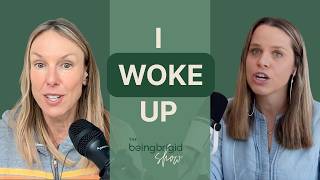
In this hour‑long interview on the Being Bridget Show, host Brigid Titgemeier talks with Dr. Sarah E. Hill, a research psychologist and author of This Is Your Brain on Birth Control and The Period Brain. Dr. Hill explains how decades of medical research have treated women as “small men,” leading to a systematic under‑representation of female biology in drug development and diagnosis. She describes the biochemical action of hormonal birth control—daily progestin (and sometimes synthetic estrogen) that suppresses the brain‑ovary hormonal loop—resulting in flat estrogen levels, altered stress‑hormone signaling, and a cascade of effects on mood, energy, sexual desire, threat detection, metabolism, and attraction. Dr. Hill shares her personal experience after stopping the pill, noting a dramatic increase in emotional intensity, energy, and sensory perception. She reviews research showing that (1) women on the pill have a blunted preference for masculine cues, which can shift after discontinuation; (2) men find women more attractive (smell, movement, tips) during high‑fertility phases, a boost lost on hormonal contraception; and (3) the luteal phase (second half of the cycle) is largely ignored in science despite causing increased basal metabolic rate, reduced insulin sensitivity, cravings, bloating, low libido, and heightened amygdala‑driven threat sensitivity. Dr. Hill offers practical advice for women considering stopping birth control (expect a 1‑3‑month adjustment period, monitor mood and health, seek professional guidance) and lifestyle recommendations for the luteal phase (protein‑first meals, fiber, magnesium, adequate calories, stress‑reduction techniques). She clarifies the difference between hormonal birth control and menopausal hormone therapy (HRT), emphasizing that HRT supplements missing hormones rather than suppressing them and can be cardioprotective, bone‑protective, and mood‑supportive. The conversation ends with resources: her books, Instagram, website, and Substack.
Chapters
Today on the Being Bridget Show, I'm joined by Dr. Sarah E. Hill, an award-winning research psychologist, professor, and an author of more than 100 research papers and two books, This Is Your Brain on Birth Control and The Period Brain. In this conversation, she'll walk us through what your cycle is actually doing to your personality, what the pill is doing to your brain that no one warned you about, and science-backed lifestyle shifts that can change how you feel starting this week. Sarah, you've said that women have been treated as small men in medicine for decades. And I'm curious, what does that actually mean and what is the cost of that mistake that women are paying for on a day-to-day basis?
Yeah, I mean, for a very long time in medical research, the assumption was just simply that men and women were virtually interchangeable with the exception of our reproductive organs. And so in the world of research, what this meant is that researchers would study men and male bodies and they would do this because they didn't have the cycling hormone problem. That is something that you have to deal with if you are studying females or women. And, you know, ultimately this is— I mean, this has been hugely detrimental to women because women are not just small versions of men. Women are biologically very different from men, everything down to, you know, the way that our cells manage bacteria, the way that our immune systems work, the way our circulatory systems work, even like dentistry. Like, they're starting to understand that male and female nerve endings in the mouth mouth are different. And so, like, even our, um, like, ability to, uh, you know, be effectively, um, anesthetized with our dental work is something that's sex differentiated. And this has been a real, a real problem because for most of history, um, since, you know, medicine was really started, um, the assumption was, yeah, virtual, virtual interchangeability. We'll study male bodies because they're easier, because you don't have to worry about hormones. We'll apply those findings to women and everything will be just fine. And of course it hasn't been just fine. And we see this showing up in everything ranging from women, you know, taking sometimes twice as long as men to get diagnosed with the exact same condition just because the symptoms that women oftentimes exhibit with respect to different types of symptoms, or pardon me, with respect to different types of conditions aren't the ones that have been studied. You see this played out in the fact that women are more than twice as likely to men to have an adverse reaction to medication You see this in the fact that 80% of drugs get recalled within their first year of being on the market because of unanticipated side effects in women because they weren't studied effectively in women. And this is— I mean, this is a cost that we continue to pay. And it's, you know, in the last 10 to 15 years, things have gotten a little bit better and research has started to really understand that sex differences live in the body outside of just our reproductive organs. Um, and, and so researchers are starting to step in and fill in some of those gaps, but it's still happening very slowly. And even now, when researchers are implored, uh, to have to include biological sex as a factor in the research that they're doing, many times that research still isn't being looked at— like, the data aren't being analyzed, um, by looking for sex differences. Like, they're not analyzed in a way that's accounting for the fact that male responses and female responses might be different. And instead, they just look at men and women together, and that just muddies the water and makes the research more confusing and doesn't really actually solve the problem. And so there's still a long way to go. It's getting better, but historically, it certainly has been the case that women have been under-researched relative to men.
And I think so many women have probably don't even realize this. And then in addition to that, are prey to everything that you're talking about, where there may be some of the women listening or having these ahas of saying, oh, that might be why I had that drug reaction. And then was dismissed by my doctor and it made it seem like it was just all in my head, or why it took so long to get that diagnosis, or why I was floated from doctor to doctor for so long without anyone being able to address this because of these sexual differences and how much our hormones are at play.
Yeah, no, 100%. And I mean, it's so much the case that women will go to their doctors with symptoms, um, of a condition that they have and their doctor doesn't have answers for them. Or they're taking a drug and they're having an adverse experience and it's not one that their doctor has heard of. And, you know, for much of the history, you know, medicine, the answer then was, oh, well, it's all in your head. I think that thankfully some doctors are becoming more savvy and they really understand the limitations of the literature that they've been trained on. And those are the doctors to have because those are the doctors you can go to. And even though they might not have all of the answers, at least they're willing to listen to you and help you find a different path that's going to work better for your body.
Yes, yes, yes, I completely agree. Okay, I want to back up for a minute and ask about your personal experience. You were a psychologist studying women's hormones before this became personal for you. What did you experience personally?
Yeah, so, you know, I had studied, um, women in psychology. So I— my PhD is in psychology. My research area was women. I was really interested in partner attraction. And so I was interested in like, what are some of the things that we do to try to attract partners? What makes somebody attractive to a mate? And, you know, what are some of the cues that women pick up on, etc., etc.? And as part of that research, I had also studied the effect of women's cycling sex hormones on attraction-related behaviors in women. And I'd— so I'd published papers showing that estrogen increases your desire to look sexy and dress sexy and buy sexy clothes. And but all of this time, that I was, you know, doing this research, I was on hormonal birth control. And I never thought about the fact that I was taking something that was suppressing my production of sex hormones until I went off of it. And then I was off of it for about 3 months when I started to notice that I just felt different. Like, I just felt more alive. I had more amplitude to my emotions, so like good things felt better. Bad things felt more intense. I just felt a lot more intensity in my experiences being a human being. And I started downloading new music for the first time in like years. I was cooking and going to the gym again. It was just like, I just kind of felt like I woke up. And the way I describe it in the book is that I feel like it was like I went from a black and white, like, line drawing into this, like, emerging into this, like, three-dimensional, color-filled world. And, and that was really what led me on, you know, I— well, one, it gave me that aha moment where I was like, oh my gosh, you know, of course I was different with, with hormonal birth control, because hormonal birth control is shutting off your hormone production. And, and I'd been publishing these papers, you know, showing the role of women's sex hormones on all of these wonderful feelings that we have, like, as women of feeling sexy and alive. And, you know, and without thinking about the fact that I was having that shut off because I thought I felt just fine, you know. I wasn't somebody who was like on hormonal birth control and thought I was having a terrible time. I never developed depression or any of the other, you know, kind of gnarly side effects that women can get with it. I didn't have any of that. So I thought I was just fine and that nothing was wrong. And, um, but then after I went off of it, it was just like, oh my gosh, like I had no idea what I was missing out on. I'm like, I was missing out on a lot. And, and that was really what led me into, you know, sort of a deep dive into all of the different ways that hormonal birth control changes women.
And so for people who are brand new to your work, can you explain what these changes are that you've identified in your research? Yeah.
So, you know, the first thing before we dive into that, I think that it's just important to understand what hormonal birth control does and how it works. And effectively, you know, essentially what it does is You take a daily dose of a progestin, which is a synthetic form of progesterone, and this progestin gets picked up by progesterone receptors in your brain, in your hypothalamus. And this effectively quiets the signaling between your brain and your ovaries. So it prevents your brain from telling your ovaries that it needs to stimulate egg follicles to prepare for ovulation. And what this does is it has the effect of you know, essentially shutting down hormone production because, you know, even though we only think about ovulation as this thing that matters when you're trying to get pregnant, this is actually how female bodies produce almost all of their sex hormones. And so you're taking this daily dose of a progestin. Sometimes it's also paired with a synthetic estrogen, like in the combined oral contraceptive pill. It's progestin and then a little bit of synthetic estradiol. And you get this daily hormonal message. It shuts down ovulation, shuts down hormone production, And, you know, essentially what that does to the female body and the female brain is it keeps it sort of running on fumes hormonally. You know, it means that women are not producing their really nice bump of estrogen that women get right prior to ovulation, which is a time in the cycle when women feel their best. They tend to have their— their energy is highest, their sexual desire is the highest. They tend to have more sex. They tend to dress sexier. They tend to sound sexier to men. They move sexier to men. They smell sexier to men, right? Women don't get any of those benefits when they're on hormonal birth control because they don't experience what we call an estrogen surge, right? That nice big increase in estrogen that you get the week prior to ovulation. So generally this is something that happens like days 7 to 14 of your cycle. So if you're somebody who tracks your menstrual cycle, first day of your cycle is the day you get your period. You know, days 7 to 14, so about the week after your period started, is when women usually feel their best because their estrogen levels are rising and very high. And during this time, yeah, you, you get all of these like sort of free of charge, all-natural like sexiness and energy boosts that you don't get from hormonal birth control. Because again, with hormonal birth control, your hormones are kept relatively flat and estrogen is very low, and progestin, that synthetic progesterone, is kind of the predominant hormone that, you know, that women are influenced by. And so essentially, when we're looking at what happens when women go on hormonal birth control and like what, you know, like the different range of effects that can happen, it's really essentially answering the research question: what happens when you keep women's estrogen levels really low? And then what happens when you stimulate women's both stress receptors and progesterone receptors with these progestins. And the reason I say stress receptors is because these progestins, the synthetic progesterone that is the primary ingredient in all forms of hormonal birth control, isn't— it's kind of a funky molecule in that it stimulates progesterone receptors, which it's supposed to because that's how it inhibits ovulation, but it also will stimulate cortisol receptors, stimulate testosterone receptors. And so it's, it's kind of biologically messy just because the molecule itself is something that's been manipulated by chemistry, and it's been manipulated imperfectly, meaning that it doesn't have good binding specificity, and it will actually bind to the receptors for these other, these other hormones, creating this experience in the female body and the female brain that's not like anything that is typically observed in nature. And so answering, you know, the question of what does hormonal birth control do, you know, mechanistically, is about answering the question about what happens when you flatline estrogen. You deprive women of progesterone, which is the stuff that our bodies produce themselves, and then instead you give them a daily dose of this funky monkey progestin that doesn't always have perfect binding specificity to progesterone receptors. And it turns out that doing all of these things actually can have a huge range of effects on everything ranging from women's mental health to the functioning of women's stress responses to women's sexual desire to the way that women feel about themselves and how attractive and sexy they feel themselves. And, you know, and kind of everything in between. And so, you know, there's a lot that can happen with hormonal birth control, and we can kind of walk through some of those things to whatever extent you'd like.
It's just so wild when I'm listening to you talk about this in the sense that in modern medicine, birth control is handed out like it's candy from the age of, you know, 15 and onward. And physicians die on this hill that there are no side effects of birth control related to, you know, a long list of factors, whether it's fertility or other things that they get so defensive of. How is there such a large disconnect between actually understanding how it's impacting so many various areas of, of who a woman is when they're prescribed it at such a young age.
Yeah, you know, I, I mean, I think that, you know, it's so crazy because I think that a lot of times when people take a medication, and I think the doctors are thinking about it this way when they're prescribing it, it's like, you know, you think about it in terms of the effect that you're taking it for, and then you think about it as sort of like that living in an island. But the body doesn't work that way. It's like, it's a big mess of spaghetti. And the fact is that the female body, because our bodies have to completely rewire themselves for pregnancy. Our cells in our body, like from head to toe, are sensitive to sex hormones because they have to be, because they have to reprogram what they're doing for pregnancy. And this means that when you take a drug that suppresses your own hormone production and then replaces it with these synthetics, I mean, it's going to have sweeping effects on the body from head to toe. And, you know, it's, it's, it's wild to me that so many of us have had such a blind spot about it. Right, where it's like, oh, well, you know, this, this will fix your acne and oh, it just, you know, it's also going to— it's going to regulate your periods. Um, when then ultimately that's like not what it's doing at all. It's just shutting all of that down. It's shutting all the hormone production down. And then you're getting this daily dose of this synthetic. And, you know, as you noted, so many young girls are put on this like as soon as they get their periods because their doctors are trying to address their hormonal acne or they're trying to regulate their menstrual cycles. Because most girls, when they first start cycling, have very irregular cycles. And this is because the brain and the ovaries are learning to communicate with each other, and they're not perfect at it right away. You know, the first 6 months or year of menstruating is a little bit of a mess just because the brain and the ovaries do need to learn to communicate. But it's a learning curve, and it's actually a pretty short period of time if you're just willing to wait it out and just be patient with it. Um, after a while, your brain and your, um, and your ovaries get really good at understanding, like, what comes next, right? It's just that when we're younger, it takes a bit of time when you first start menstruating to get that, to get that figured out. And the thing about that in terms of taking hormonal birth control to just like knock that out, right? And so you're not having to worry about these irregular periods and you're not having to worry about acne and you're not having to worry about cramps because you don't cramp as badly, is that we don't actually know like what that does long term to these girls. And the thing is that the brain in particular isn't done developing until you're in your early 20s. And nobody's really thought to ask the question until very recently about what happens to teenage girls and what happens to brain development when you put them on hormonal birth control during this time when the brain is still rapidly changing, you know, from being— it's like kid, little kid version of itself into the grown-up version of itself. And there is some research now that suggests that going on hormonal birth control when you are in your teenage years, when your brain is still developing, that it does seem to increase the risk of developing major depressive disorder throughout the lifetime, even after you've gone off of it. And this suggests that it may lead to developmental changes in the brain that ultimately may not be favorable to women. And this is something that I think everybody needs to be aware of, especially teens and parents of teens, because many doctors are not having these conversations. They don't even think about it, you know. They're just taught like, oh, you know, if you've got a teenager who has this problem or that problem, you can give them this. And it's just going to eliminate the problem without thinking about like, oh, what does this do to brain development anyway? Because the brain isn't done developing and sex hormones are kind of an important driver of these pubertal brain changes. And so it's really, you know, crazy. But very few doctors talk about this.
Yes, it's so crazy. It's so crazy. And why your work is so important. So for the woman who's listening, who's been on the pill for maybe the last 10, 20 years, or they're even going through perimenopause and their doctor's recommending the pill for them for the symptoms that they're experiencing. What's the most important thing that women need to understand when it comes to— I mean, you talked about the impact, but what would you say is the most important thing for women to understand?
Like if they're going off of it or like if they're, if they're told to go on it?
I guess that's two separate conversations. So let's start with the first. If a woman has been on the pill for, let's say, the last 20 years, let's start there.
Okay. You know, I think that sometimes there's been a little bit of fearmongering around what's going to happen when you go off of hormonal birth control. And I don't know even where this is coming from, honestly. I don't follow a lot of, you know, the kinds of wellness influencers that this seems to be coming from. But I've heard from a lot of women like that they're terrified of going off of hormonal birth control because they're going to have these side effects and this and that they need to do a detox program and that they need to, you know, move to a mountainside in the Himalayas to, you know, detox. And, you know, and it's just not that complicated. And so for people who've been on it a long time and you're going off of it, sometimes it can be a little bit funky for the first couple of months because the first couple of times that you cycle, especially if you haven't been cycling for a long time, can feel a little bit, you know, it could be a little bit of— can feel a little alarming. I mean, just because you do start to experience feelings in a deeper way. And there's good evidence that this is true, that you get higher highs, you know, with ovulation. So estrogen is rising and you get these big increases in sexual desire and energy levels. And that can be really like, oh my goodness. And then in the second half of the menstrual cycle, which tends to be a little bit of a more challenging time for a lot of women, they can experience these psychological changes with a sort of deeper amount of amplitude than what they'll get it once they get used to cycling. And so I would say to be patient with yourself, but you really don't need to, um, you know, do anything special. It's not dangerous to go off of hormonal birth control, um, unless you're some— you know, if you have severe PMDD and you go off of it and you end up in a depressive spiral, obviously, you know, you need to seek mental health and mental health help, um, because there are women who are on it for reasons of PMDD, and if they start cycling again, it can be pretty dramatic for them, um, and not always feel good. And so I would say seek the guidance of your physician for that transition off. But for most women, it's really just not that big of a deal. And we just published a paper, like, I think it was a year and a half ago now, where we looked at how long it takes women to kind of go back to normal after they discontinue hormonal birth control. And essentially, we're looking at how long it takes them to, start ovulating again, so start cycling, and then how long it takes them to feel like they're having a return of sexual function was what we were looking at in particular. And what we found is that most women, um, so it was something like 90, 85 to 90% of women started cycling within a month. So I mean, which is, you know, a lot. So it's just like your, you, your body most of the time will just like get right back into it. Um, the rest of the sample was, um, back to ovulating within 3 months. So, I mean, for most people, I would say give it about 3 months and see how you feel, and you should feel pretty good. And then if you don't, then obviously there may be some underlying physical or psychological issue that was being masked by hormonal birth control that you may want to get addressed, right? Because some women, for example, learn that they have— that they had, you know, premenstrual dysphoric disorder, and it was being masked by hormonal birth control, and now they're off of it and they feel terrible. And there's different things that you can do to address that without hormonal birth control. So just for example, like cognitive behavioral therapy has been found to be very effective in helping to manage PMDD without medication. So if you want to go that way, or if women all of a sudden start having these incredibly irregular cycles, they may have PCOS, right? Do they have very heavy cycles? They may have endometriosis. And so there's a lot of issues that can kind of pop up just because you now are cycling and experiencing the full range of your hormones, and then you can go and get those things addressed. But for most women, You know, it's— you might feel a little bit, like I said, more intensely life the first couple of months when you start cycling again. But then after that, everything kind of goes— you can fall right back into step relatively quickly. And so it's not really something to be afraid of.
And then separately, in the research that you've done, you've shown that the pill can change who you're attracted to, which you've mentioned, and that women who choose a partner on the pill and then come off of the pill, can sometimes feel differently. Can you talk about what that research actually shows that you conducted?
Yeah. So, you know, for several decades now, researchers have found that women's sex hormones really play an important role in attraction. And in particular, that research finds that when estrogen is rising across the cycle, that this is related to an increase in the preference for qualities related to testosterone in men. So women, for example, prefer more facial, vocal, and behavioral masculinity in men when estrogen is high in the cycle compared to when it's low in the cycle. And it's been hypothesized that this is the result of the fact that estrogen peaks when conception is possible in the cycle. So in other words, when sex can lead to conception, and that it's essentially orienting women toward men who have qualities related to what we call like like good genetic quality. And, um, and testosterone is one of these cues, um, which I can get into if you want to, um, but I'll just leave it at that for right now so we don't get into the weeds if you don't want to. But, um, essentially, you know, estrogen predicts a preference for testosterone-related cues, so masculinized male faces like the deep brow, like, what, you know, square jaw, deep voice, broad shoulders. Um, behavioral masculinity is is social dominance, essentially. And, um, and research finds for a long time now that estrogen predicts a preference for these qualities. And it was only more recently that researchers then said, well, what happens with the pill? Because you shut down estrogen production. And if estrogen production is being shut down, like, might that influence who you're attracted to? And lo and behold, uh, what the research finds is that it, that it does tend to be, um, being on hormonal birth control does tend to lead to a blunted preference for testosterone-related cues. So women don't show, um, you know, that, that preference for the masculinized male faces, voices, and behaviors to the same extent as naturally cycling women, particularly when they're at high fertility in the cycle, when estrogen is high. And then to answer your question, like, well then, you know, if that's true, and if it's true that when you're using hormonal birth control that this might lead you to exhibit less of a preference for masculinized male faces, voices, and behaviors, might it be the case that if you choose your partner when you're on the pill, right, when you don't have that heightened preference, and then you go off of it, that if your partner doesn't have qualities related to facial, vocal, and behavioral masculinity, might this sort of diminish your attraction to your partner? And the research suggests that Yes, sometimes this can happen. And in fact, we have a paper right now that is hopefully going to be out in press relatively soon, but looking at the frequency with which this happens, because there's been research that's been conducted now for the last, I would say, like 10 years or so that does provide support for the idea that women who are using hormonal birth control do tend to have a lessened preference for qualities related to facial, vocal, behavioral masculinity. And there's been research showing that when women choose their partner when they're on the pill and then go off of it, that this can be related to changes in attraction. And in particular, what the research finds— and this is almost like a punchline, I mean, this, this research result— is that, you know, women's attraction does change when they discontinue hormonal birth control. But whether it increases their attraction or decreases their attraction depends on how attractive their partner is.. And so what this research finds is that women who are partnered to good-looking guys, like sexy guys, when they go off the pill, their attraction to their partner actually increases. Where it's, it's like almost like the, you know, like the pill, and you go off it and the blinders come off, and then you're like with this sexy partner and you're like, yes, like, yes, I love that. Um, but for women who are partnered to less sexy men, when they go off of it, they're less attracted to their partner, right? So in both cases, it's like when you're on the pill and then you go off it, like the blinders come off, right? And so all of a sudden you're seeing things through the eyes of a brain that's primed for conception, like effective conception. And, um, and that can lead you to sort of— it can nudge your attractiveness to being like more attracted to your partner, um, or to being less attracted to your partner. Now what I want to point out, and this is the point of this paper that we're going to have coming out, um, hopefully soon, we actually looked at like the frequencies with which this happens, right? Because this is, of course, you know, women can hear this, especially if they were on the pill when they chose their partner, and they get terrified, right? With like, oh my gosh, like, this is the worst thing I've ever heard. Like, I don't ever want to go off the pill. Um, and the fact is that for the majority of women, um, it doesn't seem to make all that much of a difference. And so here, here's, here's what, what you need to know. When, like, hormones in the body, like, no matter what system you're talking about, and including the brain, hormones nudge things in different directions, right? So it'll kind of nudge you to be like more interested in testosterone or like nudge you to being less interested in testosterone, but it doesn't like move you like in these huge ways, right? Sometimes we tend to think about hormonal changes in the body and then we tend to think that they like make us make a sharp left turn, you know, and drive 5 miles off the road. And that's just not how hormones work in the body. They nudge us, right? They nudge us this way, they nudge us that way.. And so if you imagine attraction to partner existing on like a normal curve, right? So imagine a bell curve, right? You can have some women who are on the like, I'm so super attracted to my partner, um, side. And then you have some women who are on the, I am not so attracted to my partner side. And there's going to be a lot of women who are kind of in the middle, right? Who are pretty attracted to their partners. And essentially what being on hormonal birth control, like going off of hormonal birth control can do is if you're on the I'm not so attracted to my partner and then you go off of it, it can kind of nudge you out of the attraction zone. Does that make sense? Um, and if your partner is like really attractive, um, then it's going to nudge you even further into the attraction to your partner. And so what our research found is that when you look at, you know, what happens to people's attraction to their partner after, after they go off of the pill, we find that for most women, it's like 60% of women report that, that they don't have any noticeable changes in how attractive they are to their partners. And then 20% report that they're more attracted to their partners, and then 20% report that they're less attracted to their partners. And so what this means is that, you know, be aware, you know, like hormones influence attraction, they influence, um, you know, processes related to attraction and partner choice. Know that and know that when you're using hormonal birth control and you choose a partner, it could have the effect of impacting attraction. I mean, it— will it? I don't know. You know, it just depends on how different your hormones are from the hormones that you're taking. It matters the quality of the relationship. It matters like who you chose as your mate. I mean, there's 100 different variables that influence this, but I would just say understand that this is something that can influence attraction. Attraction, right? And that means that when you go off of it, it can influence how you feel about your partner. Um, luck is on your side, right, with most women reporting no noticeable differences in their degrees of attraction, right? But that for some women, yes, it can change their attraction, sometimes for better and sometimes for worse.
And you've also noted that it can change how men are attracted to women. Can you talk about some of these studies that have been done, like in strip clubs and other things that I've I've heard you discuss where they're looking at how attracted men are to women who are on birth control versus not.
Yeah, so, you know, estrogen, again, because it peaks at a time in the menstrual cycle when sex can lead to conception, it is, you know, it just rolls out the red carpet in terms of everything that has anything to do with attraction and sex in women's brains and in women's bodies. And what this means is that it's essentially women's bodies and brains will invest all of their energy into being attractive and to being able to determine the difference between high and low quality partners to, to mate with. And what this means is that for a woman is that she tends to look, smell, sound, and move in ways that are sexier to men at high fertility when estrogen is high in the cycle compared to how they look, smell, sound, and move when they're outside of the fertile window. And they've done a variety of different studies using different types methodologies looking at the extent to which estrogen changes women's attractiveness to men. And what that research finds is that, lo and behold, when estrogen is high in the cycle, women prefer the way that men— or the men prefer the way that women smell. So they've done studies like with where women wear a t-shirt and they wear it like without, you know, they shower at night with unscented soap, they don't wear deodorant, they sleep in the t-shirt,— right, they have the women doing this across the month with a different t-shirt every night, right? They have a group of men smelling these different t-shirts, and what they find is that men prefer the scent of t-shirts worn by women at high fertility compared to low fertility. They've done similar studies with panty liners where they actually have— they put the panty liners that are worn by women at different points in the cycle into a nebulizer, which like creates this like vapor, this, you know, vapor that has the scent infused in it. And they have men smelling these different tubes in these nebulizers of these panty liner infused scents, you know, panty liner infused vapor. And men prefer the scent of the panty liner that comes from the woman at high fertility when estrogen is high compared to when estrogen is low. The study that you're talking about that was done at a nightclub, club. This is like a, you know, a strip club where the dancers, about half of them were using hormonal birth control and the other half were naturally cycling. And the researchers had the, the dancers keep track of their tip earnings over the course of the month and like when they got their period. And they did this over a course of 2 months, and then they averaged their tip earnings based on where they were in their cycle. And what they found was that for women who are using hormonal birth control and don't ovulate, you get relatively flat tip earnings throughout the month. So there's not a lot of, um, sort of rhyme or reason to, um, the amount of money that they're earning, and it's relatively stable. And what they find is that for women who are cycling, um, that you get this big peak in earning capacity that occurs right prior to ovulation when estrogen is at its highest, which again suggests that there's something about these women, right, when they're at high fertility that makes them more attractive to men. Now, whether it's that they smell better or that they're moving sexier or that they sound sexier, or that they're dancing sexier, or that because they feel better about themselves— because there's a lot of research that indicates that too, that when women are at high fertility in the cycle, when estrogen is high, women feel sexy and they feel good about themselves and they have good energy. And so that could be what they're picking up on. Um, but I mean, researchers have looked at this in so many different ways. They've looked at this using photographs, they've looked at this using the smells, they've looked at this just looking at women's silhouettes as they're moving behind a sheet eat and watching them walk. And men prefer the, the women when they're walking when they're at high fertility compared to low, which suggests that there's even something in the way that we move that's a little bit different when estrogen is high across the cycle compared to low. And, um, and all of this is to say that, you know, for women who are going on hormonal birth control, right, they're having this suppressed. And this does mean that for women who are using hormonal birth control, that they are kind of missing out on a little extra dose of sexiness, you know? And again, like, does this lead women to become this like noticeably different version of themselves where they're going to be, you know, where women are shooting themselves in the foot if they're trying to choose a partner when they're on the pill? No. But does this mean that, um, that you could be missing out on just like a free boost of sexiness that, you know, might change how you feel about yourself and, um, it might give you an edge in the mating it. Yeah, you know, if my, my, um, my advice, uh, to women is like, look, if you do not need to be on hormonal birth control, right, either because you're not worrying about getting pregnant right now or because it doesn't, you know, solve some sort of a problem that you're trying to solve, there's really no reason to be on it when you're trying to attract a partner. And I would just take the free sexiness boost, you know, like, like, I would take that. I mean, certainly, you know, I was single once and, and I would have taken any advantage I could, especially a free one.
And then I'm thinking about just like actually knowing that that is the time that you have that advantage because, you know, for so many women, they're completely unaware that they even have this advantage at this particular time of the month. So your work is really important for that reason, too.
Thanks.
And then let's switch gears to your new book, which is centered primarily around the second half of the menstrual cycle, arguing that the luteal phase has been basically invisible to science. Why is that the case?
Yeah, you know, I think that it's because estrogen is so sexy, you know? I mean, you and I, we just spent half an hour talking about it. You know, it's like, it's sexy, it makes you feel good, it's fun. Everybody wants to capitalize on that. And so we always are paying attention to estrogen. And in a lot of ways, um, you know, because men have one test— like one primary sex hormone, which is testosterone, I think that, um, it's like, oh, look at this, men have testosterone and women have estrogen. And so it's just like, you know, we've, we've kind of created this, um, world in part because our expectations about what's normal biologically were based on— was based on research conducted on men, you know. So we like think about men as the template of what normal is, and men don't cycle And so you think, oh, testosterone, men, estrogen, women. And so then we don't really think about the fact that women don't have one primary sex hormone, we actually have two, right? So we have estrogen and then also progesterone. And that we have the first half of the menstrual cycle, which, um, is the one that we've been talking about that makes us feel sexy and dress sexy and, you know, have a lot of energy. That, that half of ourselves that's oriented and sort of optimized for attraction and sex. But then we have the second half of the menstrual cycle that is just kind of an afterthought. I mean, in, in a lot of the world. And we have this other sex hormone, progesterone, which also is oftentimes treated as an afterthought. And, you know, I think that it's ignored because, um, you know, honestly, it's, it's like I feel like our cycles are, are minimized. Like, like we try to minimize the fact that our cycles really matter for the way that we experience ourselves and the way we experience the world around us, and also even the way that our bodies experience the world and the world around us. And so it's kind of got us stuck in the first half of the menstrual cycle, like thinking about estrogen and all the things that it does. And then, oh yeah, then there's this luteal phase, and oh yeah, there's this other hormone. But nobody really spent a whole lot of time talking about, like, what's actually going on during this time, because a lot of women struggle with the way that they feel emotionally during this time. Time, their energy level feels worse, they have food cravings, you know. And, um, and but nobody's really paying attention to it. It's like we just all agreed that it was okay that women feel terrible half the time, right? And nobody ever really thought to ask why and what is it that the body is actually trying to accomplish during this time that might be leading us to feel this way. And so that's, that's really what got me interested in trying to answer that question.
It's so interesting and it's so true. I think that a lot of women can relate to this idea that the second half of their cycle is when they are experiencing more of these symptoms, whether it's cravings, whether it's a lot of bloating or fatigue or depression. So for a woman that isn't fully aware of how the cycle works, you've started to break it down with us talking about the first half. Can you just walk us through exactly what those changes are that are happening?
Yeah, I mean, the best way to think about the menstrual cycle, um, in, in my view, the easiest way to think about it, um, is kind of taking almost like an evolutionary approach to it. And that is like, understand what the function is of having a cycle in the first place, right? And the function— the reason that women have cycles at all is because women's bodies need to do two different jobs in order to reproduce, right? So men's bodies need to do one thing to reproduce, right? They need to have sex, right? And so men have one primary sex hormone that's always oriented toward attraction attraction and then sex, right? So they don't need to cycle. Women, we have— our bodies have two jobs that they have to do in order to reproduce. There's attraction and sex, right? And that's the domain of estrogen, which is high during the first half of the menstrual cycle. The first 14 days, um, it rises and reaches its peak, right? And that's all about optimizing our brain and body to do the types of things that we need to do to attract a partner and then have sex with right? That— but then after that, our body has a second job that it has to do in order to reproduce, and that is that it has to allow for implantation and pregnancy. And that's what happens in the second half of the menstrual cycle. So our body, through the release of the sex hormone progesterone, which gets released in the second half of the menstrual cycle, that shifts gears within our brain and our body away from being in a state that's optimized for attraction and sex, and instead moves it into a state that's optimized for implantation and pregnancy. And this actually corresponds to a wide range of both physical and psychological changes that most of us have no idea are going on. And the results of the fact that we don't have any idea that they're going on is the reason that so many of us feel terrible, right? And just to give you an example of this, um, one of the changes that happens with the release of progesterone is that because our body is remodeling itself from being a version that's optimized from attraction and sex to this version that's, uh, preparing for pregnancy, which requires the differentiating of a lot of cells in our body and the building and differentiating of the endometrial layer. Um, this is something that increases our basal metabolic rate because our body starts using a lot of resources to create these changes. And our basal metabolic rate in the second half of the menstrual cycle increases by 7 to 11%. And this might not sound that significant, but if you're somebody who eats approximately 2,000 calories a day, this means almost an additional 200 calories a day that your body is burning through without doing anything special, right? We aren't told about this as women, right? And instead, we're given a one-size-fits-all set of nutritional guidelines where we're told, you know, you should eat this many calories a day. And then here you are as a woman eating the same thing that you eat, you know, you were eating last week, and you're freaking hungry. You're like, oh my God, I'm so hungry, like, what's wrong with me? And then you start having these food cravings because you're trying to deny your body the thing that it's asking for. Right, which is more food. And you're saying, no, you know, my nutritional guidelines say that I'm only supposed to have this, and I ate this last week, and I don't know why I'm so— why I'm hungry right now. And then we end up, you know, binging on our kids' leftover Halloween candy because we didn't listen to what our body was telling us. And, um, and then we end up having these, you know, these terrible episodes. And what research shows is that, you know, sure enough, um, things like, uh, binge eating disorder gets markedly worse in the second half of the menstrual cycle. And I have no doubt that this has, you know, and of course people's food cravings go up during this time. And I have little doubt that this has to do with the fact that most people have no idea that this is going on, right? They're ignoring it because they've been taught— I mean, women have been taught for since the beginning of time that, that they can't trust their bodies, right? And, and that their bodies are, you know, pathological, and that, and that their body is like what's keeping them between their healthy living goals because their body is rebelling. And it's like, no, like, there's a lot of wisdom in what our bodies are telling us. It's just that we've only been taught this, like, one-size-fits-all belief about what it means to be human. And if we understand that we're cyclical and that the needs of our body are cyclical, that we can actually give our bodies what they need, and then they stop misbehaving. You know, we can feel a whole lot better if we can— if we just actually listen to what our bodies are telling us and then give it what it needs in the first place.
So the top symptoms that women experience in this, in the second half that you focus on in, in the book and in, in your research and work, um, can you explain what those are at the top?
Yeah, so I mean, I think like one of the like most ubiquitous ones are these changes in mood, right? And, um, and that is that women can report that they experience more emotion, they, they feel more emotionally sensitive in the luteal phase compared to outside of it. And this is something that also makes really good evolutionary sense, and once you understand it, you can manage your world in a way that makes it feel a little bit less terrible. But many women— and what's really interesting about this is that there's actually work on non-human primates. So they've done studies on baboons, looking at cycles and how that influences the behavior of females. And even female baboons, when they're in the baboon equivalent of the luteal phase, the females— because usually during the rest of the cycle, the females will sit together and they'll groom each other, you know, and spend time in these social groups. And when these baboons are in the second half of their cycle, their equivalent of the luteal phase, they like to hide up in a tree by themselves. And I was like, I was reading, I was reading this research paper on this, and I felt so seen by these baboons. But essentially what happens is our fear center in our brain, our amygdala, actually becomes more functionally interconnected with a greater number of brain regions in the second half of the menstrual cycle compared to the first. And these changes actually last throughout pregnancy, which is really fascinating. And it's like our brain Essentially, it's almost like a smoke detector. You can think about your brain as, in a lot of ways, it does a lot of different functions, but one of the functions that it serves is a threat alert, right? Like a smoke detector. And essentially, in the second half of the menstrual cycle, when women's bodies are preparing for the possibility of implantation and pregnancy, which throughout human history has been a time that has made women doubly reliant on their partners for things like protection and provisioning. Right? So this is a time when women are very vulnerable. They're vulnerable to predators, they're vulnerable to starvation because they don't— their ability to be able to gain access to food becomes compromised in the later stages of pregnancy. And so this is a very vulnerable time for women. And what the research finds is that during this time when your body is preparing to be in this very vulnerable state is that our fear center actually becomes more functionally interconnected with a greater number of different brain regions as a way for our body to have a really sensitive threat detector where it's like any small slight that at a different point in the menstrual cycle might not even be registered by our brain all of a sudden becomes a source of potential threat, right? So for example, imagine that your partner tells you that, you know, he's staying late at work because he's gonna be working on this project. And last week that might not have bothered you, right? But tonight you're in the luteal phase of your menstrual cycle. Your amygdala is greater, has greater connectivity to a greater number of brain regions. And all of a sudden you're like, wait a minute, like, like, who are you working with? Like, can't just do that at home? Like, what about Zoom? Can't just like Zoom that? Um, but it's like we can have these changes in how, how we react to things because our threat detector does become differently sensitive. It's sort of like when you put, um, like get a new smoke detector, right? Like you used to have a smoke detector and you'd make popcorn and it was no big deal. Right? But now you have a new one that's more sensitive, and you make popcorn and it starts sending off the alarm bells. And that's like the, you know, that's like the luteal phase threat detector. It's like it doesn't become more accurate. And that's the thing to remember, is that it's not that it becomes more accurate, it becomes more sensitive. And this means that it becomes better able to detect a threat that's actually there, but it does mean that it tends to err on the side of caution, which means erring on the side of assuming that there's a threat there even if there's not. Not, then it becomes of making the reverse type of mistake. And, um, and so this emotional sensitivity, when you recognize it for what it is, I think that it can really solve a lot of problems, both for women and for women vis-à-vis their relationships with other people. Because when you understand that your brain is, is essentially like it's your smoke detector is becoming more sensitive, it allows you to be able to take a step back when you're having a moment where you're feeling pretty emotional about something that's happening or you're feeling anxious about something that's happening either with your friend group, right, something socially, with your romantic partner, so something that's happening with your partner, it can allow you to ask yourself the questions like, "Do I feel safe? Do I feel secure?" Because ultimately these issues that tend to pop up for women, especially in the second half of the menstrual cycle, are because they're lacking some sort of feeling of safety and security, even from something dumb like their partner not emptying the dishwasher, you know, because of where it's like, well, you know, if he loved me, like, he would— he knows how important it is that the dishes are loaded, and if he loved me more, he would, you know. And being able to ask yourself that, because then it allows you to have a conversation with your partner to actually get what you need, right? Where you can say like, hey, you know, I'm feeling kind of— I'm just like, I just need to be reminded that I'm safe in our relationship. I'm just having a day like that. And then asking for what it is that we actually need, I think, can really make a big difference. It's made a huge difference in my own relationship. Where I can generally— I don't always catch myself in the moment because I don't think any of us do, like where you're having one of these moments where you're feeling very sensitive and vigilant. And but it allows me to have a much better aftermath, you know, or if I've had an outburst about, you know, something that ended up not being true, being able to have the conversation like an hour later where I'm like, you know, I think I probably was overreacting to that. That. And then having the conversation with my partner about, hey, here's, here's what my brain was telling me, and, um, and, but, but here's what I actually think is going on. So, so, you know, so emotional sensitivity, you know, is, is the result of essentially our brain being primed for protection, um, during a time when our body's preparing to be in this incredibly vulnerable state. Another one is low energy, and this is the result of, um, again, our basal metabolic rate is increasing, our energy needs our needs are increasing, our basal body temperature increases. All of this creates a lot of physical demand on the body. And so one of the things that happens with progesterone is when it gets broken down by the body, it releases a neurosteroid called allopregnanolone that has an inhibitory effect on the brain and the body. And essentially what this means is it slows the rate of neurotransmission, which has the result of slowing us down, right? And this happens on purpose because, again, our body is going into energy conservation mode, and it's allowing us to prepare for the possibility of pregnancy. And what this means, like, sort of on a dated— like, sort of a functional level for women, is that you probably are going to be less motivated. You're going to be less like, "I want to jump out of bed and get going with the day." and you're going to have higher recovery needs. So women generally need, especially if they're going to be exerting themselves during this time and their body is already working harder than it does in the other half of the menstrual cycle, it's just really taking care to make sure that you're getting enough recovery time. So that way you're able to then the next day wake up and have the energy that you want to be able to accomplish the goals that you have. And I always tell, you know, women, if you, if you even look at like if you wear smart smartwatch or a smart ring or a smart band, you can see this in your recovery scores when you look at the second half of the menstrual cycle compared to the first. It's because our respiration rate is higher, our body temperature is higher, our heart rate is higher. It's like our body's just working harder. And so it really does require a little bit of extra care that, you know, if we take, we can recoup a little bit of the energy that feels like it gets lost in the second half of the cycle. The bloating that you talked about is a result of progesterone actually slows down our gut motility. So it does actually make things move more slowly along. And if you're somebody who has something like IBS, it can lead to worsening symptoms in the second half of the cycle for this reason. And so one recommendation that I've heard that I know is very effective is just more dietary fiber and more water. In the second half of the cycle because that can really, you know, keep things moving. Magnesium is a really nice supplement for women who are looking to sort of speed things along, so to speak, in the second half of the cycle when progesterone is slowing down the gut. And then lastly, the other thing besides— and we talked about the food cravings— is low libido. And women do have cyclical sexual desire. And this is something that, again, most women aren't ever taught about, and instead they feel confused by their, um, by their sex drive. And most women have, um, a cyclical libido where sex drive tends to be highest when estrogen is highest. And so during the first half of the menstrual cycle, you get this nice big boost in libido and sexual function, with women reporting that, you know, they're more interested in sex, but then also that they have more sex and they're more responsive to sexual activity with respect to vaginal, vaginal lubrication and orgasm. In the second half of the menstrual cycle, progesterone actually taps the brakes on sexual desire a little bit. And so many women experience a marked decrease in sexual desire, especially near mid-luteal phase when progesterone is the highest. And in addition to like decreasing women's sexual desire, it also makes women feel less sexy, so they tend to feel less attractive. They've done studies where they find that when women, um, uh, have higher levels of progesterone, that they spend more time— like, they give women a mirror to look at themselves, and, um, and they have women report ahead of time like what are their favorite parts of their body and like what are their least favorite parts of their body. And when progesterone is high, women cannot stop looking at the things about themselves that they hate. Wow, it's just terrible. But it's like it orients ourselves in this way where it's just like we're critical of ourselves, um, we don't feel sexy, our sexual desire is relatively lower, we get sticky cervical mucus, which isn't great for, um, sex, like in terms of penetration. There's a lot of things that happen that make sexual desire for a lot of women less enjoyable during this time. And this is also something that women oftentimes report that they're often not really given an explanation for. But again, this is— it's because our body is shifting gears from being oriented for attraction and sex and then toward implantation and pregnancy. And so the body is just like, I can't get pregnant right now anyway if I have sex. And so it's just like, it sort of, you know, taps the brakes a little bit on that so that way the body can focus instead on the other things that it needs to be accomplishing during this time. Instead of having to worry about, you know, what it's going to wear to the club and, you know, what flirtatious comments it's going to be making to the cute guy in chemistry class.
Yes, it helps to understand the why behind the feelings that, that women have to kind of like normalize it in those changes. And then a big part of my work as a dietitian is helping women understand the role of blood sugar and anti-inflammatory eating as far as improving their hormone health, improving you know, every aspect of, of aging, etc. Can you explain how insulin sensitivity changes during this time as well, and then what you recommend from a nutrition standpoint to help women improve some of these symptoms?
Yeah, no, you definitely get changes in insulin sensitivity, and you become less insulin sensitive in the second half of the menstrual cycle. And I've learned this myself, like, wearing a CGM. I think that it's so fascinating, and I encourage any of your female listeners, if cycling and you haven't done this already is do a little experiment on yourself where you wear a CGM during the first half of the menstrual cycle and then you wear one in the second half of the menstrual cycle and look and see what your body does to the exact same foods when they're eaten at the same time of day, et cetera, et cetera. It's really remarkable. It can change like almost 2x, like how much you're— like the type of glucose response that you get to foods. And so it's really important to understand that this because it really can make the wheels completely come off when it comes to eating, you know, and especially given that our calorie needs are higher, our body is asking for more food. And then if, you know, when we're less insulin sensitive, if we eat the wrong things or in the wrong order, it can really lead us on, you know, sort of this path where we just feel like we have to eat and eat and eat and eat to constantly feed this need. And so one of the suggestions that I have heard and that I've taken myself because of course I'm not a nutritionist, I'm a psychologist. But I mean, it really has been about front-loading your food or if you're going to be eating carb-rich foods, which are the things that are going to cause your blood glucose to spike and to which insulin needs to come in and sort of shunt the glucose into different cells. Is, is to front load with fiber, right? So you like eat vegetables first and then you, and then you eat carbs after you've eaten something that has a lot of fiber. That can help slow the rate of absorption of glucose. And so eat your veggies first, right, is the usual rule of thumb there. I've also found that for me, that eating more protein in this second half of the cycle is something that I've found to be incredibly advantageous. Advantageous. Um, and, and, you know, one, it's not going to cause an insulin spike, right? It's not going to cause a glucose spike. And so the fact that you're less insulin sensitive becomes less important or sort of less relevant, um, when you're eating protein-dense foods. And so, you know, I, I also tend to focus more on, um, on protein and making sure that I'm, I'm eating a high protein diet in the second half of the cycle. Um, and I've found that also to be like really helpful in terms of preventing me from, you know, totally going off the rails, right? And, and, you eating a stack of pancakes or something at midnight, which none of us want to be doing.
Very true, very true. And then also, I feel like it's a time that when— so a lot of women in my community do wear continuous glucose monitors and will see exactly what you're describing and then think, oh, I'm gonna just eat really low carbohydrate. But the other thing that we found is that sometimes really low-calorie diets can actually impact impact progesterone levels in a negative way, given that it can add more stress on the body when a woman is menstruating. Can you explain why that is?
Yeah, so, you know, so let me just say this: the whole progesterone steal hypothesis isn't supported by the science. Um, and so like this idea— there's this idea that lives in the world that, um, that, you know, if we're under a lot of stress and our body is producing a lot of cortisol, that it's like stealing away the building blocks that are necessary for progesterone. And, and that, that really doesn't seem to be well supported. But instead, what actually is supported is this idea that chronic stress has the effect of oftentimes suppressing ovulation. And ovulation is necessary to produce progesterone, right? So your, um, you, your body ovulates and you have this empty egg follicle. And that empty egg follicle is, um, it becomes a temporary endocrine structure called the corpus luteum. And this is actually what's responsible for creating almost all of women's progesterone. You have some progesterone that gets released by the adrenal glands, but it's really minimal compared to the amount that gets released by this empty egg follicle. And so the thing that most women don't realize is that ovulation is like super sensitive to stress. I mean, like super sensitive to stress. And just to give you an idea of how sensitive it is to stress, um, there's been— so we do research in my lab where we study the effects of women's cycles on X, Y, and And what this means is we have to have women come in the lab and we have to confirm ovulation and, you know, do all of this stuff to figure out what's happening hormonally and then how it affects their behavior. We only include in our studies women who are healthy, women who have regular menstrual cycles, women without any menstrual disorders, women who, you know, essentially can like set their clock to their cycle. So like they know when they're going to cycle next, etc., etc. And these are all women who are aged like 20 to 25.— so it's like these are fertile, healthy women with regular cycles. When we pull them in and look and test to verify ovulation, we get a rate of failure to ovulate at about 30%. And, and that's what this like really pristine sample of women. But most of them are college students.
That is insane.
Yeah, most of them are college students, though, and they're stressed. And what you get is you get stress suppresses ovulation. And it happens all the time. There was a really great paper that was published in like, I think it was like 2021, but it was looking at the rates of failure to ovulate during the pandemic. And I mean, it was, it was outrageous. It was crazy. And it's because our body, like our brain, if it thinks that pregnancy isn't a good idea, like because of stress or because of illness, which is why you see that with vaccines, sometimes you get a month of ovulation suppression because your body thinks there's an immune response going on. And so it's like, wait, I'll just wait in the cycle next month. Month because I don't want to get pregnant right now, I'm sick. Um, our body will just like say, eh, no, not this month. Or if we're not eating enough, it'll do that, right? Because if, if you're not eating enough, um, that will also— that's like one of the biggest, um, predictors of, um, you know, of failure to ovulate. And so if the body doesn't think that it's going to be able to pull off a pregnancy because of stress or because of food shortages or because of illness, um, it'll just suppress ovulation and this ultimately then creates a problem within the body because then you do get really low levels of progesterone. Because a lot of times with these cycles, women— like, egg follicles will start to mature, so you'll get some release of estrogen, but then because you don't have a full successful ovulation, progesterone never gets released, or it gets released but in really low levels and in ways that are not positive for the experience of your cycle. And so, um, anything that you can do to regulate stress— and, and this means both like psychosocial stress, which is what we mostly think about when we think about stress, is like the bad things that happen every day and then trying to cope with those— but also nutritional stress. So just making sure that we're eating enough or eating enough relative to our energy output, right? And that means that if you're an athlete, for example, you need to eat more to make sure that your energy outflow outflow isn't greater than your energy inflow. And then, um, and immunological stress, any type of those, you know, managing those different types of stressors will help to support ovulation and then help to support our— us being able to produce our full spectrum of sex hormones.
And then what are your— some of your favorite recommendations for women who are very stressed and, and starting to decrease it?
Yeah, I mean, there is so many different things that you can do. Like, my favorite way to start would just be wake up a little bit earlier and take a walk in the morning, because that's something that no matter who you are, what your financial situation is, where you live, you can do. Because, um, you know, I— even if it's freezing cold out or raining, I put on some gear and I go outside and I go for a walk, because that has the ability of regulating your nervous system. Um, it, it's really amazing what, um, walking forward actually has the effect of quieting your amygdala. And nobody really quite understands it, but they— understands it, but they've done these, um, ambulatory fMRIs, and they that you get like, like your amygdala essentially shuts down when you're moving forward. So there's this really curious phenomenon. And so that it has the effect of like shutting down like your fear response. It can get you out of fight or flight. I also like it because morning sunlight, if you aren't wearing sunglasses, it gets into your eyes. It'll help set your circadian clock so that way you're able to go to sleep when you're supposed to go to sleep. It'll help with your wakefulness for the rest of the day. And all of us can set our alarm an hour earlier and get up and walk. You know, it's like, it, it can be hard once your day has started to try to find time to meditate or do some of the other things that you might wanna do to try to regulate, you know, your nervous system and, and help to decrease stress. But I find that starting with like a, a morning walk, that's like a really good place to start. And then, you know, moving forward, if you have a real problem with regulating stress, I would consider, um, looking at something like cognitive behavioral therapy, um, cuz it helps you recognize when you're getting into a stress loop. Um, so that way you can recognize it and then they give you strategies to be able to talk yourself out of it. And I think for people who are a little bit further on the stress spectrum, something like that can be really helpful. But for everybody, I say start with your morning walk.
And then lastly, I'd love to just— you wrote a Substack article saying no, HRT isn't the same as hormonal birth control. Can you explain, just give us like the Cliff Notes of, of what you wrote about in that article? Yeah.
So essentially, you know, hormonal birth control, as we've been talking about, it shuts off your hormone production, right? So here you have a woman who's cycling, who's producing estrogen as egg follicles are stimulating and an egg begins to mature. And right before it gets released, you have these like nice big rise in estrogen and then that falls and then that empty egg follicle becomes a temporary endocrine structure and it begins releasing progesterone. And, you know, you get this beautiful whole full spectrum of hormone production in cycling women that gets totally shut down by hormonal birth control, right? So it's taking hormones that are cycling and working and shutting them off, right? Hormone therapy, on the other hand, is the opposite of this, right? Because hormone therapy, you have a woman whose cycle is kind of sputtering along a little bit, right, where sometimes she might ovulate, sometimes she might not ovulate, sometimes she might half ovulate, right, where her body starts to mature egg follicles but then they're not— like, no one is good enough to actually get ovulated. And So you don't produce any progesterone. And essentially what hormone replacement therapy does, or menopausal hormone therapy does, is it supplements those. So it gives you micronized progesterone or biologically identical progesterone and then biologically identical estrogen. And, and it supplements those things. So it helps to sort of replace what's missing. So, you know, they really are kind of opposites, right? Hormonal birth control turns the volume down on hormone production in women who are producing hormones, whereas hormone therapy is turning the volume up on hormones for a woman who's producing hormones but not sufficient levels relative to what she was when she was younger and cycling regularly.
So it's something that you haven't found in your research to be potentially problematic or harmful, that it actually— and from, you know, everything that I've had other experts on, and it seems aligned with your work as well, that it's additionally beneficial, cardioprotective, so many benefits that go beyond that.
Oh yeah, no, 100%. I mean, it, it's beneficial to bone health, it's beneficial to breast health, it's beneficial to brain health, it's beneficial to emotional health. It can be, um, really palliative for, uh, depression that occurs really frequently to women when they're going through perimenopause. Um, it can decrease brain fog, it can decrease hot flash. I mean, it can, it can cause a lot of positive, um, positive effects. And, um, I think that the risks are are— they've been so wildly overstated based on research that was done using hormonal birth control and calling it hormone therapy, and then finding these cancer risks that were related to the progestin, which is that non-biologically identical, um, fake progesterone that's in hormonal birth control. And you don't find that cancer risk in, um, in the biologically identical hormones. And so it's, it's safe, it's very beneficial to a lot of women, um, and it's, yeah, absolutely not the same thing as hormonal birth control.
Amazing. Thank you so much for being here. You are so like blowing my mind this entire past hour, even in, even in the amount of preparation that I did for this interview. So thank you for the work that you're bringing to help to support so many women. Can you share how our listeners can benefit from your work and everything that you're putting out into the world?
Yeah, sure. So you can find my books anywhere that books are sold. This is Your Brain on Birth Control if you want to know about what hormonal birth control does, um, to the way that women experience themselves in the world around them. Um, The Period Brain, if you want to better understand how our cycling hormones influence our brain and the world around us. And you can also find me on social media. I'm most active on Instagram. My handle is Sarah E. Hill, PhD, and that's Sarah with an H. And then my website is sarahhill.com, also Sarah with an H.
And you have a Substack too that you're putting out?
I do, yeah, yeah, I've got a Substack, and that's It's Sarah E. Hill, PhD. So like, if you put that into just about anything, like, you can usually find me there.
So I love the consistency.
Yeah.
Thank you so much for tuning into the Being Bridget Show, and I'll see you next time.
More from Brigid








She Used to Crash Every Afternoon — Here's What Fixed It | The Wardrobe Consultant
