I Was Exhausted, Bloated & Burned Out — This Is How Tara Reclaimed Her Health
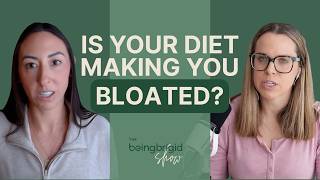
Tara Sandona struggled with chronic fatigue, bloating, and hormonal issues after an extreme bodybuilding diet. Conventional doctors offered no answers, but functional medicine identified gut dysbiosis and inflammation. In the My Food Is Health program, she followed an elimination diet and saw energy return within two weeks, bloating resolve before her wedding, and shifted from restriction to sustainable eating.
Chapters
Today I'm joined by Tara Sandona, one of our incredible My Food Is Health alumni, who is here to share her personal health journey navigating a lot of different symptoms from bloating to hormonal imbalances to chronic fatigue. And we are going to unpack what her journey looked like, how she saw improvements, and some of her key takeaways for anyone else that is on their own health journey. So that you can benefit. Tara, thank you so much for being here.
Thank you, Brigid. I'm excited to be here.
I'm excited to have you. So I'd love to start with the initial shift that you went through, um, even before listing all the symptoms that you were experiencing, but the initial shift of going from your bodybuilding mindset, thinking about food more for aesthetic purposes, and how you shifted that goal prior to coming into My Food Is Health?
Absolutely. So my bodybuilding journey didn't even like fully start with bodybuilding. I was an athlete growing up. I played 16 years of softball. I played D1. So my whole purpose in starting bodybuilding was once I graduated college and softball stopped, I was like, okay, well, now what do I do? Like, I loved being active, but I needed to put my effort and focus into something else. And don't ask me why, but bodybuilding sounded like the next best option. So I jumped in. I didn't even get to go on stage for my very first competition. Actually, like 4 weeks out, I got super sick, um, and I had already been very heavily dieting at that point for probably 16 weeks. And for anyone who's not familiar with bodybuilding, it's very low calorie, very restrictive. I could say that most of my meals were pretty much just tilapia and green beans, like 4 times a day, which it's not fun. So point being is once I got really, really sick, I just kind of realized like this is not for me. But that kind of kickstarted where everything went downhill. I noticed I was, I wasn't diagnosed with it, but almost like binge eating tendencies because of how strictly I was dieting for this competition. So that was an issue, but also I didn't realize how much I was depleting myself of nutrients and just everything that came along with that. It threw my metabolism way off and I would say it took at least a year for me to feel like I kind of got my metabolism back on track. But that alone just kind of kickstarted all of the issues I started noticing with poor food choices, my body not feeling great, and then things just kind of started to escalate on top of that.
And then you said that you had felt like you were feeling not normal, like you were starting to notice all of these symptoms and that you wanted to shift into figuring out how to use food as medicine for these ongoing symptoms that you were experiencing. Can you explain what those key symptoms were?
Yeah, so it was very, very gradual, um, and it was these minor things that didn't seem like a big issue, but once you kind of looked at the grand scheme of things, you realized, okay, maybe there is actually something going on here. So it probably started to take place like throughout my mid to late 20s, early 30s. Um, and it was just these small little things where I would sleep 7 to 9 hours a night, but I'd wake up just feeling just not like I slept that much. Um, especially as someone who prioritizes sleep so much, and I don't really have issues sleeping, thankfully. But I was like, well, why am I starting to get so tired when I know I'm getting the right amount of sleep. Or I started to notice I would start to rely more and more on caffeine when I wasn't intentionally trying to do so. And everyone loves coffee, it tastes great, it's comforting, but I was reaching more and more and more for it where I would realize all of a sudden after so many months, I'm drinking 3, 4, 5 cups of coffee throughout the entire morning and I haven't even touched my Uh, I haven't even touched food and other things like I would work 6 hours and just coming home mid-afternoon and I would have to sit on the couch for hours on end feeling like I'm trying to replenish my energy levels cuz I would just take this massive crash. But I felt like I was trying to do all the things to correct these energy levels, but nothing was coming of it. And like I said, it was very gradual. So this wasn't happening like within weeks on end. It was so slow over time. But by the time I got to my early 30s, it kind of just got to the point where you sit and realize like, I have all of these tiny little things going on, but they're all starting to add up. And I know I don't feel great. And, you know, your early 30s, you should be feeling great, you know, you're in your prime at that time. And I, it was like I was surviving. I was just stuck in survival mode. And I was like, why don't I feel any better than this? I feel like I'm just trying to tackle day after day, worried about how low-level crappy I was feeling, but I could not piece together why all of this was happening.
And then you also started to develop the bloating. When did the bloating start?
So believe it or not, I had had small bouts of the bloating issue throughout my 20s, but it would happen for a week or two and then it would go away and it wouldn't happen again for a year or two. But the issue this time was it came back with a vengeance. I probably had it for probably 6 to 8 months straight. And we're not talking like low-level bloating, we're talking like massive amounts of bloating where honestly it looked like I was 6 or 7 months pregnant when I'm not pregnant. It's very painful. None of your clothes fit. The clothes that do fit, you just feel so uncomfortable because you just feel the wall of your abdomen just pushing into your pants. You can't move, and you know that that's not you. It's just quite literally gas buildup. But no matter what I was going through, like, or trying to fix it food-wise, I couldn't get it under control. And it got to the point where the bloating was happening 24/7. It didn't matter if I ate anything or didn't eat anything. It didn't matter if I ate something not as healthy versus healthy. It never changed. And that's when I started to realize like, okay, maybe I'm starting to actually have a problem here.
And when you were going to doctors, what were they saying?
So I had initially been to my OB-GYN for some hormone testing because I'd always been like irregular hormone-wise ever since I started having periods. They've never been regular. Um, and when I had asked about getting a hormone panel done, they kind of We're just like, oh, we don't need to do that unless it's an issue. For some reason, irregular periods your entire lifetime is not reason enough to get a hormone panel.
Um, yeah.
But even just like some of the other thing, cuz I did bring up the bloating, it was just kind of like, well, make sure you get your fiber in. It's like, you don't understand, I'm having regular bowel movements every single day. This is a problem. I don't understand why the bloating's here if I'm having regular bowel movements. And then that kind of started down the whole rabbit hole of the PCOS diagnosis, but they didn't even give me a straightforward answer on if I actually had it. It was more of a, well, all of your symptoms kind of lead towards this, but it's not a definite yes. And that's the only answer I got. So I really didn't even get any sort of explanation on the bloating. It was just, it was just pushed completely pushed off to the side.
And then they also didn't give you anything to do about it besides eating more fiber.
Correct. Um, and then like I said, the whole hormone thing, like the hormone, the hormone panel, cuz I, I had this feeling it probably had something to do with my hormones because Like I was saying, everything kind of gradually happened over time and the bloating was kind of like the tip of the iceberg for me. So I had already had all of these issues going on for many years prior and most of it was the irregular periods. So when I actually started to look into it, it's kind of like they just did, I would say they dismissed it without formally dismissing it. It was kind of like they left me in this gray area of, well, we kind of helped you a little bit, but we didn't give you any specific, specific explanation as to what actually is going on.
Yeah, which is so common. And you also, I think that it was great that you were proactive and even knowing that you were getting married and that you wanted to be able to start a family in the future and thinking about like, how can I be proactive in addressing these symptoms as signs of hormonal imbalance that could affect me down the road and not getting the answers to your symptoms is hard, but then not getting the answers to help you better understand how to prepare your body, I feel like is even another level of hard.
Yeah, absolutely. And that was one of the main things that kind of drove me down this journey was actually starting to look into my hormones because I knew, okay, marriage is gonna be coming up and I know I'm going to wanna have a family someday. And it was always in the back of my mind like, okay, I don't wanna put this on me, but if conceiving is an issue for me, it might be more likely because of how irregular my periods had always been. So I kind of wanted to get a head start on things and just know that if I do the implementation early, maybe I can bypass, you know, the hardships I may have from going down the same path that I was currently doing. So for me, it was, you know, constantly dealing with the caffeine and caffeine withdrawals and the low energy. I knew some way or another it all had been related in some way or another, and I knew I could fix a lot of this with nutrition. Like, I'm not big on taking medication, and I know I'm like, I'm gonna give it my all trying to fix whatever health issues I'm having food-wise first before I resort to any sort of medication that may be needed. Cuz you know, medication serves a place, but only when you've tried all the other conservative measures first. And that's just something that I feel very passionately about. So I was like, well, I have, you know, at least a year or two to get ready. Let me just take this matter in my own hands and see like, okay, these are the measurements that we're seeing. Tara, this is what you need to do in order to, you know, get on track with optimizing your body for carrying a baby and all this other stuff. But as soon as I went, I got absolutely no answers and then I was kind of just stuck in the same exact place. But then further questioning, well, like, okay, well if the doctors can't tell me what to do, then what actually am I supposed to do?
Yeah, it's a hard feeling of feeling like stuck and confused and just like, where do I go next? And I think, you know, when we, when you had first come in before even doing My Food Is Health, just in looking at the labs that you did have that Michelle was able to highlight, like the combination of the high stress and the inflammation that, you know, may be contributing to nutrient deficiencies and gut dysbiosis, given the symptoms that you were having with the, with the bloating and then also the fatigue and those imbalances likely impacting your hormone imbalances, especially also given that you had the combination of the high cholesterol because of the fact that that could be related to those things and the associated symptoms that you were having hormonally from the fatigue and low sex drive and irregular periods and GI issues and on and on. So I think that being able to connect the dots is something that's so important to say like mechanistically, this is likely why, so that it starts to feel like, oh, maybe I'm not crazy. And that there's a reason for why these things are happening and they may be interconnected.
Absolutely. I come from a medical background, so I like the objective measurements. So it really brings it together for me when I can see, okay, here's what we're seeing in the blood work or any other testing that we had. And for Michelle to sit down and be able to connect quite literally every single symptom that I was experiencing and explain why it's happening. I mean, there were a couple little things going on, but the big driving issue was the inflammation and to kind of see how that affected everything. And then it just became this whole cascade of why I was experiencing all of these symptoms and why slowly over time it just built up and built up and built up. And it explained why, like, it took so long for everything to manifest, but it was happening so slowly that it, it was kind of hard to see as it was happening in the moment. But for someone to sit down and be able to say, this is exactly why it's happening and we can explain it here. And it was just like you said, the mechanism behind everything, it really was just like, oh my gosh, I get it now. Like this all makes sense. And it was very eye-opening. Like for me, I have high cholesterol that runs in my family and I feel like you hear it everywhere. Like, oh, it's genetic and yada, yada, yada. But for whatever reason, like I had so many family members with high cholesterol who were always put on medication that never fixed it. And hearing this explained why I was getting these high cholesterol levels and then it was affecting hormones and everything. It really put into perspective like, oh, so this is why when you're taking the medication to lower your cholesterol, it's not working because that's not the driving factor. That's not the root cause. The root causes this in the systemic inflammation that's going on.
Yeah, there's so many different contributing factors for even, you know, like thyroid issues, I feel like are an unaddressed one as well when it comes to cholesterol because of the impacts that the thyroid can have on cholesterol levels. That if you just take a statin and you're not correcting the thyroid issues, that it doesn't necessarily lead to better outcomes. So I couldn't agree more with that. Can you share then going through My Food Is Health, you came into My Food Is Health and What was your why? What was your main driver for joining the program?
So going off of the dismissal from the doctors about me looking to further my health for my childbearing years, um, there was this immediacy of wanting to get the bloating under control because I was going to be getting married in like a couple of months. Now, when we're talking about the bloating itself, like I was explaining how it was this drastic bloating, it wasn't something like small and minute, it was something that affects like confidence. So not only was I worried about like, oh, am I gonna fit into the dress or anything? Like you wanna feel good on that day. And for me, the bloating also came with intense pain that I could not change. It came with just feeling this general feeling of being like bogged down. It's not like a specific feeling I can give it. It's just you don't feel good, you don't feel great. And I knew that if I wanted to feel good going into my wedding day, I had to get this bloating under control with the long-term goal of me wanting to get ready for, uh, starting a family one day. So it was like the, here, the immediacy, I want the bloating fixed, but I know that I'm also doing this to be able to carry a child one day.
I love it. Okay. And then when you joined My Food Is Health, can you share the progress that you experienced?
Absolutely. So immediately Michelle went over a diet that she believed, based off of my symptoms and all of my testing that was done, that I should take a specific, um, protocol for my diet, which was an elimination diet, which for me, it consisted of gluten-free, dairy-free, low FODMAP, um, which was challenging. But within the first 2 weeks, I immediately started to notice energy levels slowly starting to increase. I'd say that was probably one of the more immediate things that I saw change, but it was after we did the fasting mimicking diet is when everything just kind of kickstarted for me. As soon as we finished that week, I was—
week 3 of the program.
Yeah, it was week 3. So very, very early on, it was like night and day shift where I was waking up, I had no desire for any coffee whatsoever, and I felt like I could go run a marathon every single day. Um, I would get home from work and I would still feel like I need to move my body because I have so much energy. I need to expend it because I don't know how to sit still. It, it was great. And I was able to sustain that throughout the rest of the program. So that was one of like those big things for me. I would say one of the things that I noticed that it wasn't apparent until I looked back on it, like when it was happening, I didn't realize it. But every morning I would wake up with this very, very like low-grade, I guess, like mucus production. You know, you get up in the morning, the first thing you do, well, most people do go to the bathroom. I would always blow my nose and I never thought anything of it. But all of a sudden after that third week, I started waking up and I was like, whoa, I can breathe so easy. Easily out of my nose. It was the weirdest thing, but I was like, oh my gosh, does this mucus production have something to do with like symptoms from the food I'm eating? But it was so small. But as soon as I recognized it and I was like, oh my God, I feel amazing. It was so— I don't know how to explain it, but I didn't even realize I was having it when I actually did have it. It took until all of a sudden it wasn't there and I was like, I didn't even realize this was a symptom. That I had. So even just those—
so common, so common.
Yeah, just those small little things. Like, you have your big things that you pay attention to, but all those small little things add up as well, and it makes it feel like such a big drastic change.
So you had the improvements in the energy, you were able to start like completing tasks later into the day, you didn't have to come home and sleep for hours, which I can imagine is— was game-changing. Your bloating, you posted a picture to our group with a picture of you trying on your wedding dress, and we all died because we were so excited for you because of you saying like how much your bloating had improved. How long did that take?
So the bloating took longer. I was getting a little nervous and I told, I told Michelle many times, I was like, I'm going to trust the process. I'm going to stay consistent with everything. But I kid you not, it took up until basically like a week and a half before the wedding, which to put into perspective, the program ended 2 days before my wedding. So it basically took me all the way up to the wedding. So the week prior is when the bloating came under control. And it's not that it wasn't working, like it, it definitely was. My bloating levels were going down, but I was still very, very sensitive. To any amount of fiber, vegetables. So I had to move very slow with reintroduction of certain foods, as well as the amount of fiber that I was taking in during the day. And then we ended up finding out, it was a bit of trial and error. I was pretty open with Michelle, like I was giving her weekly updates of everything that was happening, and it was a bit of a trial and error time. But we ended up finding out that the amount of food I eat in one sitting actually affected my bloating levels quite a bit. So a lot of times when, um, like we learn about the optimal plate method and having to have like, you know, so many amounts of vegetables within each meal, I actually had to cut that down to even like a quarter to a half of what that serving was because my body just could not tolerate it. Any little change. I was just highly sensitive to it. Um, but I told her I would stay consistent and I did exactly as she said. And one week before the wedding, here we were, like it was under control. I could eat my food and I wasn't feeling anything. Um, but I remember sending that photo too, cuz it was my last fitting before the wedding. And it was one of those feelings of like, you're worried when you go and they zip up the dress because it's so fitted and you're just worried, like, I know there might be like a little bit of bloating here, but is it gonna fit? Is it not? Because there's no give in that dress. So any little bit you're gonna notice it. But it was amazing not only to have that, but on the day of the wedding, just feeling so confident in how I felt because it was this overjoyous feeling of like, it's my wedding day. But it was like, in the last 10 weeks, I've come so far and I stuck it out and I stayed the course and it brought me all the way up until that last week. But I got what I was looking for. And I just knew that I felt this glowing confidence literally that entire day because I was like, I did it. We're here. I'm not thinking twice about what food I'm having. I'm not thinking twice about, you know, should this be something I eat or not because I'm worried about what might happen later. Like I knew heading into that week I was gonna be totally fine. Mm.
I love that so much for you. And cuz it is, it's like when you put in so much work and I don't want it to seem like it's just like the easiest process. I mean, we try to make it as easy as possible, but like you said, you know, different people follow different elimination kind of protocols based on what their needs are because, you know, a lot of functional medicine doctors will recommend elimination diets, but typically it'll be like the same elimination diet for everyone. And so what we really do is based on the symptoms and a number of different factors with your labs. We make recommendations based on what we think is going to help you the most in combination with the right supplements help to be— serve as a catalyst. But there's never a guarantee of how long it'll take someone to improve because it depends on the severity of her symptoms and how long they've been going on and how deep the underlying root causes are, like how severe the gut dysbiosis is and, and other things. So the fact that you stuck it out and trusted the process even when you weren't seeing initial improvements in the bloating, I think is amazing. And sometimes it's like you just have to focus on the other signs that things are going in the right direction, like the improvements in the energy and other things, and knowing that, okay, if I, if I keep going, I'm gonna see these other symptom improvements as well.
Absolutely. Couldn't agree more.
Okay, so tell me how your identity has shifted, and I want you to maybe even share kind of what you had shared before we we got on about how you're feeling post My Food Is Health, because now it's been a year since you, you did My Food Is Health last year. So tell us about the identity shifts that you've experienced.
Absolutely. So I'm someone who loves my sweets. I love anything sweet related, which was one of my biggest challenges going through this program. Um, and the reason I bring this up is because it's part of my identity. Going through my bodybuilding background and coming from a very, very restrictive place in my history, I don't ever want to feel like I'm going back there. It brings back bad memories, bad thoughts of all the just craziness that I put my body and my mind through. So for me, it's really important that I just kind of modify knowing I can have my, my little sweet when I have it, or I can indulge in whatever food it is that I want, but also knowing that I have the discipline to put optimal foods into my body and I have that balance between the two. So right after the wedding, life happens. I'm enjoying wedding bliss and you fall off track. Like, I just wasn't thinking about anything. And to be honest, I was feeling great. My energy levels were good, my bloating was under control. So part of me was like not thinking about what foods am I putting in my body because it wasn't an issue for me at this time. So couple of months kind of went by and I was doing whatever it is that I wanted to do. So long story short, I fell off track and I, over those months, had kind of reverted back to a few of the old habits I was doing prior to starting my Food Is Health. So just the small things like waking up, the first thing I was having and reaching for was caffeine. I'm super sensitive to caffeine in the sense that it really like stunts my appetite. So I wouldn't eat all morning long and then I would get to the afternoon and I'm having my first meal unintentionally. And it wasn't like I was trying to do it on purpose. It just kind of slowly creeps in and does its thing over time. So those were some of the habits that I was starting to creep back into. But with this program, you're going through it and you have the assistance from the entire dietitian team. You have the Community that's always behind you and like cheering you on with all the wins and the struggles that you have. But even when it ends, you still know what to do. So in my case, after so many months of finishing the program and then just kind of going and doing whatever it is that I wanted to do, I started to notice my symptoms were starting to come back. The energy crashes were coming in. I wasn't feeling great throughout the entirety of the day. I was only feeling okay in like the first half of the day, but this program prepared me so well. I know exactly what I need to do to get right back on track. And you know, we still have access to all of the material that we have. Every once in a while I'll find myself opening it up. Looking at it if I forget what I was doing and kind of see, oh, that's right, I can go back to this and try this. I can try to implement this. And slowly but surely over the last, I would say like month and a half, 2 months, I've gotten myself back on track where I'm eating my breakfast first thing in the morning. I'm feeling my energy levels pick back up because I'm doing that. I'm not crashing at the end of the day. I'm not binging at night. It's those little things that all add up. That make me know that, okay, I know what I need to do to keep doing this. And you know what, if I want to have my little sweet treat at night, I know I'm okay to do it because I prepared ahead of time and I set myself up where I had all of my nutritious foods earlier in the day. I can have my little sweet treat at night and that makes me feel like I still have some form of control. And knowing that, like, I don't feel like I'm constantly dieting because it's not a diet, it's a lifestyle change, and you're choosing to do it because you know how amazing you're gonna feel when you make the right choices.
Mm. I could not agree more. So what would you tell someone who's thinking about joining a program like My Food Is Health? What would you recommend based on your experience?
I would say if you have any little inkling of feeling like you should do it or any little bit of curiosity, that's your cue to just do it. I was one of those people actually who was like, oh, should I do it? Should I not? I know everyone thinks about, about the financial piece and it wasn't so much that for me, like I knew going in I'd be willing to pay money to have the knowledge and information that your team provides for my health. Like that's, I'd pay any amount of money for that, but for me, Everyone knows a wedding's expensive, right? And because it kind of lined right up with the wedding, for me it was kind of like, ooh, can I, can I make it happen? Can I not? And I, in the end, chose to do it. I knew I needed to do it, and I have no doubt that I made the right decision. And looking back on it, when I was debating if I should do it or not, I don't even know why I hesitated looking back on it now. It was one of the greatest investments I've ever done. And it's not just something you invest in for a moment in time. It goes back to what I was just explaining about how it gives you the knowledge and it puts the power back in your hands of knowing how you can affect your health in a positive way. And it gives you the tools and the knowledge to take outside of that 10 weeks that you have within the program. It's not something you're paying for, for a 10-week program. It's something you're paying for that's going to affect the rest of your life as long as you're implementing it. And that's one of the biggest things. You give the power back to the individual and teach them you can take your health into your own hands. And to me, that's something that's more priceless than anything.
Mm. Amen. Amen to that. Thank you so much for sharing that, Tara, and thank you for sharing your journey because I know that it's not always easy to talk about these symptoms and to talk about the fact that it hasn't always been perfect, but I think that your vulnerability is going to help so many people. And so I just appreciate you being here. Is there anything else that you want to add before we wrap?
No. If you are someone who is looking into taking your own health into your hands and So if you're kind of in the same situation as I've been and any of this resonates with you, then know that this is one of the best programs you can do to help yourself and give yourself your vitality and all of your health back. Don't even question it, just do it. Mm.
Oh, thank you. Thank you for sharing that and thank you for having so much faith in the process because I, I do think that hearing stories of yours and other alumni are the reason that we keep doing what we do because of how important it is. So I appreciate you sharing this message. Thank you for tuning into the Being Bridget Show, and we'll see you next time.
More from Brigid








She Used to Crash Every Afternoon — Here's What Fixed It | The Wardrobe Consultant
