Outbound Prospecting: Building Relationships Vs Building Pipeline (Webinar - Ep 3)
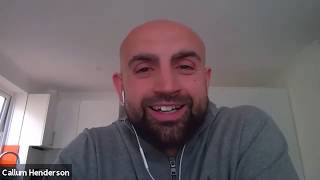
Sales leaders John Dyson, Ben Smith, and Greg Freeman discuss how outbound prospecting changed during remote work, balancing relationship-building with pipeline generation. They share tactics like personalized multi-channel touches, gifting, video messages, and virtual events, plus productivity hacks like standing while calling and targeting early morning or mid-afternoon call windows.
Chapters
Afternoon everyone, thanks once again for being here. Anyone joining for the first time, I think the whole purpose of this hour is just to leave you feeling like it's actually possible to be effective salespeople in the current climate, and I think more importantly to leave you with some actionable takeaways that just make you, at worst, marginally better at prospecting, and I suppose that's just a call to action for the panel today, just to make sure that we try and wrap up some of our points with something where someone can actually take away and put into practice. We do have an agenda and we've definitely got some of our own ideas to guide the conversation, but we absolutely want to answer your questions in real time, so can you make sure that you use the chat feature and send your questions to all panelists and attendees, not just the panelists? Freddie's put a comment in the chat already about that. I think it increases the chances that we might get a bit of excitement going and we absolutely don't just want to sit here and massage everyone's ego and a difference of opinion and approach is absolutely fine from the panel and also in the comments as well. I think just to touch on the agenda for this week, I'm going to introduce the panel, but after that we're talking on the topic of building relationships versus pipeline, and has work from home changed the approach, and is anything different around that headspace? What authority do we have to speak on the topic? I think at EngageTech, we're currently delivering just over 100 fully qualified appointments a week for our clients in the tech sector. We're well aware that there's opportunity out there right now, and, and today we're teaming up with some people from other companies. Firstly, we've got John Dyson. He's VP in the UK for a business called Cyber Reason, previously worked for the likes of HPE, Forcepoint, and Symantec. John, what traits are your highest-performing salespeople displaying right now?
I think the majority of them have gone through peaks and troughs in terms of their attitude, so most are used to working remotely but they've still had to go through that acclimatisation of, you know, we still have to, you know, entry into an opportunity, so it's that relentless approach. They know that they now need to increase their output, you know, so whereas before they may have been focused on 70 to 100 calls, it's now closer to 150 calls, but having to get hold of people, and it's also the human aspect, you know, so a lot of the people that kind of work with me are saying that what they've really had to work on is making it humanised, and differentiating themselves from other people that are relentlessly trying to get hold of the same people. Yeah, so, you know, things have changed, but I would say that the approach, the end goal, has not changed. You know, there are people out there that want to have good conversations, but the topics of those conversations have have really changed, so we've had to change our approach.
Yeah, so people increasing their efforts and output and also doing their best to stand out from the crowd, being unique and authentic.
Yeah, absolutely. You know, the human element is particularly important. There's a lot of people out there that are not used to home working and are really struggling with the mental approach to home working. So it's, you know, it's, you know, we have a, we have a task at hand and that's to, to gain a contact, to gain a meeting, to gain an interaction. But, you know, what we've got to be mindful of is that we're building a relationship at the same time. So, you know, that call might not lead to a meeting straight away, but you can, you can look to build a relationship where a call in a week's time might turn into an opportunity. So, you know, it's really important that we build those relationships over a prolonged period of time too.
Sure. Thanks, John. Next up, we've got Ben Smith. He heads up a business development team for a company called Reachdesk, who specialise in direct marketing and supporting engagement across the sales funnel. Ben, how have you typically been starting net new conversations in the last month?
Yeah, it's a really good question. So I think it's about taking a really targeted approach during this time. So thinking about every conversation that you want to have and understanding where that's coming from. So before we even get into the conversation, I think it's about finding which companies are doing well right now, which companies you can make an impact with. That might be looking at, like, the inbounds which are coming in and then putting together a list of similar companies to really target that way. It might be looking at your existing customers and finding out who are the power users right now. And really speaking to those customers that you have access to, to find out what questions they're asking themselves. Once you then get all that knowledge together and understand what's going on with these people every day, you can then really take a targeted approach. So it might be that you're reacting to triggers a lot more, so looking at new job funding. For us, it's working on sort of events that have been cancelled and seeing how we can target our messaging that way. Then it's about the personalization piece. So reading blog posts which, which these people are putting up, reading what's going on on their Twitter, LinkedIn, even Facebook, understanding their home challenges as well as their business challenges. I think if you're targeting a C-suite person, then you're going to be a lot more business-focused, but if you're targeting from the bottom up as well, then finding out the, the day-to-day issues these people are going through and how you can help them It might be that you go in with a message relating to their hobbies or music or food interests, but it's about starting that conversation, so finding that hook that's really going to relate to them and then solving that business issue that way as well. So I think, you know, a great way to start the conversation is not just through email or phone calls, but opening up all these different channels that you're able to connect with your prospects on is a good way to look at it.
Thanks, Ben. It sounds like kind of preparation in advance is a very good guide for how you could be starting those conversations. Just to move on to our third panel member, we've got Greg Freeman. He's VP of Sales at Monoro Data. I think one of the most interesting things about having Greg on today is that he's started in that job just a day or so ago. There are a lot of salespeople out there, Greg, who will be going into new roles soon, and we know there are some sectors that have been hit hard, like I think that there would be some value for them in understanding what your plan is to start strong in a new role in the, I suppose, in a different kind of climate that maybe you're expecting.
Yeah, I was obviously just saying when we were on the call before, it's a weird one going into a business having never met the founders. Obviously I'm coming in to sit on that board with them and have those conversations, but the power of influence doesn't go out the window when you've never met people in person, but it's obviously harder. We all know that. That's why you'll have a better conversion rate when you do in-person demos than face-to-face. And that's the same actually internally as well. Like there's battles that you can't take on right now because you've never met those people to influence them. So that's the first thing that's been really interesting. The first thing I've done is I've led in a rebrand, which isn't something everyone's going to be able to do when they go into a new company, but the company brand will be changing. But I think outside of your typical 30, 60 90-day plan, which everyone should be made to do almost by their managers and by the execs. That's the high-level stuff. 5 things that I think is really super important every time I go into a new role. So the first is the foundational work. So working out what messaging has worked and hasn't worked. You can do that in the obvious way, which is if you've got SDRs, AEs who are currently successful, Speak to them. The next is to speak to current clients. So do ask them the tough questions. It's not all about, oh, like, what do you like about the product? What do you like about the brand? What do you like about the company? Ask them what they don't like. It's quite good from a— it's quite an opportunity for StartUp to get the key almost CS data that you might need. Like, you might find that customers aren't as solid and sticky as you thought they were, all that kind of stuff. But also it shapes how they want that journey to look. You need to nail a niche. I think whether you're coming in as an SDR, an AE, or a VP, it doesn't really matter. You've got to work out a very quick way of learning to be good within a particular space or a particular vertical or particular group of people, because that's going to be the quickest way that it starts to snowball. So get, get focused early on, on just a pocket of people, a pocket of account types that you can learn the software, learn the product through. Those is probably the best way of doing it. And then obviously you can expand out to other, other verticals. A big one for me, and I'll probably end up talking about this a little bit later with the importance of relationships, is to build relationships within the wider ecosystem. I think it's something that a lot of people, especially when they're new to SDR and new to AE, and they don't do as well as they could. So find people who are like them and build those relationships, not only with customers or prospects, but other people who can help you within, within the wider ecosystem. And then obviously you need to plan and map your accounts, and that's going to be a really big one, and you're Work out what those accounts look like, who the champions are, who the DMs are, etc. But yeah, I think, I think there's, there's a few things there that you can just do as soon as you start any job that are going to add value and hopefully help you pick up the software quicker, but also help you build all sorts of relationships quicker.
Sure, thanks very much for that, Greg. I'm sure there's plenty of people that will take some, take some value from, from that. One that I hadn't considered before was, yeah, focusing on a particular sector to really kick things off. I think that's That's a really good one. Just rolling into the agenda for today, we've got a kind of balance that maybe needs to be found between generating pipeline and purely starting relationships. One thing that I've seen as a throwaway comment on a lot of conversations around just selling right now is the word empathy, and something which I've probably been guilty of using myself, but I think that we needed to sell with empathy before and we still do now, but what does that actually mean? And yeah, John, I think you kind of alluded a little bit to this when you were introducing yourself earlier, what does selling with empathy mean to you?
I think to me it's, we have to be cognizant of just the kind of the situation the people that we're trying to reach or that we are reaching are in, first and foremost. You don't know that they could be in a challenging situation where they're away from their loved ones. I mean, we— I can give you a point of reference. We've got a prospect that his wife is having their first child, and he's working from home because he can't go to the hospital. And they've got a video link so that, you know, he can still be there, but he's not allowed in the hospital because, you know, obviously the situation, which I found a little bit, you know, a little bit crazy. But, you know, it just gives you an example of kind of a thought process or a situation that people are working through as well as with their modern, their working life. So I think it's really important to tread carefully, but equally, you know, some people like that, that a good solid conversation that's well based. So I think it was both Ben and Greg alluded to this, that, you know, do your research, don't just call up and, you know, look to push something that, you know, because we're looking to hit that end goal, it's more important than ever to to go with something that's conversational, you know. So what I try and get the team to do that I work with is don't just talk about things that are happening in the industry, try and stay away from the whole COVID kind of opinion, you know, have something else to talk about that we're either seeing or that's happening to you individually, what you've read, I've noticed that a lot of customers or prospects are doing a lot more online courses and a lot more reading. So, you know, it's just really having that empathy to build that relationship and not just straight into, you know, the reason for the call. Just to give you an idea as well, I did ask a customer how many calls they were taking in one day and one customer had had over 1,000 calls, individual calls to their mobile in a day. It was an insane number. And, you know, so they're even getting to the point now where they're looking to take their mobile and forward it or, you know, look at different ways that they communicate within their business. So, yeah. We have to be cognizant of that.
Does that change your expectation on salespeople to sell, the fact that they need to be more aware? Like, for you, has that changed the dynamic, or is it just you still expect them to do that, but they just need to do it better because they need to be more aware of the situation?
We have, like, I would say that we've got 4 or 5 approaches. So one is Obviously, we use EngageTech to do some proactive calling through what we would call warm data, but also we use, we use your data. We have another approach, which is we're sending out things like care packs or Kindle vouchers, or, you know, we're emailing things out to the customer, trying to provoke the customer or the prospects to inward-bound callers, and it's been pretty successful in that most people are either actively calling us to thank us for the gift and, you know, will then entertain a conversation, and we've probably seen— we wouldn't normally do that, but we've probably seen around about a 30 to 40% increase in the number of people inbound that are calling us, Working with partners. So, you know, obviously as a vendor, we, we work, we have a strong partner network. So we're spending a lot of time working with our partners, trying to understand their customers and using their expertise and their reach because they can have a more varied conversation. And then the final one is looking at how we can add value back into the market that's not just about Talking about what we do, so two of the things that we do is one, we've been putting golf lessons on for prospects and customers, which we've had 500-600 people attending across all our potential touch points, and then the other one, we've been putting comedy acts on. So on a Friday, we have half an hour, 45 minutes of different comedic acts, and that's more about generating association to our brand, so there's nothing about what we do as a company, it's more about, you know, giving something back, and then when you put all that together, hopefully you start to generate more kind of association with the brand, and, you know, it's less aggressive, in-your-face sales approach.
Yeah, thanks, John. I think that ties in quite closely with what the thought process is at Reachdesk, Ben, I'd imagine, and there are probably some parts of what John described which is very much in line with how you support companies. So how have you seen businesses use your services to support that kind of empathetic approach?
Yeah, so I think with empathy, you just really have to understand the situation of that person you're trying to have the conversation with. Which it can be quite hard. So, you know, doing your research on LinkedIn, if you see that somebody's got some children, you can probably understand that their workday is quite a challenge right now. You know, imagine trying to be in the office with children running around everywhere. It's quite hectic. So how can you earn your right to have that conversation when they're busy? Like, they're busier than they've ever been. So sending them something like a a lunch voucher saying, "I know you're really busy, I just want to help you take one thing off your to-do list, here's some lunch on me." It's a really good way to earn that right to a conversation. It sparks their interest, you're giving them a deposit and giving them something before even asking for something. In that e-gift card, in that voucher, you can then put some blog content or a message that is really going to help them with their business needs as well, so you're tying in You're getting them hooked with something which is fixing their day-to-day problems, but then you're also giving them something which can help with their business needs as well. And I think if you understand as much as you can what's going on in terms of business needs, so really doing your homework on what different personas are focusing on right now, so as we said, like talking to your existing customers, it really helps you to be specific in that content that you're pushing forward to them and that message you're getting across. And it might take 5 different messages before one of them resonates with them and really answers a question that they're currently asking. So find out what those questions are that they're asking themselves, and then make deposits to help them answer those questions. So that's how then you can sort of build on that empathy approach, I think. Sure.
Greg, I saw you nodding at the golf lessons there.
I think it's a great idea. Why the hell not, eh? You may as well. I think that's probably the— it's not necessarily on the empathy point, but something that I have seen being done across the market with companies that I'd consider good companies who are doing things in the right way is finding outside, out-of-the-box type ways to do it. I think what it has done a really good job of this whole situation is make people get creative, sit down and think, what can we do that we would never have normally done? And John's gone as far as obviously the golf lessons and the comedy, but equally actually is also using the idea of gifting, which is a common, becoming a more commonplace SDR and AE function, but actually it's this situation which has driven that, like driven that company to use it, which is fantastic. Looks like it's working. And I think at my old company, just before I left, we decided that we were going to offer what is in essence a freemium model for this period and see how that goes. And that's obviously something that you can then move ahead. And that was with the empathy of what are— particularly selling into recruitment previously— what are people struggling with? Time, money, and managing people remotely. So if you give them something that's useful for free and helps them manage people remotely, It is showing empathy, but it's kind of targeted empathy because I think that's the, that's the key to anything in sales, right? You've got to be adding value. Like, people confuse rapport with, um, like how to build rapport. I think something that people get quite confused on, like nobody wants a phone call. We've all got enough friends, right? If we wanted people to ring us and talk to us about football, we'd bring one of our mates. So it is, it's getting creative and thinking outside the box, but in a way that still adds professional value to that person and still adds value to their day job and making their lives easier. And stuff like comedy is fantastic. It adds to their personal life as well. But ultimately, the gifting side of things does— and the freemium version of the software is a really good way of showing empathy with their current professional situation whilst also making sure it's adding professional value and not necessarily just trying to put an arm around them because we've all got people to put arms around us. So, and we also should carry on selling and there's obviously different creative ways of carrying on selling, but, and those sound like some really good ones to be fair.
Yeah, I think that the points for me to take out what you guys have said is that there's definitely a part of this where if you can help someone, that's going to probably put you higher in the list in terms of them taking your your cold outbound approach. Agree, Greg, if you can make that helping them professionally, it puts you more in a position as like a strategic advisor. Yeah, but I would say that salespeople out there really should not be using this 'take an empathetic approach to sales' as a ticket to not sell right now. Like, there's— there is selling with empathy, which is important, but like, the fundamentals of every activity that people need to be doing is like, the end goal is a sale still. and it's really important that it doesn't become, at least from my perspective, a ticket where everyone just suddenly becomes really blunt and isn't moving anything through the funnel just because they, they just want to kind of preserve, preserve relationships. Which actually just leads me on to the next question. I'll stick with you on this, Greg. Another thing I've seen is people are kind of talking about, I'm building relationships for when this is over. One of the things for me is I don't really think it's clear when this is going to be over. Even if the kind of work from home stuff lifts, we may well be in a pretty tricky economy after that. What are your views on that mindset, Greg?
Yeah, I think you're right, we don't know when this is going to be over. I mean, the way that this has been handled, this is going to do two things, right? So there's going to be the political and the medical shift towards everyone can go back to work, but equally there is going to be this element of, is there a point in us all going back to an office? Is this the new normal? And of course there is, and there will be a transition back to the old normal, but we are going to have to get used to this and finding different ways to contact people because they are going to be spending more time at home. But I think the big thing with what you said about not dropping off from selling and linking to the whole empathy pieces. There are certain areas of industry right now which are flourishing, and I think it's all about who, who your audience is, knowing your audience, knowing your market, knowing what's happened in it. I saw a really good list actually that someone had done the work that we all probably should have done when this happened, which was to literally break every vertical down into a scoring system and go, who's succeeding right now? Who's failing? Let's make sure we're speaking to the ones that were scoring as a 1 and not speaking to those who are 5. So examples of that were the ones were things like medical devices, pharma, supermarkets. There must be mid-sized supermarket chains who've got massive logistical nightmares that they've never had before. So if I'm selling into them, I can be selling constantly and all the way through to your bottom end, which is your leisure, your hospitality and recruitment, who are obviously suffering massively at the moment. So your approach has to be about who you're selling to and if you It's again, it's another really good opportunity to pivot and you may be pivoting based on what the new normal is going to be. If your software and your product development doesn't align with the future world as we're going to see it, then you probably need to be engaging your product team, engaging your marketing team and saying, how are we pivoting as a whole business, not just me as a salesperson, because I can go out and I can speak to a different vertical, 'But if the product doesn't align with the success in that vertical, if the marketing messaging isn't aligning with the success in that vertical, that isn't going to be successful for me as a salesperson.' So make sure that you speak into the group around you, and as you are driving these outside-of-the-box ideas, make sure they align with what everyone else is thinking, because that's how you're going to be a success as a salesperson and therefore making the business more successful off the back of that.
Yep, sure, and I think that that's so important for, for people in sales development on this call to take note of, which is right now, uh, there are still companies out there who are profitable, who have probably seen some benefit from the current climate in a professional sense, and are very much worth prospecting into in the here and now. And if you're looking for a better way, a better way to target potential customers and actually sell right now rather than just build relationships for when this is over. Focus on those industries.
I also think it's a good time to be talking to those people that are in those industries that aren't doing so well right now. If somebody has been unfortunately let go from a company, then they're going to have another job in the future. So, you know, as sad as it is, they probably do have a bit more spare time on their hands. So if you're looking to build those relationships for the future, I think it's still important to engage with these people and have those conversations with them as well, because if you can still solve a problem that they faced in the past and are likely to have in the future as well, and you can help them out in some way with starting that conversation, then I think that's a really good way to build that relationship up.
Great, Ben. I just want to jump into a couple of different questions which have been thrown by people when they were registering and also in the comments so far. I have a quick question: if SDRs are going to use telemarketing as an approach to book appointments, aren't they being met with potential prospects' voicemails since majority of people are now working from home, and how would you solve that, solve that situation? John, how have you found people on your team in terms of telemarketing speaking to or hitting voicemails? How would you typically approach that?
It's a real challenge, that whole situation. I think that you've got to get the balancing act right between, you know, you want to leave a message, but I guess I can only talk about our experience. So my team don't leave a message unless they've already got a pre-existing existing contact or relationship with the individual. The reason for that is that what we're typically finding is that, and we've tested this with existing customers, is that they're not listening to their voicemails, they're working off WhatsApp, they're working off Slack or different communication methods, so they know if it's a voicemail that's been left it's typically not someone from the business. So they've moved their communication method. So I just think that, you know, our experience has been a negative one. So we would have that individual down and we would look to recall that individual within a usual process. What we've also tried is where we're hitting voicemails is that we've tried a different mechanism, a different medium. So we may send an email to that individual, or we might use one of the other processes that I talked about earlier. So we might put them on— one of the ones I've seen is sending a speedboat out without the remote control and, you know, using that as a way to get people to phone back. It's an interesting one, but you know, quite— it's got a 50% hit rate within our business. We've seen it with things like, I don't know, anything remote-controlled basically, and it's cheap, it's effective, and actually, you know, it's a good way of— most people are at home with kids, have got kids, and, you know, they really do appreciate, you know, some some free stuff for the kids to play with, but yeah, so we do try different mechanisms, but we try and stay away from leaving a voicemail.
I think on that point, it would be very unlikely, I think, that a prospect would listen to your voicemail as a cold interaction and then think to themselves, I'm gonna now pick the phone up and call this individual back. And so if you are gonna leave a voicemail, I would definitely be accompanying it with contact on another platform, whether that's an email or a message on LinkedIn. Greg, you're out there, I don't know if there was something you wanted to—
Yeah, so interestingly, I quite like voicemail, and it's a debate that I constantly have, and it isn't to get a call, it isn't to get a callback, it never is. And I think the original question that was put into the panel, I think it was from Amigo, that's a data thing realistically. Like what he's obviously describing there is if you're calling office phones and they're not being forwarded through, if you've got a decent data provider, whether it's a Cognizant, a Lush, or a LeadIQ, whoever it might be, you should be phoning mobiles. And when I say I like voicemails, I tend to only like them when I'm phoning mobiles, but I don't see them as a way of getting a callback. It happens one in a thousand times and it's the best moment ever when it does happen. And that's when you've like kind of nailed your pitch. But I think what I've always found is is a decent additional touchpoint. And like John says there, you've got to build it into a wider plan, but at least when that person goes, I've very often had, oh yeah, you left me a voicemail, didn't you? And I'm like, yeah, I wasn't expecting you to call me back, but I'm glad that you remember that, and I'm glad it gives you a bit of context about why I'm calling you again. So I actually do quite like voicemails, but very much as a touchpoint where I'm not expecting come back on it, rather than, oh, if it doesn't, if I don't get a call back, I fail kind of thing. It's very much a a brand awareness, personal recognition piece rather than a callback requirement.
Yeah, agreed. Ben, have you, have you seen much of a shift in like the time of day that you're, um, that you're getting people on the, on the phone or contacting them? Because that was something that, uh, someone put in, uh, in the form when they registered for this, which is, yeah, what are the best times of day to prospect?
Yeah, I mean, for me, I, I've been struggling, to be honest, to get people on the phones, um, even with having direct dials, I think people are just inundated with phone calls right now. And I think most people— I know when I look at my work process, I'm in front of my laptop all day, like this is where I'm kind of hanging out. So previously to all this, the most success I had when targeting the C-level decision makers was always early in the morning, so sort of from 8 o'clock till 9 o'clock. That's when I would like to get all my calls done, and then around 3 o'clock was typically good as well. So, you know, I think just think about your day-to-day and your processes, like when are your quiet periods where you're not writing emails or you're not doing all of your tasks, and that's probably the way to look at it right now.
Yeah, I think from an EngageTech perspective, we've pretty much built an entire company around cold calling and knowing like the best times of day to get people on the phone. We know that there's definitely like a little lift around 2 PM, just like a, it's a pretty random like pocket where you can get people, but our entire working day is built around two periods. One is start, so 8:15 until 10:30, and then a second period from 4 until close of play, 5:30, 6, you can definitely still get people. And that in both of those periods, what we focus on is a very clear objective, which is there are no other activities that are in play and all you're doing is picking up the phone and outbound prospecting. And one thing I would, I would say to just everyone here is that it doesn't get easier in this situation that we're in. And so what that means is if you were making 100 calls previously to see success, maybe now it needs to be 200. And I think that's something which we, we don't, I don't think you can afford to kind of shy away from. But I know for me personally, now from working from home, I'm probably at my computer working 7:30-ish, where previously that might have been 8:00, 8:15. And I think there have been many nights where I had a little bit of a break at 5 o'clock, but you come back to your computer and might still be there at 7. And so what I would say is certainly don't be afraid to prospect outside of those immediate working hours. I think you once in a while might be better by— if you're calling someone at 7, 7:30 on their mobile, I'd maybe say that's a bit late, but certainly the hours have opened up. And we've got a data scientist where we've seen that they've done some work on our CRM and across our entire company, people are a lot more active across a wider spread of hours than they were previously.
LinkedIn's great out of hours as well. LinkedIn's always my go-to kind of post 6:30, 7 PM. If you just want to have a quality conversation with someone via Messenger, then that tends to always be the best time for the LinkedIn side of things in my experience.
Greg, just on that, like, how do you typically position that kind of a conversation? Like, is LinkedIn better for a kind of short one or two line message? Do you put almost like email size content in there? Like, how do you start those conversations?
So actually my most successful channel ever is a single message which has a swear word in, basically has emojis in and is a joke to start a conversation. I hate traditional selling, if I'm honest. I hate bullet points. I hate long text. I hate everything about traditional selling. And if you, if you, yeah, if I ever send you something with bullet points, it means I've got desperate. So just, and there's some really good resources for helping you get more creative on, on your copy. And I don't know if you've heard of a group called, well, a group on Facebook called Charm Offensive. If you search Charm Offensive, it's a guy who basically made all his money from writing clever emails and clever social messages. So that's well worth looking at. Yeah, so I tend to— it is a pitch, probably, if I'm honest, but it's a very jokey, very human pitch. And if you— it tends to be the kind of thing where people go, oh, I never respond to LinkedIn messages, but this is funny, fair play to you. And at least if they've responded, then you can have a bit more of a conversation with them. Because all you're ever looking for is that engagement, isn't it? That first acknowledgement of your existence in a way, and you can go from there. So yeah, with people that I've been— with people that I'm cold to, it will be something quite jovial, something quite charm offensive. If it's somebody that I've been engaging with, whether it's liking content, commenting content, etc., it'll probably reference that directly over time, and that will be when I really try and take that conversation from I'm liking your content, I'm commenting, to right now I'm gonna pitch you, and it's not gonna be a direct direct pitch, but this is what I want to talk about. Let's get, let's get down to business kind of thing. So yeah, that's, that's probably the two ways I do it depending on whether it's cold or someone I've been engaging with.
So you will actively make a transition from this has been like fun having a jovial chat to like, and then you'll say like, now onto what I want to speak to you about. Is that?
Yeah.
I mean, ultimately, again, I'm not here to make friends, am I?
Really?
That's the reality of it. Like I like to be liked and I like people to like me and that's a big part of sales and people don't buy people, they buy expertise. And that kind of thing is all part of that conversation. But I am there. If I feel like I've got something that can help you and something that can benefit you professionally, something that can benefit your business, that is ultimately what I want to talk about, whether I've been engaging and adding value to you for ages, that is what I'm getting to. So why be shy about that? Like, we are all salespeople. We are all here to sell, to sell. However we do that, whether it's a trusted advisor or whether it's terrible traditional sales, it's up to you. But like, we're not here to make friends kind of thing. So let's add value, let's have good conversations, but let's talk about the things that's going to add value to each other professionally in the long run, which is whatever we have to help each other with.
Sure. I think that's like really important for people to take away, which is just that like you're someone that has seen good experience from striking up something which is jovial, fun, etc., but then there isn't necessarily any fear around then moving that on to this is why I'm speaking to you and this is what the topic is around and You obviously haven't had major pushbacks on people responding in two different ways.
Every now and again.
As well, yeah, exactly.
Every now and again I get a middle finger, but it's fine. That's just emoji, right?
So, of course.
But no, yeah, no, people get it. People get it at the end of the day, I think, in a lot of cases. And they like the fact that you've taken a different approach because you could have just sent them 5 bullet points about how great your product is that they'll never actually look at and they'll wonder why they're actually connected with you. At least if you've made them smile, made them laugh, and then you're talking, it's It's a bit of a personal value add as well.
For sure. Thanks, Greg. John, do you encourage your individual salespeople, whether they're in sales development or beyond that, like focus on their own bespoke messaging, or is there quite a clear kind of playbook that you roll out across the company? Pros and cons of both from your perspective?
Yeah, so we do, we actually do both. So I think that you've got to kind of have a, you know, you, not uniforms, but you have to have a core message, an elevator pitch, you know, what's, what you're trying to get across to, you know, that prospect within the first 30 seconds of the call. I mean, ultimately that's going to decide whether or not that person just says no and hangs up or you know, will entertain a conversation. So we have, you know, a very similar elevator pitch that people will make their own, and then it's really down to different individuals and using their expertise in different sectors. So, you know, the people that work with me typically have a sector that they'll focus on, So they'll spend the day, and it may be just utilities, and they'll hone their pitch around what are the advantages of using our technology for that particular sector. So, you know, have something that's, you know, specific to a particular market, which for our technology, there are some uniform advantages across all sectors, but there are some particular particular points that only apply to certain sectors. So, you know, we make sure that we don't cookie-cutter everything across the board, that we tailor it per individual or per sector that we're trying to target. And I think it's important as well, particularly with trying to keep your own sanity, that you add you know, you have fun with it. You get, you know, we're all used to working in environments where people are doing similar sort of things around us, and it kind of helps you with your motivation. So when you're at home on your own, is, you know, so what I try and get the guys to do is, or the team to do, is to take regular breaks and look to, you know, I like the call selling time. We start at 8:30, we have a— we then work through to around about 11, and then the guys have a little bit of time off because we're finding across lunch hours it's more optimum. So I like the guys to have a break around about 11 because between 12 and 1 we're finding that we're getting hold of people a lot more regularly. Or between 12 and 2. So we're varying the hours that we're working, we're not keeping that rigid, and we're just seeing what's working and what's not. And we're asking for opinion from people that we end up having conversations with, what's work, you know, what they've seen, what's good and bad. Yeah, I don't think there's a tried and tested method. You've got to keep, you know, evolving I think, you know, the panel have— I've certainly picked up some good ideas from the panel today as well.
Thanks, John. And Ben, obviously you're probably doing this day to day, like feet on the ground more so. For you, do you find that you like the freedom of prospecting in a personalized way for you, or do you have a playbook that you follow? How does that work at Reachdesk?
Yeah, I think it's important to recognize everyone's individual strengths. I've got a BDR, Nabila, and she's really great at creative writing, so she can whip out some, like, really fun poems to prospects, all about Reachdesk and how we can, like, help with their direct mail needs and stuff. But it's just so funny and so light-hearted, and I think if you've got BDRs in your team that have these skills, then they should be able to use it freely, especially now when there's so much doom and gloom in these messages. Like, I don't want to read a message or an email that's starting with COVID-19, like, I know it's about— like, I'm bored of it. Like, if you can prospect me with something a bit fun, bit of humor, then I'm way more involved. Like, that to me is cutting through the noise. So I think there needs— like, cadences are still really important and going through those processes, but those out-of-cadence actions where it's like a LinkedIn voice note or video message, or if you're sending a Vidyard for example, like, they're really great channels to be using, and you can bring your personality into those channels because it's a lot more face-to-face than what it is just over a cadence.
Yeah, I think that backs up, like, something that John said earlier as well, which is that the salespeople right now for him that are showing the best results are the ones that are working hardest and the ones that are standing out. And I know that a short poem would stand out a lot more than the 4 or 5 lines, standard format email that probably comes into my inbox 50+ times a day. I just wanted to move on to another question that came through. Biggest objection now is it's not a good time because of COVID What, what can you do about this, this objection? I wouldn't mind just kicking a discussion off. I've always been of the view that if someone gives you an objection them within the first 10 to 15 seconds of the call or conversation that you're having with them, it's highly likely that you have identified yourself as a cold caller or not done an amazing job in the first 10 to 15 seconds. And the reason why I would say that is I know some people who are amazing at cold calling, and it's not luck, and they are very rarely handed an objection within the first 10 to 15 seconds of the call. I think Personally, you have to be willing to handle those objections quite early, and, you know, if they do come at you, be prepared to handle 2 or 3 before the conversation actually ends and be prepared for it. But I would, if you're facing that objection consistently, probably look at what are the things that you're doing in the first 10 to 15 seconds which you could improve on to avoid that objection and The COVID one right now, there are some people that are definitely going to be using it with good reason. There are also others— if you're getting 1,000 calls a day, as the customer that John referenced earlier, you're going to get pretty good at getting off the phone quickly. And that is going to come through generic objections, and COVID is the flavour of the month, maybe the flavour of the quarter, maybe flavour of the year, I'm not sure. But the point is, go back to what you've done on the call. Did you say, is that someone? And that probably identifies yourself as a cold caller straight away. If you're making 100+ cold calls a day, there are probably periods where you drift off, you might not be ready for the call, and it's all about, I think, bringing the right energy to the conversation to make sure that you don't identify yourself as a cold caller. A couple of additional tips on that which I've seen work well: if you are going through periods of outbound prospecting, try and stand up rather than be sat down, and the body language change can really impact how you speak on on the calls. And another thing for me would be to introduce a mirror to your workplace. Typically, if you're going through periods of not being successful and you look in the mirror, you're not going to like what's looking back at you, and you can use that mirror to guide your body language, smiling, those kinds of things can really have an impact. Greg, I noticed you jumped off mute there. Did you have something you wanted to say on the topic of the COVID objection?
Yeah, but more, more in a context of what you just said, which is obviously, yeah, if you get an objection early, I think the thing with an objection early is that nobody's like, they've not even thought about the objection in reality. They have objected because you're a cold caller. But what we've got to remember is there's nothing wrong with being a cold caller. There's something wrong with being a bad cold caller. So I can't remember, somebody on the chat, I think it was Varun, just said like, what are different things that you can try? So I'm sure most people listening have tried this, but telling people that you're a cold caller, like one of my favourite lines is, look, Callum Henderson, this is a cold call. You ain't receiving them, I ain't making them, but give me 30 seconds and we can get through this kind of thing. Like it's just stuff like that. You're not going to get an objection because they're shocked that you've told them that you are cold calling them in reality, because you can call it whatever you like, right? You can call it a smart call, you can call it call, you can call it a cold call, but ultimately if they've never heard from you before and they pick up the phone to you, there's never a good time for that. If there was, they'd have put some time in their diary for it. So it is about how you deal with that first 15 to 30 seconds. And I'm finding increasingly the best way to differentiate yourself as a cold caller is to tell people you're a cold caller and be more transparent about it and just be like, look, I've got 90 seconds where I can really try and add value to you in a way we add value to other people. You'll either like it or you'll hate it and we'll either stop talking or we'll carry on talking. Like, different ways of doing that tends to be the best way to avoid any kind of objection. And the COVID one's just like you say, the flavour of the month in reality. So there's never a good time to receive a cold call. There's never a good time to do business unless it's something that you already knew you needed. So just find ways to make sure they're not throwing that at you straight away.
For sure, and I think on your point, it doesn't matter if the outcome is that we don't end up doing business or we don't end up meeting or we don't end up progressing the conversation. Always trying to say to people when they first join EngageTech and embark on a sales development career, in sales development particularly, you need to get comfortable with like 3 to 5% success rates being you doing a good job, and it doesn't get much better once you're in fully fledged, you know, like kind of closing roles, but But, you know, it doesn't necessarily— you can't put the phone down and think this doesn't work if you've only made 10 calls this morning. And there needs to be an element where you're willing to kind of persevere. What's your process for prioritising and organising leads at the moment? John, any input on that?
Thanks, Daniel, for the question. It's something I've just been doing this morning, to be honest. For us, it's the natural thing to do is to get drawn to what we would think is a really hot lead, and that could be, you know, somebody looking to download our software or is interacting with our website. But really, I think I was going to say this a second ago, it comes down to mentality, comes down to how you're thinking about, you know, what you're doing every day. So you're looking at your lead queue, it's looking at the type of the organisation, are they a good fit? And we've mentioned this earlier about sectors, I believe that more than ever that's important. I didn't used to believe that it was important because I think you can, you should be able to sell to any sector, but it is really important right now. So it's looking at, you know, what's the quality of that lead? Is it somebody that's touching the website, that's just looking to download information? People are doing a lot more research these days, so, you know, they're downloading white papers, they're interacting with your website, maybe just for personal interest. So I think for me, it's part of the armoury, And to give you an idea, we've seen a 100% uplift of people touching our website in the, in the last 6 weeks. You know, we've seen a huge, huge increase in the number of people that are actively going and downloading white papers, looking at blogs, that are, you know, looking at doing research to you know, whereas before people were picking up the phone and wanting to speak to an individual. So it's understanding, you know, how to work through that data and, you know, what— when you're touching that individual, making sure that you've looked at all the data that you've collected and you've got something that applies to that particular bit of investigation that that customer's done. I don't think—
John, if I could, sorry, just on the point that you raised there about someone maybe being a little bit more motivated to research rather than just speak to someone who might be looking to sell to them. What do you think the driver is behind that?
For me, you know, there's always things that are happening within organizations which become a distraction. I think there's less distractions, you know, working from home. I think about myself, is that I'm working longer hours but I'm less distracted, I'm not getting drawn into water cooler conversations, you know, people stealing my time. I'll be honest, you know, when I sit in the office, people do drive-bys and will steal an hour, half an hour, whatever it is of my time. So people have actually got more time to be more effective, and I think that people are spending time researching what they're trying to deliver, maybe not immediately, but they've got more time to plan. And we're actually starting to see that data coming through. I think it takes a little bit of time to filter through, but we're seeing that across the globe, that is uniform across our entire business. So, you know, I think the lack of traveling time that people are now having, I think people are still working the hours, so you mentioned about starting at half 7, I think most people are starting at that time, most people are having a more flexible working day, but are working longer. So, you know, for me it's knowing what communication method to send and when. LinkedIn's a great mechanism to use. But I think we have to be very careful. I probably get around about 60 recruitment LinkedIn messages a day, which is, you know, it just loses its message. So it's back to making sure that you're using all the different touch points to have a good valid reason to contact the individual, is what I would say. Is what was working for us anyway.
Okay, and for yourself, Ben, how have you been prioritising?
I think with prioritising, organising, a lot of, a lot of BDRs I speak to, they focus and are so bogged down with that worry of hitting the monthly target. Something that I try and do with my team is just, just focusing on the day. Like, if you've got a target of 20, so you need to be at one meeting a day or one opportunity a day, like, how are you going to get that one opportunity So looking at the good conversations you're having and the positive conversations, you can use LinkedIn's Sales Nav and do similar searches. So all that information you already have about that persona and that specific person is going to be quite relatable to another person who has a similar job title or in the same industry, whatever it is. So use the knowledge that you have at hand and really apply that to the conversations that you have with, with other people and just really focus on on getting through each day rather than worrying about the month during this time.
Yep, for sure. Thanks, Ben. Greg, just one final question for you before I just wrap up. For you, are there any kind of top tips that you'd offer for building relationships in the current climate? Maybe once you're through the initial thing that you spoke about earlier with the humorous approach on LinkedIn, once you actually get into a dialogue with someone, how are you becoming a strategic advisor? Building a relationship with them?
I mean, it's all about at the moment, who has— so the most likely way of driving relationship and driving sale is finding immediate pain, right? So this new situation, the new world, the new challenges outside of a very few, like small handful of businesses who may have just been completely decimated by the situation, situation, which is another level of pain, which obviously isn't going to be positive right now. The new situation has created immediate pain, or at least short to medium-term pain and future pain for everybody in certain ways. So I think it's about understanding how you add value to that immediate pain now. And it's working out— and that's what I'd say on the last question, how am I prioritising organising my leads? I'm working out what immediate pain has now been created for people who may have been my prospects already. And that's what I'm trying to talk to them about. And that's what I'm trying to help them with. And it's all, it's that thing of Glen Gary, Glen Ross, always be closing is now ABH, always be helping, isn't it? And I think that is 100% true. Like you should always be looking to help and that's why you will be a better salesperson versus the masses. So yeah, when you're prioritising and organising the leads and when you're thinking about how to build relationships now, work out where the new immediate pain is within your prospect base and really try and engage those people on that.
Yeah, I think that's a good point, which is just that everyone is going through some kind of adjustment or is facing some challenges at the moment, and if you can work out what they are, then you're going to be in a better position to support that organisation. I'm just conscious we've got a minute left, just wanted to wrap up on some of the headline points. I think for John, it's agents that are outputting more on a day-to-day basis and also willing to stand out, and while everyone's zigging, they're zagging. And I think if you look at what Greg said about his kind of humorous approach and ability to just stand out from the crowd. I think you kind of really backed that up, and Ben referenced the poems as well. I think it's just a lack of fear around just being authentic and being yourself and just trying to do something slightly different is really important, and don't conform to type. I think creative ideas around supporting your outreach with things like Well, if you've got the benefit of being able to offer golf lessons, at the lower end, maybe lunch for someone just to take the strain off. They should be considered. And certainly when it comes to the prospecting, right time of day is important, and pick the platform. You know, it might be LinkedIn later in the evening, definitely cold calling at certain points in the day, early and late would be the EngageTech view on that. Thanks very much to everyone who joined on the panel and everyone who gave up their time to be here today. We will be posting a recording out on the EngageTech LinkedIn and speak to all of you soon. Thanks everyone.
Thanks so much.
Bye now.
More from Callum
Filling Up The Funnel With Outbound Prospecting - Data, The Good, The Bad & The Ugly

Outbound Prospecting: Is Calling Still the Best Way to Reach Someone & How Can You Stand Out?
Outbound Prospecting: Closing & Maximising Your Prospecting Efforts (Webinar - Ep 4)
Outbound Prospecting: Running a Remote Sales Development Team (Webinar - Ep 2)
Outbound Prospecting: Sales Development Basics When Prospects Are Working From Home (Webinar - Ep 1)