Outbound Prospecting: Closing & Maximising Your Prospecting Efforts (Webinar - Ep 4)
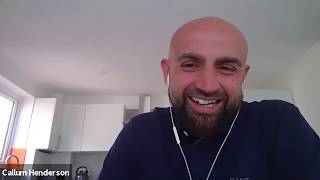
Tony Morris, Natasha Evans, and Mark Savinson discuss closing sales-development calls and scaling outbound prospecting. They emphasize shifting from selling to helping, doing deep research before calls, and using gentle appointment requests instead of hard closes. The panel shares tactics for managing prospecting nerves and optimizing email subject lines with data.
Chapters
Seems like an appropriate time to dive in, everyone. Once again, absolute pleasure to roll into our fourth week of the series. I think what we've learned so far in running these from a panel perspective is we're really going to try and give you some actionable takeaways. For me, previous guests that have stood out in delivering some really impactful content, were talking about unique approaches that have really made them stand out from the crowd when prospecting. From an audience perspective, we can keep this moving on the topics that you really care about if you can ping some questions on the chat, and please make sure that you do that to the panellists and everyone else because we've found that that stirs up a little bit of conversation and debate, which is certainly good for us to feed off. The headline topic today is around closing on sales development and outbound prospecting activity and also maximizing the value of all of your interactions, so I would ask if you can relate your questions to those subjects, it will really help for us to focus the, focus the conversation. I'll be hosting today and throughout will be trying to relay some of the know-how EngageTech bring to the table around appointment setting. For some context, our agents are making around 100 outbound attempts daily and are constantly looking to generate urgency and commit prospects to actually giving up time for a meeting. And we're firmly of the view there are opportunities out there right now for you to be starting meaningful conversations because we're witnessing it firsthand. But we wanted to share some of our insider knowledge with other, other experts in the industry seeing success right now. So firstly, I just wanted to introduce Tony Morris. He's the creator of Killer Sales. He's a sales speaker, trainer, and also author. Tony, you told me that there are some people that you've spoken to in the recent past who are kind of asking the question, is it actually possible to sell and prospect in the current climate? I would love to hear your input on that.
No, absolutely. Well, thank you, Callum Henderson, for having me, and thank you guys for investing your time. People are buying. That was the first thing. Yes, this is temporary, there is a change, but people are buying. But I I think what's very important, you know, a lot of my clients have said to me they are scared of selling right now. And it's a really interesting point. And I actually solely believe we don't sell. I don't sell training or speaking engagements. I help my clients buy. And that's a big difference. So if you think about whatever product service you're in, what are you actually doing? You're solving your customer's problem. Pain points, you're solving their needs, or you're helping them, you're helping them achieve aspirations they want to realise their potential. So you're not selling anything. And I'll be honest with you, 5 weeks ago when this crisis began, I started to doubt and think, you know, I'm scared how I'll come across to my clients. And I had to very quickly shut myself up and realise that I help my clients motivate their salespeople, get— have better conversations which lead to better results. So therefore, I'm not selling anything, I am helping them achieve their goals. So I think the really important message I want to get across, guys, if you're sitting there thinking you're nervous about trying to sell right now, is remember how you add value to your clients and prospects. What problems are you solving for them, or what goals are you helping them realise from the products and services you offer. And when you have that mind shift change, you'll realise you're not selling actually anything. You're simply serving, you're helping. And you know, just to give you a bit of a context with myself, I've helped now just over 30,000 salespeople all around the world. I've been very lucky to speak in 25 countries at sales conferences. As Callum Henderson said, I'm an author of 5 books. On sales and my best-selling book, 'Coffee for Closers.' And I, I'm about to launch this week TMI Sales University, which is my sales membership platform where I can help thousands of salespeople develop themselves, learn and grow so that they can really catapult their figures and their sales performance now and when we're out of this crisis. So the big message takeaway I want you to think is You're not selling anything right now, you're helping your customers solve their problems and realise their aspirations, not selling.
Thanks, Tony. I suppose just for some, just an additional bit of input there, we are privileged to have 3 guests on today who are more than happy to share some free content. One is Tony's ebook, and as the other guests introduce themselves, we'll cover this, but Freddie's gonna publish the email addresses for the panel, And if you want to email direct, then Tony will be happy to share his ebook. And yeah, J.K. Rowling better watch out, you're hot on her tail, 5 books.
Yes, yeah, don't make as many sales just yet. Close, I'm on the journey, right?
Sure. Next up, we've got Natasha Evans, she's a customer success manager at Salesloft. For those of you who don't know, Salesloft are a market-leading sales engagement provider. Natasha, I'd imagine that you're speaking to a lot of companies right now about how to maximize the value that Salesloft is, or could offer for their business. You're very much an ear to the ground with those teams, I'd imagine, in your current role. What's the kind of value that the solution is adding, and what have you seen as kind of common trends in the last few weeks?
Yeah, and so to echo what Tony said, really excited to be here and to speak to everyone. I think if I'm to think about the value that we're talking to right now, it falls into 3 different areas. The first one is, as an SDR or a BDR, it's that ability to pivot and change your strategy really quickly to suit the current climate. Things like personalizing a lot more, being more authentic while still maintaining the scale that you need to obviously keep as an SDR or BDR. If you happen to lead an SD team, it's things like making sure you know how your team are getting on. How do you measure performance remotely? How do you coach remotely? And just making sure that people really know how to leverage Salesloft for that. And then I think from a company perspective, we know that you guys need to be the best you possibly can be right now. And so we're thinking of a few things that we can do to really help you. And so We've really ramped up our online training to make sure that we're helping SDRs and BDRs really maximize what they're doing, think about their strategy and how they might need to change it. But we're also publishing a ton of great content and data around how has the world changed, what is working right now as we're seeing it through the Salesloft platform. And so I know you mentioned, obviously, access to content. You guys are more than welcome to reach out to me to get some of that data. I can share any of it today if you're interested, but you can also get all of that on the Salesloft blog as well.
Thanks, Natasha. I've actually been subject to a little bit of a ribbing in our business because we have an orange branding for our company, and you see just over there, there's my kitchen, actually represents the Engage Tech brand. But Mark has completely overruled that today with an amazingly themed shirt and room combo. We've got Mark Savinson, he's CEO of Strategy to Revenue. They support the likes of DHL, Motorola, and also Thomson Reuters in improving sales team performance. Mark, I'm excited to hear the answer to this one: how many cold calls have you received in the last month, and has anyone been successful in tying you down to actually have a conversation?
Okay, so, so truth is, too many, and most of them fail. For 3 reasons, and it ties to what Tony and Natasha have said, that they come over as they don't know who I am, what I do, too formulaic, not really interested in me, and when I ask them a question they can't answer it, so waste of time. Why are we seeing people do it? Because quite rightly, and let's, let's be clear, everybody is answering the phone more than they used to. Because hey, they got— there are no gatekeepers out there, you know. I'm not in the office, I'm more willing to answer the phone. There are some people who will talk to us, you know, and we'll talk to you, but that's because they haven't spoken to anyone for a day. So a voice is better than no voice. But if we are going to sell, and I again, I re-emphasize what Tony and Natasha said, you know, we are selling because we are helping You've got to be relevant. And what we're spending our life as a business— and we use various phrases with our clients, a couple, and they're not original to us. One, walk in the buyer's shoes, think them, not you. Two, make the customer the hero of their story. It's about them, it's not about you. And if you think about what the buyer is confronted with, they are scared. You know, they are having new problems to solve. Can you help them? And whilst you may not be able to close quickly— and we've just spent some time with a client who's saying, I can't persuade my customer to close— and we're going, well, of course you can't, because they're in EBIT protection mode. You know, your decision maker no longer can make a decision. Don't worry about it, they will come out the other side. You nurture, you help. When they're ready to buy You've got to be there, but you can't force them. So as an organization, we're all about trying to make salespeople more productive, and we're also trying to be slightly controversial. So the other thought that I will give you— we've all said be customer-centric. You will all at some point have gone on a sales methodology course. Sales methodologies are great. A buyer doesn't care. How do I know? I've never seen a buyer say I will only buy from you if you use Taz Spin Challenger. They say, help me. So think about them, put them at the centre, and everything we're talking about, if you do that, you can sell through this.
One of the points I really like about what you raised there, Mark, was about putting yourself in the customer's shoes, because we had a conversation with our new business team this week at EngageTech, and the challenge that I put to them was 'How would you feel about convincing our owner to part ways with, say, I don't know, 10 to 15 grand right now to spend on a particular, any service, any offering? How confident would you feel about convincing him to part with that money?' And I definitely saw a dynamic change off the back of that thought process, which is, it's so important to put yourself in the position that it's difficult to convince people to part with money right now for you as a salesperson, but also for the champion in that business. And the more you can help them to, um, to come around to that.
Yeah. And if you just think about— and everybody think about what drives us to make a decision. 3, 3 things drive us to make a decision. One is fear. Fear of I've got something, I'm going to lose it at the moment. And if you go and talk to any behavioral psychologist, um, the technical term is we're all shit scared. Okay, our whole world has been challenged, so the reason we're not spending any money is we're scared of losing things. So what's the easiest way? Hold on to what I got. So my first thing I've got to go and explain to people, actually, by you doing nothing, you're going to be worse off. So again, that's why people like us are all going around to organizations to say you've got to keep selling, because if you stop— and I saw a great blog from somebody which said, if you don't make any phone calls, you don't build a pipeline. If you don't build a pipeline, you don't sell anything next quarter. Go figure. So we have to be talking to people. It's very straightforward. Second one is opportunity. Can I give you something you didn't have? And that's harder to do because you didn't have it in the first place, therefore you not having it may not be as great. And the third one and is herd mentality or fear of missing out. And again, we're seeing a lot, because of social media, of herd mentality going on. If everybody says, "I'm scared of spending," guess what? Everybody's scared of spending. You're seeing the reverse of that as well. You know, people like yourself, Callum Henderson, are putting out lots of posts saying more people are answering phones than ever before, and we're already seeing a trend when more and more people are saying, "You know what? Let's pick up the phone." We thought that was old hat, We wanted to do social selling, and all of a sudden we've discovered, no, people will talk, let's pick up a phone. So look for the 3: risk, opportunity, and FOMO, and then there your opportunities lie.
Can I add one thing to that? I think that's absolutely spot on, and I'm a massive believer, like Mark said, about see the world through your customer's eyes. So I study NLP, which I'm sure a lot of You guys will be familiar, and they, they say in NLP that if you see the world through John Smith's eyes, you are more likely to get John Smith to buy from you. It's about that empathy position, and in fact, let me demonstrate, if I may, a great way to do this, a great technique. And guys, I want Callum, Mark, Natasha, you to do the same, as well as you watching this. So with your right hand, guys, make the shape of a gun with your right hand. All of you, and you at home, take a gum. Turn that— that's a cool gum, Mark, you've done that before. Turn that into a circle. Perfect. Just place that on your chin.
On your chin or your cheek?
Cheek.
Now you three got it, but I reckon some of the listeners probably didn't, and they're sitting there like, 'Duh, I've been dumb.' Why? Because we remember at school, Simon Says, right? Naturally, you match what you see and you match what you hear. So when you are selling— and again, I don't like the word, it is helping— but when you are helping, are you matching your prospect's language? Do you pick up on the words they use? Because if you do, it will resonate with them. Are you matching their tone, their pace, their volume? Not their accent, that's called racist. I wouldn't be matching that. But Match other areas because now you see things how they do, which will naturally make them more comfortable. And then going back to Mark's brilliant point about herd mentality, if you can tie that in with a success story where the client was the hero and how you help another client solve their pain that they're experiencing, that's the way to persuade right now.
Thanks, Tony.
Pleasure.
Just wanted to roll into some of the, some of the questions that we had prepared. I think I'd like to start with you on this one, Natasha. Does the phrase "always be closing" encourage the right or wrong behaviors, in your view?
I think, look, I think "always be closing" is absolutely fine. I would say that right now, personally, we have changed tact a little bit in Salesloft from Always Be Closing to always be helping. And I know we're reiterating stuff that's been said already, but we're recognizing that our prospects, our customers, they just want something a little bit different right now. And so are most of the customers that I'm working with, to be honest. So I'm not going to say that Always Be Closing encourages the wrong mentality, because I don't agree with that at all. I just think that right now we need to take a slightly different approach and make sure that we're helping before we get to that close. Now, these guys have talked about it already, but if you want to close and you want to close well, you need to make sure that you're solving a pain point. And as long as you're confident that you're solving a pain that they have, then closing is fine and it's natural because you know that the customer or the prospect wants it and that they need it.
May I add to that? That's a really good point, Natasha. I do believe in ABC, but, and I'll be honest with you, this isn't my content. This is— I have a podcast called Confessions of a Serial Seller. Where I've had the wonderful Mark turned up in a different shirt, but also quite alarming to the eye. And I've had some of the best salespeople like Jeb Blount, Jeffrey Gitomer come on the podcast. And one of them shared this, they said ABC should be always be curious. And I think what really separates the top salespeople are ones who are genuinely interested. And like Mark said, he's had thousands of calls that most, 99%, are dreadful because they've not done their homework, they don't add any value, and they can't answer questions, and they're not interested, or they don't even fake it. So I think the ABC really actually is always be curious, which will get that prospect more engaged, which will enable you to win their business.
Can I add something there? Just One final comment. I think we've talked a little bit about call volumes going up, but people not necessarily being relevant or adding enough value. I think it's because the current climate and coronavirus, COVID as a talking point, is an easy fallback where people aren't necessarily sure what they should be actually asking, how they should be pitching. And so it's easy to just talk about coronavirus. How are you feeling? How's the climate? And so I think if you want to really like ace it in today's market, it's 'Okay, yes, we acknowledge that,' but it's going one level further. How can you add value on top of that, or how can you solve a pain on top of that particular talking point?
Can I just— just think of it this way: everything they've said is correct. Always be progressing. Go forward. At the end of every conversation, have we moved forward? Have I shared an insight that makes them think, 'Oh, That's different. And we look at it, and this shouldn't be a competition of who's got the best phrases, but we use 4 phrases when we look at how people buy. They go through 4 simple processes. Why change? Why should I actually do something? Once they've worked out why to change, what do I change to? So you've identified a problem, what might a solution look like? Remember, you're thinking like a buyer, not a seller. So what would the solution look like? Then change to who, who would I get it from, and then commit to change. Okay, I'll do it. And that's what we've got to do. My closing stages are moving them from why change to change to what, to move them from change to what to change to who, to move them from change to who to commit to change, and then I get an order. And as Natasha quite rightly said, good closing happens. It's not a forced close. And especially if you're bi-centric, It's the buyer who closes, it's not you. You don't force them to sign unless we use that gun that Tony suggested we all get.
So you guys have pretty much been in agreement, and I think for yourself, Mark, you've probably been the most vocal about the need for there to be a relevant approach for someone to, as an example, engage with you. You're in a role at C-level, so there will be people on this call who are trying to prospect into your equivalent in other businesses. I would imagine that a lot of the people on this call are expected to or are trying to outbound at scale, you know, perhaps 50+ attempts on a daily basis at a minimum. So how would you translate a requirement to prospect at scale, to actually give yourself an opportunity of enough conversations given it might take 20 attempts to get a prospect on the phone? And actually making those calls relevant once they get through? Like, what's the balancing act? How does someone do that?
Okay, so I mean, I'll tell you what we're doing when we're trying to sell, which is we're really clear what we want our, you know, our voice campaign to achieve. What are we selling? And in our case, we're selling the next meeting. That's all. I'm not looking beyond that. Sell the next meeting. Because I know I don't have Long on the phone, so come up with a message that's all about, we recognize you've got this potential issue, we think we have a solution, can't discuss it now, can I discuss it later, will you book some time for me? Next. Because actually, I can't discuss it now. And whether I'm at a C-level or lower down, no one's going to have thought about it properly. So be clear what it is you're selling. In our case, when we're doing this at scale, we are selling the meeting. That's it, really.
I'm gonna add, I'm gonna add to that. I love that term voice campaign. That's very— I've never heard that. I love that. I believe the research should be done before call time, because what I've noticed again with top sales producers is they, they don't have more hours than all of us, they just use their time wiser. And therefore the research of who you, you should be reaching out to should have already been done. You know, my client will be doing that at pre-7:30 in the morning. They'll do it over lunch or in an evening where they can have a nice gin and tonic and relax and do their homework. And, and to make it simple, I would suggest, depends on what product service you offer and who your target audience is, focus— let's— I work in 62 industries, so when I do my prospecting, I focus on one industry per day, and I've already got my hit list ready. I know who I'm reaching out to. I've got their contact details from homework I've done, and I've already got my success story ready. Because like Mark said, you've got to have a clear outcome. And I call it the gap, you know. I always say you need a goal for every call. The late Richard Denny said, if you don't have a goal, you can't score. So normally in my, my world, my goal is to book an appointment like Mark. But how do I get that quickly? I don't talk about what I do, I talk about what I've done successfully with people like them. So I've already got my success story ready to articulate in the first 20 seconds of the call, and it's going to be the same success story because I'm phoning the same sort of people who either have the same pain points, same aspirations, or they're in a similar size organization or industry. So I can keep repeating the same elevator pitch during my day. Yes, that would be my best advice.
I think one of the additional things for me on that, uh, and I, I, uh, it's a broad brush statement, but I've seen it with a lot of, a lot of salespeople, we aren't the best at updating CRMs, taking notes, jotting things down, and one way that you can really help your prospecting is by only doing that research and that preparation once. And most of you will have a CRM setup which allows for you to document what that prep actually looks like. And particularly in a business where we do a lot of outbound, I've found that the people who are good at maximising that prep time and replicating it and putting in our CRM really shortcut having to prepare 20 times before they get that prospect on the phone.
Just to interject, because we spend our lives talking about productivity, you know, You've got so many hours in the day, how do you use it the most productive way? And that is where you use your tools. So, you know, I don't get commission here, we use Salesloft. Why? Because it simplifies the process. But I use the term very deliberately, voice campaign. So there's a campaign starting on Thursday, and guys, you'll be doing something similar. We've got 1,000 names we're targeting. We have a process where someone actually does a pre-dial. And then passes it through to the salesperson, just because we don't want to be sitting there wasting our time dialing. But we know what industry we're talking to, and we're only talking to 3 personas in that industry. Once that— so it really is, we've done our research once, we sound credible enough to sell the meeting, not to go into too much detail, but we make it easy. And there will be a group of people just hammering their way through the calls —then using Salesloft to make sure we do the follow-up immediately, not, "I forgot to do it," you know. So the whole point is— and again, you know, we've done all our preparation, so we have a number of emails: "Thank you for the meeting. Sorry you couldn't agree a date, but you know, I'm going to go and follow you up." And "You didn't find it of interest, but I'm going to put you in nurture and share an insight." And they go out immediately. So we process it, You know, and again, that's what we do with our clients. When we sit with a client, we say, you've only got so many hours in a day and you don't want to waste those hours. And as a buyer, I don't want to have a phone call with someone and then get the meeting invite 3 days later. So you've got to think about that through.
Can I add a recommendation here? Sorry, Callum Henderson, to interject, just to kind of piggyback off what's been talked about around doing your research upfront. I think my smartest customers, the way that they do this is they'll try and find more than one thing in that first piece of research. I think if you're, if you're in sales, dev, or BDR, it's hard if you only find one piece of content that you can use to personalize because you find yourself then struggling for what to say further on in your sales process. So the next time you email or the next time you have a social touch, like, what do I say now? I've already used that one piece. I think if you really want to, again, stand out from the crowd, you have more than one thing that you can use to personalize that approach throughout that sales process, not just on that first touchpoint.
Yeah, I think one of the things that all three of you have touched on and used the words, this word multiple times, is preparation. And like, the thing I can't stress enough to people that are on this call is this is not luck. You are not— people don't— good salespeople don't just turn up to work and the results just fall in their lap for the 50 years that they're in the job. They are working hard to prepare and to make sure that they start to control the outcomes on a daily basis. One challenge I would put to you is in the current climate, there aren't distractions. If you're not preparing now day to day, how can you expect to actually do that when you go back to a society when you can make a choice to go out and to do this and to do that? And this is the time, I would say, to build that skill if you don't have it right now, because you're going to find it difficult once we, once we go back to normality. There isn't really an excuse right now. Not to be doing it. I just want to move on to the next question. How and when should people be closing on sales development calls? Tony, maybe you could take that. So when's your moment where you'd suddenly look to actually say to someone, let's have a meeting and let's go to that next stage?
I think, look, we've got to be listening out for buying signals, right? And that's a good parameter to know now's the time to ask for commitment. But I think Mark touched on this before, is we shouldn't be closing, the buyers should be closing themselves. And, and the only way that's ever going to happen is if we've identified the problem enough and given an idea and a solution to fix their problem. And when those two things marry up, it will naturally close itself. And sometimes the prospect might just need that tiny little gentle help where we'll say something like, are you comfortable with that? Or what date would you like to start this process? So it's a very gentle, gentle approach. But I, I think salespeople get so scared— I don't know if scared's the right word, but maybe it is— of closing or asking for that business. And I think the reason they are so worried about it is they've not done all the hard work before. And I, I really believe that, that if you've done your prep effectively, you've identified their challenge, their problem, their pain, you've given them a credible solution that can help them, you've backed it up with success stories, you've shared great insight— like Natasha said, more than one— then it will naturally come to that close. And the only time if they need— if there's any delay on that, then obviously you're going to be doing your follow-up and using whether it's Salesloft or our other platforms that you use so that you don't have to rely on your own memory and you can use the tech available to you. But I, yeah, as I said, I really believe if the pre-bit's done well, it will naturally come to close, to fruition, as long as you're following up at the right times.
One thing on that is the phrase that you've used, like a credible solution. And it's so important for people when they're doing sales development calls to— it sounds basic, but just to believe that their solution is actually credible and believe that it can help right now. And it feels like from what you're saying that qualifying a pain is really important in that process to make the close seem a lot more sensible. Mark, it seemed like you wanted to—
Yeah, I just want to say that there's always a danger, and we all do this, You know, selling is not a one-hit wonder. You don't do all of this in one call, you know, 'Hi, I've never spoken to you before, do you want to place an order now?' It's not going to happen. Well, rephrase that. If you get a warm lead that basically someone filled in the form that said, 'Hey, I want to place an order,' you know, then the last thing you do is give them reasons not to take the order. But so when we're talking about closing, I think we all have to be clear in our mind, what do we mean? What are we closing? Every meeting, every call has a clear objection. That's what I'm closing towards, moving on through the process. Yeah. And you know what we're all saying, and I think, you know, if you listen to— and I'm a great believer, everybody, whenever you worry about how do I sell, take a step back and go, how do I buy? Look at how you react when you walk in. I walk into clothing stores, surprisingly, You know, so what's the process I go through? How does somebody close me on a shirt? Because trust me, they don't have a conversation which goes along the lines of, so sir wants an ordinary looking shirt. You know, it's more, you want what? No, no, that's the ladies section. You know, you've got to understand what's going on in the buyer's mind. I know where I've got to get you. They will give you all the hints. All I'm going to do is validate. Playback. So you said that this was really important to you, you said that you needed to move forward, so how do we move forward? Be really clear what you're trying to go. They will give you all the hints. If you're not getting the hints, that's probably telling you they see no value in the conversation. So the closing is straightforward if you listen, you know, and that's what we're all bad at because when we worry, I've got to close this, you know, I've done work with clients, I'm sure you've all experienced this, you've only got 2 minutes for a call, I'm coming to the end of my call, you know, and the customer's going, well, hold on a minute, I was just in mid-flow.
So can I add one thing to that, if I may? I was really good, I was coaching a financial advisor firm yesterday who have 150 expert financial advisors all around the country, and these guys I was training, they're call handlers, so they take an initial inquiry and their goal is to book an appointment with an advisor. And that was their challenge, is Tony, how do I close the appointment? And I changed their mindset by saying, look at your job as a matchmaker. Imagine you're in the dating world. Your job is to speak to someone, understand what they look for from a date, their ideal potential partner, and then you're matching them up with one of the 150 advisors. So at the end of the call, it Well, Callum, what you've told me, I would recommend you meet with Sarah. I believe she'll be the best fit for you, and this is why. Leave it to me, I'm going to organise for Sarah to get in touch with you, looking at her diary, A or B. And so, and that was a bit of a light bulb moment for them to understand they're not closing, they're matching, they're understanding a problem and they're coming up with the idea to help them. And I think that's such an important point. It was a real light bulb for them, and they feel so relaxed now about closing an appointment. They're not closing, they're just matching to the right advisor based on their financial issues, challenges, or situation.
Sure. So the headspace that you're in about that request can really dictate how successful you are, you are or not, when you actually, actually make it. A request for a meeting is actually a really reasonable thing to make. It's a very common way that people will start a business engagement, and if it's off the back of a productive, you know, 3, 4, 5 minute conversation with someone, don't be afraid to jump in and have it.
Absolutely. Ultimately, to me, it depends what you're getting, what you're selling, but the giving the client or the prospective client an opportunity to meet is part of the journey. You know, I need the meeting in order to help you understand how my solution will help you solve your problems. That's the whole purpose. So it's all part of the process. Therefore, if I'm not offering that, I'm doing you a disservice. And my job is to articulate in that meeting, whether it's Zoom or whatever platform you're going to use, of how my solution will best help you. And how it best serves you.
Yeah, sure. Natasha, I wanted to get onto a topic around, for anyone who does feel nerves when it comes to closing, whether that's for an appointment on initial call or maybe at a later stage in the process, have you— I mean, I remember being nervous about that when I first started out. Like, for you, have you experienced other people in that kind of headspace or yourself and any advice on how to get past it? Yeah, definitely.
I think there's probably a lot of people out there feeling nervous about it right now and even feeling more so nervous than ever because, you know, you're home, you're on your own, you aren't in a busy sales floor with all of your colleagues around you egging you on. And so, you know, you mentioned earlier, Callum, if you haven't got the time right now to be doing preparation, you're missing out. I'd say the same thing about learning and improving your game. Now more than ever, you should have more time to be thinking about how can I improve? How can I boost my confidence? And there's a couple of ways that I would do that. One thing is everybody's on the call already today. So you've taken the first step into thinking about how can I up my game? The other thing is listening into what your colleagues are doing. So listen into their recordings, listen to what they're saying, how they're closing, and see how you might want to take tips from them. But also listen to your own calls. Look at your own stats and think about, okay, what's working really well for me right now and what do I need to change and be improving? And I think pretty soon you'll up your confidence just thinking about what you can be doing better and trying new things. And I think that will definitely help.
And I've just had a couple of really simple techniques which are gonna sound really simple but really help everybody because we're all scared. And if you're not scared, there's something wrong with you, by the way, because that probably means you're not really thinking about it. So what do you do? One, you visualize. So you take that deep intake of breath and visualize the flow of the call. That's the great quote from Usain Bolt, you know, you know, you know, how does he win a race? He says, I win the race before I start. He visualizes his 9.6 seconds of running before he started. He knows exactly what's going to do. Do the same thing, visualize the call. And that deep intake of breath before you make the call, so you center yourself. And then, you know, the other one is smile. Absolutely. You feel better. Um, and you know, it comes over. I mean, it's better now we can see each other, but half of it, you know, you can't see. And I, I can hear the, um, you can't do that if you sit up straight and you smile. Stand up, whatever it takes. But don't be scared about being scared. It's, you know, I go to lots of meetings, I run the odd workshop when they allow me out, but you know, I'd be lying if I wasn't nervous at the start because you have to be. It's what focuses the mind, so use it in a positive way.
Love that. I want to add a couple of points. I now know why I don't run the 100 meters in 9.6 seconds then.
I've not been visual. That's why it takes me 3 minutes.
I want to pick up 2 2 brilliant points that Tasha also made. So I massively agree about, you know, monitor your own calls. And the coaching sort of toolbox that I do with my clients is called PIM feedback— positive, improvement, miss. So whenever I listen to my own calls or my clients, I get them to break the call down in what positive things did I do, what things did I say that could be improved, or what things did I miss from the call. And I think it's quite a nice way to really constructively critique a book. The second thing Tasha said, brilliant, about learn, develop yourself. And what I do for my own development, and I always do this, is I book an hour appointment with myself daily, and I either listen to a podcast, watch, read a great book. You know, at the moment, one of my favourites, I'm reading Fanatical Prospecting, Jeb Blount. It's just unreal.
And I thought you're going to grab one of your own ones then.
Yeah, mine's rubbish compared to James, but I've created a sales bible. And what I do is anything I learn goes in my bible, and I've used my iPhone Notes app. So any technique I learn, any question, any— anything goes in the bible. Because you know what it's like, guys, you'll read something that's brilliant and then 20 minutes later you've forgotten it. I know I'm guilty of that, so I just— anything that really resonates with me that I think is going to serve me well for the future, I make a note in this sales bible, and I can relate to that in the future just to keep recapping what I've taken away.
Yeah, thanks, all. Um, all really valuable points. I think one of the things I liked about what Natasha said was just about listening to colleagues and, and their, and their calls and how they prospect. I've always been of the view that our education system in terms of school and then university after that, like, you would always be told, don't plagiarise, don't copy, and it kind of like blocks collaboration in some way or another. And it's just the surefire way to become the best person or salesperson at your company is sit next to the person hitting the highest numbers right now, copy everything they do, and then add your own, kind of sprinkle your own bits on top, and you're going to get there. That's maybe become a little bit tougher, uh, given that we don't see each other on a day-to-day basis.
Can I challenge you a little bit on that? Yeah, go on. The basis of a lot of the work that we do, um, some of the highest performers are unconsciously competent at certain things that you may never be able to replicate, um, and you can drive yourself insane trying to replicate that person because they make a leap and you go, I have no idea how they got from but they did it in one go. And then they go, how did you do that? And they go, it's obvious. And you go, no, it isn't. So be aware of that, you know. Okay, so some of the highest performers are just unique, you know. And then some of the people may on the call may have those maverick tendencies, and they're fantastic. But what you've got to look for are the replicable tendencies, the things that I can learn from. And again, part of the coaching and, and using lots of different tools to find out what are the things that we do that generate the greatest results and learn from those and replicate those. Don't necessarily look at those— you know, I'm not going to go out there and say if you want to be memorable, wear loud shirts, you know. So if anyone's interested, I don't believe anything clashes. So, you know, from my perspective, that's not necessarily going to work for you all.
You didn't need to tell us, you didn't need to tell us that.
I think also just one of the other things, if anyone is a little bit nervous about closing, particularly on sales development calls, one thing that I've found to really help people that are nervous about it is just to drop it in quite softly into one of the early kind of sentences that you communicate after like a relevant intro or something just to pique someone's interest so the phone doesn't go down. If you can just drop into the sentence, I was just calling today 'cause I was looking to schedule an appointment with you, and then roll into what you wanna say after that, it's a really soft way to broach that topic, and then when you come to it later on in the call, it doesn't really feel like such a big deal 'cause you've already kind of managed expectations at the start, and that can happen within about the first 20 seconds, so I've certainly seen that help people. Just on to some, uh, some different topics. How can people prospect into their existing network to accelerate results right now?
To me, yeah, referral generation is so key right now. Uh, as, as one of you said earlier, Mark, that we, we've— our contact rate right now is through the roof, right? Everyone's at home, there's no gatekeepers. So one thing that I'm advising my clients and I'm doing myself is getting hold of a client, getting feedback from them first. So I do two things. I say to them, you know, I'm always looking to learn, grow, and develop as a business. Why did you choose me in the first place, my company? So I get that feedback, and hopefully obviously it's positive. And then I say, what one thing could I do even better? Which is really useful feedback. That great feedback. Say, can I ask a small favor? And they go— and everyone says yes to that, right? It's just the way we're programmed. And you say, who do you know, one person a bit like you, that you feel could really benefit from how I've helped your business? And, and, and we all know, guys, referrals in terms of the conversion from a warm lead or a cold lead to a referred lead it's about 5 times higher because trust has already been built. Your clients endorsed you. So I would really be recommending reaching out to your clients, testimonials and reviews from them, but also tapping into their great connections that you can then be helping. I hope that answered your question.
Yeah, no, no, no, it absolutely did. I think one of the things I like about it is, and I wouldn't have necessarily expected anything different respect to how you've positioned, how you approach other topics, but you are like kind of ruthless in your pursuit of them, and there's nothing to be shameful about, you know, you've struck up a relationship and it's perfectly reasonable to ask for a nudge in the right direction, and you know, there are salespeople that you could probably interact with who will understand the value of a referral, so they're probably a lot more likely to actually support you on in that Natasha, do you have anything to add on the topic?
I think two things that come to mind for me. The first thing, I'm from like a social network background. So I think of maybe a network a little bit differently to the average person. But I always think that when it comes to a network, you have to really build trust with that network before you go ahead and you ask for a ton of stuff. So you want to think about if you're a salesperson and you're thinking about who sits in your network, who do you want to keep touchpoints with? You want to think smartly about how do I add value? How do I stay top of mind with this network? Obviously in a scalable way, so that then when I do want to ask of something, it's not coming out of the blue, it doesn't feel cold, and it doesn't feel like I'm only asking and never giving. So that would be maybe one thing I would think of. I read a really good article recently that was about deposits and withdrawals, making sure that when it comes to asking for something, that you've given enough in advance to warrant taking a withdrawal and you're not just that person that's always asking and never giving. And so that's the way that I like to think about my network and then eventually asking something of them. It's a really good point, actually.
I've now come across very selfish and revolting, so thank you, Tasha. She's actually— she's spot on. You know, the famous Zig Ziglar said, you can have anything in life you want if you help others get what they want first, right? And one thing that I do with my— and again, coach— is Say to your clients, if you know, who's your champagne referral? If I can introduce you to anyone, who would that look like? And then I like to go out and try and either introduce them, or hopefully one of my connections knows them. And the truth is, once you've done that, Tasha's so right, they are actually indebted to you. So when they phone you and thank you and say, you know, I've just done a £100 grand piece of business on the back of that, you go, look, my pleasure, I'm delighted. 'May I ask a small favour of you?' And then you go into the ruthless sell.
The thing about what you've said though, Tony, is for me it should provide an anchor for everyone on the call who's nervous of doing that. You know, you're perhaps at an extreme, but you're using it to effect, and that should make everyone else feel like even if they go 50% in that direction, it's perfectly reasonable for that to happen. I think one of the things that you touched on there as well, Natasha, is like your network needs to always be warm. It's not— it's like a pipeline of sorts, you know, you need to be interacting with people. Things like LinkedIn make that really easy now, you can just drop a DM once in a while and it's a— I think it's a route to people, maybe not— maybe always when they're not in their work mindset, you know, someone might read a LinkedIn message in a more relaxed frame of mind on the weekend, something like that, and it's something that you should be nurturing at all times. Mark, I doubt you don't have an opinion on this.
So, um, but what the guys have said is right. You used a phrase that we use a lot, which is nurture. You know, recognize that you've got to nurture the relationship. You've got to— and as Natasha Koirali said, and, and, you know, I may be slightly gray, I still use that social media stuff, um, but, but the principles are the same whether I'm talking to somebody or Broadcasting wider or one-to-one on social media, yeah, you know, as Natasha said, you've always got to offer something. You hear all sorts of phrases about sharing insight, sharing value, or, you know, I have a friend who his motto in life is always be adding value, and the more you do it, what you give you get back in the long run, but you've got to be prepared to invest the time, and that's the thing. You know, it takes time. You've got to carve your day out, or your evenings, or your weekends, depends how mad you are, to actually invest time in doing these things.
Can I add something here? I think some reps find the prospect of nurturing your network, especially through social media, a little bit overwhelming sometimes. They might see some reps do it really, really well and think, oh God, have I got to be that amazing person that creates all these really funny videos? Like, I'm not that person. I can't do that. And so I think my advice would be start small. It's really easy to find great curated content that other people have posted that you can share. You can tag people in that you know would be interested in it. And then always be yourself. Don't try and be the funny person posting videos if that's not you, or the person sharing all the data if that's not what you care about. You have to be yourself when it comes to social and when it comes to building networks. And so that would be where I would start if you're thinking about how to do that and where to begin.
It's such a good point and one which people just need to take small steps on, I think, to start to build a little bit of confidence. I've been posting consistently for a year and have had next to no traction, so you can't be doing worse than me. Just one which keeps coming up in all the conversations that we're having, it's just about emails and opening open rates and subject lines. And I think one of the things that I've been conscious to be drawn into is the fact that it's really difficult to give you prescribed subject lines on something like this when how could we personalise them? But it's come up so often. I just wanted to get your, your views as a panel on these kinds of things. And Natasha, I'm sure you've got like endless amounts of data on this kind of thing. So maybe start with you and then go to the other guys.
Yeah, for sure. So I have a couple of things to share with you guys here when it comes to emails and subject lines that contain either COVID or coronavirus, we're seeing a 40% decrease in open rates across the platform. And so again, I think that kind of goes back to my point earlier that it's an easy thing to fall back on. Everyone's using it and everyone's using it to really spam the market. So how can you be different? Other things to look out for. So I've got some particular words that aren't helping your case and some particular words that really are. So interestingly, when subject lines contain the words remotely, help, or together, they are considerably lower in their reply rates. But when they contain things like hope, or coaching, or partnership, or interestingly, checking in, meeting for direct asks, or call for direct asks, we're seeing a huge increase in responses. So a couple of things for you guys to think about when it comes to the way you're phrasing your subject line, shall we say.
So it'll be interesting for someone to try and personalise but then include something like helping in the subject line. And just for anyone that doesn't know the kind of Salesloft story, I assume that's from a substantial amount of data. Yeah, I mean, exactly.
So we ran a ton of data that went through the platform in the couple of weeks around, I think it was maybe a week or two ago, when things had really hit home, and we've just compared it to same time previous year so that we get a really good comparison across all of the emails that go through our platform. And it's millions and millions.
Yeah, I was gonna say, it's in the millions, right?
Just to add to that, I love that. I've written down those keywords: help, checking, and coaching. That's obviously getting the best outcomes. I do obviously a lot of split testing, so one of my big niches is real estate, estate agents in the UK and real estate everywhere else. And I've got probably 25,000 records of estate agents. So when I do an email campaign, I normally split into the 4 and just split test which subject line gets the best open. And it's interesting, the one that's always got for me the best response is this: We've mystery shopped you, would you like the results? And it's quite interesting because the way I work with my clients is I do generally mystery shop them. Them, probably not all 25,000, but some. So I've got some insight, so therefore I'm getting value, and I've got value to talk about when they finally come back. But for all the email campaigns I've ever run, that's by far, you know, been head and shoulders above everything else. And I don't really know why. I guess it's curiosity, but I guess also it's I'm giving something first. I'm going to share some ideas that will help their business, you know, for no cost, and then obviously hope to create an opportunity on the back of it.
Natasha, you seem like you wanted to jump in there. Thanks, Tony.
I was just going to say, yeah, I think it's probably also because it's different. I think where people get, um, maybe a little bit bored of opening emails is where the subject lines just say the same thing every time. And so I always find it's the reps that come up with kind of crazy, weird, and wonderful little subject lines that just really work for them. But it's because either you're adding value you're catching their attention, or you're saying something different to what every other person is saying in their inbox, and that would of course make me open my email as well.
So yeah, and Tony, the view is that you've done some research in a general sense, and then once someone has opened, you'll share, we've mystery shopped your industry and this is the data, rather than, well, is it a fabrication? Like, what's that?
Quite clever, actually. I think it's quite clever. What we came up with. So we do obviously a couple, you know, probably 4 or 5, so we've got an idea. But what we do is we qualify— when I get an inquiry on the back of it, and the last one I did, we got— we went to £25,000 and we got just over 130 inquiries. And my, my telesales team then phone them and qualify them or disqualify them, as in we're not the right fit for them, right? And I think they made about something along the lines of 30 appointments, Zoom appointments, and then what I did prior to the appointment is mystery call them all. So I phoned all 30 myself and with my mystery call team, and then I've got genuine insights to share. So I funneled it down that way. Yeah. And I think Tasha's made a really good point about creativity. So I've got an accountancy client that was looking, you know, for biz dev and we worked on who their niche was. We did a— we bought the data, we did a— and then we did an email campaign. But I said, what are you looking to achieve? And they said that we just want the email opened. So I'm not saying— I don't know the legalities of this, but the subject line I came up with for them was HMRC investigation. And when the prospect opened it, it said, dear John, if you use my services, you'll never get an email like this. And you know what? It caught— it got traction. A couple of people were pissed off and said, 'I almost had a heart attack.' But overall, overall, it got— some people said, 'That's genius, loved it.' But it got traction. I think that's the point. You've got to be different. People want— and sometimes Marmite is good, right? Sometimes controversy. You've got to be a bit different now, I believe.
Sure. Like, I think important things to take from that are that, um, your objective of the subject line is to get an open, and then maybe your first line is to get to the second line and then through it. Again, the creativity is really important, and I think you should just be able to provide a good anchor for everyone there that just— if you're thinking about like, how do I stand out and is it too risky to send something like this? Those couple of examples probably show you that it's okay, which should help for everyone here to feel to feel a little bit more confident.
Mark, I only got arrested once, you know, so that gives you some reassurance.
Mark, did you have anything to add on the topic?
I'm just going to add cultural appropriacy, you know, understand your audience. We do a lot of work in the States and some of the emails that they send out which work in the States don't work here, and some of the things that work here don't work in the States. So it all comes back to know the persona you're targeting, how they're going to react, that's, you know, and do a little bit of a self-test, you know. I'm probably a little bit more, not that it looks it, conservative than Tony, you know, but be clear, you know, because again, for each of the, you know, all of you on the call, that email reflects your corporate culture, your corporate message, so it has to be in line with that. The maverick is the one who sends the Tony email if you're representing HPE. You may get them as an individual the result, but if I'm the chief revenue officer, that may not be the message I want to get. Yeah, so that's all I know. Not that there's anything wrong with what Tony does, because it works for Tony, and that's, you know, right, sits with his personality, sits with what he's trying to do as a business.
And could I just ask, I'm very conscious of the time, 1 minute left, just for each of you, do you feel like with emails you're looking for a response, or do you see it as a tee-up for then a later, later conversation? Like, are you— do you want people to reply?
I'm currently teeing up for a later activity. So we share an insight, and then I have someone who follows them up. So what's important, I know who's opened it, and if I've got something they're going to download, that I've tracked that they've actually downloaded it and preferably opened it. So that then gives us the right to speak. But we're not looking for— when we're doing it, I'm not looking for a lead per se, I'm giving something for people to ring up. 100%.
And it's always an outcome I'm striving for, you know. So I use BombBomb platform, so I do a lot of video emails go out with a personalized message. And, and for 50 of my prospects, I actually created this, which is a video business card. So they got that in the post with a video that played with my books there. So it's again, and that got an amazing ROI. You know, I sent 50 out, which cost me about £750, and I won 3 clients who spent over £100 grand with me. So in terms of ROI, it was phenomenal. But again, Mark's spot on. You've got to know your avatar, the persona of who you're targeting, and make sure the message is absolutely on point.
Yep. And for you, Natasha, what do you typically see with customers using Salesloft as a, as a KPI?
I'd say two different things. The first is it depends on where you're at in the, in the process. I think for the most part, if the customers are going after a hot lead for the very first time, we're always going to ask for something in every single email. But you have to recognize that for the most part, you aren't going to get an answer from the first one. So you have to be adding value. You have to be teeing up for other interactions throughout that sales process. And then we change tact. So once you've gone after somebody for a certain amount of time and you think, you know what, I want to focus elsewhere, but I still want to nurture these people, that's then when we are giving, giving, giving and not necessarily asking. And we might change tact as we sense that maybe it is the right time to buy or they are starting to engage now.
And then that would be when we would ask for something for sure. Excellent. We are one minute over. Let me just say that key things that I took from this were The preparation is key. Put yourself in the buyer's shoes and how you can actually help them. And some, I think, some really good advice there on the email front. And I know for a lot of you, that's an area where you'd be looking to upskill yourself in the near future. Let me remind you of the email addresses which have been shared. Please get in touch with the panel. To the panel, thank you very much for your time and input today. It's been incredible, one of the best ones we've had so far. And we'll see you all next week. Thank you.
Thanks, guys. Thank you, everyone. Bye now. Bye.
More from Callum
Filling Up The Funnel With Outbound Prospecting - Data, The Good, The Bad & The Ugly

Outbound Prospecting: Is Calling Still the Best Way to Reach Someone & How Can You Stand Out?
Outbound Prospecting: Building Relationships Vs Building Pipeline (Webinar - Ep 3)
Outbound Prospecting: Running a Remote Sales Development Team (Webinar - Ep 2)
Outbound Prospecting: Sales Development Basics When Prospects Are Working From Home (Webinar - Ep 1)