Outbound Prospecting: Is Calling Still the Best Way to Reach Someone & How Can You Stand Out?
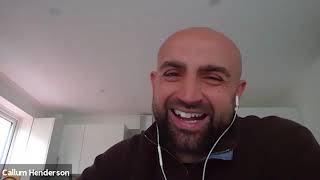
Kate Lewis, Ali Nutley, and Pravesh Patel discuss cold calling versus LinkedIn and email for outbound prospecting. Bohurst tagged 30,000 companies with COVID-19 impact status to help reps target viable leads. The panel stresses tracking sales ratios, building rapport with authentic voicemail, and continuous feedback loops to improve conversion.
Chapters
Sure, let's dive in for this afternoon then. Welcome everyone. I suppose just a brief recap on how we'd like this to work. We've pre-prepared some questions around the topic of is calling still the best way to reach someone and what can you be doing to stand out if you're cold calling as a prospecting method. But as always, we can continue to move the conversation in a direction that helps you if you make use of the chat feature. There's an option to send your questions and input to all panelists, but also everyone guesting in the audience as well. So we'd ask that you do that, as it can strike up a little bit of dialogue in that chat box, and if we get a fair few questions, we'll do our best to get through all of them today. I think the— on the sentiment of is calling the best way to reach someone, I suppose we're a little bit biased at EngageTech considering the fact that we do outbound cold calling is probably about 95% of the activity that we go through. We know there's opportunity out there and have some reps that are hitting some great numbers since we've moved to kind of work from home, but as always, just really wanted to get some input from from other sources as well. So I'll roll into introducing the panel. First up, we've got Kate Lewis. She's CEO and founder of a business called E4 Enable. She's also a founding member of the Revenue Collective, the chapter in Manchester. Kate, sales development and pipeline is the lifeblood of any business, particularly one in their first year, as you found yourself in the current climate. For you right now, what's been the most successful channel?
Yeah, great question. Okay, so I think it's a blended approach. LinkedIn has always been a great channel. It's come into its own massively, I think, created brand new relationships. Callum Henderson, you and I, yeah, we met via LinkedIn. It feels like a dating session now.
Steady.
Steady there. We met via LinkedIn, right? So it was just one person helping another out and creating actually pretty strong relationships. So LinkedIn is a really great resource right now for building that, but that in a blend with email and calling actually, and I don't think you should discount calling right now. I think it's a great time. I've had some wonderful conversations with people, but for me it's always a blended approach and that hasn't changed. It's just perhaps peaks and troughs in particular areas like LinkedIn for those new relationships with Brilliant.
And just on the LinkedIn point, like, do you typically like to go down a thought leadership angle? Do you think you sell quite hard, or are you just open to having conversations and keeping it quite social to start with?
I like to talk about what I know, and that is what I will generally put out on LinkedIn or the conversations that I will kickstart on LinkedIn. So if it's a topic that I know somebody's interested in, we'll spark up a conversation around that. I don't generally go in with the hard sell on LinkedIn, I don't think it's the right way. However, we've also utilized LinkedIn advertising, LinkedIn InMail as well, as a way to approach things, and you can be a little bit more specific because you need to be a little bit more concise in the way you're putting yourself across in those methods. But go with what you know, go with who you are on LinkedIn. It works much, much better than scripted posts that perhaps your company might deliver out to you. Now is the time to exhibit a little bit of personality and authenticity, and we were just talking before, Callum Henderson, I'm a lover of emojis, I just love them, and I've discovered this whole new range of emojis I can use as well, so I like to pepper my stuff with things like that. Break it up again, humanize the connection, because it's quite hard on LinkedIn to come across with that human element because it's obviously quite distant and you're not in direct contact with people. So that would be my thoughts.
Sure, and just on the company you founded, could you just give us just what you do in a nutshell?
Yeah, absolutely. Yeah, thank you. So e4enable is a technology platform for coaching and development of salespeople. So it starts by defining what good looks like, both for the individual and for the organisation and the role, and then has the tools and capabilities to develop that individual through online learning, through mentoring, through coaching, and then ultimately, and often a missed part of that step, is then measuring the outcomes and aligning that to those coaching and development practices. So sort of creating that cycle, and that's E for Enable.
Sure, thanks Kate. Next up on the panel we've got Ali Nutley, she's the MD and founder of Nuts About Performance and also a consultant for Pareto Law, a company a fair few people on this webinar would be familiar with, I'd imagine. Ali, through your own business and the work you do with Pareto, what are the traits you see in sales development reps that really help for them to be successful?
Yeah, hi, so I think best practice is always worth looking at, and I think the big thing for proven best practice is planning, really. Plan, plan, plan. What you find with most successful, continuously successful, rather than— you see a lot of salespeople, you know, peak, trough, peak, trough— the ones that are consistently professionally successful tend to always be reviewing, looking at what's working, looking at what's not you know, what's not working, and really taking it up another gear, never staying static, always looking at what's out there, what the opportunities are. Other trait that they will do is network, network heavily, but they don't do it for gain every time. It's about understanding who potential could be this year, next year, the year after. It's about joining— to go back to Kate, totally agree with everything she said about LinkedIn, but it's about making sure their profile sells not just what they do. It's not, you know, I look at a lot of LinkedIn profiles and they're like a CV. It's like, are they actually looking for a job or are they happy doing what they do? What you see with top-flight professionals using any social media is they're selling themselves. I'm an expert in— this is what we provide to you, this is how we add value, this is what we do. And they'll join in with LinkedIn groups, they'll do an awful lot to build their own brand as well as build on the brand of the company that they work for. The planning side of it would be they recognise there's a clear sales process, so it's not, you know, just wait for those icing on the cake deals to land that suddenly come in and say, "Hey, you know, I've just got a deal in." It's like, actually you didn't, they phoned it in or somebody else did the work for you. They recognise they're the icing on the cake and they have a very clear process of which lead generation and prospecting is critical. Whether they love it or hate it, you've got to keep doing that as your engine. And we're working to, you know, if you're on a monthly commission and short sales cycle, probably working 2-3 months ahead. If you're more strategic, you're probably working 2-3 quarters ahead. And they just understand what buyers need. It's not— they don't have a pitch, they don't sell hard, they literally seek to understand what that customer wants and then position how they can add the value, the ROI. To that, that process.
Yeah, it seems like all of those things kind of loop into someone with just a slightly longer-term view. They understand that there's— you're kind of building towards something rather than if you constantly pursue something which is 1 week away, 2 weeks away, um, you never build that foundation, right?
And I always find, you know, when I'm doing coaching and development with people in training, if you're working in month or in quarter you're unlikely to hit because it's too late. You've got to be working ahead of yourself, and that's all about the planning. There was a thing by Harvard School of Thought released— how many touchpoints does there need to be between an average prospect call and the customer actually buying? And it's 12. There's 12 contact points, and I think top successful people recognize that, that you can't make a call and get a meeting. And get a sale. It's about building that relationship, getting to know them, them getting to know you, adding value. My theory has always been the give-to-get syndrome, that if I give you some information, some insight as a senior VP or as a senior player, a decision maker, that out there in the ether, but you probably haven't got time to do because let's face it, most execs are uber busy these days, multitasking, doing everything, and never more so in today's climate. But there's so much going on about stats and facts on the internet that you can consolidate And, you know, if I send that to some of my contacts and say, hey, saw this, thought it might be of interest, they're like, oh, that might be interesting. I'm not asking for anything. If you're building your touchpoints that way before maybe touchpoint 6, touchpoint 7, you pick up the phone and say, hey, I've been sending this stuff, is it of interest? I followed you on LinkedIn, I've been posting, you know, good stuff on LinkedIn and Twitter. That's how your top performers sort of build their own profile and show that actually I do know what I'm talking about. I'm not just here to sell you something that you don't want.
Thanks, Ali. And last up, we've got Pravesh Patel. He's head of sales at Bohurst. For anyone who doesn't know what they do, they provide a searchable database of fast-growing companies in the UK to essentially help salespeople in their prospecting. I'm sure Pravesh might go into a bit better detail than that in a second. One thing I'm interested in, Pravesh, great to have you on, how have you experienced demand changing for the kind of leads and intelligence that Bohr has provided in the last 8 weeks? And secondly, if you could, does that actually mean that people are willing to spend to get them, you know, or is it, can you give us something for free right now?
Yeah, we do get a lot of that actually. Can you give us something for free? And sometimes the answer is yes, actually. So, I mean, just to elaborate on your introduction to what we do, I mean, Yes, we're used by lots of sales professionals as a lead generation tool. The other two core verticals that we have are around research. So a lot of public sector organizations and universities use us to essentially look at what's going on in the innovation landscape. And the third area is around finance. So corporate financiers, lawyers, accountants who are looking to do transactional stuff with these companies, help them with future fundraising rounds. So I mean, I guess the latter two we'll kind of push to the side for now and focus on the people who are using us for sales. I kind of split up the last 8 weeks into 3 chunks. The first 2 weeks of COVID crisis time was— I think I'll just put a banner of panic over it. That's panic across the board. I mean, most companies weren't ready for it. They hadn't experienced working from home. They had their sales team who were used to sitting next to each other and kind of passing over notes suddenly You don't have that facility anymore. So our clients were panicked. We had a lot of late-stage deals which delayed and said, actually, we're freezing spending, we don't know what to do right now, contact me in a month or two. And we saw actually the inbound inquiries that we were getting completely slowed. We preempted that, it's understandable that these people would want to steady their own ship before kind of looking at ways to invest and grow their leads and sales. So that was kind of first 2 weeks. We did make quite a few sales in the other 2 verticals that we had, but the lead-heavy markets didn't really convert very well. The next 4 weeks, I'll call it, I guess, opportunity and the realization of pain points. So once they'd steadied their own ship and these organizations realized, actually, there is an opportunity here. A lot of our competitors are sitting around and consolidating and not really looking into the future. The more forward-looking organizations wanted to find ways to get ahead. The other thing, the most common bit of feedback that I heard from prospects during that 4-week period was, "Actually, right now I'm doing twice the amount of work and I'm getting about half of the value out of the work that I'm doing." So, you know, they were targeting the wrong leads. They were approaching companies who were effectively either in consolidation mode or dying, or suffering at least. And that's not going to get you the results that you need. So that kind of almost presented us as a company with an opportunity to address that pain point and to create a solution. One of the things that we did is we went through every single of the 30,000 companies that we track and assigned them with a COVID-19 status. So manually went through and said, are they being negatively affected, all the way through to potentially positively affected. That allows people to identify those that are actually good leads and good leads right now. It was one of the hottest selling points that we had in that 4-week period. It was kind of— it converted all those people who wanted to spend their time more efficiently into— there was a direct ROI and a benefit to today. So that 4-week period is kind of— we saw just a slow and steady increase in interest as companies kind of got to grips with the reality. And the last 2 weeks, I'd call it, I guess, acceptance, and then also a bit of preparation for the future. I think a lot of organizations are now seeing, firstly, a light at the end of the tunnel, but also they're now used to working at home. It's been quite a long time. We all kind of adapt over this period. So they're comfortable where their businesses are, at least they've accepted where they are. And now people are starting to say, well, once we're out of this crisis, how am I going to make sure that I'm in the best strategic position to go and hit the ground running? Which means having the right leads in your engine. So we're seeing a lot of people who had previously said, you know, budgets frozen, postponing all conversations, proactively coming back to us. And we've seen the inbound applications skyrocket recently. And part of the reason for that is actually with CEOs and MDs and decision makers being at home and not being in 100 meetings a day with their investors and so on, they have more time to think about their own business and more time to make these decisions which will take their business forward.
Yeah, I think just some of the points that you touched on there which are just useful for people. Firstly, if you've had deals down the line or if you've lost out on pipeline, when everything first kicked off, it's probably not a reflection of how good or not you are at this job or the job that you do, and just perhaps don't take it to heart. I think the second stage that you're talking about there is the fact that it would be really easy for someone just to use some common sense to look at their database and just start to make some sensible decisions if they haven't done that just yet, or speak to you guys about what you've put together. And then, and beyond that, the fact that there are businesses who do want to progress right now. And you might have to work a little bit harder to find them, but they are out there. I know Engagetech is one, and from speaking to the panelists, I think their businesses are in a similar category. And that should be a good encouragement to people. Someone in my team sent something the other day about the fact that Cadbury's continued chocolate production through World War II and Bournville didn't. And obviously we know the end of that story. So something to consider there. I just want to move on to the main part of the agenda today, so the benefits of cold calling. Kate, you said that there is a balance that you find across like multi-channels, but when you are cold prospecting, whether that's— when that's over the phone, what do you see as the benefit of that compared to perhaps an email or a LinkedIn message?
Well, there's no quicker feedback and engagement, is there? You can use the skills that you've honed and immediately get that feedback from the client rather than putting something out there and hoping something will come back. So that direct engagement with a person, a real human being, is absolutely valuable. I think how that's kind of adapted a little bit, and those that have really adapted well to talking and doing cold calling through this is loosen your shoulders a little bit and just get comfortable having a conversation with somebody, rather than going through perhaps a scripted approach or feeling like, "I've got to have an outcome, I've got to have an outcome, this outcome, I'm targeted on this," because that just, it ruins that engagement. So for me, the most feedback— I had a wonderful conversation with somebody yesterday, absolutely lovely, and we must have talked 15 minutes about a 3-year-old and all the funny things that a 3-year-old had been doing, you know, coming in on sessions like this going, "Mummy, I've drawn you a picture," and stuff like that. And that just says everything, you know, and after the 15 minutes we then, you know, we said, "Look, let's talk about what we came here to talk about," But that build, that relaxed conversation meant that we could, you know, I could immediately assess, you know, is this the right sort of person I'm talking to, you know, are we on the same wavelength, are they going to be amenable to the things that I'm talking about, and I actually created a real connection. So you can't do that very easily on LinkedIn, social media, email, because you're just putting stuff out there. I'm not getting that feedback. So for me, that is what you get. You get immediate engagement and feedback, and it's a faster way to an end result, albeit get that end result kind of out your head because it's distracting a little bit and means that you're reacting to them in a particular way and not doing the active listening that perhaps you should be. So there's a question come in here. It says, what tips would you give in regards to to pure cold calling in the current lockdown. Trying to get through to stakeholders is an interesting one. A lot of challenges we've had is people's phone routing. If we don't have their mobile number, their phone routing is all over the place, but again, just be prepared to have that more relaxed conversation would be my biggest piece of advice in that, and realise that people are in very different situations than they would normally be.
Sure, and Ali, just, I think that was interesting there is the feedback. Do you, what could you take from feedback from cold calling? What should you be listening out for in terms of outcomes that can help you to get better at prospecting, maybe without someone like yourself as a coach coming into them?
Yeah, I think reflection every time on every call you make, and that should be ongoing, not just in current times, but it's what hit the mark, what's working, how responsive were they, did I move it forward in terms of building that connection and it's still open to have a follow-up conversation, did I understand more about them, or actually did it completely bomb and if so why. And what you find is it's mindset quite often, if I've got a mindset of oh I need to do it but I really don't want to do it, you're less likely to be successful than if I'm up for this, I've got some good contacts to contact and know why I'm contacting them, and I know roughly a bit about them, I've checked them out, I've got a bit of an understanding of what might be important. And I think to pick up on Kate's point, what's beautiful in the current climate, which is very rare, is when you, you know, the hardest thing is to get through to your decision makers as a rule of thumb, your higher level people, and they are at home, and as Kate says, they become human. I think we dehumanise senior players, having been one, you know, people come through and sort of don't really know what to say to you and start gabbling on and talking too fast, and when people are at home they become human, and again similar to Kate, I was on a call yesterday with a lady and she was talking really quietly and I said, "Oh, I can't hear you too well," she said, "I've just put my little boy down, he's literally just gone to sleep," and you just wouldn't have that sort of conversation in a normal day, but straight away we started talking, same as Kate, it becomes a human conversation, and the beauty of the current climate is you don't have to go in with a hard business conversation, it's, you know, how you coping with lockdown, exactly like we all did this morning when we started up, you know, we're just about at the point we're now going crazy, I can hold it together probably for another hour, then that's it, you know, so, and I think that's the reality. The other point is I think what I hear a lot with people is They'll go through all the effort of getting to talk to somebody, and it goes to voicemail, and they don't leave a voice message. And it's like— or they leave a really bad voice message.
Yeah, yeah.
Hi, it's Ali from— tried to call you, please call me on— like I'm going to call you back. I don't know you from Adam. Why on earth would I ever want to call you back? As opposed to, hey, the reason for my call was helping companies like you Save, solve, improve upwards of 25%. Love to have a chat with you. Hope you're coping and keeping sane in the current climate. Stay safe. I'll try you again next week, Tuesday at 10. So I've moved it on, they're expecting a call, I've built a relationship. So it's all of those tools and techniques that we've learned but we choose not to operate in. Today's climate is perfect to really explore and test and then just Check what's working, what's not, and to me the things that work the best is, as Kate says, just be yourself. We're all different, we've all got different personalities, but we all like humour, and we're typical in Britain, when chips are down, we all like a laugh. So, you know, keep it a bit more upbeat, keep it a bit more light-hearted, but have a purpose at the same time. Don't just randomly call because they're on a list.
Yeah, I think the Do you have any input on those topics?
My only other thing on that is, for me, one of the biggest drivers of success in that first cold call is going to be firstly getting to the point quite quickly, but also before you get to do that part of it, building your rapport really well. And I think right now you have the biggest opportunity and the most common thing that has almost ever happened in our, at least my work career, that everyone in the world is facing. So I mean, if you're calling someone, they are faced with the same challenges as you. I mean, when, as Ali, you were just saying, when we met earlier today before this call, I talked about the fact that I'm about to go shopping at 1:30 and put my mask on and grab my hand sanitiser and the rest of it. They're doing the same. And you can pour over these, these little bits of common ground that you have there. And I just thought there's one question that I've been speaking to my team about quite a lot about Do you have any one-liners, any jokes, something about their profile that can kind of connect with them? I think that, yes, I do. But I think that my one-liners and my bits are my style. And I think that throughout all of the bits of interaction that you have with a client, you are to be authentic and to not come across as kind of dual personality during that process. Like, you need to use your own kind of style. Not everybody is a joking type. And some people are more cheeky than others. Some people just get to the point. Some people are way more ROI and numbers focused. Be true to your own instincts.
Yeah, I think to touch on a couple of the points we saw last week, because we had a lady from Salesloft on and she spoke about like topics which they'd seen raised in calls or via email that were negative, which is essentially anything with like COVID or negative language around it. Don't go with. But what you guys have kind of discussed is the fact that just because that is a topic that you shouldn't touch on, work from home and the challenges that people are facing in a home environment, and the fact that everyone can kind of relate to those challenges when you're prospecting into them, is not the same as mentioning COVID. And that it's important, I think, to make that distinction.
And have that humour with it, because I've One of mine is wine o'clock. Like, my wine o'clock is coming down. Like, you know, wine o'clock used to be after the kids go to bed. You know, COVID's just slowly sort of coming down. It's becoming way more acceptable. So having a chat about what's your acceptable wine o'clock, you know, are you kind of ending the day and thinking, you know, having a laugh about the fact that we're— I'm gonna try 2 days. 2 days we're not gonna have wine o'clock. I failed last night, by the way. It was terrible. It was like day 1, and I just failed entirely. But it's It's being able to create, and I think we've just got to that pinnacle as well, even the people that are suffering and taking it seriously, everybody can have a bit of a humour about it because otherwise we're all going to go completely stir crazy, so being able to have those discussions, the hair conversation, particularly when we're all on video, you know, Callum, you're fine, aren't you?
I've gone from the worst to the best haircut in the office very quickly.
But like, everybody's having it, so those are the sorts of things that you can, as Veronika said, you can immediately break the ice, you can immediately get common ground, because common ground is the same for everybody, and there's never been a scenario where we've all been in the same position before. And just to the point of that, don't forget that this isn't just about COVID This isn't just about this working from home, this is always, you know, I used to go to exhibitions, still do, and have lots of sort of junior SDRs, it was their first time at an exhibition, for example, on a stand speaking to very senior C-level people, and my opening gambit of the way is every morning, and I perhaps use a little bit more colourful language than this, but they all poo like you, that, you know, everybody is normal, they've all got their home life, they've all got stuff that's going on, and they do normal things. Get away from this pedestal that you put everybody on, because it's, you know, if you've got something valuable, if you're passionate about it, it will come across, and you've got to take away that nerve of, of, I can't speak to them because they're really senior and they're Chief Research Officer or CIO, or— they're just people. They've just perhaps got a different perspective on things that you do.
And they're normally the people that are most interested in hearing what's out there, hearing what solutions are available, because when you talk lower down the scale, they're in the moment, they're managing the situation, whereas the seniors are all about the strategy. And because everyone treats them with reverence, they like a bit of humour, they like a bit of realism, as long as it doesn't offend or go too far. So it's about that balance between being yourself, and you can't make your own personality, you are who you are, but you can use your personality personality, to buy into people. And I think the other thing is don't push hard, and I think that's true in all cases, not just in the current climate. You know, buyers will buy at their own pace. They are interested in what's there. To me, I love the takeaway technique, you know, yeah, I'm calling because I know I can help you, but I'm not 100% sure that I can, so I'd like to ask a few questions just to sanity check. For me, that's the one that was always a standout when I was a senior or a head of, or a director because it's like, okay, the pressure's not on. It's like walking in that shop where you walk in the shop and you're looking, you know, you want to buy something and they come up and say, "Can I help you?" and being British we all back off and say, "No, no, no, just looking, thanks very much," and then if they come near you again you're out of the shop and you don't buy what you want. Cold calling is very similar to that, whereas actually if you do the takeaway, you know, I'm not going to pressure you, this isn't a hard sales call, I just want to understand a bit about your strategy and what's important to you because we have helped like-minded people, then I'm more open to listening and having that conversation because I know you're not going to corner me into getting a meeting or, you know, having a follow-up or keep me on the phone for an hour and a half or whatever it is your intent is. So that's standard, it's just you've probably got more time with the people, as Kate said and Pavesh said, that, you know, you can get hold of these people, so use it wisely.
Yeah, yeah.
And I would say that the more time— I mean, it's almost double down on it because a lot of, especially people who are not in a sales role, so if you're selling to someone who's not also a salesperson, they are probably having a fraction of the social interaction that they wouldn't do on a normal day. So people crave— I mean, that's, it's a human nature to have social interaction with people. And if you can be the person to give them a bit of that, and that's only going to help your rapport in that in line with being nice and courteous and authentic. Just be how you would be if you met them at the shop, and they'll appreciate it.
Absolutely. And Ali, just one of the other points that you touched on, which I just wanted to loop back to, and I think Kate did a little bit as well, is just on that feedback. There's a sort of, I would say, a widely misunderstood and misused phrase about, you know, every no moves you closer to a yes. That's only the case if you can identify why it was a no and you're taking deliberate time to reflect on that and that's how you get the feedback. It's not like just continue to flog a dead horse and not take note of it, right?
I mean, you know, to me, one of the big things I've always said, whether I've run a team or whether I'm working with sales leaders, sales managers, or sales professionals, is know your sales ratios. Because they're your things that will drive your success. So again, if we go back to top successful people, they will know their sales ratios, they know how many calls or prospects they need to make to get the meetings, they know how many meetings convert to proposals and closing, and they're constantly reviewing to look at how do I improve my sales ratios. 'Because the better they are, the more successful I'm going to be. The more successful I am, the more money I earn.' And I think that's the other thing, they also don't work to business goals, and I know that always sounds a bit dodgy, but it's not important, it's personal goals. So they don't wait to see what commission they're going to get this year to book a holiday. They book that holiday in the Caribbean, 3 weeks. Obviously this year they're not going to be able to go, which is hugely unfortunate, but that's life, it will come. But, or they've booked the wedding, or they've booked, they've ordered the next car or whatever, because everything is about they intend to hit. It's not a maybe, it's not if the wind's in the right direction and everything happens, it's like, I know I'm gonna hit that number, and there might be some other bits. So it's all of those things that absolutely, I don't care about the nos apart from If I'm getting too many and my sales ratios are going the wrong way around, I need to analyze and understand and change.
Yeah, thank you. And, and— sorry, go on.
No, I was gonna say on that same point, I mean, what we do— I mean, I have a sales team of 9, so for us it's about sharing that. We actually have set up a Google Sheet with all of our core kind of industry verticals in there, and we put in client feedback. And it's not just the sales team, it's the account management team that do the same, because then we can leverage these and storytell based on how other people are using us during the crisis to get value. I think that's— having all of that data accessible and shared across your team is the way that you all improve together rather than an individual doing their own thing.
Yeah, and learn from the wins as much as you learn from the losses as well. So, you know, so many people like to share win stories, but if you're brave, you'll share your loss stories and learn from those outcomes. One of the things I like, I think Ali you touched on it there, is kind of the outcomes. Nobody likes a busy fool. I've never liked to be a busy fool, so I'm self-critical when I think, look, I've made loads of calls and I've had loads of conversations, but what were my outcomes? What did I actually achieve from all of that? Because if I measured on how many calls or how many meetings I've done, and none of that goes anywhere, then it's pointless. I'd rather do 2 meetings and hit the outcomes I want to hit, than do 25 meetings and hit the same outcomes. So you're absolutely right, looking at those ratios, focusing on the outcomes and what you need to do, working backwards from those outcomes, and you're dead right, Ali, those outcomes have to be personal. Yeah, you know, yeah, they've got to align to the business, and invariably will, but if they're not personal, if they're not something you want to go for, then you don't buy into them anywhere near as much.
Yes, so right, and I remember when I was selling at FedEx, we used to be measured on number of calls, normal things, number of calls made, number of meetings had, and it was always a case of myself and one of my close friends never actually hit the criteria of call number, but we always smashed our targets, yeah, and stayed in the business and hit President's Club and did all the accolades. So when I'm training people today and they say, oh yeah, but 'Oh, I have to do this number of calls,' or 'I have to do this number.' It's like, no, actually, you're employed to hit the revenue. By understanding how you do that, I've never ever in my career so far, which is quite extended by age, I've never seen anyone sacked for not hitting targets. I've seen many people lose their jobs because they've hit the number. If that makes sense, not the revenue target, they hit the call numbers. So exactly right, it's look about what you're actually looking for, look at what you're employed to do, look at how you get there. And the other thing to bring up, I think, if you've got managers on the call, sharing best practice. I never had team meetings that are about sharing numbers, I don't see the point, it was always about what book have you read, I encouraged the team to read sales books or read forward-thinking books, share things that they've learned from there, but also as you said, what have we lost, what have we won, what have we learned from that, how can each of the team learn from each other so we become a strong team rather than just individuals, and it's just standard best practice, but sometimes it goes a bit amiss. People get so locked down and I've got to do this number of calls, I've got to do that, rather than think, actually, what I'm paid to do is get this as an outcome. If you start as your outcome and work back, then, then you'll be far more successful from experience.
Just on the topic of— we've kind of touched on why people should cold call or where the value is. Just to look at it a slightly different way, I kind of feel like there might be people at the moment who are kind of justifying to themselves reasons why not to prospect. In over the phone and to cold call. What do you think the reasons would be that someone would be using to justify themselves to not do that activity? Like, where's the kind of gaps?
It is down to mindset, would be my take. I hate cold calling personally, but I have to do it. I run a business, I've always done it, but I've never been a natural. And I know we— I work really closely with the EngageTech team, and we always laugh about that because it's the thing I least like, but it's— I'm very good at it. And I think that's often the case, that The things you like least, you find the best way of doing it, but it's an essential part of the job. So my take has always been, you know, what's the worst thing that's going to happen? They're going to say no. Yeah, they're not going to kill me. No one's going to die, you know. So, but also I've never looked at cold calling as I'm calling out to get a meeting or I'm calling out to meet that person. I'm just introducing myself. I'm just getting connections, and I think that's the beauty of LinkedIn. To me, I think if everybody was reaching out, if you aim at reaching out to your next 5 contacts a day, 25 a week, 100 in a month during lockdown, and that you're contacting them through LinkedIn, you're adding value to them, you may be put in a call just to see how things are and what their focus is and what's important to them. You're looking at which companies, as Prabish said, which sectors are actually buying at the moment, because there are many, You know, you look at logistics, you look at fulfilment, you look at life sciences, they're all, you know, overburdened. You look at tech companies, they can't keep up with demand at the minute. There's plenty of sectors that are actively buying, so it's working through, it's not every size, it's not working through a CRM tool, it's thinking of having that clear strategy of what's going to take me so that when we come out of lockdown I've got all these extra contacts that I didn't have, or I've gone back over my contacts I've not spoken to for a year because I sold then and forgot all about them and things have changed, that when we come out of lockdown, I've got all these meetings that I can go to, I can pick up with, because I've had touch points and I've made— it's made sense and I've not pushed too hard. And that to me is the essence of cold calling. It's about making those connections, adding value, and driving it forward in the person's time. You know, a director, if you make sense and they like you, when it's the right time, they'll see you.
You're dead right about adding value, and I think that mindset thing of people don't want to call, call because, or reach out because it's insensitive, you know, why would they want to hear what I want to say, it's really, really weird time. If you change your mindset to that and you're passionate about the fact that you believe you can help them. If you buy into your own message, and that is absolutely key, if you believe in it, if you buy into it, and you believe you can add value, then it's a gift, yeah? They might not be at the right time for them, it might not be, but if you believe it, and by asking them questions, it might not be the right fit, but if you start with that belief, then that will come across, and that changes that mindset from, I don't feel like I can call, I feel like it's I'm sensitive, why would they want to hear from me right now? To I think I can really help these guys. I think that I can make a difference to their business. Then that's just a shift, huge shift.
Pravesh, what did you have to—
For me, yeah, I mean, a couple of bits to add on, but I mean, broadly agree. I mean, the first thing is in the UK, I mean, we have that very British kind of feeling of, oh, I don't want to bother somebody. 'Now is a horrible time to be bothering someone because they may have someone who's—' You know, the what-ifs enter your head. They may have a partner or spouse or wife or whoever who's suffering from COVID But you don't know, and you're not going to find out until you call. But it's that— it's the what-if that drives the fear of making the call. And the other part of it would be around— in my kind of 8-week model of the first 2 weeks where things were frankly, a bit shitty across the world. That kind of panic that people are in, if you made a load of initial calls in that period of time, yeah, your conversions would have been a lot worse than normal. But we're out of that phase. I mean, obviously, at least from my perspective, we're completely out of that phase, like a million miles away. So that kind of bad experience could also be kind of tainting your judgment on what the current opportunity is. So I think a lot of it is just getting on with it. I mean, one of those key skills that Ali, you spoke about, is that resilience, determination, and actually just the willingness to do the hard yards. The odds are hard, but you're not going to drive your engine without it. Yeah.
And it seems from what you guys are talking about, if you're secure about what your message can actually deliver, you're not going to be fearful of what someone may or may not think about you on the other end of the phone, and it's that kind of fear of other people's opinions of you is inhibiting for some people I've experienced, and you don't know them, so what does it really matter anyway? There's nothing to be lost from that engagement.
And it's the change of— sorry, Callum Henderson— the change of what you're selling to the problem you're solving. Absolutely. That's the key shift to get you passionate because some people think, why would I be passionate about a left-handed sprocket lever that just allows you to— but it's okay. So if that left-handed sprocket lever, if you used it, it saved you all this time and all this effort and it made things more efficient and all these things, that's the passion. Not a passion for a left-hand— I don't know what a left-handed sprocket lever is. I don't even know if it exists. Someone should invent it. It sounds amazing. I'll buy one. But that's also the shift, is from I'm selling something to I'm solving a problem.
And I think also, you know, questions should be strategic. When people phone up, it shouldn't be, I want a meeting, or I need to make a meeting. It's about that takeaway phrase again, just want to understand a little bit more. What's your strategy? You know, what are you looking to achieve? How do you intend to do that? 'What's working effectively? What isn't?' are your normal top questions to be asking when you're on the phone and when you're calling out, and then obviously if they give you a few answers then you can immediately say, 'Well great, now you've told me that, absolutely we can help you,' and then you get your meeting, so that's the whole point. But I think in today's world it's about, with the changes, what are you anticipating? What do you think will be the impact on your strategy? It's about thinking like a strategist and thinking and getting them, because As Prabesh said, normally, you know, these guys are sat with all the directors or with their senior team or with senior customers or whoever having these conversations, and they're probably not having the same level of conversations and being able to bounce off people with ideas. So it's good to do that. If people are worried about that, another great way of doing that in the current climate is to do it as a straw poll. I remember a few years back I did a white paper and that was literally phoning senior players, originally in logistics, then across, just, you know, what are your top challenges with sales? In hitting, achieving your sales targets, you can turn that into just looking to gather data to find out how this has impacted, what you anticipate the impact, what you need. You draw out opportunity from that and discussion, and at the same time all the answers you can collate and build something with and build a white paper and do something with. So, you know, when you talk best practice and you talk top performers, it's that thinking of why am I doing it and how can I do it differently, or 'What can I do with the information I've got that's really going to wow people and make them want to talk to me because they see me as somebody that's important and/or that can add value to their world and that's trustworthy and I've built rapport?' So it's just, you know, today's world where you're at home, you've got time to play with ideas and give things a try, and that's what I would say, you know, just give it a shot. What's the worst thing that can happen?
Yeah, I think something else just to touch on, which I think all of you have mentioned, is no one really enjoys it. Like, and like, so if you're sat at home thinking, I don't want to do this, or this is difficult, or this is tough, you're not alone. We're not insensitive to that emotion. It's just if you want to prevail and deliver and hit your numbers and progress in your career, Maybe that's just a kind of mental hurdle that you need to try and get past. Just a question that came in about 20 minutes ago, but I think it's relevant to this topic. Should we be honest as an opener saying, "Hi, you weren't expecting my call, we don't know each other, but can I have a minute?" Pravesh, what would you advise someone on that? Is that a yes or no?
Personally, it's a no. As in, I think that the moment you say that phrase, you scream salesperson. And you're giving someone— I don't like giving someone— if I've called them on the phone, that's like a 1 in 10 to begin with, like, for them to actually pick up. I don't want to give them the immediate opportunity to say, actually, no, and hang up on me. I'd rather at least get some element, a snippet of value through to them and a bit of rapport to then make them a bit more hesitant to put the phone down on me. So that's my personal stance. I'm interested to hear, Ali and Kate, what you think.
I totally agree, and you've probably gathered I'm a very pragmatic person, so very straight down the line, so if someone said that to me, I'd say no and hang up, and have done in the past. Quite brutal when I've been in direct posts or head of posts. To me, it's about the opening statement should be why you, why I've chosen to ring you personally, that I've put some thought into this, and it's not just some random phone call in, you know, in a numbers game. It's, I particularly wanted to speak to you because— by the way, how you finding lockdown will probably be how I'd go with that— but that you've given them that insight that, you know, you've got a hook in there, that you've done some due diligence, you understand who they are, what's important to them, how you can add value to them, etc., would be how I would start it. I would never ask that question. I might ask at the end of the that statement, is now a good time to talk out of politeness? It's some people do, some people don't, it's a preference.
Yeah, I think showing them that you know them, or have made an attempt to in some ways, is an important part of that. But also just making them feel special, I think, was something that you kind of half alluded to there. It's like, this is why you, you're not on a list of 1,000 people, this is something that's quite considered.
Kate, sorry, I was just saying that I find that the blended approach I talked about earlier, where you've got so much available to you now, whether it's LinkedIn, whether it's engaging with them by email, or all three in very quick succession, that it is personalised so that you understand. And I know the word empathy has been banded around far too much, but again, it's that authentic— I I know a little bit about what you're going through. I've talked to a lot of people who are going probably through similar things, and here's some of the things that they said have helped and how we're helping others. Those are the kind of things that will A) stand you in good stead as a kind of thought leader— I know what I'm talking about— but B) focusing again on the challenges that you're helping them solve based on the research that you've done about them.
Yeah, and I'm just reading some of the questions. Well done, James. James has has put us on hold. Go James, like your style. I just want to respond to Harley, and I feel if someone answers the phone they've time to speak or they wouldn't answer. That's actually not necessarily the case. People are conditioned to answer the phone, and they answer it less and less. I rarely answer mine, it's silent most of the time. But I think it's that level of politeness, don't assume that you have the right to buy people's time. Gain the right by doing something that adds value to them from the get-go would be the right way forward, rather than assume that because they've answered you, you can talk to them. I don't know how the other guys feel. Pravesh?
And they're very much the same. Yeah, I agree. Often, especially if it's your first call with them and they see a mobile number or even an unknown if you're blocking off your phone number, then they could be expecting a call from someone else. They pick up and immediately, actually, they're waiting for a call, they want to get off. Yeah. I think actually, just to answer one other question, I'm not sure, I know it's not necessarily a topic for today, but on positioning yourself so that we should talk now or you should do business with us now rather than post-coronavirus. I mean, I'm a big believer in SPIN selling. I'm not sure if the full audience may be aware of it, but it's definitely worth a read if you're not. It's all about value, I think. So if— kind of touching on some of the earlier comments, if you truly believe in your product and what you're offering, that's kind of step one. And you can build that relationship and it could be something for the future. But if you want to bring that in sooner, then you have to also believe that there's value for the client to bring it in sooner. Yeah, and not everything can be done in that way. But if you are selling something which actually it doesn't make any difference if I buy it in 3 months' time or now, then don't try and impose that. That's pushy, that's the wrong type of selling. That's how you damage relationships. But if there is a true bit of value in them buying now, if there's some competitive advantage you can give them, then it's to sell the value of that.
Yeah, I completely agree, and I think When you sell value and when you sell by SPIN, absolutely all sales processes rely on SPIN or are built from SPIN really, but when you understand the true situation of the customer and understand how it can add value, if you're talking to a strategist and they recognize how you can increase profitability, increase anything, improve, solve, save, whatever it's going to be, you're open to that whole conversation. How long that's going to take, are they going to buy on there and then? No, but are they going to want to start having a continued conversation around that and engage with you, absolutely, and it's the right thing to do, and it's always in their time zone, but you can bring that forward because if you understand the impact of delay and what that's going to cost them from an ROI point of view, then you can position, you know, appreciate that we might do it in 6 months' time, but have you considered how much money you're going to lose or how much more pain you're going to go through during that 6 6-month period. So it's always about seek to understand. The better we understand, the easier it is to sell. And often, you know, people talk about closing, people that make a lot of money out of doing closing training, whole 1-day programs on training. To me, if you've done the whole sale pitch right, from, you know, the prospecting through, closing happens, and often it's the customer that closes you rather than the other way around. And that's all the whole point— understand situation first and then position effectively.
So totally agree. I think it's a psychological journey as well, and a learning journey that you're taking your customer on. So asking them to go through those processes in their mind immediately and sort of suddenly pulling it forward— if you're on that educational sell, be aware that just because you've uncovered problems doesn't mean that they have the desire to solve them. People live with problems. SPIN is a great, but I love spin, spin, spin is my lifeblood, but just because somebody's got a problem, don't immediately assume they've got to solve it. They've lived with it for a long time, they're sticking plasters, they're living on a day-to-day basis, it's okay. They might have structured their entire business around it, so the desire to solve it now isn't there, but the questions you're asking them make them think, they rise it to the surface, you make them realize there might be a better way, and sometimes that just takes them a wee while longer to get to that point where they're ready. So don't just think you can build this massive problem and they're gonna go, "Oh crikey, yeah, I'm in." You know, they've got to move from "I've got a problem" to "I want to solve it," and that shift is quite an art form and a journey that you've got to take that client on.
And that's the exact reason, as I said, best, you know, when you look at top flight professionals in sales, they're always working 2, 3 quarters ahead of themselves or 2, 3 months ahead of themselves depending on the sales cycle timeline for that exact reason, that you're not pressurising somebody that's not ready to buy now, but budget might be or timeline might be right second half, you know, of the year or third quarter or whenever it is, and you're building your pipeline by listening and understanding, but you're the one that started the conversation and got that person thinking about it, and the more you work with them, the more you're in the running to win that deal. So it's that whole logical approach of relationship building and not pushing hard to gain a sale, but having a really strong pipeline that you're consistently building on. You know, prospecting, much as I loathe it, is a necessary part of the job and should be done every day if you've you've got your own business, because otherwise it's never going to build. You're never going to have that pipeline, and then you become the desperate salesperson where you've got so little in your pipeline that you're desperately calling the same people over and over, which just pushes them away anyway. So it's that whole piece that works very well.
The less opportunities you have in the pipeline, the more they matter to you. Typically, I've found the weaker you perform in those in those situations. Yeah. So from that perspective, it's obviously key. Just one question, I'm just conscious we haven't got too long left, so maybe just a minute from each of you. I'll broaden the question out a little bit, but if someone was starting in a new sales role now, which actually I think is going to happen quite a lot in the next 3 to 6 months for people, what would you advise them to get off to a good start in that role?
I would, for me, it would make sure you understand your sales process, make sure you understand the average time, the average ratios in the team. If it's brand new startup, really think about who's going to buy from you, why would they buy, who are the right decision-maker levels, and then start reaching out. Build, as I said at the start, build your own profile so that when they look you up, because people do, you know, everyone looks everyone up. If you're talking If you're talking to somebody, if you're being interviewed by somebody, if you're going to see someone, they'll look up your LinkedIn profile. Make sure it sings, that you understand what you're selling, you understand what life's about, you understand their world as well. And then start reaching out, you know, small bite-sized chunks, how you eat an elephant, you know, 5 contacts a day, 10 contacts a day, network effectively, join LinkedIn groups, groups that are relevant to what you do, and just network, network, network, and plan and strategise will get you where you need to be in sales quite quickly.
And don't lose your own voice in all of that. You know, if you've got a product that you're selling or a solution that you're selling, find a way to put it into something that you can deliver confidently and comfortably. You know, reading from a standardised script or doing that, so practice, practice, practice, practice, get very comfortable comfortable, so that it doesn't come across as something that's really staged, would also be a tip that I would say. It makes a difference.
Yeah, and for me, I think I definitely agree with that, kind of understand the numbers that your team are currently generating and know your ratios, but I think at least for the new people that I hire, I don't actually get them on the phones or to do any client stuff for a about 4 to 6 weeks. In that period of time, I have to teach them about the product itself, about our industries, and what likely pain points are. So I think a lot of employers just chuck their, their staff into it and just say, here's a script, do it. I mean, obviously you can't— you've got to follow the job description, but you can spend some time kind of before you take that role and proactively learn a bit more around the topic, and just to be knowledgeable. And that knowledge will give you the confidence to then do a good job. And the other thing I'd say is probably, I mean, look to learn from the best. So whoever— if you're joining a team, look for the top performer, see what they do which is different from everyone else, and, you know, have that as your starting point and then look to improve from there. Sure, thanks all.
I think just a very brief summary of the entire thing that we've discussed today. I think number one, no one enjoys cold calling, but the value in it is for the nos, make sure you're collecting feedback and improving your process and improving your messaging as you go through it, so you in part can welcome some of the negative stuff. The longer-term play of pipeline is key, so the best reps are definitely going to be viewing it longer than just the target that's laid out in front of them in the here and now, and often if you're doing a lot of prospecting prospects might actually be looking you up. So if you can build like a really good network and profile on your LinkedIn and position yourself as an expert in that area rather than just having a CV on there, that's really gonna help you. If anyone in the audience today just wanted to have a direct conversation with anyone on the panel, please get in touch with Freddie or myself and we'll link you. We're also posting the webinar on our YouTube channel for if you wanted to pass it around in any of your respective businesses. But thank you very much to the panel, and our next webinar is going to be in a couple of weeks, so we'll see you guys then.
Thanks, Callum. Thanks, guys. Bye. Thank you.
Bye-bye.
More from Callum
Filling Up The Funnel With Outbound Prospecting - Data, The Good, The Bad & The Ugly

Outbound Prospecting: Closing & Maximising Your Prospecting Efforts (Webinar - Ep 4)
Outbound Prospecting: Building Relationships Vs Building Pipeline (Webinar - Ep 3)
Outbound Prospecting: Running a Remote Sales Development Team (Webinar - Ep 2)
Outbound Prospecting: Sales Development Basics When Prospects Are Working From Home (Webinar - Ep 1)