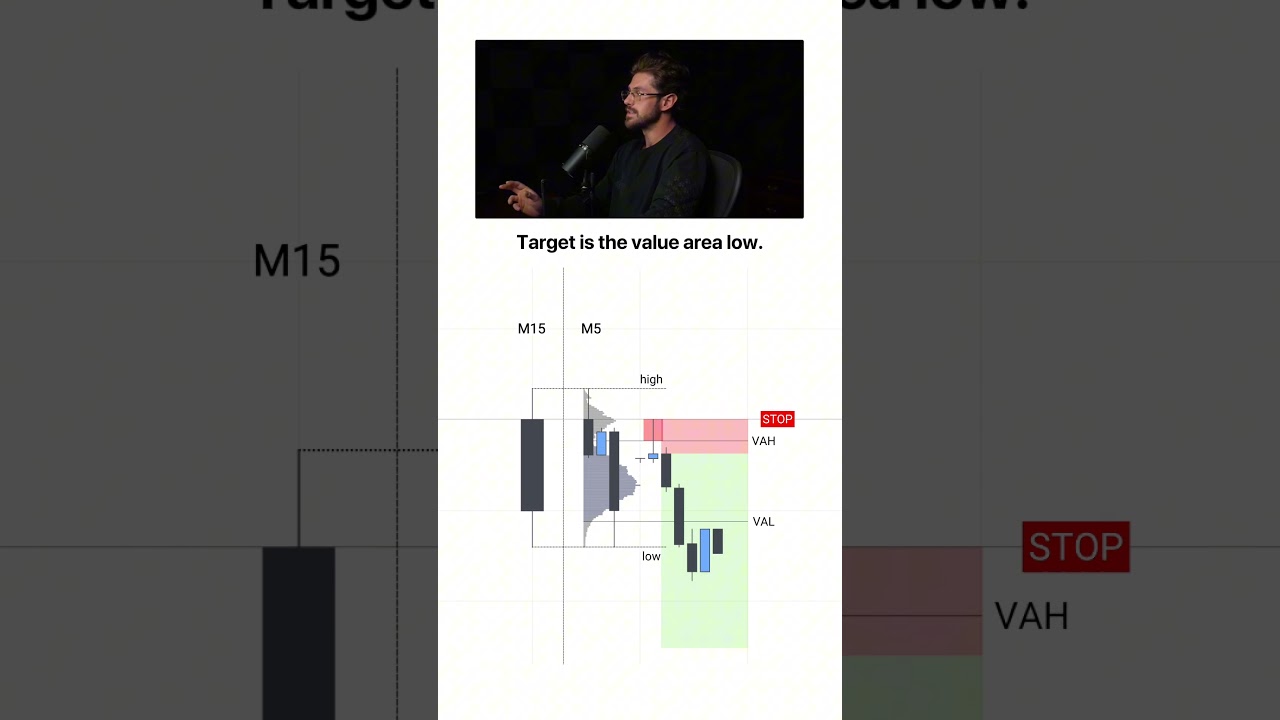
A swing high is when a candle is higher than its neighbors; a swing low is lower. Old swing highs become support in uptrends, old swing lows become resistance in downtrends. Wait for confirmation like engulfing candles or rejection wicks before you trade, then stop just beyond the swing point and target the next one.
Chapters
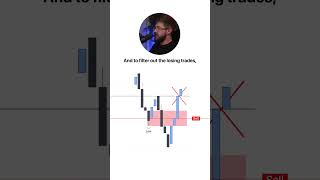
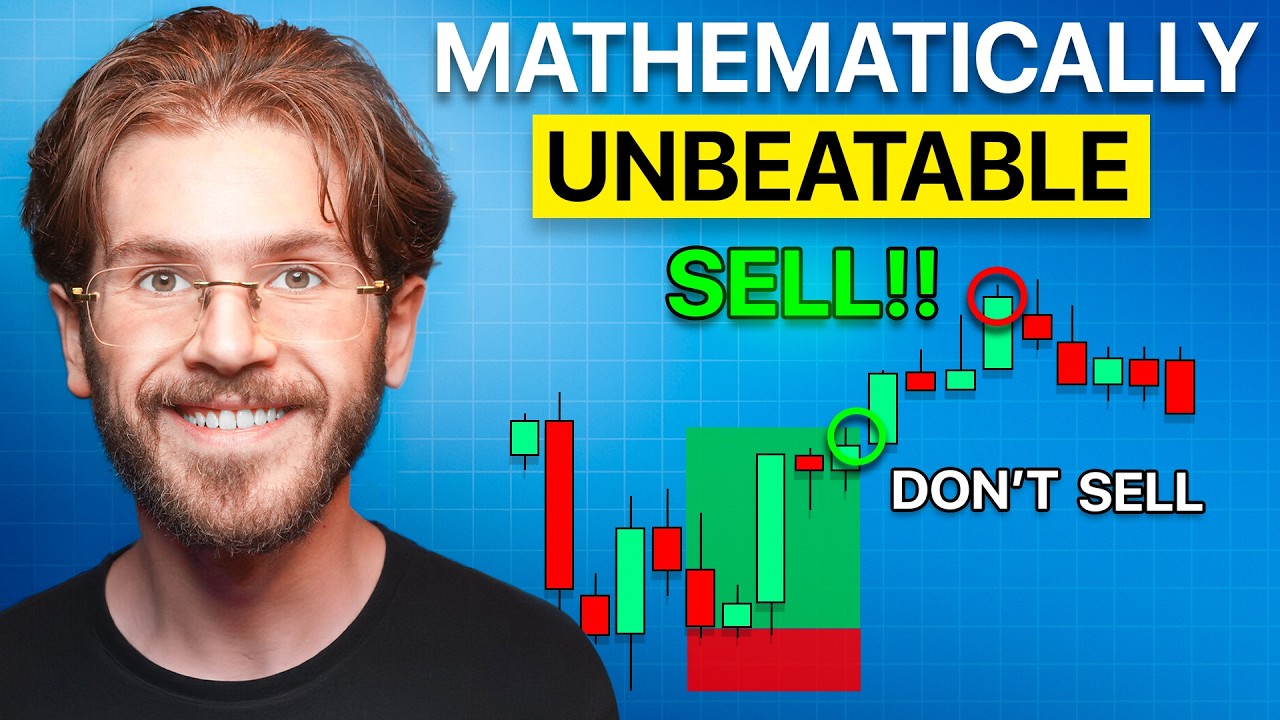
Swing points are the foundation of reading market structure, yet most traders don't even know how to mark them correctly. Let me show you. A swing high forms when the middle candle is higher than the candle to its left and to its right, and a swing low forms when the middle candle is lower than the candles to its left and right. These points show you where the market changed direction, where buyers or sellers took control. Now here's how to use them. In an uptrend, old swing highs act as support. When price pulls back to a previous swing high, that is where you look for buying opportunities. And in a downtrend, old swing lows act as resistance. When price bounces off of an old swing low, this is where you can look for selling opportunities. But this doesn't work every time, and to filter out the losing trades, you need confirmation. Don't just assume that the swing point will hold. Wait for an engulfing candle, a rejection wick, or a fair value gap showing the level is actually being defended, and then you're good to enter the trade. Stop goes beyond the most recent swing point, and you can target the next swing in the opposing direction. Now save this post so you can study it again and again.