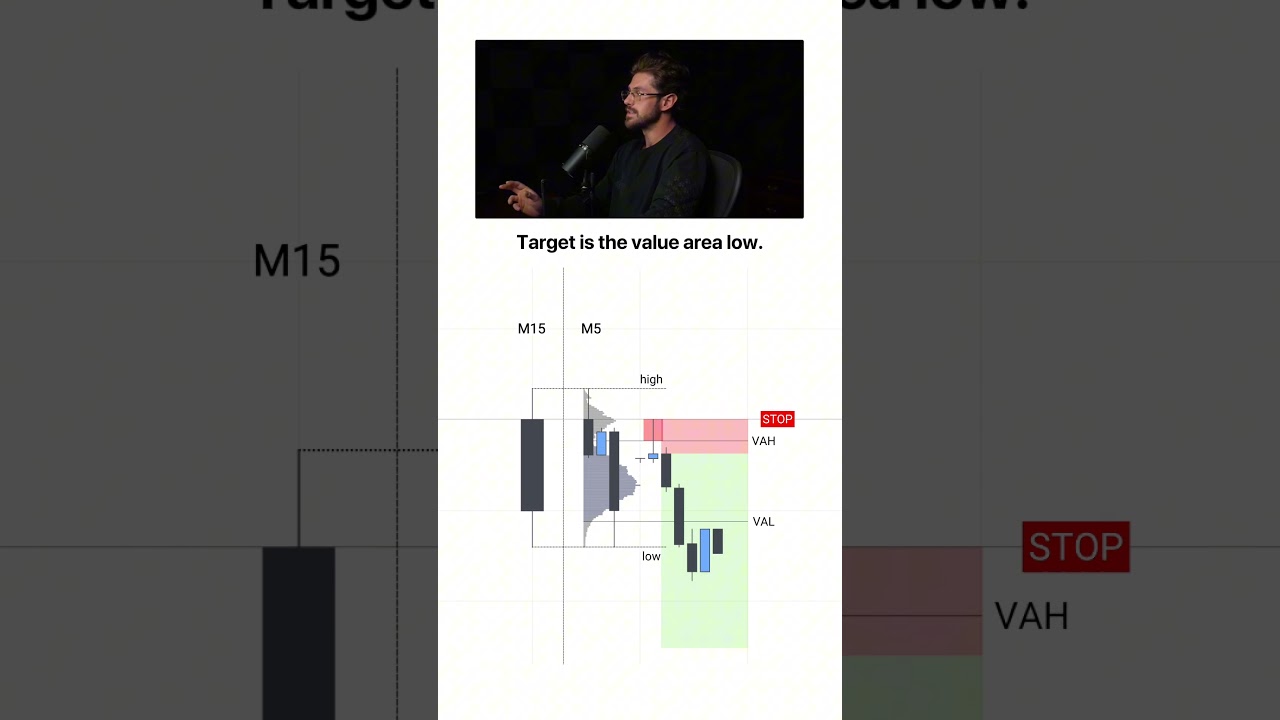
Jesse Rogers shows a day-trading method using the first 5-minute candle at 9:30am ET. Mark its high and low, wait for a displacement with a fair value gap, enter on an engulfing candle, and use a 3:1 risk-to-reward ratio. Takes about 90 minutes daily.
Chapters
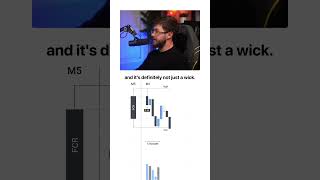
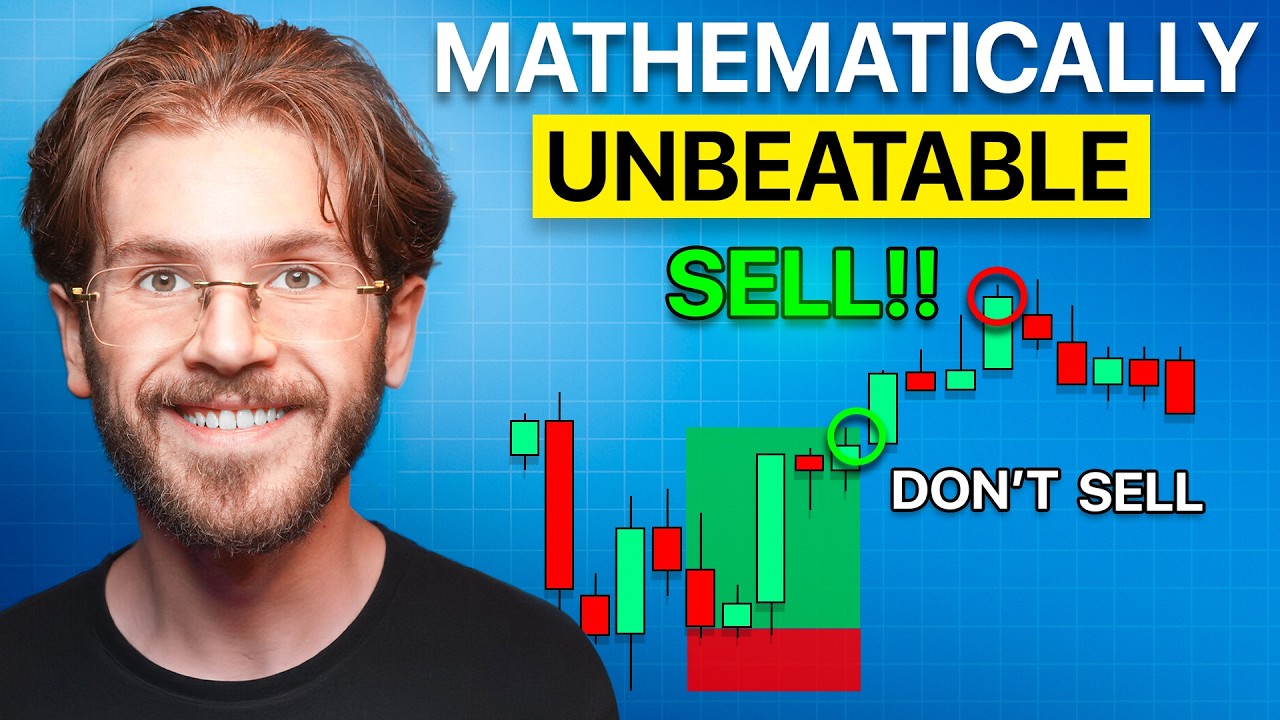
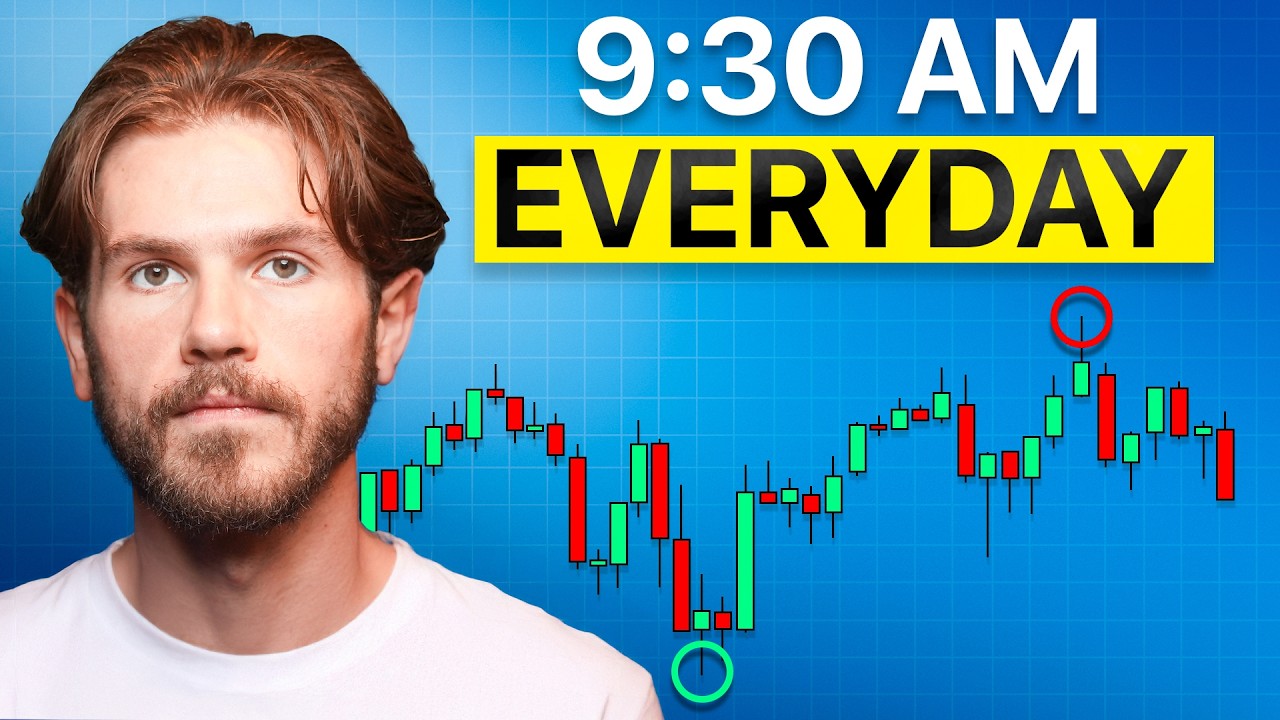
This one candle strategy works every single day and it is so stupid simple that even a complete beginner can't mess it up. I've tested it over thousands of trades and it consistently gives me winning days like this, this and this. And the best part, it takes less than 90 minutes of work per day. So here's the strategy in three simple steps. One is simple. You get everything that you need to trade in the first five minutes of the day. Mark out the first five minute candle which starts at 9:30am Eastern Standard Time. Take its high and it's low. And these are your two levels that you'll use to trade. Step number two is to wait for a break. Now, we need a very specific behavior to actually confirm a break. And no, it's not just a candle closure and it's definitely not just a wicked. What we're looking for is displacement, which shows us who is in control of the market, whether it is buyers or whether it is sellers. And to confirm this displacement, we are going to use a simple pattern that's called a fair value gap. Now this occurs when you have an expansive middle candle with gaps on the wick before it and the wick after it. And once this happens through the first five minute candles, high or low, we wait for a retest into the fair value gap. And once we get an engulfing candle which completely covers the retest candle, we've confirmed this break is good and it's likely to continue. We enter the trade stop goes at the first candle of the fair value gap and our target is a fixed three to one risk to reward. This means on your winning trades, you make three times as much as you lose when you're wrong. Just like I told you, a stupid simple strategy. Go and test this and see how powerful it is for yourself. And make sure to save the video so you can reference it when you're testing it.