Jesse Rogers walks through the first candle rule, a day-trading method that trades one setup daily at 9:30am. Wait for the first five-minute candle to close, mark its high and low, then drop to a one-minute chart and watch for a break with a fair value gap confirmation pattern. He claims the strategy made over $100,000 in a single month with a 3:1 reward-to-risk target.
Questions this video answers
Over $100,000 in a single month.
After the 9:30am Open; use the first five-minute candle of the day.
1-minute chart.
A three-candle pattern created when the market moves with force and leaves a gap between the first and the third candles.
Fixed 3:1 (three-to-one) risk-to-reward.
Chapters
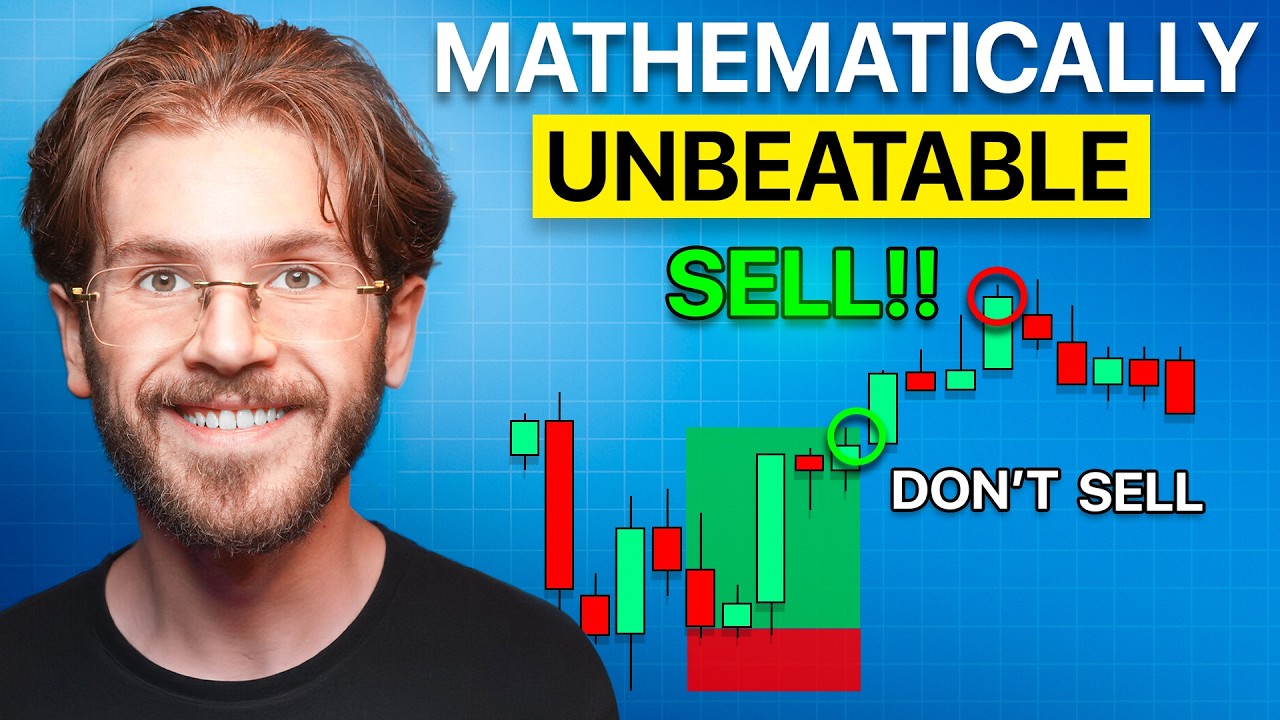
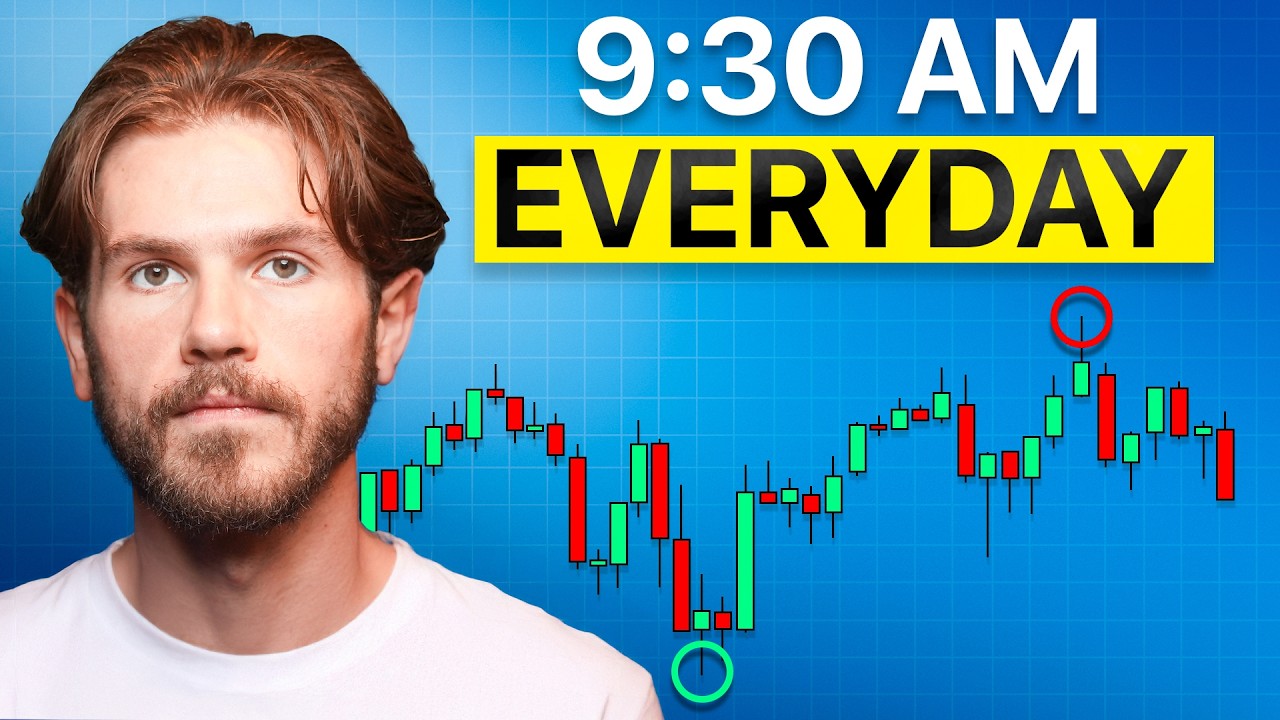
I trade one candle every day at the same time. And this boring strategy made me over $100,000 in a single month. Because the truth is, the more that you complicate your trading, the more money that you're going to lose. But the more that you simplify, the more you'll make. So here is my stupid, simple approach. This is called the first candle rule. And all you need to execute it is the first five minute candle of the day. Each day after the 9:30am Open, you're going to wait for the first five minute candle to close. And. And after that candle closes, you mark out the high and the low, and then you drop down to the 1 minute chart and wait for the market to break one of these levels. But we need a very specific type of behavior to confirm a break. And no, it is not just a candle closure and most certainly not just a wick. And what we're looking for is a displacement. And the pattern we use to confirm this is a fair value gap. Now, fair value gaps are really simple. They're just three candle patterns that are created when the market moves with a lot of force and leaves a gap between the first and the third candles. Wick. Now, once the fair value gap forms, we still need to wait for our confirmation, which is a candle digging and retesting the fair value gap followed by an engulfing candle. Once this engulfing candle closes, we enter the trade and target a fixed 3 to 1 risk to reward. This means that on your winning trades, you're going to make three times as much as you lose on the losing trades. So simple, mechanical, and repeatable. Now, save this and study it again and again. If you want me to walk you through this step by step on my upcoming live class, comment the word class and I'll send you a free ticket before they're gone.