A veteran trader rates the Relative Strength Index 1/10 for lagging behind price moves, gives moving averages 6/10 because institutions watch them, and prepares to score trading patterns. He's skeptical of most traditional tools.
RSI indicator.
1 out of 10. Lagging indicator, and by the time this gives you a signal, the move's already over.
Standard moving averages.
6 out of 10. Every institution in the world uses these levels, so the market will always react to them.
Trading patterns.
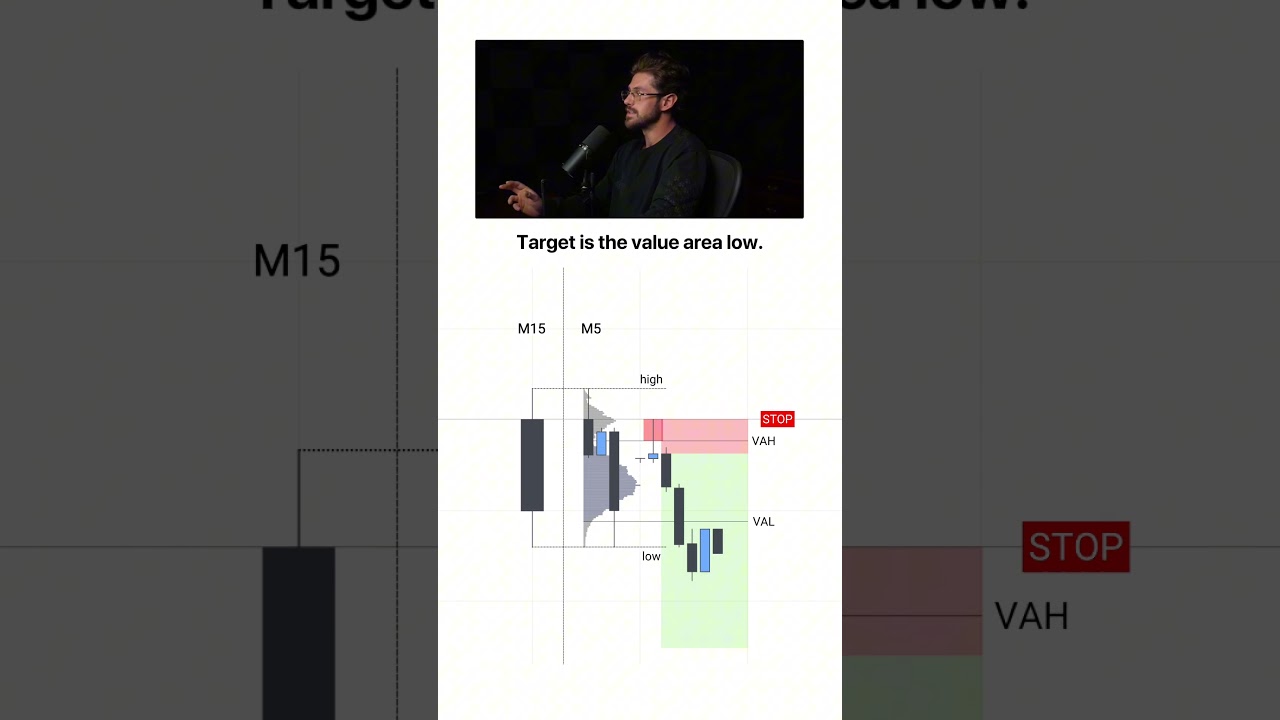
Way too subjective. 2 out of 10. There's absolutely no logic behind them, so you'll never have conviction trading these strategies. Fibonacci. 3 out of 10. Inconsistent. There are too many ways to anchor your levels. Supply and demand. 4 out of 10. Right idea, wrong tool. Because these strategies are based on price, but you can't truly measure supply and demand without volume. Fair value gaps, 5 out of 10. Idea is right, but you can't tell which ones are real without volume data, so they're incomplete. ICT, 5 out of 10. ICT has the right idea, but the way it's taught is flawed, and it's based on a bunch of conspiracy theory and no actual data. Volume profile, 10 out of 10, because this is how you actually see what ICT was trying to teach you. Where the largest positions are in the market. Order flow, 10 out of 10, because it shows you who is really in control of the market in real time. Here with the volume profile, and then now you have the full picture.