A trader's profitability depends on reliably identifying directional bias. This three-step method removes guesswork: mark the New York session volume profile (9:30 AM–4:00 PM EST), compare yesterday's close to the value area to spot if the market closed above or below fair value, then check today's opening price against that same level. A mechanical process cuts overthinking and psychological errors.
Chapters
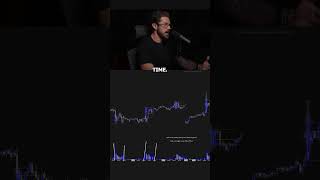
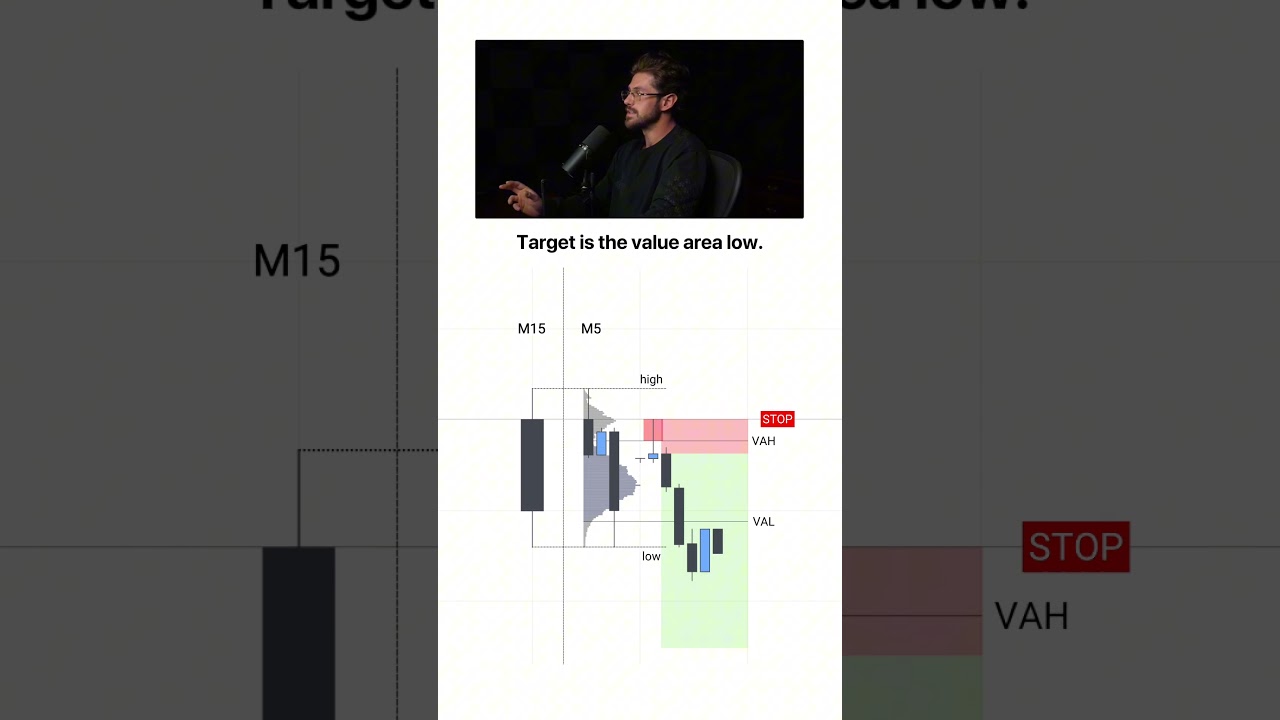
The easiest way to instantly boost your win rate as a trader is by having a good system for finding directional bias. Because if you get the bias wrong, then all of your other analysis will fail, and this gives you bad psychology, which then sends you on this loop of being an unprofitable trader. Now, the reason most people get this wrong is because they don't have a clear process, and this leads to overthinking. But I'm about to give you 3 steps to find mechanical directional bias. That way you never have to guess again. Step number 1 is we're gonna mark out the New York session volume profile. That is from 9:30 AM Eastern Standard Time to 4:30 PM Eastern Standard Time. 4:00 PM Eastern Standard Time. And the reason for this is because as you can see, almost all of the real volume trades during these hours. This is because the institutions are active during this time. Step number 2 is to take a look at how yesterday closed. So let's imagine we're starting our trading day and it's 9:30 AM. We're gonna look at the day before and see where the market closed relative to the value area. Now in the volume profile, the value area is just this shaded area you see here. And what it shows is where 70% of all volume traded or where the market agreed was fair value. Now, if we notice right here, we closed above it. So this would mean that the market closed at a higher price than what was agreed as fair. That is bullish. And then step number 3 is looking at how today opened. So as we can see, this day opened up higher than the previous day's value area. So that is also bullish. Now you have a mechanical way to find bias and trades. Save this video so you can come back and study it before you trade. Thank you.