5 Social Hacks To Instantly Look Higher Value
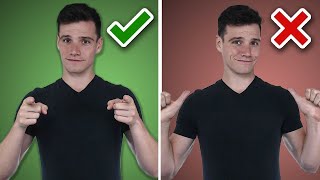
Charlie shares five psychological tactics to boost your influence: using "but" to reframe objections, creating double binds to limit someone's choices, visualization to build confidence, strategic framing, and scarcity to increase perceived value.
If you've been watching this channel for a while, you might have realized that the most interesting and useful psychological tricks that we talk about are not taught in school. Good news is, that's where we come in. So in this video, we're going to be covering five psychological tricks that can get you more of what you want from life more easily. And these are especially useful in any sort of scenario where you're trying to persuade someone. The first one has to do with a very common word that you use all day long. The word. But what people don't realize around the word. But I'm not talking about your rear end, I'm talking about the conjunction is that everything that comes after that in a sentence is where all of the emotional weight goes. So people get this wrong when they have mixed messages. They tend to front load the good stuff up first and then the bad stuff comes second. But this is exactly not the way that you want to do it if you want someone to walk away with a positive feeling about you. So here's a. For example, let's, let's say that a friend invites you out and you can't make it. What most people do is they say something like, oh man, I would love to go. I really appreciate the invite, but I can't make it tonight. It's not terrible, but all of the emotional emphasis on the fact that you can't make it. If you simply switch that and you say, ah, I can't make it tonight, but I would have loved to have gone. And I really appreciate the invite. All of a sudden, the emphasis emotionally is on the fact that you're appreciative that you would have loved to have gone. You're going to get more invitations. That person is going to feel better. So any sort of scenario with mixed news, put the good stuff second and the tougher stuff first. This second tip has to do with something called a double bind. Now, these are everywhere. The first thing you want to be aware of is when it's being used in a sales situation, perhaps to your detriment. So if you're going out and you're looking to buy a car, for instance, you're meandering through the lot and this person says, do you want to buy one that has a leather interior or that has a fabric interior? Maybe you've not set your mind on buying at this place, you might want another brand, but they're trying to put you in that line of which of our cars are you going to buy? They don't care if it's Fabric or leather. Now, this idea is all the time in sales. Be aware of it. But you can actually use it much to your own benefit with people who are stubborn. Or if there's a scenario where you know what you're trying to persuade someone to do is maybe something that they're not immediately going to be open to. And the best way to do this is to use a double bind. It goes like this. You. You say, look, I know that you're probably going to be skeptical about this, and quite frankly, if you weren't, I would think something is wrong with you when you do that. A very interesting double bind occurs. If the person agrees with you, you're leading the conversation and you're going to explain to them why they're skeptical and why you are skeptical of this thing, but why, in the final analysis, you came around to having an open mind. In the second scenario with the most stubborn people, they'll say, what do you mean, I'm not skeptical? Or at least they'll do this in their own head. And they will go into this conversation trying to convince themselves to have an open mind, which can be very, very useful if you're trying to persuade someone to do something. So that takes us to the third piece. This is around visualization. Now, everyone knows that when you visualize, you can do incredible things with yourself. What we don't realize is that the images that are created in other people's heads by our own words are just as powerful. And I think the most effective or at least the one that gets commented on the most when I meet fans tip that I have ever given is around interviews. And it's when you get to that final section of the interview, you use this tool. They say, do you have any questions about the company? And you respond, yes, actually, I do. So let's say this interview went really well. And a year from now, we're looking back. What would I have had to have done in that year for you to feel like I was a great employee? And then this was a good pick. When they're doing this and they're going through in their mind answering your question, they're listing all the traits you would have had to have have. They are visualizing you getting the job and nailing the position. So when it comes time to select who's going to get this job, guess who is going to be at the top of their list, They've thought about you doing a great job already. The same principle can be used across the board. If there's ever a time where there's a gatekeeper, right? And you don't feel like you're going to be able to get in. They're saying, ah, we're not going to be do this. How have you ever made an exception? Immediately forces them to go into their brain and think through imagery of times where they have made an exception. If you're dating or you want someone to like you, generally imagery of you in their mind, even if it's something that will never, ever happen, that is positive, bodes very well for your future relationship. So you can be a complete joke. If you're going on a first date, you're going on a second date, you might say something like, okay, our first date, you know, at the bar, that was great. Our second one, we're going to take a luxury cruise. We're going all across the Mediterranean. We're going to run around on the beaches and probably fly back and time for Monday, right? It's a joke. You can laugh about it. She can expand or he can expand upon the joke. The point is that now this person has this image in their mind that is very fun, hopefully, and that they are associating with you. So any sort of positive imagery that you can create with yourself is going to be very, very useful for getting people to like you. The fourth tip has to do with framing. Everyone gets this wrong. It is so simple. But there's something that is an iframe and. And a U frame. Most people speak in iframes, and you can generally find it by the fact that they use the word I often. When you're trying to be persuasive, using an iframe is worth nothing. It's all about you frames. Even if the iframe is polite. So I often get messages that say something like, it would mean the world to me if you could do X, Y or Z for me. I love your channel. I, I. And while that's all kind and it's very polite and sweet, it's not at all persuasive. Much more effective in the times where I do find myself doing things for fans that have reached out are when they talk about you. In this case, it's me. And they say, you know, same person might write an article, might write an article and say, I wrote this article. It would mean the world to me. If you could share with your audience, somebody else might say, I wrote this article for your audience specifically. There's something in there that is framed around sharing this article to get more eyeballs on your content. No pressure, but if you'd like to share it. I think it could help you out a lot. The second one could be the same article is going to be much more persuasive because it's framed in terms of my benefits. And I think when growing up as kids and even interacting with teachers, we expect people to just want to do things for us. And then when we get out into the world and strangers aren't as obliging as parents or teachers may have been, it comes as a shock to some people. So get used to that. You frame rather than the I frame. The last thing here has to do with scarcity. Now, I've talked about scarcity, but truly it might be one of the most, if not the most important psychological factors for creating desire. We go crazy when we feel like this is our last chance to have something, someone, whatever it is. The problem here is that when we really want something in our lives, we tend to make ourselves extremely available. We destroy any sense of scarcity. Now, I'm not telling you to fake scarcity or fake plans or pretend that you're not available to the people in your life that are interested in spending time with you. But I am saying that when you're dating, for instance, and your friends ask you if you can go out Friday night on a Wednesday, but you're trying to keep that weekend open for that person who might ask you, say yes to your friends and commit to it. I promise you if that person contacts you on Thursday and says, are you free Friday? You say, ah, I can actually, because my friends are out. But I appreciate the invite and would have loved to. Right, we're using to here the next week. They're going to contact you on Tuesday or Wednesday because that makes them value your time more. When you're looking for jobs, don't just go all in on one job and explain to them how this is your everything, right? It might be very important for you to get that job. And you can see that but continue searching elsewhere. Quite frankly, this just happened within our company. We're looking to potentially hire someone. They're in sort of a trial phase and they got to a position where they said, look, there's this other gig coming up. I do want your job, I would really like to have it, but I need to know by next Thursday or else I have to take this job. This put pressure on us and quite frankly, we decided to go with the person. Would we have otherwise? I don't know. The point is, scarcity is incredibly important for influencing people. It works on me, works on everybody, all the time. Don't fake it, but allow your schedule to be filled with things that make you a bit more scarce and less 100% available. So I hope that you found this helpful. You can start applying these tips today. What's up, guys? This is Charlie from the future. Realizing that, I ForGot to make two quick announcements. The first one is that we now have a podcast. If you'd like to check that out, there's a link in the description where you can watch it on YouTube. It will soon be on itunes, Stitcher, all that stuff. But for now, link is in the description if you want to see the most recent episode. The second announcement is that we are actually hiring at Charisma on command. I'm looking for specifically a research assistant, potentially a writer, to help me with Charisma breakdowns. It's a lot of my work goes into this and having someone to support me with that would be massively helpful to creating more content for all of you guys. So if you think this is something you'd be good at, go ahead. The link to the job application is in the description. If you know someone, if it's something you thought you could do, definitely check that out. I'm very excited about this position. So that's it for now. I hope that you guys enjoyed this video and I will see you in the next one.





