6 Mindsets That Make People Respect You During Conflict

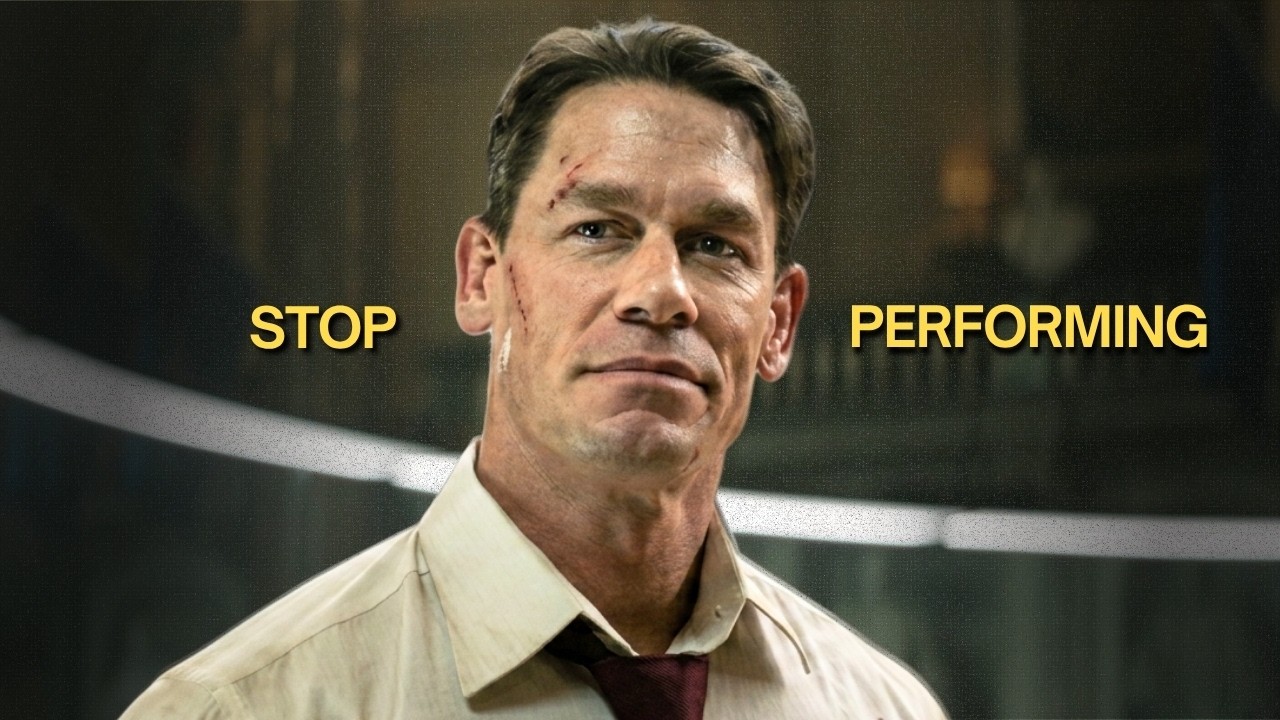
Charlie Houpert breaks down a Colin Farrell boxing scene to show six mindsets that earn respect during conflict. The coach apologizes to criminals for his students' theft by staying calm, taking full responsibility, and refusing to make excuses. He humanizes the moment and stands firm instead of trying to convince them.
Chapters
I absolutely love this scene because it is basically a masterclass in how to deal with conflict. Colin Farrell's character, the coach, has almost no leverage. He's dealing with genuinely dangerous people and he still manages to apologize and take responsibility without becoming defensive, weak, or desperate for forgiveness. In under 60 seconds, the coach demonstrates 5 of these 6 charismatic mindsets that we teach on this channel. And if you understand what he does here, you'll be able to walk into a tense situation take responsibility, and still come out with more respect than you walked in with. So the situation is this: the coach is a boxing trainer whose students have just made an enormous mistake. Without him knowing it, they robbed a farm belonging to a criminal organization. Now the coach has walked directly into that organization to apologize for what his boys did.
Feel free to talk.
One of the hardest parts of making an apology is this first point of contact. It's awkward. You're anticipating the conflict that's about to come, and Raymond here isn't making it easy on the coach. He's not making eye contact, he's not Not inviting at all. Overall, just an extremely intimidating situation. And the mistake a lot of people make when they meet this kind of energy is they either lose the nerve to apologize and start dancing around the topic, or they start to make excuses for why they messed up. And I call this basically, how do I be safe thinking? But this is where the first mindset comes in— no matter what, I will be okay. This may sound like positive thinking, but it's more like flipping a switch in your brain. It changes the situation from a threat To a challenge. As a result, you're able to approach the conflict instead of withdrawing, and having that mindset is what allows the coach to get right to the point and say this.
I gather you're the consigliere of the outfit that my boys were stupid enough to fuck around with. On that note, I'd like to extend my apologies on their behalf.
What the coach says next gets dangerously close to something that ruins a lot of apologies.
My boys, they're naive. They've had hard lives and they're just starting to come good.
When people screw up, their first instinct is usually to make excuses in order to protect their image, and at first, it seems like this is what the coach is doing here, but there is a massive difference between an excuse and an explanation. An excuse gives a reason for what happened and then uses that reason to dodge responsibility. The coach is doing the opposite of that.
They've had hard lives and they're just starting to come good, but they're my lads, my responsibility.
This is the perfect example of the second mindset, which is I care more about my character than my reputation. A lot of people in this situation wouldn't have wanted to take the blame because it would make them look bad and they might be in trouble. But ironically, this has the opposite effect. If the coach had tried to blame his students or deflect, he'd have come across as weak and defensive. Taking action based on your character, what you value, and what you think is right is almost always inconvenient. That's why it's so valuable. And Ray can see that he's chosen not to take the easy way out. And it's not just about earning Ray's respect. When we violate our own ethics and then try to get away with it, we reduce our own self-respect and that's why character matters so much. But the most important part of the apology is what the coach says next.
Now, I can return your goods but I can't return the inconvenience, the time, the fucking headache.
This is where apologies often go wrong in relationships. Imagine your partner isn't doing their share around the house and they're not doing the dishes. It would be nice if you said thank you and helped You left me with the dishes. The problem isn't just the extra work that you had to do; it's that you spent a bunch of time wondering about why they weren't getting it done and it made you feel disrespected. And so when they are apologizing for not doing the dishes, it doesn't fully capture the scope of the problem. That's why what the coach says here is so important.
Now, I can return your goods but I can't return the inconvenience, the time, the fucking headache.
By acknowledging the full depth of the wrong that was done to Ray and his organization, he's making Ray feel understood. like they have a shared reality and therefore he can trust him. The reason most people don't do this though is because our instinct when we apologize is to shrink the problem down so it makes it seem like what we did wasn't so bad.
I meant no disrespect.
But it's the opposite mindset that makes an apology feel complete which is I have impeccable honesty and integrity. Having the courage to acknowledge what went wrong to its full extent is actually what makes an apology land rather than feeling like a dodge. Now, the coach is already in an intimidating situation.
I've got some good news.
What?
I found out whose weed we took.
That is not good news, Ernie. Mickey Pearson is terrible news in the face of a violent and expensive debt.
So the last thing you'd want to do in a situation like this is to expose your vulnerabilities, but that is exactly what the coach does next.
I'll make amends, but just leave me lads alone.
What makes the coach such a charismatic person is that he has equal parts competence and warmth, which is what we see here. You can tell by the emotional tone of his voice that he genuinely cares about his students and He's communicating that he's concerned about their wellbeing. Now, up to this point, Ray could interpret everything the coach is doing as a strategy— just a guy trying to protect himself, settle a debt, and get out of a bad situation alive. But when the coach says—
Just leave me lads alone.
He's demonstrating the 4th mindset, which is I go first in humanizing the interaction. When you are willing to show what you genuinely care about, your motives become easier to understand, and as a result, you make yourself more trustworthy. But the hardest part of this apology is how Ray reacts to it.
First of all, I'm gonna need to know how your lads got the information about where our farm was sighted because that's not common knowledge.
The coach has just humbled himself before Ray and he gets nothing back from him. I think most people would feel pretty devastated by this reaction especially since a major reason that people do apologize is to get forgiveness— to be absolved of the guilt that they're feeling. But the coach does 2 things here that I think are really impressive. The natural thing to do here would be to double down on trying to convince Ray that he's truly sorry. But instead, the coach does nothing. Children usually apologize because they're trying to get something. They want the forgiveness, they want their privileges back, they want the other person to stop being mad at them. And of course, the coach hopes that Ray will accept this apology, but he doesn't beg him to receive it in any particular way. Joe Hudson calls this an upright apology. You're neither begging for forgiveness nor trying to escape blame. You're just standing in it because you behaved in a way that you want to change. When we're interacting with someone, there's a lot of times where we're thinking, I need to get this person to like me. I need to make this sale. Or in the coach's case, I need this person to forgive me. But regardless of the relationship, you do not want to drop into this convincing mode. And this is especially important during an apology because then instead of offering up something to them, you're putting pressure on them. And that's actually the 5th charismatic mindset, which is I don't need to convince anyone of anything. But part of why the coach is able to take this in stride is because he has an ace up his sleeve.
I'm gonna need to know how your lads got the information about where our farm was sited because that's not common knowledge.
Well, I can do better than that.
One of the strongest positions you can apologize from is when you've already started to make reparations. In the coach's case, he actually tracked down the man that leaked the location of the farm but let's just take the dishes problem. Instead of apologizing and then changing your behavior, Just start washing the dishes. Then when you do go to apologize, you've already started fixing that problem. Actions obviously speak louder than words. What I love about the coach's character is that he displays all of the same qualities when the power dynamics are flipped like in this scene. You could see all 5 of the charisma mindsets we discussed earlier in the scene but he's also demonstrating the 6th mindset.
Youse are embarrassing yourself here, lads. Kids stab, girls shoot, boys punch, grown-ups Fight with our heads. That's where the real battle is— up here in the gray. Now wake up, lads. Come on down to the gym. We'll see what we can do with you.
When you openly share what you genuinely care about, what you're trying to do, you give people a chance to connect with you even in a moment of conflict like this one. And that is the final charisma mindset, which is I proactively share my purpose. These mindsets form the deepest layer of confidence in conflict and everywhere else. It's not about always having the perfect response, never looking weak, or even getting the other person to respond to you the way that you wish they would. It's being okay even if someone is angry with you, even if you have to admit you were wrong, and even if the conversation doesn't end the way you hoped. Because when you believe that you'll be okay no matter how they respond, you stop scrambling to defend yourself. You stop trying to explain everything away or convince the other person to see you differently. Instead, you can stay calm. You can tell the truth and take responsibility. When you have the internal confidence and the ability to communicate confidently, conflict becomes a lot easier to handle. Now, if you're interested in the fastest way that I know to build both that internal confidence and the ability to actually show it when you're feeling pressure, that's exactly what we work on inside of Charisma University. Over 30 days, you'll get a clear action to take every day so that you can practice these skills until they start becoming your default response instead of something that you have to consciously remember in the middle of a stressful conversation. The program works on both the internal side of confidence and the Internal skills of how you communicate, which takes a lot of the guesswork out of it. You just follow the exercises and practice them in your real life. So if you want to feel calmer, more confident, and more grounded in difficult conversations, you can learn more about Charisma University with the link below. Either way, I hope you enjoyed this video. I'll see you in the next one.