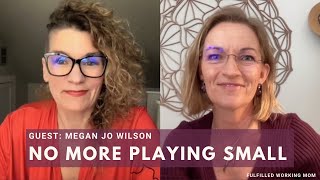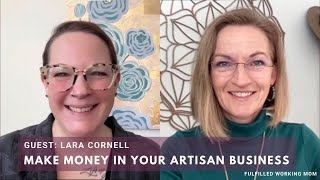
In this live‑recorded Facebook group session, host Charlotte Freeborg interviews artisan business strategist Lara Cornell. Lara shares her personal journey from a childhood finger‑painting dream to becoming a teacher, international program manager, and ultimately an artisan entrepreneur and coach. She discusses common challenges artisans face, such as the "starving artist" mindset and under‑pricing their work, and explains how she helps creators build sustainable, impact‑driven businesses. Central to her approach is the "Legacy Artisan Business" model, a triple‑bottom‑line framework that integrates financial sustainability, social impact (grant programs, heritage restoration projects), and environmental stewardship (eco‑conscious materials, circular economy). Lara outlines who benefits from her coaching—craftspeople at any stage of their business—and describes her step‑by‑step "Legacy Blueprint" that helps artisans clarify purpose, pricing, branding, and marketing in ways that suit introverted creators. She also highlights her resources: the international bestseller Maker’s Mark: Make a Living and an Impact with Your Artisan Business, the Impactful Artisan Podcast, and her website (laracornell.com/free‑book). The conversation closes with Lara’s definition of fulfillment, emphasizing a harmonious blend of family, purposeful work, and community impact. The session offers practical advice, mindset shifts, and actionable resources for makers seeking a thriving, purpose‑aligned business.
Chapters
Welcome to this live in the Facebook group for fulfilled working moms. Whether you are joining us live or maybe watching the recording, maybe you watch the recording outside the group, fulfilled working moms, then feel free to come and join us. This is a group where we teach, inspire, encourage moms, women to find a career that's fulfilling. So that we also have time for ourselves and our kids and our family and the rest of life. So I am the host in here. I'm Charlotte Freeborg, and I'm a coach for moms who are either re-entering or redirecting their career so they can find that fulfilling business, job, whatsoever. And I love bringing in guests here and other experts, and today I have a very special guest and friend, Lara Connell. We have known each other for quite a while. We have been in two different— actually still are in a mastermind together, two different ones. And I just want, before we start the conversation, want to share a little bit of who she is, what she has been doing. So I'll read her bio. Lara Connell is a business strategist and coach specializing in supporting artisans, artists, and makers. She is the international bestselling author of Maker's Mark: Make a Living and an Impact with Your Artisan Business, and the creator of the Impactful Artisan Podcast. I listen to that, I just want to say that, to that. And she founded the Artisan Business Academy, Artisan and company and the Impactful Artisan Guild, focusing on educating and showcasing impact-driven and ego-conscious— I love that— artisan business around the world. When she's not geeking out on branding and marketing, she lives an artist life with her family, where she is often found painting, gilding, creating perfumes, or traveling to France. Wow. And I've seen your artwork. It's magnificent. Welcome, welcome, Lara. I'm so glad that we get to do this. We talked about doing this for a while.
Mm-hmm. Now we are.
Yeah. So welcome.
Thank you.
So I would— what I would like to start you sharing and talk about is how you got to where you are, because what I do know from our previous conversations is that like many other creatives, people who love doing art, who may feel maybe even as kids have felt like, oh, if I could just make a living from this and do this all the time. And then we are told, no, you can't do that. And we believe in that. So I know you have experienced some of that, but would you like to start share with us maybe part of that story and where you are, how you got to where you are now.
Yeah, so I actually remember when I was— I must have been 5 years old maybe. And I remember, you know, when you're a kid, everybody asks you, what do you want to be when you grow up?
Yeah.
And so I knew that I wanted to do something I loved, right? And I was thinking about, well, what do I really love to do? And what I really love to do and what I wanted to be when I grew up was a finger painting artist. I wanted to finger paint everything. And I remember even then people saying, well, that's not a real job. Like, you have to pick a real job. And so I thought about it. And, you know, as you grow up, I thought about a lot of different things. And I was always surrounded by artisans. My family is very crafty. Growing up in Minnesota in kind of a farm country that had two universities, it was kind of a mix of like being part of the land, but also being cultured and educated in art and theater and all of those things. I was— I had family that were, you know, woodworkers and stained glass makers and gilders and all of those things, right? But I didn't— none of them were doing it to make money. So whenever I brought up like wanting to do this for money, I would hear, well, you can't do that for money. That's just not a thing. You have to get a real job. So when I went off to university, um, I didn't actually— in high school, I barely took any art classes either, because I was taking things like French, or I snuck in an architecture class. I was very proud of myself for that because I felt that was artistic. Um, and I thought about going off to the university to do architecture, but I ended up going into teaching, which I'm finding out almost— well, I would say at least 50% of creatives end up in teaching in some way, shape, or form, because it's still creative. It still allows you to maybe be an art teacher or a creative arts teacher or a writing teacher or something that's creative but pays money. Yeah. Um, so I went into teaching and then ended up moving into international travel and managing international exchange programs with France. Um, so I learned a lot of— I guess I went more the business route, behind a desk kind of thing. And then, um, it was around 2012 or so when my son was born, I think, that I was starting— he was my third child— I was starting to get really I felt very disconnected from who I was and who I wanted to be. Like I had taken like a weird fork in the road that wasn't quite right. So I went back to painting and it just— one thing I truly believe that when you're on your right path, it just kind of lays out in front of you. You can't see it coming, but it just kind of gives you the next step constantly. And if you keep following it, that's where you end up. So I built an art business, I built a social impact venue, and now I coach on Building social impact and eco-conscious brands for artists.
I love that. I love that. That's something I also talk a lot about, how to trust those breadcrumbs that are in front of us. It's so easy to go into doubt, right? Oh yeah. Question ourselves and what will other people think and say. And yeah, is all the other things I've done, is that a waste of my time? But I can see how your entire life journey, it's like all these crumbs have created like this magnificent, like, program. I know you have, like, what you have to provide to others who would like to, to do the same, to bring out their gifts. So I, I know also something you talk about is how creatives, makers, they often give their stuff away. Price it too low and how that is not sustainable. Can you talk about that and maybe give some encouragement?
Yeah, I mean, I think so. When people become— they come into the maker creative space and they start playing with making it a business, typically it starts with making enough to recoup their costs. So it's not really— they're not really looking to build a profit per se, but they're making sure that they're not, um, they're making sure that they're— it's sustainable in the fact that they can keep creating. They're not necessarily profiting, but they're making enough to cover their costs and then make the next thing. Um, and then there gets to be a stage where they start realizing that they're not making any money and they wish they were.
Yeah.
Um, so they move more into like making it an official business and what that looks like. But artists have this amazing quality. I think that they are so often bleeding hearts. They have like messages they want to share, and they use art to get out their feelings, and art is healing, and they often lean into that. And I feel like sometimes they get— I don't want to say used, but sometimes they get taken advantage of. Without realizing what— I don't know that any party actually realizes what they're doing, but they're giving things for charities and they're giving things to the school and they're giving things to friends and they're not building opportunities to make money and they're not looking at their business as an actual business. And that's where I think for me, even when I started, I built— I call it a patchwork quilt type business. Like it was kind of all over the place. It didn't make any sense. I wasn't applying the business skills that I knew to my art business. I don't know why, because I think maybe it's because we're taught when you go into art school or not art school, right? But business school is a separate school. Art school is a separate school. They're not like, they don't talk to each other. They don't communicate to each other. You don't learn both. You learn one or the other. So I think my, my kind of niche was being able, or my I don't know, my superpower was to be able to bring those two pieces together so that an artist can have a business that brings in money so that they can keep doing it for a long time.
Yeah, I love that. And I love that how you see those superpowers of yours and how you can weave that together. And that I talk a lot about that, how we can weave, like weave together, use all the things we have and make it ours, make our unique fingerprint. And I see you do that. And I would love for you to talk more about that and what's in that. But I just want to touch a little bit on something that I thought about. How about— I can see maybe also with pricing, there can be some money blocks, some money stories.
Oh yeah. Right. Yeah. The starving, the starving artist mindset, which actually encompasses lots of different mindset blocks, um, is very real and it's not only in artists. It's in the general public as well, like this perception of a starving artist.
Yeah.
Um, but yeah, there's a lot to work through. And part of my, my passion with what I do is that I help them build businesses that aren't just profitable, but actually have that give back piece that's built into their roots. It's not just a, you know, well, it's October, so I think maybe I'll donate 10% to breast cancer research or something like that. It's something that's actually built. Down into the root system of their business so that they are having ways that they're giving back. They're just not giving away everything.
Yeah, and that also is such a profound way to tap into knowing that there is enough. Like that shift of giving away first and figuring out, wow, I'm still surviving and I'm still— there's— and sometimes actually there's more coming in when we give out first, right? Like, so I can see how that ties so beautifully into how you want things to be done organically. And yeah, yeah, yeah, beautiful. So you want to talk about— I would love to hear about that. I mean, just the name, I like it, Legacy Artisan Business. So please share with us what, what's that, how you Yeah, what have you woven together? Yeah, what have you created?
What makes the legacy? Um, so I, it started, I think we hit the certain age, right, where people start passing away in the family and you start collecting memorabilia and heirlooms and things from family members. And as I started to kind of ease into that part of life, um, and having kids also puts a big focus on it, but it was really thinking about What do I wanna leave behind when I'm not here anymore? You know, what makes a legacy? And for me, it was important that it was a financial legacy. I want to have a business that survives a long time. I don't want it to be just a 2-year thing and you move on, you know, maybe my kids take it over or work within my business, or maybe it moves on to something else, but something that grows for a long time, which means it has to be financially sustainable. Sustainable. Yeah. The second was I wanted to be able to make an impact. I wanted to have a purpose for the business. I wanted to give back somehow. So for me, it's giving back to the artisans, building grant programs, but I also donate to, um, castle projects in France and in England and various parts of Europe that also hire artisans to help restore their castles. So it's a way for them to get paid and kind of keep that tradition, that heritage piece moving. And then the third piece is making sure that we're taking care of the planet, because it's all for naught if the planet can't survive, right? So building in pieces into our businesses that are more eco-conscious, making more, more intentional decisions around what art supplies we use, what kind of products we make, with the, the eye towards, you know, can you make it as an heirloom, or can it be something that goes into the circular economy, which is where it keeps kind of getting repurposed and reused. It doesn't end up in a landfill. So it's called— in, in business speak, it's called a triple bottom line business. So it's, um, financial, economical, um, social, and environmental impact built into your brand. So not just your business, but your actual brand and what you're all about.
Yeah. So who ideally, Mai, who would be served by you? I mean, who would be, let's say, like artists sitting there watching, listening to this and thinking, um, should I reach out to Lara? I mean, what, what would be the first step? Like, where do you see people are? What would be a time what would serve them to reach out and talk to you about maybe working together, learning from you?
Yeah. Well, my clients are at all kind of different spaces in their artisan businesses. Typically they're, they're artisans that already have their skill set. They've been working in their craft for a while, even if it's just, you know, part-time or every couple months, or even if it's spread out. Yeah. All the way to people that are working in it constantly. What, what we have to do when we build a brand is we literally kind of strip back everything and start from the beginning. So for people that are more towards just kind of leaning into starting their business full-time, how does that look? And don't have— none of us have the time to waste trying to figure out all the things ourselves, right? So, um, it's an intensive time that I work with the clients and help them build their brand so that they're prepared to move forward. So people that are just starting out, they have a benefit that they don't have a lot of preconceived ideas on how their business should work or does work. But if people are farther along the path and they're looking more to maybe adding an impact-driven purpose into their brand, adding eco-sustainability into their brand, and trying to kind of rebrand, then that's a good time to do it too.
Yeah, and how important is that now?
Was so important.
With everything that's going on, all the little things we can do and bring in as daily habits to think not just like in our own little home, but for the planet. Oh my, we need that. And if we all can do just little shifts, we can make a big difference.
Yeah. And I find even with being a business owner, you know, being an artist, sometimes just being an artist and doing what we love isn't enough. You know, when things get really tough, you're only answering to yourself and you think, oh, maybe I'm not built for this, maybe I'll go do something else. But when you build in that eco piece or the impact piece, especially because you are more on kind of a, in a community of people that are, have this shared purpose, you have more of a reason to show up to work every day and do it because you're part of a bigger community. It's not just you as an artist.
Totally. And that's part of being fulfilled that we not just do it for ourselves, but we, we have we are on this planet together, right? We're not just here, and we know all minds are joined. There's so much awareness now how important it is to not just think about ourselves, but how we can think about others, and, and then knowing there's enough for everybody also. Yeah, yeah. So what— so I'm thinking, I'm thinking being an artist, being creative, that can be many different forms. I mean, I know people who are super creative also in helping with people like interior decorating, or are they like, could they get help? Like, would that be relevant for them also to talk to you? I mean, I think we can be creative and also think within sustainability. Yeah, so what name, what different kind of artists have you attracted into to your circle?
Oh goodness, um, textile designers, jewelry makers, metalsmiths, composers, writers, painters, um, oh gosh, it's ceramicists, potters, like You name it, right? Typically anybody that has some kind of product, so they hand make a product. However, the artisan brand would fit for an interior designer or somebody like that too, that has the impact and the eco-conscious pieces built in.
You know, you can choose eco-friendly paint and buy from companies that have that sustainability mindset behind their brand if they buy new furniture or Like, there are many ways we can look into even the clothing we buy.
Like, oh, absolutely.
What, what's the com— what's behind the— yeah, the mission of the companies we put our money into.
Yeah, yeah. And it's not even becoming— before it was rare almost to find people that were businesses that were impact-driven or had eco-sustainability, but now it's, it's coming to a point where it's not it, it's still not mainstream, but it's also becoming necessary. Like, the generations coming up are looking for those things, and they're not buying into the big box faceless brands anymore. Yeah.
So I'm curious, do you find that some people are hesitant? Like, I know we, we talk a lot about in Mastermind how every time we go to the next level, every time we come with a new idea, our ego, or like the part of the amygdala, the part of holding us back. Is that something also you experience with artists, like bringing, bringing their business and awareness out to the world in new ways, that that can be things that hold them back where you can be the support for them?
Yeah, definitely. I think the artists, the artisans that I've worked with, worked with, they have a lot of ideas, plenty of ideas. They're super creative, obviously. So The legacy blueprint is what we call it when we build it, helps them kind of focus in on kind of what their specialty is, what kind of areas they want to grow in. And then once— it's funny because once they kind of— I called it building your frame. So once they build their frame, there's so many more possibilities within it and they get super excited and super fired up, but they're hesitant to be seen. That's one of the biggest things for artists, I think, is they don't necessarily want to be seen. They want to make money, but they tend to hide a lot. So they will, um, you know, avoid doing any kind of awareness models. But the magic lies in when they start doing it, and they— especially when they have support and somebody, you know, the group cheering them on, like, 'Yeah, you did it! I'm so glad you finally sent that email.' It's so much more, um, exciting. I think that if you're just doing it by yourself at home, you tend to kind of spiral and find all the reasons not to do it. But when you have a support group, it helps get out. But there's so many, and there's so many different kinds of awareness methods too. So just have— being able to brainstorm those and where do you start and who do you start reaching out to.
Yeah, so good, so good. Oh my God. Okay, I, I, I think it's brilliant that you— and I can so see how you are the, like, such a safe, like, container, have created that safe container to, to support, um, artists to, yeah, bring out their gifts and figure out how we, yeah, how to, to do the marketing piece also. Yeah. Yep. Yeah.
In a, in a way that feels comfortable too. Like, it's not safe, but it doesn't. Yeah. I think too many people associate business with being extroverted. Like you're not good at business if you're not extroverted. And artists are typically not extroverted, but it's not true. There's so many different ways that you can build awareness that are more comfortable and feel more authentic to you. And you don't have to be this bubbly, going to all the networking groups kind of person to succeed.
No, I did that one time and oh my God, I just did not enjoy that. Thank you so much, Lara. I want to— you also, as I mentioned in the beginning, you wrote a book. It was an— it became an international bestseller. Um, can you talk a little bit about that? And, and we— and also we want to just want to let everybody who are listening know we will drop the link so you can get that in the comments, uh, as soon as this video has uploaded. Yeah, in the group. Yeah, so talk a little bit about that.
Yeah, so my book Maker's Mark, um, it walks through It's kind of a condensed version of what a legacy blueprint is and the steps that you take when you're kind of fleshing out your business. All the things that you need to consider and think about before you worry about, you know, what your brand colors are or what your best photos are or what your fonts or your logos are. All of that comes later. This is all stuff that you need to kind of flesh out so that you know who you are. As a business owner and what your business purpose and what it stands for and what it's trying to achieve. So it's built a little bit like a workbook, you can go through, you know, one step at a time to help kind of think about what your legacy is.
Yeah, I love that. And I downloaded it. And I just love to receive your emails. And also, I think was there because I listened also to your podcast. And I enjoy that as a busy mom, it's a great way to receive information. And I even believe that in the emails you made a link if people want to do that, right? Yeah, yeah, so that's beautiful. So yeah, we will definitely drop— so can you just share the name of the domain if anybody are watching from somewhere and can't, um, yeah, what's the domain?
It's laracornell.com free-book.
Yep.
Or the podcast is the same domain, backslash secret-podcast.
Excellent. Thank you. And I even believe you're— I mean, I know we're connected everywhere. Instagram. Beautiful.
Yeah. Yeah. All the things. Yeah, I'm on Instagram at Laura Cornell Art.
Yeah. Beautiful. Thank you. So anybody who have watched it, leave us some comments like, what do you think? Ask questions. We will check in in the comments. But before we leave, I want to ask you a question that I ask everybody, all my guests, and that is, what is your definition of fulfillment?
Oh, my definition—
and I want to say that just that way, it's almost the same from everybody.
Is it really?
It's a big question, but I'm so— and all answers are different.
Um, I mean, honestly, I would say for me it's having obviously a happy, happy and content family, but it's also for me the, the business piece was really important for being a mom to have an identity that I felt was mine. Um, it could have been anything, but for me it was business and taking my kids along for the ride. Like, they've been with me through everything. They've sat in my art studios. They would come help me set up the venue, even when they're 7 years old, you know, for a show that might be happening or a wedding. Or they would come to open houses. They came to the bank when I was getting a loan for my venue. Like, for me, it was important for them to see their mom doing things that she was passionate about, whatever that might be, right? And what I was passionate about as it grew was this idea of having the business that gives back, that helps the planet, that enables me to continue doing what I love. So I guess it's, for me, fulfillment is being able to do what I love and bring the people around me that I love on the journey with me, versus doing it separately from the family. It feels like it's, it's truly like a work-life balance, because it's kind of all in the same thing.
I love that. And we do know that we can't tell— I mean, kids will more pick up to watch us do what we talk about instead of us just talk about it, right? We can't. Yeah. So that way they, they get like the real life experience. I love that. I see you. Well, thank you so much, Laura. That was—
yeah.
There's so much to talk about this. I really, yeah, really appreciate that you took the time and joined me here, and I appreciate you. I'm so grateful for being in the same mastermind, and me too, all the things you do, and yeah, support each other.
Same. It's so important to help moms find that fulfillment because I've been in the place where I was not feeling that, and you're a totally different person on the flip side of it.
Totally, totally. Yeah, thank you, thank you, thank you. So yeah, so everybody who have watched this, leave us a comment, let us know what you took away, what you learned, and make sure you go and connect with Laura and learn more from her. She's an amazing person, as you Very likely found out by now. So I will see you next time in wherever we meet, in the group, outside the group. Have a wonderful day, and I believe in you. Bye for now. Bye.
More from Charlotte

You are not stuck.You are being asked to listen.#innerauthority #selfawareness #growthmindset