EP35: Talent - Bouncing Back from Redundancy (with Chloe Spillane, Ex-Talent Acquisition Manager)
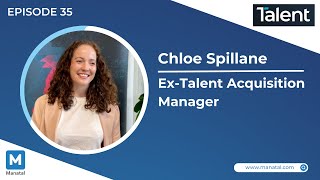
A podcast interview (recorded March 29, 2023) with Chloe Spillane — ex-Talent Acquisition Manager for Australia & New Zealand at Talent — discussing her varied career path into recruitment, being made redundant, and practical guidance for recruiters and hiring teams. Key themes: mindset and leveraging professional networks after redundancy (Chloe reported a LinkedIn post drove 100k+ impressions, ~670 likes, ~100 comments and 62 direct job leads), building inclusive workplace culture, recruiting and upskilling recruiters (relationship-building, communication, candidate nurturing), future-proofing recruitment via candidate experience and automation/AI, and using technology to reduce bias and widen talent reach. Chloe lists LinkedIn as her contact point.
Questions this video answers
March 29, 2023.
Talent Acquisition Manager — responsible for Australia & New Zealand internal recruitment at Talent.
Her post generated over 100,000 impressions, about 670 likes, over 100 comments, and 62 people reached out with job opportunities.
On LinkedIn under the name Chloe Spillane.
Chapters
I think it's a big mindset piece. Right. So it's very much about being okay with being made redundant. It can feel like it's an attack on yourself or you can take it personally. I think you need to realize that it's not actually about you, it's about. It's about the business. And sometimes those business decisions do need to be made.
Welcome to the All In Recruitment podcast by Manatal, where we explain explore best practices, learnings and trends with leaders in the recruitment space. If you've liked our content so far, please subscribe to our channels on YouTube and Spotify to stay tuned for our weekly episodes. My name is Lydia and joining us this week is Chloe Spillane, who was previously the Talent Acquisition Manager in charge of Australia and New Zealand at Talent. Good morning, Chloe. Thank you for joining us.
Good morning, Lydia. Thank you so much for having me. It's an absolute pleasure to be here.
So how did you come to choose Talent Acquisition as your space? Chloe, you've transitioned from different industries into TA and walk us through that journey.
Yes, when you look at my career history, it is pretty varied. I started in the creative arts, then I went into sales, then I went into some customer service and then I eventually fell into recruitment as I think most people say they do. From there I went into my first internal role at Morgan McKinley and I think what really drove me into that space I realized that I'm very much a relationship driven person. So loved the relationships that I was building and loved being a brand champion. So I loved the idea of representing one brand and championing that brand throughout the market. So quickly realized that internal could be an option for me. I was with Morgan McKinley for a year and a half, worked on recruiting recruiters and looking at their EVP strategy. So after Morgan McKinley, I joined Talent where I was part of the build of their internal recruitment function and I was looking after their internal recruitment across Australia and New Zealand recruiting recruiters and I was recently made redundant. I loved working at Talent. It was a fantastic organization. Unfortunately, sometimes business decisions need to be made and so here we are.
And layoffs are happening across the board. Right. And TA is excluded from this. So what are some first steps you've taken to navigate the situation?
I think it's a big mindset piece. Right. So it's very much about being okay with being made redundant. It can feel like it's an attack on yourself or you can take it personally. I think you need to realize that it's not actually about you, it's about the business and sometimes those business decisions do need to be made. What I would say, especially in the recruitment space, is to navigate your own network. So, good example of this for myself. I put up a post on LinkedIn announcing that I was made redundant and I asked my own network for help. And through that alone, I had over 100,000 impressions, 670 likes, over 100 comments.
On a single post.
One post, yes, that's right. And 62 people reached out with job opportunities from that alone. So I think people might feel embarrassed or shy to acknowledge that they have been made redundant. But it happens to so many people. We've literally seen it happen to tens of thousands of people in the tech industry, specifically over the past month. So it's okay that you are made redundant. And I think people will be surprised to see how many people in their industry do want to help them move forward and find that next opportunity for them. So that would be my biggest piece of advice is, well, firstly, being okay with being made redundant. One door closes, another one opens, as they say, and leveraging your own professional network. Absolutely.
That brings me to a question on culture, really. So, you know, you've been in the TA space for a while. You've also recruited recruiters, so what's the secret sauce, so to speak, for creating a workplace that recruiters want to come to every day? How do you go about cultivating a good workplace culture?
Well, I think workplace culture, generally speaking, is about how in tune you are with your own people. When you ask the people within your organization whether you're working with recruiters or salespeople, what have you, you know, why do they choose you as an organization? You know, what do they get out of working for you and what are you offering them as an employer? What, what are their needs? How are you, how are you looking after your people? You know, are you, Are you fostering an environment where they feel that they can grow professionally, they can expand upon their career, they can feel valued, and they feel that they have a real place in that organization. I think if you can create a workplace or foster a workplace culture where people feel that they can have a full career with you, I think you're going in the right direction. You know, when someone joins your. What does their journey look like with you from that first year up until that fifth year, seventh year, so on and so forth, and as well as just career progression, you know, how are you upskilling the people in your organization? You know, when you hire someone, it's not just about hiring someone and saying, okay, great, you Go do your job. Now it's about supporting them do their job to the best of their ability. So we want to ensure that you're getting the support, guidance, mentorship to keep continue developing your skills and continue growing in as employee with us. You know, that can be career progression, internal mobility. I think another key point of workplace culture is supporting your people in all stages of life. When you're supporting people that have just graduated, how can you be that amazing first job that they get straight out of university? Or you're supporting someone in their late 20s, early 30s that are looking at, you know, getting married, buying houses. How can you support them at that stage? And then how can you support women when they're trying to build a family or coming back from work, all those different stages, stages of people's lives? I think that's another really important aspect of a workplace culture and it's really important that companies show that, that, you know, they aren't just a workplace for people at one point in their life, they're a workplace for people at all stages of their lives.
Absolutely. And that, that sense of inclusiveness and that sense of purpose and belonging in, in an organization definitely creates an authentic way of, I mean, creates an authentic environment for anyone to want to thrive in it. Right. So moving on to my next question. This is a little bit more technical, but you've recruited again, going back to your recruiting recruiters, right. So let's talk about skills for recruiters. What are some skill key skills that recruiters should prioritize, especially in today's context?
I think when we're looking at skills for recruiters, not necessarily looking at technical skill set, it's that mindset of thinking, how can I be a real value add to my candidate and my client? Especially in today's market and the economy that we're moving into, clients are really leaning on their recruiters to be that value add to advise them of what's happening in the market, what are the current trends, you know, how do they need to diversify their work, their workplaces and their teams? You know, what, what are the different salary ranges that are out there at the moment? You know, what candidates wanting in the market, you know, being that being that value add to your clients think is really important. And I. And that comes down to being able to build strong relationships. So being people focused and having your candidates and clients at the forefront of your mind has been the most important part of your business as a recruiter. If you don't have clients, that's one thing, but if you don't have candidates, then you're really stuck because you need candidates to assist your clients. So if you're not putting the candidates and clients at that forefront of your mind, then you're not really thinking about the important parts of your role. So definitely think the relationship building piece. Also communication, when you look at those soft skills in recruitment, being able to communicate to candidates and clients effectively, and I think being really transparent and honest in what you can deliver, what you can do for them and how you can help them. Because as a recruiter, you're helping people with one of those top five most important parts of their life, right? Especially with candidates, it's about finding, finding a job or changing their career is, I think it's listed as one of the top five most important things in your life. So you're having such an impact on someone, you're changing their career, you're helping them find their dream job, you're getting them that amazing pay raise that they've been looking for for years that's going to change their life. So I think sometimes as a recruiter you need to take a step back and think, wow, I am in a role where I can have such a massive impact on someone's life and to really value that.
You mentioned a little bit about being of value, looking at market trends and advising your client or advising the organization on where to go in terms of looking for talent. So as a TA professional, you would also need to look into strategies that fulfill business needs in the foreseeable future. So what might be some ways to think about future proofing recruitment?
I think as a talent acquisition professional, when you think about future proofing your own recruitment for an organization, one of the first things that come to mind for me is the, is the candidate experience. When a candidate comes to your organization, what is it like for them for their first point of contact with your organization all the way through to whether they get hired or rejected and then what does it look like from there? Because no matter whether you hire someone or you don't, it's all about their experience with you as to whether they've enjoyed that recruitment process. And if a candidate isn't hired, if they still enjoy the process, they're still going to go and talk to 10 people and say, look, I wasn't hired by them, but wow, was that a great recruitment process. And I would definitely recommend trying to get a role in that organization. And then of course, if they're hired and they've had a really, really great experience. So of course they're Going to give you some great feedback there. And I think with that candidate experience being positive, that the way you do that is looking at how efficient you can make your processes. And so I think, you know, and I'm sure we'll touch on this at some point, is that, you know, recruitment technology, bringing that into your organization, you know, looking at your recruitment processes and your hiring, hiring strategy and looking at how you make them as efficient as possible, which I think is with, you know, with automation and having really clear systems in place so that the systems can look after the steps of the process and then you can add that human element in. Though I think, you know, in terms of that future proof case, definitely the candidate experience and the full employee lifecycle as well. So, you know, what is, what is a. What does an employee's life look like in your organization, you know, after that day that they get hired by you as well?
And we're looking at a talent pool or even an employment market that is increasingly fragmented in the way that people work today. You've got contract workers, whether they're on site or they're off site, and you've got hybrid and you even have remote, fully remote companies out there. So together, in parallel with productivity, we are also looking at connectivity in that workforce, which leads back to your point earlier on culture and soft skills and teamwork, they continue, they've always been important, as important as technical skills when companies are looking to strengthen their teams, especially in periods of uncertainty. So what are some traits you'd look out for when you search for top talent in an environment like this?
Yeah, in terms of the specific traits that I look for when looking at top talent, I think one of the top ones there is resilience. Resilience in terms of being okay with, you know, perhaps going through moments of uncertainty. You know, especially I think we saw in the pandemic, people were unsure as to what the working model was going to look like. You know, how many days we're going to be in the office, how many days are we going to be at home and being able to continue working through that and having that, having that resilience to kind of overcome those little challenges that might, might be, in your way, collaboration. Very. And I think collaboration specifically in recruitment is a. Is a skill that we look for. Of course, you know, in different industries there might be different needs, but collaboration, teamwork, wanting to work, you know, work together on specific projects, especially when you have people working from home, people working in the office, people working remote, you know, how can you, as a Team member, be a part of the process of bringing everyone together to work cohesively and you know, being someone that has that as the forefront of, you know, thinking. Okay, well perhaps it's a colleague of mine that's working remotely today. I want to make sure that they're included on the project or the work that we're doing today. So definitely collaboration, I think, open, being open minded, being able to adapt. I think as well people that are proactive as opposed to reactive. So look, always looking at ways of how can we do things better, how can we always be ahead of the curve, you know, how can we move forward and think of new ways of doing things instead of always reacting to what's coming our way.
And you know, together with all those qualities that you find in a person, there's always that. There's also that element where they have to be adapt to the technologies that are coming in and know how to use them to the best advantage. Right. So that leads me to a question on AI. We've been seeing plenty of use cases for ChatGPT today and AI is essentially permeating everywhere else in various businesses as well. So how do you think talent acquisition professionals can benefit from AI?
I think the way we can benefit is through eliminating, well, firstly a lot of admin and having more efficiency in our processes could be anything from reducing the amount of CVs that we have to scan. If you're hiring, if you're looking at a high volume role where you're got an advert up on, you know, seek or what have you and you've got hundreds of applications coming through, if you have, you know, AI that can scan all those CVs for you, run all those screening questions, then you can look at that short list of people that have come through and go straight into that, that interview process from there. And so that takes out hours, if not a full day for you. So I definitely think, you know, parts of the process that may bog us down at the moment could be freed up. And I think it will allow more time to focus on that human element which so important in talent acquisition, that relationship building piece not only with your candidates but also with your hiring managers as well. You know, looking at having time, it will also allow time for us to focus on what's current, what's happening in our current market, what are the different trends that are coming through, you know, what do we need to be reporting on, what's the data showing us those different parts of our role which can sometimes get overtaken by those process Focused tasks which I think AI and technology can, can look after. You know, if, if AI can come in and look after the process, then we can just focus on the people and bring the people into the organization from there.
So what is the impact of recruitment technologies such as Manatel's, ETFs for instance, for hiring? And in your experience, what are the benefits that you've seen?
Well, I think firstly it drives the more efficient process going on. My previous answer there more efficient processes. And I think as well, it allows us to cover a wider range of talent. If you're doing everything manually, you're doing your own headhunting or doing your own sourcing, there's a limited amount of people that you can reach. Whereas if you have a platform where you're being able to reach people from diverse backgrounds, different countries, parts of the world where you would never have thought to look, I think that's a huge way that, that AI can benefit recruitment. Specifically, I think it will do things such as removing unconscious bias. If you are a recruiter doing your own searching, of course, you know, and people, I'm sure people like to think that they try not to have bias. But of course you're going to have your own unconscious bias. So if there's software that can look after that, then I think that would be a real advantage to the recruitment industry as well.
How might technology be helpful to ensure diversity in your hiring practices?
I think it will really help in removing unconscious bias. It will help in looking at people's skill set without that judgment on where people are coming from or their backgrounds. And I think when you put together with your hiring managers what that, what those competencies are and what those key criteria, those key criteria are that they're looking for in someone. If, if a recruitment technology can come back and give you someone with that exact skill set without that bias on anything else, then I think you're removing a lot of unnecessary conversations.
So, you know, on that note, what are some actionable steps that leaders and even hiring managers can take to make sure that those divers, first hires that you've made, they feel included and there is a space for them and there is a good workplace culture around De.
And I, I think the first thing an organization needs to do is an actual audit of how diverse they really are? I think from the top down you need to look at, okay, you know, what, what is our diversity? If, if organizations are looking at being a diverse workplace and they need to look at everything across, you know, their gender split, what do their hiring practices look like, to ensure candidates are being included from those diverse backgrounds, whether you're looking at race, geographical location, sexuality or gender, to ensure that you're bringing in people from diverse backgrounds, you need to ensure that you're incorporating a hiring process that allows for that. And I think that you need to foster an environment where employees can feel valued, can feel like they have a voice and can feel comfortable at work. You know, they then they feel that they're, you know, they're not going to be criticized for who they are or where they come from or, you know, what their sexuality is. I think that's really key to, key to workplace culture.
So what advice would you give someone who's starting out in talent acquisition today? Chloe?
There's a few words or phrases that I would advise anyone going into talent acquisition to be the big key aspects that you focus on. The first thing being relationships. Build strong relationships with all of your stakeholders, all your internal stakeholders, your external stakeholders. Build out your own professional network and build your relationships with candidates across your. Across your network as well. I think it gets forgotten, the nurturing piece. You know, if you're in talent acquisition in a specific industry and you're speaking to candidates for more than a couple of years, I'm just going to start that again. I think one piece in talent acquisition that sometimes get overlooked, gets overlooked is the candidate nurturing piece. So in, in recruitment and talent acquisition, you could be speaking to candidates for two or three years before you actually put them into a role. But, you know, it's about building that relationship, about building that trust with them and being, you know, being a talent acquisition professional that has a very strong network of people that trust them as being someone that, you know, wants to help them with, wants to bring them into their organization. So definitely the relationship piece, looking at your candidate experience. So if you're in your first TA role, look at how you're recruiting people. So what does it look like when a candidate first applies for your organization all the way through to whether you hire them or you reject them? Both of those experiences, whether they get hired or not, should be a positive one. So make sure you're really looking at that because that is your, that's your brand out there, that's being represented through that hiring process. And you're the one that's in control of that. So you need to really own that as well. So the last, and that last point being processes. So looking at what your recruitment process is, what your hiring process is and how efficient that is, the better your process, the better that looks for your organization and the more likely that you're going to get those really key candidates into your business.
You're absolutely right because the candidate nurturing portion tends to kind of take a backseat when you have so many things to do manually sometimes and you just have to schedule too many people's calendars at the same time. And then that, that sort of, you know, gets to the back burner and you don't really pay attention to it until you need to and then it's too late. You got to kind of catch up. So than, thank you very much, Chloe, for your time, your insights today, and I'm sure the audience would really appreciate your insights today, especially looking into how to really upskill yourself, how to really be a talent acquisition professional in whichever economic environment that you're going to be faced with. So where can the audience look you up if they want to find out for sure?
So you can find me on LinkedIn. So I'm just sitting under Chloe Spillane on LinkedIn. So if you do want to reach out, I'm always happy to have a conversation. And whether that's someone with a role or a candidate looking or just someone that wants a coffee or a chat about the market or what's going on, I'm always, always happy to have a conversation. So you can find me on LinkedIn.
Thank you very much, Chloe. And we have been in conversation with Chloe Pillain, a talent acquisition professional based in Sydney who was most recently with Talent. Thank you for joining us. Hit the subscribe button and follow us on YouTube and Spotify to stay tuned for more weekly episodes from all in recruitment.
Thank you so much for having me, Lydia.
More from Chloe
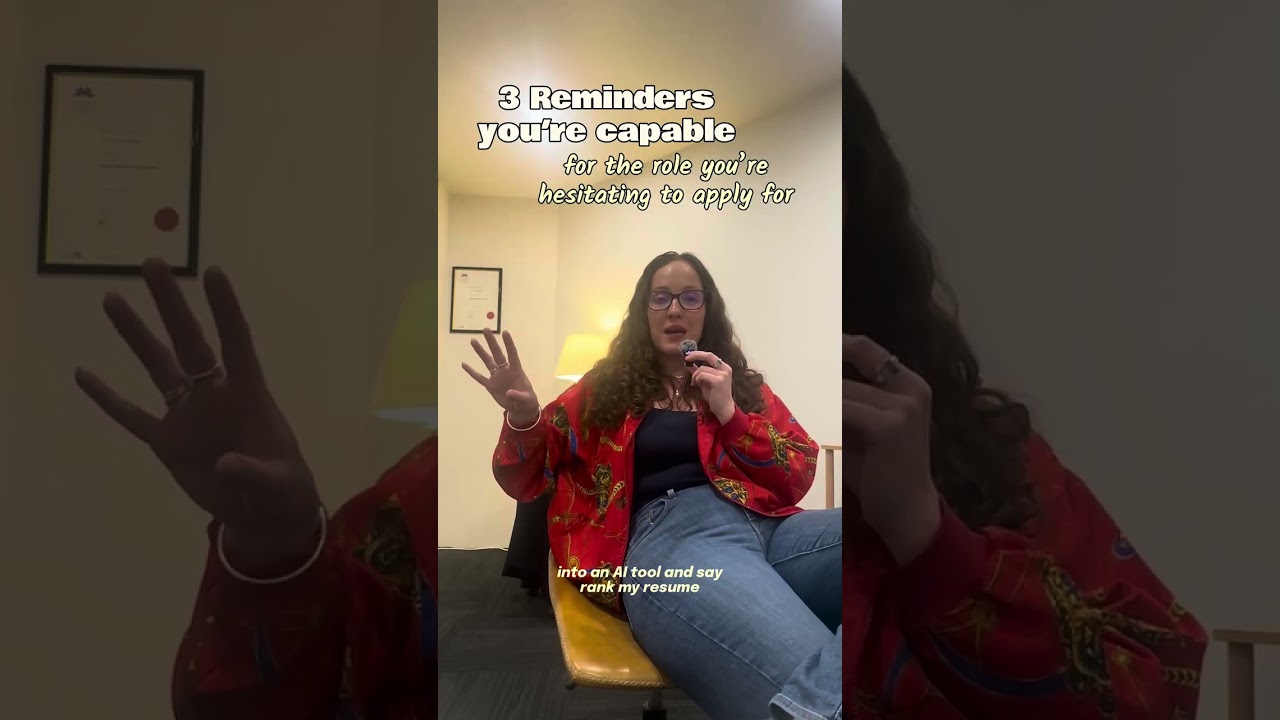
30 days to interview - 90 days (or less) to offer. Comment OFFER to join the challenge. #interview

Get the interview - then LAND the offer in '30 days to interview. 90 days to offer'. #interviewtips
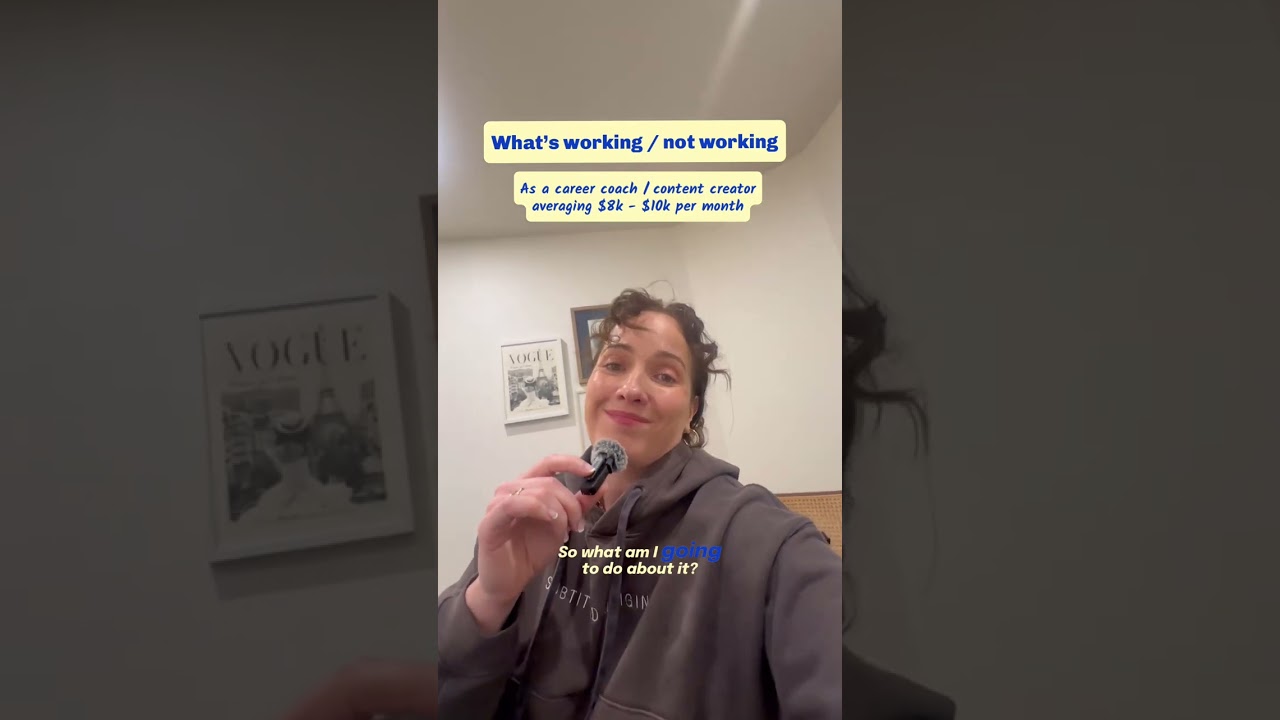

Best way to understand how a company grows their employees - ask. #interviewprep #interviewquestions


When you think about an interview, how do you feel? #careeradvice #jobsearch #jobseeker

The more human you can be - the more likely the connection request will land. #jobsearchtips

Okay, now that we've got intro's out of the way, who wants to work with me? 😉 #womenin30s
Who else fell off the wagon this week? Also, who cares. #careercoach #careeradvice #dailythoughts
Stop getting stuck in your head, get objective instead. #interviewtips #interviewprep
The Chloe Careers Collective - learn how to do things differently. #careercoach