everything you need to know about “salaries” from someone who’s negotiated money from $60k → $600k
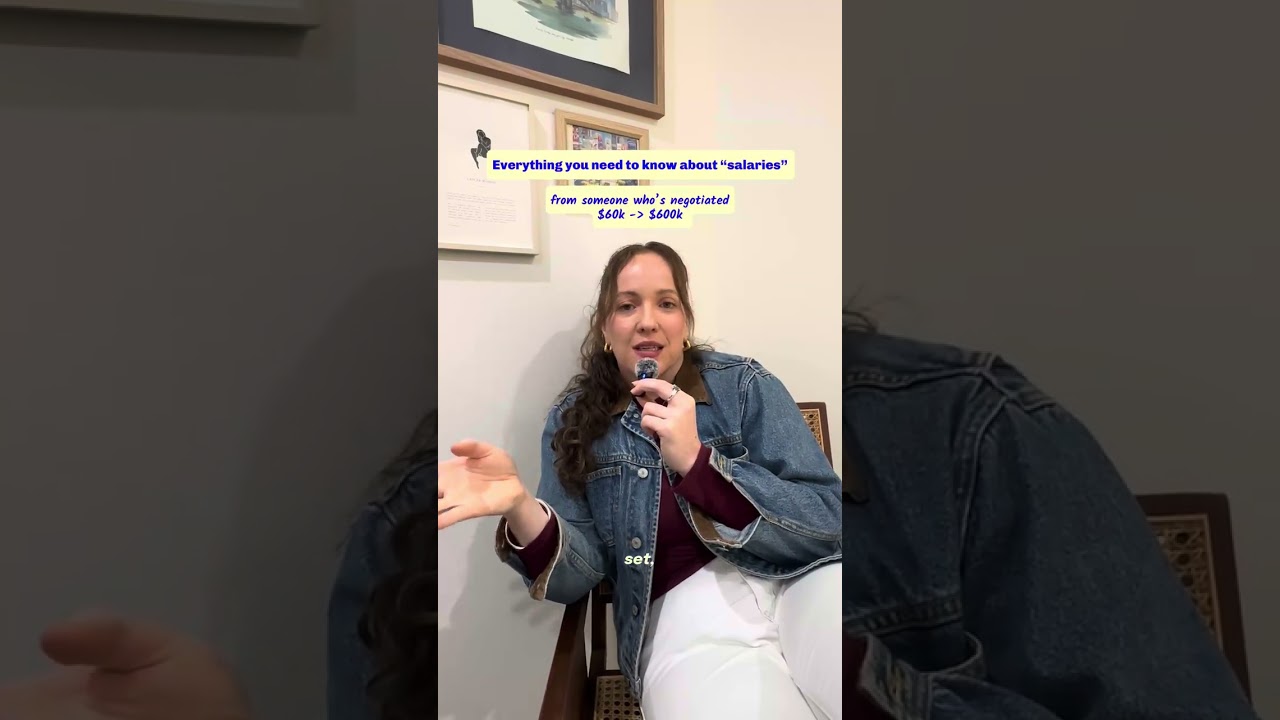
Chloe Spillane breaks down how to negotiate salary in interviews without naming a number first. Deflect with the employer's budget, give a researched range instead of a personal figure, and if salary is locked, negotiate benefits and equity instead. She's moved candidates from $60k to $600k using these tactics.
Chapters
More from Chloe
30 days to interview - 90 days (or less) to offer. Comment OFFER to join the challenge. #interview

Get the interview - then LAND the offer in '30 days to interview. 90 days to offer'. #interviewtips

Best way to understand how a company grows their employees - ask. #interviewprep #interviewquestions


When you think about an interview, how do you feel? #careeradvice #jobsearch #jobseeker

The more human you can be - the more likely the connection request will land. #jobsearchtips

Okay, now that we've got intro's out of the way, who wants to work with me? 😉 #womenin30s

Who else fell off the wagon this week? Also, who cares. #careercoach #careeradvice #dailythoughts
Stop getting stuck in your head, get objective instead. #interviewtips #interviewprep