The Ripple Effect Podcast: How to Master Your Job Search with Chloe Spillane
Career coach Chloe Spillane, a former recruiter, shares practical job-search tactics including CV writing, interview prep, and salary negotiation. She explains why career coaching helps with mindset and accountability, and offers free masterclasses plus a paid Job Seeker Portal for job hunters.
Questions this video answers
October 26, 2024
A six-month business visa, with a potential later switch to a two-year entrepreneurship visa requiring an investment
Within a month she had about 10,000 followers across platforms
Free resume writing masterclass, cover letter writing masterclass, and interview webinars (accessible via her website / Instagram link in bio)
The Job Seeker Portal — content is drip-fed every two weeks and includes a monthly Q&A call
Chapters
Foreign.
Guys.
I'm super excited for us to have a very special guest join us today. Chloe Spain is in from Australia. Actually, she is based in Australia. She's spending the time in the New York in the east coast for the fall. But Chloe is an amazing career coach and recruiter and content creator. That's actually how she and I first connected. I was following her on Instagram. Just love the content she puts out there. So much value, so much incredible information that she shares for free. But Chloe and I started talking and I thought this would be an perfect opportunity to extend an invitation to join me for an interview. I want to learn all there is to learn about her because she's an amazing entrepreneur. I think she has some really unique approaches to helping people that are maybe stuck in a career that they don't want to be in and they want to look at something else. Maybe they find themselves in career transition and need some help and guidance. Think Chloe's got some great information, some great resources that she'll share with us. But the thing that I respect most about her is just how easy she has been to talk to and organize this interview just to make it happen. I really love her upbeat, positive approach. She's just got a great, great personality, just a great aura around her. And as I was following her on Instagram, it just comes across. She' so authentic, so, you know, so unique and definitely a rippler, in my opinion. So I'm so grateful. We're actually going to use this episode kind of for two purposes. Obviously, for the pond, we want to be able to feature Chloe and her great work in the Career Ripple portion of our community. And then we're also going to feature this on the Ripple Effect podcast. So you're getting kind of a two for opportunity here. We mainly want to be able to spread Chloe's message as far and as wide as we possibly can. So we wanted to extend it out to both platforms. But I think you were absolutely going to love her. She is amazing. I'm going to say that one more time. She is absolutely incredible. I think you're going to love her. So, with no further ado, let's dive right in. Hey, how's it going, Chloe?
Hey. I'm good. Steve, how are you?
Good. It's good to see you.
Good to see you too. Thank you so much for your patience and getting me in here.
You, you are absolutely worth it. I am just so grateful you made time. I know you are an in demand, busy person, so I appreciate you making the time.
Thank you so Much. Yeah, it's great to be here. And yeah, now that I'm on your side of the world, even better. How's that?
Well, how's that going? I'm. I saw your post on, on Instagram that you were like, hey, this is like kind of a dream to be living here. And I know, I think if I recall when we talked, this is kind of like just a temporary thing, right? You're just trying it through the fall.
Yeah. So I, it's been in the works for a long time. But with my business, the visa I can go on is the business visa. So they allow you to come in for six months at a time. And essentially I'm navigating the landscape, scoping the market, you know, assessing, like testing my business for this, for, you know, a different market to see if there's viability there. So, yeah, so I'm spending six months doing that and then if things go well, there's another visa I can move on to, which is an entrepreneurship visa. And I have to, you know, inject some funds into the US economy. Show, show you we want, we want.
Our pound of flesh. Right, of course, yeah.
They're like, okay, give us some money and then we'll give you another visa. And that's like a two year visa, so.
Oh, so do you think that's the long term plan, is to like try and work it where you could be here longer term or do you expect to go back to Australia?
Ideally, if things go well, I would love to establish an arm of the business over here and then, you know, I would spend a significant amount of time here and then eventually I'd go back to Australia, have someone over here. So. But look, I wasn't going to dive in and take that plunge without, without going, okay, I'm not like, I'm confident, but I'm not confident enough. Like, I'm not.
You're confident but not crazy.
I'm not crazy to be like, oh yeah, totally. Like, let me just put all this money in. Like my business will work over here. I don't need to test anything. So, yeah, trying to be smart about it, I guess.
I love that. I, and I, I love the, you know, the cautious approach. But I, I also know that kind of just what I've experienced in getting to know you, that no matter where you are, you're going to be successful. So, you know, this is going to be great. So congratulations. I think this is awesome.
Appreciate the vote of confidence.
Well, absolutely. And anytime it wanes, just call me. I'll I'll help pick you up. I mean, that's, that's what friends are for, right?
I appreciate it.
Yeah, well, so let's, let's dive in. So this is actually going to be a multi part kind of episode. So the original intent when I reached out to you was we were going to feature this in our career ripple in the pond itself. And we have a lot of folks that are in, I'm going to say flux. Right. People that are either in careers that they really don't love and would like to do something else, but they get stuck. Right. And then there are of course always those that are in career transition. They, you know, either got caught up in a layoff that they didn't see coming or they really haven't laid the groundwork to figure out what to do next. And so I think there's a lot of value in sort of bringing you onto the platform so that they can learn about your work and the experience that you have. Obviously, one of the things I want to make sure that we leave with everybody is the job search or, excuse me, the how to guide for job seekers. I think, you know, we definitely want to promote that. But I also wanted to include this in my podcast because as I said in your introduction, I really want to cast as big a ripple for you as I possibly can, especially if you're trying to build your business out here. I want as many people to know the great work that you're doing because I personally have fallen in love with your approach to helping people and you are creating such positive ripples. So I just first and foremost want to thank you for what you're doing out there in the world. And I want to start off with this question, how did you get into this work?
So I always love to share that my career has not been linear. I think a lot of people put that pressure on themselves that I'm going to finish school, go to university, get a degree, and that's the path I'm going to follow. But honestly, it's pretty unrealistic for a lot of people and I think we put that unnecessary, unnecessary pressure on ourselves. So I always like to share that, that no matter how successful or how well people are doing, it's always good to know a little bit about their backstory. So yeah, a very non linear career. I kind of jumped from job to job really quite randomly. Wasn't thought I was going to be an actor for a time there. Got into sales, got into travel, just was quite lost for a little while there. And then I Stepped into the world of recruitment and talent acquisition. And I was there for about six years. And I loved the people element. I loved the impact of working with people in their careers, helping people get to, you know, reach those career goals, whether that was me being an agency recruiter, working with both the client and the candidate, or being in talent acquisition where I was representing one brand. Unfortunately, I was made redundant last year in January. So, you know, I have a lot of empathy for so many people that have gone through. Gone through that experience. You know, it can shake you a little bit. From there, I went for a few different roles, got lots of offers, as I should. I should know how to get a job. Like, I'm glad that I got offered the jobs, because otherwise I'd be questioning, like, why I'm in this field. And then I realized that none of those were really kind of lighting up my fire. None of those were really getting me passionate. I'm just going, you know what? Like, I can't step into another role where it's just like a stepping stone. I need. I know that I'm meant for more. I know that I have something to share with the world. And I always knew I had something to share. I just never knew what that was. I tried a couple of other little business ideas. They were flops. They did not work. So you have to put yourself out there to see what works. And so I was. It's quite. It's like the cliche thing of I was sitting on my living room floor and I was sitting thinking, I wonder if people want to know how to answer certain interview questions or how to write a cv and something that would frustrate me or not frustrate me, but I guess I would just feel like. Feel for these people is that I would get candidates come through that had brilliant CVs, and they would be like, yes, let's interview them. And then they couldn't. And then they sold themselves short at interview and the interview did not go well. And then they did not get the role. Or people that would have terrible CVs, LinkedIn that were like, is this the right. Is this the same person? You know, but. But then you'd see something and you go, oh, maybe I should talk to this person. And then you'd interview them and they would be incredible. But a lot of people would get overlooked because their job application materials went there. So I'm like, I need to. There needs to be more resources for people like this. So, anyway, I started posting some videos on Instagram and TikTok. It's been like, oh, yeah, let's just see how this lands. And within a month, I had 10,000 people following me across platforms, and I'm like, okay, looks like people want to know about it.
That's awesome.
Yeah.
Well, I mean, your, your content is just brilliant. And the approach that you take, one, you're just really, really good at providing interesting content that the, that the viewer wants to, you know, kind of dive into. So I can see why your following grew so quickly, because you were adding value from day one. And I think what you've done with your approach in terms of building your business in is that you're not necessarily saying, hey, I'm, I'm 100% the expert, and you need to go into this program, you need to go down this funnel, and you see a lot of people that are doing that. You're giving a lot of value whether people are even, you know, engaging you in the services that you offer. And I love that.
Yeah, that's always been something that's really important for me. I'm, I never want to gatekeep. And I think, you know, realistically, there's a lot of people out there that need help with their careers and need guidance. But it, to be real, like, it is a big investment to, like, hire a coach and get someone to work with you. So for me, I've always wanted to be able to reach people that are at different levels of their life and different levels of their career, and if I can share knowledge with as many people as possible and help as many people as possible reach those career goals, those career objectives, help someone in their job search, like, that's, that's why I'm doing this. You know, when I get a message on TikTok or Instagram or whatever it is, I don't even know this person. They're like, oh, I use that, that tip on interviews, or I use that tip on cvs and I got the job.
Like, doesn't that make you feel great?
Yeah, yeah.
I, I, I love that. I think, you know, yeah. At the end of the day, I mean, I mentioned this in your intro as well. I mean, I think you're a true rippler because you are creating positive, not just the content, but just helping give people that little spurn of confidence that I think we so desperately need. And I think for those that are, like, you know, struggling on their job search, especially if they've found themselves out of work and they don't really know what to do next, finding some positive in, you know, social media that can help encourage and guide them is such a value, but it also helps build that confidence that you can do this. You've got the ability to. You just have to maybe reframe it a little bit differently. You have to look at how, like you said, how are you putting your brand out there through your CV, through your LinkedIn profile, how are you representing yourself on social? And I think some of the tips that you give, like, one of the things like that I really love, that I've actually shared several times just to make sure that, you know, you know, I'm telling as many people about it as possible, where your three interview myths debunked and your. Your way that you broke that down in terms of, like, the kind of the question or the statement. And then here's what really goes behind the scenes. You can feel like, I know that you are coming at this from a source of authority because that's what you did right, you know, in talent acquisition and in recruiting. But I think the. The better piece is like, oh, I can find myself being sucked into that, you know, that approach. Or what I think you, like, the interviewer wants to hear from me if I'm up, you know, for an opportunity, and you just wait. Nope, wait. Hey, you know, back up. Slow your roll here. Here's what needs to really happen. I love that.
Absolutely. And I think one of the biggest. One of the biggest things I like to debunk, or myths, I guess, is that that thought of the power play in an interview. You know, I think a lot of people feel that they need to walk into an interview and they have to really convince the person that they're worthy of the job. And it's like, well, actually, they need you just as much as you need them.
That's why you're in there. Yeah, they're trying to fill a hole, right?
Yeah, exactly. Exactly. So I think just really. But it's. It's a hard hill to overcome. Like, I work with a lot of people that really do feel that they need to, like, put everything on the line and really just try and prove themselves. Or they have that. Those elements of imposter syndrome and interview anxiety. All those. All those elements. But the more that you build that confidence in your own capability, the more that you look at it from more of an objective view and go, well, they've asked me to come into this interview. They think I have the potential to do the job. Looking at the job description, I have the capabilities to do the job. This is a conversation to talk about whether this is a partnership that's going to work. So, you know, that's, it's just kind of that shift in mindset can take you a long way and help you be so much more successful in that interview. Daunting interview world. Yeah.
And I also love how you, you, you say, hey, don't shy away from the salary conversation. Right. Because at the end of the day, you don't want to waste your time or theirs if it's not a good fit. And so that's a good pre. Qual qualifier as you're, as you're looking at whether that makes sense to come in for the interview. I thought that was brilliant.
Absolutely. And a lot of the time, and I remember before I even got into recruitment, a lot of people would say, oh, you shouldn't talk about salary straight up. That's you. That's just a. No, no, you don't do that. I was literally trained in recruitment to talk about salary. In the first conversation, they're like, now make sure you get these salary expectations of the candidate to make sure you're on the same page. So, you know, the conversation around salary is not something to shy away from because if you're completely, as you say, out of the ballpark of what they're looking for or what they're looking to offer, it's essentially a bit of a waste of time for both parties.
Well, and I think, you know, the, the thing for our audience to really take away from that is you have to look at what that recruiter or that person that's actually been, you know, tasked with interviewing you, they're being paid for that time, whether it's in house or whether they're in outsourced partner. And at the end of the day, the client, the end company, that's actually to bring someone like yourself in, I think they don't want to waste time either. And so the worst thing that could happen is if you as a candidate don't bring up the money early, you go for maybe two rounds of interviews and things are progressing, people are liking you, but you've incorporated now more time, there's more energy, and then all of a sudden you get to the end and now you're talking money and it's not a fit. Well, you've just wasted everybody's time and you make that recruiter look really bad.
Yeah, well, I'll say the recruiter. It's also their job. Yeah. To like find the salary. So it's not, I wouldn't say it's on the candidate so much like the recruiter hasn't.
That's true. Yeah, absolutely.
I know I've. In my early days, I was wrapped on the knuckles a couple of times. When we get to the final conversation and then the salary's off and they're like, well, you didn't. You get that information? So, yes, it's a very important aspect of it. I think another thing I just quickly want to highlight is having the conversation around salary at the start. Sometimes people then can get thrown off if they go through the interview process and they're like, wow, they're asking for a lot more in this. A lot more responsibility in this job. I've actually done a bit of research. I think they should be paying me more, but I can't ask for more because I've already talked about my salary expectation at the start. I want to say, like, you can definitely have that conversation around. I know I said this, but I, you know, after having these conversations, learning about the scope of the position, knowing what the market value is, like, you know, this is what I'd be looking for. There's a really. There's a time and place and there's a moment in the interview process to have that conversation. You don't want to have it when they're giving you an offer and be like, actually, I want this to do it before you get to that office stage. Yeah, but you can. That's.
Yeah, that's great feedback. I think that's absolutely true. And. And I think that also is really a valuable point for a candidate to know, because at the end of the day, you also don't want to just sign up for something that, like, you're. You're going to end up hating that job, doing the worst job, probably because you're feeling taken advantage of from the jump. Right. So it is good to have those conversations early. And it also kind of shows a little bit of assertiveness on your part. Like, hey, I'm in a position that, you know, I want to come in. I want to contribute and add value, but I also want to be extremely reasonable about what the expectations are. Right. Because if you. If you come in and. And sign on to take on this whole big pile of work and you're not being adequately compensated, it's gonna come up, right? It's gonna, you know, it's gonna creep into your work quality or your attitude or just performance in general. And I think it's really important that, you know, you try to, you know, temper those expectations and. Or negotiate the best possible outcome for both yourself as the individual, but also the company.
Absolutely. And at the end of the day, if you have the conversation with that organization and they can't increase the salary or they're not willing to budge on their. On their budget, then perhaps that's not the right opportunity for you and it's good for you to. And I get that there's the struggle of, well, I really need a job. Like, I need to. Actually, I need. I need work, I need money. And then it all comes back down to your own priorities. And what's the most important thing for you right now? Like, you know, are you able to sacrifice a bit around that salary, work expectations? Because you really need to step into a job or you. Are you in a position to say, this isn't going to serve me right now. I'm going to walk away from it and find something that is more aligned to me and what I need right now. And you need to really understand what that intrinsic driver and motivator is for you before you even start your job search, because that's what's going to drive your decision making.
I love that. That's a very valid point, the concept of a career coach. Let's talk a little bit about that. Right. Whether we're in job search mode as an individual or we're considering making a switch, why is having someone in your corner, from your perspective, so critical? Because I, I would imagine you get faced with a lot of people that come back and say, oh, Chloe, I'd love to work with you, but, you know, I just lost my job. You know, how am I going to pay for that? But, I mean, you're making an investment in yourself that is going to pay off, you know, tenfold down the road. So what would you suggest, you know, in terms of someone that's like, oh, I just don't know if it's the right financial decision for me. You and I both know it absolutely is. What is it about a career coach in your corner that can actually help in that job search function?
Yeah, I think there's a few elements that come into it. And I will say off the bat, I have a client that when he signed up to me, said, yes, I can see this investment, the return on investment, because I know you're going to get me a better job with a better salary is going to be this fault, this many times fault. I'm like, yes, I'm glad you said that.
Need that on a billboard.
Right?
You know?
Yeah, exactly, exactly. Look, when I first got into career coaching, I would say it was probably A little bit transactional in terms of I was working with people and saying, yeah, I can fix your CV, I can fix your LinkedIn, I can give you some interview tips. Great. Like I can do your job search strategy. Off we go. As I've got further into career coaching, what I've found is actually what people find the most beneficial is having that person in their corner is having that sounding board. Job searches are hard. They take a lot out of you. They can be really draining and exhausting having someone that is actually there for you to speak to with a completely objective viewpoint. It's not like you're going to a friend and saying, oh my gosh, I didn't get the job. And they're like, oh, how could they not hire you? You're perfect, you've got everything.
Thanks, really helped me.
Yeah, you like? Great, thank you for your non biased view. Whereas a career coach will look at it objectively and say, okay, well look, unfortunately like this isn't the outcome we wanted, but let's look at that like what could we have done better? What could, how could our approach have been differently? So it's always, you're always going to have someone that will have that objective lens for you that is completely neutral and non biased, which is always going to help. Another thing that I find people give a lot of positive feedback on is the internal growth. A lot of people, especially if you've lost your job, you've been made redundant, a lot of things come up to the surface. So those feelings of imposter syndrome, those feelings of not feeling worthy or not feeling good enough for a job, or that fear of failure, they are really common barriers that people don't realize that they have. And then when I actually have conversations with people and say, well, what's stopping you from applying for this job? Or what? Like when you interview, what are some common barriers that come up and people are unaware of these barriers and blockers that come up in an interview process or they just hold themselves back from applying for a job or reaching out to that contact and they don't know why they do that. And I uncover that for them. So I'll say, okay, well what's stopping us from making that move? What's stopping you from making that change and how do we overcome that? So it becomes much more than that whole, let me fix your cv. It turns into a whole transformation of self within the job search, within your own career. So turning into someone that you know might have looked at 10 jobs and thought, oh no, I'm not Ready for those. I can't apply for those to someone that goes, okay, well, out of those 10 jobs, I can apply for eight because I know I have skills across A, B and C. I can do X, Y and Z. So you change. You have whole. You have an entire mindset shift in your, your whole approach to your job search. And that's what a career coach. And that's what I find I can do for people. And people literally overcome, look, I guess, like their own internal battles with themselves around, specifically, as I said, around those imposter syndrome, interview anxiety, belief in themselves, all those kind of internal feelings that we have. We really dive deep into that. And, and that is extremely transformative. And that's what I find people get the most out of when they work with me or like, I guess, like work with any kind of career coach. So, yeah, a very holistic. Holistic experience, I would say.
I love that, that you do that because the, and you explain it the way you did because really, at the end of the day, you kind of said to yourself, hey, I don't just want to be offering transactional coaching. Right. Because those, those things are easy blocking and tackling. They're not easy, but I mean, they're, they're, they're predictable. And I think that there are a lot, you know, especially if you get on Instagram today and just type in career coach, you'll see a bajillion of them.
Right.
Doesn't mean that it's the right fit for you as a potential client. Something that I really think that comes across when talking to you is, you know, the authenticity, and there's a genuine care. So I could. It doesn't surprise me that you made that pivot and that switch pretty quickly because at the end of the day, I feel like even in just the short time I've known you. Right. I feel like you are 100% invested in whoever's in front of you. And I love that because I think that's what makes a good coach. They're. They're there to hold their client accountable.
Yeah.
Kick them in the ass when they need it. But at the end of the day, I think the real value of a career, a really good career coach like yourself, is you actually help bring some of the fears and anxieties and some of, like you said, some of these things that are unconscious, you bring them to the conscious and you say, okay, these are things that we need to address and work with. Let's work through them as opposed to, hey, oh, you're broken and you need to be fixed. It's not necessarily that. It's there are things that are holding you back. And maybe out of those 10 jobs that you know, the candidate says, oh, I'm not qualified, I couldn't possibly do it in today's world. How many jobs right now are being landed by people that didn't go to school for it, don't have professional training down that particular path. And they're kicking ass because organizations need people that aren't just myopic. They need to look wider and it opens up a huge opportunity. And I think a career coach like yourself can really help someone. See, no, hey, just because you started here doesn't mean that this isn't a good fit. And let me tell you why. Just based on our times together, here's what I see and here's your skill sets that I think match up very nicely with this. And even if it doesn't work out, it's another opportunity to get an experience in a different industry or with a different organization to see how we do through the interview process.
Absolutely. And I think I always make it really clear with clients that we're going to, you know, we're going to put through an application for this role, we're going to interview for this role. And even if it doesn't work out, I want them to always look at it with a positive lens of this is another connection you're making. Yeah, you can connect with that.
You never know where that'll work out.
You never know what will happen from there. But yeah, it is that. You know that element you said around calling people out, that that is, that can be a part of it as well. And sometimes that can be a bit uncomfortable for people. But you know, I work with people that are very, can be very self critical of themselves, of themselves. And it's like, okay, why, why are we thinking this about ourselves and where is that coming from or how is that going to be? How is that going to be viewed in an interview? So just, you know, when we do the interview coaching, just picking up on behaviors that people might not know that they exhibit, which could actually be unknown blockers that are preventing them from getting hired.
Well, that, that gets conflated like you said, because if you are, you've been made redundant or you got laid off and didn't see it coming, your confidence level is so down. Right. It's at an all time low. And like you said, you know, there are people in our lives that always want to be there to support us, our friends and Say, oh, I don't know why you didn't get that job, or they're crazy to let you go. And those comments are well intended, but they're not helpful in the moment. Right. And at the end of the day, you need somebody that's going to say, okay, look, you know, you could sit here and crawl into a ball and, you know, whine about the situation, or we can do something to try and fix it. And you got to take that step forward. And you're going to have to trust that I know the process, I know the approach, and I can help build you back up, and I can help you see things that maybe you didn't see in yourself previously. And at the same time, I'm also giving you permission to look at what is possible. Right. It isn't just, hey, if you've been an insurance adjuster and, you know, or, you know, you're, you know, kind of have that assembly line type mindset of, you know, the, the work that you've just always done, there's a comfort level there. Right. But at the end of the day, you're, you're so much more than just that one role or one job activity that you could expand upon that. And I think that's where a coach like yourself really comes into play for sure.
There's so many things that you just mentioned that I'm like, oh, yes, all of those things with the whole redundancy thing or losing a job or feel like having your confidence knocked. It's a real, It's a real thing. And a lot of, most of us face it at some point in our life. And I think there's a few things that are so important with that. When you get that confidence knocked, it's okay to kind of crawl into a ball for a little bit and like, look at, give yourself that little blanket.
For a little bit. Yeah.
Let me just feel this for a moment. Let me feel how I feel and work through those emotions. I think it's important to acknowledge that. But then I think, and this is very. Can be the hardest conversation we have with ourselves, and I did it with myself. When I looked back at my redundancy is sitting down and going, okay, this thing happened to me. I don't love that it happened to me. Sure, there may have been some things that the organization could have done better, or my manager could have done better, or my team could have done better. I didn't like how they did A, B and C, but what could I have done better? How could I have changed? And That's a, sometimes people, it's, it's a very hard conversation to have with yourself because you need to look very internal, you need to strip away your ego and you need to go, you know what, maybe I could have worked harder and making myself more relevant. That's, that's what my personal feedback to me was, yeah, how could I have done that to change that outcome? And I think the more self aware you come with your, you become of yourself, the more impactful that's going to be. In any kind of job search you go through, any kind of interview, not being afraid of failure is such a massive growth mindset. And when you get asked those questions of how have you ever come a setback, those things, being able to point blank say this is when something went wrong that I was responsible for and I'm not afraid to talk about it. This is what I learned from it and this is how I'm moving forward. That is going to be so powerful in an interview because the interviewer will go, wow, this person is extremely self aware. They are transparent, they're able to own their mistakes and they learn from their mistakes. Whereas on the flip side, if you're like, oh well, the organization did this and the manager, I had no choice. And if you put the blame on someone else and that's immediately going to show insecurities and things like that. So sometimes that, you know, having that confidence knock can be a really good thing to happen to you because you can experience so much growth there. But I think having a coach with you to be that support and help you get through that, because it's a hard thing to get through. It's a hard realized, a hard self realization to, to look at. But you can become even more stronger, even more confident and self aware and confident in your capability after going through that, through that process. So yeah, it's a big one, but it's a big trend. It's a transformative piece in anyone's career, I think.
So yeah, I, I think you touched on something really well and I, I love that you came back to it. You know, certainly there, there is that shock in awe of what's occurred. And I think there is a mourning period, right. That happens because especially if you either you knew it was coming or you didn't, it doesn't matter the day it happens, it's probably the worst day of your life up to that point. And so it is a situation where you actually have to give yourself the, the space to kind of be able to, you know, mourn that that situation the way it is. But then as you said, start out having one of those more difficult conversations with yourself and saying, where, where else could I, you know, have done things differently? What else could I have seen it? One of the things that I always advise people, especially because I'm all about the connections and building the right relationships. What I often find, especially with a lot of the corporate executives I've worked with and have been victims of a layoff, is they have not put in the time or the work to build their network outside the corporate wall. And you have to build that network. You have to build those relationships that can be there. Because the moment to, you know, when you need it, if you're picking up the phone or you're reaching out to somebody on LinkedIn that you haven't talked to in three years, like nobody's stepping up to the plate to help you. And so one of the things that is super critical is build those, those connections and those relationships before you need them. Because in, and continually invest them. It's not a, hey, let me check in with you once a year, but continually do that. And I find that a lot of the folks that I've worked with or are in our career ripple when I ask the question like, well, tell me about your network. How much time and energy do you spend towards it? And it's like deer in the headlights. Like they know they haven't done it. That's one thing I think from a takeaway perspective that I'd love everybody to get today is that it's, there are things like that that you can say, look, do a good job. So when you do get your next job, don't do the same old thing. Right. Make sure that you're spending the time necessary outside of your, your job to be able to build those relationships for sure.
And look, I, I'm not sitting here and saying if you had changed the way you did X, Y and Zed, you weren't going to be made redundant. Like, you probably still would have been made redundant. Yeah, I think it's just becoming very self aware and the networking piece is huge. And I work with people on networking strategy. What are you, how are you being intentional with your networking? Because let's be honest, it's hard to just be like, oh, I'm just going to send a reach out message and try and talk to these people. If you don't have any structure to it or a strategy, it's probably not going to happen. Very correct.
Yep.
And it's a long game, you know, as you like. It's not something that, look, there might be a fluke every now and then where you reach out to someone and they say, oh yeah, you look great, let's have a conversation about a potential role. But yeah, you've got to be quite intentional and go, okay, I'm reaching out to peers, leaders, industry leaders, whoever they are. This is what I'm reaching out to them. This is my follow up. Like, what's the cadence in terms of your follow up? Setting Google reminders, like actually putting it in a part of your schedule and putting that priority on it is the only way that you will become successful as it, because as you say, if you're just sporadically sending our messages once a year, that's not building a connection.
Yeah.
So yes, it's hugely important.
Well, I, I, I love, I could talk to you all day, I want, but I want to be respectful of your time. You're just an absolute genius. I'm so grateful to know you and I'm here to support you any way I can. I'd love to give our audience just a little sense of kind of who you are. And so I've got a few ripple questions I'd like to ask you. And then of course, I want to wrap up and make sure that any resources that you want to share that we make sure that we get that out so that the audience knows how to get in to with you, how they can, you know, take advantage of some of the offers that you've got available and make sure that we, you know, spread this ripple for your work. Because I think anybody who's listened to you up to this point knows that, you know, you, you're doing some great, you know, great stuff for your clients and, and more people need to know you.
Thank you.
What is the most surprising thing about being an entrepreneur at this point?
The most surprising thing for me personally? You never, you never know how hard it's going to be. Like, it is so much harder than I thought it would be really. But I've never had it. But I've never had a day of regret. And it became, it truly has become my life. I've had to, I went on a date and they're like, so, like, what do you do outside of work? I'm like, I kind of drew a blank because I'm like, I don't, I'm here.
That's it.
I'm here. Like, this is a big deal for me. So, yeah, it becomes your life. But yeah, I would say that that was probably surprising. Things for me and. Yeah, no, I'll leave it at that. I could, I could keep going, but I'll stop. Yeah.
Well, I was gonna ask you like a follow up question is that, you know, is there one thing that's really stood out to you as being the hard thing that you are kind of proud of yourself for overcoming?
Yeah. I think it can be like you're alone in this. You're an entrepreneur. You're not. You don't have a team. You're doing it all by yourself. I now have an, I have an accountant now and an assistant and they're amazing and I thank them every day. I don't thank them every day, but I'm very grateful for them. But when I first started, you know, like, like doing bank reconciliations, like looking at the operations, trying to figure out a website, you are doing every single element of your business. And I think I was speaking to someone about someone who was very successful. He's retired now, but he built his business from the ground up. And he said, you know, being an entrepreneur is one of the hardest things, but it's also one of the best things in anyone that hires a, you know, prior entrepreneur. They're hiring someone with the most versatile skill set because you literally have to self teach yourself so many different things. You are doing everything and that can be very rewarding. But also it can be, you know, it can be taxing because you're going, oh my gosh, I have to spend a whole day on admin because no one else is going to do it. So that would be one thing there. And yeah, just, you know, sometimes I do miss that camaraderie of having a team and I. This sounds sad. I always used to love like work Christmas parties and stuff like that, but so I. Sounds really sad. I like took myself out for like a nice dinner at Christmas and I'm like, this is my little Christmas party for me. Had like a nice cocktail. But yeah, like, you know, there are some things you miss about that. You know, I guess that fun workplace environment. That's awesome. Yeah.
Now if you start giving out employee recognition awards to yourself and then you're like, okay, now we're going to recognize the.
You've said it. Really let me pat myself on the back. Yeah, yeah, that's the thing, right? No one's gonna, there's no rewarding recognition. No one's there to pat you on the back. No one say you're doing a great job. Like, like you are your, you are your own motivator. You have to have so much discipline, like, if no one else is going to do it, if you don't turn up one day, then nothing will happen. So I think there, you know, when, when I speak to people who want to be an entrepreneur, start a business, I'll say, you know, you, what's your driver? Why? What's your why? What's going to get you out of bed every day to actually make it happen? Because, you know, motivation comes and goes. Yeah, we're not always motivated. So you need to have that discipline and drive to be like, if I don't do it, no one else will.
Well, I mean, you touched on something and you know, not to self promote here, but I want you to know that you're, you're now part of the family. Right? So what we're building with the pond and the approach is to create those resources for people, you know, that will be there. And I'm not to, not to really toot my own horn, but I interviewed a, A, A Hollywood producer probably about eight months ago. Really, really amazing how I got connected to this person. And I just, I became fascinated with who she was as a person and what she was doing. And she's trying to move into a path of solo entrepreneurship, you know, more of a, you know, kind of a social entrepreneurship offering. And she has reached out to me several times like, hey, what about this? What about that? And we have become like these, you know, really close confidants for one another. And out of the blue, I get an email and she's like, hey, I'm starting a podcast. I know, you know, things about podcasts. Would you set up a time to visit with me and this other person? I'm like, sure. I beat. I'm like, I'm your, I'm there. I'm your resource. Right? You know, it's all about the ripple, creating value where you can. And then next thing I know, the other person that she's going to be co hosting this is like a huge person out in, you know, the Hollywood scene. And, and she's like, yeah, and they have like, greenlit stuff that, you know, are, are like big, big things, right? And at the end of the day, they're coming to me, little old me to, you know, like, you know, ask for some advice. I'm like, you guys know how to do stuff, like way beyond my skill sets. But that's the value of. It's not even the technical and the tactical. It's the emotional and the connection, right? It's like, hey, they need guidance and they need support and they need people. So that's all to say is like, as an entrepreneur in those days that you feel like, alone or isolated or maybe, you know, your assistant's not there to, you know, unload on when you have those frustrations. I'll, I'll volunteer gladly to be that, you know, sounding board for you that, that brainstorm, you know, buddy, if you need it. Because that's what I think it really is. And when you think about building that core network, it is really about people be like, hey, I just need five minutes of your time because I want to run an idea by you, or holy crap, I just lost this huge client. I don't know what I did. And just having that opportunity to have conversations. So that's really, you know, that's really what the intent behind what we're doing here. And so know you are, you're part of that. Right. And, and you know, I'd be grateful to step up to that role and I know a lot of our ripplers would as well. So as you're navigating what the market looks like for you here, just know that you've got sort of already have some built in supporters and family.
Yeah, that's, that's so nice to know. I'm like, oh, that's so great. Because, yeah, it is a thing, you know, having someone to bounce ideas off and I have, you know, have some friends and things like that, people that are doing similar things in the online space, but just having someone like, you know, that does have that almost like that mentor, guidance, feedback and yeah, when you have those bad days when things do not go well, having someone to just talk to about it, that, that, that kind of gets it is.
Yeah.
So valuable.
Absolutely. I've had a lot of those days, so I've got a lot of experience in job, so no worries.
Yeah.
So one other question I have for you is what is your superpower that you think that you have, that you offer to the world that, oh, gosh, better than anybody else.
You're speaking to an Australian. We're not very good at talking about our superpowers. That tall poppy syndrome runs rife. Yeah, my superpower. I feel that people never be. People never have to be someone other than themselves with me. Love that show up as you are. I see you, I hear you. You don't need to be anyone else but you and what, whatever that looks like is what it looks like. And I think people, everyone I work with, we. My ability to build rapport with people is like that People feel a connection with me instantly and people feel very comfortable with me very quickly. I've had people open up extreme, like open up a lot through, just through video calls. Like they haven't even met me in person. So yeah, I create a space for people where they feel like, oh my, like I can be exactly who I am with this person. I don't need to, I don't need to pretend that I'm feeling a certain way or when I'm not. And I think just creating that safe space for people, especially in the world of career coaching, is, is a superpower that I'm pretty proud to have.
Well, I can say having experienced it prior to today, it's absolutely true. Right. You definitely have that. You have a warmth that comes across even in what we consider this a 2D world. When we eventually see each other in the 3D world, it'll be super easy because we'll be like already fast friends. But you have, have, you have that, that knack. I would definitely say that's a skill set that you are. It's, it's, it's your genius. So, you know, well done. What did the seven year old Chloe want to be when she grew?
Seven year old Chloe? Oh God, I went through a few different things. Wanted to be a chef. Yeah. I don't know whether that was because my mom like got me cooking from an early age. Wanted to be a chef. I also wanted to be an actor. Yeah, definitely wanted to be an actor. Was in drama. I was like the music and drama geek. Yeah. I was the kid that carried a cello on my back. Like I was that kid. So yeah, music and drama. I think I wanted to be a journalist at one stage. Yeah. A few different dream. A few different dreams.
I love that. If you weren't doing what you're doing now, what would you be doing or otherwise?
This, like someone asked me this question the other day and honestly I don't know what else I would be doing. Like maybe I would just. If I, you know, was like a billionaire living in like a yacht or something of like some island, I'd be like, oh yeah, like I'll career coach maybe one person every six. I don't know. Like you just kind of dial it back.
Yep.
But honestly, this is. Yeah. Like, I don't know. I love what I do and I spent so many years trying to find that calling and what I'm meant to be doing. And I always knew that it was something but I hadn't figured it out and finally figured it out. Yeah.
I love it. I love it. You can tell it just. It just oozes from you that you're. You're on the path you're supposed to be on. So, you know, I think that's awesome. Last two questions. What is. When you hear the term the ripple effect, what. What does that conjure up for you? What does it mean to you?
It conjures up an image. I'm a very visual person. What it conjures up is, is someone creating a connection with one person, sharing some valuable information, then that information being shared with someone else, and then that information being shared with someone else and everyone connecting with each other as this information is shared, and building a network where we all learn and learn from each other, work with each other, connect with each other and build an entire network. So what value you give to someone, that person is going to pass on to someone else. That kind of thing.
Love it. That's awesome. And what ripple can I be looking to create for you?
I think the ripple for me, people being aware that people like myself, career coaches, this information, it is out there, people can access it. There are real people behind these Instagram profiles. We sit here and we think about what's the most valuable piece of advice I can give myself on Instagram? 35,000 followers, you know, awesome. Yeah. And I think, you know, there's always someone behind the screen that's.
Yeah, awesome. Well, I will promote that as far and wide as I possibly can. And with that in mind, as we wrap up, what's the best way? I know that you had made a conversation or you. When we first had our conversation, you were open to the how to guide for job seekers. I'd love to know how people can find that in, utilize that as a resource. And then how do you want people to lean into connecting with you? Whether it be on, you know, social Instagram, TikTok or, you know, websites. You know, what's the best way?
Yeah, so I have a. I do have, like a how to guide PowerPoint presentation, which I can share with everyone. I do have a website which I'll share with you. You can also access it on my Instagram and there's a link in my bio if you click through to that. I have free resources. I have a free resume writing masterclass. I have a cover letter writing masterclass, and then I have interview webinars as well. So there's. I have free resources that people can tap into. If you would like to connect with me and talk about private coaching, I do have private coaching available at the moment there's different levels that people that. Depending on what people want to engage in. And I'm excess. I'm. People can reach out to me on LinkedIn, Instagram or TikTok, whatever their. Their preferred method of connecting is. And I also have an online program called the Job Seeker Portal, and I drip feed content into that every two weeks. And that's for people that just want to access material online. And we have a monthly Q and A call on that as well. So a couple of different options that people can engage with if they're wanting to invest in their career coaching.
Excellent, excellent. And, you know, we will definitely get you into the pond so people can reach out to you that way. So you'll have that profile and be connected and then. And your profile on Instagram is Career Coach Chloe. That's right, yeah. And is it that it's the same, I think, for LinkedIn too, as well, right? No, it's just Chloe Spain.
Yeah. Chloe Spillane on LinkedIn and then career coach Chloe on Tick Tock. And I've also just partnered up with Glassdoor. I'm a work life pro for them.
Oh, wow. Nice.
Yeah, yeah, that's. That's a new thing. So if you're on Glassdoor, you can. I'm in the Unemployed Unemployed bowl, so I give out weekly tips for people that are job searching.
Oh, yeah. Well, they're lucky. They're lucky to have you there. And that's so needed. I know so many people utilize that as a resource. So, Chloe, I, I am just beyond humbled that you agreed to come on and spend some time with me. And like I said, we'll. We'll definitely get this out in the pond. We'll get this out on the podcast as well. I just want to thank you from the bottom of my heart for your time and your expertise. I think anybody who takes the time to listen to this or watch the video, they're going to be blown away. They're going to want to reach out to you. And so I hope, hope we can help ripple an even larger audience for you at, you know, 35, 40, 000 people following you on Instagram. I don't know that you necessarily need that, but I want to do my part if I can.
So thank you so much, Steve.
Yeah, I'm so grateful. Thank you so much. And as always, we appreciate your time and your energy and look forward to continuing the friendship. So, so ripple on.
Thank you for having me, Steve. And likewise.
More from Chloe
30 days to interview - 90 days (or less) to offer. Comment OFFER to join the challenge. #interview

Get the interview - then LAND the offer in '30 days to interview. 90 days to offer'. #interviewtips

Best way to understand how a company grows their employees - ask. #interviewprep #interviewquestions


When you think about an interview, how do you feel? #careeradvice #jobsearch #jobseeker

The more human you can be - the more likely the connection request will land. #jobsearchtips

Okay, now that we've got intro's out of the way, who wants to work with me? 😉 #womenin30s
Who else fell off the wagon this week? Also, who cares. #careercoach #careeradvice #dailythoughts
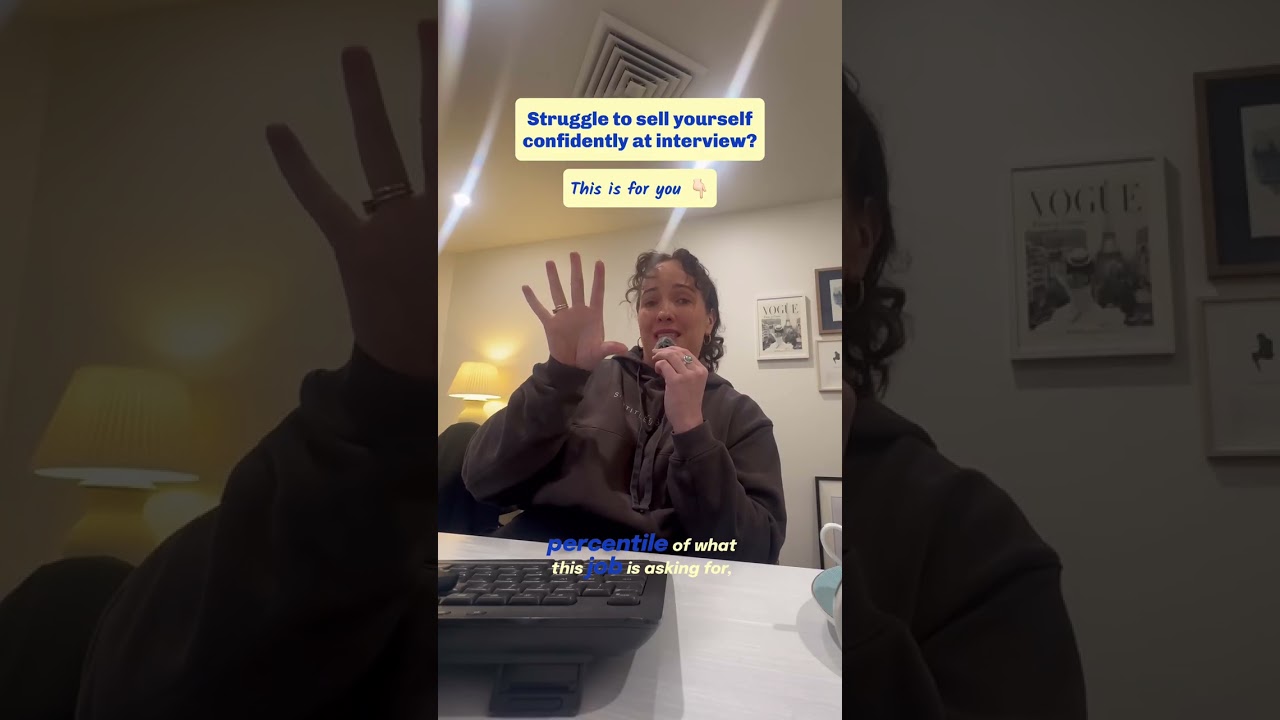
Stop getting stuck in your head, get objective instead. #interviewtips #interviewprep
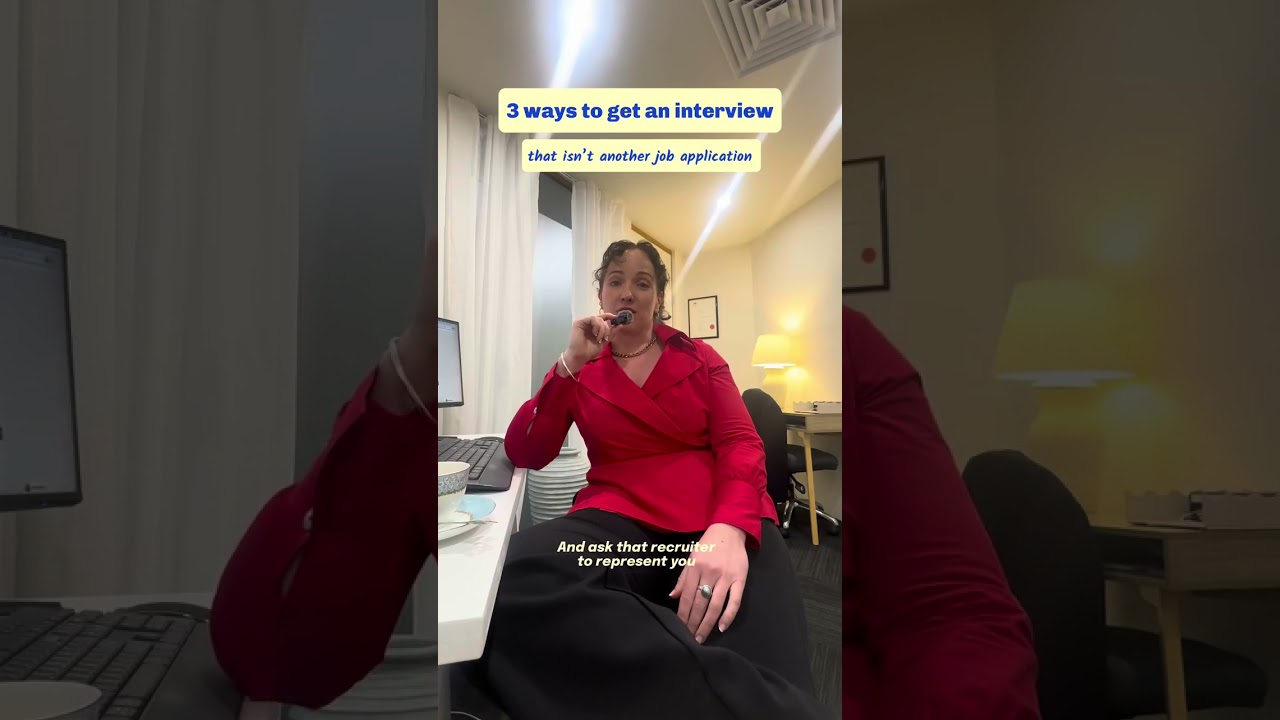
The Chloe Careers Collective - learn how to do things differently. #careercoach