Becoming the Father You Needed with Glen Henry
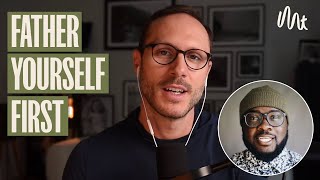
A recorded conversation between host Connor Beaton and guest Glen Henry about fatherhood. Glen describes cultural pressures on fathers, shares his personal journey into fatherhood (including fear, stay-at-home caregiving, and changing disciplinary approaches), and presents practical ideas: “accept the child’s invitation,” the power of proof/mentorship, reparenting or ‘fathering yourself,’ and concrete steps to rebuild relational equity with children.
Chapters
All right, Mr. Glenn. Henry. How are you doing today, my friend?
Man, I'm fantastic, man. How are you?
I'm good. Yeah. I'm very, very good, man. I'm very good. I'm excited to have this conversation with you and jump in. Let's just start with. I like starting with broad questions and then narrowing down into some more of the minutia, some more of the, like, meat and potatoes of it. But what. What do you think are the biggest challenges facing fathers in today's culture?
Oof. I think there's a lot. I think there is.
There's a lot of pressure to be perfect and not make a mistake.
I think there is.
You know, being too rough on kids. I think that is another, like, meta message that we've received.
And I also think there's another part of us not knowing when to be gentle.
Knowing when the coaching season is over and the cheerleading season starts, because when you can't control your kid and they start doing what they want to do, we kind of have an identity crisis. And then there's another thing that we're facing as far as apologizing when we get it wrong and then committing to getting it right, you know, and doing the work to get it right. So there's a lot, man. And it depends on what stage of father you're in.
You know, do you think that culturally, fathers have been devalued? Do you think that it's harder to be a dad today than it's been before? Like, how do you. How do you look at that?
So I think it depends on what culture you're from. I think black culture, you know, there's almost like a badge of honor when you struggle, you know what I'm saying? So there's like, almost like a yo. Yeah, now I need them. I made it. I did well without him, and I still. Right. But I think that lacks a lot of the, like, honor that you pass down from generation to generation. So I do think, you know, fatherhood is obviously the most impactful role a man will ever play because it will ripple throughout time.
But there's something to be said about the amount of inner work it takes to do the job of a father. And it's like you're holding everyone together while not trying to spill on them or leak from your own. You know what I'm saying? Like, traumas and issues. And that is a. Is a fine line.
Super fine line.
Yeah. I think it's. I mean, I. I read. I think there was Pew research.
That showed that roughly one in five. One in what was 25% of kids, one in four kids are going to grow up without a father in the home. And, you know, in America, and that's. That's pretty rough. And I think when you drill down on the data in that. A little bit of a data nerd sometimes, but, like, when you drill down on the data and that it disproportionately affects young. Yeah, you know, and it's not that it doesn't affect, you know, young girls, but it really affects young men. And, you know, especially in, I think in today's society, I see so many young men and. And boys really confused about what it means to be a good man. You know, what that looks like. And I know for myself, it's like not having a kind of model that you can model yourself off of is extremely challenging.
Yeah. I think for us, especially men, we need guides, right? We need someone to just kind of say, hey, just so you know, this is coming up, you know, you're going to have. You want to jump, flip and do this, right? It's almost like having like a. A little cheat sheet to know how to treat a woman, how to fix a car, how to, you know, prepare yourself for the day, you know, set yourself up for success the night before. Like, there's certain things that it helps to have access to a guide in most movies. And I was reading this book a while ago called.
What's the name of the book? It's by Donald Miller. Building a. Building a.
Building a Story Brand. Story Brand by Donald Miller. And he talks about how the best brands are guides, not the hero. And it's true. And he pointed out, in movies, right? And so we. We watch movies, we always see the protagonist go through a struggle, and then they use a guide to get them to accomplish a task so that they can conquer the villain. And I think that mentorship is something that we are lacking as a society. There's not enough. Each one teach one, which is an African proverb. There's not enough. You know, passing the mantle down. And I look at it, when I saw this in hip hop, it really shocked me. There was a point where Snoop, Ice Cube, Dr. Dre, all, like, passed over the west coast kingdom to Kendrick Lamar and said, you got it now. And that was super honorable. And that's something that we don't do as men enough. We try to hold on to the crown as long as possible until it's pride from our dead hands with no manual and no instructions. And they just got to figure it out on Their own. Yeah.
Yeah, I think. I think you're honest with me. I mean, as you were talking, I was thinking about Star wars and, like, Obi Wan Kenobi, you know, of just that mentorship and that guidance and. Yeah, I mean, it's. It's interesting because you're talking about, like, in different cultures, it's different. And I think, you know, again, Pew research had showed that 44. I think it was roughly 44, 44% of black fathers are separated from their kids, live separate from their kids. And I wonder, you know, what. What do you see within the black community in terms of what that's like for young boys, especially, you know, what that's like for the kids?
Yeah.
When I see those statistics, I always think about, you know, the why behind it. And those statistics kind of run deep into the. Not only the narratives of, like, the social, like, things that happen, but also media and how stories are written and even stories are told in movies and shows and stuff like that. And so though my experience was similar to where my dad lived in California, my mom lived in Baltimore, and it was like a joint custody thing, I would have had more access to my father had I been, you know, closer together in proximity. I find that those statistics are.
They're hard to just chew on as a black man by himself, because I understand what's happening socio and economically in, like, the system of what is happening in the world. You know, black areas are way more policed than any other areas. There's also those statistics come from. I actually don't know where they come from, but they also. You don't hear those other statistics about other cultures. It mainly focuses on blacks. And my experience as a black man is completely different than what I'm being shown. And that is the importance of storytelling and telling your own story. And so I've had a YouTube channel for about 10 years. And I recognized that I never wanted to be a father because I didn't have enough proof of good fatherhood. Even though I saw fathers here and there and, you know, I would be around them, I didn't have access to them. And it wasn't until someone gave me access to their home that I believe I can be a good father. Because I actually said, oh, I can do that. I can create a place of harmony and safety, a safe haven, not only for my children, but for myself. That it's just built for me. You know what I'm saying? It's built for us. And I think that was the most inspiring thing happening for me as a young 21 year old kid. And I think one of the problems, or actually one of the solutions, if you are seeing a problem in society like, oh, black people not having fathers, if that's the narrative that you believe is happening.
It would be.
Your problem to solve. It would be your opportunity to allow some people from the neighborhood to come in and experience what it's like for family game night, experience what it's like for a home cooked meal where everyone talks about their day or projector screen in the backyard with some candy and popcorn. Like that is an opportunity for a ministry or a problem that you can solve. And so I often when those numbers are thrown at us because they've been thrown at us a lot recently, I often wonder who's also doing the work because there was a conversation I was having with a personal trainer and he was talking about how, you know, he's so, so against abortion. It's like, man, I'm not, you know, he's, he can't stand it. And one of his girlfriends, you know, had an abortion and it really affected him. And he was a personal trainer. And I said, okay.
You know, so he votes a certain way. And so I said, okay, well how many single moms are you training for free? Like how many people are you helping based on your belief? Right? And it was, it was an interesting conversation because I realized that, man, we could talk all day about the problems, but who, who are the ones solving them? And I think those are the people that we need to highlight and support.
Yeah, yeah, I agree, I agree. I mean, I think, you know, I've only been a father for four and a half years now. And I remember seeing the stat of, you know, one in, one in four kids are going to grow up without a father in the home. And I mean, I remember being rocked by that because it's like, you know, my parents were separated when I was three and I grew up with a stepfather in the house. But know, I only got to see my dad once, once or twice a month. And it was, you know, it was brutal growing up as a kid. You know, it was, there was a lot of pain and frustration of like, sure, there's this guy and that I'm around, which was my stepdad, but that I was angry because I wanted my dad around, I didn't want this other man around. And you know, for better or for worse, I let my stepdad know. I let, I let him know growing up, like, yeah, I did not want him around. And you know, we had a pretty tumultuous relationship. But I think, you know, I think for. I think the. Sometimes the modern narrative and the cultural narrative around the father is that it's almost as though they're not as important. And I think that they're deeply important. And especially, you know, when we see what's happening with a lot of young boys in decline academically, socially, with economically, like, men are just in decline in general. And I can't help but feel like there's some correlation to the. The vacuum that you're talking about, right? The vacancy of male role models, you know, and having good men around.
So what. What was it like for you when you stepped into fatherhood? Right. Sounds like there was some fear and some apprehension when you stepped into fatherhood. How did you handle that? Maybe not having the type of role models growing up that. That you had wanted, or maybe you had found them by then. What was it like when you stepped in?
You know, it's terrifying. You know, like, you step in and you just shook. You're like, man, I don't know if I have what it takes to raise this person. I barely was raised myself. God help me. Is there a way out? You know what I'm saying? Like, that's honestly how I felt, you know, Um, I think once I started to, like, see that, you know, once I watched my wife give birth, I was, like, in awe of, like, how insignificant I was. So it. It further gave me the narrative that I am nothing. When you watch someone give birth and my wife was so, like, mentally strong, that first labor, she was like, oh, that wasn't too bad. No epidural. I was like, man, this woman is incredible. And so I felt a little like, I don't know what to do. But I figured it out as I got into the depth of the work, which is the relationship, and just serving the family.
Caring for my wife, being there for my son as I ventured deeper, because I started out as a working father at working logistics in a warehouse, and then we had our second kid, and she was like, look, man, these little warehouse jobs ain't doing nothing but paying for daycare, so you might as well stay home. I'm a math teacher. I got the good insurance. I'll stay at work. You stay home and do your little rap stuff. Because I was a rapper at the time.
Man, I stayed at home with them kids, and I tell you, I had never felt more emotionally exhausted. I didn't know what that was going to be like. And that experience was so important because I was, you know, very chauvinistic. Very like, man, I don't know what stay at home moms do all day. This is gonna be easy. Like, this is boring. It's gonna be easy. It's gonna be a breeze. Until I realized that I didn't have. I couldn't hear another cry without, like, getting anxiety. It irritated me. It was almost like, you know, scratching on a chalkboard.
But as I started to peep into it, like, peer into it, and you said, like, I want to be a father for four years. That. That perspective is really important because you get information that I forget at times. When you first have a child, you are called to a stillness that you've never been called to before, because all the baby needs is a warm body. And so your presence is all that matters. Just a warm body. You don't have to do anything. You don't have to say anything. All you have to do is be warm. Right? And that gives you a level of stillness that I feel like God whispers to us. To be quiet, be still all the time. Just shut up. Listen. Listen to my creation. Marvel at what I've done. Marvel at this thing that has come out of nowhere, right, that you are helping bring into the world that I've given you. And so, so many of us take that for granted. And we think, oh, my gosh, it's so boring. I just want to work. I want to work. I want to work. There's nothing to do. You know what I mean? But that. That is good work, just being there and being still with your baby. And once I started to get those little messages, I felt like I was getting downloads, like, divine downloads about life. Because I recognized that the kid didn't care who the president was.
Like, they didn't care nothing about nothing politically. They just. You are their entire world. And to be that big in a world that it feels like it's always falling apart, to be that significant is so valuable. And so as soon as I was confronted with that fear, I was reaffirmed.
To, like, this, like, almost, like, stature of, like, nah, this is for me. This is good work for me. It's going to change me and make me a better, better human. And I didn't realize what the roller coaster would turn into.
It's interesting because as you're talking about that, I think, like, I love being a dad way more than I thought I would. Yeah, you know, I. I was. Yeah, I was like, this single guy in my, you know, 20s and early 30s. God help the women that tried to lock me down. You know.
I thought, you know, I thought, like, yeah, one day I would like to have kids. And that, that definitely was on my radar. But it was more something that was kind of a fear than it was a, I have to do that kind of thing. And even when my wife and I got together and we got engaged, it was, you know, every time kids would come up, I was like, yeah, if we have them, great. You know, if we, if it doesn't work out for us, that's okay. I think that was a little bit of a lie, you know, Like, I think in hindsight, if I, if we weren't able to conceive, I probably would have had a lot of grief and a lot of sadness around it. But, you know, when I became a father, it just radically changed my whole perspective on life and.
Just how I need to show up as a man. But one of the things that you talked about, that which I think is so important, is this idea of accepting your kids invitations. What do you mean by that? For the men that are fathers and aren't, what do you mean by that?
Okay, I'd like you to expound a little bit more later, if you can, on how it changed you. Exactly.
Sure.
But I'll answer your question. So the invitation, right. There's a portion of the book where I talk about accepting the child's invitation. They don't last long. Right now there's a few dads who gets off of work and just tired and they're like, man, you know, kid want to play catch, kid want to play video game, kid want to blah, blah, blah. And you just don't have the energy for it. I just want to let you know that those are VIP invite only, exclusive backstage passes that you have to your kid's heart. And one day you're going to want to go backstage or hang out with your kid or whatever, and they're not going to be there. They're going to be at, you know, another kid's house, hanging out, you know, you know, investing in other relationships. And so while you have the invitation, I would.
Venture for you to, like, if you're going to be lazy anywhere, be lazy.
While your child is drawing you on the couch. You know what I'm saying? Like, be lazy engaged with your child, err on the side of fatherhood, because it does not last long. And I forget that sometimes. Sometimes I'm like, man, it seems like they are always wanting me to look at something. You know, my son is, you know, was trying out for the travel goal, he's trying out for hockey travel goalie. He got. He didn't make it on the regular team, right? So now he's trying out for goalie. And I'm like, bro, you can't just jump in a goalie. But he don't know that. So he wants me to look at him, catch a couple shots, and I gotta look at it. You know, my daughter wants to. She's decorating her room for Halloween. I gotta look at that. You know what I'm saying? Like, there's things that they're interested in that I have to be interested in because the invitation is not going to last. And so when it comes to when they have a boyfriend or they have a girlfriend or they're. They're adventuring something else, they're not going to invite you because you didn't accept the invitation to color or get your nails painted or you were too manly to give them a hug. You know what I'm saying? So I'm just saying, like, those invitations are very important.
I would like to hear how father had changed you, though.
Well, I think 1. It kind of just on that note, I mean, the reason why I brought up accepting their invitations is because one of the things that I had to reconcile with was exactly what you're talking about was the moments where, you know, my son, like, religiously wants to wrestle and play with me. You know, just as soon as I go upstairs, because my. My office is in the basement. As soon as I go upstairs, open the door, shut the door. You know, for the last two years, from the time that he could talk and walk, data play data wrestle data dinosaurs, you know, data train tracks. And he, like, he just loves playing with me. And there's been a lot of times where, you know, I can be. I can be selfish. You know, I can be like, I don't want to. I'm. This is I want me time right now. You know, I don't want to do that. I want to go for a drive in my car. I want some silence. I want some peace. I don't want to have to deal with that stuff right now. And so I think that was one of the things that's one of the ways it really changed me, was decentering myself and not deprioritizing my needs, because I still definitely do that. I still take time for myself, meditation, working out, stuff like that, but really prioritizing his needs. And now my daughter's needs and my wife's needs in a very different way than I think I had before. I think it forced a type of maturation inside of me that is really hard to describe. You know, Like, I really feel like I cut so much. So much of the fat and the bullshit out of my life that I had been allowing before simply because I had extra time. You know, it's like I could allow for that nonsense, and now it's just my. My time. I saw this clip of a guy talking about why he had bought an expensive watch, and. And I loved it because he said, you know, most people wear a watch to tell time. I wear this watch to tell people how valuable my time actually is.
Yeah.
And, you know, I was like, that's. I feel like that's what parenting did to me. I'm curious about you.
How.
How do you feel like it shaped and changed you?
Man, the memories. I've had the pleasure of documenting my entire fatherhood journey.
I feel like there are a lot of people who talk about it, but to walk alongside someone trying to do the right thing and not knowing what to do.
Like, gives you a certain amount of trust and respect for the decisions they make now. So it's changed everything about my DNA. Right? Like, I was a patient father. You got a baby, it's easy to be patient with a baby. But why does that stop at fatherhood? Why does it not expand throughout my entire humanity or my manhood? And so I had. I had to confront.
I had to confront, like, myself and ask myself, why am I a better father than I am a better human? Right. So the point of the book, Father Yourself first, was, man, you're very gentle with your children, but you're not gentle with yourself at all. Your inner voice is trash. Your inner voice shouts and screams at you and calls you all types of names.
You deserve better than that. And if you can do that for your children, why can't you do that to yourself? And if you do that for your children now, at what point are you going to start stop looking at them as your children and stop and start looking at them as, like, just grown adults that get that same inner voice that you've been training yourself to have. And so that's when things got really weird for me. But I do believe it changed a lot about who I am. It was almost like, you know, like finding God again. Because I'm mesmerized by the things that they are mesmerized by. Just recently, a part of the book is talking about, like, pursuing adventure and going on adventures with your family and your kids. And we just came back from a camping trip, and my son finds a cave in Joshua Tree national park and he goes in the cave and it turns out to be. You follow this cave and you end up in this like miraculous view, right? And all the kids are going into the cave and like, dad, we want you to go into cave. Dad, dad, I'm like, man, I'm sitting here making these potatoes and this meat, trying to get dinner ready. But I'll go to the cave tomorrow. So I have a rule, if I say no three times, I gotta say yes.
So they asked me to go in the cave, I go in the cave, man, I'll bust my head getting into the cave. Like, it was one of them times where like you hit your head and you hear like ringing, you start to like echo, you bite your tongue. Man, I was like, man, I wish somebody would just tell me to go sit down somewhere, like, and mind you, we're camping so there's no running water. Like, we're in the, we're tent camping. And I'm just so irritated and mad. You know, sometimes when you hurt yourself and someone just asks, are you okay? Are you okay? Are you okay? You get more mad.
Yeah.
I haven't had time to check in with myself and I realized like at that moment that I had to actually put on love, I had to put on adventure. I had to like wear it because at that moment I just wanted to pack my stuff up and go home.
But that is the moment where I recognize that my immediate what's happening right now.
Is something I'm going to look back on and like laugh and enjoy later. And so those invitations, those moments, I look back on them and we look back on it as a family and it's been such a joy. But I can actually see the moment I learned a lesson and I shifted. I used to be a spanking father. I used to spank my 4 year old. Crazy, crazy. I, I, some people use that. But I learned a lesson. You spank out of a lack of time.
You, you hit because you don't have time to train. If you had time to train and walk it out in front of someone, you wouldn't need to hit anybody because you would know that this lesson isn't a lesson about fear, a lesson about self control. Not only for you, but for your child. And so.
I had to, it's not only that, like, oh, how did it change you? You can see how it changed me on the channel. You know what I mean?
So yeah, yeah, I think the, it's interesting is like one of the hardest things I've had to contend with. I mean, there's sort of two parts, but one of them are the almost wildly unrealistic expectations that have naturally just manifested of myself as a dad. You know, like all of a sudden I found. I remember I had this moment. We were out in Coeur d', Alene, Idaho and my, my mom had come down and she was, she was battling cancer at that time. She lost that battle. But she, she came down to visit my son and, and myself, my wife and she had left. And then it was our time to fly home and we get, you know, get my son up. It's like 4:30 in the morning, so we have a super early flight. We have to drive out to the airport, which is like 45 minutes away. Get to the airport and I realize that I've forgotten the backpack with my computer and all of our passports in it at, at the Airbnb. And so we're going to miss our flight. And I have, I have not experienced that type of self anger and hatred in so long. It was this moment of just like, how could I fail my family like this? You know, and it was wild. Like it was just so intense. And so this all I really had to reconcile with man, my expectations. I'm good in my business. I don't beat myself up like that in my friendships. I don't beat myself up like that in my marriage. But when I feel like I've, I mean in that moment I had let down my wife as well. But when I feel like I've let down my family, it was this whole other thing that I'd never really dealt with. And then the second thing was just dealing with the, I call them the beast in the basement. You know, just like the, the anger, like the dad anger that comes up. Like I, I joke that my son has access to like the nuclear launch codes in, in my chest.
Like, like, like, dude, how the hell did you push that button? You know, like I thought I had dealt with that button years ago.
Yeah. So, man, that, you know, that's so, that's so crazy, I think.
Well, one, I wanted to say I'm sorry for your loss, man. Thank you for your mother, man. That's, that's insane. How long ago was that?
That was last year. So she passed a few months before my daughter was born, which was, which was a rough, a rough ride.
And did you take time off?
I did, yeah. Yeah, I did, yeah.
Good.
All right. I was thinking about on this podcast run, the first podcast I did for, you know, promoting this book, Father Yourself First. I, I got to meet with A guy named John o'. Leary. Ever heard of this guy?
It sounds familiar, but yeah, he's got.
A movie out right now, I think it's called Soul on Fire, something like that.
But he didn't say anything about the movie, but his story is crazy. So he was playing with fire in a garage or something like that. Set his whole house on fire. Burnt like his fingers. He was completely burned up.
And he thought, you know, one he, when he made it alive and then he was in a hospital and his dad showed up and he was just like, I'm so proud of you.
And.
I think about that and that is the type of father I want to be.
Not only to my children, but to myself. You know, like when I screw up, like in a big way, like I struggled with suicide as a nine year old boy.
And my exit route has always been clear to me. I can always delete myself if things get too crazy. And so the fact that I'm able to smile through a lot of this stuff, smile through a lot of my failures, forgive myself. I am very proud of me, bro. And I, I hope that that language can be gifted to our internal voices and our inner child as we move forward in this life. And so moments like that, when you screw up, like eternally, it's like no coming back. So I'm hoping, I'm hoping we can borrow John o' Leary's dad's message to him, you know.
Yeah, it's such a, it's such like that kind of compassion and, and love, you know, in a moment where.
We probably would feel like we deserve to be scolded or shamed or, you know, punished in some capacity and then to be met with, with an embrace and acceptance. I mean, that's, that's a gift of dad, man. That's the gift, gift of the father. Both in a, almost like a, you know, in a spiritual, religious sense, but also a very real human sense. Yeah, well, let's, let's talk about that then. Let's, let's go into what it means for you. What does it mean to father yourself?
Yeah, it is, it is the training of the inner voice. You know, my, my mom, she was very young when she had me, so she had a lot of like, you know, just anger issues. She was young and I don't think, you know, she didn't know at the time, but she was training me how to talk to myself.
And so I've had to redefine what that language is to my, my myself. And that was first made up with the Most positive person I know, which is my therapist. So having a therapist has been super helpful because he would ask me questions like, hey, you're very patient with your children, but you're not very patient with yourself. Why is that? You know what I'm saying? Like, I don't know, you know, leave me alone. You know what I mean? And then, like, we'd start asking even more questions that, like, I would, like, really start to think about. And he goes like, you know, I'm like, man, you know, I just feel like I'm not gonna. I'm not gonna make it. I'm gonna fail. And he's like, well, have you failed before? And I'm like, yeah. He's like, okay, but what did you do after that? I just gotta try it again. He was like, yeah, so what's different this time? And he, like, minim. Like, minimizes everything I think is so, like, everything I'm catastrophizing, He's minimizing. And he's like, dude, like, you've always figured it out. You're always gonna figure it out. That's what's you. And like, that has saved me not only a lot of pain, but also save me $300 an hour, because that dude is expensive, you know? So I've been able to internalize my therapist's voice. That's like the number one thing. And though my therapist, I think he's younger than me, he still. He still speaks to me with the heart of a father, which I needed. And I think a part of me is very interested in the season of life, because I'm 40 now. And 40 is interesting because now all your parents, like moves and tactics, they don't really work no more. And you start to see all the gaps and holes in the stories, and you're kind of like, oh, you guys. Are some of you guys malfunctioning. And we need a mature adult in the room. And I am that. And so I remember talking to my dad, and one of the things, I saw him get really comfortable in my space. And you know, my dad's very competitive, right? So even as a kid, like, I didn't really play hockey like that. Like, we'd be roller skating outside with some hockey sticks in the tennis ball. Okay, so. And this maybe happened a couple times, but my dad doesn't know how to roller skate, but he knows hockey. He's like a big Gretzky fan. So King's Gretzky.
Not so close. So close. But your son's on my team. Your son Oh, I like him already. What's his name?
Theo. Theo?
Yeah. I'm gonna be friends with Theo.
Yes, absolutely. So I'm. I'm like, playing hockey outside my dad, and this dude is slapping me in the legs with the hockey stick. And I'm like, bro, what are you doing? Like, I'm 11, right? He's like, well, this is how you play. And I'm like, man, this dude has totally missed the moment, right? But he's just super competitive, so I always thought he was my competition. I gotta be better than this guy. And then he was in my garage and we were talking and just kind of talking about some stuff. And, you know, he started to, like, confide in me in some things that I hadn't, like, never really confided in him about. And I started to get jealous that he had me.
In a space that I needed him. And I realized, oh, I'm a father figure. And I was talking to my therapist about this, and I was starting to kind of like, you know, really, like, have a hard time with it. And then he was like, you know.
You know, who better? I'm so sorry. He's like, who better than you, you know, who better than you to walk this road with your dad? You know.
Like, I understand you don't feel like. You feel like you want somebody to come and save you, but you are the father you need now. You are him. And that information was just so good for me to hear because I truly believe that.
I truly believe that I am. I am the person I needed, you know what I'm saying, back then, and I can be that person now.
To me, what are some of the things that you have come to learn that most fathers actually need to give themselves in order to be effective as a dad?
What are some of the things that I need? Say it one more time. I'm so sorry.
What are this. What are some of the things that you've come to learn that most fathers need to be able to give them so that they can be effective as a dad?
Yeah. Well, I think one thing for sure is.
Patience.
You know.
I'm in a rush for no reason. I think there's a. A point to slow down. I think, you know, like, I said that first, you know, two, three months with your baby and you just being a warm body, you know, reminds me that I just need breaks sometimes to just sit still.
I also think, you know.
Like, self forgiveness.
Letting. Letting go of the things that you've done wrong and just realizing, like, man, like you, you are human. And dude, the ability to apologize to your kids is.
Man, that is one for the, for the ages. Like, if you can apologize to your child, they are so forgiving and so willing to accept you where you are and support you and love you.
And root for you as you get it. Right? Like, I mean, I'm not gonna lie, like, some kids are very manipulative and they know how to play you. But, you know, some other kids are very like, man, they just want to be in community with their father. They just want to be held by their father. And so if you can learn how to apologize well, which means you have to lower your pride level, which is really hard for us to do. I think that would be an extreme value to us as men, for sure, so that we can be most effective.
I think in the, in, in your work, you talk about the, the power of proof. And I'm hoping that you can expand on that because I think it's such a powerful concept for, I mean, I was going to say young boys, but I just think for, for kids in general.
Yeah, you know, I'm a part of the Christian faith. Sometimes that's harder to admit than others.
One thing that bothers me about, you know, Christianity is that pastors talk a lot. And one of the cool things about Jesus is that the disciples actually walked by him and saw how he treated people on a daily. Right. You had access to his life, you had the new height. You know everything about him pretty much. And we don't have that much relationship with people that we respect and love and a lot of times with fathers for sure.
The, the guy who gave me proof, his name is Pat Lynch. Five daughters at the time. Now he has seven couple grandkids, three grandkids. He's stacked, you know what I'm saying? He gave me access and I was able to ask like, questions. And I was like, why did you give me access to your family? Like I was a stranger. You didn't really know me like that. You allowed me to come over your home. He was like, well, you made yourself available. Like, not many people made themselves available. You would get off work at the men's warehouse, show up to serve the youth in a three piece suit. Not a lot of people doing that, you know what I mean? And because you did that, it let me know that you were willing to show up. And so.
My responsibility is to be a light. And I wanted to be a light and you accepted the light. And now you're a light in your own. And so I recognized that I was Curious about fatherhood. And because I got proof of that, I wanted to be like, proof for other people. And I guess, like we were talking about early in the conversation, allowing someone else to walk in and see your process and ask questions about how you think is really important. There's one guy in my life, man, who I've been privileged to mentor, and I love mentoring people who listen well, you know what I'm saying? When you mentoring a hard hit a kid, like, man, it's just exhausting, you know what I mean? It's like having a joystick in the controller doesn't work. You know what I mean? Like, what the heck?
This kid would ask questions about my thought process. Okay, so when she said that, because he was my videographer for my YouTube channel, he's like, okay, when she said that, how did that make you feel? He's getting real intimate looks. And I'm like, yeah, I could fight that. But I know what day of week it is. I know her period's coming up in like, three days. I'm not gonna argue with her. I'm talking to something completely different, you know what I'm saying? So he would, like. I'm telling him stuff that I would only think about in my mind. You know what I mean? And so because he had access to my mind, I help him, you know, be proof of him. So now that he's in, you know, married now and looking forward to having kids, it's easier for him to go through it. And so the power of proof, you gonna. You're preaching anyway. Whether. Whatever you believe you're preaching, if you believe that if you go to the gym five times a week, you're gonna be strong, and that's good for you. You're. You're preaching that with your life. And so if you believe that fatherhood is a good thing, if you believe that manhood is something to be appreciated and fatherhood and being a husband, all that, all those roles that we play, if you believe those are valuable places to be, then I think you should invest in those. And the most investment is going to come from your vulnerability in giving other people access.
I love that. I love that. I think, Yeah, I mean.
You were talking about the, like, the young guy, you know, and how some of, you know, some people that we mentor just. They don't want to listen. They kind of hear what they want. They want to hear what they want to hear. And it's such a. Such a huge difference when you have somebody that's so receptive and open and curious, Yes. I think just going back to this, you're talking about going camping with your family and, you know, sounds like. I mean, I watched a bunch of your YouTube videos and kind of got a sense of. Of, like, you know, what family time is like for you guys. And you kind of. I think, in the book as well. Or in the book. And then also, just in. In general, it seems like you really emphasize. You really emphasize adventure and play as a kind of core avenue for connection with your kids. I feel like it's also a core principle for fathering ourselves in a way of being able to heal a part of ourself, and that a lot of men actually lose that connection to play. And I think reclaiming it can be super powerful. So can you just speak to that, like, the role that it can play for a man? Is he stepping into fatherhood or as a father and then the importance of it with raising good kids?
Absolutely. And I think those are the backstage passes we have, you know, to our children's hearts. And then also, it allows us, our inner child, to play with our child. Like, it's like a. It's like a meeting in childishness that is super valuable. You know, there are studies that talk about how important it is for kids to play and wrestle and roughhouse and all that type of stuff, but I want to talk more about what it does for us.
I've seen this first in my wife when she just signed my daughter off for Girl Scouts. And I'm looking at her, and I'm like, baby, you don't have time for this. You know what I'm saying? Like, you about to have a book coming out. I got a book coming out. We got all this stuff. We're homeschooling, running a couple businesses. She's just like, yeah, well, I'm doing it. I don't care. You know? Like, all right, fine. You know, and, you know, like, if you have a wife like mine, you know, she'll end up signing on to be a part of it and end up running the entire thing.
I do. I do have a wife exactly like yours, actually. We both wrote a book at the exact same time after my son was born. We called it Two Books, A Baby. Two books, a baby and a house. Because we. We had both of our books being birthed after our son was born and we were building a house.
My gosh.
I get it.
I get it. So, yeah, so now I'm in that. I'm in that. And, you know, Yvette, I watch, you know, when she goes to her meetings with my daughter. I don't know who's more excited, you know, Yvette or my daughter. Now we're in a predominantly white neighborhood community, and the Girl Scouts is all black girls. It's 17 black little girls in one Girl Scout troop. It is the most amazing thing that we get to see, like, on a consistent basis. It's really, really dope to watch and to watch them both light up at the same time for me, like, I don't even want to put pressure on her to retreat from that, because I know how valuable that is to my. My wife and my daughter. You know what I'm saying? So it's one thing when I can experience it by going on adventure, playing, you know, all types of little games we do as a family, which are super fun to play and watch.
But to see what it does for other people because of what it's done for me, I can't steal it away. Right.
So I think those connections that we have could be looked at in two ways. You know, about play, but also about a safe place for you to be immature and your children to be reminded that getting older isn't boring, that being an adult isn't something to dread. Right.
I also.
I also think it's. It's really important for.
Other people to see you that way as well. And that comes more in with the proof. Right.
I just can't give enough, like.
Power to being accessible.
Yeah.
You need to make your life accessible. It is completely selfish for you to have a good marriage that is only on display to you, you know?
Yeah, it's one of the. It's one of the things that. As I. I think this is another lesson that. That I learned, which is one of the reasons why I brought it up. And it sounds like. I mean, it sounds like you've. You've had a pretty good playful side. I definitely found myself getting super serious when I became a dad. And my wife is this, like, beautifully playful human being. And so she would, you know, put music on every day and dance with my son and just, like, act goofy, and I'd be all serious and, you know, like, making a meal or taking care of something or writing some emails, and she would always try and pull me in. And it was so funny because it was. There were, like, certain moments that I allocated to play.
Right.
It was like, okay, it's a very sort of, like, compartmentalized. Right. It's like, again, my son asked me to wrestle with him and play dinosaurs. Now I can be goofy, you know, and. And so it's, like, sort of systematized, but as things have evolved, I've definitely allowed myself to just. Just be good. Like, you know, this morning, I'm making him eggs, scrambling up some eggs and just acting like a fool and making sounds, and he's laughing his ass off. And it's, you know, we're having fun and playing, and it really sparked that. You know, it's really sparked that connection to my younger self because I was such a goober. You know, when I was little, I was just, like, this goofy. I always wanted to play. And my son is like that. Everything is played to him. You know, everything's a game. So, yeah, I think that kind of brings in this question about, you know, part of what you talk about. And, I mean, this is a huge thing that I talk about as well, which is reparenting the wounded parts of yourself as a man so that you don't have unconsciously pass that pain down. And I think that that's something that a lot of men are trying to make sure doesn't happen when they become dads or that they're worried about happening when they become dads. I'm curious what you see as some of the biggest unfathered parts of men today and how, you know, how men can actually step into sort of navigating those parts of themselves.
Yeah, I mean, I'm not gonna lie. Like, I've had to navigate exactly what you're talking about. Being too serious, taking everything, you know, way too seriously. You know.
Not a lot of my kids have rhythm, so it's very frustrating watching them dance. I'm like, man, this is gross.
I'm out.
You know what I'm saying? Be honest with you. It's hard to watch. And so I. I completely understand that. But once again, accepting those invitations, I think one of the things that is.
Hard to manage for a lot of us, I believe, is our ambition. I think sometimes our ambition gets the best of us, and we end up losing relationship equity because of our association. And addicted. Addicted how addicted we are to working.
And being successful. I saw.
A clip of LeBron, and he's like, you know, if you want to be great, your family is going to pay for it. Like, you will sacrifice your family. I saw Shaq telling that to his son. You know, what comes to this? You know, how many birthdays and Christmases I missed? If you want to be great. And I think that, like, I don't want to be that great. You know what I'm saying? And that is. That was something I had to make a conscious decision because there was a part of my life where I was like, nah, I could do both, you know, or.
Yeah, I do want to be the best at any cost, and my children will look up for me and my wife will respect me.
But then you. You realize what happens when you actually make that decision in the work it is to get back. I lost relationship equity when my son.
You know, when I was filming video too much. You know, we were extremely successful. You know, I'm saying one of the top YouTube family channels at one point, especially black family channels. And it was like.
I saw my son kind of tense up when I walked in a room. I saw him.
Like, he would look and see if I had a camera. He would tell me that I don't. I don't want to be on video. Like, he would tell me that. And so I would see that. And I was realizing, like, oh, he doesn't trust me. And then I started to think about what amount of money is worth that.
And it just doesn't exist. You know, there's no number that I can sit with and then lose a relationship with my child and be comfortable. I'm always going to squirm and not. And that's not because I'm such a good man or I'm like somebody to be appreciated. It's because I know what it's like not to trust your parents.
I know what it's like to tense up when they walk in the room or to hear their clutch pull up in the parking lot before they walk up the stairs to the apartment building you're in.
I was so in tune of my trauma. I knew the difference between my mother's ring when she. When it would call on the phone, and I'm talking about a, you know, a landline. I knew when it was her. But we before call id. I don't know how old you are, but this is before call id. And I could tell the difference. And so I know what that's like, and I would never want to put that in the way of my connection with my kids, any of them. And so I know that this fatherhood is a marathon. I know, you know, even having a relationship with my dad now, that I'm always going to want a relationship with my children. I'm always going to want them to desire me.
I know what he feels right now. I can see where he's at. I know where my mom's at. And so I put a lot of time and intention about where my ambitions lie versus where I want to end up. And I thought at some point I was working so hard, I was like, yeah, well, I just got to be done by the time they're in middle school because I know that's when it gets really hard for them, you know. And so I got to be successful before they hit to middle, get, get in middle school. And now I'm kind of like.
I don't even really care about that, you know what I'm saying? Like, I want to be successful when I am successful now. Like my children trust me, my wife looks at me, she wants to be in a room with me. They all come around, I can't get rid of them. You know, they are living room kids growing up, you know, in a house. My wife and I are bedroom kids. So they want to be in whatever room we're in. They want to sit by our side, they want to watch us talk.
It's a little annoying, you know what I'm saying? Because you're like, dude, like, get out, get out of here. And so you got to, you know, I don't say everything around my kids, but, but it is a, the perfect place for them to know like, yo, you can be whole here. You can be yourself here.
You know, this is the only place that they have to fall apart right now.
You know, to get a hug, a safe hug from a man. This may be the only place for that they will ever have. And so, you know, let yourself be adapted to that and don't let your ambition get in the way.
Yeah, I love that, I love that. Something that I tell my kids all the time and something I tell, I mean it's, it's, it's made its way into the work that I do. But something I tell my son all the time is all of you has a home here, you know? Yes, this, this home is a home for all of you. And I try and remind him of that all the time and you know, I don't always get it right and you know, sometimes my shit gets in the way. But all of you has a home here is like, that's, that's what I want to embody as a father of. No matter what it is. It's the, you know, the ugly parts. The. I mean, he threw a 30 minute tantrum the other day and I, you know, at one point I was sitting there in his, in the rocking chair in his bedroom and he's full throttle, you know, on the bed and he's just going for it and, and at one point I chuckled, you know, I Was kind of like laughing because I was like, man, this is a. This is, you know, full on. And then I was having this moment of watching him and being like, if I never got to do this, because when and if I did this, there was a really severe punishment on the other side of it, you know, whether it was the belt or spanking or, you know, getting hit or yelled at or whatever. And so, like, I never got that. And what a beautiful opportunity to provide that for my son, where it's just like, yeah, even, you know, he's four and a half. Of course he's gonna throw a tantrum. But what. What do you say to the dads that, you know, and maybe this is a good place for us to. To wrap. But, you know, if a man is listening and he feels ashamed of the father that he's been or some of the choices that he's made, whether that's distracted or absent or angry, what's the first step for him towards some type of redemption or rebuilding trust with. With his kids?
Yeah, this is. This is really important. Thank you for asking this question, because a lot of people don't. And I think it's a really important question that a lot of us need. And not to say that I have all the answers, but I have had to do this a few times, and so I made it my business to try to make sure I get this one right.
So the first thing you should do if you have lost relationship equity or you have, quote, unquote, failed as a father, I think you have to honor and believe what the truth is, right? You did mess up. Okay? So a part of that is admitting that you were wrong. Right? And what that can look like is simply saying, I know that I have messed up in a way that you probably won't want to trust me again. And you don't have to. You know, I hit you. I did xyz. I didn't pick you up or whatever the situation is, right? Admit what you did wrong. Right? To let them know that that is not behavior that you should expect from me in the future.
But I failed, and I messed up, and I'm sorry. And you have no reason to trust me. With that being said, right? Here's. Here's the next step, right? So first you admit what you've done wrong, and then the next step is.
Tell them your plan, right? You are worth.
So much to me. I'm willing to spend the rest of my life getting this right. Okay? Your next thing is a promise. Here's my plan. Whatever I have to do. I'm going to figure it out. I got to go to therapy. I got to talk to someone. I got to play with you more. Whatever it is, I promise to get this one right. Okay? And then the next thing, the last thing, is how you're going to do it right. This is not something you're saying. This is something that you're doing. You're making it your business to be in their business. You are now.
On the other side. So you have to hope that they accept your invitation. Hey, buddy, want to go outside and play? Hey, buddy, can I read the story to you? Hey, you want to play video games? Hey, you know, I'm going out to eat. You want to come with me? Hey, I'm doing this. You want to join me? Like, you're now behind, so you have to send the invitations out and hope that you get a request, an answer. And so those are the three steps I would take. Admit that you were wrong. Let them know that you plan to get it right. Right. And you're committed to getting it right because they are that valuable to you, and they're worth it. And then you sending out invitations and you making sure that you put in the work to regain that relationship.
Yeah, that's. That's solid. And I think the. The only thing I would add in is, like.
Be prepared for the rejection of your. Your invitations a whole bunch.
Oh, yeah, yeah, yeah, yeah. That is definitely important because, man, like, as soon as we get our little feelings hurt as grown men, we start throwing tantrums, and then that's what happens. Kind of like that's what happens. We'll. We'll get to the point where our kids are, you know, doing something to make us upset, and then we'll start throwing a tantrum, and then all of a sudden, we start treating our kid like the inner child we never trained like that. Inner voice we never trained. You know what I'm saying? And so we start cursing at them, being mean to them and all that, and they deserve better, and so do you. So why not get it right now in your head?
Yeah. Can you just. Before we. Before we wrap up, you've used the word relational equity a couple times. I just want to make sure that people have context for that. Can you just describe what that is and how to cultivate that?
Yeah. So right. Right now with your child, with your. Whatever relationship you have, you are building equipment, equity. You are investing in the relationship. You are doing things to benefit the other person and that benefit you. You are growing an investment into A relationship. Right. And that is. I don't know where that phrase is coined from, but it is something that, you know, it's mutually beneficial to the relationship as a unit. Right. When you start making deposits in that relationship you're building. But then sometimes we take from that relationship, but because there's enough there, it's fine when.
You know, you write bad checks and they don't, you know, they don't cash, or it defaults and it just goes bankrupt and there's nothing left. You know, you. You smash down a pillar in that relationship that maybe all that person was getting out of that you have lost relationship equity. Trust is a way you lose relationship equity. And that's hard to regain. That takes time, that takes attention, and that takes you also knowing and realize that, oh, I'm not where I need to be with this relationship. And it's not a decision that they've made. You reneged.
You went bankrupt on the relationship. You didn't put the deposits in. And so unfortunately, we are all in those relationships, and sometimes we think, oh, well, as long as I give them this, I'll get this. And it's not going to work that way. Like, you are always putting stuff into that relationship, and once you start taking and making withdrawals, there's nothing left to pull. You got insufficient funds in that relationship. So that's kind of what I mean. Yeah.
Good stuff, man. Well, we're gonna pause here for today, and I definitely recommend that people go and check out your work, check out your chann. Check out the book. Father yourself first. We'll have links to all that in the show notes, any final words of where you want people to go to check out what you're up to and. And with the book or. Or the videos.
Yeah, man. I do a. I do a meeting for black men every Saturday, depending on when this comes out, because I know I'm doing a little book run. I might be off a couple, but make sure you follow me on Instagram, Belief Mail. It's a meeting for black men who want to be good fathers. That's it. Awesome. You know what I'm saying? So that's every Saturday morning, PST, 7:00am PST.
Beautiful. Beautiful. Well, thanks so much, gentlemen that are watching this. Don't forget to man it forward. Share this with a man that you know needs to hear it, will enjoy it, maybe spark a conversation between you and them. And as always, until next week, this is Connor Beon signing off.
More from Connor







How to Raise Strong, Unshakable Boys in Today's Culture, with Dr. Shefali Tsabary



