Drew Manning - Leaving The Mormon Church, Porn, And Getting Fit
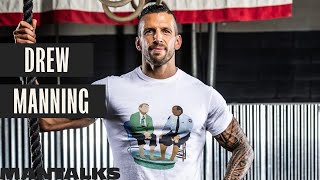
Interview between Connor Beaton and fitness coach Drew Manning covering Drew's departure from the Mormon Church, recovery from porn and sexual shame, dating and self-love after divorce, and his Fit→Fat→Fit experiments (intentionally gaining then losing weight) used to deepen empathy for clients. The conversation blends personal history, practical behavior-change advice (environment design, pause/breathing practices, inner work), and where to find Drew online.
Questions this video answers
76 lb in six months.
Fit to Fat to Fit (New York Times bestseller).
Big Island of Hawaii.
Two daughters, ages 13 and 11 (as stated in the interview).
42 years old (he said he left the church at 34, 'about eight years ago').
Chapters
All right, Drew, welcome to the mantalk Show. How you doing today?
Doing good, Connor. Thanks for having me on. It's a pleasure to be here.
I'm looking forward to this conversation. After looking at some of your stuff, some of the things that you've done and accomplished, I feel like this conversation could go a number of ways. I've got some things that I definitely want to dig into, but I feel like I'm going to learn a lot. So with all of that said, before we go any further, tell us a story about a defining moment in your life that made you who you are today.
Sure, man. And this is a tough one, cuz I think there's so many. Right. There's so many defining moments. Like every few years, something happens that defines me and puts me on a different trajectory of life. So one big one, though, I would say is I went through a divorce and I left my religion that I grew up in about the same time. This is back when I was 34, so maybe like eight years ago. Those two big things were big factors and played a big role into my identity at that time. You know, being married for 10 years, being, you know, Mormon, I was a part of the Mormon Church for the first 34 years of my life. And to have both of those things kind of pulled out from underneath me, I had to go on a huge self discovery process and so, you know, hitting rock bottom. I experienced that during that time and that's where I had to figure out who I was without these two big things that had, you know, been told me or had been telling me who I was. Right. My entire life. And scary. It was hard, but it was the most rewarding journey I've ever been on it open up my eyes to different things that I wasn't open to before that. I was open to trying to see if it could help me, like meditation or therapy or hiring a life coach, plant medicines, things that I was like, no, that's not for me, like, because religious. And I was taught all of the answers are here within this book or here within this religion. And so it sent me down this trajectory of really discovering who I was without being told who I was supposed to be.
I love that.
Yeah.
Figuring out who I am without or getting through the who I was supposed to be or told to be. I think that's so important. You know, what's interesting is I just find this interesting for myself as you're talking is that over the last several years of hosting live weekends, I have worked with an abundant number of men from the Mormon Church. And it really has been a surprising thing, I think, because sometimes my content is sort of spiritual in nature, but not directly spiritual in nature. Like maybe I attract men that are from that vein. I seem to also attract this sort of high functioning dudes who are wanting to work on some stuff. But, you know, I think what, what's interesting is how, how many men have come out of that experience having experienced some like, pretty wild shit, you know, and we don't necessarily need to go into too much depth or detail on that. I don't want to spend too much time on that per se. But for you, when you did decide to leave the church, can you just speak a little bit to what that was like and what you had to specifically confront or let die or let go of in order to find your way into your own authentic expression?
Yeah, I can definitely do that. And I'll kind of shorten it a little bit because there's so much that it entails. But basically, in a nutshell, in the Mormon Church, we're taught that this is the one true church on the face of the earth. And all the other religions, you know, have some good in them, but they're not the true church. And so I 100% believe that. I believe that everything I had been taught up until that point was 100% true. And so I had a very black and white mentality when it came to my, my faith and my religion to discover that it wasn't true. You know, a lot of things were hidden from, you know, members of the church that were kind of, you know, shady stuff that was going on that was, you know, hidden or twisted in a way where, you know, you didn't, you couldn't find out about it before the Internet. And then once the Internet came out, you started hearing things. You're like, no, that's anti Mormon stuff. And then you figure this stuff out and you're like, wait a second, this wasn't told to me. And so my whole life kind of was based on a lie in a sense. And to discover that, to have like your, your, your whole truth, your whole life pulled out from underneath you, it's like, okay, well that's not true. What is true? Like what, like how do I know if anything is true that I've been taught this whole life? And so you start to question things and you go down these rabbit holes and it could be kind of dark and scary and hard and lonely because no one understands. People are judging you, thinking you're like deceived by the devil. And you're a bad person. You're kind of, you're kind of shunned in a way. You're kind of shunned from family and friends and the community that you once had. Not easy. Like, I know a lot of people think it's, you know, oh, you just, you want to sin, you want to go, you know, do drugs and drink alcohol. Like, that's not what it's about. Like, well, your whole, it's like I can't compare it to finding out Santa is, isn't real. But, you know, in a sense it's like the adult version of that where it. So can we cuss on the show?
Of course, yeah.
Okay. It's a big mind. I'll be totally honest with you. It was so hard to discover, okay, well, who I am, who am I without this religion? And yeah, I had to go on a long self discovery process to figure out, okay, what feels true to me, like what feels right in my heart versus, you know, hey, just believe this because this is what you've been told to believe. You're, you're, you're born and raised in it. Does that make sense?
100%? No. I had a buddy in junior high, I think it was right before junior high. And his family, his grandparents were part of the Mormon Church. And then his family became part of the Mormon Church and he just radically changed. And then, so through junior high, through high school, he was part of the Mormon Church. He kind of distanced a little bit from us, but stayed connected. And then eventually it was like in his late teens, early 20s, I can't remember exactly when it was where he decided that he wanted to leave the church. And it was a really troubling time for him. You know, it was really hard because, I mean, his, his own parents were like ostracizing him, you know, and, and threatening to not talk to him. And even though they hadn't been a part of the church until, you know, he was like 10 or something like that, you know, so it was very interesting to see. I think also I'm curious to get your thoughts on this and maybe you don't have an answer for it, but this is purely like my own interest. So I don't know, I don't know how much this is relevant for the audience, but I've noticed over the years a lot of the men that I've worked with that have come from the Mormon Church, there's a lot of interesting, like repressed sexual expression, repressed sexual addiction, porn addiction, like there's a lot of stuff wrapped up in and around sex. And I don't know enough necessarily about the Mormon religion or about some of the challenges within the Mormon religion to be able to speak to that. And I know you've openly talked about porn addiction before in the past, and I have as well. It's something that I've talked about on the show. Is there any tie to the religion? Like, because I've tried to piece out, like, where does that come from? Because there seems to be such a strong pull. A lot of the men that I've worked with and interacted with, like there's some form of sexual addiction or sexual abuse or porn addiction. I would love for you to just speak to that if you can.
Yeah. So in the church, we're taught that sexual sin is the sin next to murder and seriousness of sin. So there's murder and then there's pornography, masturbation, sex outside of marriage, all of those, those, those sexual sins, you know, and so that's how serious it is. And so from a very young age, you're taught that, you know, this is a sin that is very serious. And so you're fighting this natural man. You're, you're a teenage boy and growing up in the 90s, when the Internet first comes out, everyone's looking at porn, everyone's talking about it, you're exposed to it, and of course it's exciting, it's enticing. Your hormones are raging and you're just a normal human, a normal teenage human boy. But you feel so much guilt and so much shame. And so it controls, you know, how you look at yourself. And so there's a lot of self hate. I grew up with a lot of self hate. And the sexual repression that happens in the church is because, you know, we're taught to stay as far away from the edge as possible. You know, don't look at porn, don't musk about, you know, on other women. It's ingrained in our brains from a very, very young age. And it's the seriousness of the sin that kind of, I think, causes a lot of people to kind of grow up with this weird dichotomy of, of how we view sex of like it's bad, bad, bad. And then all of a sudden you get married and now all of a sudden it's good. And it's hard for both, I would say, men and women in the church because we're taught it so bad, you know, our whole lives. And then now all of a sudden you flip the switch when you're married legally. And then now all of a sudden it's a good thing. It's, it messes with you. It really does. And so it creates this vicious cycle of, you know, of guilt and shame and self hate. And for me, yeah, I definitely fell into that trap growing up in the, you know, 80s and 90s and being exposed to pornography and not having a healthy outlet because it's so taboo. No one really talks about it, not just in the church, but I think in our culture in general. You know, I've lived in Brazil, I've lived in the third world countries where sexuality is so much more open and talked about and it's everywhere and it's not as weird or taboo, but here in the United States, it's like cover up your nipples and cover up, you know, everything, you know, so that hoping people all will be less sexual, but all it does is just, you know, suppress those sexual desires and emotions. There's no healthy outlet to talk about it. I couldn't go to my dad to talk about it. He didn't know how to talk about it. I couldn't go to, you know, anyone in the church. Because if you go, here's the thing is, if you sin, if you, if you, you know, masturbate or look at porn, you have to go confess that to a bishop, right? So you're going confessing this to a bishop. He gives you like a punishment for like two, three weeks. You can't take the sacrament, which is the bread and water. And basically it's kind of like shaming. You're this teenage boy and the bread and water is being passed around and people are looking at it as, you know, you're supposed to take it. But if you're unworthy and you've been looking at porn, you can't take it. So you have to pass it in front of everyone. It's your parents see, the bishop's looking, you feel all this pressure to, you know, want to, you know, look good to other people, but you're not supposed to take it. So there's all this like shaming and control that say the religion has. And many religions do this as well. But the Mormon religion, yes, I definitely experienced that. And it took me a long time to unlearn that bad programming to where I'm know a healthy sexual person without guilt and shame and remorse. You know, obviously I'm 42 now, so it's taken me a while.
It's wild, man. I mean, I've, I've, I've heard That sentiment a number of times where guys have said, you know, I was told that it was so bad I didn't realize that it was a sin that close to murder. You know, that makes a ton of sense that it's, there's so much charge around it and shame and guilt. But I've heard so many men say, you know, I grew up in the Mormon church and it was just preached that sex is bad. You know, you shouldn't do it, you shouldn't engage in masturbation, shouldn't, you know, lust after other girls or whatever it is. And then as soon as you get married it's like this switch flips and all of a sudden he's like, well, go buck wild. You know, and that's so confusing. And it's just a, that's a wild experience. Especially, you know, knowing everything that we know about human beings psychologically, it's like a recipe for addiction. You know, like that's just, that's essentially a recipe for addiction. When you suppress a natural desire, yearning, you know, physically like that and shame it like that. I mean, you're just creating the environment. It's like a petri dish for addiction, you know. So I appreciate you speaking about that and I would imagine that, you know, after leaving the church, like what was it? Well, let me just ask you that follow up question. What was it like for you leaving the church, sort of liberating yourself and then finding your own sexual expression? What was, what was that like? So all of a sudden you're out. I mean, you're a good looking guy, right? You're in shape. So all of a sudden I would imagine that you're getting some attention out in the world. Like, how did that go?
So my journey started with this amazing life coach. Her name's Catherine Dixon. She does Byron Katie's work, it's called the Work. And you know, people like Tim Ferriss have talked about it. It's a really good method that she uses. And she was the first person who taught me to learn how to love myself. Despite what I had done in the past, despite all my mistakes and weaknesses, she was the first person that really made me feel like I was actually lovable despite all these sexual desires and sexual pleasures. And once I developed some self love, everything changed. My relationship with myself changed, my relationship with sexuality, my relationship with porn, everything changed. Because at that point I started to live my life according to what brought me true fulfillment and happiness in my heart. It wasn't about reward or punishment. Getting rid of the guilt and shame for me was about, okay, what feels good in my heart to do. Does it feel good to sleep with a lot of women? Does it feel good to use porn as an outlet to hopefully fill some type of a void? I didn't know what the void was, but I was trying to fill a void whether it was through masturbation or porn or whether, whether it was like trying to get this fit body and if I get this fit body, then my problems will go away, or if I get this money or have this power or I'm perfect in my religion. Like, I was always trying to fill a void, but I wasn't really aware of why. And once I learned how to love myself, I was like, oh. Everything changed for me, my relationship with porn to where I'm like, okay, porn's cool. Like I see it for what it is. It's this fantas and it's enticing. But does it bring me fulfillment? And does sleeping with women bring me fulfillment? No, because I'm doing that to fill a void. And so I don't want to do things that just fill a void anymore. I want to do things that bring true fulfillment. That doesn't mean I'm like celibate and don't participate in any sexual activity till I'm married. But it's, it's all about intention. And what am I using this to escape? Am I sleeping with this woman to escape? Or am I looking at this porn to escape or am I doing. Because I really do love myself and I love this person that I'm with. And so it changes everything. You learn how to truly love yourself. Now you're choosing to do things that, that bring you that, that long lasting fulfillment instead of like, yeah, I'm going to get wasted tonight and look at porn because I'm sad and I'm lonely. Does that make sense? Yeah.
100 yeah. I mean, it's interesting because I think for me, like I started to get attention in high school from, from women and because I didn't have a lot of self worth, I started to crave that more and more and more. And I realized that I was the couple of things. One, I realized I was good at getting it, and two, that there was a lot of women who are willing to give it, you know, give me that attention, whether it was emotionally or sexually or whatever it was. I think that was, you know, for me that was just a part of the journey where I had to learn how to build that self validation, that self worth outside of a woman's recognition, you know, Outside of a woman saying like, oh, you're really attractive, or I really like you, or whatever the case may be, but that, you know, I think I took a much less maybe enlightened path for a number of years, going down, you know, infidelities and like, just lots of relationships. And I don't know if this is true for you too. It led me to really understanding that, like, I'm. I have a strong sexual energy and I used to be ashamed of that. I am a very sexual person and I really enjoy sex and it's a very important part of my life. And I think what was interesting in the past is that I almost like withheld that from my primary relationships, which would lead me to go and try and find it outside of my relationship, which led to a ton of infidelities. So I don't know if any of that resonates with you. I remember you, you sort of talking about some infidelities. Was that when you were a part of the church? Or was that after, or was that throughout?
That was when I was a part of the church. And that's one of the reasons, you know, we, me and my ex wife, we got divorced was it was not just because of that, but because I'm seeking. I felt so ashamed about my sexual desires or my sexual energy that I had to suppress it. And I think anytime you suppress it, because the. The problem with, with I wasn't open about it. I couldn't talk to my wife about it. Cause I was so afraid of her divorcing me, of her leaving me and shaming me. I was like, this is something that's so bad and so evil that I'm doing. I'm just gonna live with this secret the rest of my life. And it led me to do really bad things that weren't my true nature. But it was this, you know, I needed to have some type of sexual outlet, but I was doing it in a very unhealthy way. You know, seeking it through pornography and masturbation by myself when she wasn't around. And. And eventually led to an affair where I was out of town for like six weeks for a work trip. And, you know, someone was there going through this training with me. And anyways, it just led to me having an affair. And my immediate reaction was, pretend it didn't happen. Was like, wake up the next day as if nothing ever happened. And I went about my life. I'm like, I cannot tell anyone this, this, because my life will be over, you know. And so I hid it from her for about a whole year. But to your point, I think that's what happens is if we don't have an authentic relationship with ourselves, first and foremost, we can't have an authentic relationship with our partner and we can't communicate what our needs are sexually. And it leads to you seeking, you know, sexual desires outside of that relationship. Even if you have good sex and you have a good, you know, sex life with that person, if you can't communicate and say, hey, these are some of my fantasies, these are some of my fetishes, this is what I like, you know, and without that person, if you can find someone that can, you know, not be judgmental towards that someone that could be more curious about it. And that's what's so hard to find. Because women come from a place of fear, of thinking. You know, if my husband's looking at porn or thinking of other women, then it has to do with me. I'm not good enough, I'm not pretty enough. When in reality, from my perspective has nothing to do with that, has everything to do with how I see myself. Like I see my, I saw myself as a failure, as a fuck up. And when you see yourself as a failure, you tend to do failure like things. You tend to self sabotage and say, yep, I'm a failure already. I might as well just keep failing and proving to myself that I'm a failure. And so I think there's two parts to it. One is that part and the other part is yeah, not having authentic relationship to be able to communicate your, your, your needs sexually, where that person may think you're weird or you think that person might judge you, you don't feel safe talking about it. I think if we created a safe space for both men and women to talk about our sexual desires and needs without any taboo or weirdness or judgment, but more from a place of curiosity, then we can have more of an authentic sexual connection. I'll just say this. When you experience that, when you experience a true, authentic, you know, sexual connection with your partner that you guys are, are together and there's this love and it's open and you can communicate your needs, it is the most amazing sex you'll ever have. It's, it's worth saving it for that one person that you might want to have that exchange of energy with. It kind of makes you, you know, not want to go back to one night stands and just sleeping around. Because it's not the same connection. Like it's, it's more of a spiritual experience in My opinion, where you have that connection with someone and it's, it's a beautiful thing, but it takes work and takes time and takes learning how to do that and get there. But that's kind of my aim, I guess, in this life now is having that kind of connection and hoping for that, if that makes sense.
Yeah, completely. I always try and put things through the lens of how would the man that I was respond if I, if he was listening to this, you know, and because these things that we're talking about, as much as I agree with you, they just weren't a priority for me, you know, I just wanted to get laid and I just wanted to, I just wanted attention. I just wanted to have fun. I wanted, you know, relationships. And what I find interesting about our current culture today is like, you know, I've said this before on the show, like, I, I'm so thankful every day that I was dating pre dating apps. You know, like, I think I was on plenty of fish for a little while, but there was no Tinder, there was no Bumble, there was none of that shit. And because when you look at the structure of what's happening on those dating apps, it's wild. It's like 5 to 10% of guys are cleaning house, they're not in committed relationships. They are the ones getting all the attention from women. And I'm not saying that I would be in that 5 to 10% by any means, but I think I would sure be, you know, 22 year old me, sure would have tried, you know, I'm not gonna lie. And so, you know, I try and think about him and what he'd be saying if he was listening to this conversation. And I think it's, it's hard to make a case for really committed depth of intimacy, style of sex for a young man who is maybe, maybe has so many options in his life that he doesn't know what to do with them. Or he has the inverse problem that he has no options whatsoever. And I've seen this with a lot of guys that are on dating apps today where they're just like, I swipe right on a hundred women and I get one response from one of them and then nothing happens. We don't go on a date. Nothing happens. So are you single right now? Are you married? Are you in a relationship?
Single right now, huh?
Okay, interesting. So how do you deal? Because I'm married. I've been married for a number of years now. How do you deal with the dating landscape? Like, how do you traverse that? Just Knowing, you know, knowing the data that comes out of those dating apps, also knowing what you want. What would you say to your younger self or my younger self? Like, how do you traverse that in today's day and age?
Yeah, this is a really. This is a deep question. I'm kind of glad we're going here. Cause I really don't talk to a lot of people about this, so it's difficult because I'm. I'm 42 years old. I'm single dad. I got two daughters that are 13 and 11. I run my business. I'm a very busy guy. I don't really. And I don't have a lot of time to put out there to, like, find my mate. I'll say. One book in particular really has helped shift my perception of this whole dating world, and it's called Becoming the One by my friend Shalina Ayana. She owns a really popular brand called Rising Woman on social media. And the whole concept of the book is we're always looking for the one outside of us. Like, oh, if I find this person, if I just use the dating apps, like some of them, I'll eventually find the person that will complete me, that will fill that void, that will make me happy. I think that's there. There's definitely a time and place for, you know, putting yourself out there and getting uncomfortable and trying to date. But until you learn that, ultimately your relationship with yourself first and foremost is one of the most important ones, you're gonna keep looking for someone out there outside of you to fill this void instead of learning how to fill the void yourself, first and foremost. So learning to love yourself and being, being okay, being alone instead of being desperate and codependent and hoping that someone's gonna come along and just, like, you know, be the one. It's about becoming the one first. And so my whole perception is, you know, I'm not in a rush. I'm not, like, gonna settle or just try and find someone because I, I, I hate being alone. Actually don't mind being alone. I've developed a. A much better relationship with myself where I just show up for myself. I've learned to become the hero of my own story, if that makes sense, and in a sense, become the one for me. And then my hope is that when I do put myself out there, where I am on dating apps or I'm trying to date, my happiness isn't dependent on, okay, if it works out with this person, then cool, and if it doesn't, then I'm devastated. I think it's hard to navigate the world of, of dating where I'm at, because I. It's like, do I keep my heart open or do I close my heart? Because it's been hurt so many times, right? And that's the hardest lesson for me is like, do I just open it up and see what happens or do I protect it and keep it defended because someone might hurt me at some point because I've been hurt in the past and it's a. It's a daily. I would say it's a daily battle because there's days where I'm like, I just want to close my heart and focus on being a dad and just like putting my head down with my work and getting lost in that. But I know that's not going to bring long term fulfillment. But then putting yourself out there, doing the dating app thing, trying to find someone is very scary and vulnerable and uncomfortable. And yes, you are opening your heart up to possible rejection and getting hurt. But in the end, for me, it's. It's worth it. So I'm in a place right now where I'm open, I'm open to dating, I'm open to meeting, I'm open to connecting, but I'm, you know, not doing it from a place of desperation or fear or loneliness. For me, it's. It's gotta be worth it. Like, the connection's gotta be worth it to pursue instead of like, oh, this person is nice and we'll just see where it goes. It's. I'm very quick to know if someone's, you know, gonna be my person or not or there's potential. There's. I'm very sensitive to my energy and their energy, if that makes any sense. And just kind of like, I don't know. This is why it's a hard question. Cause I don't have any answers. You're asking a single guy, like, what the, what the path is. I don't really know because I haven't had much success. I've been in two relationships since my divorce, which was eight years ago. So I don't know what that tells you. People can judge that for whenever they. They want to. But, yeah, for me, I'm. It's been on, it's been a journey and I've been learning a lot. So we'll see where this leads me.
Yeah, I mean, I ask. Well, first off, Shay has been on the show before.
Oh, cool.
Also a friend of mine. So if you're listening to this and you're not sure which Drew's referring to. You can go onto either itunes or Spotify, and you can find the episode with Shelina called Becoming the One. We talk about her book on there. It's great. In part, I asked the question because, I mean, my wife and I have talked about this because she's a licensed marriage and family therapist, and we've talked about what would it look like if we were on the dating market today? So, you know, we just try and put ourselves in the positions of. Of everyone to try and understand, you know, what might it be like? I'm like, you know, I think I would. I'd have a hard time. You know, I'm.
I'm.
I admit, like, I'd have a hard time not being a renegade, you know, like, not running wild. You know, it's like, okay, I'm not watching porn, but, like, I want to go out and have fun still. I still want it to be an adventure. And I. And I get why some guys go online and they start having success on dating apps, and it just becomes consuming, you know, and they're, like, going through dates and. And et cetera, and same with women, right? They're. They're doing the same. They're doing the same thing. It can be a beautiful distraction. But so finding that balance, I think, is. Is a very noble endeavor. There's no sort of, like, right path. I have guys ask me all the time, like, should I. Should I be on dating apps or not? And I'm like, you know, there's no right path. But what I would say is, just because you're good at picking up a woman on social media doesn't mean that you're good in person. And I always advocated for, like, go talk to people that you're attracted to in person. You know, actually, like, confront that fear of rejection and get in the mix and have fun with it and let it be an adventure. So I'm just adding my. My hat in the pool, even though I'm happily married. And, you know, I'm very grateful to not be in the dating pool right now because I. From what I hear, it's. It's a bit challenging. It's a bit challenging. Can we switch gears a little bit? I want to talk about what you do with your life. So when you. When people ask you. And I know this is an abrupt right chart because we've been talking about porn and sex and the Mormon church and addiction. You can go all over.
I'm totally fine with that.
But the. Which is a beautiful, wonderful conversation. Think it's good to humanize it. Because, I mean, I've just worked with so many guys that have struggled, you know, to find the type of relationship that they want. They're good men, you know, they're in good shape. They have good careers and businesses, and they. And they struggle to find the career that they want. I hear it all the time from women, like, where are the good men? So I don't know if there's somewhere specific that you hang out that you can allude to so that the women can come and find you, but, yeah, Hawaii.
I live here on the big island of Hawaii. If you want to fly out here. So tiny.
There you go. There you go. Just skulk around the gyms.
Yeah. So, okay, when people say, what do you do? How do you describe what you do? Because you have lived a pretty interesting life in your career, and I'm going to share a story, but I just want you to answer the question first before I go on.
Yeah, here's. Here's my answer to that. And this is my. This is my truth with what I do. I help people feel less broken. And that's what. That's it in a nutshell. It's, yes, I help people with health and fitness. I help people, yeah, with diets and exercise. But now it's evolved into something so much more where I help people feel less broken. And. And in that journey of helping them feel less broken, their ability to do the diet, the exercise, becomes easier, more manageable if they can work on those mental, emotional hurdles that have been plaguing them their entire life from keeping them being consistent at living a healthy lifestyle. Because there's something, you know, there a lot of guys can just, like, will part of the way to, like, working out and pushing themselves and losing weight or whatever it is. I think that's cool. But it doesn't last very long. Will probably only get you so far until you figure out why you do what you do on what your triggers are and what your past traumas and emotional issues that you've experienced, and you realize why you do what you do. Your ability to then figure out why you're on this fitness journey in the first place helps shifts your perception of like, oh, this is exactly. This is why I'm doing it. Whether it's doing it to fill a void at first, like, that's okay. I don't mind people living a healthy lifestyle to get ripped and shredded to fill a void. But be aware of that and realize that that's not gonna, you know, get you very far in Life with being very fulfilled. And so I do help people with their health and fitness. But my focus, cause of what I've been through has really helped me help people overcome the mental emotional hurdles first and foremost so that the physical stuff becomes so much easier and more manageable to do once they figure out their, their inner shit first. And that's kind of the long, that's the long version of what they do.
No, that's good, man. That's. It's good. I mean, I think it's interesting because when I look at my health and fitness specifically and my relationship to my body for a long time, it's been, it's been good, but it's also been a battle. Like, I think I definitely had some body dysmorphia growing up, which is an interesting thing to say as a dude. And I'm, I've reflected on this, I think I've said on the show. But like, I'm pretty sure I had a eating disorder when I was younger. Like, I just ate so much food. I mean, I, I hid chocolate chips, like bags of chocolate chips on the couch and, and would eat that and cookie dough out of the fridge and I mean, just like disgusting and copious amounts of food. And so it became, it became this interesting thing where I really loved working out when I was young. I loved feeling strong, I loved prioritizing that. Not because anybody showed me, it just, it just sort of showed up. You know, I just sort of liked feeling that sense of, I like being strong. And so, you know, in high school I started working out and just became a part of my life. But I've always struggled to some degree with having the quote unquote body that I want, you know, And I think I told you before we started the podcast, one of my goals this year is to be in the best shape of my life by 40. I, I think I'm actually pretty close to that right now. I'm turned 40 in November, work out four or five days a week, that kind of stuff. But, you know, I went through a phase in my early 20s where I was like 2:45 and I was working out, I was doing construction, but I was eating so much food. And so I was just this beefcake of a monster. And one of the things, one of the reasons why I wanted to have you on the show was because you went on this very interesting transformation. I think it was like back in 2011, 2012, where you, you went from, from fit to fat to fit. And so you, you put on how much, how Much weight did you put on intentionally?
£76. In six months?
In six months.
Wow.
Okay.
Yeah.
So what was. What was the mission behind this? Like, what was the thinking behind why you. Why you took this on?
Yeah, so the. The idea came from me growing. First of all, I grew up in a family of 11 brothers and sisters, right? Typical Mormon family. And we all played sports, so football and wrestling. Yeah, that 11 kids.
I'm the oldest of five, and I'm like, there's too many of us.
Like I said once. Once. It's. Once the flip is switched to you can have sex. You know, 11 kids is what happens. So we all play sports. I played football and wrestling. I was. I was the seventh out of 11 kids, and I was always in shape. And then in 2009, I became certified as a personal trainer because I knew it was something I was passionate about. And then here I was, someone who had never been overweight a day in my life, trying to help people who were overweight pretty much every day of their lives. And for me, I'm like, you guys, it's so easy. Put down the junk food, go to the gym. Push yourself. Like, be consistent. Why is it so hard? Like, I check in with my clients and be like, oh, how did you do this weekend? Like, oh, man, I really struggled. I gave in and had some pizza and went out, had some drinks. I'm like, well, why don't you just stay consistent? If you just follow the meal plan and you just do it, like, it's not that hard. Because for me, it was so easy. And I had one of my clients, who was my brother in law at the time, tell me, you know, Drew, you don't understand how hard it is for. For me or for people like me, because for you, it's always been easy. And I couldn't argue that. I'm like, you're right. I don't understand. And so my brain started thinking of ideas of, okay, how can we gain a better understanding? And for whatever reason, this idea popped up into my mind of, what if you got fat on purpose? And documented the whole thing? And it was like this light bulb went off, like, oh, my gosh, what if I actually did this? And I felt almost like a calling to me. Like, I checked with my wife at the time, my siblings, my friends. I'm like, hey, I got this crazy idea. Tell me what you think. And everyone was like, oh, my gosh, you should totally do it. And so I was like, okay, I think I'm gonna do it. So I started a website and documented the whole thing. I didn't know what I was doing. I didn't have a marketing strategy or like a publicist or anything like that. I just kind of like winged it myself. And I was like, okay, six months, I'm gonna eat all this junk food before you know it. I. It went viral. Like the story got picked up on Yahoo.com and then Jay Leno and Dr. Oz and Good Morning America. And all these TV shows had me on. They're like, what's this trainer doing? He's getting obese on purpose. And you know, went on all these TV shows, got a book deal, and it just blew up. And I didn't know that was going to happen. I didn't expect that. It just happened. And it led me to my first book deal and I wrote a book which became a New York Times bestseller called Fit to Fat to Fit. Got lucky enough to get a contract for a TV show years later, but it happened. So I had two seasons of Fit to Fat to Fit where we put other trainers through this process because it was so hard, it was so humbling. It just made me realize how wrong I was in my approach. I had no idea how mental and emotional physical transformation can be for people and the power, how powerful the emotional connection to food really is. And here I was only doing this for six months. Imagine someone that grew up eating this way and was stuffing their face, you know, with delicious food to numb or distract themselves from their emotions that they were feeling. And it just opened up my eyes, that first experience. And then I did it again. Luckily I got back to fit, right? And then I did it again as a 40 year old. So instead of being in the best shape of my Life, on my 40th birthday, I was in the worst shape of my life. Cause I wanted to do it again as a 40 year old to show people in their 40s, like, hey, it's harder, yes, but it's still possible. And so I just did that in 2020 as a 40 year old. So I've done it twice now and it's been so humbling both times. But I've learned so many valuable lessons. And this is kind of what I do now is help people mostly overcome their mental emotional hurdles. And then the physical stuff becomes so much easier once they figure that out.
I love it, man. Well, I appreciate you sharing that story. And, and it's true. I mean, I think the hardest part for me personally has been the eating. You know, like when I was a kid, I was called the, the human Garbage disposal, right. Like that was, that was my nickname. It's like we would finish dinner and if my siblings hadn't eaten their, their take, be like, ah, just give it to the garbage disposal, right? And the plates would just get passed down to me and then I would finish it off. And when I was, when I was young, I didn't necessarily show it. I could just eat a tremendous amount of calories every single day and it didn't really show. But then when I was like again when I was like 22, even though I was working out, working, you know, doing construction, it was like 2:45 and I'm, I'm 192 right now, I'm 6 2. And so I had like 50 pounds on me, you know, and a lot, a decent amount of it was muscle, but there was still, I was definitely overweight. And even when I've gotten into shape, the nutrition and the diet, not the dieting but the eating part of it, eating consistently has been so hard. Like so hard. I love me a late night snack. I love me like popcorn at 8:30 at night. Or you know, every once my wife, when she got pregnant, craved chocolate chip pancakes. And so like chocolate chip pancakes were for dessert and I'm like, I can't turn down chocolate. I mean, even though they're like the healthy whole foods stuff, you know, that's like 10 grams of protein, it's like it's still pancakes at 9 o' clock at night, you know, like. Exactly. So what would you say if you, you could condense some of that wisdom from that experience? What would you say about finding a sense of consistency about our relationship to food and emotional eating? Because those are some big topics, man. What would you people, and this is.
What'S so hard is because people go into a physical transformation thinking it's just going to be physical. Like, here's my calories, here's my macros. I'm just going to stick to it. But we're not robots. We're emotional creatures as human beings. We really are. And the problem is that we let our emotions and thoughts control us because that's what we've been programmed to do our entire life. So you know, some of us look for, I would say escapes, whether it's through food, drugs, alcohol, sex, porn, TV shows, movies, social media, books, religion, whatever it is, we look for ways to escape. And when we feel uncomfortable emotions, we don't like to sit in discomfort because we're creatures of comfort. And so we look for ways to ease that discomfort. And one of the quickest, easiest, most successful drugs is food. Because food is legal, right? It's not illegal. You don't have to go on some, like, you know, street corner to ask if someone has some Lucky charms or something or some chocolate chip pancakes. You can. You're. You can go get it any time of the day. And we live in such. In a world of abundance. We have access to, you know, a hundred different flavors of pancakes or whatever it is. And so the problem is that we've been doing this. We've been programming our brain for years or decades to look for a release, look for something to numb or distract us from whatever it is that we're feeling and this. And we do that year after year and for decades, and then we're like, all right, I'm going to willpower my way to the best shape of my life. Okay, cool. The problem is that just like a drug addict, you know, willpower will only get you so far. And this is why doing the inner work is so important. To understand why you do what you do. What are your triggers? What is your intention with eating this food? Are you eating it to escape? Are you eating it to numb an emotion? And then just being honest with yourself. There's a good quote I Love by Anthony DeMello. He says, what you're aware of, you're in control of, and what you're not aware of is in control of you. So if you aren't even aware of why you do what you do, you're still. You're gonna keep being controlled by this autopilot version of yourself that just, you know, reacts to emotions and thoughts, versus when you become aware of why you do what you do, you're more able to thoughtfully respond in the moment. And this is why I'm such a big proponent of things like meditation, because it brings you back to the present moment where you can say, okay, here I am. This is the situation. These emotions are popping up. I'm triggered. I want to reach for the pancakes or the ice cream or the alcohol or the drug or whatever it is. Now, in that moment, instead of just reacting, which is what we normally do, you are able to pause, take a few deep breaths, and thoughtfully respond of how you would want to respond as your higher self instead of just being this reactionary person. That is what we've been doing our entire life. And so this is why food is so hard for people to overcome, because most of us, you know, use that as an escape or an outlet or a numbing mechanism. And until you're able to Figure out why you do what you do. You're not really going to be fully in control of, of how you react to these situations. And so this is why the inner work is so important to do before you start doing the outer work or the working out stuff that diet and exercise. And so it goes hand in hand. And this is why with my brand, with Fit to Fit Fit and what I'm trying to do, I'm trying to help people see the parallels between the physical, the mental, the emotional, the spiritual, and how they all tie into each other. So that if you're going on this physical journey, it's not just this physical thing that you're going to be going through of just like counting your calories and macros unless you're a robot. But most people are going to be emotional creatures and they're going to have to deal with their mental and emotion and emotional state first because that affects their ability to do the physical stuff. And so this is why the journey of losing weight or transforming your body is going to require you to face some inner demons and maybe do some inner work, whether it's meditation or prayer or therapy or journaling or life coaching or plant medicine or getting out in nature or whatever works best for you to figure yourself out. Yeah, or all. But do all of it.
Do some prayer on ayahuasca out in nature. There you go. Wild journey journaling. I mean, no, I think I, I agree with you 100. I mean, I, I think one of the things that has changed my relationship to my body and to my eating has been my inner work. And I've actually noticed that in the last several years, my weight has been the most consistent it has ever been in my life. And my eating has been the most consistent it has ever been in my life. And I felt the best about my body. And so it actually, I found myself wanting to push that a little bit this year because I had found a kind of wonderful space that I had been in. And every once in a while, you know, I'll like, I shouldn't have eaten, you know, all of that pizza. Like half was probably enough, but. But for the most part, I take care of my body, I eat well. But I think a lot of that had to do with the, with the inner work that I did. And it's interesting because in the alliance that we run, there's like four or five hundred guys, it's an online membership that we have for men, and there's a gentleman in there that has been in there for a couple years now. And in the last several months, he's lost like 72 pounds, 68 to 72 pounds. And, you know, not because he's taken on a, a trainer in the group or anything. He's just done the inner work and he's come out the other side of that inner work with tools that have allowed him to change his body, you know, change his, his relationship to food. And maybe he took on a personal trainer. I don't know. I would certainly imagine that that would be helpful for me. It's been helpful in the past. So. Okay, so I think that's some good insight into how people need to go about this. What would you say is, you know, if somebody is really struggling with the late night eating habit or the unhealthy snacking during the day, or can't say no to the cookies when they show up at work, how do we approach that? Like, what's the sort of, like, bulletproof tool that you can give people? Maybe not bulletproof, but what's the tool that you would give people to sort of help them in those moments? Because that's what I hear a lot from people.
Yeah. So there's a really good book by Benjamin Hardy. It's called Willpower Doesn't Work. And it talks just exactly about this, like, your ability to willpower your way out of, you know, these loops or patterns that we get stuck in. And it's really hard unless you're a David Goggins or like a jocko that can just like, boom, turns a switch on and just get rid of all the junk food. But in the book, he talks about how humans are the ultimate adaptation machine. We adapt to different environments. So amazing. And if you, instead of just trying to willpower your way out of this, this environment that you're stuck in, instead change your environment and adapt to that environment. And change then becomes a byproduct of adapting to that new environment. So if you have junk food in your house, if you have all this food, you know that's, that's tempting you at nighttime, one is to get rid of it. Like, just change your environment completely in your house so that when you are triggered, okay, most likely you're not gonna go drive to the grocery store in the middle of the night to pick up this food. If it's there and you're covered though, and you're stressed out, it's so much easier and more accessible. And so learning to create a new environment that forces you to adapt to that new environment is the key to then changing the, what you are looking for, but the problem or the, the switch that happens, the mindset shift that happens is your focus isn't on the outcome, it isn't on the results. It's about the, the process. And this is why I love the book Atomic Habits by James Clear. It's a really good book that talks about controlling the inputs and learning to fall in love with the process, not falling in love with the results. And so this is why people who go into a physical fitness transformation journey that we have it all backwards, we are all about, if I do the process, which is a chore and I have to suffer through it, then I'll get this result and then if I get that result, then I'll be happy and then I'll be fulfilled, then people will start to love me. But if you switch that and your shift becomes. I'm gonna focus on the process, the results, take it out for just a second, just get rid of it for one second and just focus on falling in love with the process, but doing it from a place of self love and worthiness and realizing that you're worthy to do the process and you realize that the process isn't this chore. The process actually is what makes you feel better. Like eating healthy food helps you sleep better, have better digestion and better sex and more energy and more focus throughout the day. And you know, exercising makes you feel strong, but in the moment, yeah, it sucks in the moment. Working out is hard on your muscles and you're breathing and you're sweating and you're comfortable. Eating chicken and broccoli is more uncomfortable in the moment than eating pizza or, or pancakes or whatever it is. But in the long run you realize that, oh, this brings more happiness and fulfillment into my life. And so if you could learn to fall in love with the process at a place of worthiness and self acceptance and, and self love, then the process doesn't become mature anymore. Then you adapt to that new environment and then the change the results that you were like hoping for and wishing for end up becoming a byproduct. But your happiness isn't dependent on the outcome. Your happiness is being made in the becoming, in the falling love of the process. If that makes sense.
Totally. First off, I love chicken and broccoli, so that makes it a little bit easier for me.
There you go.
There you go.
Some people do.
But yeah, I mean, you mentioned James Clear atomic habits again, he was on the show. So if you want to check that out right after his book launched. And then Benjamin Hardy willpower doesn't Work was also on the show. So if you want, oh man, you go back and check out those episodes because they, those, those were years ago. And I mean, James Clear's book Atomic Habits is just crushed. He has sold millions and millions of crazy. But yeah, I think one of the things that I implemented and then I think we're going to have to unfortunately wrap up and I'm curious to get your thoughts on methods like this. One of the things that I implemented under any circumstances was to pause, put a timer on and breathe. And so when I felt like. And I started doing this when I was wanting to quit watching porn, I would. Every single time that I wanted to watch porn, I would put a timer on, I close my eyes and I would just breathe. And I asked myself, what am I actually feeling right now? What am I actually feeling? Am I actually aroused and horny or am I bored? Am I lonely? Am I sad? And I don't want to fucking feel it? You know, what am I actually feeling? And you know, when I wanted to kick some late night eating habits, do the same thing, right? Nine o' clock at night, I want to go make popcorn or, you know, have ice cream or have some chocolate chip cookies or whatever. Okay, pause, you know, put the timer on for three minutes, close my eyes and just breathe. What am I actually feeling right now? And it was astounding how much easier it was to not go eat those things once I realized that 95% of the time I was just feeling something that I didn't want to feel in that moment. And the acknowledgement of that feeling actually helped me not need to go and eat or go watch porn or whatever unhealthy behavior it was that I was turning towards. So what's your thought on that kind of stuff? And is there any, anything else that you would want to add into that that you find is supportive for people that, you know, isn't. Isn't willpower based?
Yeah, no, that. I think that's a great practice. That's a great technique. And it kind of ties into what I was saying is, you know, you're. Whether you meditate or not, doing something like this, where it brings you back to the present moment, you become aware of what your emotions are, what your feelings are, and are you able to detach from those emotions and feelings and thoughtfully respond instead of just react. And this is a great practice that people can do where they're able to bring themselves back to the present moment and be honest with themselves about what is my intention with this food, with this drink of alcohol with this weed, whatever it is that you are using that possibly for an escape. If you can just pause and more thoughtfully respond and work through those thoughts and emotions then you can be more in control of how you want to respond to that situation versus just being reactive. And so many times we're just so reactive we're unaware of why we're doing what we're doing. So building that self awareness, whether it's through this technique or meditation or journaling or therapy, whatever it is that helps build that self awareness muscle, your ability to be in control of how you want to respond to those situations starts to increase over time. And so I know it's hard to unlearn that because we've been on autopilot for years. I like to think of Adam Sandler in that click movie where he just fast forward through life on autopilot and sometimes we just do that. Right. And it's hard. I don't judge. We're in survival mode. As a, as a parent myself, sometimes we're in survival mode and sometimes we're like yeah, screw it, give me the pizza. I had a hard day. My kids are driving me crazy like and you don't even want to do the work. You don't want to push pause and do the breathing technique and. But if you can make that a habit that'll help you more thoughtfully respond to those situations. So I'm a big proponent of that.
I love it. Well, I have a 22 month old son and I've, I've. Because he can't say no yet. Cause he doesn't talk yet. I sometimes just he comes along for the ride in the pause moment I'll pick him up and I'll just inhale.
Yeah, there you go.
You know, and just co regulate with him. But listen man, this has been a blast. I appreciate you and I know we traverse some very different territory how we started this conversation and ended this conversation but I think all very valuable in and I certainly learned a lot. So where can people learn about you? Where can people follow along with your work and journey? Where can they find you?
Yeah, it's super simple. My website is fit number2fat number2fit.com and then my all my social media handles are at Fit number two Fat number two fit. So super easy to get a hold.
Awesome. And we'll have the links to all that in the show notes and if you're, or if you're watching this on YouTube we'll have the links to that in the notes below. And that's it. Thank you so much for joining.
Thanks, Connor.
Drew, thank you so much. For everybody that's out there listening, don't forget to man it forward. Share this conversation with one or two people that you know will enjoy it. And until next week, this is Connor Beaton signing off.
More from Connor







How to Raise Strong, Unshakable Boys in Today's Culture, with Dr. Shefali Tsabary



