From Regret to Reinvention: Kyle Creek on Life’s Hard Lessons
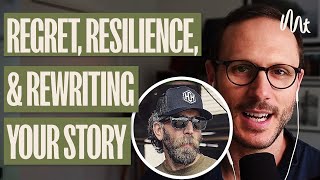
This content was created by Connor Beaton. This content was uploaded by Connor Beaton. This is a YouTube video titled "From Regret to Reinvention: Kyle Creek on Life’s Hard Lessons" created on April 14, 2025. It features a conversation between Connor Beaton and Kyle Creek discussing topics such as regret, personal growth, and the challenges of creative projects. They delve into Kyle's experiences with regret, his creative process, and his recent project of ghostwriting a memoir. The discussion also touches on societal issues like the prison system and the influence of social media on young men.
Chapters
Foreign.
Kyle the Captain Creek. How you doing, buddy?
I'm doing well. Thanks for having me back.
Of course. Of course. December 19, 2022, last time you're on the show.
That feels. I was gonna say that feels like a lifetime ago. I feel like I've lived. Was that three years? Almost. I feel like I've lived three lifetimes in three years.
Well, I think we'll probably get into some of that, but let's. Let's start with regret. Why is regret such a prominent part of a man's life? And, like, what the hell are we supposed to do with it?
I. I mean, I think for me, the problem with regret is, you know, as a man, I hate feeling incapable. I hate feeling like I made mistakes. I hate feeling stupid. I really hate feeling like I've been taken advantage of or put myself in a place to be taken advantage of. And so the things that I tend to regret or, you know, the times in my life when I've really beat myself up or when something hits at my ego essentially makes me feel like I made a mistake. And I know we were chatting before this about, you know, I bought this home in Florida that I recently sold. And when I bought that house, I was ecstatic about it. I thought it was the right move. And I had a couple things in my career not go as I planned. And over the coming months, I could not get over the feeling that I'd made just this massive mistake and this mortgage was just eating me alive. And I allowed just that stress to really erode almost every facet of my life. For a while, it felt like.
Why do you feel like we personalize the mistakes that we make? Because I think this is such a common thing for guys where. Where almost as though when we screw up, that failure is a reflection of who we foundationally are. It's like a reflection on our identity.
I think you nailed it. I mean, for me, it's. The biggest thing is feeling stupid. I don't like feeling stupid. I hate feeling like I could have made a better decision. And I do take. I'll take an individual mistake and I'll allow it to define me for an extended period of time. And I know that's not healthy. And even being someone who has written extensively on the topic and, you know, someone that I would consider. I consider myself a pretty. A pretty deep thinker. I kind of have to be to do what I do for a living, but I'm not immune to the same, you know, mental struggles that most men are. And it's that Feeling of, you know, being stupid, that is really been something in my life that I've always kind of struggled with. And I do think it probably stems from when I was a teenager and I grew up in a very religious household. And I always just kind of felt like there was this. This overarching eye on me, and I couldn't make mistakes. And so when I did, you know, even if they were very personal, private mistakes, you know, when you grow up with this idea that, you know, God or some other being is always watching you, it's. It's very hard to not, you know, internalize that mistake and kind of beat yourself up for it over time.
Do you think that men. Do you think that men, on average, and this is sort of a generalized statement, it might not even matter that much, but maybe I'll just make an observation that it seems as though men are much more harsh on themselves when they have made a mistake, and that we are almost like, conditioned to punish ourselves in the face of a mistake. You know, if we regret something. There's almost like. There's almost like an unwritten code or law within male culture that says, like, thou shall not forgive thyself for up.
Well, how else are you supposed to learn if you don't beat yourself up, right? I mean, I kind of think that's our. That's our M.O. i mean, you know, even when you're trying to get in shape, the way you talk to yourself as a guy, like, you know, you'll look in the mirror and you'll be like, God, I'm such a fat. You know, and you. You beat yourself up to hopefully get in shape. And.
I do that with everything. And I don't know if it's something inherently male. I think it probably is, but it's just something that I started at an early age. And there was times in my career where it really benefited me to be hard on myself. I mean, in my early 20s and early 30s when, you know, I was on this come up in my advertising career, I was very hard on myself when it came to my creative work. And I feel like that is what made me successful. And so it's been hard for me to not speak to myself that way, even now when I'm working on different projects.
But it's definitely something that I wouldn't. I wouldn't want my son to do. And that's something that's kind of helped me just with the way I've talked to myself lately is I just imagine, you know, if someone was talking to my Son this way. You know, how would I feel about that? If I heard my son say this about himself? How would I feel about that? And, you know, it's definitely something that I know I need to. I need to work on. And I think, you know, to go on what you said about society and why we do it as men, I think for the most part, we feel most fulfilled as a man when we feel powerful. And so when we make a mistake or we do something that kind of derails us and we feel that powerlessness for a bit, it's very hard not to beat yourself up for that.
It's interesting because I think for a lot of guys, you know, most. Most men have regrets in their life, and I think for some men, their regrets are.
Almost like everywhere, you know, And I go. I always go back to this. Do you know who Christopher Hitchens was?
I know the name. I can't put a face to it in the moment.
He's like this. He was like. I think he was called, like, one of, like, the four horsemen of the atheist apocalypse, you know, so he was like this big atheist who spoke out against different forms of religion and, you know, how constrictive they can be, and yada, yada, yada. He was. He was a very interesting character. But one of the things that I liked about what he said was, choose your regrets. And it was kind of this notion of, like, we're all going to regret something. There's. There's no getting out of here without some form of regret. And. And to say, like, oh, I live with no regrets, is almost a kind of, you know, illusion and fantasy that your life hasn't had some type of regret in it. And so I wonder what that looks like for us as men to be able to start to move towards a life where we choose the things that we're going to regret. You know, the having kids, the not having kids, the starting the business, not starting it, traveling to that country. Like, how do you approach regret? Is it something that you think about when you're making a decision, or is it something that just informs the direction of your life in hindsight?
So I'm familiar with that concept. I've heard that concept, choose your regret. I just didn't know it came from him. And for the longest time in my life, I did not have many regrets in the sense that whenever I did up or make a mistake, I would turn around and go, oh, I'm gonna write something really good about this. Like, I was able to quickly put purpose to all the Mistakes I was making to a point that I started making them kind of intentionally. And this was definitely in my late 20s and early 30s when I was kind of on this come up with social media, you know, whatever you want to call it, quasi fame. And I almost relished the moments that were bad and the mistakes and the stupid decisions because it would fuel me creatively. My real struggle with regret probably didn't start until.
The past few years following the pandemic, when I did deal with some real financial hardship. I was working primarily in hospitality when the pandemic started. As a creative director, that was most of my work. Hence, obviously when travel was shuttered. I watched my income just dissipate. And that was when I really started beating myself up for decisions. And it was largely just because I didn't feel secure anymore. I didn't feel safe. I didn't feel like I had this, this financial foundation or I didn't feel like, you know, I didn't. I felt powerlessness. And so that's when I really started struggling with regrets. And I wouldn't say.
That the past few years I've chosen my regrets. I have simply tried to.
To make decisions that I could easily repair from if something was to go wrong, you know, in the sense that I've been overly cautious. And a lot of that comes from, you know, what happened with this, you know, what we talked about, buying this house and then some career mishaps and not having the, the financial means that I was planning on having. So I've been overly cautious, and I don't like myself as a cautious person, to be honest. I don't think it suits my personality. I think it suits me creatively. I don't think it suits me as a person, just as an individual. It's not me. I don't like being a cautious person. And so I have a very hard time these days with any kind of regrets. It just kind of reminds me of who I used to be and who I am now. And so I think most of my regret stems from the fact that I feel like I've just kind of lost myself in a lot of ways. And that's why I've largely taken a step back from social media and also why I've chosen to focus on, you know, some different creative outlets for the time being, just to kind of, you know, rediscover some things that I enjoy working on or, you know, I. I kind of feel like I'm just being forced into a reinvention of myself. You know, if you were.
You Were.
Talking before about almost like motivating yourself through. I call it shame based motivation or like dark motivation that we fuel or propel ourselves forward.
By punishing ourselves, you know, of like, oh, look how, you know, you look in the mirror, you see your body, like, don't like how you look, and then you criticize yourself and then, you know, I gotta get my, you know, sloppy ass to the gym. And I find that that does work for a period of time, but I find that for most men it turns into some type of catastrophe or rock bottom and that at some point that fuel source inevitably runs out and we have to find a different way of operating. I'm curious if you've seen that as well or if you've seen guys that can, can make it through unscathed by leveraging that, that sort of, that fuel.
Yeah, I mean, I think you nailed it. I think it does work for a time. You know, just like you can kind of walk across hot coals for a period of time, but if you stand on them for too long, you're going to get burned. And so we, when it does become a habit, I think it has a tendency to leak into all areas of your life. And I think that's the bigger issue there is. If you use it only as motivation for one very specific element of your life and you're able to kind of.
Compartmentalize it, which I don't think anybody is.
Once you start, as you would say, shame based, motivating yourself across all areas of your life, there's absolutely no way that you're going to be able to sustain that and you're going to feel completely incapable and powerless, you know, over time in, in every area. And I think once you have, you know, you know, once, once that's become habitual, that's probably one of the hardest habits to break in my mind.
You've been talking, I mean, before we hit record, you were talking to me about this project that you've sort of just been like consumed by and immersed by. And I would love for you to just give a little bit of context for what that project has been and how it's been shaping your life. Because it sounds like it's been really intense.
Yeah, this, this project broke me. I. I took on a project, Ghost Writing, a memoir for an individual that at the time I wasn't open to doing because I'd always done my own writing. You know, I've worked very hard to make a name for myself as, you know, my own, you know, my own writing source and Writing my own ideas. And so I took on this project to help this individual tell their story because it, it felt like a story that needed to be told. And honestly, I just, I really respect him.
And are you able to give some, some details on his story or.
I can give a little bit. So, you know, it's kind of the details of his story. He came to LA as a young boy, got bullied a lot, ended up getting into a street gang in the 80s during like the height of the LA gang wars. And he did, I did a long amount of time in prison and he got out and ended up completely turning his life around. And I did so much research on these prison elements of his life, just through his own storytelling, but also interviewing people close to him, and then just my own research on sites like Reddit, where you can kind of really dive deep into a rabbit hole if you so choose. And so.
I don't know that it's something I would ever do again because.
I'm very obsessive with my work. I'm very obsessive with everything I devote myself to. I'm an all or nothing person in every sense of the definition. Whatever hobby I pick up, I am obsessed with it for the time I'm obsessed with it until I put it down and move on to another obsession. And so this book required me to inhabit so much of his life and his story that, you know, I was having nightmares. I was having nightmares about seeing family members and loved ones in prison. I was having nightmares about my own time in prison. And it was really consuming me and I kind of, not intentionally, I neglected my own life.
I became so consumed by this project for this about a six month period of time where it just kind of feels like a, a total haze. And that's why I say, you know, it feels like I've lived so many different lifetimes, probably because one of those I felt like I was living his. And so it was during this time period when I just kind of let my own life slip away that things really just kind of all crumbled down on me.
Can you give some insight into what you started to learn or understand about the prison system? Because I think that's a very interesting.
Component of society, but also men's lives. I mean, you know, more men are incarcerated than women. I think. I think one of the things it brings up is like there's. You ever heard of young man syndrome?
No, what is that?
Young male syndrome. So young male syndrome is basically, it's like a pattern of increased risk taking between the ages of 15 and 35, usually it's. I mean, usually it's specifically around 15 to, like, 26. And it's where men exude much more dangerous behaviors, addictive patterns. It's the highest rate of suicide amongst men happens within that period. The highest amount of, like.
Accidental death happens in that time. Overdoses, addictions, it all happens within this period of life where. Where young men are trying to figure out manhood. And I think that there's this railing against. Part of it is like railing against authority, you know, and figuring out how we take risks. And all these different pieces about what it means to be a man shows up in this sort of period of our life where we're trying to figure out how to be a man. And I think for a lot of guys, you know, I know a lot of men that have gone to prison or served time or, you know, been arrested. And I'm very, very curious about what your experience was as you started to research the prison system and, like, some of your takeaways.
I mean, it's interesting you say that, because this individual did go to prison when he was 16. He was tried in his adult. He had a couple years in a youth juvenile facility, and then was transferred to an adult facility. And, I mean, the. Primarily, the thing I've learned is I don't want to go to prison. It's just. It's not for me.
But one of the things that he said to me that always. And I've told people this in multiple conversations, is when he was transferred to an adult facility, he was scared shitless. He didn't know what to expect. And he said that doing time in the adult facility, in a lot of ways, was easier than the juvenile facility, and in a lot of ways was easier than life because there's so many rules. You know, for example, if you step on a man's shoe and you don't apologize. You know, if you bump a guy, you apologize. You know, you have rules where to be, where, you know, everyone has their own assigned little area. And he said once you figured those out, it made it pretty easy to, you know, keep your, you know, keep your nose clean. But also, you could find ways to manipulate the system, or you could find ways to get what you needed. And so those rules that are basically put in place by the inmates, he said, made life easier. And so when it was time for him to get out, he remembers calling a friend of his and, you know, telling this buddy, I don't. I don't want to come out. You know, I have a good life in here. I've. I've made a name for myself. He was very successful in the prison system and he found ways to barter and trade and he had a lot of respect and he, he didn't want to leave. And so then this book I really wanted to tackle kind of ju. Just this.
You know, how does someone come from being someone's sweet little loved boy to being, you know, an individual that feels so at home in prison, they don't want to leave prison, and, you know, kind of all the in between. And I mean, I'll be honest, what happened to him when he was young with the bullying and what he experienced, particularly as an immigrant, if I had had the same course of life that he had, I absolutely would have joined a gang as well at the time that he joined it, the way it happened. And that was kind of what I. The challenge I really wanted to take with this book is I wanted to dissect how someone becomes, in his words, the best worst that you can possibly be and really have some empathy for the process. And I mean, I grew up almost polar opposite of him. I grew up very religious. You know, I have my own ways of trying to rebel. And, you know, I got myself into, you know, all kinds of trouble, but not, you know, like the kind of stuff he was getting into at the same age. And so I've always kind of had this.
This odd voyeuristic interest in prison life. And I mean, it's evident that a lot of people in society do. It's the reason why shows like Locked Up Raw or all those gangland shows are so popular because people are just so intrigued by this. And so.
Selfishly, the project was very interesting to work on, but at the same time, it was very hard to work on because.
Some of the stuff that he told me that some of the stuff these men go through or just how lost they can become and how quickly that can happen, it's just, it's.
It's mind boggling in, in a sense, particularly when you are a father of your. Of a young boy and you try and just kind of timeline it out how that might happen. It was. I wish that I could talk more about it. I wish the book was done. I wish the book was in a publisher's hands and ready to be released. I'm reworking it right now to get it more ready for, you know, that process. And it's easily, you know, the best work I've ever done and the most proud of what I've done. And I think his story needed to be told. And I just, I, I, I'm not trying to be coy. Well, I am trying to be coy. I just kind of have to be right now because the project's not ready to be talked about.
Yeah, fair enough, man. Well, maybe just I, I want to touch on two things. One has been your experience.
Being so immersed into something, because I think that a lot of men in some ways crave that and they ideal, idealize, idolize that notion of, like, being so immersed into something. The other thing before we get into that is have you seen the show Adolescence?
I have. I watched it last week and I recommended my sub stack. It was incredibly well done.
What did you think about that? When it comes to what we've been talking around, risk taking, regrets, you know, how young men are being raised. I know there's like, social commentary in there, but what was your takeaway from that? And, you know, how did you, as a father of a boy, Right? You have a son?
Yeah, I got a son. He's three and a half.
Yeah. You know, what were some of your thoughts on that show? I haven't talked about it yet on, on the podcast.
I think it's every parent's worst nightmare, depending on what, you know, either side of that. And what I like about what they did is similarly what I was talking about earlier, how they kind of showed how the pattern happened. And I have a nephew. My brother told me they had to, you know, he's young. I think he's 13 or 14. He started getting into watching a lot of Andrew Tate stuff on TikTok or whatever else he was getting into, and he was developing all these just crazy ideologies at such a young age. Because.
I think being a teenager is already hard enough. I couldn't imagine being a teenager with social media, honestly. I think, you know, we kind of grew up in the last golden age of being a teenager. And you're so impressionable at that age. And I remember some of the stuff that I believed or some of the stuff I thought or felt, and it was just so stupid. And to think now that you can have this large collective.
Kind of encouraging that behavior or influencing that behavior, and just the reckless nature of social media.
It'S scary. I mean, even as adults, you understand if you go down the algorithm for too long or if you allow yourself to, you know, stay in one subject for too long, it's going to, it kind of erodes your view of the world, you know, and there's been a lot of Talk of that recently, especially, you know, coming out of this pandemic about these little, you know, these little vacuums we find ourselves in online. And everyone's, everyone's aware of it. If you've spent enough time online and allowed the algorithm just to keep kicking you stuff. And I, I think what adolescents did, I understand that it's, I think it's based on some true story. I don't know enough about that. I, I didn't research into that, but I think what they did.
As far as illustrating everybody's role in it, you know, the parents, the school, the friends and how all these different influences can kind of, you know, completely shift someone's view of the world, I think was, was very brilliantly done. And then obviously as a creative, just the cinematography and the actors and those one shot formats were, were incredible to watch. And I, I would like to do more research into the story that I believe it's based on. I'm not sure it is, but I think it is based on a story and I know that's where they're getting some of the, the flack for it, but I think if you can kind of not politicize it and just view it for what it is, I think it's, it's brilliant what it depicted, honestly.
Yeah, I think one of the, there's a couple things that really stood out to me and it's been interesting to watch the commentary on the other side of that that this film has become, especially in the UK or not film, this TV series has become this sort.
Of.
Tip of the spear to really push through some conversation about misogyny and, and you know, try and maybe like broaden.
A perspective or a narrative of like how toxic men are. And I think one of the, I think one of the things that, when I watched the show, at least one of the things that I observed was like, this is just a normal kid and it was like a very normal family. And you know, dad had some stuff going on and he and the boy had some stuff going on and you know, there's probably missed opportunities for connection and real attachment bonding and attachment building and knowing what was happening in that boy's life. And I think one of the big things that stood out to me is like, when there's an absence of a male role model, and I see this everywhere right now, when there's an absence of a male role model, something else will fill that void. And.
I think in too many households around the world, but specifically within the west, young men are being raised by online Platforms, they're being raised by the Internet.
Yeah.
You know, and they're not being raised by men in their life. And that is dangerous.
Yeah. See, I didn't view it as toxic. And I think if you went into it with the idea of it being a toxic narrative, you could probably find a lot of things that disagree with. I, I viewed it so I, I had, I had no idea what the show was. I was, I had just left set, I was directing a commercial for a different project and someone said, you know, it was a cinematographer said, hey, you have to watch this show because they've done every episode in one shot. And so I approached it with this background, creative background of being like, hey, I want to see how they executed these one shot formats. I want to see how these actors pulled it off. And I had absolutely no idea what it was about. So I went into it.
That was rad. I went into it super cool.
I went into it strictly like, I'm going to observe how they shot this. And so for me, I just thought it was an incredible, incredibly detailed account of how the influence can, of how the Internet can influence someone totally. And whether you're a kid or an adult, I mean, I've seen this happen with best friends of mine. I've seen people that I used to be friends with four or five years ago that are different people now. And I know it's because of what they're consuming on the Internet. And anyone that wants to believe they're immune to that, I think is fooling themselves. I think if you allow yourself to fall into an echo chamber for too long, which way too many people do, and you doom scroll too much shit, and then if you also have people in your life that are doing the same thing, it's a recipe for disaster at any age. And so I'm glad I didn't know about too much controversy of it going into it. I saw a little bit of it on Twitter just because I was kind of googling it to see what other, you know, cinematographers were saying about it essentially. But I love what you said about just this lack of, this a lack of a father figure, something else will fill the void. Because, I mean, it's true. I have, I have friends of mine who grew up, you know, without dads, and I've seen the way they attach to things outside of themselves or the way they almost have viewed me as a father figure at times in their life where I can see just kind of the way they are with the women, their life. And I, I know a Lot of it stems from them not having a role model growing up. And I've talked with some of my friends about this, and it. It's one of the things that was, you know, so we talked about it briefly, but my. My son's mother and I separated for about 16 months, and we just reconciled just recently and are working things out. But during that time, we were separated, you know, living separately. One of the things that ate away at me the most, that I struggled with the most, was this idea of not being there enough for my son. And I came. Sorry, if you can hear my dogs in the back. I came to the conclusion that.
I just didn't want to be a stepdad. I didn't want to be a stepdad. And I also. I didn't want to have.
Kids that weren't, like.
Directly his siblings. Like, I still wanted to have, like, this family, and I was like, you know, I came to this idea that if, you know, I was going to have more kids, I wanted them to be, like, directly, you know, connected to him. So the same mother, same father kind of thing. And so it was something that just really, really bothered me, just feeling like I wasn't there.
Yeah, I think we, like, we've. We often underestimate how impactful primary attachments are and then the role that those parents can have in. In just setting up a kid in life in general. I think one of the other things. I'll just touch on this and we'll keep going. But in the show, there was, you know, the. The. There was two things that stood out about the dad. And this isn't to put everything on the dad, you know, I think I just want to make that clear. But there's two things that stood out. One was this lack of, like, physical touch. Like, he never touched. He never really touched his son.
Until one specific moment. He never touched his daughter in the show. He only gave his wife physical contact, which I thought was interesting. And then the other one was, you know, his anger in the. In. In how it was expressed at the end, which is almost. I kind of debated around this because I was like, you know, if my son was in jail for stabbing somebody to death.
How regulated would I feel? Yeah, probably. Probably not very grounded, you know, and so. But it's just, you know, I think. I think we as men have such an impact on the people around us, depending on where we're at emotionally, and we can have such an intense charge to be around. You know, that's hard sometimes for people we don't recognize it So I was curious about your. Your thoughts on, you know, when a man is super stressed. Like, how do you deal with that? Because I find that a lot of men are trying to shield their kids and shield their family, and. And in doing so, sometimes they don't bring the real depth of what they're dealing with to anybody in their life. And so how do you navigate your own anger, your own stress when you're overwhelmed? I mean, like, with this project, we're just like, I've been immersed in it for six months, and it's like, when is this gonna end, potentially? So I'm curious about that.
I'm glad you brought up, just to backtrack real quickly, the lack of physical touch in that show, because I didn't know if it was intentional or not. But there was the scene where they were interrogating him early on in the first episode, and the dad was sitting next to him and the kid was crying. And I. I said to my son's mother, I was like, damn it, touch your kid. Like, why isn't he touching his kid? Like, there's absolutely no way I could sit there and watch my son cry and not touch him. Like, why is he touching his kid? And so I just thought maybe it was. It was bad acting. I was like. I was like, that's not realistic. That's not what a dad would do. And so I, you know, hearing from your end of it, I think it was probably very intentional. I think they were trying to illustrate that. So I'm glad you said that, because it was actually a scene that I remember, you know, commenting on, because it did bother me.
When it comes to managing my anger. I'm not the best at it. I'm not the. I mean, I'm pretty good at managing my anger. I. I tend to, you know, just kind of go on a walk or kind of, you know, go work out or get it out. But my stress is definitely something that I know I need to get better at managing because.
I don't know if it's just my line of work. I like to kind of, you know, probably give myself too much credit and think, oh, I'm just a writer, so I can't be understood. But I think all writers do that to an extent. I think all artists do. And I think it's just some stupid habit we have.
But, like, when I'm not working on a project, I'm still thinking about it constantly. And so I'll be in the middle of a conversation or be in the middle of something else, and I'm stressed out because I haven't stopped thinking about what I should be doing instead, which is I should be writing, I should be working on this. I should be getting more pages done. And, you know, that's why this particular project with it's. You know, it's two and a half years at this point. It really kind of changed who I was as a person in a lot of ways, because it just filled me with so much.
Stress that I hadn't really experienced before. Because when I. When I'm working on my own things, when I immerse deeply in my own stuff, I find it very, very, very gratifying. You know, I get, like, this big release when I feel like I spent four or five hours working on a project. And I haven't really had that. Had that with this one. I think a lot of it comes from. I almost feel. I feel like I owe other people something. Like, I feel like I'm behind. I feel like I need to get this done more quickly. And so I've carried my stress in ways that I typically never would.
And the only way that I know how to.
How to manage my stress is. Is to get up early and get something done.
I have to feel like I'm actively working a problem. I have to feel like I'm actively handling something. And so the days when I do get up early and I work on something or I get up early and I have some time for myself, or I. I get up before, you know, the house wakes up or my dogs start barking that you heard earlier, when I get up and have that quiet time to just. Just handle things, it's monumentally made a difference in my life. And, you know, I used to.
I used to have this idea that a lot of people did where I get to a point in my career where I wouldn't feel the need to work as much or I wouldn't want to work as much, and I've come to the realization that I'd probably just be far more miserable because it's in, you know, that work or just having those couple hours to force myself to get something done, that it's. It benefits me in a ways that I could never let go of. And I think if I stopped doing it, I think my stress would just be through the roof for the most part, because I would just feel like I would feel purposeless, and I would feel very.
Yeah, I would just feel like I would just feel like I'm wasting away. And I think that would just affect everyone in my life much more. I'm just a happier person when I, when I'm doing things, when I'm tackling things, when I'm, you know, actively pursuing a large, deeply, you know, immersed project.
One of the things that I wanted to ask you was, you know, you've. How many books have you written now? In like half a dozen.
I mean, I have like 10. I think that I've written a couple of children's books and then including like what I've ghost, you know, ghost written. I'm at like 11 or 12.
So what's it been like for you to.
Because maybe I'll. I'll preface this question with a little bit of context. I think that a lot of men are working a job or have a project that's going on and they want to build something on the side, right? Like they want to build a side business, they want to have a creative outlet on the side and there's not going to be income coming in for that. And they want to start, but they want to start something. And I think the interesting thing about what you've been doing is you've been working, but then all of a sudden you took on this two and a half year project. I'm sure in the beginning you didn't know it was going to be two.
And a half years. I was planning on doing it in six to eight months.
That's what I. Yeah, there you go.
That's what I timelined for.
So you took on this project, but, you know, there was no upfront income on that project. And I'm curious about what that's been like and what's continued to drive you to do that. Because I think for a lot of men, especially the guys, like I remember when I was working at 9 to 5 and I was like, I want out of this, I want to go build something for myself. I found it really hard sometimes to find the motivation to go and do that because there wasn't the. There wasn't these sort of immediate security, financial, you know, income that was coming in. So how have you approached that?
It was a mistake. No, to be honest. To be honest, it was. I probably should have approached it differently. I'm a man of my word though, and I think anyone who knows me knows that I'm loyal to a fault.
And I told him I would do it. I told him I would finish it. I told my literary agent I had this project for her to start shopping around and because I told people in my life that I would do it, I'm going to do it. And so I'm motivated more by keeping my word than probably anything at this point. But also I truly believe in what I'm doing and I believe in the story that's being told and I believe in the work that I'm putting into it. I do believe it's my best work and that's help me stay, stay motivated. Because when I do go back and read pages that I'd written six months ago, sometimes I'm like, oh, I wrote that, like that's good. And so I really do believe in the project. But more so what you're saying about building something on the side. I just had this conversation with some, somebody yesterday.
I wish I'd never left my, my 9 to 5 some days honestly, because I, I felt that, I still feel this way, that some of my best writing came when I had a stable job. I was willing to take more risks and I was willing to, I had more fun with it honestly when I was just writing at night, on the weekends and I mean I had written, I had I think four or five books out when I did leave my full time job and you know, I was making good money on the side and I did the math and I was like, hey, I can totally support myself as a writer. And I have, I mean I've been writing full time for almost seven years now that it's, you know, been my primary, my primary outlet and.
There'S still a lot of days that I wish I would have kept it as a side gig.
I think that in a lot of ways when I have, when I have safety in my life, whether it's a relationship or a job or financial stability, I'm willing to take more risks in my writing. Not just in like what I say, but also in just like the concepts I'm willing to approach or the projects I'm willing to take on. And you know, for anyone who, who thinks, you know, I'd love to leave my, my full time job to pursue something creative full time, I, I understand the enticement of it and maybe I'm just in this weird growth phase where I'm kind of like riding between where I feel like I'm going to be where I want to be, but I'm not quite there yet. And so I kind of have this weird.
This weird romance about the past like a lot of us kind of fall into. And I kind of tend to look back and go, oh, life was better when life was better, you know, during this. And so, you know, for those people that, that do want to.
Pursue something Creative full time. I think there's a lot of benefit in doing it part time, I think. I think, and I know a lot of people tell you not to make. Don't make your passion your paycheck because it does change the way you view it. And I honestly. I honestly believe it does. But also I think that it's because I'm in this weird little in between phase where I'm pursuing, like, I'm completely changing the kind of books I'm writing. I mean, I went from writing a lot of primarily self help or primarily, like short storytelling snippets told in like, humorous ways. I mean, my most popular book is that history book that we're also working and turn into like an adult animated series. And, you know, that style of writing versus what I'm doing now or what I want to do with my career couldn't be farther apart. And so I'm just kind of in this, like I said, I'm in this weird little caterpillar phase where I'm just like this gross, disgusting cocoon of a creature right now. And hopefully in six months from now I come out with some wings because right now I feel like a pile of goo. That's like where I'm at creatively. And so I think my read on the creative.
Process is probably a little different than most.
So what would you have done differently with this project?
I would have.
I would have. I would have.
What I've done differently, I mean, it's hard to. It's hard to think that way because I do think the book that has been birthed in this two and a half years is incredible.
I. I would have definitely found a way to secure myself more money along the way. And I would have.
I would have held off writing longer, I think. I think I would have spent more time researching before I started writing because I ended up having to rewrite a lot of what I did because I was just so gung ho to get started on it. And I definitely would have spent more time in the interview process and just kind of trying to figure out the overall big picture before diving in. I think that was one of my mistakes is I jumped into it too quick because I was just. I was so just, you know, intrigued by the story.
And the other thing I would have done differently, you know, looking back, there's. There's two. There's. There's probably three things in my life when we talk about regrets to bring this back to where we were. There's three things in my life that I regret more than anything. And I probably still. I probably still regret them and I still love them to beat myself up. And one is, is I left my job too early. I had. I had a pretty good job and I, I left for a combination of personal reasons, but also because I wanted to pursue writing full time. And looking back, I was more of an egotistical decision than it was a well thought out decision. I think I was a little more frustrated with what was going on politically, you know, like office politics kind of stuff. I allowed that to kind of make me, you know, I made a decision too soon. And so that. That regret I still sometimes beat myself up over. And then the two major regrets I beat myself up over is I invested a substantial amount of money in a company that ended up losing. And prior to that, I had this rule. I told all my friends, like, I would tell my friends, like, hey, I don't invest in anything. I don't have skin in. Like, I don't invest in companies that aren't mine. I don't invest in things that aren't my ideas. I don't pursue things that aren't my creative endeavors. Like, I don't invest in things that I don't have control over because I don't want the. I don't want to have my money tied up in someone else's decisions. And I broke that rule and I invested in a company that I'd heard, you know, had all this promise and I lost my ass on it. And it was a lot of money. And I beat myself up over that some days still because I'd had this rule. Don't invest in things that you're not involved in. Like, don't just give your money to someone and think they're going to do it right? And I broke it and it bit me in the fucking ass so that I still beat myself up. And then buying that house because.
I counted my chickens before they were hatched, as they say. And so that's another. That's, that's why I'm overly cautious now with projects too, though, is, you know, even with everything I've done, all those mistakes, I can look at them now. And I am a much more keen.
Negotiator with things I'm working on now. And just with my, my business model and what I'm getting involved in and so I can, obviously I've learned from. But those are probably the regrets that, you know, if anyone was to ask me for advice, I'd be like, hey, these are the three biggest mistakes I've made. In my life. Don't fucking do this. Don't make an egotistical decision when it involves your income that's gonna bite you in the ass. Don't invest in things you're not truly gonna be invested in if you don't have, like, skin in the game or if you don't really believe in what they're doing. I don't invest in it because the stress is not worth the potential upside. And then the third would be, you know the old adage, do not count your chickens before they're hatched. Like, you need to make decisions based on the reality of where you are at the time. And I made a decision to. I, I, I overbought. To be honest, I overbought. I bought a house that was too big and too expensive for me. With the anticipation of this different contract coming through, that didn't happen. And I think if you could avoid doing those three things in your life, you'd probably make a lot of really smart decisions.
Yeah, I get that, man. I get what you're saying about don't make your passion your paycheck. I think I tried to do that with singing and then photography. I still love doing photography all the time, but I don't want to make money off of it because that shit feels very stressful.
It'll ruin it for you.
But, man, I have, I have a very deep level of purpose in what I do, and I do have a passion for what I do now. But there's something different I've found for me, like, within the creative space around writing or photography or music, that when I've tried to have those BE careers, I do think that it takes almost like, a certain type of personality where you almost have to have, like, take, take like, a very myopic approach to it of, like, I cannot see myself literally doing anything else in the entire world. And I'm just going to do this one thing, and I don't necessarily have that, you know, it's like, it's why I have the podcast in my business and I write a book and, you know, blah, blah, blah. It's like, I love kind of dabbling in a few different areas. But I appreciate you sharing those regrets. I'm going to take a hard right turn and ask you why therapy made you worse.
Maybe give somebody, give the audience some context.
Yes.
So in 2019, when I left my advertising job, which was the one major regret I just talked about.
I moved to la. I was living in New York City. I moved to LA with the idea that I Was quickly going to find another job and everyone was going to want to hire me because I had this great portfolio and I'd done a lot of work and I, I didn't find work.
And I just, I was beating myself up. I felt like I'd made this huge mistake and I was like, God damn it, why did I do that? And you know, at the same time, I, I got a large publishing contract and so I had, you know, this big book deal. But I was just so upset with myself for making this foolish decision that I just kind of eroded. I just eroded my own self confidence. And so that was probably my first real bout with what I would consider depression. I think a lot of people confuse depression with just general sadness or just feeling down, which we all do. That was my first real bout with actual depression. And it was because I was just beating myself up over and over again. And that's when I started going to therapy. And first few times I went, I felt great and, and looking back, it was just because I dumped and I had like emotionally dumped on someone before. It's like, it just felt good to like get it out and like, oh, this is fucking working. But really I just was spilling my guts. And so I just felt lighter, you know, like someone's. Someone I could bitch to that wasn't going to judge me kind of thing.
And then I stopped going for a bit. And then over the past couple of years, just kind of what I was dealing with, I started like, you know, approaching the idea again, really. When my relationship started going source, I started trying to seek therapy again to see if it would help me out while I was dealing with some of these issues in my life. And.
I found that what therapy did for me, and I've talked to a lot of my other male friends about this, is.
It filled me with doubts that I never had before in the sense that.
I'd be talking about an issue and they'd be like, oh, but what about this? But what about this, but what about this? And rather than, you know, like kind of empowering me and making me feel like I was coming to a solution, I was like, oh, now I got all these other things to worry about. Now when I have this one, now when I have this one, thought it'd be connect, it could be connected to these six other thoughts. And so then I started like doubting things that previously were just never something I was ever concerned about. And that's when I was like, whoa, this is actually not helping me at all. This is making me feel more up like it's making me feel like I have more problems than I did. And I have.
I've found more therapy. Let's say I found more therapy and I have found more peace in just a long walk by myself than I ever have in like a therapy session. And I think that, I think a lot of that is because.
You know, what I needed or what I need. And.
I think with the therapy model, and maybe this is my experience, I mean, I can't speak for all of it, and I know you do some of this yourself, but I didn't need to be coddled or I didn't need to be told that I was okay. I didn't need to be told that, you know, this was normal. What I needed to feel was I needed to feel like I had the means of fixing it. I needed to feel powerful. I needed to feel like I was capable. And rather than feeling capable, I would just continually be felt. I was made to feel just more broken in a way. Like, hey, guess what? That's okay that you feel this way because this happened to you and this happened to you. So it's okay to feel that way. And really I just needed tools to fix it. And I found those tools on my own, just, just walking by myself and allowing myself to think. And then also I had this road trip last October with a buddy of mine when I moved from Florida to la. It was me and this friend that I've had for about 15 years and my two great Danes in the back of a truck and we drove from West Palm, Florida to la and we did this over eight days. And that eight day road trip was worth eight years of therapy to me. Like just having time with a good friend. And you know when you're driving, you can't be on your phone, you can't be distracted with all this dumb and just talking and like dreaming about the future and talking about business ideas and just like thinking of things we could build together and do together. Like that right there did more for me. And like I got off that road trip and I felt like a completely new person that did more for me than, than any amount of therapy I've ever done. And I. There was a time period where I was, I mean, I went to therapy a lot for a while there because I had a nice hsa and I was like, oh, cool, I can afford it. So I was like, burn. I was like, I was, I was like totally unhinged with it. I was like, hey, I got the money in this hsa. Let's Blow it. I'm gonna fix my mental health. And I've talked to countless, countless men, good friends of mine, and I've just, you know, friends that were going through divorces or relationship trouble or, you know, business trou. I've heard they're doing therapy. And I'll just say, hey, let me ask you something. I just want to know if this was your experience too. And I kind of tell them what I experienced. And every single one of them said, exactly. It's exactly what it did to me. It made me feel worse. And I just don't think that the modern structure or the way that therapy is approached in an office setting unless you have a very unique therapist, I don't think that it's built for men. I truly. I'm not anti therapy. I wouldn't say I'm anti therapy, but I'm definitely.
Don'T do therapy. Unless you tried everything else first. Kind of mindset.
I was gonna say your book is called speech therapy, so it's kind of a joke. You can't be that anti therapy. Yeah, exactly.
That's like. That's like me joking and riffing on the. Riffing on it, though.
Exactly. Yeah. I mean, I. I agree with you wholeheartedly. I mean, a big part of it's why our slogan is, it's not therapy, it's training.
Yeah.
And it's really about how do you, as a man develop competence and.
And a broader capacity in the areas of life that you feel like you suck at? Because that's what we really are desiring. You know, like, we want competence, we want to feel capable. And a lot of times, you know, I just spoke at one of the largest psychology conferences in America and taught therapists and psychologists a workshop on how to work with men. And it was. One of the things that I talked about is that the model of therapy now today is so much about just emoting and talking about your problems and explaining why those problems exist without actually showing. Here's how you solve those problems. Here are some solutions. Here are ways for you to develop competency within yourself and in these areas of your life so that you actually feel better. And.
I think that's a lot of men's experiences, you know, when they go to therapy. I think that's very, very true. So I appreciate you sharing that.
I appreciate you actually not making me feel crazy and tell me that I'm wrong. Yeah. You know, I've told other people that, primarily women, and, like, they all just. They just agree they couldn't disagree more and I just think it's a fundamental difference between the way men and women work.
Honestly, totally well. And the model, I call it, the therapeutic industrial complex, has created, has a ton of power within our modern society. I mean, therapy speak is everywhere and it's, it's largely female dominated. You know, like the, the therapy industry is very female dominated now. And I think the way that most therapists approach work, working with clients is very female oriented and it does work for a lot of women. But when a lot of men go into those spaces and they're met with a modality that's geared towards women, they, which again, isn't necessarily a bad thing. It can serve a purpose. Sometimes.
They walk out of there not feeling like they got what they really needed. And so anyway, that's just a side sidebar. Tell me about speech therapy because you've got this new book coming out. Talk to me about it.
Yes, I mean, so speech therapy is, it's an idea I had for a long time with a book and you know, I recently got it with a new publisher and so it's going to come out with Harper Collins in a couple of weeks. So really what it is, is I found in my own life, we'll have these little moments, you know, like you'll, you'll lose your keys or you'll get caught in traffic or you'll be late for a meeting. And if you don't quickly kind of get on top of that and not allow that to, you know, the stress to continue, I mean, you can ruin your day or a week or a month over stupid little. And so the book really is meant to be something that's picked up and put down when you're in one of these moments. Like you're, you're, you're beating yourself up over a financial mistake. You're feeling regret for some decision you made. You, you know, you lost your keys or you're having a, a beef with one of your best friends. Like they're quick little two to three page essays. And so I call it speech therapy because I intentionally wrote it very casual. I wrote it as if I was sitting down with a friend at a bar over a beer and they said, hey, this is what happened to me today. What would you, what advice would you have me. And so, you know, the title itself is kind of a joke on the idea that like, you know, these are quick little pick me up speeches that almost operate the way, you know, you would like therapy to operate. Like it kind of acknowledges what's going on almost all of it is taken from my own life, pretty much all of it. It's, you know, a lot of the, the chapters I talk about my own experience with this and what helped me get out of it and you know, providing like some tools or ideas or thought processes that helped me in just these quick, super quick formats. And you know, I cover, I cover a couple of heavy topics in there. You know, like when, when my first dog died that was like my, you know, I'd lived a pretty luxurious life in the sense that I hadn't really experienced death with anything close to me until I was in my 20s and my dog died. And it was like a very hard thing for me to process. You know, I, I never really had a grandparent die. I never really had a close friend die. I was very fortunate in that sense. And, and so when my dog died in my 20s, I was like, holy, this is hard. You know, and so I included, you know, quick chapters in there about, you know, dealing with the loss of a pet and kind of what helped me deal with it. And so it's a mixture of really light hearted stuff but also some, some heavier material and you know, like I said, it's meant to be picked up and put down. It's not meant to be a book that you sit down and digest all at once. It's, it's when you need it, how you need it. Real casual.
You know, just life advice.
Love that. And what I will say is I really love your writing. Just genuinely, I really love your writing. Like reading, reading your books have been great and after you came on the last show, got to dive in to speech therapy, the OG and it, I mean.
It does, when I've read your work, it does feel like two friends having a conversation over coffee or at the bar. And I love this sort of like natural style and it's a breath of fresh air in a sort of like very.
Almost like calculated and scripted form of giving personal development or however we want to couch that. So I definitely recommend that people go and check it out. When's the new when's the latest version coming out?
April 22nd. It'll be available but it can be pre ordered now like SpeechTherapyBook.com or people can just search on Amazon or Barnes and Noble. But I appreciate you saying that because one of the things I've always tried to do as a writer is I, I don't, I don't like speaking down to people. I don't like pretending that I have all the answers.
Because I don't, I mean, just as we started, this podcast is basically me admitting all the mistakes I've made in my life. And it's. It's odd when you get to this.
You get to a stage in your life where people start to recognize you. Or I'll do a book signing and, you know, people will come to me and, you know, tell me how much I have helped them. And.
I have just this weird. I still have this weird, weird feeling about it because I don't see myself as an expert in anything. I just think that.
I'm willing to talk about things in ways that perhaps other people aren't.
And so that's really, really what I've tried to do with my work in every form is just relate to people by just almost being myself in a sense.
Awesome, man. I love that. I love that. Well, where can people follow along with your work and your journey?
I mean, I have Instagram. If you just church like Kyle Creek, the captain. I'm not as active on there as I used to be and I probably need to fix that, but I do still use it. I used to use it, I mean, daily. Now it's kind of like a once a week kind of thing. But Instagram's probably the primary place and then from there there's like links to my substack and other ways to. To get a hold of me.
Beauty. We'll have the links to all that in the show notes. Thank you so much for joining me again, my friend, and great to see you. And for everybody that's out there, if you know somebody that needs to hear this episode, man it forward, share it with them, check out Kyle's work. We'll have the link to his latest book in the show notes. And until next time, Connor Beaton signing off.
Sa.
More from Connor







How to Raise Strong, Unshakable Boys in Today's Culture, with Dr. Shefali Tsabary



