How DO you prepare for fatherhood? - Larry Hagner from The Dad Edge
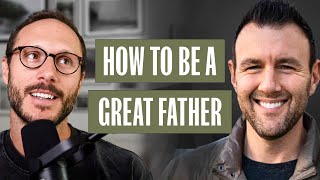
A long-form interview between Connor Beaton and Larry Hagner (The Dad Edge) exploring how men prepare for fatherhood. Larry recounts a defining dark moment—spanking his four-year-old and seeing the child recoil—which catalyzed his surrender into fatherhood work (the Dad Edge). He describes his chaotic childhood, unstable father figures and stepfathers, his early unpreparedness as a dad, and later practical lessons: patience as a learnable skill, prioritizing connection before teaching, rites of passage for boys, and modeling a loving marriage. The conversation also covers modern cultural pressures on parenting (school curricula, gender conversations, vaccines, political polarization) and Larry's faith-influenced perspective.
Chapters
That is such a critical time, that 11 to 15. Because they're not really boys anymore. They're not really men. They're right in the middle. And that's why my client Bill called it Dangerously good Men, because you can also be a dangerously bad man if you get with the wrong crowd and start making really bad decisions. And boys in that age range, Holy crap, are they. They are susceptible, because all they really want at the end of the day is exactly what we said is connection. And if they don't have it with us, they're gonna go find it somewhere else. And they will do drugs, alcohol, vandalism. They don't care. They just want community, and they want connection. If they're not getting it home, they'll go find it elsewhere.
All right, Larry, welcome to the man talk show. It's long overdue. How are you doing today?
Come on, man. I'm ready for this. I'm excited. Thank you so much for having me on, Connor. This is really cool. I'm super excited to not only talk to your audience, but talk to you as well. So I've heard a ton about you, and as we were wrapping before we hit record, we have. I think we share a very similar audience, so this is. This is cool, man. I'm excited.
Yeah. Yeah. Hope. Hopefully not too many terrible or strange things, because, you know, I'm. I'm kind of a weirdo sometimes.
Are we all.
I think so, yeah. I made a joke. I made a joke. Who's I interviewing? I think I was interviewing a gentleman named Dr. Weiss, and he is a specialist in, like, sex addiction and porn addiction. And I had him on the show, and I, like, dropped a comment about how I didn't think that there were too many vegans that tuned into my show. I don't remember what we were talking about that brought it up, but funny enough, I actually had somebody message me DM me yesterday on Instagram and be like, I'm a vegan. I tuned into your show, and I was like, there you go, man.
It's just. It's so wild to me. Like, who tunes into the podcast? You know, it's just. I mean, I think your podcast has grown. You've been doing yours for eight years. My show has grown exponentially in the last few years. I've been doing it for seven, and it's so cool to hear who tunes into the show and. And where they're tuning in from in their life. And so, yeah, it's just. It's funny. But I digress. Before I take Us off track. We'll start with the question, which is tell us a story about a defining moment in your life that made you who you are today.
So.
This question, first of all, I love this question. I think everybody has a defining moment. And to be quite honest, I think I've had some in any man. I think we have several defining moments that basically catapult us into the next evolution of whatever it is we're going to do or how we're going to embrace that. For me, I would say.
The defining moment for me came out of absolute darkness.
When I became a father for the very first time, it was insanely important for me to get this thing right. And I'm happy to talk about my childhood at any length that you want, but it was very unique, very chaotic to say the least. And my entire childhood was a revolving door of just toxic men who were heavy partiers and drinkers and there were boyfriends and there were husbands and there was all this other crazy stuff. So I was like, you know what, When I become a father, I want to do this right. And for the first six years I was a father, my oldest was six, my youngest time was four. I was not doing it right. I wasn't doing it horrible. I wasn't an absolute train wreck. Like I wasn't getting drunk and you know, yelling at my kids, beating them and, you know, cussing at them and that kind of thing. But I just sort of did this fatherhood thing from at an arm's length. Looking back on it, I don't, I don't know why I, at the time I didn't know why, but I do now. I think I did it from that angle because I didn't feel worthy. I was like, I, I don't know what I'm doing and if I get too close to this, I could screw it up big time. So in order for me not to really screw it up, I got to just sort of, kind of do it from the outside. And I got all my validation from work and fitness and all this other stuff, these outside factors, and was just sort of an in and out dad. In and out meaning emotionally, I would say. And I always made a promise to myself, Connor. Then the promise was, I am never going to hit my children out of anger. That was because I was hit a lot growing up. And one night I was, I lost my temper with my 4 year old, had a really bad day at work. I was in sales, lost my number one customer. I was going to impact our income for the next 18 months. My wife was a stay at home mom. I was really pissed. I was really upset and we were moving on top of it and I was like really stressed out, didn't want to move, packing up my kids playroom. And my four year old comes downstairs and I was about ready to take a break from packing up his playroom, which I had done for about three or four hours. And he comes downstairs and I'm like, hey, I'm gonna go take a break. I was like, do me a favor though. I was like, please just play with the toys that are out of the boxes. Don't, don't unpack anything. And I was like, and if, if you do, I was like, you'll be in trouble. Well, what do you think a 4 year old's gonna do, right? I mean, that's like common sense when I look back on it. Come downstairs. And he literally had taken out like everything, everything I had already packed and I got so pissed and I said, didn't I tell you not to do that? And I turned him around and I spanked him. Now whether or not you agree with spanking or anybody, I'm not here to fight that fight. I just didn't want to do it. Well, what happened was, is when I spanked him, he lost his footing and he fell. And to see your four year old topple down after you've spanked him literally triggered me in such a way that, that, because I saw how I was treated growing up and then I immediately was like, oh my God, what I just do. And I went to pick him up and this is where it got me. He looked at me and shuddered with his hands like, don't, don't hurt me again. And dude.
I can never erase that image out of my mind to this day.
And that was a defining moment that I realized I've got to do something different because what I'm doing is not working and I gotta do this better. And out of that darkness just came this surrender. And the surrender is actually what, what we have today, which is, you know, the dad edge and the podcast and everything we're doing. But that came out of a very, very dark moment. I mean, I felt so much shame and guilt after doing that because it hit me in the heart big time because of how I was raised, that there was a part of me, man, that just wanted to give up. Like, I'm not worthy to do this, like this. I'm not the guy for this. But out of that darkness came what we're doing today. So that was a defining Moment.
Well, I appreciate you sharing that. I mean, it's interesting because I was saying to my wife the other day.
She'S a marriage and family therapist and she's just one of the absolute best. And I said, isn't it so weird and strange and paradoxical that our kids can be these little entities that we love, you know, more than life itself, but also have the capacity to just turn us, just piss us off more than anything in existence? I can. Like, I can. And I was thinking about last weekend where I was having moments with my son out in our yard. We have like, five acres of land, which is just such a privilege and a treat for him to grow up on. Because I loved being outside when I was a kid and I was having this moment, the sun's out and he's like running outside. And I was like, man, I'm just taking all of this in and trying to store this in my memory bank to just remember these moments where I can see him, you know, running through trees, running through the grass and playing outside with him. And then literally, like an hour later, you know, he's just causing pure havoc and chaos, smashing his dump truck into, you know, our brand new drywalls and, you know, marking them up, big dent in the wall. And I'm like, ah. Like, stop. And so it's so funny how it's just like, I love you more than anything and like, man, you make me angry like nobody else, but I feel you. I think it's. I think what you're talking about is so important because. Well, first off, you know, I lead a lot of men's weekends that are like these deep intensives. And I just came back from one that we had two weeks ago, and this was a very common experience. You know, guys talking about losing their temper with their sons and having just a deep level of shame and regret and seeing the pattern that they experienced when they grew up showing up in their parenting.
Yeah.
And that's just a brutal thing to have happen. You know, it's a really rough thing to have happen. So with all that said.
What was your dad like? What was growing up like? You know, you talked a lot about the men that sort of cycled in and out of your life. Can you just shed a little bit of light on that?
Yeah, sure. So, I mean, this is where I think things get really sort of unique and interesting. And it's a story that most people, when I share it, they're like, wow, I've never heard that one. You know, so my mom and biological father Were married really young, about 21 years old back in 1971. I was born in 1975. And nine months after I was born, they got divorced. And it was really bitter, really bitter divorce. And, and he left. And I have no recollection of my dad whatsoever. In fact, I remember being four, four years old and I remember being in preschool and dads would come and pick up their kids from school. And I knew what a dad was. I knew what a dad was, but I knew we didn't have one. No pity and no nothing like that. My four year old brain was this. Moms go out and find dads. And my mom hadn't found our dad yet. Like literally that's what I thought it was. So I'll never forget, man, my mom pulled me aside one day and she's like, hey. She's like, I have a friend who's coming over for dinner tonight. He's a very special friend. I work with him and he's coming over for dinner tonight and I want you to meet him. And dude, it just clicked in my mind. I was like, oh my God, she did it. She found a dad. Like this guy must be the dad, right? This guy comes walking in my house, he's wearing like a three piece suit, briefcase, double wins or not. White collar, data software engineer. I. I'll never even forget the feeling that I got seeing this guy walk through my door, like this big, masculine like, man, right? And I shook his hand. The very first question that popped out of my mouth, it wasn't, nice to meet you, hey, how are you? It was, are you gonna be my dad? That was the first question I laid on this poor dude, man.
Sure, he enjoyed that one. He's like, oh.
I mean, I, I still remember like the. My mom like gasping, right? Like, oh my God, right? So anyway, long story short, six months later, they got married. I think my mom kind of like just took that as a sign, like, wow, I really need. It's kind of like a Jerry Maguire moment in a way. You know, where the little kid hugs Jerry and she's like, oh my God, like to be the one. So they were married for six years. And it was good at the start. And then it just. Every year, probably after like two years, it just got insanely bad. He was a big drinker, so was my mom. There's a lot of fighting, a lot of beatings. He would beat up on me, beat up on my mom. I mean, I remember one time when I was six years old, waking up in the middle of night My mom screaming at the top of her lungs. And I went in her room and he had her pinned down and he was on top of her, holding her down physically. And they were fighting. And I kept going over to him, like I would punch him on the arm and punch his hand, trying to peel his hands off her. And he would drag me back into my room, slam my door. And that happened like three times. Finally I covered my ears and I screamed at the top of my lungs. And our neighbors heard it and called the cops. So like, things like that. And that became kind of like the norm. They got divorced when I was 10. It was really bad at the end and I have never seen him since. And I called him dad. I had no idea what a stepdad even was. I just found out about 10 years ago he died and I hadn't seen him since. But I started asking a lot of questions at 10. I'm like, wait a second, I know about birds and the bees now. Like, where did I come from? This guy showed up when I was 4. My mom told me, she was like, I was actually married before. And I'm like, what? She's like, yeah, you have a dad out there. And I'm like, where? Like, who is he? Where does he live? And she's like, I don't know. Anyway, two years later, I won't go into the details just for the sake of time, but I met him on accident, didn't happen on purpose, and I was overjoyed. He only lived three miles from us. He was remarried, had a two year old son, another one on the way. And I'll never forget the day that I met him for the first time. Like I was so overjoyed. I was like, oh my God, this is my dad. And I immediately started calling him dad. And he hung out with me weekly for about five months. And it was great. Like, his wife was cool and had like this little half brother and. But after like month five, like things just got kind of got weird and I couldn't put my finger on it. But now that I'm older, um, it was like stress and overwhelm. He was quiet and distance. And here's about the best way I can describe the time we were spending together in that last month. If you've ever dated a woman and she's not into you anymore, but she hasn't told you yet, but you know it's coming. That was the feeling in the environment that I felt. And I remember picking up the phone one day and I called him and I'm like, hey, what's going on? Like, I just feel like something's not right. And that's when he was just like, hey, it's me. It's not you. Like, I just. I'm trying to start over. I just can't do this. I think that's what was said. I don't know. I just don't remember, to be honest. Like, it was something along those lines. And I hung up that phone, and that was it. And then my mom just continued to date, and it was a revolving door of just these crazy, toxic men. She was a married. Married total of three times. Every guy was, like, the same guy. Just an abuser and drinker. And I think after a while, like, when I was 17, 18, I was like, man, I'm done with all this crap. I didn't want to deal with these boyfriends anymore. Like, this is such B.S. well, fast forward. Graduated college, into my professional career as a medical device rep. 30 years old, married for 2 years, first son on the way. I'm in a coffee shop in St. Louis for a business meeting, and I'm sitting there, and I don't know what it was, but this guy walks in, and he caught my eye, and I looked over at him, and I was like, holy. That's my dad. I hadn't seen him since I was 12, but I knew exactly who he was.
I.
Right when I saw him, and he didn't see me. And one of the women who was on my team, we were also good friends, so she kind of knew my story. And she asked me. She's like, are you all right? Like, she saw the look on my face, and I'm like. I was like, you're not gonna believe this. I was like, my. My father just walked in here, and she's like, I'm sorry, what? And I'm like, yeah, my dad. And she's like, like, the guy you haven't seen since you were 12? And I'm like, yeah. She's like, where is he? I'm like, right over there. And she's like, holy crap. Like, she got all excited. She's like, what are you gonna say? I was like. I was very brave. I was like, yeah, nothing. Not gonna say a word. I was like, I. She's like, you're gonna let your dad walk out of here without saying anything to him? I'm like, I'm 30 years old. It's like, I haven't seen the guy since I was 12. He's never been a part of my life. Like, what am I gonna say to him. Well, she just took it upon herself to get up off from that table in that moment, in that instant, didn't even say a word, and walked right over to him. And I was like, holy crap, what is about ready to happen here? She sat down with him, and they conversed for a minute. And I was literally watching it unfold. And I was like, do I just leave? Like, I do.
I.
What do I do? Like, the fight or flight was like, really fired up. And I was like, I should just go. I should leave. So he gets up, looks me right in the eye, comes over, shakes my hand, and I'm like. He's like, hey, how are you? How's your life? And I'm like, are you married? Like, kids? And I'm like, and I wasn't. I wasn't a jerk, but I wasn't nice. I was kind of somewhere in between. Well, that interaction was 18 years ago, I'm happy to say. We still have a great relationship. We have a good relationship out of that sparked the relationship that we have today. I have two. Two younger half brothers. He's still married to the exact same woman, has been for 45 years. He's a very successful business owner, like, entrepreneur. And we have a friendship now. And we have. For 18 years, we've had one conversation about the past, and we've decided to put that exactly where it belongs. And that's in the past. But, you know, that is not the life that I wanted for my own boys. But I sure as hell did not know what it could look like. I knew what bad look like. And I'll finish up with this. A lot of people have asked me. They're like, you know, well, what was fatherhood like growing up like that? It felt like this. You go to Home Depot, you buy a barbecue pit. That barbecue pit comes with a manual, instructions of how to put that together, and it tells you exactly what to do. I felt like the instruction manual that I had that I feel like a lot of other men are faced with is, here's 100 ways not to put this together. But best of luck, you'll figure it out. And that was hard, right? Especially if it's really important to you to do it different, do it better. So this, like I said, dad, edge has been a learning environment. Always has, always will be. But, yeah, that's my story.
It's wild, man.
It's a.
It's a wild ride. And.
I mean, it's fascinating how.
How much influence and impact a father can have over a son. Directly and indirectly. You know, I think one of the quotes that I, I put into my book was by Nietzsche and basically it was like the, the shadow of the father will live on in the son and the secrets of the father will show up in the son's life. I'm paraphrasing, I'm not saying it exactly, but it's, it's interesting how much influence dads have over their sons, you know, whether they're there or not. And.
I'm curious for you with, you know, all of the, you know, relationships with men that were in your life, with the man that, that you know, left and didn't and didn't stay. How did, how did you prepare for fatherhood? How did you prepare the first time you entered into that, that portal of dad life and then, you know, did you prepare differently for your, your second kid?
Oh, man. The answer to your question is I didn't prepare at all. And to be honest, my oldest is 17 and I just remember it was really, really unpopular at the time because I mean, we're going back before like smartphones and kind of social media, like in the MySpace days. And now I think it's much more accepted to search out coaching and resources and on even online courses. Right? I mean, that was like a thing of in 2005 that was like, wait, what? But I didn't, I did nothing. I didn't read a book. I didn't, I think I read what to Expect when expecting, but I didn't, I wasn't really. I didn't give myself fully to that book. I was just completely and totally overwhelmed by the whole thing and I just winged it. I thought that's what you were supposed to do. In fact, I felt so much, just shame and guilt. Like I could understand going to my father in law, right, Or a friend and say, I don't know how to fix this thing that's wrong with my car. Can you help me? But if I were to go to anybody and be like, I have no idea what to do when it comes to fatherhood, I am literally going off instincts, which is to protect, right. I need to protect my kids and I need to provide, I need to put food on the table, a roof over their head, and I somehow some way need to have like this environment of love and affection and discipline and balance, but I don't know what that looks like. So I did not prepare at all for the first one. I really. And the second one came so, so quickly that I really didn't prepare for that one either, which is probably what led me to that dark moment, you know, four years later.
How would you prepare today if you were gonna. With everything that, you know, how would you prepare? Because really, what I'm asking is, how do you. How do you think men can. Can prepare? Because it's such a huge undertaking, and I think part of the question is, like, well, can you actually prep yourself for what's coming?
That's a great question. I mean, do I think you're ever going to be 100% prepared? Probably not. Mentally, emotionally, and physically. Right. Because it's. It's demanding. It's also dynamic. It's forever changing. Right. Anybody who says, I'll wait till I'm ready, it's like, you probably are not going to be ever 100 ready. However, I like to compare it like this. You know, I think if. If we could shift anything in the. In the minds and hearts of men, it's this. It's really okay to not know what you're doing. It's really okay. And it's probably not your fault if you have no clue what to do, Right? Because that's. We're pretty much going off the blueprint that we were raised with. But here's where my tough love comes in. It's your fault if you don't do anything about it. Because now we have, like, literally all the resources at our fingertips that we could possibly ask for to help us with that journey. We just have to say yes to it. Right? I like to compare it to something like this as well. Are you a gambler by chance? Do you gamble?
No.
Okay.
I gambled once when I was 18, lost 500 bucks, which was pretty much everything that I had, and then said, fuck this, I'm never doing that again.
So you and I literally have the same gambling experience. I make a joke at the blackjack table. I'm like, yeah, if I want to lose 100 bucks in two minutes, I'll just go play blackjack. But the thing is, I don't know the strategy of blackjack. I don't know the strategy of poker. I don't play. I have nothing against it. I just don't play it because I've lost money doing it in the very. Every two, three or four times I've done it. But here's what I can tell you. I would massively stack the odds in my favor that I would do better if I learned how to do it or if I read a book on. On strategy, on. On poker or whatever else, right? But if I just go in, like, Winging it. I'll figure it out. I'm probably going to lose more than I gain, and it's probably not going to be the most fulfilling experience of my life. Right. So I think that what you can do is. I don't, to answer your question, I don't know if you'll ever. If anybody's ever ready, but you can stack the odds in your favor for a more fulfilling experience with it and knowing what's coming and just being more of a student of it, more of a study of it.
Yeah, it's interesting because I have men reach out to me all the time, and they're like, what book would you recommend on being a dad? And I've always taken. I've never been the academic guy. I've always been the apprenticeship guy. And so I, I took the path of reaching out to as many men who were fathers that I respected as possible and saying, you know, what did you do? How did you feel? What was it like after you had your kid? You know, what was the. What were the hardest parts of it? What do you wish people had told you? Like, just sort of asking questions from the men who had gone through it, who I respect and am connected to. And I think that that really helped me. And then sharing, Sharing my fears, you know, I had a big fear of losing my freedom.
Oh, yeah.
I had really built a life where I could go where I wanted, when I wanted, with whoever I wanted. I was like, man, is having a kid gonna infringe on that? And, you know, it's. So I think getting to share some of those fears with the men and being honest, you know, that were. In my life, that was a huge piece that, that I, I wish for every, you know, father that's, that's to be, you know, a man that's going to become a father. Tell me a little bit about what you see a lot of fathers struggling with in our modern culture, because it's a very interesting time to be a man, to be a dad, to be a boy. So where do you see men struggling as fathers?
So I, it's funny you mentioned this, because I literally, I, I host a free live training every single Thursday at noon Central. And today was. Was how to create more patience, which is basically emotional resiliency. Right. And they, you know, I, I think we had 40 guys that showed up on today's training, and all of them had basically the same theme, which is the same themes you and I are talking about. They're like, oh, my gosh, like, nothing triggers me more Than this, right? Than my kid doing this or this, doing that or. But it's much deeper than that, I think, for men, because we. We actually have. In our community, we have one of the guys who's one of our coaches. He's a PhD. His name's Dr. Nick Satello. And he said this quote on a call one time, and, like, literally there was like a hush because it was like, oh, you know how you hear something? You're like, oh, my gosh, that is so insanely true. And it said so simple, and it's so powerful. And everyone was like, holy crap, that is absolutely true. And it's this. When we've run out of patience, what's actually happened is we've run out of this skill of what to do next. And there's two things usually going on. We've lost patience with whatever is external, externally challenging us. Maybe it's our kid or a meltdown or whatever, but we've also lost patience in here and here, which is very defeating to us, as mentioned. So there's external factors that are challenging us for our patients. There's internal factors, the words that we say to ourselves that nobody else can hear but us. That's what I think is hard for men and patients like today. So, like, for instance, I shared with the men, what if I told you patience wasn't a feeling and it's not a measure of how much of a man you are, how good of a dad you are? What if I told you patience was a skill and you could refine it and learn it and sharpen it as much as you possibly can, where patience really isn't patience at all, what it actually is is resiliency. What does that feel like? And the guys are like, holy crap, that is so true. So I think there's this big misconception for men that if I'm not patient, I'm flawed, I'm weak, I'm not even a man. I'm not even worthy of this dad thing. When in actuality, we're just a human being. We just haven't learned that skill yet of how to be more resilient of outside external factors and internal factors on top of it. You know, I think the majority of us can agree. So that's number one. Number two is I think a lot of us can agree that we want to do better than the generation before us. And there's not to say that some guys have had great experiences and some haven't and some in between, but I always tell my boys all the time, that I'm very, very lucky. My boys tell me they're like, you are the best dad, and I'm not the best dad because I give them everything. I sure I should. I actually make their life somewhat hard. I. But I try to strike this balance of love, affection, support, but also, you ain't going to have it easy either. And I always joke with my kids. I'm like, that's really kind of you, but don't give me that much credit, because you're going to grow up, you're gonna have your own kids, and you're gonna remember the crap I did, and that's when this baggage is gonna show up for you, and you're gonna be like, holy crap, dad used to do this. I would never do that. Like, what was he thinking, right? I'm like, you grow up with that. Trust me, you will. I was like, and you kind of should, because you should be better than me. You should look at this generation, be like, what could I be better than that? Right? But I. So men are really faced with this blueprint that isn't quite optimal. And the last thing I'll say is this. I think our dads. So you and I are our dads, right? They were raised by, like, the toughest, badass dudes on the planet. Like our grandparents, man, they survived world wars, the Depression, you know, all these things that happened that were catastrophic, and they just grunted and bared it, and they just muscled their way through it, and they were tough, tough men, right? And then they raised the men who raised us, which is, you know, man up, don't talk about your feelings, don't cry, you know, be a man. And that was the advice. And then that was kind of trickled into us, and now we're. Now we're very well aware that there's sometimes there's a time and a place for that, but that's globalizing a lot of things when you can actually localize your kids and teach them strategies of how to navigate life and not just grin bear, put your head down. Just keep going, right? I think there's a lot going on.
Yeah. It's interesting because I think what I hear you saying is that one of the challenges that any father is going to face is going to be his own conditioning, his own experience, you know, with his dad.
One of the things that I said the other day is because I've felt this.
You know, I'm not somebody who normally feels like he needs to get things perfect, you know, I. I don't. I. I know perfectionism. Just leads to punishment. I know that that's just like a cycle for shame and, and self deprecation because there's no such thing as perfect.
And yet I found myself with my son, having this very pressurized experience of like, fuck, I got to get this right with him, you know, I got to be perfect because I don't want him to go through what I went through because I don't want him to feel how I felt. And I was like, man, I'm just putting so much pressure, not only on myself, but I'm not allowing this space to be flawed. And I think one of the things that I've really been aiming for, and I've been talking about this with as many men as I can, is like my aim now is to be a father who is someone that can show that so I can show my son what to do with flaws. You know, that if I can live my life in such a way where I can say, yeah, I'm flawed, you know, I'm not perfect, and, and model what it looks like to be a man who deals with his flaws head on and is able to talk about them and confront them and, and, and traverse them and shift through them, I think that that's incredibly valuable because I think for most of us as men and most dads that I talk to, they, they, they pressurize themselves. You know, it's like, I gotta be perfect for my boy. I gotta be perfect for my kids. I have to like, show them this pristine model of what it looks like to be a man. And it doesn't leave any room for the real cracks in the armor. And I think that that's such an integral part. What would you say is the, some of the main challenges that you see parents or fathers facing from culture, from society? Because I think that we're living through this interesting time where more and more culture and society is influencing how parents parent, how they raise kids. And I think more and more there's this overlapping, an intersection of society and culture having a very heavy influence on the family system. So I'm curious to get your take on that.
Yeah, this is a, this is a really, really big question and I appreciate the question. And I'm going to try to really highlight some things that I think that, that I've seen and we see and that are important. But I, I think one of the biggest things is that first of all is that perception that you talked about, man. I share that too. In fact, Connor, I don't know about you, this is the way I feel but because I sit in this chair and I'm on this microphone and I, I, I coach other men, help other men be a more patient father, be a more affectionate, you know, empathetic listener to their wives. Better communication, better intimacy, you know, be as physically, mentally and emotionally fit as you possibly can. Right?
Create, you know, teach kids about financial literacy, create generational wealth, all those things. I feel like the biggest imposter on the planet when I can't do those things myself or I miss the mark and I can beat myself up relentlessly. There isn't a day that goes by I don't make a mistake with my kids. There's a day that goes by I don't make a mistake with my wife. Sometimes I'm aware of it and sometimes I have no clue I even did it, but it's there. And what I have to remind myself, and I think we have to remind all men out there is that no one is perfect. I'm a very faith based person and last time I checked, there was only one perfect man that walked this earth and we ain't him. But holding this standard that I am going to show my kids that this is what it looks like at all times. You're right. We're missing the mark because we're setting the bar so high, or we think we have to set the bar so high that they are now never going to live up to it. We've basically have set the bar so high for something that they might never even mentally or emotionally feel that they, they are going to attain themselves. But if we can show them I'm a flawed, unfinished human being that's going to make mistakes, but I'm also going to continue to learn. I'm going to be better than I was yesterday. I'm going to apologize quickly when I make mistakes because I'm going to make them. I am going to recover and constantly be a student of this whole thing. And I'll never stop learning, ever. I think that's one of the greatest lessons we can teach as far as like society goes. You know, our kids, man.
They'Re up against stuff, man, that.
You and I would have never dreamed of. You know, like, you know, obviously the, a lot of the political unrest that that's going on, I don't care what side of the fence you sit on. There's it's on, it's, it's unrest, right? But it's always been that way. At the same time, the thing that I think concerns me the most and I send my kids to Public schools. And I send my kids to public schools here in St. Louis, which quite frankly, if I look at what I see on social media and the news, we're pretty darn conservative. And I don't use conservative as a political term. I use it as in like we don't really see a lot of the craziness that you see on the Internet these days. But I think parents should be really, really, really involved with what is going on in their kids school, the conversations that are, that people are having and also be very curious to have these open conversations with your kids. Like so like for instance, I know that there's a big, there's a big limelight spotlight on gender, right? And pronouns and whether a kid can claim themselves at 7 years old if they like girls or boys and all this other stuff which I quite frankly, my view on that is, that's absurd. That's absolutely absurd. I remember being seven years old and all my friends and we thought girls were gross. But that didn't make us gay, right? That made us little boys that would rather play in the mud than go talk to girls. Right? I mean that. So I think, and I use that as an extreme, kind of funny example, but it's true. It's the same time. But I think you have to be a parent. Like so like for instance, my older boys, we have these conversations all the time. What's going on in your school? What are your teachers saying? Have they, you know, forced this agenda or that agenda or are they quiet about the whole thing, you know, and, and just being very open? I mean there's a kid that's in my kids class and luckily this isn't common where we live, which is good. But my oldest is like, yeah, there's a kid in my science class who he, he's a cat. And I'm like.
And I'm just like, what are your views on that? And my son's words are, you're not a cat, you're a man, you're a boy, you're not a cat. I don't care what you think you are. That is how you were made, period. You know, like, and don't get me wrong, I am not against people who, you know, are attracted to the same sex whatsoever. I have friends of mine who are gay. I have nothing against that. What I do have a problem with is when officials in power in the school system force this agenda on our kids, saying this is what you are going to believe and this is what you're going to buy into. And if you Don't. Well, then you're this or you're that or you're your hate, your hate or your racist or whatever. I don't buy that. I just don't. So that's just my view on it. And I think parents just need to be very open to have conversations about it and listen to what's going on.
Right, Yeah, I mean, it's, it's such a charged topic and you know, obviously media has contributed to that.
Napalm fire. Yeah, politicians have contributed to that napalm fire. And it is, it's a very touchy subject. You know, like, I think on the one hand I'm very compassionate for people who, you know, go through different experiences and I'm very compassionate for, for those who, you know, experience life different than I do. You know, this just, that's just how, how it is and how I think I was raised. I think one of the things that's been interesting is seeing that the education system has sort of been turned into a battleground, you know, and yeah, that to me is not what education is meant to be. It's not meant to be a battleground. And yet there's these ideological, very complex conversations, you know, it's like, yeah, very complex conversations showing up within the education system for our kids. It's like, man, if your kid doesn't know algebra or if your kid, you know, hasn't done division yet and multiplication tables, you know, learning, learning gender identities and, and reading these books where it's, it's talking about, you know, some of these books are pretty graphic. You know, I think that's the interesting thing that I, because I've kind of gone down this rabbit hole a bit to try and look at where I stand on this because I haven't really talked about it and I haven't really, you know.
Just because I haven't been super informed, you know, I don't really know what's getting taught in schools these days. I haven't been in school for a long time. You know, I don't know what the education system is like in America because like, you know, I got educated in Canada. But now that I have a kid and I see everything that's happening on the news, I'm like, well, is it bad? Like, is it really that bad, like what's happening? And so it's interesting to have this conversation because I can picture myself being a 7, 8 year old kid and hearing some of these things and have that be very confusing, you know. And I do think that in some ways it is the parent and the family's responsibility to discern what values they're raising their children in. And for that to leak into the education system is challenging. You know, much like if you were trying to force a religious preference or belief, you know, onto a public school. Right. I don't think that that would fly very well. People wouldn't like that. So, anyway, it's. It's complicated how. I think I got a sense of how you're traversing that as a father, but, you know, how are you sort of trying to make sure that your children are.
That they understand what your values are, that they understand what the family values are? How do you talk to them about some of these very complicated, nuanced, politically charged conversations and what's it like for them? Do they give you insight into what it's like for them being in schools with this conversation being so prevalent?
They do, yeah. We have, like I said, very open conversations. Luckily, we've got, you know, just really tight relationships with the boys, both me and Jessica, and we. We talk very openly about these. But. But I think, you know, it's interesting. This is the second interview that I've had where I've actually have gone down, I would say, media and political sort of religious avenues that I. I usually don't. Quite frankly, I. I stay away from it for. And the reason I stay away from it is because my view of it is, you know, before you start fighting these battles that are outside your front door, optimize. Learn how to optimize the connection and relationships with the people under your own roof first. That's. That's my thing. Right. So. But I also have very strong views on this stuff that I'm not public about, which, because I just. I feel like if I'm really, really public about it, then I'm not. I don't want someone to decide whether or not they're going to listen to a fantastic podcast. Like, I'm going to have you on my podcast. I don't want someone to look at the dad edge and be like, oh, that's a Democratic guy, right? That's a Republican guy.
Right?
That's a conservative guy. I don't want that. I want them to come to the podcast and be like, oh, my gosh, Connor was on the dad edge. He had these amazing strategies on how to better connect with his wife, and holy crap, did I learn how to connect that. That's what I want. But, you know, for the sake of this interview, I do want to share some things in relation to what Your question? Because I think it's important as parents, you know how I was raised, right, man, you had a conversation like I had a conversation with my mom. And this is what conversations usually went like. She would ask me out of quote, unquote curiosity, something that might have been going on, going on in my life, but she genuinely wasn't curious. And also the men that were in and out of my life, same thing. And I think parents kind of get tripped up on this. She would ask to check in where I was at on something so she could convince me otherwise or convince me or, or to double down on a value that she believed in also. Right. So it was, it was an agenda based conversation. Let me check in to see where you're at to make sure you and I are on the same page. And if we're not, my job is to convince you to be over here. And don't get me wrong, I think for some topics, you, you've got to be sometimes that beacon of like, hey, let's really mesh this one out. Let's get some clarity here, right? But also you, you know, we teach our men, and this is how I go to conversations. I'm going to go to every conversation with curiosity and appreciation, those two traits. The opposite of that is what most people do is expectation and agenda. I have an agenda of what I want to talk to you about, Connor, and I have an expectation of how I want this thing to turn out. And if I do that, how good of a listener am I? How good of a connection are we even going to have? Aren't you going to be probably pretty guarded with what you're going to tell me if you get that feeling from me? So the opposite of that is I want to have open conversations with my kids. So, like for instance, under our roof, right. You know, our foundation for our family is our faith. And I gotta be really honest with you, five years ago, that was not my story. It wasn't my story at all. And. But I, I have definitely have deepened my faith and I've got a great group of men that I do life with, you know, and, and it's really helped anchor me into what I believe and how I operate.
What, what changed? Why, why is that?
So, okay, so in 2019, so I, when I was on the podcast, I used to drop like a lot of f bombs and I was kind of more in your face. And, and I had a good friend of mine, a good mentor of mine who was 10 years ahead of me, and at the time, he was kind of A business mentor of mine.
And he asked me out for coffee one day, and he's like. And I could tell he wants to talk to me about something. I felt like a little kid who was in trouble, and. And he sat me down and we talked, and I could tell something was on his mind. And finally, like, 45 minutes into the conversation, I'm like, all right, Brian, why are we here? What's going on, man? And he's like, I love your work, always have. But I see you doing things and saying things that I don't think are really in alignment with who you really are at your core. And I'm like, what are you talking about? He's like, you're always dropping the F bomb. You know, you're in your face, you're yelling, you're this or that, you know, on the podcast. And is that who you are? And I'm like, well, sometime. And this is my response. I was like, sometimes you need to rattle some cages, you know, to get guys to wake up. He's like, is that the way to do it? And I was just like, then. I was just. Then the ego, right? And I just was like. I was like, what. What are you. What are you trying to say? And this was my response to what he said. He goes, larry, how's your relationship with God? And I was like, oh. I was like, come on, man.
I don't want to have this conversation.
It's like somebody knocking at the door. Have you heard the word?
You're like, I know. I was just like, oh, God, here we go. Right? But he. He talked to me in a way that I've never been conversed with. And I left that meeting, and I was pissed, but I was pissed because I knew there was a big part of him that was right. And he drummed up some things in me of like. Because, to be honest, I've always wanted to have a deeper faith. I just had no clue how to do it. No clue. And I was completely overwhelmed by the whole thing. And then I called him. This makes me kind of emotional. And I told him. I was like, I've had three days to think about this, and every single thing that you said was dead on. And that's why it pissed me off so bad. He's like, I know.
And then it was a couple weeks later, I got this invite to this mentorship that he was going to take me through called Operation Timothy. Operation Timothy. So if you look at the Bible, the apostle Paul mentored Timothy. And then, you know, that's how Timothy became who he was. Right. So that's what Operation Timothy is. You're mentored by a Paul for two years. You learn basically about what this whole Bible thing is all about and how it shows up in our life. And it was one of the most incredible, humbling journeys I've ever been on. For two years we did this, we met every Wednesday. But that really helped elevate my faith and I really understood it. And then I started talking about it more with my kids and then we started praying more. And then it's become now part of just everyday conversation and it's become this incredible anchor in our lives and in our conversations.
But that's where that all that came from. But so for us, we try to look at things through more of a faith based lens when we have conversations. So like for instance.
Have you seen the movie Nefarious?
I don't think so.
Okay, so it's an incredible movie. Sean Patrick Flannery plays the main character. He was also in Boondock Saints and Powder and all that other stuff. But it's incredible if you really look and see what's going on is the thing that's kind of crazy about the world today. And these are the conversations I'm having with my kids. I'm like, there's a lot of confusion out there right now. And the thing that is really confusing is good looks like evil and evil looks like good. And that's what you need to watch out for. And again, I'm just going to use this, I'm gonna offend somebody, but I'm just gonna use this as an example. Okay? Just there's, there's a hundred examples we could use, but I'm use this one.
So I know in the Bible it says that, you know, if you're a homosexual, it's not right. My, my personal opinion is I don't care if you're a homosexual or not. Like I said, I have friends of mine who are homosexuals. I don't care. It's. That's your preference. That's your life. You do you, that's fine. What I do have a problem with is if you come after my kid with that agenda and then if my kid says, hey, that's not me and I don't agree with that, and then that person says, well, you're hate and you're racist and you're evil and you don't accept love. Like that's what I have a problem with because that is not the case. Like when you see. And this, this was one of the Things that were most disturbing when I saw this online, this march that was going on, and these people said they're coming after our kids, that they're going. That they're. That an agenda is to convince our kids that this is right.
Yeah, I mean, I think.
I mean, I think a couple things. One, I think in, in. In part that march, you know, there's quote, unquote joking and they're. They're playing on the narrative that's purported through the media about, you know, how a lot of, you know, a lot of more. Right. Winning people feel and are constantly saying, like, they're coming after our kids. And so I, you know, I, I take that part with a grain of salt. But I. I do think that this piece around, you know, good and evil or right and wrong or how we engage in these conversations is interesting because it is confusing. You know, it is confusing, and it's confusing to be a child trying to figure out where they stand within their family, within their school, within their friend group, within their culture, within their society of, like, where am I? Okay? Where am I safe? Where do I belong? How do I fit in? Like, that's all that kids really want, right? Where do I belong? How do I fit in? And where am I safe? And I think that sometimes the.
Narratives are. And the beliefs are really. They can be really constrictive, you know. And like, I think I saw people were walking around LA interviewing folks and asking the question, if you don't want, you know, if you're a man or a woman and you don't want to date a trans person, are you transphobic? And there's people saying yes. And it's like, well, hold on. Like, I thought we were all about preference here and choice. Like, why does that make somebody transphobic if they don't want to date somebody who's trans? Like, that's just ridiculous. You know, it's like saying you're homophobic if you don't want to. If I don't want to date a guy, it's like, that just doesn't make any sense, you know, or, or that a gay man is somehow, what, CIS phobic for not wanting to date a woman? Like, that doesn't make any sense, right? Like, it's. We've just. I feel like in, in some of these conversations, we've thrown.
Logic and rationality and, and just like human decency out the window, you know, and there's this expectation that it's really become a power struggle now. And I think the challenge is that religion has entered the conversation and politics is in the conversation and it's in school and it's like, oh man, what a mess. And I'm, I'm with you, brother. Like, I've, I've really, I've been hesitant to have these conversations. I've had some people on my show that are way more sort of like conservative and right leaning. And those were interesting conversations to broach these subjects with. But I, I think I feel for, and I hear this a lot from dads of like, man, it's a confusing time to have these conversations with my kids and it's a confusing time to.
Tell them where I stand. And it's a hard thing to say. These are the beliefs of the household and this is how we operate. And we operate with love and compassion and acceptance. And here's where I stand. And that has turned into a very challenging thing to do. And so I feel very deeply for the conundrum that a lot of parents find themselves in. And I don't pretend to have the answer by any means, but I appreciate the way that you're, I appreciate your honesty and your transparency and like where you're coming from because I, I feel like that's important. You know, I think that we need to be able to stay relational with people that we might agree with on 90% of things, but then disagree with on 10%, you know, or whatever the, you know, whatever the percentage is. And our society and our culture. And I think this is, this specifically bleeds into parenting, but also relationships. Our society and our culture has almost lost its capacity to disagree with somebody and be relational with them. And that to me is like, that's 100. That is just at the epicenter of a lot of the stuff that's happening. And it breaks my heart because I'm like, man, you know, I don't need people that are listening to my show to agree with everything that I say. You know, that's not it. Because I know that probably wouldn't agree with everything that they say or they believe. So I know I'm going off on a little bit of a tangent in a rant. I'm going to pull things back. Unless you want to just add in something. Yeah, please.
Yeah, I just want to comment on that really quickly because while I have my own views. Right. I'm also like, my, my, my take of it is like, I don't have anything. Like, I'll use two different examples. If my son, my 17 year old son came to me today and said, hey, I'm gay, Do you love me any less? Of course I don't. Like, of course I don't. I don't think I. The only thing I'd be concerned with, I'm concerned about your health because of certain things that happened that, you know, health scares can happen with any, anybody, anything. But would I love them any less? Think of them any less? No. Like I said, I have friends of mine. Again, where I have the problem is, is that, you know, I am not, I'm not knocking on anybody's door saying, you're wrong for doing this. You're going to go to hell. And we disagree and you're wrong and you're evil and you're. That. I just have my personal stance and how I live, how we live our lives and how we go about operating. And if you want to live, like I said, I have friends of mine who are gay, that's fine. But if I have a friend of mine who's gay and he's like, and starts pointing the finger at me and be like, you know, this, this and this. And if you don't believe this and you don't believe that, then you're this. I'm like, that's where I have more of the problem. Right?
Yeah.
And then that's one example. But the other one was vaccinations. I know that's like a super true.
There we go.
Yeah, I didn't get vaccinated. No one in my family got vaccinated. And I will tell you that. And, and there's a reason, a very logical scientific reason on my end. I used to work for pharmaceutical companies. I spent 18 years of my career in the medical device and pharmaceutical industry. I know what it takes to get a drug to market. I know it. I used, I sold the drug that even after phase four clinical trials and it was out on the market for two years, it was pulled from the market because it was killing people. So, you know, drugs are a real thing. So here, here's where, like I think you've mentioned something in there of like, people just don't even know how to disagree anymore and be okay with it. And I did. Not everyone in my extended family, my in laws, everybody got vaccinated. Everyone, all a bunch of my wife's friends got vaccinated. And the last thing I, I never ever went to anybody and said, you shouldn't do that. Yeah, you're, you're crazy for doing that. I would never do that. Because my personal opinion is, if that makes sense to you, go for it. If that makes you Feel better. Go for it. Go do it right. Be informed, but go for it. And then what happened on the Backlash for me is like, I'll never forget I had someone really close to me. I'll leave that person's name out of it because I know he listens to my show. Very close to our family, within our family. Like, kind of got my face and was like, you're being irresponsible. I'm like, of what? He's like, you're not getting vaccinated. You're not getting your kids vaccinated. You know, Jessica's not vaccinated. I'm like, yeah. I was like, I'm not against it. I was like, I need more information is what I need. He's like, it's already out there. I was like, no, no, you. You haven't sold this stuff. I was like, when I go to a doctor or a surgeon and I'm pushing a drug or a device, safety, efficacy, those are the two things that they want to see. Is it effective and is it safe? Show me the studies. Show me the profile. Everything. When the pharmaceutical companies signed away, like, whatever happens to you, it's not our fault. You can't sue us. And it didn't really go through a whole lot of clinical trials. That's where I was just like, I'm going to wait for. I'm not saying I'll never get it, but I'm certainly going to wait a couple years before I go get in line for that one. And I received from people that meant most to me, like, they were close to me, like, insane back. People didn't even speak to me anymore, like, thought I was the most irresponsible person on the planet. Well, here we are, three years later. You don't have to go far in the media to see what some things have happened. Yeah, I'm not saying it's 100% due to vaccinations, but I'm not saying it hasn't. I will just say this. I'm glad I didn't get it. I'm not saying I'll never get it. I'm still waiting to see data, but that's where I think people. It's like this agenda push. I need you to convince you of my position and how I'm living my life. And if you don't live my. Your life the way I'm living my life, well, then you're pretty much dead to me. That I don't agree with.
Yeah, I think it's such a charged topic, dude, it's funny. I interviewed somebody, this is probably, this is like in the middle of COVID I interviewed somebody really respect and really respect his work. And it was so funny because like we got into the conversation, like 30, 40 minutes into the conversation and all of a sudden he was like ripping on the vaccine. And we were going down that path and I was like, I was like, well, I haven't broached this subject at all. And it's not something that I like, I'm not super informed on. I haven't worked in the industry. I have a buddy who has, I think the big thing with any of these topics and I'm just gonna, like, because I appreciate what you said, I'm going to pull back and take a 30,000 look view at this because I think I've been thinking about this a lot and I had a similar experience where we were delaying at the time my wife was pregnant. And I was like, well, there's literally not one study on pregnant women. And that just doesn't seem healthy. It just doesn't seem good. And there's people that can make that decision for themselves and they're good to do that. But at the time my wife and I were just like, I don't know. And we got, you know, I remember people in my family where I was just like, well, how could you do that? And I was like, well, there's just, there isn't even. What, what if something happened to the baby? I was like, we just don't even know. Yeah, and you don't know. I think one of the things that, you know, one of the things that is that tethers. I think all of these topics together, whether it's conversations about, you know, sexual education within the school system or vaccines and mandates or religion or whatever it is that we want to pull into this equation. I think where it crosses a line for me is when people take the morally superior high ground and they say I am more morally and ethically superior to you because of my ideology and my viewpoint and you are less morally and ethically right than I am and, and using that as a means and a justification to all kinds of stuff, all kinds of verbal, emotional, psychological and even physical barrages. And it happens on all sides of the political spectrum. And I think that's the thing that's really dangerous, you know, within our culture right now. And I've been sitting with this for a lot as a parent, as a father, as a business owner, trying to figure out how do I come at these convers conversations from a Non morally superior position as not, not as like neutral because I have my own opinions and perspectives and my own beliefs, but certainly not from a place of like, well, I'm morally superior to you or I'm morally in the right more than you are. And man, in our culture, in our time, is that ever hard. And I think that's part of the reason why I haven't said anything about any of these topics because I'm like, I just don't. I haven't figured out yet how to even enter into that. You know, I. Connor, I.
Out of, you know, the three years that we've all been going through this, I, I have never in my life heard anybody more clearly articulate exactly how I feel and how I think maybe perhaps others should view this as well as what you just did because. And I just want to clear the air, like with everybody with this, because I might get some hate on this. If you got the vaccine, I love you. If you didn't get the vaccine, I love you. I. It doesn't. I am not morally better or worse than anybody out there because of the decisions that I made on that topic or where I land with all the other things we've talked about. That's exactly where I have the problem is exactly what you just said. Because I'm not knocking on anybody's door saying, you need to vote for Trump because of this and if you don't, this or you need to vote for Biden because of this, and if you don't, it's because of this, you need to get vaccinated. If you don't, and I don't do that, like, hey, you go do your life and I respect you, love you, appreciate you, whatever you want to do. But I'm also going to make decisions that make sense to me. Yeah, but I'm not going to push that on you either.
Yeah, yeah. I think it's so important. And, and I've really been trying to lean into these types of conversations with folks, you know, to like, not like dip my toes in the water of it, but to kind of get a sense of modeling what it looks like to stand in that position, you know, to stand in the position of like, I made my own decision for myself and for my family and you made your own decision. And, and can we talk about like what happened socially and you know, and out in society and can we have some of this discourse in a non hyper confrontational, morally degrading way? Because I think when we do that, we, we lose the humanity of the conversation and at the end of the day, we're talking about humanity, right? You're a human being. I am. Your kids are. Mine are, you know, the people that are listening to this. And it's a really challenging thing to enter into these conversations. And like I said, I don't have the answer and I don't know how to do it properly yet, but I'm trying. And so I want to come back to raising sons because I think.
Two things. One.
Obviously you're years ahead of me, right? You got a 17 year old. Mine's two and a half.
It's been confronting for me in a lot of ways, and I'm curious to get your insight on what are some of the keys in your perspective to raising sons? Like, what do sons really need from us as men and as fathers?
You have some really good questions.
Just small, you know, just the small pieces.
Yeah, yeah. You know, so let me, let me front load this with, you know, I'm not a. I'm not an expert on raising sons. I'm just, I'm going off my own experience, what I've learned from, you know, over a thousand podcast guests and mentors of my own. And, and just mostly just getting my hands really dirty with it, but for raising sons, right?
So with our, with our house, right.
Boys, in my mind and in our family, we are not raising sons. We're not raising. Raising leaders. Right. We're raising good leaders that stand for honor, character, integrity, honesty, all of those things. Right. And you know, that's. That is the way that we operate. We're not just. And we're the guide. Right. For that. Right. But we also learn together. I think in this day and age, boys especially, you know, tweens and, and teens. This is my 7 year old right here.
Get in there, buddy. What's going on?
Hi. Yeah.
For those listening to the pod, we have a guest who one of his sons just rolled in.
Oh, yeah, he. It was really funny when I was teaching the, the patience thing that I was telling you about, he was back here whipping around on this chair and falling out of it, and it was hilarious.
Just a living example in the moment.
Just a living example. Yeah. But I think what's really meaningful is, first of all, before I'm going to. I think a lot of men, what we want to do is we want to put on, like, our teaching hat with our sons. You know, I'm going to teach you life lessons, son. Right. And this is where I want men to really pause for a moment and step back before you Start talking about leadership, honor, integrity, character, honesty, all enterprising. All of these things that are really important. Leadership, all these things that are really important, you first have to have a connection with them. You have to. Otherwise whatever you say is going to be an in one ear and out the other. You got to have connection. Because without connection.
You'Re probably not going to have the impact that you truly want. So, you know, I'm a big proponent of I get into their world, I don't bring them into mine, right? I mean, I do to some degree, but 90 of the time I'm in their world, whatever they're interested in, I'm interested in. Right? And if they're interested in something, I don't know how to teach them. I always tell these boys how I was raised. There's not a whole lot I can teach you. I don't know how to hunt. I don't know how to fix things. But when you want to learn those things, my promise is I'll learn them with you. And I think by operating like that, that's a true trait of leadership and humility, right? The things that we want to teach them. So connection is huge, right? Play with them, talk to them. Don't ask them questions like, how was your day? Ask them questions like, tell me something that brought you joy today. Tell me something that you failed at today. Right? I love that question of failure. Because my boys, thank goodness, they view me and my wife too, as the go to when they fail. Because they know that they're not going to be met with shame, blame pain. We're going to talk through it and help navigate. And we're also not going to throw you a golden parachute either. We're going to have a really fruitful discussion. Failure is okay. Fail forward and fail fast, learn fast. And what are we learning? Right? That's how we equip these boys to be leaders. The other thing, too, and the final thing I'll say is this. I'm a big proponent of a rite of passage for young boys, and I'm a big proponent of their fathers doing it with them. I've done two of them now, and I've done two different ones, and neither one of them were mine. I did this, squire. That's Bedros Coolian's rite of passage with my oldest son. Great program.
I did one that was different and in my personal opinion, better, but only because it wasn't just one event. It, it's. It's. It's a journey. So, like, for instance, the other one I did Is called Dangerously Good Men. One of my clients actually runs it. Dangerously Good Men is a weekend retreat for you and your son to connect. And then you leave that retreat with everything. Is. Is archery sort of theme because it's where you're aiming in life. That's like the theme around Dangerously Good Men. You leave that retreat with six arrows, six beautiful handcrafted arrows, and each one of them have a word on it. Honor, integrity, enterprising, leadership, character. All these things. Right. And the whole point is, when you go through that retreat, they learn some things, of course, but it's for boys 8 to 11. My son went through it with me. I went through it with him when he was 15. For the next three years, he gets to earn those six arrows over the next three. And then the goal is, is then once he leaves for college, these arrows are put in a shadow box where. And each arrow is a ceremony I just gave him. Enterprising. I won't go into the detail of that for time, but I just get. He just earned enterprise. But it's not just a one and done event. It's an evolution of years that kids get that young boys get to experience with their father learning these life lessons on how to navigate. I think that's one of the. That is such a critical time that 11 to 15. Because they're not really boys anymore, but they're not really men. They're right in the middle. And that's why my. My client Bill called it Dangerously Good Men. Because you can also be a dangerously bad man if you get with the wrong crowd and start making really bad decisions. And boys in that age range, Holy crap, are they. They are susceptible because all they really want at the end of the day is exactly what we said is connection. And if they don't have it with us, they're gonna go find it somewhere else. And they will do drugs, alcohol, vandalism. They don't care. They just want community and they want connection. If they're not getting it home, they'll go find it elsewhere. But I know it's very broad stroke, but I think those are the things we need to keep in mind as men. As men raising boys.
Yeah, no, that's. That's good man. And I mean, I appreciate the broad strokes because I think.
I mean, one of the things. After my son was born, I took three months to just be with him and with my mom, with. With my mom, she came out and with my wife, and.
It was really interesting to just have family and friends there. But in that space of Spending time with my boy and, you know, my wife and my mom and having, you know, seeing that intergenerational piece of. I started to think about initiation because I never got one and I sort of created. I have a theory that when we as young men don't go through an initiation, we create pseudo initiation experiences that never actually fill the cup. But I started to plan and think about the initiation that I wanted to bring my son through, and that. That's been such a cool experience. I love hearing what other men are. Last piece. I thought we'd have more time for this, although. And I almost hesitate to ask because I feel like it's such a bigger topic that maybe we'll, you know, I'm sure we'll do like a part two at some point and go deeper in on this. Tell me about your perspective on, you know, the saying goes, a son will watch how a father treats his mother, you know, treats his wife, and learn the lessons of how he treats women. How do you approach that? And what do you hope. What do you hope that your sons take away from you based on how you interact with your wife?
God bless, man. You have some really good questions. You are really, really good at this. And just the way you ask questions is really amazing. Thanks, man. I just wanted to let you know that my belief is this. So, yes, I had a pretty bad experience with dads, right? But I had one really great experience with a dad, quote unquote. And that was my grandfather on my mom's side. He lived a mile from me. And I think my grandfather. And he was a white. He was a blue collar, tough man, right? But that man took me under his wing. And he never taught me anything directly. He just lived it. And I just lived with him. So I was at his house every day after school. Growing up, he lived a mile from us. And I watched him do one thing. I watched him do a lot of things well, but one thing in particular, and that was love. My Grandmother, my grandfather, 70 years old, would sit at the kitchen table, put his hand on my grandma, and he. I think he would do this on purpose in front of me. He did it all the time anyway. But he would touch her hand and be like, most beautiful thing ever. You're so beautiful. I just love you. I just love you so much. And he'd smile at her, and he was just genuine, so genuine. Like there was not. He wasn't saying that. Just say it. He felt that, and she felt it because of that. And I watched him operate like that all the time. Now, the cool thing about that is my belief is there's a lot of married men out there. There's a lot of married couples out there that are in this camp where they're either completely disconnected or they're just settling. They're, they're, they're like, hey, our entire world is. We are parents. Which I think is noble to some degree. But I also think it's a big miss because our kids have a front row seat to our relationship. And the question is, is what are they seeing? What are they showing? Jessica and I just last night celebrated 20 years of marriage. And my, my boys tell me all the time, and I, I do these things on purpose. And I'll hug my wife. And I'm like, I love you so much. I was like, boys, I was like, I love your mom so much. God bless you so beau. And they're like, we know, right? Like, you say it every day.
We got it, dad.
Yeah. And I'm like, yeah. And you'll hear it every day. But the cool thing about, I am showing them what it means to love your woman, to be, to, to be faithful to your woman and to love her as a verb, right? Not smacking her on the ass, because I think she looks good in jeans, even though I think she does. But I, I, I cherish her. I love her, and I love her very deliberately. And she loves me back. We're on the same page with this. She's like, I need to show these boys also how they, they're not going to settle, right? They're not going to settle for a woman who treats them like crap. They're gonna watch me respect you, appreciate you, love you, compliment you, because that's what they need to, that's, that is their bond. So I think the last thing I'll say about that is if, if parenting is so important to us, I put a video out on Instagram and it got some love and it also got some hate. And the, and the video was, you know, if you really, you know, if you really care about your kids future and their relationships, you're married first and a parent second. And then I followed it up with like, but like a fraction of a fraction of a fraction. And of course, if there's an emergency, of course I'm not going to be like, hey, son, I can't do such and such, you know, I know you just went through a breakup, but me and your mom have to have a date. I'm not going to do that. But at the same time, you know, my boys are a priority, but their mom.
Is a huge priority. And I need to show them that. Right. So I think for parents to take on the responsibility of, like, wait a second. You know, my kids do need to see a functional relationship. They need to see what respect looks like. They need to see what love is a verb looks like. They need to see what conflict resolution between two adults looks like. Right. And. And to align in those boundaries. Otherwise, I think it's a miss because then we have adult kids who leave the house and they're like, I don't. I don't really know how to communicate with her or her to me. So I think we need to rethink that.
Yeah, I agree. I agree. Something that my wife and I have talked a lot about is, you know, showcasing the importance of our relationship.
We're going to pause there. I think in our next conversation, we'll go deep into the relational aspect. You know, marriage skills, connection, being empathetic listeners. I know we didn't get around to it, but I really enjoyed the conversation that we had. And.
We'Ll have the links to where people can find you in the show notes. But do you want to just tell them where they can go to learn more about you and follow along on your journey?
Yeah, for sure. I'm not hard to find. So everything is the dad edge. So Instagram, YouTube, the podcast, social media. My, my, my name is. It's not John Smith, it's Larry Hagner, which there's not many of us out there. Hardly any, I think. So I'm definitely not hard to find, but everything's at the dad edge.com and that edge everywhere.
Awesome. Awesome, brother. Well, we'll have all the links for those in the show, notes for folks. To everybody that's out there listening, thank you so much for tuning in. Don't forget to man it forward. Share this with somebody that you know will enjoy it, that will appreciate the conversation. And until next week, this is Connor Beaton signing off.
More from Connor







How to Raise Strong, Unshakable Boys in Today's Culture, with Dr. Shefali Tsabary



