How I Overcame 25 YEARS of Trauma - Katherine Ann Cantrell
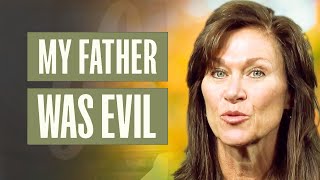
A recorded interview (Connor Beaton with Katherine Ann Cantrell) in which Katherine recounts 25 years of childhood abuse by her father, the family-wide revelation and its physical/psychological effects, and her multi-decade healing journey. She describes a pivotal backpack/gestalt therapy experience that produced a prolonged somatic release, explains her concept of "trauma excavation" (physical/somatic work to release buried trauma energy), discusses forgiveness and multi-generational patterns, and emphasizes the importance of community/group work for recovery. The episode also critiques superficial or commodified portrayals of trauma while encouraging prioritized, embodied healing.
Chapters
My father was one of the most disgusting, horrible monsters in the world. And he was also this amazing dad. I'm now convinced that he murdered numerous people. Trauma, excavation, going to these groups. I screamed bloody murder, and all sorts of disgusting stuff came out of me. And.
There was this massive peace that was able to enter because of all these things that came out. Therapy. It doesn't mean something's wrong with you. It means that you have found the courage to love yourself enough to do what you need to do to get free of it and to live the life you deserve. It can help you grow. It can be the impetus to let you have the most amazing life.
Catherine Ann, how are you doing today? Welcome to the mantalk Show.
Thank you. So nice to be here. Thank you. I'm wonderful. Yeah, I'm honored.
Good. Well, I appreciate you coming. I want to say back on, although for the listener, they're like, wait, I don't think I've heard this person before. But we, we attempted to record and had some technical problems. And so we had to reschedul schedule. And due to the nature of our schedules, it was, it was a few months after. But I. So I'm excited to get back into this.
Me, too.
So let's. We. We have some really serious ground to cover that I think a lot of people are going to appreciate.
And I think how we're going to start that conversation is how I start every conversation, which is to tell us a story about a defining moment in your life that made you who you are today.
Just like a lot of people on your show, I have a lot of them. I think everybody probably in the world has, hopefully has some. But the one I want to tell you about is about one of the people I think is one of your mentors and mine, Dewey Freeman. It'll take a few minutes to get through this, but I think it's important. And a little background story. I'm from Georgia and a huge Georgia football fan. So in 2006, I now live in Colorado, Georgia was playing Colorado in Athens. And so for over a year, I had planning this trip to go to the football game, and I went that year to my brother's graduation at the Gestalt Institute of the Rockies, which Dewey Freeman was helping run at the time. And I saw a flyer for a backpack trip in the Van Tanner Wilderness in Big Sur. And I said to my brother, how cool. Like in your new job, because they had hired him, you get to travel and do these therapy trips. And he was like, yeah, no, that's not for me, but you should go. And I looked down and it was the same weekend as the Georgia Colorado game. And I was like, oh, heck no. Not going. Like, there was no doubt in my mind. But I think so many of us have had that for you, where I couldn't say no to the trip. And I guess now looking back, there's this big thing that I had to say no to in order to say yes to myself. So I went. I ended up going on this backpack trip. Never backpacked before, had no equipment. And Dewey was, of course, one of the leaders. And on the first day in the circle, someone said to me, one of the leaders, Catherine Ann. I'm really looking forward to meeting the Catherine Ann that's behind your perpetual smile. So as a Georgia girl, I was taught to do this a lot. I could fake it with the best of them. I, you know, and I remember just going, whoa, you know, so. And that's how it started. And on the second day in the woods, carrying this heavy backpack, we would stop and have these check ins. And I started to cry. And part of my trauma was that my father really was grooming me to be this perfected soul. And so he beat me repeatedly to teach me to stop crying. And it had worked. I had been in therapy for 10 years at that point, and I wasn't crying much. That was absolutely, in his opinion, and then in my opinion at the time, a sign of weakness. So I started to cry. And Dewey had said, we want you to feel free to do that here. And I did. And so somehow I walked through those woods just bawling my eyes out. And we got to the campground and they. And I agreed to tell my story. And. And I sat on this log and for the first time in my life publicly, because of course you're not supposed to talk about any of this publicly. I told my story. And frankly, I was so proud of myself, I was like, oh, I finally did it. And. And that's when Dewey and Duane that. That. That's gestalt therapy. When I was exhausted, they got me up and had everybody in the group. There were 12 of us place hands on me. And Dewey held my liver, which at the time, my liver was starting to shut down. That's tr. That's often a sign of trauma. And they asked me to scream. And at the first time it sounded like, you know, nothing came out. I didn't have a voice. But over the next two hours, I screamed bloody murder and all sorts of disgusting stuff came out of me. And.
There was this massive Peace that was able to enter because of all these things that came out. And I walked out of this woods a very different person.
Not because of.
All the things I had gained, but also because of the things I had lost. And that work, I think, is so important in trauma healing. I currently call it trauma excavation. But that moment certainly changed my life forever.
Yeah, I mean, it sounds. It sounds like there was moments in your childhood that changed your life forever. And then this moment was the, the like pattern reset in. In, you know, the, the hard reset as I like to. The technical term. Right. Within iPhones.
Yeah, but that's a great term. But.
Yeah, yeah, but, you know, I think it's. It's interesting because I think sometimes. I think sometimes people shy away from sharing the. The actual details of what caused their trauma and then also the actual details of the healing of the trauma. You know, it does because it's. I find that sometimes. Well, maybe, maybe I'll say is. Is. I'll say it this way. I find that sometimes people are okay talking about what created their trauma, but not what necessarily healed it. Because sometimes the healing process can be confronting, you know, and there's. There's almost this different kind of vulnerability and exposure that, that arrives. Like, I know when we lead men's weekends, guys are always messaging me, emailing me, you know, and, and what they're. What they're asking for is what's going to happen at this weekend.
And you know, and they're show. They're showing up for, you know, they're some part of their life right now is in disarray. You know, their marriage is on the brink of falling apart. Their businesses, you know, they is either falling apart or they've just sold it and they don't know what to do next. They're lost, they feel directionless, they have anger problems, et cetera. And I'm always stuck to try and describe what's going to happen if they show up at the weekend because it's like, I could tell a story like yours and the guy's gonna be like, what? You're gonna make me yell and scream? And it's like, well, it's not, it's not just about a cathartic release. I think that's a really important thing, you know, because I see in the age of the therapeutic industrial complex, as I've started to call it, there is a very big therapeutic industrial complex that has started to merge. Emerge within our culture and merge with our culture. Actually, now that I say that, and I find that there's a lot of catharsis that has emerged. There's a lot of people showing up and just having cathartic releases that don't actually restore and repair what needs to be restored and repaired or reinvigorated or reconnected with. And so I appreciate your openness and sharing some of the story. Are you okay if we go back to some of your. The roots of your life that led to the trauma in the first place or that caused the. The trauma?
Yeah, absolutely. Yeah, absolutely.
So first off, go bulldogs.
Yeah, go dogs. Yeah.
So can you say a little bit more about your father and the role that he played in your life and your family's life?
Mm, absolutely. I think this is something I've learned. I can say this.
My father was one of the most disgusting, horrible monsters.
In the world.
And he was also this amazing dad. And I think that's really important after 30 years in therapy that that relates to a lot of people's life. It's this and it's this. And my father was a gay man living in Georgia as a doctor, you know, growing up in the 40s, 50s, 60s, not accepted whatsoever to be gay.
And he was trying to figure that out. So he married my mom, cherry picked her, I think she was the daughter of a very famous minister, and told her on the night of their honeymoon, I don't love you. I just.
Know I needed a wife and I expect you to cure me of my disease. So even as a medical doctor, people didn't know about homosexuality as that was, you know, how he termed his sexuality at the time. And of course, she's in an impossible situation. She wasn't about to tell a soul. But my father believed it was his job to train me and my siblings to be divine beings. He believed, and I think this shows his psychosis that. That we had one less vertebra than everyone else. He explained it like the apes evolving, which now I sort of realize there's a race, racial component in there. And he believed it was his job to do everything in his power to train us to be these, like Rambo. So he would beat us, he would.
Use tons of brainwashing techniques. It was all about keeping within the family massive amounts of secrets and manipulation. And at the same time, he was the doctor, the, you know, the six foot four, good looking Dr. In our small town. So people loved him. My parents would go perform on stage and, you know, they were both really good looking. So people like, she was like Jackie O. And they were like famous, you know, and he got away with all of this manipulation.
When he died, he committed suicide at age 62. And there were over 50 safe deposit boxes because he would. He was so paranoid about people finding out he was gay. People would try to blackmail him and then he would hire private detectives and get things on other people and then keep that information in safe deposit boxes. So there was all this, you know, so it was this massive web of disgusting, you know, just filth and, and being a sexual being teaching us to be these amazing sexual beings in his mind, was part of it. So being the goddess of sex, being, you know, money, being the, the best business executive I could be was part of the abuse in creating, trying to create in, in his, you know, so like he was, he was. Had the God complex. There was no. He. He delivered us because there was no one good enough to deliver us except for him. You know, so it just went on and on and on and on. And it lasted for 25 years, which is. Is unique to abuse that goes on and that long. Also my brother and sister and I came out at the same time about our abuse. And that I think is unique. We were abused in every way possible.
And what. I love that the way you started this because, yeah, I can tell the story. It's kind of like a train wreck. People want to rubber neck and talk about the story, and that's absolutely fine. I'm happy to share details. But what I'm really interested in talking about is. And then what. How do you heal from something like that? How do you go on to be like, okay, how do, how do you get that feeling? Like every single thing that happened is like a window to my growth and I'm, I'm like, cool, like, let's go. You know.
So, yeah, I found a great quote the other day. I don't know who it's attributed to. So I'm sure that the Internet will take this and tell, tell me who said it, but.
Somebody once said that life is a process of growth in the art of loss. And I thought that that was a really lovely.
Notion. You know, that in living we are growing in our capacity to be with loss and all of us are going to experience loss. Right. I've always been a huge proponent, proponent of certain principles in Buddhism. Right. Like the four no noble truths that there. That life is suffering or, or in life there is suffering.
Yes.
And that part of our.
Not work because I think that you. That word gets used quite a bit. But our responsibility, our invitation in this life is to learn to, to traverse suffering, you know, to transmute it to alchemize it. And it does seem like we're in this very precarious time right now where trauma is like an A list celebrity in our modern culture, you know, where everybody's talking about it and, and everybody's got it front and center.
But the modalities and the methods to actually transmute it and traverse it.
There'S many and it's, you know, the efficacy of them is questionable. And so I'm very interested to get into your part, but I think I'd be remiss if I didn't actually investigate a little bit deeper about how did you notice your trauma beginning to show up in your own life? Like how did you. Once you sort of came out about the abuse, it's very interesting that you and your brother sort of brought that forward at the same time, were you believed about what was happening? So I think it's a very common thing that people aren't believed. What was that process like in revealing what had been going on and then, and then how did you see eventually your trauma showing up? What were the sort of quote unquote symptoms? Maybe, because I think it just might help normalize what some people have experienced and are experiencing.
Great questions. So I guess that's a two part question. First.
My brother and sister and I came out together after working with our mother. My father ended up leaving my mom when I was five to live with a man. And so they were divorced. But my mom became a raging alcoholic through the process. But she came back and beat the alcoholism and the. And of course when there's so many secrets when you start talking about it, that's how it all comes out.
So I was having anxiety, I was having not crippling anxiety. Not just I'm a little scared, but because my father used tons of fear tactics. I was scared of breathing and.
Was.
Really struggling in life. And I got my first marriage. I married. It was not like I was that young, but I was 28. And if you think about this, you know, the trauma cycle went on till I was 25. I was absolutely not awake yet when I first got married. And so, but therapists say I, I must have felt safe in that marriage. So I started having nightmares and they were wake up paralyzed in fear. And. And then I didn't remember much of anything because my father was telling us, you know, I totally believed him. I bought it, hook, line, sinker that he was. This was his wave. He was the greatest dad in the world. He was loving us, that he was doing all this for our own good. So I never saw it as abusive.
And I can. I could tell that story, too, that you and I talked about that in our first taping. I think that's a good story. But.
That. That's the way it started manifesting itself in my body. I talked about my liver shutting down. A liver. The liver is a place where a lot of the anger and rage gets stored. And as a Southern belle who's not supposed to get mad at anything, I've never expressed anger. And so that was just eating away. I developed a liver disease. So I mean it. Before I was 40, my body was shutting down. And that is very typical of people who have had a lot of abuse or sometimes any abuse, that our bodies are brilliant at knowing that. And when we haven't been able to release it, our bodies remember, and so our bodies will start telling us. There are books you can. You can read about. Well, if. If it is your liver, what does that mean? If it's your left foot, what does that mean? If it's. One of mine was my left ear. So the left side is about the male side, and the ear is about what am I not willing to listen to and hear? And it. And it actually was me. I wasn't listening at all to my wise self because I had been taught that I was crap, you know, that. That I was. That my self worth was in the toilet. And so I had to learn to listen to my wife's self.
First off, I would just say the body keeps the score. The book, while it's an incredible book, it's more of a clinical book than a book for the layperson. You know, I've read through it and I'm like, well, this is pretty. It's, you know, it's like. I don't think it's meant really for public consumption. It's not like something that you necessarily go to the chapters and pick up off the shelf and you're like, I'm going to. I mean, you're going to understand trauma by the end of it, but.
It'S a pretty deep read. And so you can start there. But I think that there are other books, but I think it's. The reason why I asked is that.
Over the past decade of working with people and working with men specifically, I've really come to realize that a lot of individuals do not know.
When their trauma is active and that they've had trauma.
That's right.
And that's part of the.
That's part of the sort of mysterious nature of it. You know, is that it kind of lingers in the background and then emerges later on in life. And so it's interesting that you. You said. And I really want to emphasize this one part because I've seen this happen time and time again, that it wasn't until you really felt safe that things started to emerge.
From what you know about trauma. Why is that? What is it about the unique nature of trauma in our body and our mind that it sometimes doesn't emerge until we feel a sense of safety?
From what I've been taught through my therapists, I think it's because when you are experiencing trauma, in particular, I guess trauma from your home life, someone in your home, a home is supposed to be a place of safety. You're supposed to be protected. And. And you're not. If you're being obviously abused in any way in the home, if someone, even if it's just an alcoholic or they're violent or that. That is. It creates chaos, that there's not safety, there is not peace in that. And when you remove yourself from that situation and get into a place where you start to feel.
Safe, you start to feel peace, you start to feel love, then. Then your body can actually start functioning the way we're meant to function, you know, which is the flow, you know, and. And that. So that's my understanding.
Yeah, I. I appreciate that. I appreciate that distinction and clarification because I think I was. I've been talking to guys about this of like, we, a lot of men don't think about, do I feel safe right now, or am I safe? It's not an internal dialogue. Whereas I've come to know. And then I could be wrong about this. But I've come to know that for a lot of women, it is an internal part of their daily or weekly life. You know, am I okay? Am I safe right now? Am I safe in this environment? Am I safe at this bar on this date? Most guys, like, we just don't go on dates and like, am I safe right now? Let's not. It's like, yeah, I could probably. It's just not even a question because it's not something that we would experience. And so we don't often think about our sense of safety in that way. But I think what you're describing is incredibly important because that safety is a crucial part. Okay, I want to zoom out a little bit and talk about this notion of trauma and culture. What. And I'm going to come back to your story in a moment, but what would you say is the Intersection between trauma and our culture. How do you see trauma emerging in our culture, being talked about in our culture? Is there anything that you're wary of or think that we need to keep an eye on? I just want to sort of open that dialogue.
I think in today's world, like, there's a study, I'm sure you know, about the adverse childhood experiences study that aces. I think the statistics are that 65% of us have at least one adverse childhood experience, when then probably the other 35% have an adult trauma experience. I mean, I just think we all have some type of trauma in our life whenever that happens. So a lot of us are walking around not aware of that and not knowing that. And the same things that help us heal from trauma can absolutely help us be in this culture, especially today, with this crazy violence and, you know, things that are going on out there. How is it that we still find peace? How is it that we still function? How do we be authentic? How do we show up in life? And that, to me, is the intersection of. Of learning, of using the trauma, whatever that was that happened in our life, to.
Move forward in an authentic, kind, loving way, not just with other people, but definitely with ourselves. Because I think after I. So I did get started with my therapy really early because my dad was pushing me to. Because he was saying it was my mom who had all the issues. So I started at a pretty early age with therapy. And after 30 years of therapy, I can say that the biggest thing I think we learn in therapy, which is just the mental part. And I. I think it's clear. I also believe in the physical part and the spiritual part and the intellectual part, but the mental part and the emotional part is learning to love and forgive ourselves. Because until we do that, we can't really show up in this culture, in this world.
And.
And.
If a bun. You know, when you've got crazy junk that's happened, it's scary and the life is scary, but how can it not be scary? It doesn't have to be scary. We can go forward.
In a way of, okay, whatever happens today, I'm here, I'm showing up, I'm going to be here and not run away, not tap out, not. Not, you know, hide.
And.
So that, to me, is the intersection.
How would you say that your. The. The abuse that you experienced at the hands of your father impacted your relationship with men? Because I think one of the things that I see a lot in our culture right now is.
And I don't really know how to phrase this In a neutral way. But there does seem to be a lot of animosity in the public square, AKA online, because online is not a public square. There does seem to be a lot of animosity towards men and masculinity for damages caused specifically to women. And I see a lot of women who have gone through something traumatic, being abused or taken advantage of by a man, whether it's their father or a brother or an uncle or a boyfriend, and holding that and having that really shape the way that they then interact with men moving forward in every part of their life. So I'm curious to understand how, how the abuse that you experienced shaped your relationship to men and how that's evolved as you've done this trauma excavation that we've been talking about.
I think at some point, I have no idea how far along I was, but I realized my father was one man. One.
Let's just say half the people in the world are men. Not all people are like that. And I had to really come to this, like.
What am I going to do? Shut down half the world like that? That doesn't. It didn't fit for me that when, when I, as I moved more and more, trying to be more authentic in my life, I started giving men opportunities. And at first you get. You, you. There's absolutely. I was abused by other men. Absolutely. That's, that's what happens. You attract that until you get rid of you energetically. You. You attract it. Unfortunately, that's the way it is. That's why it happens. Often people who have experienced childhood sexual abuse are abused by same, you know, same in my case, a man after. And then you really are like, oh, all men are bad. No.
There'S a place where you really just have to.
Realize that.
Life is, is, is loving and giving and giving.
Men, women, every single person on the planet. The, the benefit of the doubt. Most people are good. Most people are loving. Most people are kind. Do I look over my shoulder when I'm in a dark parking lot? Heck yeah. Do I know, like, I was trained in all the karate and all that. I know all that. But I, I don't walk around in fear because.
It'S my job, as you said, to be responsible for me and my job for me, my opinion is to be more to choose love, not fear. And so.
That didn't happen overnight. This is a process. It's a journey of transforming that fear of men into a love of men and women.
What would you say builds. Men like that? You know, because I think one of the things that I've found in, in talking to you and hearing your story is you, you did go through a tremendous amount. You know, I mean, he was physically abusive psychologically, you know, brings the word gaslighting and narcissistic and I mean, all the things that we could put out, all the words almost. Right, right. I mean, even this notion of like this superior, you know, having one last vertebrae, like all of those things there, there's a certain sociopathic and psychotic nature to how he engaged. And obviously some of that has to do with the repression. But do you know much else about what built your father into who he was?
Yes, and I'm learning more and more.
I recently uncovered, you know, more about his background and.
I'm not positive if this is the statistic, but I'm pretty sure that 99% of perpetrators were perpetrated upon. So I think any good therapist, you know, if that happened to my father, what happened to him, and I am pretty sure I know who it was that sexually molested him and.
And, and, and often that's the case where people, you don't, you're not born that way. But I think part of what I feel responsible for is, and I, you know, joining standing with my brother and sister, drawing the line in the sand was not just the line and sand from our parents, but multi generational healing. Multi generational healing is important because a lot of this stuff has been going on forever and no one questions it, no one even knows it's wrong. And yeah, so almost always.
There'S. There here's a quote that I don't know who said this either, but it's be kind for everyone you meet is fighting a great battle. And I think, you know, a lot of people have been through a lot of stuff. And so, yeah, I think my father.
Was tortured and then he tried, he tortured us, but he tried to do it with a little bit of humanity almost, you know, that it's so bizarre. My therapist have tried to explain that to me, but that that's, you know, kind of what happened.
Yeah, it is, it is interesting that a lot of individuals who perpetrate things like sexual abuse.
Have had that happen to them, you know, and I don't know what the data or the statistic is and that I think it's a hard one to really pin down accurately, I would guess. But it does seem like it's very, very high. You know, the number of men that I've worked with over the years who have been sexually abused.
Almost always.
Either knew or ended up finding out that that individual had been sexually abused in some capacity. So.
That doesn't necessarily make it, I mean, obviously doesn't make it okay. But.
Well, maybe, maybe this leads me to the, the very like, rational question, which is like, how the hell do you forgive somebody like that? And I know that that's a really big open ended, almost unanswerable question, but I'm going to throw it out there anyway to kind of get a. Of some of the things that you've had to do in order to find a sense of forgiveness towards him.
I think that you've hit upon a piece that has been crucial to my learning to forgive. And that was understanding because.
The empathy, you know, walking and trying to figure out, taking off your shoes and putting on their shoes, trying to figure out what was it like to be a gay man who. People were just completely horrified by homosexuality in the, you know, 40s, 50s, 60s, still today in Georgia, I think, a lot of places.
And what was it like to be brilliant and.
Be this trained doctor and to know these things? And yet.
To continue to his lifestyle was. He would go to these gay bars in Atlanta. That's when the baths first started. He would go pick up men downtown in his big Cadillac with a big gun in his glove compartment. I think I'm now convinced that he murdered numerous people. In particular these precious gay boys that were at these bars that were. Had been pushed out of their homes. No one, no one was tracking them. No one knew. And he knew he could get away with it. How do you forgive? How do I. How did I move toward forgiveness? I can say my first thing. I remember I found this letter when he killed himself that I had written, I forgive you. And I was like, okay, well, that was a start. But to me it's all energy. Like that was just like, oh, that's, you know, the first thing. But then there's these pieces where you go, you know, okay, that happened. And unforgiveness harms me. It perpetuates the trauma. It keeps my liver not functioning right. It keeps me blaming and angry and rageful and no, thanks, I'm not interested in that. So how do I release that crap so that I can function and be the person I want to be? And that's why I think forgiveness is important, because I can go, okay.
These things happened and he, my dad was sick, he was mentally ill, he was a drug addict. Again, it doesn't excuse any of it, but it starts to bring me to a place of like.
Okay, I'm getting over that. And I'm. He's got it. He's got to work out his own stuff with his soul. I'm. I'm gonna be working on me. And I think one of the greatest. This is another thing I've learned. But when I hold on to unforgiveness or blame or anger, it's like drinking poison and expecting the other person to die. And that's not the way it works. So I have to be responsible for me. And it starts with, you know, going back and unwinding all those tapes where he just, you know, told me all this crazy stuff and going, wait a minute. That's not true. What do I think? What do I believe? What do I feel? What do I mean? He told me, I mean, literally how to think, how to feel, how to, you know, don't cry. That you're not supposed to believe, that you're supposed to. You know, every single part of my life was infected. And so I've done a lot of going, ah, that. Wait, I. I don't believe that. I don't think that.
And that's really important. Feeling sorry for myself. People say, oh, you're not supposed to feel sorry for yourself. You know, pull yourself up by the boob straps and get on. My personal opinion is, sit down and wallow in the damn mud and feel sorry for yourself a little bit. Because especially if you've been told you're not supposed to feel, you're not supposed to do all this stuff, figure out how you feel. And if that means, you know, wallowing in it for a while, wallow in it. I hope that people get back up again. Like, you know, life is so awesome. Get up and go enjoy it. But for a while, sit down and just cry your damn eyes out. Really feel it. And I think that's how I've moved a lot to place a lot of the different areas of forgiveness. And I'm sure I have a place more to go. Let me just say that, too. Excuse me.
Sure. Yeah. Yeah. I mean, I do think that forgiveness is a path and not a destination. And I think oftentimes where people get tripped up is either forgiving too soon, forgiving without feeling right, the impact of the betrayal or the abuse or whatever it was, or trying to forgive as if it's a place that they need to arrive, you know.
A place that they'll arrive, where it's like, well, now that I've. Now that I've let that all go and I've forgiven this person entirely, my life is completely better. And so We, I think it's, it's like what we do with happiness, right? We put a lot of things on. Well, when, you know, when I hit this goal or when I achieve this accomplishment, when I sell my business, I. Then I'll be happy. And I think we do that with forgiveness too. It's like, well, when I figured out how to forgive this person, then I'll be happy, then I can love deeper, then I can. And we put all of these then I cans on the other side. And so we create this destination that is very hard to arrive at. And I think what I appreciate about what you're saying, there's a couple little nuggets going to try and.
Just reiterate so that everybody catches them. One is that unforgiveness harms me. I thought that was. So when you said that, I was like, oh man, I wish I said that.
That one's good. Good lord. Like, yeah, unforgiveness harms me. And then second, that part of the path, maybe one of the stepping stones on the path of forgiveness is understanding the other individual from a place of compassion. Second is allowing and giving the grace for you to sit in the place of woe is me. That, that's actually okay for a little while. Yeah, to feel the like, yeah, some. And you know, I'll just, I'll use my friendship like some fucked up shit happened to me, you know, some brutal, terrible shit happened to me. I think, I think that's one of the things that was really hard for me as a man, you know, to really let myself feel like, yeah, some really shitty stuff happened to me that I really didn't like and that was terrible and that I wish didn't happen. And to sit with the emotion, the sadness, the grief, the not necessarily pity, but giving myself permission to sit with all of the emotions that came along with that, to just acknowledge like, yeah, that was brutal. And especially now that I have a two year old son, I think it changed context for me where I can look at him and be like, man, if that happened to him, I would have the deepest well of compassion immediately without question. And. And I would never wish those things upon him. So why would I not let myself feel the compassion and the grief and the sadness for what I've experienced? So I think those are some of the things that really stuck out to me because I wanted to reiterate those things because forgiveness can be a very challenging thing. What would you say that you've seen people struggle with when it comes to forgiving people who have betrayed them or wronged them or hurt them or abused them. Where do people usually get hung up?
Or where have you found yourself getting hung up?
I've gotten hung up in my stubbornness. Like.
I really, really like when I, you know, because my brother and sister and I shared so much with each other and talked about what happened to us. And our stories are similar and extremely different, of course. But I was, at the beginning, just was never.
Going to forgive my father for what he did to my brother and sister. I could start to think I could forgive what he did to me, but not them.
And that comes. You know, I think there's. It's all cyclical, where you go, I'm not. I'm not doing that. No way am I forgiving that person. That was unforgivable. Well, again, you know, it. We all mess up. And that. Okay, that's so trivial. Like, that was a big mess. Okay.
Yeah. It's like he just made a mistake. It's like, no, no, no, no.
Okay, wait a minute. 25 years. That's not. But it. I don't know. You know, there's this.
I'm not carrying around that crap anymore. Like, it's just too heavy. It's too big. It just infects everything. And when you start, when you. When you. This is it. When you get that first.
Inkling of forgiveness, let's just say you go through the first cycle and you're able to forgive one piece. And then you go, oh, that's how that feels. Just like when you sit and you do your breathing work or meditation or centering prayer, and you. And you experience this bigger, you know, for the first time. You go, oh, I. I will get me some more of that. That's. That's what forgiveness is like, you know, it's like mercy. It's like grace. And then you go, oh, heck, yeah, I'm doing. I'm doing some more of that. And that. And then. And then, yeah, you get through this. Like, what the hell? This is too hard. I don't want to do this. You know? And then you go, okay, I'm getting up again. I'm doing it again. You know, and.
That.
That's been the hardest part, is getting myself up to do it again. You know, like, you talked about the work. It's. It's such a word that's used so much. But doing our work, it's a thing, and we have to do it over and over and over again, and it's worth it because life just gets richer and freer. And more joy comes in. Like, you can't. Searching for happiness. I agree with you. That's like, out there, but feeling joy on a daily basis, that's possible. And we are in charge of that. We get to decide that no matter what's going on out there.
Yeah, I think. I mean, I've heard people talk about how this notion of, like, searching for happiness might be one of the. One of the worst aims that we can actually have in life.
Because it really is. I mean, it's. And I've experienced this in my own life where. And I think this is sometimes a byproduct of the avoidance of the grief and the pain that we can feel when we've experienced deep betrayal and abuse is that we so desperately want to get away from that heaviness and that darkness, that the idea of pursuing happiness can feel like a very wonderful subsidy. You know, it's like, well, that seems like it's probably a lot better than what I'm going through right now. And the unfortunate part is that it, it. It ends up bringing us more into contact with that grief. Right? With that suffering, with that pain. Because we're not learning the lesson of how to carry that pain or how to be with that trauma or how to be with suffering that we're experiencing. And so we actually don't become robust or resilient in the face of suffering. We actually become more fragile. And, you know, I. It's interesting because when I spoke to you the first time, I could feel and was very present to this.
Beautiful duality of. And I. I think this word has a negative connotation, but I do not mean it in at all with a negative connotation when I say this. So please know that I felt and became very present to this beautiful, fragile part of you, but also this towering strength, you know, the fact that who you are.
Thank you.
Yeah. And I was like, you know, I think that's such a gift in so many ways, because to have a sense of the fragile nature of existence and humanity and to have a sensitivity to that is powerful. And it's. And it. I think it takes strong individuals to be in contact with that, you know, close to that.
So let's talk directly about this notion of trauma excavation. What do you mean by that? Because we've used that term a few times now. What do you mean by trauma excavation? What transpires? What do we need to do? What does it look like?
I'm talking all from my experiences with myself and from, you know, numerous circles, watching other people do it, of course, talking with my brother and sister and working as a spiritual director, helping other people. Here's my experience, and I can say this a hundred percent of the time, it works.
Trauma is.
Like energy. It's. It's alive. So we've talked about this. It gets passed down often between generations. Gets buried in people like black sludge.
People call that a lot of different things. People call that the devil. People call that darkness. People call that, you know, you name it, fill in the blank. And it gets buried in us.
And in sexual abuse in particular, we are injected with it, literally.
And that. That crap.
Then is inside of us like worms, like disgusting. And I believe it's why people struggle.
To get better. So many people have addictions. It's in particular after abuse. We're searching for something to make us feel better.
But. And then we go to rehab and you say, I'm not going to drink anymore. But you don't deal with the crap that's inside. And I've, you know, this. All my experiences too. When you start. When it's. When you allow that junk to start coming out of you, which happened that first day in the woods with Dewey.
It'S taking up space in there. It is directing you in ways that you have no idea about. And when you start getting it out, then more light can come in. And people call that light a zillion different things. People, my word for it is God. People call it love. People call it energy. Could, you know, there's a lot of different words for that. The difference between carrying around all that weight and then all of a sudden getting more light inside of you, more God within you, is then you get to start interconnecting with what really brings us together as people. Connection is what heals. And if you can't connect, then you. You can't. You can't really heal. So connect with yourself and connect with others. So after I started.
Getting it out, it's like a. It's like a boiling pot of water, right? And it's causing your pot. My body to overflow. And that's what anxiety attacks are. It's. It's coming out. You didn't mean for it to, but it's coming out.
You burst out into tears and people. You know, I wish people would stop apologizing when they cry, because I think crying is brilliant. I think it heals. I'm not talking about tearing. I'm talking about crying. Bawling your eyes out. Fabulous healing technique. But when that trauma bubbles out of us, which it will do.
The most common thing is to suppress it, to push it back in. Oh, I'm so sorry. Oh, I shouldn't have acted like that. Oh. You know, But I think when we embrace it and then actively go in there and get it out, whether that is screaming in the woods or going to a body worker who's trained in this and having them take it out of us. I happened, by the grace of God, to capture one of those sessions on film. It's on my website. People can. You're welcome to look at it, but, you know, I'm on a body worker's table, and I'm dealing with one of the horrendous parts of my abuse, where my father was allowing this other man to abuse me. And I am. It was manifesting in my back, like someone stabbing me in my back. And I go through this, and I am screaming bloody murder. And you can almost see the goblins, the crap coming out of me. And. And I can do it sitting in my car or in my bathtub. You can take an old tennis racket and beat pillows. There's a lot of ways to do this. There's any good therapist. Look for a gestalt therapist. Or there's a lot of. But therapists can lead you to this work. It is a physical work. It is brilliant. I think. I think people don't know, like, oh, well, I didn't know about that. Like, I didn't. I'd been in therapy for 10 years. No one had ever said, do this. And then once I started doing it, I was like, whoa, there it is. You know, And. And I still do it. I. I probably will have to do it the rest of my life, because life happens. And so if I'm happened to be in a hotel room by myself, often, I will curl up with the pillow and then put the pillow over my mouth and scream and then try to catch my breath from crying so hard and do it again. I try to. It's almost like the birthing process as a. As a mom having children. You know, you. You. You get it out and then open the window and let it just get out and. And then. Then take a second and invite in.
The love part. And that's, like I said, in my experience, 100% of the time, if you can. If you can sit there and get the courage to do this work, you're gonna feel more light than I can even describe.
Yeah, I think. I mean, talk therapy has limitations, and I think a lot of people who have deep trauma could benefit from other modalities. Specifically somatic. And so it sounds like when you're talking about trauma excavation, what we're talking about is the release of the physical, emotional, psychological and spiritual.
Wounds or pain that has been stored and held in the mind and the body and the heart and having ways to release those things to actually allow us to tap into them. And there's, you know, there's a lot of, I mean, at our, at our men's weekends, we do some of this work and depending on what the individual needs. And Dewey, and I'm fortunate enough to work alongside Dewey, you know, he comes and helps to co facilitate my weekends and, and it can be very powerful. And it's not a. I think the thing that I just really want to emphasize, emphasize is it's not a catharsis. You know, one of the, one of the things that I've learned over the years is when a traumatic event happens, the difference between trauma ensuing to the degree where we have ptsd, versus ptsg, which is post traumatic growth.
Ptg, post traumatic growth. There we go. The difference is that in that moment.
The people who have the freeze response or who don't have the capacity to.
Fight or when they do, it's, you know, they're put in a powerless position because, you know, a lot of stuff happens when we're kids and there's just no way that you're fighting back.
All of that needs all of that in those moments, right, where you couldn't yell, you couldn't, you know, say no, or you did fight back and you were overpowered. All of those things that needs to be expressed at some point, that actually needs to be released at some point to have the chance to let your mind and your heart and your body and your soul to experience what was actually necessary in that moment, you know, what you needed in that moment. And I think in my own sort of internalized terms, I think that when we do that, we're alchemizing that PTSD or that trauma into something formative or generative within our psyche, within our body, or we're just releasing something and creating more room for like you're saying, you know, we're releasing that crap, right? And we're making room for, for more space, for more light within ourselves. And so I just wanted to say that because I think sometimes individuals can hear this and it's like, okay, well, I'm just going to go yell and it's like, well, maybe, but ensure that you're working with somebody that can guide you in this process. You know, I think that's what you. You've been saying is that people like Dewey have been incredibly powerful in supporting you on this path. I want to come back to culture for a moment, unless there's something else that you wanted to say on this trauma excavation for front. I get the sense that, and I'm curious just for your opinion on this and, and for the listener to. To tune into themselves as well and like, see where they land on this. But I get the sense that because trauma has become so mainstream within our culture, and not necessarily trauma, but therapy or the therapeutic industry, like I was saying before, has become so mainstream that it's almost become watered down in a way.
And not that trauma has become watered down, but the quality of sacredness, of working with this aspect of us as humans, has become monetized and popularized through TikTok videos and Instagram accounts and, you know, YouTube channels. And it feels like in an effort to help and serve and support people.
We'Ve taken something that historically, you know, because we've. There's. Trauma work has existed as long as human beings have. Right. That's what shamans did. Shamans were the sort of purveyors of therapeutic modalities, foreign.
And it does feel like sometimes, and maybe this is just me, I look at content online and I, you know, go through the news and whatnot, and it feels like this notion that trauma is everywhere has become so popular that it's lost something sacred. And I'm not even really too sure what the question is that I'm trying to formulate for you, but do you have a sense that that's occurred? Do you have a sense that we've. That we've gone so far in talking about trauma that we've. And being trauma informed, that the average individual is maybe overwhelmed with information and underwhelmed with the real action that they need to take?
I think that as a whole, in the world, you're absolutely right. Like, trauma is getting watered down. Like, it's. It's out there. It's a lot.
I. I think that for the individual, that might make us feel like.
I've. I've said it. I said it on your show. Trauma happens to everyone. Oh, well, like, you know, but trauma individually.
Needs to be prioritized. It needs to be. It needs to carry the same weight that it does carry. You know, someone is raped, someone is abused in any way. That's a heavy, heavy thing to carry. And that I think needs to continue to have the importance and the weight and the respect that it deserves. Not only from other people, but for. For ourselves to know. If that's happened to you.
You deserve to be free of that. You deserve to get the help you need.
Therapy, trauma excavation. Going to these groups is brilliant. It is not. It doesn't mean something's wrong with you. It means that you have found the courage to love yourself enough to do what you need to do to get free of it and to live the life you deserve. And that, yeah, it. It can help you grow. It can be the impetus to let you have the most amazing life ever.
I think I've refined while reflecting on what I was saying. I think for me, what I was really trying to maybe convey is when I come back to listening to your story and part of the pathway towards forgiveness, towards healing, towards, you know, alchemizing this trauma and the abuse into something formative, you know, healing, however we want to label that. It seems like community is such a vital part of it. You know, that this work in groups is so instrumental. And maybe what I'm really, like, picking a fight with or like. My beef I have is that people can consume trauma content online for days, weeks, months, and years and not do the very hard and confronting thing, which is to get in front of people and share their stories. So can you just comment on the benefit of group work?
And I guess I'd tweak that a little bit. Even just getting in front of a therapist, one therapist, and telling your story is beneficial. Getting in front of group in particular, like, my first sexual abuse support group was early in my healing, and the first time I listened to someone else, I was like, oh, my gosh. That happened to you? Like, oh, I. That's how you feel? I feel that way. Like that connection that, that, that's behind the Me Too movement, you know, that's why it's that first, like.
Wow. And oh, my gosh, that's crappy. I, I know I have crappy, but you also have crap. You know, that wow, there's. There's huge healing in group work.
These. I, I'm such a. I applaud you, though. This work you're doing in particular with men getting in a circle like that, being vulnerable, it. I think it, it is life changing. And.
I, I. Community, they say, you know, that first. The first time I'd heard about the adverse childhood experiences study was when Oprah Winfrey went on 60 Minutes and she was with a therapist, Dr. Bruce Perry, and she asked him the question, what was the difference between.
Someone who has trauma, who still is struggling from the trauma, and Someone who had major trauma and who has been, who's healing from it. And he said community, connection, love. And you can't, you know, you can't. You're just sitting home reading all the, watching all the YouTube videos or doing all the stuff or just going to a therapist that you hate and monotonous talking, that's, that doesn't work. You know, you gotta, I think, like your therapist, respect them, find a way to some groups.
Step out and know you're not alone.
Well, I think that that is probably arguably one of the, the best places for us to, to end our conversation, the, the call back into community. Because I, I do think that I've said this so many times on this show, but like we're, we're wounded in relationship and so we have to heal in relationship and that can start one on one with a therapist. But man, oh man, have I, I, over the years have just become so much more of an advocate for groups and group work.
Not only because I've personally benefited, but because it's, it's where I've seen the greatest level of.
Transformation. Feels like such a cliche Tony Robbins word, but it's where I've seen the most amount of transformation happen. Where, you know, your grief is witnessed, your trauma is witnessed, and other people help you to carry that in some capacity simply by watching the process that you go through or supporting you in that, or to know you in that way. It really is such a potent experience. And so for everyone that's listening, I would certainly advocate for that fully and encourage you to explore whatever routes you have in group work. Kathryn Ann, it's been a pleasure and a real joy to get to connect with you. Where can people learn more about you and learn more about your story and your work?
I do have a website. It's katherineann.com K A T H E R I N E A N N.
I have, you know, a presence on Instagram and Facebook @CatherineAnnHealing. Nothing like yours. I'm sort of chuckling, you know, like I'm older and that I haven't gotten into that as much. But I have also written a book about my story and I haven't published it. And I think for good reason that I'm still learning what happened to me because I'm so interested in talking about the healing part.
So it's coming. We'll. We'll what? It'll be published at some point.
Wonderful. Wonderful. Well, thanks so much for, for joining me. I look forward to reading it when it's out. And for everyone that's out there listening, don't forget to men it forward. Share this conversation with somebody that you know will enjoy it or could benefit from it. And until next week, this is Connor Beaton signing off.
More from Connor







How to Raise Strong, Unshakable Boys in Today's Culture, with Dr. Shefali Tsabary



