I Climbed Mount Kilimanjaro DESPITE my Cerebral Palsy
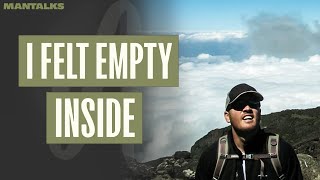
Bonner Paddock has cerebral palsy and climbed Mount Kilimanjaro and completed the Kona Ironman. He talks about growing up with the condition, his family, and what it took to push past what people thought was possible.
Chapters
So I was misdiagnosed Till I was 11 years old. They studied my brain for the rest of my childhood because they wanted to see how it rewired around the dead parts of my brain. Dark motivation drove me to the top, but Dark only focuses on the result. So much so that I got to the top of the mountain. I had not even contemplated that I got to get fucking down. And then I had the first panic attack I've ever had in my entire life at the summit of Kilimanjaro. That almost was like they thought I was dying at first, and they're trying to get me off the top. And I had made struggles getting up there, you know, And I was the last one of the day almost to get to the top of all the climbing teams and everything. And so I got back from Kilimanjaro being like, wow, whatever's inside me is making me feel even more empty now than when I left. I just achieved all this stuff. We all paid our own way. We raised over a quarter million dollars for this local charity. I should feel amazing, but I feel totally empty and worse.
All right, brother. Bonner. How are you doing, man?
What's going on, brother? I'm doing really good.
You know, when you reached out to me about coming on the show, is it. It was interesting because I was like, well, yes, of course. And it felt like good timing. You know, we have known each other for a while, and I'll let you talk about whatever parts of that along this conversation you. You want to get into, but it's just an honor to here, and you have an incredible story. You're an incredible human. I couldn't be more honored to know you. And so I'm excited to. To dive into this conversation.
Thank you, brother. You're trying to get me emotional already, man, I tell you, like, yeah, no, I said true. Yeah, that's the. That's the.
That's the superpower, right? My team says my superpower is just making people cry.
Yeah, you've been on the receiving end of that.
I think you've seen me cry more than almost any other human on this earth.
Yeah, it's like, you know, at first, when I heard that the first couple of times, I was like, you know, if people heard that, they could take that the wrong way. You know, there's, like. There's making people cry in a beautiful, you know, necessary releasing way, and then there's making people cry and, like, being complete asshat. So hopefully, I don't fall into that category very often, but I Do joke around that, you know, if I don't get at least a one fu or one middle finger a week, I don't know if I'm doing my job right with my clients. So.
It'S not meant to be easy, right? It's not meant to be easy. Anyway, with all of that said, let's start where we always begin in these conversations, which is tell us a story about defining moments in your life that has made you who you are today.
Yeah. The defining moment that I'd go with is the one that brought me to you and reaching out to you. Four years ago, I was sleeping on my ex girlfriend's couch when we had broken up again. And I just felt at that time, I just felt like I was so lost. I didn't know how to date. I didn't know how to be relationally available. I didn't know how to really communicate. There were just so many things that just seemed at that moment to be lost. And at that moment I literally just was doing the Doomsday scroll and on Instagram and. And you had a post that was like, I'd followed you for a little bit and that you were excited about an upcoming men's weekend. And I was just like, I got to just. I've never DM'd anybody that I don't know. And I just DM'd you and was like, man, is there any spots left? And you're like, I'm not sure. Let me go check. You got back to me. There was one spot and I was just like, don't give it to anybody. I booked it right there, booked a flight to Vancouver and next thing you know, I think it was called the Sunshine coast over there on Vancouver, off of Vancouver. And I was there like a week later. And I would say that that is an absolute defining moment that I'm so grateful that I surrendered to that and said I really need support and help in this space.
Awesome, man. Well, I appreciate you sharing that. And I just want to put the disclaimer that I am in no way having Bonner on this call and this and this podcast for self promotion. I did not that. That's. I just want to make that very clear. We're not going to be digging into that for the whole episode.
But. No, but that was. I thought it was a good ironic one. And we'll talk about some others that have way before I met you. So I think we're good. But that one I thought was just a bittersweet with being on the call with you today.
Why would you say that? Being, you know, finding yourself on the couch, you know, after a breakup. What was. What was so defining about that for you?
Knowing that the woman that I had just broke up with, again, there was something very special about her in my inability to figure out how to connect and overcome these hurdles and not knowing, like, wow, if I can't do it with this woman that I love and I know I love and as I know is special, that we have a beautiful connection. And if I can't figure it out with her and. And the way she is as a person, as a human.
Then it's got to be me. It has to be me. It left unequivocal doubt. I could not make any more excuses. I could not blame anybody. I could not project and just go ahead and point the finger. There was nobody more to point the finger at. And so I just literally had to say, it's me and I need to do something about it. And the way that, you know, you shared stuff, it just resonated. And I was just like, this is the place that I'm just. I'm going here. Like, I'm desperate and I'm going here.
Yeah. Well, I appreciate you just digging a little further because I think for a lot of people, they've been in that position, you know, where it's just like, if I can't figure it out here in this job, in this career, with this business, with this person, then, like, what the hell's actually going on? You know? And I feel like we all have that moment where.
We kind of wake up to our own, and it's a hard. You know, it's a hard. It's a hard landing. Mine was in the back of a car, which I wrote about in my book. And. And, you know, we. We all have those moments.
But.
Yeah, okay, so I'm going to. I'm going to just do a hard right and switch gears because I think I want to talk a little bit about, you know, your. Your story. One of the reasons why I wanted to have you here is multitude of reasons, but for the listener, you know, Bonner in 2008 summited Kilimanjaro, which is 19,341 foot high mountain. I don't know where it fits on the scale in terms of highest mountain.
Tallest freestanding mountain in the world, and the highest mountain in Africa. So if that helps, it's one of the seven sisters of. If you climb all the tallest peaks in the seven continents.
Very cool. Thank you. And then four years later, you earned the elite triathlete title in the Kona Ironman.
Yes.
And I think, you know, what's interesting is I've had a lot of, you know, people on the show and that have done wild stuff. But I think one of the things that makes your story unique is that you did both of those things combined, which in itself is wild. I don't know if I would want to pursue either of those endeavors. But you also were the first person to do it with Cerebral Palsy. And, you know, for those that are out there, I would just like to set a couple of things up, because, you know, when you came to work with me, I'll be honest with you, I didn't know anything about cp. I didn't know anything about Cerebral Palsy. I sort of heard about it. I'd seen campaigns around it, but I actually just really didn't know a lot about it. And so the more that I learned about you and your story and then Cerebral Palsy, I was like, holy shit. Like, that's. That's pretty impressive, man. So let's just set the frame for people. I. I want to talk about some of the things that. That you took on and what drove them, but just give the listener a little bit of context for, like, what is Cerebral Palsy? What is it? What does it do? What's it caused by?
Yeah, absolutely. It's primarily caused in the birth canal right before birth or right after birth. And so for me specifically, the umbilical cord ended up being wrapped around my neck when I just turned. According to all the tests up to then, I was a normal, quote, unquote healthy baby. And then the umbilical cord got wrapped around my neck in the birth canal, which then acts as, like, a noose. And so it's critical time to get the baby out of that, you know, channel canal. And it's like, the longer it does, random parts of your brain die. And so the. That's why there's a wide variety of levels that you see of people that have CP from, unfortunately, in a wheelchair, not even able to communicate verbally, even maybe with their hands or anything else, all the way to someone that people look at me and they're like, wow, you really have cp. And so it's a more of a different version. And for me specifically, it's like, you work, haven't worked out in six months. You went to the gym, you hit it hard with squats and lower back, and then the next morning you wake up and you're just like, whoa, that gym is stiff. So My muscles stay tighter than most so that I only have, like, instead of a 21 speed bike, I'm maybe like a four or five speed bike. And so the ability for muscles to completely flex and contract and expand is limited with me in my legs and lower back. So it's hard to get nutrients. It's hard. It's easier for my muscles to tear. And that's why it's called spastic diplegia cp, where my muscles, they just start spasming to try to get you to stop. And they get overworked or overwhelmed very easily. So my leg shake. In school, I used to get teased because my legs would just vibrate on the floor, because my heels really couldn't touch all the time because my legs would lock up. And so that's kind of how it affects me is every morning I just have to do stretches and motions early on before I really do anything else, because I stiffen up every night. Like, I just went to the gym for the first time for six months after six months.
So prime conditions for triathlons and climbing mountains is what you're saying?
Exactly.
Really optimal? Yeah, super, super optimal, yeah.
Yes, absolutely. So I don't really have, like an equilibrium. Balance is really bad. So, like, people that see me, I walk a little bit like a penguin, which is fine. We kind of just joke. I do my little waddle, my, my, my walk, my strut, and that's kind of where it's most noticeable. And then my legs just tire pretty quickly.
Got it. Okay. Yeah. I mean, I just wanted to set that piece up because I wanted to go back, you know, because one of the things. Reading your book, I was listening to it called One More Step, My Story of Living with Cerebral palsy, Climbing Mount Kilimanjaro, and Surviving the hardest race on Earth. When I was going through this and, you know, I've, you know, we've spent a lot of time together and I know a lot about your story, but it was just interesting to hear the full depth of it, you know. So can you just say a little bit about what it was like to grow up with CP when you found out how the family sort of interacted with that? Because I think there's something really poignant for a lot of individuals that's baked into your story that I've heard so often? And it might not be with cp, but it's, you know, something else. And so just say a little bit about what it was like, what happened? How did it come about? How did you feel? Me find out?
Yeah. So after that, the doctor My understanding after I was born and everything, they have to wait till you start to either crawl or try to use your hands or your feet. So it's almost like a waiting time to see what has been affected based on the time that I was in the birth canal with the umbilical cord wrapped around my neck. So it's kind of a wait and see approach. And so you don't really coming from a family where I grew up in family wasn't very communicative. We didn't really talk about emotions. We were just sweeping under the rug and hope things would go away. All types of things in our house, conflict. Just. There wasn't a lot of that open communication other than just surface level stuff. And that's not relatable.
I'm sure that's not relatable to anybody whatsoever.
Yeah.
I grew up with a. In a family where dad wasn't very communicative. Would work be gone a lot at work, provide for the family. And a mother that was, you know, had to raise three boys and it was a lot on her shoulders and she was to keep that in line. I felt like, you know, try to exert control, use a lot of potentially, I would say criticism and ways to kind of try to keep us in line, keep us, you know, where it was comfortable and safe for her. Which also meant she, as, as a kid growing up, needed to be perfect. And so she brought that into our family. So anything that's outside of perfection per se, or of the perfect idea of her, what a family should look like, we definitely didn't talk about it, which would mean my big feet and really skinny legs and tripping all the time and getting teased at school, you know, and most of the time just tired. And so it was hard for myself to really feel like that part was acknowledged and just felt like it was totally ignored. And so therefore, we just didn't even talk about why Bonner walked differently. And she didn't know either, because I was functioning to a higher level of what their understanding of what CP and other similar disabilities and everything was. So I was misdiagnosed Till I was 11 years old. And it wasn't until my brother had an accident when he was at college training at college for he rode crew. And so he ruptured, you know, something in his brain. And so they did a scan. And the only reason they asked was, is there anybody else in the family that has some type of neuromuscular challenges? And mom said, yeah, Bonner has something. And this is what we think it is. And so as soon as they dug into it as a doc with the doctor, it just happened. That same doctor that's the neuro was a specialist in cp, and he's like, there's no way he could be diagnosed with syringomyelia, which is what they diagnosed. And he asked for cat scans and MRIs, which I had never had. Boom. 11 years old, he's like, nope. Bonner has spastic diplegia, CP. And I want to, you know, work with him, if you guys are open to it, because he has some amazing abilities that we really haven't seen from other people that have cp. So they studied my brain for the rest of my childhood because they wanted to see how it rewired around the dead parts of my brain.
Interesting. Very, very interesting.
Yeah.
Well, and I think. So the part that, you know, in your story that I think is really relatable to a lot of people is just that notion of, like, something's going on, family's not talking about it. That's one part.
Right.
Something's going on for somebody in the family. Whether it's, you know, the person listening to this or somebody in their family, Something's going on for somebody in somebody in the family. Nobody's really talking about. It's not really being addressed. And then I think the second part is being the individual that is going through that and not really knowing what the hell is going on, you know, and so tell me what that, you know, I know this sort of a while back and you were a kid, but can you just say what that was like for you as a boy, where clearly there's something different from you than the other kids, but there's not really an explanation for it. What was that like?
Yeah. As a kid, recalling back to that, it felt like something was wrong with me and it was so bad that we're not going to talk about it. That was a story that came to my head, and I built that up from. There was, there is something wrong with me. It's so bad that we're just going to ignore it. And that's the only thing I could really rationalize of how I kind of took the path I did. And also the way that they did in talking with them now later, they just, you know, they said they didn't want it to get into my mind that there was something per se wrong or different with me. Well, I took it as a kid, and since I didn't feel comfortable or safe to come to them and ask questions, I just Swallowed it, ate it, and just literally tried to figure out ways to get love and attention and things that I needed and wanted as a child through very alternative ways that were very unhealthy.
So once you, once you did find out, once your family did find out, what, what changed once we did find out?
11. I recall going to physical therapy almost every day after school. And luckily it was a cute physical therapist named Katie. That's all I remember was Katie. And so that was more. My inspiration was like, I get to go see this, you know, cute person that stretches me every day and teaches me these exercises and everything. But for me, it was, it was. The irony was amazing as I think I was trying to still get my mother's love through even Katie. Like, if I just perform and show how good I'm doing with my exercises, it actually ended up working in a great way because I did go do my exercises at home and I did do all the follow ups because it was what I was starting to learn at home in order to get the acknowledgment and love was I had to perform.
So flash, flash forward a few years, right? You go through school, go through high school, right? You have this experience. Did it, did it alter in any way the, the way that you interacted with people in high school or after? Like, what was that experience like for you? Because I think, you know, I think about myself growing up and like in grade three, I was diagnosed with add. And it's a very different thing, right? Like, I'm not comparing ADD to CP in any way, but in my own way, it was a very foreign thing. It wasn't a popular thing. When I was young, I was put on medication. I was this sort of like, odd kid out, you know, that couldn't sit still, couldn't focus, couldn't pay attention, was constantly disrupting the classroom. And all of a sudden, in grade three, I'm having to take pills every day at school, right? And so I have my lunch and then I got my pills with me. And in some ways, you know, it really altered the way that I interacted with a lot of the other kids because I kind of took it to mean something similar too, right? It's like, well, there's something wrong with me. There's something broken in me. And I remember in junior high and then in high school, it kind of became the thing where I kind of started to check out of academia altogether because I was like, well, what's the point? There's something wrong with me. I'm never going to Be good at this. And so why should I even bother? And then at that same time, I started to get a lot of attention from girls. And so I was like, well, this seems to be a good avenue. I was going to pour all my energy into this. And so I'm just curious how, you know, your interactions with this sort of like, physical alteration.
Started to show up in how you interacted with people when. As you got older.
Yeah, it's a great question. I remember creating keeping everybody at arm's length, not letting them close enough that they would ask questions, you know, about why do I walk differently, why do I trip a lot? You know, those types of things. And what I did as well is it moved towards girls. I remember I was the first guy to, you know, to kiss a girl in our grade ever, you know, so as we all kind of grew up in elementary school, I was the first person to do it. So all of a sudden, even that marker was like, wow, okay, if I just kiss a girl. Okay, if I just get, you know, she was really like, per se popular or cute or whatever else. All of a sudden it was like my status went up, way up from where it was before. And so all of a sudden it's like, okay, girls is going to be an avenue for me too, because I had a good personality in terms of just making people laugh. That would be a distraction as well. It would deflect from the pain that was in me. And so women and humor is what I developed to really avoid those. Those deepening relationships because I didn't know how to do any of that. We weren't having those at home.
So you adopted the family model.
Yep, adopted the same. Just generate. Just came right back on down. And so it was just like, okay. And there was a great shame. There was great shame in me. I could feel it, you know, that I didn't want to talk about, you know, what was this different thing that we're not talking about? So therefore, we're just gonna keep that shame right down inside me. Because I knew if someone. I didn't think people would like me if they knew that, I thought they would make even more fun of me, you know, And I grew up with the first name. That's absolutely brutal. You know, if you think about it, you know, because Bonner is so close to Boner, it's just like, boom, right at that, too. So it's just like, wow, okay, now I have shame of my name. You know, again, another something that my family gave me. So this anger, I know, just was building in me. And it led to just really terrible outward ways of showing this anger.
You know, I think one of the things that's interesting as we have this conversation is the question that immediately starts to come to my mind is like, what the hell happened between that boy, that young man, and then the man that decides to go and climb Kilimanjaro and, you know, participate in the Kona Iron, you know, triathlon.
Right.
It's like that's the.
You know, that's a big. That's a big jump. So, like, tell me a little bit more about what happened in between those. Those st of life. Like what. Build the picture for me of what started to lead you towards this journey of I'm going to go conquer this massive mountain. I'm going to go conquer this reason. I'm going to do this thing that maybe is very counter to what my, you know, the perception of what my body is set up for.
Yeah, I think it really started and keep me going. So I don't ramble off too far on this one. Is it really? I. The way I've reflected back on it and sat with and talked with you about it, you know, numerous times. I think think it really started is the way I got my mom's attention and the way my parents got separated at 8 and to get my dad to show up at things, you know, outside of our normal visitation days was to be good at soccer. Soccer ended up being my. Because I couldn't run. So they stuck me in goal. And so. But I have amazing eye hand coordination and I have really good reflexes. So they were like, oh my gosh, this guy's great in goal. So all of a sudden mom started paying a little more attention and dad would come to these games and these kids that would make fun of me all of a sudden maybe wanted me on their team. So it was like so success for me in my head and started building up was achieving things through sports was. I would say the first one, I wasn't good. I didn't apply in school. Same thing. Probably have some ADD or ADHD as well. That's undiagnosed. Couldn't pay attention. Would talk all the time in class, those types of things. So sports was it. And so what I did is I just applied it into sports. And that's how I got more and more. I made all star teams. And so then there was like, that was my drug, that was my dopamine hit. That was the way I was going to get love and acknowledgement. And it grew and I played all the way through into college soccer and then even played semi pro for a year. So it was. I was achieving things that way that I wasn't. I. I didn't feel the story was in me that I could do it any other way was women and sports. And that was the way that I achieved or got the things that I wanted. And so it just kept escalating like that through all the way to Ironman and everything else. And the one that did it was, you know, when I started getting involved in the charity world and working with the Anaheim Ducks during the lockout of 04.05, was these SAM Wallies, the owners of the Ducks, encouraged us to join a charity. And so that type of achievement turned literally when I started talking about my CP at 29 years old. My brother didn't know about really what it was or anything else. I mean, it was that much of a per se secret. We didn't say, don't talk about it. It just felt like we're just not gonna talk about it. And so that was a huge moment of starting to tell people. But it led to the spotlight coming on me in a new way, which felt good. And it felt like, okay. And it took a long journey. Even though I hated my legs, I hated them being teased and being weak and not being able to do things to an ability that I wanted, it started just kind of piling up. But then once I realized what CP was and seeing, you know, other kids with it, now that I'm an adult, it made me realize, wow, I actually have some type of gift here. And the abilities I have is a gift. And so all of a sudden I started saying, this may be something I've actually been given a break on. And so it slowly started to seed that amongst other things that were really heavily wedged in there. And I started to. Sorry, go ahead.
Yeah, I was gonna say, what was it like to work for the Anaheim Docs? Because I'm a Canadian, I'm a big hockey fan. That piqued my interest. How did you. Because you were in marketing, correct?
Yeah, so I was in a. Before retiring, I was a. An executive in marketing and sales. And so my first job, I always dreamt of being in sports. And my first job with a sports franchise was with the Anaheim Ducks when the Sam Wallies bought it from Disney. But it was in the middle of a lockout. It was also the first time I ever put on my application that I had cp and they still hired me. And so it was one of those kind of Beginning that liberation of the lie. Because I told everybody that was the thread is like, why? Oh? And I'd be like, because I played soccer. I'd be like, oh, I hurt my knee. Because they'd be like, oh, why are you limping? And I'd be like, oh, I hurt my hip. I hurt my knee. Diving, I hurt, you know, in soccer. And so the lie just grew and grew and grew. And I finally got to my old boss about a year and a half after, when I knew I was heading out. I told him that, you know, the job before at the National Sports Forum, and Ron was like, okay, do you need anything? And I was like, oh, my gosh. I was. I thought I was gonna throw up. I was so nervous to tell him. And he was just like. And he was just like, cool. Do you need anything? And it's just the story that I built up in my head that he was gonna hate me or that he wasn't. He was gonna fire me or anything. I waited till I knew I was about six months from, you know, leaving and going up to the Duck. So it was this crazy thing that. That added in there. I just stopped living. One of the biggest lies of my whole life, or at least that's what I told myself, is I was both verbalizing it and not asking any questions. So therefore, it's a world that just felt inside of me. Gross. And it just didn't feel well. So the Ducks was that moment, and working for them was awesome. I headed up the corporate partnerships and activation, and so sold all the sponsorships and everything, and then we won a Stanley Cup. And so it was amazing experience with an ownership group that was very giving and philanthropic that they said, instead of, we're not laying off anybody, you guys go join your favorite charity with all the extra time you have. I was like, new job. I'm going there. And so I literally Googled Cerebral Palsy and Orange county, and up came a local charity that specialized in that and that talking to a group for the first time ever, talking about my cp, was the board of this local organization where Jakey's dad, the boy that was the inspiration for my future World Records, is where I met his dad.
So hold on. I was going to back up here because I think there's a couple of important pieces in here that I don't want to skate by, to use the hockey terms. You know, one that's really interesting is.
There'S a few forms of communication that always show up in our family system. Right? There's overt or direct communication. There's.
Indirect communication or rules, right? So there's direct rules, indirect rules, and then there's like the secret rules of the family. And usually the secret rules of the family are the things that's like, we don't talk about this, we don't get into this. And usually they're the rules of the family, but they're also the secrets of the family. And what I think is very relatable is I think everybody has gone and grown up within a family system. Maybe not every single person, but I think the majority of people have gone through an upbringing where their families had secrets. And maybe it was an affair, maybe it was something that one of the kids was dealing with, whether it was physical health or mental health. Maybe it was, you know, the health of a parent. Maybe there was some financial secret. You know, one of the parents gambled money away or overspent in the credit card. And these secrets are carried in the children, which is a fascinating thing. And so one of the things that I really hear loud and clear in your story is you in some ways, and please correct me if I'm getting any of this wrong, because I don't want to, like, put words in your mouth or speak for your experience, but it sounds like you carried on the secret of the family and it was like, maybe, I would imagine it was probably an unconscious thing, but you carried on the secret of the family. Is that accurate in your own words or how would you phrase that?
Yeah, I definitely carried the secret of the family of let's make everything look perfect to the outside world. And anything that's outside of that perfection box, we're not talking about it. And if you step outside of that box, we're going to criticize or use our way of communication or lack there of my dad's silence to push you, per se, back into that box. So as soon as you stepped outside that box, you were either verbally let know that that was outside the box by my mom or my dad. It would just be. You'd see the withdrawal even more and you're like, okay, I did something wrong, or he doesn't feel comfortable. So, you know, how can I grasp and reach to try to get him back in some way? So it was an ultimate people please developed. And that's what our family was, is we go out of our way in our family to please others. And everybody's like, you guys are such a great family and you guys are so nice and kind. And I believe that's true. We also didn't Want anybody really to know what was behind the curtain per se. And so we developed this. That it's just this unbelievable mask that we had that I was always like, see, we're great. We're happy. You know, even though middle divorce, whatever else, it's like, yeah, there it is. So I carried that on. It was like no matter what was going on, I would bring this smile and everybody back. Bonner, you're always in a good mood. But meanwhile, you know, I was just pretending and wasn't honoring or know how to deal with all the stuff that sat inside me, you know, with. And then I would do the huge reactions, you know, I would have those temper tantrums and all types of other things as a child to really just when it burst and I didn't understand it and then boom, that got shoved back in a box. So it just even went heavier year. So a lot of things kind of I realize now is how much I carry that along to try to make this perfection. So if I just overachieve with these accomplishments and everything else, I'm perfect. Everything's normal. Here we go. You know, like, don't look at my legs. Don't look at that part down there. Let's look at my achievements and things like that. And that's what I figured out was my way or my version of what the family did in each of their own ways as a highly successful people in their own form to not deal with their.
So well said. And again, I think it's just so relatable, you know, whether it's, yeah, somebody's sexuality in the family system or whatever it is, it just gets hidden and is the secret. And it's a very. It's a very relatable thing that I think a lot of families go through. And I appreciate you talking so openly about this because I think it's helpful to see the ripple effects of what that has, you know, of what that does to us as individuals where we are having to carry the secrets of a our family. And a lot of the times it's just so. Especially when it's an unspoken secret, right? It's like, we're not going to talk about this. I'm not going to tell you that we can't talk about this because that probably make you want to talk about it.
Y.
But we're just not going to talk about it. We're not going to say anything. And that, you know, that sort of carrying forward and then you breaking that, you know, in your late 20s and. Because I think one of the things that I loved in the book was the story of. Of little. Little Jakey that you came into relationship with, but specifically talking about your CP for the first time in front of what was it? The board of Cerebral Palsy?
Yeah.
In Orange County?
Yeah, it was the board of directors of all of them in like what you would think a long boardroom would look like and everything and all glass wall. And they're looking at me as I go in and I'm like, I want to jump out this window. I want to turn and run. Like I felt awful going into that thing. I was so nervous and sweating and oh, it was the worst, worst feeling walking in there.
So you go in, you talk about. Do you just share a little bit about your journey and then what happened after that?
Yeah. So I had previously had lunch with the executive director and he's like, your story is amazing. Please come and share with the board. And at that juncture, I didn't know he was eyeballing me for the board because nobody on the board had cp and so it was rare to find that combo of successful in business and you know, the ability wise to do what I was doing. So I didn't know that at the time. He just wanted me to share because I thought I was volunteering for the organization. That was it. And so they. The open seat happened to be next to Steve. Whether that was planned, he says it wasn't. So I don't believe it was. I think it was something else out there in the mix that put that seat as the only open seat. Walked over, introduced me. It was in the middle of their board meeting. They had pegged some time for me to talk. I shared kind of my journey like what we've talked about briefly, my c. Life with my CP and how I just told them I was just starting to tell the world and that it was a secret. And then I didn't know it at the time. Everybody handed me business cards. It was great. I was gone in probably 15, 20 minutes. And I got an email from Steve, Jakey's dad next to me because I gave everybody my card as well. And he said, I went home and told my wife about you and we have a son who's, you know, four and you give us hope for your. For our son. And it was. I just cried at my desk at. At Honda center in the ducks. I just cried when I saw that email when I walked in because I now know. What I didn't know then was Steve was the first person that actually I thought I felt you know, my story that he loved me for more of who I am than I've ever told anybody when I thought the story was. They're gonna hate me. They're not. Nobody's gonna like me if I tell them the story. They're gonna make more fun of me. He destroyed that by saying that there is a love in humans and from a male where I really was starving for that for my dad, because I wasn't getting the love the way that I wanted or needed. And I didn't understand my dad's love then. And that gave me this first bond with a male that was like, oh, my gosh, it's safe. I feel safe with him. He's not going to hurt me. He's not going to say bad things, he's not going to criticize, and he's not going to abandon. Because I have abandonment issues. Back then, that's what. I definitely had a wound of abandonment when my parents got separated. I remember that day. I remember asking, why? Why, why? And I couldn't say another word. And Steve was that first person that. I understand that love and acceptance and surrender and all the things that I've learned with you work with the work I've done. That was that first moment.
So Steve was on the board and he had a son who had CP as well, correct?
Yeah, yeah. Very, very severe case of cp. They were trying to work with the. The occupational therapist to teach him how to move his eyes to go up or down or left or right for yes or no, because he couldn't move any of his limbs. He couldn't open his really mouth other than to be fed. But he couldn't feed himself. Couldn't talk. Couldn't really make noises on command even like. Or anything. So they go to the eyes next or move a finger if you can, like up or down or anything. Unfortunately, up to that point, they weren't successful in finding a way to communicate directly of even yes and no yet.
And so you got to know Steve. He invited you to do a half marathon or you were doing that yourself. How did that come about? Because that sounds like that's part of the spark that led you to do some of this bigger stuff.
Yeah, 100% like. So that charity was chosen by the Orange County Marathon as one of the recipients of the first year of the Orange County Marathon was starting. And so. So everybody on the board was asked to at least do the 5K. Here comes Bonner with that ridiculous, like, overachiever attitude. It was like, I've never run anything more than a 5K. So you know what? We're going. We're going half marathon. And Steve was going to do the full marathon for Jake, and that was going to be his thing. And another board member had a daughter who had cp, and so Grant was going to do it for Paige. So everybody was pretty fired up that we were going to do something to really, like, show our commitment to the marathon that was. That was going to donate to us. So I only know Steve real well. He had already broken down that invisible wall, and it was already right in my inner circle, which I didn't understand, except I was just drawn to him and felt safe. And so I knew he's going to be slow. He joked about it. I know I'm a turtle, like, I'm one of the last to finish anything. So I just said I'm sticking with him. And most of the half marathon course is on the marathon course. And then it only divides it, like mile eight and a half. So Steve and I just stuck together. What I didn't know at that time, though, was Steve was struggling with how to connect with his son. That was different than his other two sons that were older already playing baseball. Great athletes, you know, and Tyler and Zach were excelling. So he was picking information from me because he didn't know how to tell me that he didn't know how to connect with Jakey. And so I was. That I was that gateway for him to understand maybe what Jakey was going through. And so we had beautiful conversations that day that just him and I out there walking and jogging a little bit. And by a mile, eight and a half, he had convinced me that the charity had a water station at mile 16 of the marathon course. So he had convinced me to keep going with him on the marathon course and just go a couple, three more miles that you would have done anyways for the half. And so wanting to, you know, prove to him and all the things that I wanted from him subconsciously. We just had a great bonding day. And I was so much in pain, I just barely made it to 16. He goes onto the finish line, he carries Jake across the finish line, and Jakey dies in his sleep that night. And then I got that call from the executive director that next day because I called in sick to work. And it's just, as you can hear, it's just the energy that I felt inside me was a level of just crushing pain that for them and just that that's what happened. I just don't know what it was or how to Describe that immense emotions that I had and still do. And, yeah, it's. I never thought that would ever happen and never realized that in my abilities that I have that. That happens a lot to some of those children that are very disabled in that space.
I appreciate you. I appreciate you sharing that part and just, you know, letting yourself feel it as well. I mean, I. I got pretty emotional, too, when I was listening to that part of the book, and I was like, oh, man, you know, chapter two is a doozy. Chapter Doozy. Doozy. Yeah. Well. And I. I think, you know, having a son and imagining anything happening to him. I'm looking at a photo of him, you know, right over here, and I have photos of him on the wall that I've taken, and I just. I. You know, that's heartbreaking. And my. You know, my heart always goes out to parents who have lost a child under any circumstances. And so that. That part was. Was heavy, for sure. It sounds like the relationship with Steve really, you know, put you in a different trajectory. Tell me a little bit about. Let's just move into you deciding to climb Kilimanjaro, because this is, you know, I think, under any circumstances, going to be a bit of a monster. But what. Like, what spurred that on? What caused you to want to climb the mountain? And then. Let's just talk a little bit about what that was like.
Yeah. The soccer turned into, you know, the half marathon and then the full marathon after Jakey died. They formed Team Jake the next year. And what I was learning through them was the acceptance of great tragedy and even turning a great tragedy, which I don't think there is, especially for a father or a mother of losing their son. That's not. Nobody wishes that on anybody. And they still formed Team Jake and came back that next year to the race to honor it so that they could find that silver lining and this power of, like, that that they're not going to let fear and anger and everything overtake. I did a full the next year, and the GM Berkey got behind it and the Samuels got behind it. Next. You know, we raised over 30k, and it was like, bing. Just like soccer. It was like, oh, if I just go do these physical feats, people are gonna like me. I'm gonna get the love. I'm gonna get the acknowledgment. I'm gonna get all these things. And all of a sudden, when I did that, it was like, okay, here's the appetite. What's next? What's next? What's next? And Kilimanjaro, I started researching, and that's the marketing of me. That was like, what sounds gnarly for someone like me. And also what sounds like it's going to absolutely push me to the. The beyond the limits of what these legs and this body arguably could do. To put it on a mountain with not much equilibrium and all of balance and the leg stiffening and spasming very easily. This is a. This is a shit show waiting to happen. That is also achievable. Not like Everest. Everest is a death march for me. So it's like, don't be stupid. So I was like, kilimanjaro has this beautiful mystique to it. And so I talked to Steve and said. And I. And I said, I think this is what I'd like to do. And they were all in on it, and they thought it was amazing. And so we coincided and said, that's what we're going to go for next. And just see how I could continue to push my own limits, to try to inspire others is what I. Is kind of how I came up with Killy.
And how do you train for that? Like, do you. Do you have to take your CP into mind? Like, tell me about the training regimen. Tell me about what it was like. Like to go through that and then what it's like to take on that kind of challenge.
Yeah. So the mindset back then was grip it and rip it. It was like, just suck it up. That was our family. Suck it up and just get through it. No crying, no emotions, no nothing. And so once I committed to that, I have always had that mindset of I can grind. And. And what I know now is, as the doctors and everything said later is like, they have. I have one of the highest thresholds for pain they have ever come across in their life because they've measured the electrodes based on things that I was doing while, you know, and they were like, it's amazing that your brain does not register the level of pain that is currently we're seeing in the legs and everything based on circulation and everything else. They ran. So I was like, I just go and I smash the. Out of my body. Because I hated my body then. So it was like, this body. I can go do it no matter what. And it's for Jakey. And that fire was, like, just raging. So it was literally, unfortunately, ignoring all of the things that were limiting me and saying this potentially will help other people look past those things. And that's what Kilimanjaro became Was like, we'll talk about it. But again, surface level, everybody at arm's length will talk about it. Well, there is some goodness of weaved in there, but there's also this stuff that we've, you and I have unpacked. The darkness, the shadow behind a lot of this that I see now. But Kilimanjaro was like, we're just gonna grind it and we're just gonna get to the top. And I don't care what anybody says. I had no quit in me. And that was the success in business and what I did. I don't quit. And that's what drove me to Kilimanjaro.
Well, and it's interesting, right, because I think one of the things that you're really talking about is the power. I mean, I've talked about dark motivation or shame based motivation, ver light motivation or love motivation. And what's fascinating is like, man, that dark motivation is.
Powerful sometimes. You know, the, the amount of men that I've worked with over the years who have been incredible athletes or musicians, you know, world famous musicians or, you know, entrepreneurs with billion dollar companies. I mean, it's just. And when I hear their story, I mean, another example, I watched the first episode of the Arnold Schwarzenegger documentary last night. And it's really the first episode is like this unfolding of how his childhood, I mean, he was abused quite a bit. He and his older brother, his dad came back from World War II with pretty severe PTSD, was drinking constantly, would come home at 3 o' clock in the morning and beat him and his brother and their mom. And they would see that and be a part of it. And in some ways it was interesting because there's interviews of him when he was younger, just sort of saying, like, it's just something that I dealt with, you know, and I didn't let it faze me. And he talks about because his brother passed away in his mid-20s in a drunk driving accident. His brother was, you know, drunk behind the wheel and drove into a post and died. And then shortly after, he lost his dad. And this is when he was at the height of his competing, right, winning Mr. Universe, winning Mr. Olympia. And.
In his own words, he just was like, well, I just didn't let myself feel it, you know, if I was just busy enough, then I wouldn't have to feel what that was like. And so it's interesting on the one hand because for a lot of us as men, we can achieve just.
Brutal amounts of results and outcomes by being driven by our Pain. And I'm curious to hear from you what the impact of that was on you personally, on your relationships in your life by, you know, having this sort of very dark motivation because you achieved some incredible things, right? And it's not like one of those things was like, well, we can't. You know, we definitely can't discredit the accomplishment because it's incredible. Like, what you accomplished, brother, is like, that's incredible. And so I don't want to take anything away from that.
That.
But I also want to talk about, you know, what was the impact and the. And the. And the outcome of how you were being driven.
Yeah, the. The dark and light. My dance, my journey from dark to light motivation. Kilimanjaro was primarily dark. And one of the. There was a documentary that was made on the mountain on our climb called Beyond Limits that Michael Clark Duncan ended up narrating. And the cinematographer comes up to me and he goes about day six or five, he goes, do you know what you say under your breath? You know, because I'm mic'd up. And I was like, no, bro, what. What do I say? And he goes, yeah, it's a lot of swear words, and it's not good. And I was like, ah. Like, really? And so dark motivation got me to the top. But when I really learned what dark motivation was, is dark motivation drove me to the top. But dark only focuses on the result. So much so that I got to the top of the mountain. I had not even contemplated that I gotta get down. So dark motivation literally drove me to the top. And then I had the first panic attack I've ever had in my entire life. At the summit of Kilimanjaro that almost was like, they thought I was dying at first, because it was like, holy, I gotta go down now. And they're trying to get me off the top. And I had major struggles getting up there, you know, And I was the last one of the day almost to get to the top of all the climbing teams and everything. And so I got back scared. I got back from Kilimanjaro being like, wow, whatever's inside me is making me feel even more empty now than when I left. I just achieved all this stuff, and we all paid our own way. We raised over a quarter million dollars for this local charity. I should feel amazing, but I feel totally empty. And worse, like, I realized the darkness was even bigger in me. And so that was dark motivation. And so for a year, I was severely depressed, looking back, and that was because I used dark motivation. To get there, in my opinion. And then. Then only until the Iron man journey. And my trainer, which was Greg Welch, the Iron man world champion, he's Australian. He goes, I know, mate. I saw you bunk on the mountain. You got up. That's dark motivation. That's amazing. Only dark can get you up like that. But let me tell you, that is not gonna finish Iron man, mate. He goes, we're gonna learn how to love this amazing body you have. So I was like, all right, dude, teach me how, because I really don't know. And it was really confronting, but it was also the more intriguing. Do the Iron man know? Going, I'm gonna have to not. I can't use the motivation that got me to kill him in Jaro anymore. So it was very intriguing, confronting, and awesome to, like, say, okay, let's go see what we can do.
Well, and it's so. Again, it's. I think it's so interesting what you're saying, because that's a huge accomplishment. I'm curious, do you feel like, or believe in some way that everyone needs to go through that arc? That everyone needs to kind of be driven by that part, that pain, that shame that, you know, the disappointment that they hold or the embarrassment? Like, do you feel like people need to go through that in order to find some peace in their direction in life?
I do, in some sense. I would say need. I would. If not, I would say that I would really highly recommend, even if it's not a quite a total need, but I believe that. That I needed to go and experience that darkness to that level like that. And then. And then the next part I felt like was the one journey of Iron John and everything else, of the dark night of the soul and everything else like that. I feel like that year I went through that, but I had to go repeat that journey multiple times. Like Iron John. It wasn't the first one, but I feel like that was the first one that really unearthed everything. And I don't know if I would have been able to do that if I didn't push myself in the way that was the driver of a lot of my shadow side of things. Getting love and acknowledgment and the abandonment wound and everything that was all driven up there. And so I do believe it's very, very important. I wouldn't. I don't know if I say I need to, but for me personally, I needed that.
Yeah, I mean, it's interesting, right? Because I look at, like, you look at Mike Tyson, you Look at Conor McGregor, you look at people like Elon Musk. I mean, you just look across Ed Sheeran. I know I'm just labeling off guys, but I mean, this is a man talk show. And so I look across the gamut and the spectrum of men who have accomplished really incredible things. And I think about all of the men that I've worked with over the years that have accomplished really incredible things. And it seems like the majority of them have had to go through some type of initiatory process where they're driven by their pain in a way that they don't really realize. And it brings them, you know, it can bring them some incredible accomplishments and some incredible highs, but then at some point, it. They kind of exhaust or deplete that energy. You know, like, they exhaust or deplete or just they realize at some point, like I did, it's like, well, this isn't. Isn't satisfying. Like, this isn't satiating me. This isn't filling me up. Like, I feel empty. I'm achieving. I'm achieving all these things. I'm accomplishing all these things, but it's like, God damn, I feel empty. And that's, you know, that's the hard element of what I think we're really talking about. And so would you say that that moment where you realize that was at the top of Kilimanjaro or is it after or, like, where was that moment for you where, like, oh, this driving myself to the brink of destruction isn't actually working for me anymore?
It was somewhere a few days after the climb that it just scared me so bad. It's just. It was a fear inside me that I never thought, because it just blew open my story, that if I just keep driving me this way, I'm going to accomplish everything I want in life yet that coming down off the mountain in a couple days, you know, there, and we're out on safari, and I just felt like this emptiness still. And so as soon as that adrenaline, like the rah rahs, yeah, we all did it, you know, kind of thing. And once that started wearing off, I was miserable. Both on the mountain, I was totally miserable. That's also another thing about the dark. Motivation is I'm not grounded, I'm not present. I'm just like, let's get to the top. I don't give a. Like, if anybody's gonna be chirping in my ear, I'm going to tell them where they can go stick it. Like, it was like this. It was like this. This side that was like, wow, I Could be that focused and not enjoy any of it. I didn't enjoy any of it. And so that's dark. And it scared me that I was like, wow, I can do stuff to that level with that type of motivation. So I just didn't know where to turn. So another world record. And it just happened that. That led to an amazing human that started and saying, we got to really understand your body. You're not touching the Iron man until you really actually can communicate with me what your body is telling it, what you're feeling, all these things. Because he says you could possibly die out there with what you have, and the temperatures that your body can get to is going to be exponentially insane. So Welch is like, if I'm doing this, there's no chance that we're doing it without you checking in with your body multiple times a day and starting to understand. And that was the beginning of saying, I don't have to hate this. I may not like it at first. And it was uncomfortable talking about my body and everything else that I've ignored and tried to hide, per se, which is ironic. And then saying, oh, I can communicate to a man and do it. I can tell him what's hurting and everything and not feel shame because he didn't shame me. When I said, this is hurting, or I wasn't able to complete this training at home, I would always feel like then I knew I was letting my mom down. And so the. The shame that would go with that, that every time I wasn't able to complete something, I really was coming face to face with that at beginning with the Iron man journey.
Yeah, I mean, it's. It's interesting because as we're talking about this, I'm thinking of, like, David Goggins, you know, and it's like, well, there's a dude who has accomplished ungodly amounts within the physical realm through what seems like on the outside is just pure drive, determination, anger, you know, like hatred almost.
Yeah.
You know, it's like, it. It's. It's really interesting. And I think, you know, what's. What's hard sometimes is who's to say what's right, you know, Because I think there's a lot of people that judge somebody like David Goggins for what he's accomplished. And I found myself getting into that, you know, once in a while, and I'm like, well, who am I to judge him? Like, I mean, look what he's accomplished. He's accomplished things that I'll never achieve. I'll never Accomplish. And. And so I think that for most of us, it's really about checking in to see what's right for us. Even somebody like Goggins, I mean, he spends hours a day stretching and really sort of like nurturing his body, Even though he pummels the shit out of it.
Really takes a toll on it. So maybe say a little bit about training for Kona, how that was different, what your approach was. And then I, you know, I want to. I want to address your current endeavor after that, but let's talk about Kona first. Sure.
Yeah. So I. I was fortunate to be an Oakley athlete, and Welch worked for Oakley, and so that's literally how that came about. So after meeting with him at Oakley, at the world headquarters and everything, and Oakley signing on board for this next world record, I said, okay, I've got this support. And it was again, men around me that I was surround, starting to surround around. That were different. They were special. You know, Posty and Dane and Welchy, and there's just these unique people that I was like, I've never been around men like this before that are really, you know, achieving it, but they have this different. I would call it, like, just this love for me that I had never really experienced. And so wanting to please them and wanting still in that phase of continuing to have this opportunity, op. Awesome opportunity. I did it. And it wasn't necessarily for love of myself. It was still wanting their affection. So it was still that long journey of learning how to be okay if they didn't love me and also doing it more for me. And that was this journey that you put spandex on, dude, for a race. Holy moly. With a body that I hated, and it brings all of my insecurities forward. It brought my inner child forward. It's like, you can't do this. There's no way you're to be able to do it. Swimming was my only thing I was good at, but even then, I dragged my legs along in the thing, and the bike is a nightmare for me. Bike is a hands down a nightmare. And the run, it's okay, but again, I can't put that type of pressure on my legs. So while she taught me that how to prioritize things within my body, how to utilize different muscles that I didn't know existed, and it made me sit with it and start treating, at least beginning to treat my body like a template. But I was still partying. I was still having a blast. I was still, you know, womanizing. I was still utilizing those ways to get the very unhealthy, you know, things of love and everything else. But this was the first time I started listening and learning who and what my body feels like. And that was very confronting. And also learning to not push it at such an insane level all the time. It's not fifth gear, full throttle all the time. It went like this. Finally I started learning this of life.
What was, what would you say was the hardest part of doing Kona? Because I know people that have done. I know people that have done that, that have done Kona. And it's from what I have heard, a completely brutal experience.
Really completely brutal experience in so many ways, so many challenges and, you know, the heat of it. And there's certain parts of the course, from my understanding that are.
Like real human tests. And so I'm curious, like how, you know, how did you experience that and how did you make it through?
Yeah, the hardest for me was the bike portion, which is over a hundred mile bike ride for those. And you go from Kailua Kona all the way up to the northernmost tip of the Big Island. And that is where the trade winds blow between there and Maui. And let's just tell you, until you've been up there, literally the massive pine trees are leaning so these massive pine trees, because the wind blows so hard and so often that they're literally growing like this, all of them. And so the wind is nuts. And then you take it that you're in the lava field, so it's like a kiln, so you're just getting baked. And then you have this wind all the way up to the top of, you know, and then it's called Javi. And then you turn around and then the winds at your back and you're hauling all the way back like for a portion of it. And then you have to grind another like 25, 30 miles on this up and it's just baking hot in that part with no wind all the way back to Kailua Kona. And there are cutoffs at the swim. There's cutoffs after the bike and there's, and then there's the 17 hour cutoff at midnight. So you have these pressure points. It's like you gotta meet, you gotta finish the swim by two and a half hours. Two hours, 20 minutes. Minutes. You gotta finish the bike. I think it was 5 or 5:30 and me being one of the last ones. Even if I had a perfect race, I was going to be one of the last people to finish the Ironman. And we knew that. And so that was acceptance of my abilities. That was acceptance of know your limits and also how to maximize yourself. So I'm not going to win the race. The ego had to say, there's people that are going to be finished even before you finish the bike. There are people that are going to be back home having their beers, celebrations and everything else. They were doing it in eight hours. Hours. I was going to do it in 17 hours. Wow.
17 hours, dude.
Yeah. 17 hours of exactly the same thing of just smashing your body in different ways and every muscle group is used and you can't listen to music. Nobody can help you on the sidelines. You can only receive aid at aid stations. It is strict, strict rules of all sorts. Nobody can help you fix your bike. Nothing. It's nuts. And it's, you know, it's you against the elements. And that's what I learned in the Iron man was I am not in competition with these people because I'll say triathletes are some of the kindest people. They will pat you on the back, they'll tell you you're doing awesome. And I learned I am not competing against these people and I am not competing in anything other than I'm trying to push my own limits. And I want to, you know, do this for other reasons. But it's wow, okay. I don't care what they're doing. I don't care if they're running a sub three hour marathon to win this thing. Thing, you know, I'm hoping to finish the bike in eight hours alone. So it's just race your race. And I've learned that in my life and I try to remind myself I am not in competition with anybody. I just want to keep challenging myself.
So did you do it in the 17 hours or how did it.
Yep, I, I did. We called it the perfect ride. So he. Well, she said we need you to do the bike in eight hours. And I did it in seven hours, 59 minutes and 59 seconds or something like that. That. And so I completed it with little lower, little less than like 30 minutes left in the race. It was like 20 minutes, 20 and change minutes left and I completed the Iron man at the end. And yeah, it was nuts. I mean I had multiple upon multiple stress fractures in my feet. I got the, I passed out at the end of the finish line. They carried me. I got a couple nice complimentary IVs afterwards and was one of the last people to leave the medical tent at almost like 2am or something like that. And so.
Oh my Gosh, yeah.
It took almost four years for my body to re recover and to be cleared to run again, to lift, like, normal amount of weights per se. So I took my body to an insane level. Yet it was such a different experience than Kilimanjaro. It was like, I'm beginning to use more of the light motivation, the love for myself, the challenging myself versus shaming myself. The inner critic wasn't driving me as much. It was like, come on, bonus Hunter, I know you can do this. You've got this in you. Not you. You know, get to the top. You suck. Screw these people that told you you're never going to do any of these things in life. That was Kilimanjaro. Iron man was like, we got this, bro. We got this. Come on, Jakey. Give me a little more love. I had a buddy that was, you know, dying of cancer, so I was like, all right, Johnny. I need you, buddy. And so it was like starting to look at those beautiful people and things as motivation and no longer going the opposite of you're. You're a jerk. You're nothing. You're terrible. Your legs suck, all that ST stuff. So it was a beautiful switch. And to be out there and sit with myself so many times and have those conversations so many times, I don't really recall almost any time during that whole thing of negative thoughts, dark, you know, dark energy of any sort that was really driving me. It was there, but it wasn't the one that was jumping in the driver's seat to. To go to the old habit. And I was grateful for welchy over two years teaching me how to use more of that light motivation. And he's a world champion. So who did I. Who was I to argue? I'm like, this guy was the number one on the planet for many years, so I trusted him big time.
I love that. And so now that brings us to today, when you have been training now to go back and climb Kilimanjaro again. I think three weeks from three weeks from now, roughly.
Yeah, yeah. Three weeks from now. We almost three weeks to the day. I think yesterday was three weeks to the day.
What would you say has shifted in you since Kilimanjaro, since Kona, to today, to how you're approaching going back to Kilimanjaro. Because I think the thing that I really want to drive home is, you know, for a lot of people in our lives, change happens in a sort of very slow way, in a way that's hard for us to see. And I think what I really wanted to try and do in this conversation was to paint a picture of how transformation has looked over a decade, you know, over 15 years, over 20 years. And because I think we often we miss out on sometimes the rate at which transformation actually happens. Right.
We're all.
I see a lot of people hoping for, you know, this sort of magical transformation to happen at a Tony Robbins seminar or something like that, where, you know, everything in you will be fixed and you'll go back home and you'll be totally fine. And that's just not it. You know, we can have very substantial movements and aha. Moments and these, you know, these events that will radically shift us and shift our lives. But I think part of what I really wanted to hopefully, you know, if I've done my job in this conversation, is to paint this picture of things shifting over time.
So.
So paint a little bit of a picture for us in terms of what's transpired between Kilimanjaro last time and Kilimanjaro this time, and what have you had to do personally in order to approach this, climbing Kilimanjaro the second time in a very different way, because I know that it's different than before, because I know you, but maybe give the listeners some insight into how it's different this time around.
Around. Yeah, some of the biggest ways that I would say it's different. First one is kind of funny, is it wasn't my idea, so it was Steve's, Jakey's dad's idea over. So the foundation that I started was an idea on Kilimanjaro that if I got off alive on this mountain, I was making a deal with the higher power of whatever people believe in. But I was like, if I get off this mountain alive, the idea was, I'm going to help, you know, the Tanzanians and all these other people that I saw on the trip that needed our support sport. So I said, if I get off this mountain, I'm going to start a foundation. That was kind of my deal with, again, probably deal with the devil, or whatever you want to call it, the dark matter. Give me off this mountain alive, and I'm going to do something good. And so it has now been 15 years later, and we opened a new center, our global training center, which is in California. It's the only one in the United States to train all of our centers with kids with disabilities in East Africa and Latin America. We were having lunch with Steve and Jakey's brothers and everything, and. And they always bring friends with them. And then friends always have questions. And so they were like, you know, stuff about Killian, Iron man and the center that we're going to. I'm going to, we're going to go show them that's just opening. That's a huge facility. And so they just were like, and. And I was like, steve, can you believe it? It'll be 15 years next year that I climbed Killy and the idea of Project Possible started. And Steve looks at me and he goes, I'd do it. And I was like, what? And then I looked at my partner Jill right next to me and I looked at her and then I looked at Tyler, Jakey's oldest brother, right next to Steve at this taco shop and I said, would you do it? And he goes, absolutely. And then our head of our medical team, Dr. Minion, was there and I was like, dude, do you want to go on the mountain with us? And he was like, absolutely not. And I looked at, I looked at Jill and I said, I think we just decided to climb Killy again. And so I never thought I would go back. I never thought I'd do another world record attempt or anything like that, that. But I sat with it and said, why am I doing this? And I would never know. I would never do that. Fifteen years ago, I would never do that with Iron man either. So I sat with myself and I just said, why am I doing this? Am I doing this for attention? Am I doing this for, you know, to get love? And all these things that I used to try to go overachieve for. And I came back to me and it was. No, it wasn't. It was to go and have these things called experiences. It's going to go enjoy a journey, journey of trying to fulfill a goal that we've identified, that we all want to do together and see if we can achieve it together and to celebrate what we have achieved in 15 years of project Possible and to go in version of Love, it was just to say we're proud of ourselves and you know what, the way we're going to do it is something I didn't know they always wanted to do do. And to take them back and show them what their son and their brother has inspired and that we have these Team Jake centers all over the world now making huge impacts. For me, it's just like I got goosebumps now. And I just said, that's the why. That's the why is to say I don't need your love. I don't even need you to like me But I'm really proud of what I've chosen to do and the journey that I've taken to get to this point point and that you guys have loved me and supported me through that. Let's go celebrate that together. Of what a community of like minded people with love in their heart wanting to serve others in a similar fashion can do. And so the approach has been I've trained differently. I have cut out almost alcohol entirely. I gave me five days within six months to have a drink. And even the, the I had two drinks in one of those five days. That's it. So I've had less than eight drinks since beginning of January. And so it's just continuing to honor my body even more and to train it in a new way and get to know my body in a new way while also really interested in how all these other people are doing it. And so I've gotten to that point now where I say whether we. I don't really care honestly if I get to the top top, I'm okay with it. I just want to be there along the way to enjoy the challenges that I'm going to have. I'm going to hate sleeping on that damn tent and that stupid, you know, it sucks. It's like you're on the moon, it's miserable there and it's cold as hell and it blows wind like no other. So I know that. But I'm going to go there and say it's a part of an experience that is going to be nourishing for me versus I have to get to the top. I have to prove somebody something. I don't need to prove anything anymore. But I do want to challenge myself. I'm competitive and it's okay to be competitive and it's okay to be want to be successful. And I know I have something deeper in me, another gear. And I'm 48 and I'm at the best shape of my life, bar none. And my recovery of my muscles and everything tells me that not because I want to tell people and I just love it because I feel it in my body. It's telling me that it's happening happy. It's telling me that it's enjoying that. And so my heart is too. So it's one of the first times that I really feel like all of these in a level that I did back then. It feels so different.
I love that. I mean I think the big thing that stands out to me is it's almost like the embodiment there's an African proverb of if you want to go fast, go alone. If you want to go far, go together, you know? And I think one of the things you didn't mention is, like, you have roped in some of the men or one of the men, One of the men that you've become quite close with in the alliance, and he's coming along on the journey with you. And so it's been really cool from the outside to see you develop these deeper relationships with other men in your life and then to have them come along on that journey. And I think the big thing that I hear in all this, that I think is so important that I can't emphasize enough, is like, doing something to. Doing something to prove others wrong or doing something to assert some type of superiority versus doing something relationally. And what I hear you talking about now is, like, this is all relational. You're in relationship with people. They're coming along on the journey with you, and you're doing it with them versus I'm doing this, and hopefully other people will like me as a result of it. And I think that shift is something so massive, you know, and so I can't wait to hear how it goes. I can't wait to cheer you on. I think we're gonna have to pause there. But for everyone that's listening, where can they go to learn more about you, your mission, your project, your book? Just share it and we'll have the links in the show. Notes, obviously, for everybody.
Everybody. Yeah. Awesome. I think that the biggest one is projectpossible.org we have the rights to the documentary, so it's free on projectpossible.org if they want to see that. From 2008, all the social media is listed on there, the climbing page. So if you want to see what other climbers are going with us, we have 16 climbers going, so you can read about that. All of our centers are listed all over the world, so you can read more about our center. So I would just say projectpossible.org but we are on social media. We're on Twitter, not as much, but definitely mostly Instagram, I would say, is the biggest we're on. And then Facebook is probably a second one. So those are the main ways.
And just reiterate, just so everybody's got it. But what the centers do.
So they're primarily physical, occupational, and speech therapy centers for disabled kids in developing countries, only with local charities. So we're empowering these local charities to make even a greater impact in their own communities. We don't have. We're all volunteer, including myself. I fund the whole foundation out of my own pocket. So 100% of the money we raise goes to these projects and programs. So nobody makes money off our foundation. It's just for the love of helping these amazing communities that are trying to help their disabled kids. We're just giving them what else they need and to help them run it as efficiently as possible and teaching them that while allow continually ongoing training through our virtual center. Because we're, we've created a software program that will be released to 170 something countries. It'll be free for kids with disabilities and their families through the biggest organizations in the world. It'll be free and they can then get trainings and everything else even if they don't have access to medical care.
Very cool, man. Very, very cool. Well, such a pleasure to dive in with you and have this conversation. We'll definitely share some photos because I think, I think this actually might come out right around the time that you go climb or maybe right before. So we'll see.
Okay.
But I hope that you share some photos because I'm sure everybody that's tuned into this episode is going to want to learn a little bit more. And yeah, brother, thank you so much for, for just being here with me today and sharing your story and your life and your, your mission. And for everyone that's tuning in, as always, don't forget to man it. Forward, forward. Share this conversation with somebody that you know is going to enjoy it, be inspired by it. Don't forget to subscribe on whatever channel you are listening to us on, whether you're watching on YouTube or Spotify or itunes. And until next week, this is Connor Beaton signing off.
More from Connor







How to Raise Strong, Unshakable Boys in Today's Culture, with Dr. Shefali Tsabary



