Mindfulness Author: Men DON'T Want To "Settle" Down - Case Kenny
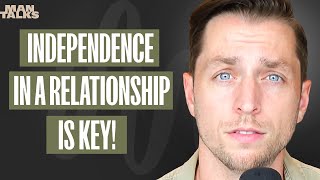
Case Kenny argues that men don't want to settle down, they want partners who amplify their lives. Social media and economic pressure create what he calls "expectation collapse." He reframes mindfulness as honesty and suggests journaling prompts like "what don't I want to regret?" to gain clarity.
Chapters
Settle down. If that is the pitch for a relationship, as a man, I don't want anything to do with it. Yes, sure, I do want to settle down in the sense of I don't want to go to the club four times a week and have a roster of women. But settle down is like an existential contrast to what I actually want in life. I don't want to settle down in life. And I think for men in particular, the idea of losing one's independence is a big piece of fear that then manifests itself in, you know, the various attachment styles. I'm getting more out of life with my girlfriend now than I ever have previously emotionally, physically moving, like, all these fun things that we do. So I think we need to get our heads around, like, specifically, for instance, like, the role of independence in a relationship.
My wife is a marriage and family therapist, and one of the things that we've talked about is, like, a really good, secure relationship are two independent people who are doing life together.
All right, Case, welcome to the Man Talk Show. How you doing today?
I'm good, man. Thanks for having me. How are you?
I am very, very good. Yeah, Things. I. I was talking with some of the guys in the alliance the other day, which is, like, our online membership. We've got, like, several hundred guys in there now. And I was saying, man, life feels full on already in 2024. It's, like, full. You know, it's a beautiful thing. It's a good thing. But it's, like, full already for a number of reasons that I haven't talked about publicly yet. But those. Those are. Those are coming. But it's. It's good, man. It's good. How's life in Miami? I. I'm a little jealous because it's cold and snowy here.
Yeah, man. I don't know. I'd say it feels full as well. It's good to start the year off full as opposed to empty. Right. You know, catch it. Catching up. I love Miami. I mean, I'm. I'm a Midwesterner. I. I still look kind of pale. This lighting isn't really doing me any favors, but Miami is. Is just great, man. It's. It's interesting to, like, take weather out of the equation as, like, a variable in your life. Like, weather really does it. I mean, obviously, there's a lot of science behind, you know, seasonal, defective and all and all that stuff, but, like, it really. Taking it out of the equation really does simplify your life. Like, living in Miami. You just know it's going to Be nice. More or less. You got to worry about the occasional hurricane and, you know, Florida. Florida man syndrome. But otherwise, you know, it's. It's fantastic. It's, you know, I write and think for a living, so having, you know, surroundings that support that is great. There's, like, great people down here. I think Miami has a bad rap of being superficial, fake, and that's here. Of course. It's everywhere. But really good people. Good, like wellness people doing cool stuff, entrepreneurs, writers, creators, people, you know, just kind of breaking. Breaking free of the norm. So I'd say I really, really like it. Nice.
Yeah, my wife and I have been down there a couple times and really enjoyed it, and we were actually talking about going down there in the next few months to get out of the cold just for, you know, a weekend or a week or something like that, and take our boy down there. So I might have to get some restaurant recommendations from you, but let's. Let's dive in. There's a whole bunch of stuff that we're going to talk about today. Where I wanted to start was somewhere interesting. We'll just see where this leads us.
But why.
Why do you think that some women are so worried about this conversation, of being too much? What do they actually mean? What do they think that. What do they think that they mean when it's like, oh, I'm too much for a guy? And do men actually say that women are too much? And if so, what do they mean when they say that? So let's just dive into this conversation because I see this getting a lot more traction lately.
It's a great topic, and it's a phrase I use a lot in my writing because it's, you know, it's a relatable thing, particularly for women, seemingly so. Right. I'm a man, straight man. It seems that a lot of women have been called too much or worried they're too much or even believe that they're too much. Right. So there's something universal in the female experience about this thing. And, you know, I approach it from. From two directions. There's one that's like, all right, let's. Let's be honest with ourselves, right? If you truly are being too much, that is, you're being overzealous, overeager, overthinking, over anxious.
Being literally too much in the form of dating, then we have to evaluate why that is. However, there's also a side of me that's very patient, very empathetic, and I wrote a whole book about this about being too Much, basically not allowing people to. To call you these labels and assume that they are true. Because people are obviously operating from their own points of view. And in a lot of cases, I have found with evaluation that when you're called too much or you think you're too much, or you're calling yourself too much, it's usually just a reflection of you're in that moment, you're being honest. And either the person on the receiving end of it is uncomfortable with it or it breaks the norm. In that instance, most people wouldn't be honest. And it takes other forms too. Like, instead of being called too much, maybe you're called difficult or too xyz, too loud or even too quiet or whatever. We're not talking necessarily about boisterousness. It's usually just a reflection of breaking some kind of cycle. Women, though, I think specifically in relationships, certainly, you know, it's a cliche because cliches have elements of truth. Women, I think, tend to. Tend to overthink and tend to go, you know, a million miles an hour. I did an episode recently on how women date from 100 and men date from 0. That is, when a woman meets a man, he. She's like, oh, on a pedestal. He's a hundred, you know, he's great. I see our future together, we're going to be married, all this stuff. And then she slowly starts subtracting points, whereas men tend to do the opposite. She's a proverbial zero. And then, you know, she's got to prove her worth in my life. And, you know, perhaps that is, you know, an element of the sentiment of being too much. Like putting someone here or just grasping onto potential so much, as opposed to being more rooted in reality in the middle. So I think there's a lot of different ways to go. But I think usually, you know, an element of being too much is you have this. This thing inside of you that maybe it should be ignored or maybe it shouldn't, but, you know, acting on it too quickly or in the face of other people who wouldn't act on it, usually it creates this label of, oh, you're, you're, you're, you're too much or you're too this, you're too that.
It's a important conversation for many relationships because, yeah, I've said before, like, it's easy to love the parts of your partner that you love, and it's hard to love the parts of your partner that you don't like. And that's like the real test of any relationship. Is when the parts of your partner that you don't like start to show up. And I think what's fascinating is there is this sort of.
For lack of a better term, there's a gender war going on in our culture where there are some men who are not fans of women and there's some women who are not fans of men. I think that there is, you know, a lot of animosity, whether, you know, it's guys that have been hurt through a divorce process or through a, you know, through a breakup, women who have felt betrayed or used and hurt through a divorce process or breakup. And, you know, those folks go out in the world and there's almost like this chip on their shoulder. And I. I do think it's important to have dialogue around, you know, this notion of too muchness, because I think for some women, it can be this, like, I'm going to walk around like, I don't give a. And that I don't need a man at all. And for a man that's going to get oftentimes coded as, oh, you. You actually don't want me in your life, and you're sending signals that you don't need or want me in your life. And so I'm not going to pursue. And for, I think for a lot of women, it's like this badge of honor that's starting to get touted around in, like, the bad bitch culture. And, you know, it's like, if he's too much for you, then he's not, you know, not the right one. But then they're single for five years and miserable. And so I do think that it's. It's like, it's an important dialogue. I know I just laid a lot out there. I'm going to stop and let you.
Weigh in on some of these things now. Dude, this is such an interesting conversation because I spe principally with women that, like, that's who gravitates to my. Towards my content. It never was my intention. If anything, I would have loved to set out to, you know, to have more of a similar audience for you, like, talking to men and doing these things. So it's really interesting how we're meeting here in the middle. Yeah, I mean, I think there's, you know, I think for men, amidst all the things that make men, you know, frustrated with women or develop this, you know, men versus women mentality, it's. It's the word entitlement. And I think a lot of women are fueled by this idea of being too much and being like, here's who I am. I'm wild, I'm crazy, I'm too much, I'm extra. You have to deal with it because that's who I am. And you know, I hear things like this. And again, I double down on the fact of being patient and understanding. Like, we all, we're all coming from someplace with these beliefs. You know, unfortunately, the Internet has brainwashed some people. There's extremes on the Internet that are unhealthy, but for the most part, these are coming from someplace. So like, where is it coming from? Let's try to understand it before we judge it. And I just think.
In the instance of take me as I am, it's an entitled idea. And I think the number one turn off for men is and should be entitlement. I think there has to be a mutual understanding of how my actions affect other people or lack thereof. And if it's not there, then it is entitlement. So I think for a woman, realizing that, you know, if you have been told repeatedly that you are difficult, for instance, which is, you know, a common thing, where is it coming from? What is the root cause? Like, just because you've been called difficult doesn't mean you're a difficult person. Perhaps there's elements of you that are presenting themselves as difficult. And the solution, if there is, if we're calling it a solution, would be patience, would be self examination, would be realizing, okay, maybe you have these things that you're going through that you're then bringing to the surface in a partner. So I would say that, and I would say, you know, on both sides of the equation, it's always, always, always a matter of, of self examination. And I think to, to your, your first point about how, you know, some men or some women have been through these experiences and they've developed these longstanding assumptions about all men are all women. I think regardless of men or women, I think that is one of the biggest problems that we need to overcome. If we're talking dating culture in 2024, to have gone through a couple of experiences. Let's say you date women and say all women are this way or all men are this way. I have a big problem with that. Of course. For one, it doesn't really make logical sense to me. Let's say you've had 10 really, really bad experiences, really bad dates, really bad relationships. To say that all people, all men are, all women are like that. To me, logically, that would mean that love is not worth the risk. Or like, why is, why are we Dating. Like, why is dating worth the risk? Or we all know it has a risk. The risk would be, you know, betrayal, heartbreak, cheating, lying, having your, you know, feelings hurt. Right? But we're willing to take that risk upon ourselves. When is it worth the risk? Logically, to me, it's only worth the risk if after each bad experience, you're willing to wipe the slate clean and not say all men are this way or all women are that way. But I think a lot of us skip that step. And of course, we're learning from our past. We're not, you know, being like la la Lando. The next person will be different now. We're, we're being smarter, we're being more aware. But I think we need to get our heads straight about this idea of having hurtful experiences but being willing to. I, I call it wiping, Wiping the slate clean. Because otherwise, then it's. It's not worth the risk. Like, it, like, logically, it's not worth the risk. Like, why do we do anything in life? We do it because we know that there's a, a modicum of possibility of success. But if we're saying all men are this way, all men will hurt me, all women are crazy, then we should not be trying. So we literally should not be trying. We're setting ourselves up for that failure. So I think we need to get our heads right around that before we go into that process of trying again. Because otherwise then it's, don't think of a yellow car. Yellow car. Spot a yellow car. We're just going to continue to repeat these cycles. So I just dumped back at you. But that's kind of my thoughts on this idea of 0 to 100 of experience to assumption.
What do you think guys are actually trying to communicate? Because I don't know if I've actually heard men say she's too much. I don't think I've actually heard men use those words almost ever. And so there seems to be this communication gap where there's an interpretation from, from women where it's like, I'm too much for him. So what are men actually saying in those instances? Because I don't actually, I, I've never worked with a guy who's been like, oh, I'm dating this woman. She's too much. Like, she's just too much for me. I've never, I've literally, in the 10 years that I've been working with men, I've never heard that phrase spoken. I've heard a lot of other things. But what do you think men are actually saying that's getting interpreted by women as I'm too much?
That's, that's funny. Yeah. To be honest, I haven't either. Like. And you work with men mostly? I work with women mostly. But yeah, I've never, I've never said that myself. Usually in my past, when I was, you know, single in my 20s and dating, I would say maybe she's too needy. I think is more of a common response to a woman being too much. So perhaps it's, it's more of a self prescribed title of being called too much because to our conversation, it's one that's easily flipped into an empowering statement which, which again, I do think is good, but it can't be blind, blind empowerment of take me as I am and if you can't handle me, then that means you're here and I'm here and this whole. So I think, yeah, usually from my experience of men, it's she's too needy or, you know, too, too sensitive or, you know, too nagging or these things or like, you know, you know, wants too much from me. Perhaps there are some of the, or too quickly, too early, I think are probably some of the more practical notions. And then I think, you know, that then turns around and becomes, for women, becomes a reflection of, you know, identity as opposed to an element of interaction. Right. You know, you know, and it comes back to attachment styles and stuff. A woman who, you know, wants assurance often, you know, is told maybe she's needy. Okay. You know, from his point of view, maybe, maybe that's true. Maybe in his experience that's, that's she does appear needy because he doesn't need assurance and his past girlfriends didn't need assurance. And there she is being told she's needy. And she extrapolates that into I'm a needy person, which means I'm an extra person, which means I'm too much, I'm too much for him, he can't handle me. And we go round and round and round. So I think from both cycles, again, it's a matter of evaluating it not as an identity but as a, as a practice, as something that is being done as a verb as opposed to an adjective. So something to think about.
Yeah, I like the way that you're framing that. This notion of neediness or needing too much from me, you know, or wanting the relationship to progress too fast, too quickly based on where a guy's at. You know, I think that sometimes those things can, you know, you get the classic anxious and avoidant matching.
Right.
And I think that some of this dynamic that we're talking about is birthed out of that where, you know, say, you know, the. Just in a heterosexual context, like the woman has an anxious attachment style and the guy has a more avoidant attachment style and then her anxiousness around. I want this to move quickly. Like, I want to be with you. Do you want to be with me? And he's like, I don't know, I gotta see, you know, like, let's see how this plays out. Let's go on some more dates. And, and then that can get interpreted, I think, as like, oh, I'm, I'm too much for him, or what I wanted was too much for him. I think on the other side is I've noticed that and, and I think social media has kind of blown this out of proportion. But I noticed that it's, it's much more common for people to have higher levels of conflict relationally. And, you know, social media kind of spotlights some of those things, you know, where you see the, the person that was, you know, betraying the other person getting caught out and that's, you know, flooded around on social media or couples arguing in public and it's like getting recorded and, you know, people's business is getting aired out. But I wonder sometimes because I think what I have heard guys say is she's very combative or very conflict oriented, you know, and it's, there's a lot of like, combativeness and that type of, that type of not just disagreement, but it's like sometimes hostility, right? Of just like, I'm going to get in your face, I'm going to argue with you, I'm going to be aggressive about it. And I think for some men where that type of disagreement happens relationally, and it's like, well, that, that I'm not interested in, right? So a lot of guys will start to pull away or they're just like, I don't know how to deal with this because you're being, you know, pretty loud and like, pretty aggressive. And, and I think for, for men, what I've noticed is that for a lot of guys, they don't know how to.
Resolve hostile conflict with a woman. Because the framework that most men are used to is dealing with hostile conflict from another man, where all of a sudden it gets loud, it gets aggressive. And that usually means it's like, oh, we're going to fight soon. You know, it's like usually when it's elevating to that level, it's like, oh, some physical altercation is coming, right? And so I think for a lot of guys when that level, when they're dating somebody and say, you know, you go through like the six month phase and all of a sudden you find yourself in a period where there's a lot of conflict and hostility or maybe, you know, maybe your partner is a little bit more aggressive than you're used to. I think for a lot of guys it's, it's like totally foreign territory and they're not really too sure how to navigate those waters when a woman is more over the top, aggressive and etc. So what, what are your thoughts on that?
Yeah, my thoughts are for sure. I mean, think about like how guys resolve conflicts. It's like we, for more, more or less, like we get it done, we put it out there, we, we get boisterous, we get it done and we settle it. Is there anything from my experience with women that is not the case? It ebbs and flows and festers and you could think you have resolution and you don't because the right words weren't said. And she won't necessarily tell you what the right words are that she wants to hear. So obviously there's, you know, we can, we can talk about communication, but I would actually go back and think, you know, to where, where you started. Your point about social media, I really do think it is a core catalyst for a lot of these things that we're describing here, these expectations that have been set and perpetuated on social media. And a lot of women in particular saying, oh, oh, yeah, oh, this is real, this is real. And if they don't see it, that's where things get in trouble. For instance, the one that I keep seeing on social media is that women saying this. And I see some men saying that too. I'm curious what your thought is. I don't really agree with it. It says that men know on the first date if they're interested in a woman, they just know, they know immediately. And I don't think that's freaking true. Like, I'm with my girlfriend, love her, she's fantastic. She's the one for me for sure. But three dates in, I was like, I don't really know yet. I don't really know. Absolutely. So you know, I'd love your thoughts on that. But I react to that. And I see a lot of women thinking that that's true. And so she goes on a date with a man, goes on another date, third date, she's like, okay, well he Obviously knows that I'm good for him. So we're locked and loaded. And then when those expectations aren't met, all this conflict starts going to the surface, all of these shenanigans.
So I just see a lot of, I just see a lot of these social media driven expectations that I do see a lot of women grasping onto as truths and when they're not delivered upon. That's where we get to the other point of what we're talking about here, this conflict that what exactly was the catalyst for the conflict? Is it truth or is it expectation? Are we dating from expectations? Are we dating from a place of truth and patience and intention, like all these things? So I'm actually curious, not I'm interviewing you, but what do you think about that idea of men? Men know right away. I, I don't think it's true, but you know, that was just my reaction.
Yeah, I mean, I think there's a bit of a dis. Like what I would call a desire projection, you know, in that instance. Right. Where women desire a man to know very quickly. Yeah. Whether or not he wants to be with her and that gets projected out onto him of like, oh, you must know, like, you know, whether or not you want to be with a woman. I think for, for a lot of guys there is like a testing phase. Right. Where the kind of like, you know, how do we get along? Do we have good physical attraction? How's the communication between the two of us? How do we handle conflict, those types of things. And so I think that, that, that is very, very true. How would you say that something like social media has altered long term couples abilities to maintain intimacy and healthy communication. How has social media impacted those types of relationships?
Yeah, it's something I think a lot about, like even just words that are perpetuated, like I'm at war, I'm writing a book right now about one phrase and it's the phrase settle down.
You know, I think social media has perpetuated this. Right. Like when it's time in your life to settle down, then you'll find a partner and you'll go and you'll settle down and you'll start a life and you'll build a life together. And you know, I think settle down is so synonymous with settling in a sense for sure. Because I mean, think of it like settle down. If that is the pitch for a relationship. As a man, I don't want anything to do with it. Right. Settle down to me seems the worst case scenario. Yeah. Yes, sure. I do want to Settle down in the sense of, I don't want to go to the club four times a week and have a roster of women that settle down is like an existential contrast to what I actually want in life. I don't want to settle down in life. And I think for men in particular, the idea of losing one's independence is a big piece of fear that then manifests itself in various attachment styles, dismissive, avoidant, whatever it may be. And then you have that conflict with anxious attachment styles. So the idea of settling down, losing independence, as, you know, the inevitability of a relationship, I think is a big problem. Because of course, that's not true. Like, I'm getting more out of life with my girlfriend now than I ever have previously. Emotionally, physically moving, like, all these fun things that we do. So I think we need to get our heads around, like, specifically, for instance, like, the role of independence in a relationship for both parties. Because women are very much thrown by the idea of independence. They think if their man wants to do things alone, something's wrong with the relationship. Independence is a red flag. Independence is a sign that, oh, something's up. And then men, on the other hand, you know, for myself very much included, like, I used to react very adversely to the idea of commitment because I just assumed that it meant losing my independence. There's something called the dependency paradox, which is, you know, something that just plays out in child rearing and adolescence, where the more attached, like the good attachment, not like co. Co dependency, the more dependent, call it a child is with their caregiver, the more independent they're in. They're. They're empowered to be right like a little kid. If they know that their mom and dad love them, they're more willing, as you probably play out in your life, they're more willing to take a first step or hurt themselves or do something crazy because they know that their parents are going to support them and be there for them and love them. And obviously we're talking adolescence and childhood. But I think about that same idea in adulthood. Like, the. The more. The stronger your connection with your partner is, the more empowered you should be to be independent, because, you know, you have that bubble. So you shouldn't see your man's inclination to go and do something alone as a threat to the relationship. And he should say, our relationship is so strong, I should be empowered to be independent. I shouldn't have this assumption that commitment means losing independence. So I think a lot about the role that independence plays in a relationship, and I think it's of part, probably one of the most important aspects that isn't really talked about that much because again, to the question about social media, it's like you're settling down. Two souls are becoming one. Your life is Costco runs and children. And of course, children obviously change everything. And I don't have that perspective, so I can't speak from that. But I still think on a fundamental emotional level, the idea of settling down is not the purpose of a relationship. It should be amplification. And that's a monologue on that. But like, I think a lot about, like, what is the purpose of life? Like, is, are there different purposes in life when you're single versus when you're in a relationship? Well, certainly when there's kids in the equation. Right. Total game changer. Building a legacy, passing down wisdom, raising children. Of course, there's different responsibilities, providing resources, financial, of course, of course. But I still think fundamentally on an individual, one to one level, you know, the purpose of your life, just throw out a cliche, is to, you know, to experience life and to get as much as you can out of life. I still think that purpose is the same with a partner. And their role is to amplify all that happiness you've created on your own and you do the same for them. The final point I'll add about that is I was with Rachel Hollis a couple months back. She wrote that book, Girl Wash youh Face that Women Love. And she's great. I really enjoyed my conversation with her. She made a point when we were talking, she passed over it real fast. She was talking about how she was married when she was 17 and got divorced in her 30s. She was talking about how following that divorce, she realized that she didn't want someone to go and build life with, she just wanted someone to go and do life with. And that phrase really stuck with me because it reminded me of this whole idea that I'm talking about here that so many people, men and women, and I think a lot of social media.
You know, it's derived from social media. This pressure is that we think that a relationship is the thing that finally gets you to build life. Oh, finally. Now I get to build life, right? I get to build this life that I've always wanted. I get to bring life into the world. I get to build the empire that I want to get to do all these things. And I think that's putting so much unfair pressure on us that particularly for women, why there's this rushing, this too muchness, is because they're saying, oh, until I have my partner, I'm not building life. I'm not, I'm, I'm waiting, I'm in a waiting room of sorts. I need to get to this partnership face so I could finally build life with a partner and do all these things. And I think the purpose of life is to, to do life, to build, to do this all on your own and to find someone to do it alongside of you, to amplify that. Not two different purposes, like high level purposes that you need to rush to get to. And I think all these things that we're considering here, social media, these pressures, these generational expectations, doing life versus building life, I think has resulted in a lot of expectations that when they're not delivered upon quickly, I think is a key word here, that's when we have these conflicts.
Yeah, it's almost like what I call it is expectation collapse where the relationship can't hold the weight of the expectations that are put upon it. You know, and all of a sudden two people or one of the individuals in the relationship is expecting the relationship to, to take care of all of their needs. Right. Like, I think, I think one of the detriments of modern day relationships is that people have consciously or unconsciously adopted this notion. And not everybody, but a lot of people have consciously or unconsciously adopted this notion of like, you should be everything for me. You should be my coach, you should be my confidant, you should be my lover, you should be my biggest cheerleader. You should be the person that I travel and see the world with. You should be the person I'm building my business with. You should be the person. It's just like all encompassing. And so we've removed this notion of having a village of individuals that we are doing life with. Right. I can't remember who, I think it was Francis Weller, who's this great American therapist who said, just like it takes a village to raise a child, it takes a village to raise a marriage. And I love that notion because I think for a lot of people, they look at modern day relationships and it's becoming more and more burdensome. You know, it's like you hear the data from dating apps, you see the horror stories online, you know, you hear the, the expectations that are being put on relationships and it's just like, you know, people are exhausted at the notion of it. And then you have people that are in relationships and have been in relationships for a long time and the, the sort of opposite is happening where the, there's this perception of well, there's so much choice out there. There's so much choice of people that I could go and date and, and I'm quote, unquote stuck in this relationship or I've been in this relationship and there's these problems and we don't know how to deal with them, et cetera, et cetera. So I think it's a, I think it's a hard time for relationships. I like the way that you're framing it. I also think that, you know, one of the things, my wife is a marriage and family therapist and one of the things that, that we've talked about is like a really good, secure relationship are two independent people who are doing life together, you know, and when I reinforce your independence and you reinforce mine and we can celebrate that in one another, it ensures that codependency isn't going to like, seep in. And it also helps to, to kind of like level check the expectations that are being put on the other person or on the relationship.
I mean, I think, I think we're very much on the same page. I mean, I think I am very passionate about the idea of independence. Like I am. I'm writing this book that's like almost fully on the topic. I really do think it's the core tenet of a healthy relationship. Which if I think if you asked 1023 year old men and 1023 year old women, I think they would not say the same because of a lot of things we're saying. We assume that independence, we assume that wanting to do things outside of each other is wrong. Or men assume that commitment with a woman means losing that element of themselves. So a lot of assumptions that I don't think are fair. And then to your point, yeah, I do think that there's this unfair burden that we put on ourselves or each other for a relationship. Like, that's why I think everyone needs to get real. Like, we need to figure out what the point of a relationship is and what it looks like and to ensure that the other person has at least a similar vision. Otherwise the pressure is on us entirely. Particularly in the cliche dynamic of a woman trying to convince a man to commit. If she is trying to convince him to commit not just to her, but in general. I'm not a relationship guy. Right. If she's trying to convince him to be a relationship guy, it's so unfair to her. The burden not only of their practical and specific dynamic is on her, but now the burden of her to convince him of the value of a relationship in General is on her. What an unfair, unhealthy dynamic that I think so many people find themselves, and not just women, trying to convince men, but, but vice versa. So I think we need to get our heads around mindfully, you know, the vision we have for a relationship. What does commitment actually look like?
And, you know, how does independence play into it? Are we bought into the idea of a relationship? The question of should you date for marriage? Like, questions like that, that I think are difficult to answer, particularly when you're young and that maybe don't need to be answered when you're young. Like, if you're 22, forget about it. Like, just go and learn about yourself, man. Like, whatever. I'm 35, by the way. So yeah, I'd say all in all, I think this idea of expectations, I think whether they're social media driven or generational or just personal, I think those are the things we need to hack at first before we hop into these relationships and have them expose themselves and, you know, shock us or, you know, surprise our partner.
What do you think about the.
Declining rates of marriage that are happening within culture and society? And what do you think about why marriage may or may not be a quote, unquote, good deal for people anymore? Because I see this a lot online.
And, and I think it's, it's coming from both men and women. You know, I think a lot of women as they've gained their independence. I did, I had Jillian Tureki on the show and we were talking about how 42% of American households, women are out earning men. And it's radically changing the partner dynamics between men and women. And suddenly you have this huge influx. And some of the data that's starting to come out is very interesting in major metropolitan areas, right? There's like 24 of the main American cities, women are actually out earning men, period, in general. And so you have this huge surplus of women that are out earning men that have huge financial independence. But one of their dating priorities is still, I want to date a man who earns as much as me, if not more. And so there's kind of this shift that's happened economically within our culture. And you know, one of the reasons why people used to get married was for financial stability, whether, you know, you had one person income or a two person income household. And now for, you know, I think for some women and for some men, that's, that's just not even in the equation. It just doesn't matter anymore. So I know I just threw a lot out at you Maybe we'll just go at this piece by piece. But what are your thoughts on what's happening to this sort of like, situation of marriage in our modern culture?
Yeah, it's such an interesting question. I mean, like, I certainly don't have expertise here. I know Jillian. I spoke on a panel with her recently. She's fantastic and obviously a great resource for that. I can think of a couple things just culturally. I mean, for one, your points there about the changing socioeconomic variances between men and women. Yeah, I mean, that changes things, certainly. I mean, obviously marriage as an institution previously served a purpose beyond. We're committed to each other because we have so much great compatibility. Right. There was an economic, resource driven purpose behind marriage and now that that's changed, of course, I think the intention behind it has changed. And you know, I be careful here to avoid, you know, you know, red pill territory of how women want traditional men but don't want to be traditional themselves. Like, a lot of the rhetoric, as I'm sure you see online, is around that. There's a point around that that that's, that's fair though, certainly. Like, we're in an age where what is tradition anymore? Is it, is it necessary? Like we're talking about expectations here, generational expectations. Traditional expectations are. Do they serve a purpose that is relevant in 2024? I don't know. So I think there's, you know, differing reasons why people are getting into marriage, certainly. And I think you have some very loud voices online talking about more social media, about, you know, encouraging men not to get married because all it is is paperwork. And paperwork means your, your, you know, your resources, government taken away and things like that. So I think there's, you know, on the male side, there's fear mongering, I suppose. So I see things like that. And then I think you add in the preponderance of social media where there's always someone seemingly better and they're available. These things are available 24 7. So I think you add to the mix not only shifting values and visions and economics statuses, but also just the idea of, of, of commitment amidst how easy it is to meet other people in the past. I mean, think about how you met your, your, your husband or your wife. Maybe there are second, third degree introductions like it was, it was, to your point, it was, it was village driven. And nowadays, and particularly in an era of increased isolation and digital driven isolation, it's much, even though that's true, it's much easier to have these surface level relationships or introductions to people. So I think, yeah, I don't know. I think we're going to look back 100 years from now and be like, oh, my gosh, like, what a, what a perfect storm of variables that are, you know, encouraging people to doubt the institution of marriage as an institution, but also just as an emotional, you know, framework for, for what it means to have compatibility with someone. Does being married mean, you know, you're, you're a healthy couple, happy couple? Absolutely not. I have, I have a couple friend who have no plan on getting married, but they're the, at least on the surface, the happiest, healthiest couple I know. So, I mean, like, what, what does marriage mean? So I think, I think there's a lot to unpack that I'm probably not qualified to react to, but I could certainly react to the, you know, the. How it, how it's applied, appearing in culture.
Yeah, it's. I mean, it's an interesting conversation. And I, I only bring it up because I, I think that more and more and more couples and, and individuals, just men and women in general, are having to reevaluate what is important to them. And because there's such a fracturing and a sort of multiplicity of what's important, it's almost like you have to get very clear on what am I actually looking for and what life am I trying to build for myself. And then, then you can go out into the world and start to find people that actually match up with you in that realm. And I think for a lot of, a lot of people, there was just. There was some basic structures that were in place before that made it. I don't know if we want to call it easier, but maybe made it a little bit more simple for people to mate select. Whereas I think now mate selection has become a little bit more complicated because of all the social dynamics and, and social media dynamics that we've been talking about. But let's, let's shift gears a little bit away from that because it's a little existential and, you know, social commentary. Let's talk a little bit about mindfulness, how it might differ between men and women and, you know, how we might approach it differently, different challenges that, that each of us might face. And then how does it actually show up in our relationships? How do we actually leverage mindfulness to improve relationships? So let's just start with how do you, how do you define mindfulness? This thing that everybody's talking about that is taking the world by storm.
Yeah. I mean, so for me, I was Never ordained to become this mindfulness self help guy. If anything, I've always been a little bit cynical of self help in my 20s, like, who are these people telling me what to do? Spirituality energies frequency is like, this is a bunch of woo woo stuff. And to be totally honest, I still feel that way about some things. Not to say that they're not impactful, of course. It just doesn't work for me and I try to be very cognizant of that. However.
What I've realized is that a word like mindfulness, for instance, a word that I think previously I used to think was for other people. It was for those people who knew what a chakra was or read Buddhist texts and things like that. What I've come to realize in the area that I love to occupy in the wellness space is practical mindfulness, logical mindfulness. Mindfulness, in this case being defined as the art of honesty. I call it the art of sharing your feelings with yourself, sharing your feelings with other people. That's all it is. Like when people ask me what I do for a living as an author, writer, podcaster, I say I share my feelings for a living. Very, very oversimplified explanation of mindfulness. But to me that's what it is. It's the examination. It's putting your feelings on trial and examining them in a healthy way, in a compassionate way, in an empowered way, but a skeptical way. The ability. I mean, it's self awareness, right? We're going to use the word in the word mindfulness is to be mindful of, to be self aware, to practice this art of honesty. That's how I see it on a very, very basic level. But I think about it in the context of men. For instance, I did an episode recently on how as a core tenet, men want to be strong, right? Strength is a very admirable trait. Women want strong men, but a lot of the expectation of men and for approaching talking about masculinity, the idea is strength is head down, power forward, ignore the context, ignore the fear and just do it and just get it done. It's triumph over these things. It's. It's embracing the fear and overcoming the fear. Whatever, whatever the phrase is. And I think a lot about mindfulness in the realm of strength, right? You can't be a strong person if you're ignoring the fear. What makes you a strong person is seeing the fear and overcoming it, right? It's not, it's not skirting the fear and just being blind to it. Whatever context we're talking about Here it's about feeling the thing, realizing that it's an emotional thing, whether it's fear or insecurity or anxiety or doubt, whatever it is, and then saying, okay, here's what I'm going to do to overcome it or evolve through it. Right. So for me, I really relate that back to mindfulness is you can't be a strong person without being a mindful person, because then you're. You're just acting. It's performative strength. It's blind strength. I mean, I guess it's great that you don't even see the fear. I think that's maybe some kind of evolutionary adaptation. You're not even aware that you should be afraid. Fantastic. But I think for the most part, you're talking about strength. You know, you have to feel the fear, the feeling, in order to overcome it. That's why mindfulness is a core tenet of any admirable action. You have to feel the thing. And, you know, I lead a lot of guiding, guided journaling sessions and mindfulness sessions thinking about this. It's like, what does mindfulness actually give you besides awareness? Right. Well, I think it gives you two things that I talk a lot about. I think it gives you closure, and I think it gives you clarity. Those are two of my favorite words, closure and clarity. That's closure from the past so that we can avoid some of these circumstances that we're describing. Here are all men are this way, all women are this way because of this past experience. And then it's an element of clarity in the present which says, why am I doing this? Why am I feeling this? Is this a yes? Is this a no? What is my intention right now open to change, of course, but in the moment, do I have some sort of clarity? I think if you're operating from a place of incentivizing yourself to create closure for yourself and find clarity for yourself, I think you're really going to minimize regret in life, and it comes from the idea of mindfulness and bring mindfulness to life in many different ways, of course. But I think evaluating mindfulness as the art of being honest with yourself, I think really helps simplify it, because we know what honesty looks like. We're pretty good, admittedly, at diluting ourselves into certain things, but for the most part, we know when we're having an honest thought and when we're borrowing a thought or ignoring a thought. So I think coming back to oversimplified definition of mindfulness, you could say it's sharing my feelings. Whatever works for you. But it's obviously the core tenet of anything that would come from it, and particularly strength as an admirable attribute of men.
It's such a funny thing, hey, that we as human beings have such an inherent and almost skillful capacity to self deceive. You know, it's like such a great at it.
Yeah.
It's such a weird part of the human experience where, just like, how the. Did I convince myself to make that choice, you know, to like go down that path which I knew wasn't good, you know, or how did I avoid those red flags and then the relationship? Like, I, I could clearly see them. And so I think I like the way that you phrased it. Right. Mindfulness is the, the art of honesty. I think that that is wonderful framing of it. And, you know, I think in some ways mindfulness is a kind of like repackaging of what Marcus Aurelius, you know, and the Stoics in some ways were really talking about. And like, for me, mindfulness has always been this alignment to the truth of our subjective, objective and inner subjective realities. You know, it's like, how can I align myself with the truth of what's happening inside of me, my subjective reality, the truth of what's happening outside of me in my objective reality, whether that's my relationship or business or finances. And then the truth of the intersubjective reality or the stories that I have, you know, that I inhabit. And the more that we can do that, and we, we generally. We start with subjective reality, right? Like, we start with our internal experience. Is that, is that like a good place for us to start? Should we be starting outside of ourselves, to be mindful, or should we starting internally with our thoughts, our feelings, our emotions, et cetera?
Yeah, great question. Well, I love this idea of contrast. The objective and subjective part that I left out. I mentioned that I was a little skeptical of the space and how I got to this point and how I came to see mindfulness as this thing. I worked in advertising for a long time in my 20s and advertising technology, sales. I ran a sales team. Started as an account executive, worked my way up to regional vice president before I left. I started off as a very timid. I don't know anything about life guy. Sales. I always say sales makes a man out of you in a good way. I always encourage people to, to do an element of sales at some point in their life. So at a certain point, I, I did. How?
How come? Can you just elaborate on that? Why?
Oh, yeah, yeah. I mean, I think Sales.
I agree. I agree entirely. I sold door to door, vacuums and water like that.
It's like the, the. It's like a smoothie. Of all the ingredients of character building. Being able to handle rejection, being able to public speak, being able to lead a team, being able to pitch, being able to convince, being able to build relationships, being able to have a point of view on things. I mean, I think if you're kind of wandering and maybe timid and not very confident, sales certainly can provide at least a framework for you to put yourself in circumstances, to build confidence, to build character, to do all these things. And it very much did so for me. So like I, by the time I was close to 30, I was like, man, heck yeah. I like who Case Kenny is right. I was making great money. I led a team of like 8 or 12 or something and I was like, yeah, this is awesome. But there was this part of me that I was like, man, you know what? I don't. I feel like there's two versions of me. There's outside case, sales Case, who knows exactly what to do, what to say. He's got a 10 year plan, regional vice president, vice president, SVP, blah, blah. He's got, he's got to figure it out. He knows what to tell his troops, he knows how to build relationships, take people out to dinner, do the whole thing. And then there's inside Case, who is anxious, insecure, doesn't know left from right, doesn't know who he is as a, as a man. So I, I just kind of detected this. Inside and outside case, two versions of myself, blah, blah, blah. Fast forward, started the podcast get into mindfulness. What I realized I was doing through practice of mindfulness, through honesty, is I was bridging the gap between those two people so that I was the same person on the inside and the outside, so that there wasn't so much so subjective and objective. There was just case and not case in the sense of having figured everything out and everything is hunky dory. But at least having outside actions reflect inside thoughts and not always for the, for the better. Right? It could be anxious thoughts that materialize in anxious actions, but at least the, the, the line of connection there was honest. So just to further the definition, it was, you know, mindfulness is the art of being the same person on the inside as you are on the outside. And the healthy version of that. Right. We're not necessarily talking about the, the, the anxious type. Um, but I think to answer your question about subjective and objective, I don't Know, I mean, I, if you can't tell, like, my type of mindfulness is very.
It'S a, it's very logic driven. It's almost like being a lawyer. It's like I have lived through a objective reality and therefore I believe B. And it's saying, okay, well let's, like, let's prove this reality to be true in my life. Not just the experience, one assumption, one, like, let's go through and put these, these, these experiences, these feelings on trial and prove them to be true. There's that quote. I forget who said it. But like, we don't learn in life through experiences. We learn by evaluating experiences. So I think experiences for me have always been the core of my mindfulness practice. So you can call those objective realities, right? Those are things that I actually live through. And we're being honest about what happened, right? We're not cognitive dissonancing ourselves here and saying something didn't happen or it happened in a way that we would prefer it to have happened. So I think experiences really are the core of your mindfulness practice because those are the things that are giving you these aversions to commitment or independence or anxious attachment styles. Like, we're not anxious or avoidance just because we woke up one day. Like, these things happened likely in childhood. If you talk to a therapist, not me talk to a therapist, you're going to realize that they're deep seated. But, but I think experiences objectively are the places that we need to go to first and then to use those to kind of challenge or affirm, you know, our mindfulness practice.
How would you say that men can leverage mindfulness to improve their relationship or improve their intimacy? What does that look like? Because I think for a lot of guys, you know, we're very linear, very tactical. And so when we hear these things, I can hear a lot of my audience being like, okay, what do I do? How does this look like? Is it just me meditating for 20 minutes a day and then that's going to help me in my relationship or what's the connection there? So I think some of that might be helpful.
I mean, I always come back to journaling. I think journaling is one of the most powerful practical.
Ways to bring mindfulness to life for a variety of reasons. For one, I mean, bringing mindfulness to life in other ways would require either therapy or would require, you know, speaking these things out. Right? Being mindful and then being honest, being emotional, being sensitive and speaking to it. I think a lot of men, myself included, have always been averse to that. It's awkward, it's not strong, it's not masculine. So like, let's park that there for a second. We should evaluate that. But I think simply start journaling. Journaling doesn't require poetry. There's no audience, there's no right words, there's no wrong words. There's just you. And there's the ability to bring mind and body to the same place.
There's many different types of journaling. Of course I find a good balance between guided and unguided. Prompted and unprompted is the mix. You can't expect yourself to get a lot of value if you're not giving yourself a direction to push yourself in or if you're doing what I think a lot of people, I find a lot of men, they're like, yeah, I'm going to start journaling because you know Tim Ferriss and you know, all these guys, you know, advocate for it. And then you end up in this, in this kind of performative journaling cycle where you're like, I'm grateful for my health, I'm grateful for family today. It's like, it's good. Of course, right? Sometimes you do have to force gratitude, for instance, upon yourself. But like, is that real? Like, are we getting to the, to the core of anything? So I think the outcome of journaling is only as good as, as the input, which would be the power of the question you're asking yourself. So hard hitting questions in an intimate environment with yourself. You can get a journal on pretty much any topic you want. For one, I've created a variety of them, but not necessarily my own. So I think journaling is a great place to start. Certainly I think the reason that I think mindfulness, it's okay to define it as the art of being honest with yourself or the art of sharing your feelings with yourself. Because it really does encompass a lot of other elements of a mindfulness, mindfulness practice, namely gratitude, namely presence, the art of being present. So I think just a 10 minute a day journaling habit can be really helpful. But you have to ask yourself the question that is going to give you the clarity that you're looking for. So I think back to the beginning. It's like, what areas of your life do you not have clarity in? So I think it requires the awareness to understand that there's something troubling you or an area where you're unclear or a cycle you keep feeling finding yourself in. You know, I talk to a lot of guys who, you know, kind of arrive at these Things, well, this is just the way I am. Or maybe I'm not meant for xyz, allowing these experiences to perpetuate. And it's like a pattern is only a pattern until it's not a pattern anymore, right? For the most basic elementary way to talk about things in life. But so how do you break a pattern? How do you break a cycle? I mean, it has to come from a thought, a catalyst, a realization that then is and that then materializes in the form of action. So I always think about mindfulness on its own is like not enough. Like, awareness on its own is obviously not enough. Like, the right kind of mindfulness should inspire action every time. And action doesn't have to mean quit your job and move cities. It usually should result in some kind of conversation if this is a relationship dynamic we're having or a change in habits or whatever it may be. So for men, I, you know, I really encourage action oriented journaling. A lot of verbs, like less adjectives and more verbs like adjectives is a starting point, but more verbs as far as, like, how are you defining the output of this, this honesty that you're feeling? A lot of the style of journaling that I gravitate towards borrows from habit formation communities where, you know, you talk to James Clear or anything like that. You talk about like approaching a goal, right? It's about how do you align your identity with that goal, the verbs, the things that you do. I'm the kind of person who the verb statements that would encompass the honesty that is empowering the goal. So a lot of the journaling that I encourage men to do is very action oriented for obvious reasons what I just described. And also, men want to do things right? We don't necessarily do well just sitting in emotions. Like we want to say, okay, I will feel so that I can xyz. And I think that's fine to tap into. So I would say that, yeah, one.
Of the things, I had a mentor once and we were talking and he was talking about mindfulness. And I was like, why does mindfulness matter? And he said, well, you develop a deeper level of self awareness. And I said, okay, well why does that matter? You know, it was kind of like I was kind of being childish in a way, but I was like, but why? You know, like, why, like, why should I give a shit about this? And he said something that, that always stuck with me, which is because in any situation you want to have as much information and data as possible. And as you develop a deeper level of mindfulness and you develop a deeper level of self awareness. What you're actually doing is expanding your awareness of the information that's happening inside of you and outside of you. I was like, oh, okay, I get that, I get that. Like I definitely do. You know, if I'm going to make a decision or a choice or whatever it is, I want to a robust understanding of the information, you know, and the data and our emotions are just data, you know, it's a different subset of information than the words that are just constantly popping up in our head. And our senses are more information and what's happening in our objective reality is more information. And so I just like that notion of expanding, you know, our self awareness to actually have an awareness of more data and more information from, from which we can operate from on a regular basis or choose from on a regular basis. And I think that that's very helpful for relationships, specifically for us as men, because we can get very myopic. I find that we as men can get very stuck in like the track and the story. It's like this is the problem and this is why it's happening because she's saying this and I'm doing this and, and we just get stuck with like horse blinders on and we miss out on the larger, broader picture of what's actually happening in, in the relationship. So what are some of those hard hitting questions that you talked about? Because I think that's, I think that I like, I would love for guys to have some questions that you've found to be helpful that they can write down and execute on today or tomorrow whenever they decide to sit down.
Yeah, one of the ones that I'm hot on lately, the biggest question in the world, we break it down practically here is like the question of what is the purpose of my life? And we could put that in any context. What is the purpose of a relationship? What is the purpose of my career? Whatever. Big existential questions that we definitely don't want to look back and realize, oh man, I dropped the ball on that in my life. Big zoomed out, purpose driven question. I think it's a question we all want to answer. What am I doing with my life? What am I on earth to do? Like what is the role of a relationship in my life? The danger is to our entire conversation here that I think for the most of us, and it's not because we're naive or bad people, we're likely borrowing a lot of our answer to that question from other people. Right. You could read, you know, any, anything about Mimetic theory or Luke Burgess or Rene Girard and things like that, which I think is really interesting stuff on how we're essentially just mimicking other people. And, you know, that's baked into our biology, which is fine, but I think it's true. Right. We're largely very inspired by other people, social media, what our parents, friends, whatever it may be, we're borrowing. I think it's great to be inspired. But if we're truly going to have the confidence to say, here is the purpose of a relationship for me, here's what I'm doing on this planet for me, and so on and so forth, we have to find a way to cut through all the BS for a journal prompt. The thing that I've discovered is like, how can we find something that is truly personal to us that would help us answer that question that isn't borrowed and that isn't even inspired? The thing that I've come up with is the idea of regret. So to answer the question is, what is the purpose of my life? I like to go backwards and say, what don't I want to regret? And then you put that in a context that makes sense, like, what don't I want to regret about this relationship or my career or whatever it may be. And the reason I do that is you think about the idea of regret. Regret is one of those things that I don't. I don't think so. At least you don't really borrow regrets, right? You either regret it or you don't. It's either personal to you or it's not. You could borrow inspiration, you could borrow whys, you could borrow expectations and visions, but you don't really borrow regret. Regret is one of those things that is very personal to you. You either feel the sting of regret or the expectation that you're going to regret something or you don't. So a prompt that I love to come back to a lot and ask myself a lot in whatever context I need clarity, is what don't I want to regret in xyz? And I just find myself to be more truthful and honest with myself and doing it backwards. And then of course, the next step, action oriented, would be, well, what actions would help me minimize that regret? And so on and so forth. But the idea of using regret as a lens to find more honesty with yourself because it's a more personal emotion, I think does the job.
Yeah, I like that Christopher Hitchens said, choose your regrets. And that always kind of stuck with me. You know, it's like, what regrets what regrets am I willing to choose right now? And that's been a filter that I've been using lately because my, my mom is in the final stage of her life and I, you know, I'm 2500 miles away from her and I've been really trying to sit with, are there conversations that I want to have? Are there, you know, do, do I want to go back home and spend time, more time with her than I already have and you know, those types of things. And I've been putting it through that lens of regret, you know, like, what regrets am I okay with if she was to pass tomorrow, you know, or what regret would I be okay with living with based on the situation that we're in? And that, that's been very, very helpful for me because it's contextualized, oh, this is the conversation I want to have. Or, yeah, you know what, I need to prioritize going home right now because I would regret it if X, Y and Z. And so, yeah, that's, that's super helpful. I also, I've really been a fan of stream of consciousness journaling. Just like, no prompt, writing out, you know, where am I at today? What's going on? What am I feeling? What am I doing? Um, like that type of stream of consciousness what's going on in my head has been very helpful for me because growing up, you know, I very much was an ADHD kid and sometimes just like puking out the thoughts in my head, like the narrative that's just going on and the randomness and the emotions that would come up was really good because it was kind of like emptying the cup. And, and then I would find that I would have more space and then suddenly a much deeper form of journaling or, or thought process would start to emerge. And people that have listened to my show long enough have probably found that where I like, I will, you know, let a bunch out and then come to this, like, thoughtful question. People have commented on that before. Yeah, so I like that form of stream of consciousness, especially for the guys that are, that have a very thoughtful, fast internal thought process. I find that for a lot of men, that's helpful. And then I like the questions like, you know, what truth do I know I've been avoiding my life? What action have I been avoiding? Like, I like the avoidance based questions because that, that can usually put us into contact with action immediately, which can be very, very helpful.
Yeah, I, you know, stream of consciousness journaling for me has always been something I stray away from because I traditionally haven't been very good at it. But, you know, as I've realized, mindfulness, much like anything else, is a muscle. And the more you practice it, the better you get at it. So that you can sit in silence in a judgment free space and find your ability to. It's like focus, but not focus to have a stream of consciousness that isn't being directed but has like direction to it. You know what I mean? Direction in the sense of honesty. Like one of the things that I do. You know, a lot of people start journaling as a gratitude practice, which I think is fantastic, right? Gratitude gets you into the space of honesty, which opens up different pathways to different areas of honesty. But to my point, like performative gratitude, journaling, I think doesn't really get you very far. One of the things that I found when it comes to stream of consciousness is like. Like if you struggle with stream of consciousness journaling because you're distractible or you just can't find a way to really immerse yourself in honest is immerse yourself in an emotion. Like give yourself a slight prompt, a slight emotional prompt. Like one of the ones that I come back to is, I'm sure you're familiar with Thich Nhat Hanh, the Vietnamese writer, peace activist. Amazing, amazing work. But he's got that quote about the non toothache, if you've ever heard it, where he says, when we have a toothache, we know that not having a toothache is a wonderful thing, yet when we don't have a toothache, we're still not happy. He says a non toothache is a wonderful thing. Basically the opposite of pain, the opposite of frustration, the opposite of xyz, negative emotion is a wonderful thing. And so one of the exercises that I like to do for myself that allows me to have a slight direction but to be free is in this moment, create genuine gratitude for myself by immersing myself in a previous emotion that was negative or previous experience. Like if you broke your arm that sucked. Not having a broken arm right now is an amazing thing. Or if I was sick last week, not being sick right now is an amazing thing. Immerse yourself in the prior emotion and then right from your current emotion and just write from that space of like almost like deliverance from. From the past, the non toothache. So I think little things like that can like push you in the direction of, you know, allowing yourself to be somewhat fully stream of consciousness, but also having a little bit of direction so that there's. There's some guardrails to it.
I also like the what's true right now? And I like, usually if I'm, if I'm really stuck, I'll just put what's true right now is. And then I'll answer that prompt. And it's usually like, I don't know what the hell to write or, you know, I'm judging the shit of myself because I think I should be doing this journaling better or, you know, whatever it is. And then that usually gets the ball rolling or it'll be, you know, what's true right now is I'm, I'm tired or I'm feeling excited about X, Y and Z. And that will usually help me just like get right into the stream of consciousness writing. Because oftentimes it's like, sometimes I'll even write about the block. You know, it's like, well, I'm feeling a block. You know, what's true right now is I'm feeling a block around just writing like, I don't want to do this right now. I have a billion other things to do. And sitting down for 10 minutes is frustrating the shit out of me. And, and then that'll, you know, that'll be the, that'll be the start of my journal entry. And then it usually turns into something meaningful or it just becomes a space for me to get out some of the frustrations and have some awareness around, you know, the irritate, the irritability that was pre existing before I sat down to write and journal. Odd question. How do you think. Or maybe a wonderful question, I don't know yet. How do you think AI is going to.
Impact the mindfulness space and the way that we interact with human consciousness and this exploration of meditation, et cetera?
Great question. I think my immediate reaction is good and bad. I think on the, you know, we opened our conversation with labels, right? Too much. I think if you were to like, be like, oh man, I'm feeling anxious. Let me hop into ChatGPT, for instance, the most basic AI tool that everyone has access to. And you were to be. And you were to use ChatGPT as your therapist for a moment and you were to say, I'm feeling overwhelmed and imposter syndrome. The output you're likely going to get is you are likely suffering from XYZ syndrome or you are having an avoidant attachment style, which I think, again, is totally valid. But I think there's a lot of danger in attaching our fragility to these labels and saying, well, you feel this way because you are this style or you have this love language or whatever it may be. I think humans, obviously, we crave labels and we crave simplicity and we crave clarity in the form of I am this because of this, this means this. Like, we love that. And of course, I do too. And I think there's immense value there, right, to at least get clarity and then to evolve through it. But I think perhaps, to answer your question, I think AI is going to push us in that direction very quickly because all AI, I don't really know the science behind it, but it's just, you know, it's directory, it's pulling from information that's already been written and it's saying you're this. So I think.
Perhaps that's a danger of it. But I think, you know, our relationship with AI on the wellness side and the mindfulness side is going to be as good as the questions that we ask it, right? So if we're asking it to, you know, help label me, my attachment style, we're going to get the attachment style answer. But I think if we ask better questions, perhaps we can get better answers. I'm not too sure what that looks like, but I would think that of all the areas of life and jobs and careers that are going to be perhaps negatively affected, I don't think wellness will be on the therapy side. Like, I don't think a therapist job is going to be affected because I think, you know, the power of. I was meeting with my friend yesterday and, you know, talking about the power of a, of a seasoned therapist is their ability to listen and to be curious and to just offer presence before they even ask any questions or get to any, you know, perspective offering. And I don't think that'll ever be, you know, offered by AI. So that would be my reaction. I'm curious what yours is.
Yeah, mates. I think there's a number of things that are.
I think there's a number of factors that play into it. It's, it's interesting because I agree with a huge part of what you're saying is like social media has already over pathologized us to the nth degree, right? So many people are labeling their exes, right? He was a this and she was a that and avoidant attachment and, you know, emotional narcissist, blah, blah, blah, with like zero.
You know, with zero real psycho education behind them to be able to clinically diagnose or understand that, you know, what that actually means. And so I do worry that AI will create an even greater level of pathologization within our Culture and, and create even more objectification and dehumanization of people. Because in, in general, that's what tech has, has done. It's brought people together for sure and it' of things possible, but at large scale, I think the impact on individuals is that it, it, you know, it commodifies people. And we see this with the dating apps, right? It's like dating apps have turned dating very, very transactional and there's a dehumanization that happens in that space. And so I, I worry about it a little bit. I think, you know, I think you're right to a degree. I do think that there will be therapy apps probably within the next two to three years. I mean, my wife and I have been approached around, you know, working on some of those and it's very interesting conversation. I think that they will be helpful to a degree for asking questions and having people to start to self reflect. But I think that what you're saying is spot on, is that a really good therapist, whether it's virtual or in person, in part is meant to.
Meant to help you connect to self awareness. And as my, my current colleague and friend and mentor says, you know, part of what we do at men's weekends is like me and him, we share our nervous system with the men that are there. And part of really good therapy is almost like a reset for your nervous system and the stories that your brain is running. And it's very hard to get a technology to reset your nervous system or to help reorient, which might be a better word, reorient your nervous system to a more comfortable baseline of homeostasis where you are more calm, more peaceful and more grounded. It can help you intellectually figure things out. And so I think what will happen is that we'll go down this pathway where people will start to what I call like psychologically prune the hedges of their ego more and more and more and more and more. And they'll get exhausted with that because they'll be using AI therapy apps and whatnot. And then they'll get in the presence of a really good therapist and it'll be like, oh my God, like this is, this is what I've needed. So I think it'll be interesting. I do think it will in the short term, maybe help people meditate better, you know, and create access to certain things for people that want that technological support.
Yeah, it's a fascinating. It's hard to kind of predict how that's going to unfold. Do you think that AI is going to Relationally hurt people more because I worry about people going offline more and more and more. Like not like unplugging from, from dating and plugging into, you know, makes like, create your own boyfriend, create your own girlfriend.
I mean, literally. It's funny because I just looked down on my phone to check the time and I see an email here from some publicist asking if I wanted to interview someone about creating AI girlfriends. So, I mean, yeah, I think I, I think it's going to come with, with, with anything. Any innovation comes with upsides and downsides and you're going to have to cut through it. There's going to be temptation, but I think there's going to be a large. To get even more offline to your point. But I think there will be goodness there. I mean, I think. Let's think of some of the upsides of AI the ability to have limitless memory and connective ability for AI to say, hey, you wrote this journal prompt two years ago. Say you've been journaling for a while. How do you feel about this today? The ability to pull things like that, I think could be immensely valuable. I think there will be temptation. I think having an AI girlfriend, as much as we laugh about it right now, I think if we came back together in a year or two years from now, we're going to see it's, you know, it's going to be a huge, huge thing because it's going to offer, it's going to offer, you know, the connection that a lot of men, for instance, are missing. So, yeah, I think we come back to this conversation a year from now. I'm sure we'll have plenty to react to.
Yeah, we'll have to, we'll have to circle back around in a year. Well, Case, this has been a blast, man. I really appreciated your thoughts and your approach to mindfulness and approach to relationships. Where can people go to learn more about you? We'll have all the links to these in the show notes.
Yeah, thank you, man. Thank you for having me. You have some really good questions, questions that I'm not typically asked. So hopefully I gave some people something to think about. Case Kenny on Instagram, I host a podcast, it's with the SiriusXM network called New Mindset who Dis. It's basically me taking a complex topic and then for 15 minutes breaking it down with my variety of logical mindfulness, regular guy mindfulness. So people can check that out if they want. I appreciate you. Thank you for having me.
Awesome, brother. Well, thank you so much. And as always, for everybody that's out there tuning into this, don't forget to man it forward. Share this episode with somebody that you know would enjoy it and enjoy tuning into it. And until next week, this is Connor Beaton signing off.
More from Connor







How to Raise Strong, Unshakable Boys in Today's Culture, with Dr. Shefali Tsabary



