No More Mr. Nice Guy. Connor Beaton & Dr. Robert Glover
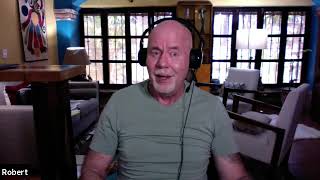
Conversation between host Connor Beaton and Dr. Robert Glover exploring personal recovery, surrender, and relational repair. Dr. Glover recounts a recent serious health crisis (tumor in his small intestine, ~30 lb weight loss) and earlier family deaths that shaped his relationship to surrender and death, then connects those experiences to men's work: shame as a root of "nice guy" behavior, the need for differentiation, and a practical three-page relational-audit exercise to build cooperative/reciprocal relationships.
Questions this video answers
About 30 pounds.
A tumor blocking his small intestine (described as about golf-ball sized).
64 years old.
drglover.com
Chapters
All right, Dr. Glover, welcome back to the Mantalk Show.
Connor, thanks for the invitation to come back.
Yeah, this is long anticipated. I loved our initial conversation. I think you and I connected. Man, oh, man. I mean, I must have only been running the podcast for a little while, but that episode is still one of the most downloaded, one of the most viewed on YouTube episodes that we've produced, and it just gets ton of traction. And I think it just speaks to the accuracy of your work and how what you describe in no more Mr. Nice Guy really is poignant for a lot of men. And so it's an honor to have you back on the show and get to dig back into this with a whole new lens and framework on my end and just sort of spark the dialogue there. So I'm curious for you. You know, you and I spoke about two years ago. I'd love to just hear, like, what's unfolded in your life in the last couple of years. How's. How's your growth and development been? How's your work been? How's just life in general?
All right. You know, it's interesting because I came up to Vancouver at your invitation. It'll be three years ago this fall. I think it might have been September, October, coming up on three years ago. And I didn't know it at that time when I came up, but I was sick, and I didn't know how sick or what was up, but, you know, I'd lost some weight and I was feeling good about it, actually. And then. And then over about the next three months, not long after I was up there with you, really started having some real serious health problems, mainly just some real. A lot of problems in my stomach, a lot of cramps, a lot of pain.
Couldn'T eat, couldn't use the bathroom. Well, over about the next three months, I lost 30 pounds, went to several doctors, both here in Mexico, where I live and up in Seattle, where I'm from originally. And nobody could find what was wrong with me. And that's probably the scariest part of it all. I mean, I had, you know, the pain kind of came and went in waves sometimes, keep me awake all night sometimes, you know, it wasn't so bad, and I didn't know what would make it better, what made it worse. Over time, I kind of figured it out, but. But nobody could figure out what was wrong. So, I mean, I was misdiagnosed and mistreated in several different ways. And even the gastroenterologist in Seattle just said, well, maybe you got some exotic Mexican bug You gotta outlive.
Luckily, probably not a minute too late, I found a good doctor down here in Puerto Vallarta, where I live. And he ran a CAT scan and said, ran a couple, actually, he said, you got a tumor block in your small intestine. And he said, we need to take it out right now. I said, give me 24 hours.
Let me get a few things lined up, you know. And so I went into surgery in a Mexican hospital with a Mexican doctor that I didn't know. And it came out beautifully. I didn't know it at the time, but his partner is a world famous teaching gastric bypass doctor. So that's all he does, is do these laparoscopies for Eclipse and, you know, know, staples. And so I had, like, the best working on me, and I came out of it two weeks later. I flew up to Seattle and led a workshop. And also not, you know, just a couple months after that, I did my first mankind project weekend. And then the weekend after that, that did a weekend retreat workshop with a coach that I'd started working with whom, you know, John Wineland. And so I did his men's leadership training program. I'm just starting my third year doing that. So really, since I last saw you almost died, surrendered into death, got comfortable with the idea of death and learned to surrender, which is a beautiful skill to have.
And done a lot of just really great work with John, met a lot of great men, expanded my life in that way.
When I met you, I think I maybe was coming up on my first anniversary for my wedding. We hadn't been married quite a year, so that relationship tends to grow. And it's a fun challenge in that my wife doesn't speak English and I didn't speak a lot of Spanish when I met her, but that's kept getting better. And then here we are right now. You're hunkered down up in Canada, I'm hunkered down in Mexico, weathering out the whole coronavirus, trying to make sense of that and make sense of everybody's reaction to it.
So here. Here we are.
Yeah, I was gonna say, I mean, speaking of an experiment, enforced surrendering, you know, like, we, we globally are sort of in a. In a position. It's interesting to see, and I don't want to get too, too much into this, but, you know, it is interesting to see how our relationship to surrendering shows up in moments like these where, where we are forced out of our normal comfort zone. We're forced out of our normal social contracts. You know, that we, that we have with society, that we have with our social obligations and we're sort of thrust into a position of having to adapt and change very quickly. And surrendering is a really big part of that. It's been interesting, at least on my side, watching how people respond to this because it is quite telling. Even the people that get hyper reactive and want to buck against it and you know, don't want to follow any rules or you know, the hopes and the conspiracies and everything that's sort of unfolding. I, you know, I was talking recently with, on another show and I was talking about how isolation equals amplification and this idea that when we isolate ourselves, it amplifies what's already being manifested inside of us, right? So if we isolate ourselves and there's a tremendous amount of anxiety that gets amplified, or if we have anger that gets amplified, if we have shame or pain or whatever the case may be, our dysfunctions get amplified, our coping mechanisms get amplified. And you know, I think it's been very telling to see how this has unfolded. I'm curious for you, how have you seen, how have you seen surrendering, unfolding in the last little while? And then I actually want to talk about surrendering the nice guy because I think that that actually plays into it well.
And yeah, I actually have, you know, like, probably like all of us been, been an observer of the whole, you know, pandemic and marveling at people's reactions on every side of the issue. And.
It'S been interesting to me because I like that idea that the isolation leads to amplification because I don't do a lot of personal coaching, but I have, you know, probably half a dozen coach clients and all, you know, high performing type people that, you know, if they put down the chunk of change to work with me, you know, they're not schlubs. And I noticed at first in my sessions, you know, when this kind of began to hit, you know, I kind of wanted to stay focused on what was at hand with them and the work at hand. And what I realized is that everybody wanted to talk about, you know, the whole coronavirus. And I thought, well, okay, let's just, you know, I'll let the people talk about what they want to talk about. And that that still is frequently the case of it has just created such a state of anxiety. And you know, it really does in a lot of ways mimic what I went through when I was sick. You know, there's so many unknowns. There's unknowns with this whole you know, pandemic.
Unknown about, you know, the origins of it, how severe it is, how widespread it really is since we don't have, you know, widespread testing.
And I think it brings up questions in terms of even the powers that be that say you have to behave in this way. And I think people are questioning, do they have my best interests at heart or is there. I think that's a legitimate question. And so all the unknowns create all this uncertainty. And that's what I was going through for a period of at least three months of not knowing what was going on inside my body. Was it going to pass? Was it an ulcer? Was it gastritis? Was it, you know, impacted colon? Was it, you know, an amoeba inside of me? Was it, Was it, you know, I never would have guessed that, you know, it was like a golf ball sized tumor blocking my swelling. And.
You know, you go looking for answers. You try every, I've tried every Mexican folk remedy that you can think of. I turned some down that, you know, when I actually did a little research. I'm not ingesting that. Yeah, I went to good doctors. You know, I went looking for answers. And the hardest part of all of that was just the unknown. I didn't know. I didn't know was I going to die of this? Was this just what getting old was like? I mean, I'm not that old. I'm now 64, so I'm just in my early 60s. I'd always been in good health and for somebody who's always been in good health, that's really challenging to not be in good health. I had no energy. I was taking three or four naps a day. I'd work maybe three or four hours a week on my business. My wife was just watching me die.
And the only thing that got me through that was surrender. Surrendering to the pain was where it had to begin. I mean, I'm awake all night long in such pain that I cannot sleep. My stomach just.
Riveting with pain and all I could do was breathe into it. That's all that helped. I would just breathe, which would settle me. And here I'd be thinking, I'm never going to get to sleep. I have so much pain that as I breathe into the pain, next thing you know, I, you know, I was asleep. And so the surrendering. And I still remember one night just consciously just said, okay, I don't know what this is. This maybe is going to kill me. It may be killing me in, you know, now I don't know how much time I have left, I.
I'm just gonna be with it. This is what is. I have no answers. And that was liberating. And, you know, I'm told that, you know, when they did wheel me into, you know, surgery in this Mexican hospital with Mexican doctors, and I didn't know, but he'd found the problem. So I thought, fuck it, I'm gonna trust him. You know, nobody else found it. He did. But when they were wheeling me in, I was totally the universe, you know, I thought, if I don't wake up, I'm communing with the universe. And, you know, the Valium and IV might have helped some of that as well. But I see the same thing happening here with whole coronavirus. I have not had one moment of fear of coronavirus. It has not caused me one sleepless night, not one moment of anxiety. And I believe it's because I made friends with death and I've made friends with surrender. And, you know, this fucker is bigger than any of us. And if we think we could control it, we're deluded. I don't care how long we stay home, how much research we pour into it. Mother Nature is much just fucking bigger than we are. But we think we can conquer Mother Nature. We think we got control. I see, for me, that's where all the panic I watch. I don't care if it's the conspiracy theorists. I don't care if it's the Bill Gates and Sam Harris's that say we have to stay home until we find a cure. I don't care if it's the elitist that can work for home forever while 95% of the world starves or reverts to crime. Every side I see of it is because nobody is able to fucking surrender to it. And everybody is afraid of death. We can't let anybody die. We can't let grandma die. We can't risk that a child will die. And this is really brought up all of our existential fears of death and what's beyond death that probably majority of the population has never dealt with. I had three family members. My dad, a sister and a brother all die in 11 months of each other, all unexpectedly about 10 years, 10 years ago. That makes you sit down and think about, you know, death in my life and the people I love. And it makes you get real about it. And I just think in culture we avoid getting real about death. And every one of us gonna die. We're all gonna die. Whether we die of coronavirus or some other Thing or other thing or other thing, we're all gonna die. And for me, the big. As I sit and watch what's going on in the world around me, I'm watching a rampant fear of death and an inability to surrender into what is.
Yeah, no, I mean, so. So well said. I mean, it's so well articulated. And I think, you know, it certainly aligns with some of the observations that I've had over the years, and especially about our relationship as men to surrendering and even our relationship to death. You know, I think that there's a direct correlation between the two, right? Our lack of wanting to surrender is a lack of sort of telling death, like, fuck you. I resist you. I reject you in some way. Because there's an ignorance to it, right, of pretending like there aren't things that are completely out of our control, you know, that are just. That are. That are. Are going to happen. Right. Like life is going to continue to put these obstacles up. And so I'm curious for you, like, as you've gone through this journey and started to meet death, and I definitely want to talk about that here in a minute, but how did your relationship to surrendering start to change? What did that open up for you? And how do you feel like us as men need to learn the skill of surrendering?
Well, let me talk about it in the two different death experiences that I've mentioned. One was the 10, 11 years ago began in 2009 when my father passed of a stroke. And then, like three or four months later, my brother died of complications, probably of diabetes. And then the following Valentine's Day, my sister passed away, probably of a heart attack. But other things.
Two things really hit me. One, life is short and uncertain. You know, none of my family members got up on the day they died and thought, I'm gonna die today. None of them went to bed the night before thinking, as of my last day on this earth. You know, that's sobering. You know, none of us get in our car and leave our house in the morning thinking we're gonna get in a wreck. That kills us. I'm not saying we should walk around all the time thinking, oh, no. Oh, no, I'm not. I'm not trying to make anybody paranoid, but every time you drive past a really gnarly wreck on the highway, know that those people did not see that coming that morning when they left home, just like we don't either. And so that was one piece for me. It really hit home. Life is short. Life is uncertain. Whatever you're Waiting on to get around to and live. Maybe go do it now. And that is when I made the definite decision. I've been wanting to live part of the year in Mexico for about 10 years. I went that year. There's no more waiting on it. So it teaches you, get after your life now. Do what's important now. Not thinking. Yeah, well, when, you know, when I get a girlfriend, or when I get away from the woman I'm with, or when I can change jobs, or when I can have enough money, or when, you know, when I have enough time. No, that stuff never comes. Do it now. So that was one piece out of that, losing three families members. The other side was, is that we never know when our loved ones are leaving.
I don't know if you're familiar with Dr. David Snarch, but he wrote a book called Passionate Marriage. I highly recommend the book. Great book. It talks a lot about fusion and differentiation and relationship. Borrowed nicely from a guy named Murray Bowen that I got to hear when I was in graduate school with many years ago. But in Snarch's book, he says, in every relationship, somebody's going to get left. And I remember when I read that, it was one of the most liberating things I ever experienced. Now, a lot of people read that and go, oh, that's terrible. That's terrible. But for me, it was liberating because it's true. Number one, I don't care if it's you and your dog, you and your favorite car, you and a family member, you and your wife, unless we all die simultaneously, somebody's gonna get left. That is the impermanence of life. That's what Buddha talked about. That's just. That's. That's life. And there's, there's manifesting and unmanifesting. That's just what happens in this world, in this cosmos. But we want to ignore that. Oh, oh, no, you know, that doesn't. But when I realized, okay, in every relationship, somebody's gonna get left, that means every day, get up and love the hell out of the people you love. You. You don't know if you're leaving tomorrow or they're leaving tomorrow. You know, my mother just had her 85th birthday a few weeks ago, and I went up to visit her in Seattle, kind of, you know, a coronavirus hotbed. But she had a stroke two days after Thanksgiving, a year and a half ago, U.S. thanksgiving. And she lives alone still.
And I'm thinking, you know, our body's given out on her. So I've Been up. I've been upset three times since the coronavirus started. And, you know, people say, and I'm going, no, she's my mother. If I found out she passed away because she didn't have something she needed in her home, or she had to venture out and get it and put herself at risk, I had something I couldn't forgive myself for. And I asked her, first time I went up, are you okay with me coming up? And she said, yes, of course. First time I got there, she went to hug me. I said, no, let me take all my clothes off, put them in a pile. I'm gonna take a shower, then we'll hug. Then I asked her, what kind of. What kind of social distancing practices do you want us to have while I'm here? And she just rolled her eyes at me.
At 85, she watched her husband, her oldest daughter, her youngest son die in 11 months. She watched me almost die two years ago. She watched herself almost die. I've watched her almost die. When you watch that much death, man, you just learn love the hell out of the people you love and do it right now. Don't. Don't wait till later to say, I love you. I appreciate you. So those were my big takeaways of that death experience. And then the most recent one, I spoke of my tumor. I think probably just. Bottom line is.
I think I just. That surrender got me to a place where I really am not afraid of death. Now I'm still afraid of my short little Mexican wife when she gets upset.
But, you know, you've met my wife, Lupita. But, you know, I'm not afraid of death. I mean, she's something worse than death. I walk on eggshells with her.
But that's because you can see it coming.
You know, when the fire. I see the look, I say, oh, I know what that look means. But in terms of me not existing and even in terms of me having a lot of pain, I think that was my biggest fear. I think that maybe for a lot of people, that's a bigger fear than death. Maybe unending pain is a bigger fear than not existing. And so I had to surrender into pain. And that might have been as big or bigger than surrendering into not existing, but for me.
Gave me a clarity. And what I notice is, you know, like I said, it's really been magnifying during the whole pandemic. But joining the men's program, I'm in. And again, you know. You know, John and. And. And I watch so many of the Men in the program, and I watch what they're caught up in and, and. And even, like, even when they're trying to let go of ego, and it's kind of almost an act of ego to say, look, I have no ego.
And the things that they're frightened of and the things that they think will have meaning to them, which I think is true for all of us, especially when we're young and are masculine and want to accomplish stuff. And.
I always smile and I just, you know, I think, okay, the contribution I can make to these men's life is maybe just help. Help them slow down a little bit, see a little more humor in things and realize that all these things that they're so wound up about and that they've got to get done and they have to make their mark and they have to just, you know, let's just slow down a little bit. Leave a little bit of time in your day for doing nothing. You know, don't be going 247.
And see the humor in it. I think that's one thing that I've noticed is how many men in personal recovery are humorless about it. And it's like, you know, I remember I was a fundamentalist minister many, many years ago in another lifetime. And I remember there was a saying of some people that they were so heavenly minded that they were no earthly good. I mean, like, they were so focused, you know, on this, this. And I can see that in the number of men that I work with in the self improvement and embodiment and consciousness kind of movement is they take it so goddamn seriously. You know what? We're all gonna die.
Yeah.
Yeah. I mean, I think it's. It's interesting because I've talked about this before on the show, like spiritual bypassing, you know, that we can use spirituality as the vehicle for bypassing something that's challenging for us or something that we don't want to surrender to or something that we want to reject or pretend like it doesn't exist or, you know, pretend like we're beyond that or whatever the case may be. And it really. It really is interesting to see that infiltrating different parts of our society. But I love that saying, what was it? Heavenly minded.
That person is so heavenly. So heavenly minded that they're no earthly good.
Yeah, so, so good.
That person is so, so woke, so conscious. You know, he can't even fucking have a good time.
You know, his ego is still driving the bus and he can't see it because he is so egoless. You Know, worked so hard to not have ego.
Yeah. And then. And then the spiritual guilt comes in, you know, relentlessly and makes him. Makes us feel bad and et cetera, et cetera. I think. I mean, it's. It is an interesting.
Topic, and I don't want to derail too much, but I think that there is merit. And just discussing this, how do you see this egolessness, this sort of spiritual bypassing, sort of infiltrating personal healing as you were talking about. Like what. How do you see that filtering in? Because I feel like maybe that's different from sort of like 20 years ago.
You know, that's a good question. I'm not sure I got a clear answer that I've thought out because it's something I've just kind of been beginning to observe because I didn't come into the men's movement through the consciousness door of it or the embodiment door of it, where I'm kind of am right now doing the work. I do this, you know, come down from David Data and John Wineland.
And I didn't come to it from that way. I came through it almost more from the therapeutic door. You know, I started going to 12 steps and then started doing therapy and working on. And, you know, back when I started, like, coaching didn't exist. And, you know, about the only real.
The only real visible manifestations of the men's movement or like the mythopoetic part, you know, John Bly and Michael Mead and, you know, so you went out and drum in the woods and beat a drum and held the talking stick and said, oh. And that was, you know, but I didn't come in that door either, you know, and so, in a sense, I kind of came in a door that didn't have kind of all this meditative, you know, higher consciousness. Now, that's. I've really been drawn to that, and I'm really drawn to a lot of Buddhist thought. I love Thich Nhat Khan. I love Eckhart Tolle. I love, you know, all the present moment mindfulness. I've been drawn to that later on, but it isn't really till I get out into, for lack of a better term, kind of the Southern California consciousness. Mecca, or maybe. Maybe Northern California is included as well of, you know, all the woke men of who for years have been turning nouns into verbs, you know, presence ourselves. This, you know, this drop in and, you know, the whole holding space, you know, just a lot of terminology there's all really actually been pretty new to me. Maybe a lot of it comes out of the whole yogic, energetic area. And. And so it's something I've just really kind of. It's really been hitting me just kind of of late that. That there almost seems to be this thing and, you know, and we got rap Burning man into that somehow as well. It's kind of like we've. We've got to move beyond ego and.
And, and which. To me, I. You know, I. I don't know. Again, I don't know that I have a really great answer for you other than, you know, ego is part of our essence. It's part of who we are. And I think integrating our ego and being conscious of our ego is maybe more powerful than saying, I have to become egoless and selfless and just, you know, just. Just energy manifested in the world.
I think we have consciousness and we have ego, and we have, you know, all these parts of ourselves because they're parts of who we are. And I'm not a big fan of getting rid of any part of who we are, whether it's our dark side or our ego. I think, you know, let's. Let's just have a big adventure and go get to know them.
Yeah, yeah. I mean, it's such a. I mean, this is where. I mean, I've come. I came into the men's work movement from a Jungian perspective. Not. Not necessarily therapeutic because I don't have a degree or license. I mean, my degree is in music, but I think I came in from an apprenticeship standpoint and working with people who are taught in the Jungian perspective and then merged that with the embodiment and some of these other traditions. Right. These yogic traditions. And I think the interesting thing about what you're saying is the rejection of any of these parts of ourselves or the trying to sort of destroy them in some way. It's a very masculine approach. Right. It's like we convince ourselves that we can somehow destroy the ego that we have. You know, that's been with us for decades. And taking the approach of the integration approach. Right. The integrative approach, I guess, is generally. I mean, Jung said, you know, that the closest that man can get to wholeness is by embodying the monster within. Right. And I'm abbreviating some capacity. But the idea, you know, is that we have to, at some point, allow ourselves to face and understand and start to integrate and. And start to meet these parts of ourselves that we want to reject, that we want to evolve beyond. We need to meet them with a sense of grace and compassion and seeking to understand. Is that. Is that roughly what you're saying?
Yeah, I love that because, you know, I think every time I see a Jungian quote anywhere, I go. Yeah, yeah, right on. You know, because he really. He really does talk about, you know, going into the inner darkness and owning it and integrating it and using it for its creativity, its life forces. Whereas I, as a nice guy and growing up in fundamental religion, that said, this is bad, this is bad. You have to remove this. So maybe I hadn't really thought about it before, but maybe that's why I'm a little bit reactive now at 64 years old, far removed from fundamental religion. At times I feel like I'm around the fundamentalist again. You've got to remove this. You've got to purge this. I'm thinking, no, that didn't work well over on this end. I don't see it working well on this end of things either, maybe. And I've really been drawn, you know, more to kind of a tantric approach. I've been reading a lot of Osho, and it's kind of like, you know, there's not a good or bad, there just is. And, you know, let's just go into what is, and we'll actually be a lot more conscious, integrated, and less destructive and more spiritual just by getting rid of the good, the bad, the thing that we have to get rid of. And, you know, just let. Okay, it just is. Let's let go of the judgment of it. And that's. That's been really appealing to me.
Yeah, I think you alluded to something there that I actually want to go a little bit deeper into, which is this idea of fundamentalism maybe contributing to the production of a nice guy or contributing to the manufacturing of some of the qualities of the nice guy archetype. Can you maybe just speak to that a little bit about how you saw, maybe in your own life or you've seen in other men's lives that rigidness or that fundamentalism sort of leading to.
The disassociation, the disconnecting from those darker parts of ourselves.
Yeah, and that's a really good journey to take. Yeah. I grew up in a fundamental church. I grew up on the west coast in Seattle area, so it wasn't near as fundamental as the Bible Belt, which I did live in. And I went and got. I have two degrees in religion, and I was a minister for eight years. I don't know that I ever really bought into that whole mindset.
That kind of. Right. Belief saves you, it's kind of like if I ever did her a sermon on grace preached, which I don't recall ever hearing.
The few I've heard as an adult, you could have titled them grace. But.
I'm thinking if you put a but after grace, it's not grace anymore.
But that's what I grew up with. And I grew up thinking, for example, I mean, I'm not making this up literally, that if I died and had done some wrong, whether I was aware of it or not, and had not before I died, in the moments before Usher, you know, uttered up a prayer to God and in the right form said, forgive me for my sins and if I'd not included and in Jesus name, amen to wrap it up and you know, hit send, I was going to hell for all eternity, right? I just knew that that was what I was brought up believing, right? And.
And oh, your video went away. There's all good. Okay, so. And then, yeah, I went to a Christian college in the southern US and got a couple degrees and got all of that just further reinforced. And.
As I started working with other men, kind of identifying my own nice guy, things like what I was trying not to be in order to be approved of and acceptable, whether to God or, or to a woman or my parents or, you know, an employer, I gotta, I gotta, I gotta figure out what they want me to be and become that. So that's how I was living my life until, you know, I had some big sticks upside my head that, as I said, got me into a 12 step program and then into therapy, then into men's groups. But as I started kind of as a therapist, noticing men coming to work with me, and a lot of them who, you know, it was easy to see were nice guys, had some sort of fundamental background as well. A lot of Catholics and a lot of others with some kind of fundamental religious background. Not everybody, but I started seeing that as a common denominator. And as one guy told me after I'd already written the book, one guy said, you know, I got out of college and what I realized is all my life I'd been told what not to be. And nobody from family to church to society had ever told me what to be to be. Right? And that hit me that, yeah, most nice guys have spent their entire lives trying not to be something, to, you know, not be the sinner in God's eyes, to not be like our father that our mother's been complaining about. To not be like all the other jerks we've heard every Woman complain about since we were in junior high, don't be that, that, but what the fuck are we supposed to be? What? And nobody ever says, you know, robert Connor, go out and be yourself. Go out and be you. Go find out what that looks like, what that feels like, what happens in the world when you just go out and be you. Nobody gives us that message. And that is the essence of what I call differentiation, where you can just go out and be you rather than sacrificing you to fit in and be accepted and belong to something.
And again, if we kind of bring that fast forward to what we were talking about a little bit earlier, you know, I think that that still is happening in the men's movement. Like, don't be the toxic masculine. You know, we've, we've been told, oh, okay, toxic masculine is bad. Don't be toxic masculine. You know, be this, you know, do do this many hours of practice a day, you know, you know, connect with this, you know, be consciousness and. But how about we just be us? You know, maybe that's our practice is every day get up and practice being us and feel what that feels like.
Yeah, yeah, no, I was, I was just gonna, I was gonna say I, you know, I think what you're saying really resonates with me on, on many levels. And I think this is where that idea, the idea of like self love gets thrown around a lot. But it's a very.
It'S sort of very elusive. You know, it's like, love yourself. What the fuck does that mean? Right? Like, what is it? I get that question all the time at events. Like, you know, I've been told that I need to love myself more. How do I do that?
It's like.
I actually, I know what it means now. I actually have the answer to that one. I've got that one.
Yeah, yeah, yeah.
Fire.
Fire.
It's really simple. And actually this is a foundation of what I've been teaching guys in a lot of my workshops recently. And they all go away going, wow, that's so simple and so amazing. All right, I stole a little bit of this from Scott Peck, author of Road Less Traveled. But in the Road Less Traveled, he talks about parenting and healthy parenting. And he says, when parents are number one. And I stress more this more than him. Paying attention to their own needs, in other words, filling their own bucket. That's terminology I often use. That's being a differentiated adult where you take full responsibility for all your needs. And then if they have kids or paying attention to the kids needs and then they're giving to the children's needs in timely and judicious ways. Those are facts, terminology. I add to that in consistent ways as well. I also add into that and protecting them often from each other. As a marriage and family therapist, I've told parents for years, your job is to protect your children from their other parent. And I don't mean that in a negative way. That's why two parents come in handy.
And so if a child is in the world, in their family and their parents are differentiated, getting their own needs met, have overflow, pay attention to their kids, meet their kids needs in a timely, judicious, consistent way, and protect them. The children internalize an emotional belief system about themselves in the world. I mean, all children, we all internalize emotional belief system starting at an early age. And it gets stored up in a really primitive part of our brain that we probably have all heard of called the amygdala. It's the only part of our brain completely online when we're born. It's where our survival mechanism of fight, flight, freeze comes from. It controls respiration, just everything about staying alive. The theory is it stores up all emotional memory, not as picture memory, not as word memory, but emotional memory. And this emotional memory becomes our machine language. Used to call it DOS when Microsoft Word was built, but now it's the operating language, right? And then applications in the prefrontal cortex, the thinking brain, get layered on top of it, but it's run by the machine language. So the machine language that children internalize, they do it in a pre thinking, pre conscious kind of way. It just is instinctive. Peck says that children that experience those core things internalize the beliefs. I am valuable and lovable because, oh well, these big people have been taking really good care of me. I must be worth something. They internalize. My needs are important because the big people look, they keep meeting my needs. And I've added, oh no. His third point is, and the world is like my family. And then I've added, and if children are protected, they also have a core belief, I'm safe. So can you imagine going out into the world as a child, first day of kindergarten, believing I'm valuable and lovable, my needs are important, I'm safe, the world is like my family. Can you imagine negotiating junior high in that way? Early adulthood, college, dating and meeting women, getting married, choosing your career if your core operating system was, I'm valuable, I'm lovable, my needs are important, I'm safe, and the world is like my family. Now, if we don't experience those core things that Peck and I talk about. Children tend to internalize some version of the opposite. I'm not important. I'm not valuable. I'm not lovable. My needs are not important. I'm not safe, and the world is like my family. Now, you can add in one more. In many dysfunctional families, if the children are parentified in any way, if they're brought up to take care of any of the needs of any of the parents, the golden child, they're triangulated, they're incested.
Parentified in any way, the child also internalize a belief system. I'm not good enough because no child can go meet the needs of any adult, but the child believes they should be able to to so add that into those core operating system beliefs. Now already, it sounds like a lot of nice guys you and I have worked with, right? I'm not lovable. My needs aren't important. I'm not safe. I'm not good enough. And the world is like my family, and they go out and recreate that in the world. Okay? My theory is if for children at a very impressionable emotional developmental stage, if the key to feeling valuable and lovable is needs are important, safe, and they're good enough, is having basically their bucket filled in timely, judicious, and consistent ways. If that's the answer for children, why isn't that still the answer for us as adults? And I've come to the conclusion, and when I teach this to people, everybody just kind of lights up that if we will differentiate, if we will take full responsibility for getting our needs met as adults, if we will build a network of what I call cooperative reciprocal relationships. These are people, family members, professionals. You and I have a cooperative reciprocal relationship in that you and I are both getting something out of having this conversation together. If we will take responsibility for filling our life where our bucket's being filled by those things and we're filling their bucket at the same time, our bucket basically overflows. And now, now we are love. We are the essence of love. We're overflowing love, which makes us amazingly attractive to everything outside of us. The world is not particularly attracted, especially all the feminine aspects of the world are not really attracted to an empty bucket. And so we're overflowing. We also tend to attract over other overflowing buckets. And now we can quit even asking ourselves, am I lovable? Does somebody love me? We can quit doing what I call looking for love in all the wrong places, going to seek external Validation. A woman wanting to be with us, making enough money, having enough accomplishment, eradicating enough of our ego, you know, getting enough praise. Those are all looking for love in all the wrong places. Those don't fill the bucket up. They don't give us a sense of really being loved. They're just a fix. They're a hit. That, oh, oh, she liked me. She wanted to sleep with me. Oh, look how much money I just made. Or look at the car I drive, or look at the envy people have of me. Those are not love. And I think if we just break it down to. If we get up every day as a conscious adult and make a priority getting our needs met and keeping that network of cooperative, reciprocal relationships functioning at a high level, I don't think we ever even ask ourselves, are we lovable? We just are. Love. That's my nice little simple formula.
Yeah, no, I think. I think that's brilliant and beautiful and so well put. And, you know, I think to your point, I mean, I've certainly experienced the transition from being in that space of the hyper nice guy that's hiding a lot of parts of himself, you know, infidelities, lies, all those pieces to try and fill that bucket of my needs aren't important. I'm not good enough, you know, whatever the case may be, and starting to do the work to shift into this space of actually, my needs are important, and I can ask for them, I can communicate them, I can articulate them in a way that is clear and succinct and have them be met. And then attracting someone whose bucket was full, you know, like, I think that was. It was such a moving experience for me when I met Vienna, because it was this mirror of, oh, all this work that I've done is, you know, it's not just bullshit. Right? It's real. And, you know, it's not just psychological, you know, fluff that has been blown up my ass. It's actually real. And here's the proof. And the proof was also in the fact that I could show up in that relationship. I could show up in my work, I could show up in my friendships and have that bucket overflowing, you know, And I think that's such an important part. I'm wondering for you if you can expand on the reciprocal relationships, because I think that's an important piece of. One of the things that I found in my own journey and when working with a lot of men who are nice guys is that if they haven't had that, there's sort of like this gap where they're like, I don't really even know how to create this. I've never even seen what this looks like. So can you just unpack that terminology a little bit more and how the men and women on this interview that are listening to this can start to cultivate those types of relationships.
I'm going to give all your listeners a tool. It's so simple. And I hear what you're saying. When I start talking with nice guys about making their needs a priority, you know, I either get a deer in a headlight, looks like shit, I'm in trouble, I have needs, somebody's going to find out, or I just get a blank stare. It's kind of like I have no concept what you're talking about needs. You know, I have no, I don't know where to begin. So these are really common experiences.
Or the, or the nervous system. The nervous system just goes straight into the sympathetic, you know, fight, flight, or freeze. And they, they're like, I can't do that. It's not safe.
I'm going to hell. I'll be unloved there. You know, so here's, here's how I walk people through it. You know, I basically give them that little just presentation I just gave to you. And I usually do it drawing stick figures. I'm doing some virtual workshops now with the whole pandemic. And I've actually turned it into a PowerPoint, which I was really proud of, of myself because I've never really done much in PowerPoint. But here's what people can do listening. It's really simple. I haven't got three pieces of paper, and on each one, just draw a stick figure if they're a guy, just a guy looking stick figure if they're a woman, you know, woman looking stick figure, whatever. And on, on page one, there's three phases to a very simple assignment. On page one, draw a lot of circles outside of you just to begin with. And draw two ended arrows, so an arrow pointing towards that circle and back to you as well. That's what the reciprocal part. There's always a flow where every part is getting some value out of this. And then it helps to get a really big piece of paper, especially for part one of this. I hope some people, it doesn't matter how big the paper is, they're not gonna fill up five circles. But on the first page I have people start putting in those circles the current existing cooperative reciprocal relationships that they already have. And to be very specific, don't just put friends in A circle. Name every friend that you have that you consider valuable, that you get something out of that relationship. Okay? Put any practices that you have, you know, you're going to the gym, working out with your trainer, going to yoga class, daily meditation. Put those in a circle. They're not people, but they're a relationship that you get value out of, that fills your bucket. Put any professionals that you have, you know, your life coach, your accountant, your yoga instructor, your chiropractor, your dentist. Don't think, well, how do I need to put my dentist? Yes, put your dentist. Because we're going to find out why in a minute. And this is a really good graphic image, a nice mind map for people. Number one to go, well, I've actually got more resources in my life than what I realize. And it can also be a, holy shit, I don't have anything. Right. Which is, which can be a good thing to realize. I'm missing a lot. You know, I need a dentist and I don't have one. Or I could use a life coach or a personal trainer. I need more friends, you know, I need an accountant. I need someone, you know, I, you know, so everything, family members, friends, church groups, men's groups, poker groups, you know, whatever. Have a circle for each one and break it down. I find it's helpful when I do this, like in workshops that people share these with each other. So they go, oh man. Yeah, you've got, I didn't even think about that. You know, you've got that on your page, I'm gonna put it on mine. So there's a lot of the cross pollination of people both realizing what, what they have but didn't think about it. And which is going to bring us to page two. We're gonna have another stick figure with a bunch of empty circles. Page two is gonna be what cooperative, reciprocal relationships am I in need of? What do I need to add to my life? So I did this exercise probably about three years ago with a workshop I was leading and I shared with them, you know, on my needs. I really need a different accountant. But actually I'm going to save that to page three. I'll get to that in a minute. I need a financial advisor. I'm starting to make more money, my taxes are going up, I don't know how to manage money. And I said, I'm down in Mexico, I'm married, I'm, I'm a stepdad, I'm not fluent. I have no men friends here. And I could name maybe really two guy friends. I need Guy friends. I thought, I need a coach. So in this workshop, I shared what on my page, too. What things I need to add to my list of cooperative cyclical relationships. And it was in that workshop that a guy who was actually training with me to get certified as a normal Mr. Nice Guy called coach, said, hey, I've been working with this coach for a few months now, and I'm in a men's program. I go, tell me, tell me. He says, john Weinland. It's called this men's leadership program. So I immediately contacted John and he said, well, I can't get you in the program now. It started, but I start coaching with you. Which I was thrilled I did that because I got sick during that time as I'm talking about. So I had. He was a valuable resource. And I started the program about eight months later.
I did another workshop not long after that down in San Francisco, and a guy approached me, said, you know, I attended one of your workshops 10 years ago in Los Gatos. You know, I'm here. Said, you've blessed my life. You've changed my life. I want to help change your life. I'm a financial advisor. How can I be of help to you? And I go, fuck, yeah. I was looking for a financial advisor. And so he's been my financial advisor for. For about three years now. So out of that, identifying what I was missing, what I needed to keep my bucket filled and keep my life working, well, I mean, like, the doors just opened up and they came to me. Now, I'm not real woo woo. But I actually do believe if we'll create intention and open doors and be available, good stuff comes our way. Maybe not what we think. Maybe it wasn't a tumor in our small intestine as what we thought we needed, but, you know, it'll come. So identify page two. What are you missing? What do you need? And then.
Start adding those. You know, if you need a dentist, start asking your friends, do you have a dentist you can recommend if you need an accountant, Ask, you know, the people you know, can you recommend an accountant? You know, just start, start looking, start opening, and then start consciously adding those. They now become page one. All right, page three of the assignment. Relationships that maybe are no longer cooperative, no longer reciprocal, no longer feeding anybody's bucket. And these either you need to spend some time thinking, how do I want to show up differently for these? How do I want to renegotiate? Or what do I need to cut off? Because we do need to keep cutting things off now. These may be kind of personal. They may be family, they might be a spouse, they might be a, quote, best friend that hasn't really been a good friend for a long time. And so maybe we just need to start and sit down and talk with these people and say, I'm not happy with our relationship. Are you? You know, is there a way that we can make our relationship more fulfilling to each of us? Maybe there is if you talk about it. Maybe there's not. Maybe they don't give a fuck, or maybe they don't want anything to be different. Then you have to decide, is it time to pair this way back or completely off? And I've done that. I've done it with some friendships. I did it with an accountant that I was not happy with and got a new one that I'm thrilled, been thrilled with for a couple years. So that came out of that part three of the assignment. My experience, my personal experience and my professional experience, when people do this a couple times a year, sit down and say, what do I got? Page one, you know, what do I need? Page two, what needs some trimming or negotiating or immediately showing up differently for page three.
It really does fill us. It gives us a sense of completeness. And all of a sudden we notice I'm not looking for love in all the wrong places. I'm not thinking, I got to make more money to be happy or I got to have a brand new car, or my kids have to be the top standout student in school, or my partner has to have sex with me every time I want, or I got to have, you know, women or men, you know, whatever our thing is checking us out, wanting to be with us. I don't have to have praise. And all of a sudden you realize that just comes from here. And, you know, I've never been a big fan of just saying, just accept the love that is within you. I've never. That one's never really worked. You are love. Be the essence of love that you are. I've just never resonated with that one. But when I know that I can fill my life with cooperative, reciprocal relationships, surround myself with people who want to give to me, who get joy out of blessing me. I mean, when you contacted me about doing another one of these, I thought, cool, Connor's one of my favorite people. And, you know, I always have a good time and I'm having a good time. It was a no brainer to say, of course. And I also thought, why don't I stay in closer touch with him? Than I do. You know, I like the times I spend with him. So that's how I want to live my life and fill my life with people like you who value me and like me and who I value and like. And we feel good because of the connection we have with each other. Let's fill our lives with those kinds of people and those kinds of practices and professionals and context.
Yeah, I mean, I love the way you're describing it, and thank you so much for providing that resource. I think it's something that anyone can do from home and, you know, could listen to and put out. And I think one of the powerful pieces, because, you know, when we did that workshop about three years ago, you led the guys that were there. I think we had about 75, 80 guys in the room for the day, and you led them through this workshop and through this exercise.
And.
And one of the really powerful pieces is that it's. It's, for me, is that it's where it's very rare that we take a step back and do a relational audit in our life.
And I love that. What a great term.
You know, it's like, yeah, well, you know, we. We don't take stock and everything in life is relationship. Everything in life is relationship. And I think the. The thing that you're pointing at is a few things. One.
Most of us haven't been taught how to do relationships correctly, properly, accurately. It's not described. I mean, it's just shit. Which is unfortunate because every, you know, our success or how, like, everything depends on our ability to do relationships. And yes, the one thing that most of us are not taught, it's emulated to us, but there's often gaps. And secondly, that. That we don't carve out the time to do that relational audit and start to look at the fullness of what's actually in our lives. And that can be so rewarding because you might think that your tank is, you know, half empty or you've only got 20% in it. And then you do this exercise. And, you know, I remember doing this exercise and I was like, oh, shit. Bucket's actually pretty. It's pretty good. I'm surrounded by some amazing people. And so I think it's that. That context shift that very quickly, our perspective can shift, you know, and so I really appreciate you putting that out there. What do you think are some of the. The key things that go into. I know you touched on them, but I would just love for you to just, like, put them out there again and maybe just any More. But what do you think are some of the key things that go into a reciprocal relationship? Like what is, what does that mean for you? How does it look? How does a man or a woman know that they have that reciprocal relationship with someone?
You know? That's a good question. And while you were talking, I thought, you know, there's another piece that really needs to be punctuated here that helps answer that question, is that when we were children, we were helpless, we were completely needy, independent, and we were at the mercy of whether or not people recognized our needs and filled our buckets. Now because of that, a lot of us get to be adults and.
We'Ve never learned that we have to do that. Right. But that's our job now. But we also, if we start doing it, often have a lot of shame or like, oh, I'm bad. And this is especially true of nice guys. Maybe narcissists have no problem doing that, but for nice guys, they have a hard time. And so something I really want to punctuate is that my definition of a mature adult is somebody who takes full responsibility, full responsibility for their actions, their wants, their needs. Right? We don't sit around and wait for someone to figure what our needs are. I know with nice guys. One of the three core covert contracts that nice guys tend to use is that if I meet everybody else's needs without them having to ask, then they will meet my needs without me having to ask. Now that doesn't work because nobody knows what our needs are. But you add to that most nice guys are really uncomfortable having their needs met. We do believe we're bad, we're going to be in trouble, someone's going to be hostile with us. And so we tend to, like I say, the world is like our family. We then go out and co create these systems who are like, with people or situations that are the least capable of actually giving to us, which feels normal and comfortable. Right? It's a ghetto that you know it's a ghetto, but it's a ghetto we're used to. You know, we've been around this town for a while, so not having our needs met feels normal. And so to even say you are responsible for getting your needs met, you're not responsible for meeting all of your needs, but you're responsible for inviting these people and systems and organizations and professionals into your life. That is your job. You can't do it all yourself, but you can bring a tribe in. We can create a tribe. We've existed in tribe for the majority of human population. The Needs were met by the tribe. Everything was communal. Okay? Now it's our job. We got to do that. So what I found is that when a person is kind of confronted with that, and it can take a while, actually, for people to kind of accept and adjust that, okay, this is on me, and it's a good thing. It's not a bad thing. You know, people aren't gonna be mad at me if I started having needs and asking. So what I find is a lot of cognitive and emotional dissonance when, you know, when you hand people that legal pads. All right, let's start talking about what are your needs and how are you going to get them met? And they just stare at it. And if they do start asking people to do things for them, like, one assignment I'll give people. Some of my classes is three times a day. Ask somebody to do something for you that you can do yourself. You know how much panic that causes a nice guy. If I do it myself, I should just do it. No, let's practice asking people to give to you. Let's overcome that, you know, whatever that anxiety is now. So that means we are rewiring our nervous system, rewiring that machine language, that operating language that says, I'm not important, my knees aren't important. You know, I'm not safe. The world's like my family. I've got to keep surrounding myself or not with people that were like family, that didn't know I existed, or I was just there to be used or abused.
That could be a pretty big shift. That's why this whole assignment seems so simple. But it can be a monumental shift in terms of.
Shifting the machine language, the operating system beneath all the apps we've been running our entire life. So that's huge. More, back to the question that you asked.
The question is almost kind of like, how do you. How do you find a friend? How do you pick a friend? And I. Even though on my page two, a few years back, I said I needed more guy friends.
Unfortunately, there's not, you know, a guy dot com, you know, like a match.com or bumble or, you know, whatever, we're gonna. We're gonna, you know, swipe right to go find guy friends.
You know, I don't think. I don't think there'd be many men on there.
Well, there. There are, but it's a gay website. But go find guy friends, you know, or even just go find resources, you know, where do you go find an accountant? Where do you go find a financial advisor? Where do you go find another mechanic for your car. So you have to. It's a very conscious process. But I think we have to learn to start, for lack of a better term, listening to our gut and paying attention to how we feel. Because, like, for example, every interaction I've had with you, and we haven't had a lot over the years, but every interaction I've had has felt good to me. And, you know, so when I got an email from me that says, you want to do another interview? You want to do a Q and A. Yeah, I mean, I mean, I didn't have to ponder it. And I'm actually right now in my life in what I'm calling my default no mode is that, you know, I'm trying to get some things done in my life that I want to get done. And I get a lot of requests, hey, can you do this? Can you do that? You want to partner with this? And you know that part of me that wants to say yes to every good idea. So I'm in default no mode. And when I got your emails, that was a hell yeah. So pay attention to what's a hell yeah for you. So if you're around people, if you're in a situation, instead of overriding the feeling state you have, pay attention to how does it feel. And like in the men's program I've been in, I probably now have at least six to eight guys that I feel like I've known since, you know, we were in college and probably dozen to 20 guys that I know would have my back in any situation, but I'm not quite as close to because I haven't spent as much time. And in every one of those cases, over time I've let myself, how does it just pay to, how does it feel to be with them? And if I can be myself with them. And I like the self that they are and I always feel energized and a connection from, from having an experience with them. Those are, those are the ones I want to keep repeating. And so do that throughout life. I'd say, you know, do it, do it with me. I mean, the house that I live in right now, I bought it three and a half years ago down here in Puerto Vallarta. I'd been looking, I'd lost my lease on a condo. I wasn't married yet to my wife. I didn't know what I was going to move into. I looked at condos, I looked at land, I looked in town, out of town houses. And I remember my girlfriend who's now, my wife, her and I having a conversation the evening before, I saw. I walked through this house. She said, I don't know what you're looking for. And I said, you've looked at this, you've looked at that. I don't know how to help you. I don't know how to support you. And. And I go, I understand, because I don't really know either. And I said, but, you know, it'll find me. I'll know it. And the next day, I'd already had her call about this particular house, and we walked through it. I did not say a word to her, not one word. Looked around, looked out back, looked above, looked all through it, walked out the front. She said, you love this house, don't you? I'm getting tears in my eyes. Sorry. I said, I'm going to buy this house. I said, I don't know how I'm going to buy this house, but I'm going to buy this house. And I bought it and I paid it off last summer. And I still am in love with this house. It's like if I was going to build a house, this would be the house I'd build. And same thing. I bought a used vehicle back in January, and I've been looking at a couple different things. Our mechanics said, ah, that's not a good vehicle because, you know, it's. We'd had Hondas and it was a Honda. And he said the turbochargers leak oil, blah, blah, blah. So he suggested a couple others. And I looked, and the Honda Pilot, he said, yeah, it's a good one. It's got a big engine in it and it's got the back seat, you know, the extra seat where we hold the kids, friends. And so I went online, researched them, and, oh, yeah, good vehicle. The. I saw the 2016. It looks exactly like the 2020 model. So I just thought, okay. So I just typed in into Google Puerto Vallarta 2016 Honda Pilot. And I already knew I wanted a white one. It just showed up right there on my screen. There it was. And so it was at the local Honda dealer used car. My wife called, we went, drove it. The next day.
As we left, she, you know, we bought it, took about a week to get it. Said transfer money. And as we drove it off the lot, she said, this car was waiting for you. I said, I know, because the day we drove it, she said, are you gonna buy it? I said, yeah, I didn't have to think about it. I already knew to pay attention what felt right. To me, and whether it was a house, a car, a friend, a professional association, learn to pay attention to what. You know, I hate to use the metaphysical terms like, you know, the vibrational, you know, but it is. It just feels right. Pay attention to what feels right. And if something feels a little bit not right, you feel a little antsy about something, a little anxious, a little not sure about something. Yeah, that's maybe worth kind of sitting with and paying attention to it. But so we do have to kind of like rewire our nervous system to start noticing what feels right.
Yeah, 100%. I love, you know, I appreciate the analogies that. Or the stories that you told to sort of land the point in there. And I think just emphasizing that it is a. Almost like a different modality of communication. Right. Like we have this attachment and obsession to our thoughts. Right. I think, you know, we love to. I call it mental masturbation. Right.
Like men, I call it that too.
To mentally jerk off.
Right.
This is what we do constantly. And so to sort of learn this different form of communication of how does this feel? And because that requires us to, for some of us, for myself at least, it required me to do an immense amount of work because my attunement system, excuse me, my system of being able to tell what was right and wrong for me, what felt good for me and didn't, was skewed because there was so much shame in my life. And that shame blocked what was natural for me. And so can you speak? I think we just. I'm cognizant of the time, but I would love for you to just maybe bring us home a little bit with speaking to the role that shame plays on the nice guy and even just modern men in our culture today because it's so prevalent, and it really is, I think, the crux of what we're seeing politically, economically, I mean, just in so many areas. Right. So can you just speak to that part of it?
Yeah, I wrote a book about that actually. Yeah.
You know, when. When I wrote no more Mr. Nice Guy. Really a core premise of the book is that nice guy syndrome is a shame based disorder. Now I finished writing that over 20 years ago and it's been out about 17, 18 years. And. And I've continued to work on me and continue to work with many, many nice guys since then. And I've now come to say that I believe it's also equally anxiety disorder. But shame and anxiety, especially nice guys, really seem to go hand in hand. They're very deeply connected. And shame goes Back to that inaccurately internalized belief system I was talking about earlier, that when we grow up with this internalized belief, I'm not valuable, I'm not lovable. My needs aren't important. I'm not safe. I'm not good enough. That's shame. That's toxic shame. It's. It's not that. Just that I've done some bad things. But when children internalize their sense of self in the world, it's completely inaccurate. But they got nothing else to go on. They're narcissistic by nature. Children believe they're the cause of everything. They're inherently dependent, inherently terrified of abandonment because that's death for a child. So we internalize a lot of belief systems, and we internalize some mechanisms to help us manage that. Now, this shame is not like we walk around thinking, oh, I'm a terrible person. My needs aren't important. I'm not valuable. I'm not good enough. Most children don't think that. It's stored up, like, in a very emotional kind of way. And then later on in life, we start attaching things to it. Like if we struggle in school, oh, I must not be good enough because I can't read like the other kids. Or if girls don't seem to notice us in junior high, well, that's just proof I'm not lovable. I'm not good enough. You know, if we, you know, if we don't make much money or we're not successful at this, or, you know, if we seem invisible, you know, to most of the world, we say, see, that's proof. See, all these things become proof of an emotional state deep inside that was inaccurately internalized based on a false belief system. We believed when dad was angry. I must have made dad angry. When Mom's sad, when my parents fight, when they leave each other, even when they die. For a little kid and that happens, or if we're adopted, I mean, things out of our control, the child always internalizes in a very grandiose way. That's on me now. What happens is a child develops, even if they're not aware of it, belief that, all right, I'm really powerful. This is grandiose belief. I cause those bad things, but maybe I'm also equally powerful to make them not happen. So, and that's a lot of where the nice guy paradigm comes from. I'm really bad. And the proof is, look how people react and respond to me. And really just goes back to, they didn't meet his needs in a timely Judicious, consistent way. But he internalized bad. There's something fundamentally wrong with me goes out as they get older and finds a lot of evidence every time they get a sour look from their parent or get yelled at or told they're stupid or compare themselves to others and don't seem to measure up. That's just proof right now. All those things that we think make us unlovable are not really what we're dealing with. We're really dealing with that internalized operating system down below. Now, I will say, when I started working with nice guys, it took me a little while, but I started noticing there's two types of nice guys when it comes to shame. And I talk about this in the book. I'm in the category of the I'm so good nice guy. I had my shame locked away in an airtight compartment. I do everything right. Everybody should love me, everybody should want to be like me because I'm such a good guy. I do everything right. And then I couldn't figure out why everybody didn't love me like me and want to be like me.
But the shame was there, but I didn't know it. I remember early in my second marriage, my wife reading, you know, some books on by John Bradshaw about shame. And I remember her reading me some excerpts. And she goes, this is you and I, and I'm a pretty smart guy. I already had a PhD at that time. And I go, I don't even understand the concept, let alone see that in myself. But I thought, but it does seem to apply to you. You're the one that hates yourself. You know, I don't hate myself now, so I thought all nice guys were like that. But what I came to realize, there's also what I call the I'm so bad nice guy. This is a guy that was probably oppositionally defiant in his family, maybe had add, maybe had a learning disorder, maybe, you know, found drugs or alcohol or porn at an early age and just their life spun out of control. But then maybe they joined the military, found love, found God, had a kid, and they, you know, started getting their life back in order. But that shame is still operating down there. They're trying to be good, but down inside there's that core belief. If anybody even gets close to me or gets to know me at all, they're going to see how unlovable I am. And they've got lots of proof they can regurgitate through their entire life. But both men, whether it's I'm so good because the shame is Locked away or that I'm so bad. And the shame is like right there at the surface all the time. Are both operating from those inaccurately internalized beliefs. Childhood. And those are what are still driving the bus of whether they're trying to be a nice guy or they're an asshole or they're trying to make a lot of money or they're trying to be woke and egoless. It all goes back to that. I'm not okay just as I am. And I found for me the most powerful things in my life that have helped me work around that. Shame is one. Finding safe people to begin releasing that to. Like I mentioned when I first started my what I now call my nice guy recovery, it was in a 12 step group for sexual addiction. I had acted inappropriately in my marriage. My wife found out. She said you got to go get help. I thought, okay, I'll go to therapy and find out why my. Why me being a nice guy doesn't make her treat me better and make her want to have more sex with me and appreciate me. So I went to a 12 step group for sex addicts. Quickly found out I wasn't a sex addict. But it was like the coolest place I'd ever been because like nine or ten guys whose lives were out of control and they were there serious, you know, serious business and I could go. And for the first time in my adult life, I was in my early 30s, just started revealing everything about me I never wanted anybody to see before. I mean this, this, this group met like at six in the morning and it was like I got excited the night before. I get to go reveal me from there. I've had therapists, I've had men's groups. Like I said, I'm still in a men's group. We'll sometimes still do an assignment that says what I don't want you to know about me. It's still liberating to put that out to safe people. And you know, and you tell them this, this terrible shit about you and, and they love you more. You know, that's the beauty. So there's, there's one really powerful tool for working with shame. The other is what you and I have already talked about on this call. When we start making our needs a priority, it will create a crisis of shame, so to speak. You know, the shame will say you're not worth something, that you're a piece of shit or you know, what will other people think if you're taking such good care of yourself and not taking good care of them, and you'll have that crisis. And if you can push through it with usually the support of supportive people who are on your side and cheering for you, even if we're paying for them to be on our side and support you like a coach or a therapist or a men's program.
That, I think is the second powerful tool is that taking full responsibility for creating our cooperative, reciprocal relationships, filling our bucket. Because you can't keep feeling like a worthless piece of shit while you keep getting your needs met in a timely, judicious, consistent manner. Something's gotta give, and that's where I think we can start. I don't know if we can erase that old operating system, but maybe we can write over it in ways that are much more rational and make a lot more sense and are within our control as adults.
So good. So good. And I think the book you were referencing with John Bradshaw is Healing the Shame that Binds you. One of my favorites. One of my favorite. It's such a powerful book. And, yeah, I mean, I love a lot of what you had to say there about shame and how it ties in. Nice guy. And I was the antithesis of you. I was the. I'm so bad. You know, that was. That was me. That was my M.O.
And healing through that. And, you know, I think we can start to rewrite that sort of foundational program and really start to lean into these uncomfortable areas of having tough conversations, of asking to have our needs met, of making them clear, you know, and concise, and being able to communicate them and, you know, really inquiring, you know, do you feel like I communicate my needs and, you know, all those other pieces. I think relationship are such a beautiful thing because they are just a mirror. Right. Our partner will mirror back things about ourselves and. And, you know, we can learn about all those different pieces. And I like the emphasis on. On the reciprocal relationships with other men. You know, like, we. We ended up opening up the alliance, and, you know, we have hundreds of men in there right now. They're actually all going through your book, which is, you know, what we're talking about next. Next month in that private Q and A. And so. But it's been interesting to see how those men's lives are radically changing just as they. And I don't think they have the language for it yet. So I think it'll be really interesting when we do talk about it next month. But just watching how many of these men's lives just radically changing because of the reciprocal nature of the relationships that are automatically built in that group, it's like, here's the container, here's the framework, you know, for you to start to have these transparent open conversations where it's reciprocal. And all of a sudden they're like, oh yeah, my needs are important. I can speak them. I can. And I can help meet yours. And there's no shame around that. And, you know, and I think all of that is just absolutely necessary for us to heal and to accept these parts of our past. You know, I think that's the interesting part of self love is that in some ways it, it is a process, a journey of full self acceptance. Right. And that's the integration process, is that we have to accept these parts of ourselves, bring grace, bring compassion into them, bring bravery, because it's not easy to meet some of those parts of ourselves. It's like, oh yeah, fuck, like I did that too.
There are parts of me that wish, can I erase that? Is that going to, is that going to be part of my legacy?
Yeah.
Even talking, like, you know, talking to, I mentioned Scott Peck and we mentioned John Bradshaw. Those are both guys that wrote great books and made great impacts on the world and both had really messy lives. Even after writing great books, both had relapses into their messy lives.
Yeah, yeah, yeah. And I think it's, it's a, it's a remembrance. I like that because it's like a remembrance of. Just because you're doing the work doesn't. You're gonna, doesn't mean you're going to escape from problems. You know, I think, yeah, I, I've talked about this before with men of like our obsession with the golden ticket. Right. That there's, we're going to do some program, read some book, you know, whatever that is going to liberate us forever and we're never going to have to worry about anything and we'll just completely free. Right.
I see it all the time. I see we men all want that. Yeah. We line up the ones and zeros just right. The machine is going to run, run perfectly and keep on running forever. And. And then as David Data said, the masculine error is thinking that some point it'll all be done, it'll all be good. No, that's not the world we live in. Which kind of brings us back to where we started.
Yeah. Yeah.
We live in this crazy, chaotic world and can we embrace that? Can we surrender to it? Can we love every aspect of it and what it's going to teach us? And like you, I've been preaching the need for Tribe to men for a long time. And I love people like you and there's so many great men out there now building tribe for men. And I love seeing it that, as I said when I started my own nice guy recovery 25 plus years ago, that barely existed. And it thrills me to see the way that it does now.
Yeah, wonderful. Well, thank you so much for being on the show and thank you for being part of this conversation for all the work that you do. For everyone that's out there. We'll have the links in the show notes to check out Dr. Glover's work. You can check out Nova Most yous Nice Guy. What is your website? It's Dr. Dr. Glover.com. Dr. Glover.com. that's what I thought. And don't forget to share this podcast episode with someone that you know will benefit from it because there's an immense amount of value in just being able to be a part of these conversations. And if you're looking to go further and do some of this work, definitely check out Dr. Glover's book. It's incredible. Yeah. Thank you so much for being on the show again. It's such an honor and pleasure to.
Have you here, Connor. Thank you. This has been one of those pleasant, reciprocal moments, so I'm grateful. Looking forward to talking to you and your tribe of men in a month or so.
Yeah, wonderful, wonderful. Look forward to it. And for everyone that's out there, if you are looking to get in on those conversations, you can go to connorbeaton.com or mantalks.com and check out the Alliance. We've got a few hundred men in there that are all doing this work. All a part of this conversation. So you can go check that out. You can also check out Dr. Glover's work. You can check out John Weiland's work. Everyone's doing some really incredible stuff.
So.
All right, until next week, this is Connor Beaton signing off. Awesome.
That was a blast. That was a blast.
More from Connor







How to Raise Strong, Unshakable Boys in Today's Culture, with Dr. Shefali Tsabary



