ONLY 3% Of Foster Kids Will Graduate College - Rob Henderson
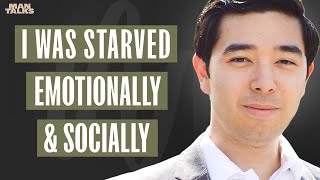
A long-form interview (Feb 12, 2024) in which Rob Henderson discusses his new memoir Troubled, recounting his childhood in multiple foster homes, later adoption, and eight years in the U.S. military, and connects those lived experiences to research on foster-care outcomes (e.g., only 3% of foster kids graduate college) and attachment theory. The conversation also covers how early instability shapes relationships, sex differences in sensitivity to childhood environment, young-male risk behavior, and the influence of dating apps and institutions on men today.
Questions this video answers
3% (as stated by Rob Henderson).
11% (as stated in the interview).
Seven foster homes over about five years.
Adopted at age 7 (about to turn 8); his adoptive sister was 4.
He signed the deal in early 2020; the book was ~five years in the making.
Chapters
Only 3% of kids in foster care ever graduate from college. And it just sort of contextualized that 11% of kids from families in the bottom income quintile graduate from college. And so very simply, a kid who grows up poor in the US is four times more likely to graduate from college than a kid who goes through foster care. A lot of people focus on poverty and inequality and issues around material deprivation. But one thing about the foster care system is in order to qualify to be a foster parent, you have to meet a minimum threshold in order to take care of kids. So it's not like any of us were ever truly starving in terms of sort of food and nutrition and material needs, but we were starving in a kind of emotional and social sense. There was this sort of poverty around nurturing and care and attention.
All right, Rob, how are you doing today?
Good. Connor? Yeah, I'm feeling good. How about you?
I'm good, man, I'm good. It's been a full, full on start to the year. I don't know about you, it's like 2024 has just come out blazing. So nothing to complain about. But how, how have things been going as you lead up to your book launch? Because I did this last year and it was a wild and crazy ride and I'm always curious about other authors experiences.
That's right. So your book came out early in the year too. Yeah, that's, yeah, there is something interesting about it. You know, you sort of start the year and you know this book is about to be released. And so that just adds a bit more, I guess, excitement and pressure to the new year. I mean, overall it's been fine. You know, it's, it's been sort of five years in the making writing this book. And so, you know, it's been, you know, scheduling podcasts and speaking with people and setting up, you know, people who would like to review it or discuss it in some kind of medium. But yeah, man, at the moment I'm a little bit irritated because I was supposed to do a kind of a mini book tour in New York and San Francisco, possibly in LA as well, and sort of see where things go from there. But literally every single major bookstore in New York and San Francisco declined.
Any willingness to host me. They were just unwilling to allow me to speak about my book at their stores, which I was pretty surprised by. You know, I'm not like, you know, I get that I'm not like this sort of a list rockstar author, but I have a pretty decent sized audience, 140,000 on Twitter, 50,000 on Substack. And, you know, the book has been blurbed and praised by people sort of across the political spectrum.
You know, but maybe some of the people who blurbed it, people are, you know, the people who run bookstores are less than impressed by or, you know, unhappy with. One of the. One of the people who blurbed it was Jordan Peterson, who can be a polarizing figure. But the book itself is not really political, it's not really contentious in any way. But I think it does speak to a lot of issues that a lot of men, young men, struggle with and, you know, a lot of the sort of difficulties in my life and a lot of my. My friends lives. So, you know, it's. That's just the sort of time we're living in where everything gets sort of categorized into a box and if you don't fit into a certain box, they don't want you. And. Yeah, that's just kind of how things are right now.
Yeah, it's. I mean, it's interesting because. Well, first and foremost, I just gotta say, for people that are out there listening, I couldn't stop reading your book. Like, I really. It's. I read a lot, and.
Sometimes I find that it's. It's hard to like, catch me in on a book, you know, like, where I'm just kind of like slogging through something or, you know, I'm reading it for, like, personal development purposes or like, whatever it is. And I started reading your book. I was flying back from Edmonton. My mom is in the final stages of her life. She's been battling cancer for a couple years now, and most of her treatments have stopped working. And so I went home to go and be with her and. And just spend some time with her. And. And I was looking ahead at all the podcasts and the interviews that I had coming up, and I started to do research, and I knew that you and I were gonna connect. And so I opened up the book on my laptop. Cause I had the PDF of it and I started reading through, and all of a sudden I find myself like 125 pages in on the flight back. And I was like, holy shit. Like, I'm. I'm crushing through this book. And it was just. It was one of those things where I was really appreciative at the beautiful writing like you really have. And it's a lot. It's just like your story, which is a very profound story, which we're going to talk about. And I was very appreciative of how you went about writing this book. Because I've been, you know, I've been working with men for a decade now, and I've worked with a lot of guys who have gone through the foster care system, and I've worked with a lot of guys who have gone through the adoption process. And there's this sort of like humanity that shows up in your book. And there's moments on the plane where I was sitting there like, I'm getting emotional, you know, reading, reading your book. And I was like, it's like, okay, well done, man. So I, I haven't, I haven't got all the way through yet because I, you know, got back and back into the storm of having my 3 year old and my wife and everything that's going on here. But it, it really is wonderfully written. And so maybe before we kind of go headlong into all this, I'm curious about how you, how you approached writing this and why you felt that this was important to write about and maybe just a little bit of context for the listener so that they have some context for what we're talking about.
Yeah, no, this is cool. You know, sometimes when I speak on podcasts, the podcast host isn't, you know, like, you're an author and you're a writer. So we, you know, maybe we could nerd out a little bit on the sort of writing process.
Where. Yeah, I wasn't even sure how to approach it at first. You know, when I first, when I first signed the deal, this was early 2020.
You know, as soon as I signed the contract, it all just sort of hit me at once that I was writing a book. And then I was just basically sort of paralyzed for three months as far as writing. You know, I would. I was studying for PhD at the time. And this thing sort of in the back of my mind like, oh, I have to write this book. And you know, I have, like, I don't think it was 18 months in the contract to deliver the manuscript. And I was like, what have you done? You can't be a book. I've written articles and posts and newsletters, and these are 800 words, 1,000 words, kind of one off sort of articles. But the idea of writing an 80,000 word book was just.
Really daunting. But I spoke with writers and I spoke with authors and people who have experienced some success. Um, and, you know, there were a couple of things that I heard from different memoirs and authors. One person said, you know, the question for memoir isn't who am I? But who am I in this story. And for some reason that unlocked something in me where, you know, initially I, you know, I was like, oh, you know, I'm going to sit down and give this retrospective account of my experiences growing up in foster homes in LA and this sort of weird windy path to, you know, through military enlisting in the Air Force and then higher education and some of the lessons I learned. But then when I heard that line about who am I in this story? I realized, oh, the best thing for me to do here would be to actually tell the story from the perspective of myself at that age. What it's like to be seven years old in a foster home, what it's like to be a teenager living in this kind of working class, kind of tumultuous environment with a lot of poverty and squalor and people making bad decisions and getting into trouble and, you know, all this stuff with my friends. And yeah, the other thing was, the end of, the other piece of advice I heard was, you know, don't, don't try to tell a story. Just tell the story. You know, it wasn't like, you know, I think a lot of people get it, get sort of hung up on outlines and structure and you have to do it this way and there has to be, you know, you mentioned the sort of the, some of the emotions and the response that you add to it. Like, that wasn't really planned. It was just like, just tell what happened. You know, don't focus so much on trying to get there to either to feel this, that or the other. Just focus on, you know, sort of telling the story and how you felt in that moment. And then if it's honest and it's raw and it's authentic, then people will sort of naturally feel something in response to it. Now, all of that being said, like, you know, so why did I write this book? I mean, I guess I. So up until the point I entered college, I never really thought of my life as really that unusual because I grew up with people with similar lives to me. My foster siblings, the guys I grew up around, also raised in, you know, single parent homes or, you know, I had one of my good friends was raised by his grandmother because his mom was addicted to drugs and his dad was in prison. And so this were these, this is kind of a typical backstory for the people I grew up around in California. But by the time I got to college and started interacting with people who, you know, I tell them a little bit about my life and they were just shocked by it and they had like no understanding of the foster care system or adoption or sort of what sidelined and struggling kids are going through in this country. And so I started writing a little bit more about it and communicating more about it. And eventually I realized that the best way to sort of fully give my account of it would be through the format of a book telling these stories from beginning to end. Sort of the most vivid and memorable moments of my childhood growing up in foster homes and sort of broken homes and these kinds of environments in California. And the process itself, it was very kind of Darwinian in a sense where I had this sort of massive, kind of over bloated manuscript. And then I would get feedback from people and a lot of people will say.
People will say, zoomers don't read Gen Z. They don't want to read. They just want to read TikTok or watch TikTok or whatever. And I sent it to a couple of my younger friends. One of my friends is 20 year old guy, still a college student. And I sent it to him and he was like, yeah, I blew through the whole book in like a weekend. And once he told me that I was like, oh, there is something here that you know, if, you know, 20 year old guy who. And he was like, he told me up front, he was like, I don't read books. He was like, I don't like to read, I don't enjoy reading. But I started reading your book and I, you know, I just blew through it. You know, I spent the whole weekend reading. A lot of people have told me they read the whole thing in one sitting. And so I'm like, okay, there's something here. And it gave me a little bit more confidence to keep going with it. I'm hoping that it will sort of illuminate this segment of society to people who wouldn't ordinarily sort of be exposed to it.
Yeah, I definitely would have read the entire book in one sitting if my flight was longer.
I was limited by my flight from Calgary back to New York. And I'm not the speediest of readers, but I think what, you know, as I was prepping for our conversation, there was a number of different avenues that I felt like I could have gone down. You know, there's sort of the hero's journey that naturally is just embedded into your life, you know, of going through this hardship, growing up in the foster care system, some of the stories that you lived as a boy.
And you know, and then becoming somebody who goes to Yale.
Right.
And goes into the military and you know, it's just. It's very interesting because I think it's. I think it's something that, you know, when I look at part of the, like, the vacancy that a lot of men experience in our society today, I've talked a little bit about on the show, like, the epidemic of male vacancy, that there's just a vacancy of male role models, that there's a vacancy of masculine role models. There's a vacancy of men who are mentoring us and passing down wisdom and modeling what it looks like. I think it was very interesting because as I read through, I was like, oh, here's a good role model for young men, and here's somebody that probably has his stuff, but that a lot of young men could probably learn from or.
Or take something from, you know, or not even young men, just men in general, you know, like, as I read through your book, I felt a lot of connection to you. And I felt like as I read through it, I. I had a sense of, you know, who you are or at the very least, what you've been through. So there's many different ways that I was like, how do I approach this conversation? We could talk about foster care. We could talk about, you know, your journey. Like, how did you go from that. That experience growing up in the squalor and the stories that you. You sort of tell in the. In the book, and some of the challenging decisions that you're around to ending up in Yale, you know, like. Because I think one of the things that struck me is it's not guaranteed that you made it out of there. And I felt that way in my own life. You know, one of the things that I wrote about in my book and one of the things that I've talked about openly is, like, I didn't think I was going to make it to 40. I genuinely didn't. And so sometimes I'm astonished that I'm here and doing what I'm doing and have a family and a son. And it's like, you know, it's overwhelming sometimes at the beauty of all of that. So all that's to say, we're probably going to go down a couple of those paths. And where I'd like to begin is maybe just giving the listener a little bit of an insight into what the foster care system is like. And I'm just going to give a couple pieces that I think I pulled from your book, look, which is three quarters of foster kids spend at least two years in foster care, 33% stay five or more years, and one in four are adopted and the median age for leaving foster care is seven years old. And so that's statistics. And now I would love for you to contextualize it.
Yeah, yeah, I mean it was, you know, was reviewing the research. I mean the book is, I mean it's primarily a first hand account of my experiences, but I did a PhD in psychology. I'm pretty good at sort of reading the academic, peer reviewed research and sort of experiences in unstable environments and sort of the environmental effects of behavior later and personality and all those kinds of things. So I figured it was important to go into the statistics as well and sort of communicate those findings. So yeah, the first, the first part of the book, the preface, you know, it's a lot of, a lot of statistics and survey data and research. And then towards the end of the book I, I bring in a lot of that as well.
And the foster system, you know, was, it was, you know, it's. I wanted to bring those in too because my only understanding of the foster system before I had read those studies and statistics was just my own personal experience.
And so, you know, I was written about, you know, going back to those memories of, you know, I lived in seven different foster homes over the course of about five years.
And it was, you know, my, so my mother, my birth mother, she and I were, you know, when I was a baby, we were homeless for a time. We lived in a car. Eventually we settled into this slum apartment in la.
I never met my father. She didn't know who my father was either. You know, she was. Later my mother was questioned by forensic psychologists and social workers and so on asking, you know, where's this, you know, who's his father? And because she was unable to care for me because she was so heavily addicted to drugs and she said she didn't even know.
And so later I, and it wasn't until I took a 23andMe DNA test pretty recently actually. I went my whole life sort of knowing nothing about my, my father and learned that he was at least his ancestry, he was Mexican, he has ancestry from Spain and from Mexico, sort of indigenous North American. And I didn't even know that until I was an adult. And so in the foster homes, I guess there are a couple of difficulties I think that people don't think about. So one is that I was moving homes every few months and that was hard enough, sort of changing schools all the time. Different caregivers, different set of foster siblings, severely sort of upsetting. I mean, I was three years old when I entered the system. So you know, three year olds are already a little bit, you know, I mean, they're clearly undeveloped, but they're sort of not emotionally wired or prepared for that level of extreme uncertainty. And so it was really hard at first. The first, you know, when I, when the social worker came and took me from my mother, that was extremely upsetting. And then when I had to leave the first home to go to the second home, you know, that was extremely difficult. But then by the third home, the fourth home, the fifth home, suddenly like my emotions just completely shut off. And I think, you know, it wasn't a conscious decision to do that. It was sort of the body's response to extreme trauma and stress. Right. Like it is basically like a form of ptsd. Right. Like you sort of learn to just shut off your emotions and blunt them in order to survive this distressing experience. And you know, from, you know, from the adult's point of view, you know, this is, these are just homes. We're taking care of you, we're feeding you, sheltering you. But from a five year old's perspective, it's like, you know, I don't know what's going to happen next. I don't know. These people.
You'Re not really building bonds with people.
Relationships. No mother, no father, no. No real sort of siblings. So some people have asked me, why is it that foster kids are moved so often? Why not just stay with one parent and you know, for, for the longer term.
Or put them up for adoption immediately. And the reason is. Well, one, one reason and is that oftentimes for, for many foster kids, perhaps most usually the reason they get put into the system in the first place is because, you know, one of their parents, yeah. Was with, you know, had some difficulty with drugs or maybe mental illness or was arrested or something along those lines. And oftentimes when the kid is placed into care, the one of their relatives will sober up or sort of string together a few months of, you know, sobriety and a job or, or their grandmother or someone will enter the picture and say, I'll take care of the kid. But it's important, you know, from the point of view of the system to move the kid around a lot. Because if the kid stays with one foster family for too long, this can create attachment issues where the kid becomes very attached to their foster parent and then say their mom sobers up and re enters the picture and say, okay, you can live with me now again. And the kid's like, I've been living with this family for a year or two. Years. I don't want to go back. You. And so the system has solved, and air quote, solved this by basically every few months just relocating this kid so he never gets attached to anyone.
And so that's difficult enough. And the system is just this mass sort of bureaucracy. It's this sort of faceless thing where they're not really paying attention to any particular kid's case files. So for someone like me.
No one knew who my father was. My mother was addicted to drugs. She was eventually deported back. So she came as a young woman to the U.S. from Seoul. She was deported back to the U.S. i was born in LA, so I was an American citizen. And so there was no possibility of me ever being taken in by a relative. And the system, you know, they didn't know this. I was just another number on the sheet. You know, they weren't going to delve into that case file and try to figure this out. And so I was moving all the time, more than I should have. The other difficulty with foster care is that you're also seeing your foster siblings move all the time as well. So, you know, I'd move into a home, I'd make some friends with the other kids, and then one of them would be taken in by one of their relatives, or they'd be taken to another home, or a new kid would show up. And so it was just this extreme unpredictability at all times of, oh, I like this kid, we're friends now. Oh, tomorrow he's gone, oh, there's this other kid here now, and oh, now you're leaving, now you're going to this other home and here's some new kids. And. And that's just the kind of cycle of like this whirlwind of never really knowing who's going to be around you next.
Which is very difficult for young child to experience because we sort of evolved to attach to a caregiver and your parents and to be with your family and to learn to build those bonds. We're sort of wired up for that. And so, you know, it's no wonder, you know, I cite later statistics, you know, in the book about the really bleak outcomes for kids in the system. One, just off the top of my head is that only 3% of kids in foster care ever graduate from college.
And to just sort of contextualize that, kids from the. From families in the bottom income quintile in the U.S. 11% of kids from families in the bottom income quintile graduate from college. And so very simply, one way to understand this is that a kid who grows up poor in the US is four times more likely to graduate from college than a kid who goes through foster care.
And I highlight that statistic in the book because a lot of people focus on poverty and inequality and issues around material deprivation. But one thing about the foster care system is in order to qualify to be a foster parent, you have to meet a minimum threshold in order to take care of kids. You know, it's something very few, like ultra wealthy people are foster parents. But most foster parents are kind of in that threshold of, you know, they can supply food and clothing and nutrition and care for the kid to keep them alive. So it's not like any of us were ever truly starving.
In terms of sort of food and nutrition and material needs, but we were starving in a kind of emotional and social sense. There was this sort of poverty around nurturing and care and attention.
And I think that a lot of our focus is on sort of economics and financial poverty. And we're not really paying as much attention as we should to what's going on with kids who aren't receiving adequate care, nurturing and emotional security, because that seems to have a much stronger impact on kids, at least in developed countries and places like the US that seems to have a stronger effect on their long term outcomes than poverty alone.
I'm curious about, from your perspective, what going through the foster system does to shape a child's perspective on relationship.
And then maybe let's just dive deeper into attachment, because I think that that's a very interesting route for us to go down. But let's just start with how does it impact or influence or shape a child's perspective about relationships?
So the research in developmental psychology indicates that usually within the first sort of five to seven years of life, those are what they call a critical period, this important developmental window of learning to attach to a primary caregiver, usually the mother, sometimes it's the father. But it has to be sort of someone in order for a child to sort of develop properly, because that becomes a template for how they treat all of their future relationships.
And so, you know, there was this really famous study in the 1950s. It would be, you know, it would be considered unethical today. I mean, even at the time, it was controversial. It was this researcher, Harry Harlow, who basically, you know, he had, he studied monkeys and, you know, he basically had these cases where, you know, some of these monkeys would be, you know, they would, he would take them from their mothers and he would have two different sort of dolls in this caged environment. And one of them was what he termed the wire mother. And it was just this sort of. It looked like a doll, like a monkey doll, but it was made of wire and it had.
A bottle sort of attached to it with milk. And then right next to it was what he called the cloth mother, which was also sort of a monkey shaped doll made out of cloth. It was very soft. And what he found was that the monkeys would go to the wire mother just to receive the nutrition, but then it would spend most of its time sort of clinging to the cloth mother because it was warm, because it was soft, because it made the monkey feel safe. And this overturns some of the theories that a lot of researchers and psychologists had at the time that, oh, the only reason that kids attach to their mothers is because the mothers have milk and they're just seeking sustenance and survival in calories. And that's what sort of leads to the attachment. But that research from Harry Harlow, that was one of the studies that indicated that actually, no, it's like literally physically attached. That's an important part of it. That sort of physical touch, that tactile feeling, increases the sense of security. So foster kids aren't really getting that for a variety of reasons. I mean, some of the homes I was in had upwards of eight or ten kids living in them. A lot of the parents too. I mean, this is another thing that people don't really understand about foster care is like, you know, probably most foster parents who do it get into it with the sort of best of intentions. Not all of them, but I would, you know, probably most of them, but it can be, you know, it's not going to be as hard on them as it is on the kids for obvious reasons, but it's still difficult for them because they're taking care of a kid. And if they grow, if they invest in that kid and then they see the kid go away, that's extremely hard for them to watch that kid go. You know, all of, you know, so if they build a deep emotional bond with the kid and really sort of fully express their love and their care and attention.
You know, it's very difficult to see the child taken from them. And so a lot of foster parents will sort of withhold that. You know, they'll be nice, they'll be sort of cordial or polite, but they're not really going to invest is a sort, you know, for their own sort of reasons to protect themselves from that pain. And so, at least in my case, and I saw this with some of my foster siblings and some of my other friends too. Even my friends who weren't in foster care, but they just lived through, you know, a lot of sort of single parent homes or their mom had a series of boyfriends and you know, they'd grow attached to one of them and it would be their dad for a while, but then he would leave. And you know, so also these situations where they would try to attach and it just wasn't working. You know, you start to think of, especially in the sort of romantic realm, just thinking in very transactional, cold terms. It's very hard to truly experience love for someone to really care for them and invest in them deeply.
With friends, probably the same to some extent.
They're sort of eyeing other people with suspicion or second guessing their motives or not really being able to fully trust anyone. And this is just the result of like basic neglect. I mean, there are like cases of, you know, severe abuse and all these kinds of things. And those, you know, probably amplify a lot of the symptoms I'm describing. But in my case, you know, for better or worse, it was just, it was just neglect. And it was really difficult for me to like fully involve myself in relationships and to really.
Take the perspective of other people as well. It was, I mean, I was young men tend to be a little bit selfish anyway in relationships, but for me it was just really, it was really amplified of just like not really taking the girls I was dating seriously. And I mean, it's really funny because there's all this, this is a whole other rabbit hole. But there's all this discussion around relationships and why are people having difficulty and why aren't people having relationships and there's a sex recession, blah, blah, blah. No one wants to look at like what happened to the breakdown of the family and like what happened there about like, you know, it affects men in its own way. Men kind of externalize it and basically become bigger jerks as a result of it. Women tend to internalize it and you know, engage in more sort of self harm or self blame or it expresses itself in anxiety and depression. And you know, it's like, of course we're having all of these sort of mental health crises and symptoms and no one wants to look at. Well, we're having sort of a. The kinds of families that kids grow up in now are much different than they used to be. And.
People want freedom, they want to be able to do what they want. But of course it's going to have a cost. And often the cost Is sort of paid by innocent kids who had no say in it. And so, yeah, relationships, it basically damages the ability to form good ones as an adult. I mean, once I realized this about myself and, you know, was consciously able to think about it, you know, I was able to, in my behavior, like, act like a good person and be a good boyfriend or a good friend or son or whatever. But inside, I think it's always a little bit hard to, like, truly feel the associated emotions that most people would feel for that, even for something like love, you know, it's still. I understand it, but as far as, like, feeling it, it took me a long time to, like, really understand and to, like, access that feeling.
Yeah, I think, you know, as I was reading through.
As I was reading through your stories of going from one foster home to another, I remember. I don't remember what her name is, but the. The woman who had you cleaning a bunch.
Oh, Mrs. Martinez.
Yeah, Mrs. Martinez. Yeah. She had, like, a bird. I think she had a parrot. She had a parrot.
Yeah. I remember, like.
I remember reading that, and I was like, man, I know exactly who that woman is. Like, I've. I've definitely. Like, as soon as you started describing it, I actually. My neighbor growing up was a woman that was just like that. You know, she'd had me, like, cut her lawn and shovel her sidewalk, and I'd get, like, two bucks or something like that.
She.
She had a freaking parrot inside. And I was always weirded out by the bird. I was like, why do you have this thing? Like, you know. Yeah, as a kid, it just seemed. Yeah, as a kid, it just seems super strange. I was like, this is super weird. And that always felt like a little off. But, you know, as I was reading through your. Your journeys through these different foster homes, what really was hitting me was, man, like, what did this do to your attachment style? You know? And it got me curious and sort of wondering about if there's been any studies or research on, you know, predominant attachment styles within children who are adopted or who are foster children. And so I don't know if you have anything on that or if it's just, like, a guess, but I'd be interested in that.
Yeah. I mean, you know, just. Just very. So. So on that. On that specific point, I'm not really my. My strong suspicion. And this is. This is just a guess, right? Is that there would probably be someone who lived through the foster system or any kind of just chaotic early life experience.
You know, they probably have higher. So much lower levels of secure Attachment in general, right? So there's the kind of different. Different styles of attachment. There's the securely attached, right, where you're just able to build a bond with someone and trust them and so on. And then there's avoidant attachment, which is, you know, people who basically resist getting too entangled in a relationship with someone and kind of resist it. There's the anxious style, which is, you know, this kind of. It's, you know, I guess people would think of it as, like, needy, right? Where you feel. You're always sort of second guessing, does this person really care about me? And you're constantly pursuing the validation. And there's the. There's also the sort of disorganized attachment style, which is a kind of an interesting one where, you know, researchers have, you know, noted kids who are in, who have this disorganized attachment where sometimes, you know, it's sort of hot and cold, where they really want the attention of the caregiver, but then they receive it and then they sort of turn away and want to avoid them. And it's sort of unpredictable. And in that sense. So I would guess that kids in foster homes or similarly chaotic environments would have, you know, one of those forms of attachment, more so than the average. But it's just a guess. I actually haven't seen anything like that. I mean, for me, it's probably. I mean, especially when I was younger, I think it's probably better now. Was probably more avoidant where, you know, I just. I was really not. I mean, I talk about at least one of my relationships in the book, you know, I was dating this girl, you know, and she, you know, she was just fed up with me, you know, like, she'd ask me personal questions and I would just blow her off or I just wasn't. Wouldn't take her seriously. She'd come over to my apartment and we'd hang out, and then I'd just like, get drunk and fall asleep and, you know, whatever. Like, just ignore her.
She broke up with me. And as soon as she walked out the door, I just blocked her on everything. She texted me, she left, texted me saying something about, like, maybe we can talk about this something. And I was like, you know, if we're done, we're done. And I just blocked her, deleted her, everything. We haven't talked since, you know, and. And to me, that was a perfectly reasonable thing to do. Like, in hindsight, it was like. Like what? Like, you know, but, you know, at. I don't know how old I was then, 23 or something. 24. And that was a perfectly reasonable response to, you know, someone who was fed up for good reason and still managed to try to, like, reach out and say, like, you know, let's communicate. And I'm like, and I'm not interested. And that was pretty typical, the kind of behavior I had towards women, towards relationships. And that was basically kind of a lesson that I had learned through my experiences in the homes, through my. I was later adopted, but there was a series of divorces and separations, and I lived in more homes later, too. My senior year of high school, I moved out and moved in with my friend and his dad and his. He was kind of a father figure to us, but he had been married and divorced five times. Like, you know, and so that was the kind of guy he was. And so these were just, like, the lessons I learned along the way. You know, these were not good lessons around relationships where, you know, it was just that people are replaceable. You know, don't invest yourself too much in anyone. And relationships could end at a moment's notice. So, you know, don't, don't, don't. Don't invest yourself too much. Don't sweat it. And, you know, this was also like, you know, the. The period in the culture of, like, you know, this was the late 2000s or early 2000s, and it was just kind of pre Tinder and pre. All of that stuff. So I'm almost like, you know, if this stuff had been. If I entered that age later, it might have been even worse. Just all the hookup apps and everything, because my friends and I, we still had to go out to bars and go out and meet girls, and it was still. It was like getting rejected more often than not. But I would still still, you know, I would still sometimes get into relationships or meet girls who were interested in me. And. And, yeah, I would just treat them terribly and my friends would do the same. And, you know, fortunately, I, you know, I didn't, you know, there were no kids or anything. But, you know, I have friends who, you know, I have one friend who has two different kids with two different women and doesn't talk to any of them.
And, yeah, that's like a very common outcome for men who are raised in that environment. And it's just, you know, even if consciously, you know, something is wrong, it's just like, this is what I know. This is what I observed growing up. This just feels like, you know, the convenient, easy thing to do. And it wasn't until, you know, later that I Realized, like, this is not the right way to treat people.
And even if, you know, even if it is the convenient thing to do or the easy thing to do, it doesn't make it right. And, yeah, it wasn't until, you know, I learned that lesson later than I should have.
Yeah, it's. I was definitely avoidant as well. I'll just throw my hat into that ring. But I remember as I was reading through it, I was thinking to myself, like, this. This must, at some level, create a disorganized attachment style. Like, that much moving around and that much. And I'm not saying you personally, but just, like, for foster kids in general, you know, that much, like, moving around and. And like, creating these little attachments to people, whether it was friends, other foster kids, like your friends at school, or, you know, the foster parents. And it's just like, that's. That's such a hard thing to go through, you know, Like, I see my son. My son is about to turn three, and I think about him entering into the foster care system. I kind of like, you know, I had a long drive back from the airport, and so I was thinking, like, what would that be like for him? Or what would that have been like for me? And I think it would feel very disorienting, you know, in terms of not just who can I trust, where do I attach myself, but also in a more, like, existential place of, like, where's my place in the world? Where's my place in society? How do I fit in? And so did you ever question that or how did you deal with that notion of, like, how do I find a sense of belonging when I don't have a tether to that grounding of, like, family?
Well, I mean, I had a bit of that, right? So I was adopted later. You know, I was never especially close, you know, so. So I was, you know, just very briefly, I was adopted by this family.
My adoptive father and my adoptive mother took me in. They had a daughter, their biological daughter, who became my adoptive sister. And so my sister and I became close. We remain close to this day. And so she's been kind of a rock for me. I mean, you know, she. When I was adopted, I was 7. I was about to turn 8 years old, and she was 4. And so we were little kids, and we sort of experienced a lot of our childhood together and saw the sort of breakup of the family and all of these things that had happened later, and we talked about it. So she's been very important to me in that sense.
You know, I do have close friends and people that I. That I speak. I spoke with. I mean, I'm less close with my high school friends today, but I did grow up with these, you know, group of friends and, you know, it's finding my place in the world. I mean, I think I was on some level longing for that when I enlisted when I was 17.
Was just some sense of structure and camaraderie and feeling like. I mean, it's funny now.
I think veterans in general have this feeling of like, oh, you, sir, you just meet someone you've never met before, but they tell you, I was stationed here and whatever. It's like, oh, you feel like a little bit of kinship there. I feel that maybe even more strongly than other bets would, just because it's like that is one like a badge of membership in an organization, in a community, where immediately you sort of have that shared experience and you can communicate in the language of that structure and.
Sort of know where one another, you know, where you're both coming from. And so, you know, that was really critical for me, too. And this is something, you know, this is sort of consistently found in a lot of research. If a kid is raised in less than optimal environments, one good option is something like sports. Because they're with a team, they're with their teammates, they learn to trust other people, they learn to be trusted. And so that accountability within their sports team. And then.
Yeah, the military served that. That purpose for me too. And so that. That was really important. And I was in for eight years. And so, you know, I think that was.
It's funny, like, sometimes I'll talk to people and they say, you know, when I read about the, you know, the chapters in your book when you were a kid or when you were a teenager, and then I see who you are now, it's very, you know, it's like, you know, hard to make that full connection. And, you know, the way I explain it is, you know, in the book, you know, I write about the military, but you can only tell the same story so many times. So I just sort of focus on the highlights of that period of my life. But it was eight years. It was like I needed all eight of those years in that structured environment in order to build good habits and sort of transform my character and learn how to be a fully functioning adult. And so, yeah, I credit a lot to the military structure. I know there's criticisms and there's weird things going on, but when I was in from 2007 to 2015, I mean, that was A really. I'm glad I was in during the time I was in. I'm glad I'm not in anymore. But, you know, during that time, it was really important for me.
Yeah, I think that that was one of the things that I was wondering about was like, how did you develop discipline and how did you, for lack of a better term, like not. Not repair maybe, but. But build trust with other men? Because one of. One of the things as you were talking, I remember what got me emotional was the story of you being adopted by the family and then them separating and your adopted father not wanting to see you anymore. And it was. Or, you know, choosing to just be with his biological daughter. And I was like. I was like, man, what a. What a tumultuous position to be put in as a kid. And.
I couldn't help but overlay my own personal life and the work that I've done with so many men and find my. Found myself being, like, really angry at that guy. I don't know if, you know, I don't know what your personal experience has been like with that, but I was like, man, like just that.
It felt devastating to read, you know, Like, I felt. I felt really, I felt a lot for you, and I think there's probably my own projection in that because of my own life. But how did you go about.
Maintaining trust in men? Because it sounded like that relationship, and maybe I'm reading into it, maybe I'm off base, but it sounded like that relationship was meaningful where you're like, oh, I'm being taken in. And here's this father figure that I know every boy craves, right? Every boy wants to have a father figure that he can look up to. And, you know, the trip, the trips you going, you know, in the truck with him and going on those, you know, drives. And I was just like, that must have been brutal. And so can you just speak to that a little bit?
Yeah. I mean, so in the foster homes, you know, it was usually a woman. Well, in my case, it was every single home that I can recall. It was a woman who was basically the primary caregiver.
And so when I was adopted and my adoptive parents welcomed me to call them mom and dad, they wanted me to use those terms. And so.
When I fully internalized and accepted, like, oh, wow, I have a mom and I have a dad. And like, yeah, going, hanging out with my dad, he was a truck driver. And so, yeah, we go on these long haul rides to Montana from California, we go back across the country and spend time together. And eventually he and my adoptive mother split up when I was nine. And it was about a year, year and a half of basically this very sort of traditional, intact family. And then it just broke apart. And that was hard enough. And initially it was, you know, my sister and I would go back and forth. We'd stay one week with our mom and then with our dad. And then eventually, you know, my adoptive mom, she, you know, he didn't even tell me this. You know, it was my adoptive mom who sat me down. I was like, yeah, he's not, you know, he doesn't want you to come this week. And, you know, eventually, you know, I learned there was, there was like a custody battle between them because the adoption, my adoption, you know, it hadn't yet finalized. I think it takes like two years to fully finalize an adoption process. And, and there was a bit of a dispute, but then eventually, you know, he was just so angry at her for leaving him, for divorcing him, that he just completely cut off contact with me because he knew this would, it was a way to retaliate at her. And this was just. Yeah, it was really devastating. It was hard, you know, after never knowing my birth father, then all the foster homes and then. Yeah, not. And then suddenly my adoptive father cutting off contact. It was. Yeah. And so, you know, I, I basically withdrew into the same activities that a lot of boys without fathers get into, which is, you know, I was nine years old, you know, getting into trouble with my other 9 year old friends and who also didn't have dads around. I mean, that was very common in the neighborhood I grew up in. I mean, you know, like, this is basically common regardless of, you know.
State or place or ethnicity or anything. Like in America now, basically, people in sort of blue collar, working class or poor areas, it's more common than not that kids don't have their dad around.
At this point. I cite this statistic in my book about how in 1960, 95% of American kids, regardless of social class, were raised by both of their birth parents. And by 2005 for upper class Americans, it had dipped slightly to 85%. So it was 95%, dropped to 85%. But for working class families, blue collar families, basically people without college degrees who work kind of blue collar jobs, it was 95% in 1960, and it plummeted to 30% by 2005. And today it's probably even lower, honestly. But I had five close friends growing up and yeah, the town I grew up in Northern California. So after I was adopted. We settled into this dusty, kind of, you know, impoverished area of Northern California called Red Bluff. And it was primarily a white and Hispanic area, but it was, you know, people were very poor. It was. It's one of the poorest counties in the state.
And so, yeah, I had, you know, my little friends and I would go out and smoke weed or try to find beer or, you know, like, try to take. See how many cough medicine pills we could take before we started to feel funny, you know, like Benadryl.
It was the prequel to fucking Benadryl in college dorms.
Yeah, yeah, it was like, yeah, Benadryl. Or like, you know, drinking. Drinking, like half a bottle of Robitussin or, you know, just like, finding these ways to just, like, get high and do stupid things. And.
And so, I don't know. I mean, it's an. It's an interesting question. I mean, I do remember as a kid, not really trusting adults in general, male or female, you know, my teachers or other authority figures. I guess one thing that helped was, you know, I. So I entered into boxing classes. I had a good coach in this boxing gym. And one of the, you know, one of the other students, he was a high school guidance counselor. He was an older guy. He was one of the first people to put this idea of enlisting in the military in my mind. This guy, Old Joe. So the gym had. It had two Joes. There was a young Joe and then Old Joe. So we called him Old Joe. And he, you know, he would, like, sort of encourage me or he would, like. He could see that I had some potential. And so, you know, he would pull me aside and say, like, you know, hey, you're doing a good job here. Or, like, you seem like a good kid. Or, you know, we talk about other things. We talk about boxing or sports or whatever, movies.
And so I guess, like, for me, it wasn't like an issue with men. It was more an issue with authority, more so than anything.
But then, you know, the military was like, you know, the ultimate sort of authoritative authoritarian structure.
And maybe that was what had led me to be more open to you know, basically accept, you know, authority, male authority, what have you, that.
You know, that I was kind of suspicious of when I was. When I was a kid.
How do you think that the. The breakdown in the family system that we've been talking about, specifically the sort of, like, absentee father, is playing out in our culture and society? And what do you think the impact is on kids?
I mean, it's pretty clear.
You know, it's well, so there are a couple of things, right? Like people, a point that I make in my book. People like to focus on measurable, very easily understood.
Metrics of success of outcomes. So college graduation rates or future earnings, social mobility, this sort of external badges of success. And so people will say, oh, if a kid is raised by a single parent versus two parents, they're X times more likely to go to prison or X times less likely to go to college. And those things are important, I mean, avoiding prison especially.
And so those things are important and those things do matter. The other thing though is the actual, and this is, you know, it's kind of surprising to me how, how this goes unnoticed, which is the firsthand, like subjective phenomenological experience of the child who doesn't have a father. You know, it's all well and good to say, oh, when this kid turns 18, his life's going to look like X, Y, Z as a result of this, but what's going on in that kid's life? Like right now, let's look at this 7 year old or this 9 year old kid and now he doesn't have a dad or she, you know, now this, you know, this young kid doesn't have a dad. How are they feeling?
You know, what do they think about themselves? How is this going to affect their relationships, how they think about the world? And I think like that alone is reason to, to care for what's going on with these kids, right? Like I had this line somewhere towards the end of the book, which is that.
Even if childhood instability had zero impact on education rates or incarceration rates or anything, a good, stable, secure home for a child is a good in itself.
If someone shows you an infant and says somehow we calculated with statistical certainty that this kid's going to grow up and you know, live this kind of life as an adult, they're going to whatever, go to prison or work a menial job or they're just not going to be especially successful under conventional sense. Does it still matter how that kid is raised right now? Does it still matter whether this infant has a mother and a father and someone to care for them and to look out for them and have their best interests in mind when they're a child? And if the answer is yes, then maybe we should be thinking about things other than what happens after 18 and focus more on what happens in a kid's life before age 18.
And so yeah, it's, you know, the breakdown of the family is, you know, that's like a theme that Sort of pops up periodically in my book because, again, you know, I had probably a bit more of a tumultuous life than the friends that I write about that I grew up with. But they kind of came from garden variety broken homes, single moms or single dad or raised by a grandmother or an aunt.
And those are sort of more, you know, more. More typical upbringings for people now and sort of more working class backgrounds.
And I was the only one of my friends. There were six of us growing up. I was the only one who went to college. I was the only one who kind of got out of the town we were in. The others, I had two friends who went to prison. I had one friend who was shot to death. I have, you know, of the other friends, wanted to join the military. And his life's going okay now. But.
The statistical outcomes are very bleak for boys. The other thing is there's also this kind of interesting sex difference in terms of the impact on future success. So what's really interesting is that young boys seem to be more sensitive to what researchers call environmental inputs than young girls. And environmental inputs are essentially nurturing care, stable parent, parental structure. Boys seem to be more affected by things like divorce or being raised by a single mom and so on. And this manifests itself through likelihood of getting into trouble at school, detention rates, low grades, lower graduation rates. What's really interesting, so if you look at, just by socioeconomic status, if you look at boys and girls who are raised in, we'll just say rich families, they're graduating. Girls still actually graduate and go on to attend college at slightly higher rates than boys within rich families. But when you look at poor families, the girls are way more likely to do well in school than the boys. The boys, like when. When they're raised in very sort of poor and impoverished and dysfunctional environments, like their school performance suffers dramatically more compared to the girls. And so when I read those studies, I thought back to my own experiences and did realize, like, I knew girls at my high school who were also in kind of messed up dysfunctional environments.
And some of them, there was teen pregnancy and all these kinds of things. They had a lot of difficulties. But I did notice more of the girls did actually go on to go to college. They did tend to study more, get good grades. They were more academically inclined than the boys were. There's probably a lot of different reasons for that. But I just remember my friends and I, it was like, homework is for suckers. Or we used other terms other than that, but we just wouldn't do it. Whereas the girls, even if they did come from similarly unpromising backgrounds, they would still do their homework and would still fill out their college applications and sign up for the sat and they would at least attempt to improve their lives. But the boys, we were just completely impulsive short term thinking. And so it does seem like if you're a parent and you have a boy versus a girl, the decisions you make will affect your son more than your daughter on average.
Does any of what you're talking about play into or is affected by young male syndrome?
Yeah, I write about young male syndrome in the book too, about how this is the label that some psychologists have given this period of a man's life. The young male syndrome is basically regardless of time or culture or place.
Whether it's the US or Ecuador or Japan or what have you, everywhere researchers have ever collected data, they find that the people who are the most likely to engage in reckless, risky, dangerous behaviors are young men in their late teens and early twenties.
And this is, you know, it's like astoundingly consistent and historically, wherever we have historical records, it's the same as well, sort of, you know, very young men do, are the ones who are the most likely to do dumb things.
And so does it tie in with, with the young male syndrome? I mean, I think that, I think.
That some people would maybe argue that if.
If given the right circumstances in household and parenting and you know, living in a two parent household that that young male syndrome isn't going to show up. That the propensity towards reckless behavior and definitely fell into this category.
Right.
Like bought a motorcycle at 19, you know, street, raced it, stunted it, 320 kilometers an hour down the highway, just like stupid shit.
Right?
And, but I think a lot of some people would probably argue that if you grow up in a household where you have proper secure attachment that a young man is, is less likely to go down that path. And I don't know if I'm fully convinced of that. You know, like, like I know that some of my reckless beh. Behavior was certainly impacted by, you know, the divorced household that I grew up in and the relationship that was very tumultuous with my stepfather and you know, all that kind of stuff. But I still think that I, I would have been very tempted towards recklessness during those years, like 15 to 24, maybe even 27. I may have been a late bloomer out of the, out of the statistics. But what's your thoughts on that? Because I think I'm trying to See, like where's the intersection between attachment and where the boundaries of attachment sort of stop? Because I think a lot gets attributed to if attachment was healthy and secure, that would solve not all problems, but the majority of problems.
Well, I, so I think, yeah, attachment and it's. Well, all of these things I think matter in that.
The young male syndrome, regardless of where you are or the family you're raised in, your testosterone levels are just going to spike around 17 or 18 years. I mean really right after puberty, but then it sort of peaks around age 19, 20 years old.
But the environment you're in and the role models you have and the incentive structure and your peers, all of those things will sort of helped to channel that restless energy in a more productive or a less productive direction. Right. And so a point that I make in my book was like the military was helpful for me because during the years when I had the sort of flare ups of anger or impulsivity or rage and so on, I was still, I was still doing dumb things, I was still getting into fights, I was still drinking and driving. I was still, you know, engaging in reckless behaviors. But the fact that I knew that I was sort of embedded within this structure where, you know, if you get too out of line or if you're caught doing these things, you know, the punishment will be swift and severe. And I was also work, you know, I was also working like 12 hours a day. And so it's just hard to like completely blow up your life when you have, you know, like that much when you're working, you know, 70 hours a week.
And so that helps to contain it. But I think, yeah, if you're, even if you don't join the military, you know, if, if you're in an environment where your parents, you know, they, they encourage you to play football instead of, you know, your dad's not around, so you go to hang out with your friends and now you're just with a bunch of other 18 year old idiots.
And smashing car windows and vandalizing and getting high.
Yeah, exactly. Yeah. So, you know, you could, yeah, you could go play rugby or you can go hang out with your friends and either way you have a group of 18 year olds and on the one hand they could play sports and they could.
Build that camaraderie and channel that anger and that energy and everything in a productive direction to win against the other team or they could just break things and light things on fire and do that. And so yeah, I think the energy itself is always going to be there. But the way it gets channeled can shift depending on the people around you and how much sort of oversight you have and how much you care about the people around you, too. I mean, that was. The other thing was like, I learned not to care that much about myself. But I do wonder, you know, like, if I had been raised with, you know, a very sort of caring mother or caring father or something that, you know, maybe I would have had second thoughts. I mean, I had my sister. I. You know, I didn't write this in the book, but there were periods where, you know, I did wonder, you know, like, having my sister around, you know, I did. I did at least sometimes try to set a good example for her. But if she hadn't been around, if, you know.
You know, I'd been adopted and they didn't have that daughter that became my adoptive sister, I. I may have actually gone even further off the rails than that. And so having, you know, whatever attachment I had with. With her, that may have helped to contain some of my unwise decisions, too.
Yeah, I like that last piece. I think that's pretty important because I do think that sometimes we underestimate the value and the impact of siblings and their role in keeping us.
Just six inches away from the edge sometimes. And it might be subtle, it might be very quiet, it might almost be not even noticeable, but there can be. There can be that tether and that bond that really supports us. I think what's also interesting is there, I wonder sometimes, maybe silently to myself, whether or not we have. Whether or not our society and our culture has started to move in the direction of.
Trying to move men and young boys away from how they naturally are and a kind of demonization. You know, when you look at the data and the research around Young Male Syndrome, it's like you're saying it's not just like a North American thing. It's like this is everywhere, you know, and. And it's largely regardless of class or economics or whatever it is. It's. It really is.
A fairly universal thing where between 15 and 24 young men go through a bit of a shitstorm. And I. I think it's interesting that this period in a young man's life and. And I think that this is in part what initiatory processes were supposed to be for, you know, was to really. There's a great quote by Richard Rohr, a Franciscan monk. He said, unless a young boy is brought through a journey of powerlessness, he will always abuse power as a man. And I think in some ways, we as Young boys and young men are trying to grapple with our sense of power and powerlessness in that period of our life. And of course, testosterone throwing, you know, flowing through the body also has a pretty big, substantial impact on what that looks like. But I sometimes feel like society villainizes young boys that are going through that period. And it's almost like we are attempting to sedate young men in our culture today out of that experience, which I. I think can be incredibly valuable. You know, for me, it was very, very valuable.
So there's that piece. I'm going to shift back to attachment for a sec. Unless you have something that you want.
To add into that. No, I mean, yeah, I think that's. That's right. I mean, it's. It's funny, we have this.
Almost like this duplicitous approach to young males, where on the one hand, there is a lot of kind of stigmatization of the kind of natural behaviors that go along with being young and a little bit reckless and impulsive. But then, you know, on the other hand, it's, you know, there's a lot of sort of shaming for. For, you know, not manning up or not stepping up or not doing these things. And so it's, you know, we. We want to have sort of strong.
You know, men who step up to the plate, but then we don't want men to be too domineering. And it's like. But no one gives you a sort of checklist of like, here's how to be a man. And so you sort of get trapped. And then I think, yeah, and then the sedation thing is interesting too, where we are trying to, I think, yeah, like boys and young men, we try to sedate them or distract them or pacify them in some way. But then now, I mean, you may have seen some of the headlines and some of the reports on how the US Military is having these insane recruitment shortfalls where each year it gets worse. Like, fewer and fewer people are interested in joining. And, yeah, I'm sure there's a variety of reasons for this, but surely one of them must be like, you know, like, why would anyone join? Right. Like, you've. You sort of worn young men down and now you're asking them to step up and, you know, join and defend this society that maybe doesn't always treat them the best or doesn't always seem to want to understand their. Their struggles and their challenges in the way that they often seem to be interested in other people's. And so it's, you know, it's Very odd. I'm glad. I'm glad that I sort of went through at a time where, you know, a lot of this stuff wasn't happening. I mean, 2007 seems like a lifetime ago. That was still a period, I think, you know, it was two wars going on. It was, you know, not that long after 9, 11. And there was still this sort of patriotic fervor. And there was not the same kind of stigmatizing of young male behavior that exists today.
But anyway, those are just my thoughts on that point.
No, I think, I think that's very accurate. And I think it also ties into one of the reasons why so few men are going to and graduating from college institutions today that those institutions have. Not that they're anti men or anything as dramatic as that, but they're certainly not welcoming to men. And, and I think, you know, even I've had this conversation of going back to university to or college to do a PhD in psychology or a master's. And I'm like, honestly, one of the factors that plays into it is like, I know that because of the company that I've built and the work that I like, I don't know how welcome I'm going to be there. And the research that I would want to be doing is in and around men and, you know, getting the funding around that could be challenging. And the commentary and the perspective and it's just like, oh, like, I don't even think I want to enter into that, you know, at all. Which, which is, you know, in a way is I, I think, telling to where some of our institutions have gone. But I get when a lot of men are kind of like giving the middle finger to some of these institutions. You know, if I was 19 years old and looking at a college institution, I'd be like, no, like, why the hell would I go there? It seems ridiculous, you know, and. And I get it as well with the military. And I think on top of that, you have, you know, just obesity rates that are just skyrocketing and you have a lot of young men who aren't even eligible to go into the military because they're not in good enough shape.
Yeah, no one wants to talk about health or fitness or, you know, any of these things. I mean, it's weird, like, we are spending a lot of time. I mean, it's weird to me that, like, there's all this attention paid to mental health, you know, mental health crisis and anxiety and depression and all these, which those are important things to address. Don't get Me wrong. But almost no one seems to be talking about physical health. Right. Like, it's very apparent, just observably apparent that when you go around the country now, you know, something's happened where young people, a lot of young people just look very unhealthy and aren't taking care of themselves. And so it's like, you know, here's some self health care tips to, you know, address mental health. But no one's telling you like, how to address physical health and how to take care of yourself physically because often those two things are intertwined, right? Like if you feel better and you feel physically healthy, then you're just naturally going to. Your mental health will sort of naturally improve. Not always, but, you know, oftentimes. And just odd to me that that's also not a big part of the conversation.
Yeah, I agree. I agree entirely. That's, that's a whole other. We might have to have conversation number two on that front because I feel like we were starting to pull at some strings and I'm like, oh man, there, there's like another hour and a half right there. So maybe, maybe after your book launch is, is done and clear, we can pick this back up. But for sure, the. Where I want to maybe finalize things is just circling back onto attachment. Two pieces that we can close out on. Number one is how do you think that things like dating apps are impacting our attachment as, as just a society and a culture? And two, I'm going to put you on the spotlight. How did you work with your avoidant attachment style? Because I, I could, I could tell, I could hear my audience being like, oh, how did he deal with that?
Oh man, it's so. Okay, the dating app point. I guess I should just say, like, I'm not, you know, I'm not an expert in attachment theory. I have a PhD in psychology. And I'm like, you know, sort of, I have a cursory familiarity with, with that research, but you know, I just, if there are sort of like actual attachment experts, they're going to. Oh, you know, he got, you know, he's not saying this right over the other, but just I think I have like the basics down. But basically the, so the dating app thing, it's, it's interesting. It's probably very useful for people who, who don't have secure attachment styles. I mean, you know, I've written a couple of pieces about this actually, sort of summarizing some of the research on dating app users. There was a. At least two studies now have looked at what are called the dark triad personality traits and the relationship between those traits and dating app users. And basically so the dark triad, very quickly it's narcissism, psychopathy, Machiavellianism. And these traits are associated with sort of selfishness, callousness, entitlement.
You know, these are, you know, people are pretty, pretty familiar with, I think narcissism, that's sort of entitled self importance, but Machiavellianism too, that sort of strategic duplicity, exploitativeness, these kinds of behaviors. And what researchers have found is that people who use the apps, and especially people who use the apps very heavily, tend to be, they tend to score higher on the dark tribe personality traits. They tend to have this sort of orientation toward other people as being more exploitative. They're more, you know, heavy dating app users tend to score higher on what are called adversarial sexual beliefs, which is, you know, basically the extent to which people agree with statements like I think of sex as a game where one person wins and the other loses. And people who use the apps a lot tend to score higher on those things. And so I haven't seen questions on attachment itself and the apps. I'm sure someone must have done this by now. That seems like low hanging fruit for a paper. But it's. To me, it seems very likely that people with especially avoidant attachment behaviors would use this as a sort of a short term hookup app of, you know, you can sort of rack up the numbers. I know guys who are like this who, you know, would use, they download every app on their phone and you know, try to line up multiple dates in a single day and never call any of the women back again. So it's probably fueling this in very sort of unhealthy directions.
And women too, I'm sure, you know, women, women have also had sort of negative experiences. My sense for like the sort of the stylized.
Sort of narrative of how I think about the apps. And I'm sure, you know, there are sort of exceptions to some of this, but basically it seems like, you know, a lot of men who are high on the Dark tribe will use these apps, maybe sleep with a lot of women. They tend to be very sort of charming, sort of superficially charismatic at first until you get to know them and discover that actually, you know, they're not very kind people. But initially they may be able to attract large numbers of women, sleep with a lot of these women, never talk to them again. And the women feel sort of jaded and cynical as a result of These experiences with these men who, you know, treat them, you know, not, not so well. And so then when they meet other guys, you know, they're, they become very suspicious or skeptical or maybe don't treat the men as well because of their negative past experiences. And so there does seem to be this spiraling out of control of now. I think when the apps first came out from 2012 to 2015 or something.
People did seem to treat them as like, oh, there's this new thing. It's very cool, you can meet people, it's exciting. And now it just seems like it's funny. People are trying to constantly build new apps now. It's like, oh, there's this new dating app. There's this new thing. And I think people are just trying to solve a fundamentally unsolvable theme which is like the people using them. Right. Are going to be, you know, it's like, it's not the app, it's the people.
Yeah, we've had, my wife is a couples therapist and we have had thousands of people ask us to build a dating app for people that have gone through therapy or have done self help work. And I'm like, okay, it's a very interesting concept. I don't know if it would necessarily solve some of the problems that show up in, in dating apps, but it's something that, it's something that we've explored nonetheless.
Yeah, that is interesting. Okay. Yeah, that sounds, yeah, I've just heard like other things like, oh, this is a dating app, but it's only for people who are, you know, interested in this or it's, you know, this is a long term dating app. It's only for people who are interested in getting married. And it's like, how do you know the people who are actually going to download the app like are interested in marriage or they're just not like, you know, some, some like predatory male who's like, let me, you know, prey on these women's desires to get married or something or, or vice versa. And so, yeah, anyway, so in my case, I mean, how have I dealt with. I think, you know, it's one thing that I've, I've learned is like, you know, I think a lot of people believe that your, your beliefs and your emotions and your thoughts, those are what predict your behavior, those are what give rise to behavior. But I find that often just as much the reverse is true where how you act and behave sort of influences the way that you think about things and they sort of shape your opinions. And you know, we tell A story. Oh, I did X Because, you know, I behaved in this way because of, you know, I believe in something or I feel this way. So I think there's this sort of two way.
Sort of street as far as like the way that behavior and thoughts are connected. And so, you know, I'll just behave as if, you know, I'll behave as if I'm in a relationship and that I'm, you know, I'm going to be a good boyfriend and do the things that good boyfriends do and you know, ask myself this question. There was this movie years ago with, I think it was Gene Hackman who, you know, someone asked him like, how do you always know the right thing to do? And he's like, I think about what a smart person would do and then I do that. Which doesn't really make sense. But I think in the case of like, you know, for, for being in a relationship, what would it, you know, what would a good husband do? You know, maybe I'm not one, but I'll at least like, what would, what would it go? And I'll do that and then, you know, you get 90% of the way there. Good, good boyfriend, good brother, good son. And so I just try to behave in that way. And I've done, I've done that now for, I don't know, seven or eight years, maybe longer now. And no, I find that it works pretty well. Not always, but you know, because I do feel that sometimes that feeling of like, suffocation, of like, I need space, I need to get away, I need to do something, I need to. And.
You know, I think being open and communicating about it is important too. But then also just like accepting that this is like a sort of a lingering thing, something that I grew up with.
And I guess one thing that I have done right for better or worse, I don't know, it's how. But like basically every long term relationship that I've ever been in, the women I've been in relationships with have actually come from good families. Maybe some part of me can kind of detect this and say like, oh, here's a person who had a good life and they'd be a good person to be in a relationship with. And.
I've learned to basically trust their instincts more than my own. Even if we're speaking about something and they say we should do xyz. I'll just more often than not default to their judgment because they actually had a family and a good life and kind of understand how relationships are supposed to look. And I don't. And so I'll just sort of, most of the time, not always, but most of the time, just sort of defer to their judgment and try to sort of listen to someone who has had secure attachments. And that works pretty well.
I like that notion of almost like looking at what would a secure person do, you know, and, and starting to understand what that looks like and then making decisions from that place. I think that, you know, it's a. It's a simple, actionable thing. But listen, man, this has been phenomenal. We could go. We could go forever and ever and ever. And I hope that we have many more conversations. I really thoroughly enjoyed your book. Everyone out there should go and get a copy of Troubled. It is phenomenal. We will have a link to that in the show notes. Anything else that you want people to know or anywhere that you want them to go?
I mean, they could follow me on Twitter, Obk Henderson, my substack newsletter, robkhenderson.com, but yeah, otherwise, yeah, I'd be happy to chat again. This has been great. Thank you, Connor.
Awesome, brother. Well, thank you so much. And for everybody that's out there listening, do not forget to man it forward and share this episode with somebody that you know will enjoy it, will benefit from it, and maybe we'll be challenged by it. So until next week, this is Connor Beaton signing off.
More from Connor







How to Raise Strong, Unshakable Boys in Today's Culture, with Dr. Shefali Tsabary



