The Comprehensive Man: Balancing Strength and Compassion
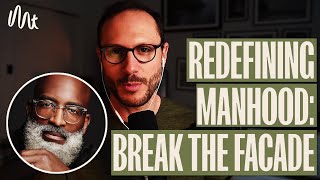
Jason Wilson talks about how men are conditioned to hide emotions and tie their worth to performance, then describes what a "Comprehensive Man" looks like: someone who balances strength with compassion. He outlines ten characteristics and discusses how to raise boys differently.
Questions this video answers
The Man the Moment Demands
January 28, 2025
Fighter; Provider; Leader; Lover; Nurturer; Gentleman; Friend; Husband; Father; Son
Chapters
We're all realizing that there's no freedom in the facade, that the Superman cape is actually strangling us instead of helping us fly. Throughout life, men feel apathetic, purposeless. Especially men like, I'm 54 this year, 55 this year, and I can't tell you how many men I've counseled who are older than me feel that they have no worth or desire to live because they can't provide and protect and do the things that they were accustomed to doing.
All right, Jason. Welcome back to the Man Talk show, my friend. How are you?
What's up, Connor? All is well, man. How you doing?
I'm good, I'm good. I feel like. I feel like we pop into each other's lives every once in a while, and it's fantastic when we get the chance to just sort of, like, sit down and. And chat, which is good.
I still recall the first time we. We met, we were in California. TD Jake show, right?
TD Jake Show. Yeah, that was. That was. That was a wild experience for me.
You had to get back to your flight, you had to make your flight, and we were in that LA traffic. It was crazy.
Yeah, I think that was, like, the first time I ever experienced real Los Angeles traffic. And I was like, what is happening, man? Like, if I grew up in a town of 30,000 people, I didn't know that that type of traffic was a real thing. You know, I'd heard about it, it was rumored, but. Well, I'm looking forward to diving in with you today. You know, we've talked a couple times on the show about your work. I want to do that again today, but I. I kind of want to dive in to just starting with masculinity first. And I want to get a little bit of an insight into what masculinity really kind of meant to you growing up, how you thought about it, if you thought about it at all, and how maybe your environment shaped your perception of masculinity. Because I'm learning more and more that for us as men, the locality and the people that we're around growing up can really have a massive influence on how we perceive masculinity. And that can inform some of the work that we need to do to maybe find our real, grounded, rooted, mature version of masculinity. So I'm curious to hear how your environment shaped your perception growing up.
When you say masculinity, you mean the attributes like boldness and aggression.
Or do.
You mean it in regards to manhood?
Let's go with manhood like how, how you perceived, how you needed to act, behave.
You know, masculinity isn't manhood. It's literally just a set of attributes. But I get what you're saying, how I guess growing up around especially friends and family members shaped my ideals of what a man is, you know, how a man is supposed to act. And I guess the main thing man was that I'm still undoing brother, is.
Having.
Not having a tender heart towards women. I was conditioned growing up. In my community, the hyper masculine black male was the gold standard, you know, and you never wanted to give your heart to any woman. You know, my brothers told me when I met my fiance, like if you marry, don't give her your heart, she'll use it against you. So for years, just being programmed to not allow a woman access to that part in my heart.
You know, shaped me, shaped my mentality early on in regards to respecting women, their purpose.
What'S the purpose of sex even, you know, and so. And then the other side of course is, you know, you can't be no punk, you can't be weak, you got to be strong at all times. You know, this pursuit of fearlessness which is impossible for any human being to attain. Every man I talk to, as soon as they have a child, they understand that it is impossible to be fearless because it's literally your child is like your heart walking outside of your body. So if you love your child, you understand there will be fear and without fear there is no courage. So just all of these misleading mantras and concepts about what it is to be a man, how to behave, and.
Those are the two. I mean, both of those alone almost cost me my life three times. And I couldn't imagine how many women I could have gotten pregnant. And all the women I've mistreated because of the bad advice I was given on what manhood was about.
I'm curious about. I mean, you talked about hyper masculinity when within male culture, what do you think that really sort of a two pronged question like what do you feel like that really stems from? And second, do you think that.
Men in different races have a different experience of that? Do you think that they're told different things like what a young black man is going to go through versus a young white man is going to go through versus an Asian man? Is it just variations on a theme or, or is it very different things for different reasons?
It's interesting. It's. I would say different themes, but the same story. So in my community it would look different because, for instance, you know, a fight in my community could lead to you dying. You know, in your community, you may fight and have to fight again. You know, someone may pull out a knife. You know.
The environments are different. But one thing I, I've discovered since, you know, breaking free from what I call emotional incarceration, I initially thought it was just a black issue that black men dealt with. But the more my message started reaching the masses, and especially after the Joe Rogan interview, men of all ethnicity was sharing that, you know, they all live high risk lifestyles. They all are suffering in silence. The majority, they believe that their worth is in what they do instead of who they are. And they only live within the realm of masculinity, which is providing and protecting. And because of that, so many good men live unfulfilled lives. And which is why I created the concept of the comprehensive man. Yes, you want to be masculine, you want to be courageous, but you also need to be compassionate. You want to be sensitive, but yet you also need to be strong. You need to be anything and everything you have to be at any given moment. You have to be able to be the man the moment demands instead of ruining the moments or not being, having depth in the areas needed where you could meet every moment with the right energy and presence.
It's interesting. I think one of the things that, I mean, I'm sure you've seen it in the last couple years, the sort of news reporting and stats and research that's sort of been coming out about the decline of young men especially, but just the decline of men, you know, less men going to college than ever before, less men within the workforce than ever before. Men are. Men are earning less. Men are, you know, getting married less. Men are dating less. Men are living at home more. I'm curious about your perspective because that is a sort of across the board thing that men seem to be really struggling just kind of everywhere in a lot of different avenues in North America. I'm curious to get your sense of, like, what do you think is contributing to this decline that we're seeing in men?
I think we're all realizing that there's no freedom in the facade, that the Superman cape is actually strangling us instead of helping us fly throughout life. And men feel apathetic, purposeless.
Especially men like, I'm 54 this year, 55 this year, and I can't tell you how many men I've counseled who are older than me, feel that they have no worth or desire to live because they can't provide and protect and do the things that they were accustomed to doing. And when, when you're younger and you're starting to realize, like wait a minute, that my entire life is performance based, that there is this mythical concept amongst humans called unconditional love really don't exist, that everything is based on condition, that even.
How I'm referred to, which I share in my new book as well, my wife is referred to as the better half and I have the honey do list and happy wife, happy life. And everything is geared toward that side of, of my life instead of anything being focused on me. I just believe men are just tired, brother. And it's not that we need sleep, we want rest, you know, an escape from what wearies our soul. And that's living a life, a performance based life where you only, you feel that you're only valued for what you can do. As Joe Rogan said in our interview, that majority of men hide behind their accomplishments. And so I believe just from talking to men that, you know, even the ones randomly come up to me and thank me for.
Writing books and posting videos. I mean, brother, so many men are at the edge of life, ready to jump. And it's all because from what I've my conversations and coaching men through.
These dark times in their lives, it's, they, they don't feel valued. And I often say we're not tired of living, we're tired of not living.
Yeah, I mean, I think there's value in every man having responsibility, free time, you know, where.
Literally nothing is expected of you. I remember I, I turned 40, not last year, but the year before. I'm 41 now. Turned 41 in November of 2024. So in 23 I turned 40. And part of that was I wanted to go back to my roots, my heritage and my family's from Scotland. And so I, you know, talked to my dad and, and found out where my family was from on the Isle of Skye in Scotland. And I took a week to go completely offline and I went back and visited, you know, the place where my grandparents, my great grandparents came from and originated from and where my grandfather was born and hiked around Scotland and needed no one, needed anything from me for anything. You know, I told my team, I told my work, I told my wife. I was like, I don't want to be needed for anything for at least seven days. And it was such a beautiful experience. I mean, it was, it was. I think I really got clear on how much responsibility I carry and I take for Granted how much I'm responsible for in life. Just the day to day stuff, you know, it's like even just like silly little things, I think about our house and how much work it takes to, you know, upkeep the house and like, who's going to fill the water softener, right? It's like, well, Those bags are £50. So I'm carrying those, you know, those two bags downstairs and filling up the waters. It's like, it's all those kinds of things that, that I do feel like both men and women have this kind of, you know, invisible labor that we contribute to a household. But, you know, it's all of those things that we as men are carrying around. The responsibility to provide, the responsibility to protect. And I do think that what you're saying is really bang on that there's a lot of men who don't feel like outside of their performance, they have value. And I just, you know, in prepping for our conversation today, you were, you just did an interview with a guy that dropped like a day ago. I think it was Lecrae. Am I saying it right?
Yes, that's correct.
Yeah. And so I watched some of. That was a really phenomenal interview. I like what he had to say. And the, the whole notion of like the alpha male stuff came up. And I, I wanted to get your take on something because I think, you know, in that sort of red pill alpha male community, there's this big saying that, you know, women are born with value and men have to build it. And I think we can get put into this frame because it cognitively makes sense.
Right.
It's like men that develop certain skills, get status in life and then are more desirable from women are more desirable from, you know, corporations and businesses and et cetera. And so I wonder how we balance this. I need to develop value versus I have inherent value, period. And I, I think it's a very, I don't know, it's. It's kind of a crushing thing, I think, to hear as a man, like, oh, you don't have any value unless you build it. And then that feeds into this. Well, then I have to perform. So I, I just want to get your take on that. Like, what, what are your thoughts on men having no value and having to build it?
Well, I, I don't think there's anything wrong with men building their value or building anything. I believe we were created to build and develop, and.
The problem lies in when our worth is in doing that.
I believe it's intergenerational. I Believe that fathers, you know, starts there affirming your son for just existing, not how many home runs he hits, how many baskets he's made, how many touchdowns he scored, or any of that. It's affirming your son for his very existence. And I was very purposeful in doing that with my son because I didn't have that for my dad. And as a result, I became a performer. I, I, you know, whether I was a DJ popular in Detroit, ironically, you talking about the ultimate performer, you know, I. Why did I want a dj? You see what I'm saying? And then, of course, I love the music, but I love the crowd. I love the affirmation. And then from there, you know, when I didn't receive affirmation from my mother or affection, I would say, because my brother was murdered when I was very young, her heart shut off, you know, and so growing up without the love from a mother, it created a mother wound in me. And so now I'm performing for love, going to strip clubs, throwing money at the women, you know, and so I believe, Connor, that it goes back to how we're teaching and raising our sons.
It starts there. I mean, again, we're doing a good job with eradicating the misleading mantras like big boys don't cry and no pain, no gain. That's not a universal principle. I mean, if you and I owned a sports team, we wouldn't send our star quarterback out on the field if he tore his Achilles, right? And what's one? Everything in moderation. You know, it takes less than an ounce of cyanide to kill you. And so all of these misleading mantras shape us as men in our identity. And unfortunately, when we don't receive that affirmation from those who really matter the most to us, from our parents, and then when we get married, our wives, you know, you start seeing brothers seek affirmation from awards. You see it. Acknowledgments. Social media likes, you know, men posting content tirelessly because they can't find that fulfillment or that affirmation in their own homes. And so I believe it starts from when we're young. And the way to undo it is to first start giving your son and your children what you longed for instead of giving them what you didn't receive then, also, as men, there's many good retreats where one I really like is called the Crucible, and there's many others where men have opportunities to affirm each other not for what you can do or who you are, but just your basic qualities. And Characteristics that make you special. And, and that's what I would. I, I truly believe, and I've seen it work in my work with young boys. Just the affirmation, young, about not how well you performing, but who you are, how you handled conflict, how, how your grades and I mean, you look, your smile today, you know, things that aren't superficial need to be affirmed in men. Not that he's tall. Do you play basketball? Do you. Do, you know, you know, those things are demeaning to us as men and, and, and brothers are waking up. They're like, hey, you know.
I don't like this life. You know, I, and I'm not settling for this. And unfortunately, without, you know, work that you're doing and others, these men end up suffering in silence. And we all know where that can lead. But if we can find ways, brothers, to start from parenting affirming down to our sons, and then those sons becoming fathers who affirm, we can eventually purge away the emotional pain.
So many threads that I want to pull on in there. I think one of them is like, I see this content out there by like, you know, the guys sort of like the fresh and fit guys who. I think they really appeal to young men, right? The Andrew Tates, the Sneakos, the fresh and fit guys. And there's kind of this callousness to it and this, like, you know, I don't give, I don't give a shit what other people think that I can imagine being 19 and 20 again and who I was, right? Drinking strip clubs, fighting in bars, riding motorcycles. And that probably would have really appealed to me at that point in my life because I didn't really have a sense of who I was. But I wonder what. I think you're touching on it. I think you've said, right, like, if we can give our sons the thing that we were lacking, the things that we were missing from men in our lives, then there's less of a probability that they're going to need to reach out to those kind of influencers. Let's just call them. But why do you think so many young men are turning to this kind of alpha male? You know, there's like a meme on the Internet called the Gigachad. You know, the Gigachad is.
I don't, I don't.
The Gigachad is like this Internet meme of like this super jacked dude with the perfect jawline and the perfect hairline and perfect body. And he is unfazed by everything. Like, nothing phases him. And that's the Gigachad. Right. And so there's this kind of archetype that has started to emerge of this impenetrable narrative, man, that is un. Unaffected and unfazed by absolutely anything. And the. The thing that I find to be kind of hilarious. And then I'm going to get to a question, I promise. The thing that I find to be kind of hilarious is that the people that are often promoting that type of life are very reactive. You know, like, I've. I've watched a lot of the fresh and fit stuff to try and get a context for what, you know, what they're espousing, what they're promoting. And there's a lot of reactivity, there's a lot of anger, there's a lot of hate.
There'S a lot of contempt for women especially. I mean, there's a ton of contempt for women. So it's quite surprising. But what do you think that young men are like? What nourishment are they missing in their life that they're turning to that type of content and saying, I want to be like that guy.
First and foremost. That guy is.
As you know, is not what they portray. I've met that guy. Like, seriously, many of these influencers, athletes, fighters, rappers, that a lot of men, young men look up to, they're human beings, man. And the reason I believe the younger male is attracted to this impenetrable type, stoic figure is because it's safe. It's safe in being emotionless. It's safe and not letting anyone know how you feel or what affects you. So you're scared. So the best way, I mean, I did it growing up, everyone looked hard, tough. No one smiled. You look at all the rap albums of my era. Everyone was hard. It was a facade. Yet these same boys were mama's boys. You see what I'm saying? And so when the culture doesn't.
Not just promote, but when there aren't men in the forefront showing that, hey, you can be tough, you can be stoic at times, but yet you can still allow yourself to be transparent and emotionally open to those who are important to you. And then if they try to take advantage of you, it doesn't mean you go back into emotional incarceration. You confront the issue head on. And at that point, you make a decision if that person is worth your friendship or being in relationship with you. You don't compromise who you are as a person to try to live behind this facade that nothing is wrong, nothing ever gets to me. I've trained in martial arts under men like that. And when they get older, they start sharing their hearts because they see their mortality. And I'm like, why wait till then? You a bad man. If someone tried to cross you, show them who you are. As I say in my. My new book, you know, it's. It's. It's ideal. It's important to be a kind man, but you also need to be the kind of man others dare not cross. And so I just. I know it's. It. It's safe, brother. If I could go back behind that and don't express anything, yeah. But I wouldn't have a good marriage that I have. I wouldn't have the family that I have. I wouldn't have the reach that I have. And what did I do? I do for men because men are tired of that. They know it's not real. No one. I don't know anyone like that. And I know some bad brothers. I know Navy seals, I know UFC fighters. I know a lot of bad men. Matter of fact, I had a UFC fighter, which I wrote about, was on the edge, called me, said, hey, I gotta talk to you. All right, cool. Get a flight here. One day, he flew in the next morning. That's how close he was to the edge. And then when I talked with him about his childhood trauma in my office, within a matter of minutes, he just broke down and cried. So what does that mean for him? This man will probably beat up everybody you named. He was a champion. Does it make him weak that he's human? Does it make him weak that something got to him, that he is actually a human being? No. And so I don't blame the young man because who's mentoring the girl. So it's like, I'm going to give you my heart, give you my love, but yet you're going to crush it because you're not even mentored. And so these young men are just trying to protect themselves from what appears to be an apparent danger, you know, which is being in a relationship and being transparent with how you feel for a woman. And then on the flip side, my brother, I don't see a lot of Connors out here. You know, you're a great example of what it means to be a man, you know, but it's not a lot of you out here. And so it's safe to put on the mask. It's safe to put on the uniform. Like I often say, you know, men will let women see Batman, but not Bruce Wayne. And it's a reason for that. And that's why Many men don't want to get married because, as you know, when you get married, the mask will come off. She will see that Bruce Wayne gets depressed sometime. She will see that Bruce Wayne has fears, that Bruce Wayne struggles with confidence at times, that Bruce Wayne has childhood trauma. But does that make her stop loving Bruce Wayne? Absolutely not. And so I believe the more that men like us stand up and become more bold on this message, but yet also understanding to the men that you've mentioned who are embracing living a life of perpetual stoicism or trying their best.
They don't have a way out. And so in one breath, you know, I understand, and I have empathy for them. And, you know, no one wants to be hurt, brother. You know, and then on the flip side, I feel sorry for them because I, too, used to be that way. If you look at the pictures of me when I was younger, I was very stoic, very hardcore in appearance. I wasn't a thug. Tupac says it best. I'm not a killer, but don't push me. You know, that was me. But, yeah, I just. I feel sorry for the young men. And until more of us can rise up, brother, and show them the way, and then we have more women who are mature and advanced, mentally and emotionally intelligent, can help these younger women make sound decisions, not only with their careers and their futures, but their bodies, then we could possibly see men say, okay, cool, I'll let you see my humanity.
I think that's such a good way of putting it. I remember on the td, TD Jake show, one of the questions, oddly enough, I can't believe I remember this, but I think. I think it's because I was so uncomfortable in that moment answering the question.
That's interesting.
Yeah. He said, he asked us, why don't men share their emotions more with women? And I think. I mean, I can't remember exactly what I said, but part of what I said was, in part, it's because men, not a lot of women, know how to receive a man's emotions. And two men know that. Oftentimes women weaponize their emotions against men. And that's not always. That doesn't happen all the time. But sometimes that happens. You know, sometimes a man. And I hear stories about this all the time. I get messages about this all the time from guys, right? Where they're like, you know, she asked me to open up. I told her how I felt, and then it turned into a big argument or two days later, she used that against me, you know, and weaponized that against me. And so I Do think that there's this collective work, and that's not to blame women or make women wrong or anything, but I do think that there is this collective work because there has been this absence of men being honest and forthcoming about this is what is happening inside of me.
But you know what? Today, if I can interject, please. I love what you're saying.
No, I experienced that with my own wife, where she impassively dismissed me. Aggressively. I won't say impassively, but aggressively dismissed me because I had finally reached a place where I could articulate my thoughts and emotions without yelling. And she yells at me and says, you're the most emotional man I ever met, and slams the car door. And so to your point about men feeling that their emotions are weaponized against them, you know, we have to understand that we're not. The biggest issue with that, bro, is that we are trying to escape emotional incarceration for the wrong reason, meaning we're transforming for them instead of us. And so what happens when we're trying to become comprehensive men and we don't feel appreciated and we're doing it for them? We digress back into where we were. And so there is no weaponizing my emotions against me because I'm confident in who I am. I know there's nothing wrong with me expressing my emotions. I'm just sitting across from a person who is emotionally immature or unintelligent. See, I always have to. I'm a strategist. Been training in martial arts, heck, almost half of my life now. And I can't allow someone else's emotions or actions to dictate what's best for me. And so because this person doesn't respect.
How I feel or acknowledges how I feel, I am to go back into hiding. No, I disconnect that relationship if they're not willing to evolve with me. And so that's what men have to understand. Instead of pandering to women and.
Thinking that chasing sex and, like, no. Value your body the same way, brother, you know, I tell my wife all the time, you know, hey, I'm. I'm the tree too. You know, I mean, it's not, you know, she can walk around in lingerie. You know, I walk around with no shirt on. It's, you know, you need me just as much as I need you to make this happen. And a lot of men, we relinquish that. Again, I believe that's also due to society promoting, you know, again, what is our purpose as men, you know, But I believe once men say, you Know what? I'm tired of living this way. For me, I want to be heard. Now I'm going to work on becoming a verbal processor so that when I express myself, you won't be able to use it against me, but either be able to receive it, or we have to split ways.
Yeah, I think that's. There's something really important. I believe in what you're saying because, like, for example, when I met my. My wife, you know, she's one of the best couples counselors in New York, maybe in. In America, you know, just like, really a very good couples counselor. And so I think for a lot of men, that could be intimidating because she knows a lot about relationships. She's very good at asking questions. And I think one of the reasons why we worked so well was that I was able to match her in emotional acuity, in communication, in being able to ask those questions back, being able to push back sometimes, being able to express myself very clearly. And I think that's one of the things that, you know, has made our marriage and our relationship work really well. It agitates her sometimes.
Oh, boy. Yes.
She's like, yeah, she's like, can you just. Like, can you just be wrong about this one? And she's usually right about a lot of stuff. Like, don't. Don't get me wrong. But, like, I think what's interesting is that when it comes to her, this is the real kicker. I'm wrong about a lot of stuff, but when it comes to her, I'm usually right. And I think that's the thing that, you know, a lot of women are looking for is I want you to know me in a way where I can't get around it. Like, I can't. I can't slip my way out of it. And.
I think that's such a beautiful gift for a man to bring into a relationship with a woman. Like, I see you, and you can't escape, you know, from this part. And I. I sometimes get cocky and arrogant of, like, I know you so well. And then I have to check myself. Right. I have to do that work. But I do think that there's something to that that women are looking for. And I think that's part of, you know, that's the outcome of us having done our work. Like, I didn't embark on my work to get to a point where I could bring that to a woman. It was just a side effect of me really deeply understanding my own self. Can I. Do you want to add anything on that? Because I was going to take a left turn into something else.
No, I. I think that's good. You know, I. All I was going to say is that I experienced that with my wife as well. She actually would be like, oh, when I'm able to stay, you know, even tone composed and express, you know, hey, you know, you offended me when you said that. And let's. Let's talk about that. Why did that happen? Did I do something to you? But deep inside, you know, she admit that, you know, it. Actually, she admires it. And actually she says it turns her on because, you know, she know the other side of me. She knew I could turn the lion on, you know, but to see you have a man that also is a lamb is truly attractive to a woman who, especially women who've seen a lot in life and have dated a lot, to come across a man who's comprehensive. Yeah, they. They appreciate it.
I'm going to ask a more.
Let'S just say, selfish question, if that's okay. Um.
As we're having this conversation and with a lot of the work that I've done, I think I am always trying to gain a deeper understanding of what it's like to be a man who grew up in different circumstances than me. You know, I grew up in northern Alberta and Canada. It was 98% Caucasian. I grew up in a small town and it was pretty rough, you know, and the big city that we are around, Edmonton, was a pretty rough town. It still is.
But I'm always trying to gain insight. And I think one of the things, you know, over the last number of years, we've had more and more men from different ethnicities come out. Men from, you know, I've had the last men's week in Iran. I had a man come from Japan, you know, literally flew from Tokyo to come and be at a men's weekend. And. And I was. It was interesting because the core problems were very similar, but the culture that he grew up in was so different than mine. And I really found myself, like, kind of nerding out, trying to understand what has shaped your version of manhood, of who, how you see what it means to be a man. And it's at many of the weekends that we've had, I have young men. We had a young black man come out that was 17 years old, and his mom wrote me and asked and it would it be okay? And. And I said yes. And I said, I don't know what the turnout is going to be in terms of ethnicity. I don't know if there's gonna be like another black man there. And I said, are you okay with that? And if not, I'm happy to help you find another resource. And she said, no, I'm totally fine with that. And there was another black man there, which was great. I think that was great. But what I really want to get is, as a guy that grew up in a completely different environment than you, what do you wish more men that aren't black knew about what it's like to grow up black in America?
That's a good question. I remember I had a conversation with two of my white friends who were white. I leave them nameless. They're pop. They're known. And it was around. We had a conversation around the murder of George Floyd. And.
I didn't get calls from any of my white friends during that time.
And.
It felt.
Because it was. I mean, the whole world knew what happened. There was marches all. Literally all over the world. And for those who I considered my friends to not have reached out, you know, I knew they loved me. But there was a major disconnect. And one thing, you know, that's one thing I wish more of my brothers of different ethnicity knew and even.
Empathize with is not only.
What the experience is like for someone who looks like me in this country, but also the effects that the trauma has had on us as a people who had to endure chattel slavery in this country. The statistics, you know, even as a black father, my son has his driver's license. Why do I have to prepare him for a traffic stop, like, you know, a robbery? You know, just that alone for African American father is troubling. It's worrisome. And I just. That's one thing I wish that they would be more open to. And then to learn, like I had to learn about your history, you know, learn about my people history before slavery, who we were in Africa and what we invented and what we created.
And that, you know, that would be, I guess, the main thing I would want to see. But.
In the same breath.
I guess that's what I want to answer your question. I guess that's what it would be.
No, that's great. That's great. I mean, I think. I think in part, I. I'm always trying to make sure that I'm not missing something, you know, because for me.
My men, my mentor, he's 74. His name is Dewey. Good. He's become a really wonderful friend. My son calls him Grandpa Dewey, and he's like this Obi Wan Kenobi character on the side. Of a mountain in Colorado. And he says, we're wounded in relationship and we have to heal in relationship. And I think that part of healing and relationship for me, as I understand it, is about being able to witness somebody and really understand them at their depths and what they've gone through and what they've experienced and to be able to meet that experience with some level of compassion and a curiosity to understand. And so for me, as I work with so many men from so many different backgrounds and so many different religions and ethnicities and political choices, I'm always sitting in this very unique position of how can I understand you better? And am I missing something? And you know, I. I didn't grow up in America and so I don't know what that's like to walk through the streets.
As a white guy or as a black man. You know, I have no, I have no context for what that's like to be in America. And so I think I've been trying to piece that together. And so I just appreciate that because I think it's been helpful for me to try and contextualize.
I want to shift maybe a little bit to this intersection between having to kind of go through like go through hell, go through really hard things in order to carve yourself into something valuable, into something strong. Do you think that men need to go through hardship in order to have a deep level of self respect? Do you think that that's sort of a prerequisite for it?
I think adversity is the greatest teacher for every human. Just to be honest with you.
With my own son.
I wrote about in the book about fathers who at this stage in my life.
I'm not doing as much hard work as I did before to get where I am. But my son is seeing only the fruit of their labor. But he hasn't seen the labor. And I have been praying like God, please give me the strength of Samson so I can show my son again the hard work it took to get where I am and even further. And yes, absolutely, I believe every man needs to experience adversity, needs to experience challenges.
It refines us, this man, it shapes us and then prepares us for whatever comes next our way. I mean the adversity and the hardship that I had just starting our non profit organization or building the cave of Adullam.
It's what keep me going today when some days I don't feel like doing it anymore. It's knowing that, wait a minute, I put a lot of work in. This is really nothing, just another obstacle for me. To scale or knock down and keep going. And so it's very important. It's so important. Actually, in the Cave of Adullam we have a training module called Fortitude where the entire training during those weeks is about fortitude and resiliency and overcoming. Because when you're down in life, actually we teach Jiu Jitsu in those weeks. When you're down in life, do you have the fortitude to fight on the ground and get up or will you be succumbed by your toxic thoughts or whatever? And so I think, I think it's imperative from my work that all of us experience some adversity and challenges. Yet you don't want your entire life to be adversity, which is unfortunate for a lot of men in my community who are stuck in fight orf flight because of so much trauma. You only believe that the best thing you have, you know, to get is maybe a beer or something or some clothes or some jewelry because you've lost so much, so many of your friends been shot, you know.
Or murdered or just people who just experienced significant trauma, you know. Heck, in the last three weeks, Connor.
One of our staff daughter died at the age of 14.
My one of the Cable Adullum students friend at my son's school died on the basketball court practicing fifth grader. And then a friend of mine who's a pastor, his daughter passed. Okay, that's a lot of trauma. And.
Considering what I've been through, I had to fight to make mine to change my neural pathways so that I wouldn't always think that there's going to be an issue, that there always going to be something. It prevented me from truly embracing the blessing of the moment when I kept align my trauma to time travel.
Yeah, I think, I mean there's, there's a lot of grief to have happen all at once, you know. And I always talk to men about like inviting adversity into your life and actually having adversity be a practice and.
In like it's like you want to, you want to take on intentional adversity. Like I, I started doing Muay Thai probably like two and a half years ago and man, I love it. And it is absolutely kicked my ass, you know, like I had training the other day with my coach because I do one on one and by the end of it I was recovering from a cold and by the end of it I was just, I mean I could barely keep going, you know, like I had a stitch in my diaphragm. Oh, I can't breathe. And you know, he's like, keep going. You know, we're drilling exercises, and then at the end, we're aspiring. And I was just. I was having the hardest time, man. And by the end of it, I'm, like, laying on the ground sprawled out, cooked. Like, just fully, fully cooked. But I do think that that adversity preps us to be able to have. At least for me, it allows me, when I take on intentional adversity, to.
Have a kind of skill and grounding when unwelcomed adversity shows up in my life. And I. I think that as a man, that's such a gift for us to offer people, to be a space that they can come to when they're experiencing something that is just beyond what they know how to deal with. And I think there's a guy named Martin Prechtel, and he's a author, and he's got a saying that grief is praise. Grief is praise because it is the natural way that love honors what it misses.
Interesting.
And I always appreciated that frame, that grief is the natural way that love honors what it misses. And that grief, when it shows up, can be a kind of honoring the things in our life that. That we've needed or appreciated or have lost.
And as men, I think we cut ourselves off from that sometimes. You know, we cut ourselves off from honoring the things that we've loved or that we've lost and that we've. And that we've missed.
You know why that is, though? I mean, we have to stay masculine, right? When you're grieving, you have to cry, you have to feel sad, you have to feel weak. And so those act. Those characteristics or emotions don't align with the definition of masculinity. So it's another reason why we. You know, when someone dies a tragedy or. I was talking to a father whose son has a disability. You know, sometimes he's driving and just.
Just lose it and cries, you know, because he feels that he can't cry to anyone. You know, again, it's. It's men.
Being slaves to what society has defined us by. When you see what women had to fight through just to have the right to have a bank account.
And here we are, as men, we willingly allow the society to say, no. I don't care how you feel. I don't care what you think. I just need you to provide and protect. Give me the check, get back to work. Until we're willing to fight, like, no, no, no. There will be more to my life. You will value how I feel, how I think I will be able to express my sadness, fears, and other emotions without a concern of how you view me. And. And we do need to fight for that. And until then, there's will always be a shortage of what we. I mean, everything that you've named regarding how, you know what, we're not getting married as much. One thing that was alarming was that it just came out that we don't have a lot of friends, you know, and so all of these, I believe, are byproducts of men not embracing the full comprehensive nature and who they were coming created to be.
I agree with that. Tell me. So obviously I'm just going to hold it up for people that are watching. You wrote this new book and you talk about the comprehensive man. Can you just outline what that is and why you feel like that's important, how men can learn from it?
Absolutely. Comprehensive man is a man who's. Who lives beyond just his masculine attributes. The 10 characteristics are. I started with the fighter for a reason, because we already know that one. The next one is the provider. Then you have the leader, you have the lover, the nurturer, the gentleman, the friend, the husband, the father, and the son. And when you're more than masculine, when you become comprehensive, you can actually navigate through all of those characteristics and pull one to meet every moment that you're in. And the reason I titled it the man the Moment demands, because the majority of men that I coach and counsel, their biggest regrets is being the wrong man in the moment, not having the right tool for the situation.
And that's what the importance of comprehensive manhood is and how it allows you to evolve as a man. I actually compared it to martial arts in the 70s and early 80s, how everything was punching, kicking, striking, the death touches, and all these other things. But what I've learned over the years in training, that those many of those fighting styles needed compliant attackers for the technique to work. But in 1993, that changed when Hois Gracie came and fought in UFC and the world was introduced to Brazilian Jiu jitsu. And so now to be a good MMA fighter, you can't just know how to strike, you can't just know how to knee or elbow, and you can't just know how to go down to the prevent takedowns and fight on the ground to get back up. You got to know it all. It's the same as manhood, you know, you can't just be a provider and protector. You got to be a leader, you got to be a lover. And love is more than sex. What what does love look like when your wife has insecurities with her body? How do you convey love to make her feel confident in herself? You know, the gentleman. Like, when I wrote that chapter, you know, that's when I started studying the alpha wolf. And when I found out that the whole concept was created by a study of wolves in captivity. And then the hilarious part is that when you find out that the alphas of the pack are the male and female, that's like a married couple. It just shatters everything. That all these alpha males bravado or the Persona. It was just hilarious. But then when I found out chivalry wasn't pandering to women, it was a code of honor by the medieval knights. Look at everything we've relinquished for this fear of being exposed or taken advantage of. And so all of those I teach on also teach dining etiquette as well, my brother in the gentleman chapter.
Because, again, I work with young boys and teach them dining etiquette, not just how to dine at a table, but the conversation. And. And I can't tell you how many jobs I've secured from dining correctly in meetings, man. Seriously. I've been. I was told one time, Connor, when I had a ceramic tile company, I was going to show the tile contractor my portfolio, and I cut my pancakes and realized I hadn't washed my hands. I said, excuse me, I got to go wash my hands. I come back, get to show them my portfolio. He does this. He says, hey, I don't need to see anything thing. You got the job. I'm like, how do I. How did I get the job? And you didn't see my work? And he pointed to my pancakes. He says, anyone who cuts his pan pancakes like that can cut my towel. I'm serious, man. That's how I got the towel contrast. When I look down at my plate, I have the picture of it, too, man. They were smacking the cut. Look like I had a stamp. Just did that and pulled it off. It's serious, man. I'm serious.
Oh, man.
But when you teach, you know, men that, hey, man, I teach my boys that the knife and fork treat them like weapons. So now they're like, what do you mean? And how to cut. Don't scrape the plate. Don't pull. You know, use your fork to move. Move your food around. And it becomes a way of, like, strategy, and I make it attractive. And now kids who graduate from the cable adult and go to college, they'll text me a call and say, Mr. Wilson and I just got A scholarship, because I dined with the dean, and he loved the way I carried myself at the table. And, you know, that's manhood, man. It is truly comprehensive. And I ended with the son chapter because that was the characteristic that shaped me into a comprehensive man. My mother had developed dementia, which I've shared many times on social media. And when she started getting worse, I used to pray for God to take her life because it was hard for me to see her suffering. To me, she wasn't really living anymore. And he showed me real clearly that I wasn't loving her. And that sacrifice is not doing what needs to be done. Sacrifice is doing what needs to be done that you don't want to do. And so I had to become more than masculine. I had to do more than protect her from bill collectors because she didn't have enough money to survive. She only had Social Security and small pension for my stepfather. And then I had to deal with the doctors who were just pushing pills on her just to get her out their office. But what she needed most from me, Connor, was the nurturer. She needed someone to be patient and long suffering. When she asked me a question 10 times, I wouldn't get frustrated and say, mama, I already answered it. I say, oh, I answered again.
That's what comprehensiveness is. As a man, I would comb her hair. I mean, I file her nails and clip her nails and massage her scalp. As men, man, it's like we fear those things because it. It makes us feel emotions that we've been admonished for feeling growing up. And this world is in dire need of. For the nurturing love of a man. It's different, and the world needs it. And. And so I. I close with that chapter because I tell every man who wants to be a comprehensive man, run to the areas in your life where you feel all of the unmasculine emotions, the ones that make you feel sad or cry or uneasy or fearful, and embrace them like a warrior. And watch how you transform and become even. I mean, beyond what you even thought a man was.
I love that. I mean, I love the concept as well, because I think in many ways, it's. It's been the journey that I've been on personally. You know, when my wife and I started dating, I wasn't in a great financial place. You know, I just started my business. I'd gone from being an artist to working at Apple to then starting my company. And I didn't know anything about finance, didn't know a thing. And it was something that I was embarrassed about. It was something that I felt insecure about. And, you know, because for me it was like, well, you know, a man should know about money. A man should provide, man, all those things. But when I just put those things aside, I was like, man, I want to know about money. I want to know about finance. Like, I don't know anything about this. And over time, I've poured forward, you've countless hours into understanding finance and savings and tax and, you know, different strategies and ETF funds and like, all this kind of stuff to just understand how to manage our, you know, manage our. Our money. And there was a moment a couple years back where I was sitting at the. The kitchen table and I was studying, like, about ETFs or like, whatever. I was studying. I was studying, like, some nerdy financing. And my wife came to me and she was just like, I cannot thank you enough for what you've done. And I cannot believe the transformation that I've watched. Like this guy that knew nothing about money and finance to somebody who is so competent around it. And I think for me that, you know, obviously the words of affirmation felt rewarding. But for me, just knowing that I can tend to my family and that I can make good decisions for us is something that's so rewarding for me personally. And I've learned time and time again, like, the areas that I feel insecure about, the areas where I feel embarrassed, the areas where I feel weak or, you know, not competent in, those are the ones that I need to march towards. And it sounds like for you, what. What you've done in this book is really laid out. Here are the areas that you can go and develop in order to be a comprehensive man. So maybe we'll just end off with what. Which. Which one of those do you maybe feel is lacking the most within our modern man?
And maybe it's not one in specific, but I think it's a good place to. For us to wrap.
It's definitely not one in specific, but there's a few.
Man. It's a toss up between.
The nurturer and the gentleman. I say the nurturer because.
It'S like we're almost ashamed to show the sensitive side of us, the tender side. Yet the greatest cattle herders are nurturers. The greatest coaches are nurturers. The greatest gardeners are nurturers. You see what I'm saying? And. But yet, you know, until we're able to move past the fear of how we'll be perceived when we embrace our humanity, we'll continue to stay stuck in the two characteristics that we tend to dwell in. But in honesty, Connor, now that I think about the fighter and provider, you talk about finances. How many men pride themselves on being a provider and don't know anything about a checking account, don't know the purpose of money? How many men know how to fight but, but fight in ways that don't keep them in advantageous positions? How many intellectual men, you know, that are in prison? You know, I mean, so I, I think we're, we're, we're failing in a lot of them and it's, it's not because.
We can't excel in them, it's the fact that.
We fear or we believe that we can only do two.
And then lastly with the gentleman, of course, I think that may go without it needing an explanation. But I mean, when I think of caring for elderly people, you know, just that alone. How the presence of men is sorely missed in that area, but, but even doing it for our own standards. Sometimes I hold the door for women. Not sometimes, I always open the door for women, but sometimes if I see a man coming behind me in the gym, I hold the door open for them. And I used to get upset when they don't say thank you, but now I don't, I don't care. I do it for me because I am a gentleman. And so for more men to practice in those. But my brother, when I think about the lover and how we, I stopped using the word self love because for some reason men, we have a difficult time doing that. So I call, I use the word self maintenance. You know, we know about maintaining cars, computers, etc. And then another word I am working to eradicate, well, to use correctly, is the word vulnerable.
When I looked up his definition similar to masculinity, it was an epiphany because the word vulnerable means you're susceptible to harm or being hurt or killed. You know, that's why you see a news report, vulnerable citizens couldn't defend themselves against a shooter. And so what man wants to be vulnerable? What man wants his family ever vulnerable? No one. But what we're trying to tell him, which I've heard many times you share even on your videos, is that we want men to be transparent and emotional, emotionally open. And so when I share that with men, they'd be like, wow, I was just on the radio shows, like, no wonder I have a hard time saying it. Because we do know that words have power and we don't want men to be vulnerable. We Want them to be transparent and emotionally open. And so, yeah, I just. I just wish men would if they decide to get the book, but to navigate through all the. Read all the characteristics, because I believe that we all need help with improving in each one. And I mean, man. My brother, the husband. I mean, your wife wouldn't be in business if we mastered that one, you know, and you see what I'm saying? So it's hard just to pick two, because if you're born in this country or in the last hundred years, how do you know what a man is? I mean, really, like. Like, how do you know, except that you provide and protect?
And so, yeah, beautiful man. I mean, there's not a lot of. There's not a lot of nuance to being a man. And I think for a lot of guys, they're trying to find more meaning and purpose outside of. Outside of just providing and protecting. And I was on a show called Modern Wisdom the other day with Chris Williamson. It's a. He's got a great show. And we were talking about what I said was the least sexy subject. I was like, you've literally. It was called A man's guide to feeling your feelings. And I was like, you literally asked me to come on and talk about a subject that's gonna be, like, the least viewed, least watched subject that you've ever had, and just know that it's not me and it's your title. But one of the things that I talked about was that emotions are a gateway to deeper meaning and purpose in life, and that our emotions and our emotions are how we experience reality. You know, we have our perception of our reality, and then our emotions are our direct experience of reality. And I think one of the things I love about what you've done and what you've always done in your work is you're giving men a gateway to a deeper quality of living, you know, a deeper quality of living regardless of whether you're a husband or a father. And so. So I always just really. I really respect you. I really enjoy our time together, like, sincerely, and. And the man that you are for other men. Because I do think that there's such a vacuum of male role models in the world, and. And so I. I really appreciate what you're doing. So everybody that's out there, 100%, go check out the book, the man the moment demands. I think it's live. This is coming out on the 27th. It's live tomorrow. So.
Yeah, 28.
28Th. Yeah. So this is the episode's coming out on the 27th, books coming out on the 28th, so grab your copy. Jason. Really appreciate you, my friend. So good to spend some time with you. And for everybody that's out there, as always, don't forget to man it forward. Man it forward. Share this episode with somebody that you know could use it or will enjoy the conversation. Till next week. Connor Beaton signing off.
More from Connor







How to Raise Strong, Unshakable Boys in Today's Culture, with Dr. Shefali Tsabary



