Top Psychologist: The 5 Principles Of Parenting - Dr. Aliza Pressman
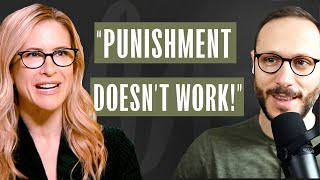
A recorded interview (Connor Beaton with Dr. Aliza Pressman) exploring modern parenting challenges and research-backed guidance. Core themes: information/social-media/AI pressures on parents, the developmental importance of bolstering children’s executive function (attention, working memory, impulse control) via play and practice, the centrality of secure attachment in early years, the value of free play/nature for resilience, and a concise discipline principle: “all feelings are welcome; all behaviors are not.” Practical tactics (games like Simon Says, freeze games, roughhousing, camping, values statements, and coaching truth-telling) are offered.
Chapters
The big challenge right now with young people is being able to distinguish between just being uncomfortable, which is part of the gig of being a person, and when you're actually being threatened. Those are two very different things that we have conflated that is disastrous.
I think we miss sometimes with parenting that it's not just about us creating safety between us and them, but also between them and the world at large.
You have kids who, you know, go out into the world and they're confusing the experience of being uncomfortable at Starbucks with, you know, like a saber toothed tiger that might attack them.
What does effective discipline look like for children?
My big overall thing that you can say in your head when it comes.
To discipline is how can parents address lying and a lack of honesty?
If they're scared to tell you the truth because they're afraid of getting into trouble, no big deal if you have a 4 year old old. But when you have a 14 year old and you could think about Connor, what you were doing, you want them to know that.
All right, I was going to say Dr. Pressman. Can I call you Dr. Pressman? What do you think?
I mean, I think Aza is just fine.
Ala. Okay. Well, you never know. I like the formalities sometimes. Some people occasionally, like I had Franz de Wall on about a year and a half ago who's like one of the premier primatologists and he's like, you know, sometimes people just want that formality.
Yeah, okay.
Yep, fair enough.
Well, I am excited to have this conversation with you because we're going to talk about all things parenting, developmental psychology, you know, how we develop growing up. And I think that this is a beautiful topic that I have been diving into over the last number of years. So I'm excited to have this conversation. Where I want to begin is the ever changing landscape that parents are in now and parents are going to be in the future. So from your perspective, what unique challenges do you think that parents are facing today that maybe, you know, our parents didn't face when we were kids? And then what do you think parents 10 years from now are going to be facing that we're not facing in the present moment?
Well, I mean, one thing for sure is that the information.
Whether it's helpful or an inundation of sorts, information is coming at us as parents. By the way, full. I mean, I'm part of that.
And so the benefit is that of that is that we kind of can do our best. The bad side of that is that we don't even know what information we're Getting whether it's accurate, whether it's reliable and valid, and we can start to question our own actual parental core and instincts. I don't know that that was something that was an issue in the past.
And of course, social media is a. A massive chunk of brain space for parents worrying maybe not when you have a three year old, but certainly as we get older and also just as we're also living in it. So navigating our nervous system in this information age and parenting at the same time and kind of keeping some kind of sense of groundedness so that we can be present for our kids while all of this is going on is a challenge that, you know, I think, I don't think is going anywhere anytime soon.
On the flip side, it's also, I think, totally resolvable if we come back to kind of what we can control ourselves. And I don't know that everybody remembers that because that's another one of the things that's sort of happening right now is the lack of a sense of. That we actually are running a ship. And that's okay. So there's a beautiful conversation happening about how we come to be who we are and recognizing the experience of our children and our own experience being parented so that we can really be present and thoughtful and intentional in raising our kids. And also, I think it's making some parents, I think a lot of parents feel like, wait, so does that mean that boundaries and limits are a problem? I think that's a big confusion for this particular era.
Yeah. I think the inundation of information that's out there for parents just like, I mean, anybody who maybe even if you're listening to this and you're not a parent, and the amount of information that we're inundated with about change and growth and development and transformation and all the ways that you can, like, do this, don't do that. I mean, it's really the vault volume of it can be so big that we can get sort of washed over with where to begin. And I think that's, you know, when I was starting to do research around, you know, kids and having kids and becoming a parent, there was again, the volume of information was so massive. And I love some of those, you know, Instagram reels, because I don't go on TikTok. I just, I think it's the bane of human existence because my personal.
No, no, same. I'm not into.
I really, I'm like, you know, sometimes I haven't talked a lot about where I stand on some of these things as a parent. But I. I probably will in this episode. But I remember going onto Instagram and there's like those reels where there's like, the gentle parenting conversations and then there's. Then there's like the. The parody ones, like the joke ones. You know, it's like, okay, I'm just gonna need you to sit down and just shut up. Just stop. You know.
And it's like, yeah, there's. There's the, like what you want to do, and there's the reality every once in a while that that sets in. But just to come back to the question.
So one of the things that I hear you saying is that the volume of information for parents is very different than it used to be. You know, there was sort of like some standard things that our parents probably used and heard about and learned about, and a lot of it was passed down generationally. And now people seem to be outsourc, sourcing it to social media quite a bit. So I think that's a big one. What do you think is going to be different for parents? You know, if there's people that are listening, that have young kids or that are going to be having kids in the future, what do you think parenting is going to look like? Or what are some of the challenges that you think are going to emerge in the next five to 10 years?
I think it'll be very interesting what goes on in the world of social media. I think it's going to be really interesting to see what direction this country goes in politically. And I think probably my. Maybe this is wishful thinking, but there's no way to sustain this level of intensity around parenting. So I think there's going to be some natural. You know, the pendulum just swings so much, and I feel like in the next decade, it has to come somewhere. Like, it has to resolve itself because it's unstable sustainable this way. We just can't be expected to be good while we're trying to be so perfect. I just don't see it being sustainable. So this might be a positive view, but I do think that we're going to figure out how to calibrate a little bit also. There was there. There is an idea that, like, everything has changed so much. And I hear all the time, like, these revolutionary, you know, this revolutionary science that's emerging about the brain or about relationships or whatever. When you look at the science, it has not changed. Like, it's still the kernels of content that we actually need. The little bit that we know for sure it's been the same for decades. You know, it's not that different. I think translate, like, getting science from page to stage might.
Take a decade or so, but it's not. So to me, that's also heartening. Like, no matter how much culturally the pendulum swings and no matter what might be going on on social media, we still know that when someone says there's a, you know, a parenting revolution going on, when you unpack what they're saying, they're like, we need to be both sensitive and have appropriate boundaries and limits. And that's called authoritative parenting or autonomy supportive parenting. And it's like that. That's been true for decades, since the 80s from a research perspective. So I love that because it feels a little bit less like we're, you know, like we're doing what are we doing this generation to the kids. But actually the science is like, we've been saying the same thing for decades. Like, how that actually works out in the real world is a different story. But for me, that is very soothing.
Yeah, I like that. I like that notion. Because sometimes we get caught in the repackaging and repurposed marketing of things that, you know, have kind of been true for a very, very long time.
That is exactly that. I wish I had said it that way. It's the repackaging and repurposing of parenting content that is maybe making us have this illusion, you know, I guess, when. When combined with the fact that it's more available, just there's just more content available. But it is repackaging and repurposing and remarketing of the same stuff.
Interesting. I think one of the. We'll. We'll probably come to that more later on in the conversation, but I think one of the things that I think quite a bit about as a parent and that I think a lot of parents are not, not necessarily in terms of, like, direct parenting, but this sort of, you know, tertiary conversations that we need to have as parents is this big looming shift culturally, economically around AI. And the fact that because I've kind of gone down the rabbit hole around AI and everybody that knows about AI and everybody that is very sort of proficient and at the forefront of creating it is sort of touting it as something that is going to be so fundamentally altering to our culture and our society that they keep stating that the world that our kids are going to grow up in is going to be so radically different from our own. And that, you know, I think in some ways, the previous generations had their own versions of that. I Don't know if it was necessarily as in their face. You know, I don't think that people could have predicted the changes that TV would have brought or that an iPhone would have brought. It's sort of hard to always predict and, and be able to prepare your kids for what that world is going to look like. But this is something that I've really been thinking a lot about because, you know, my son's three now, and in a decade, the prediction is that AGI, artificial general intelligence, can be created by 2028, 2029. And so by the time he's 13 years old, 14 years old, you'll basically have this super intelligent thing in your pocket that can teach you and support you with pretty much anything. Like if he wants to learn quantum mechanics, he'll have a professor pocket that can teach him that, you know, and it won't be a person, it'll be a program. And so, you know, I think about that kind of as a exponential fold of social media, right? It's like, how do you prepare your children for the onslaught of social media where you can use it in an effective way, but it can also use you in a sort of harmful way. And I think in some ways, one of the things, maybe that is different today, that is going to continue in the future is that we as parents have had to.
We sort of have to prepare our kids to regulate their nervous systems in an environment where so many people have outsourced their nervous system to social media and they've outsourced their nervous system to these platforms where they're constantly being dysregulated and they're constantly being overstimulated. And so I'm curious about your thoughts on that. I know we're kind of getting off in the weeds of social media now. Now. And like, how do you as a parent deal with that? But I'm curious about your, your thoughts on any of what I just said.
Well, I think all of what you just said speaks to the fact that we have to help develop the skills in our kids to be able to navigate all the, the onslaught of information. We they need critical thinking skills because you need to make sure the professor in your pocket has reliable information. You. So bolstering executive function skills, I think is probably our biggest charge. Because if you think about all the skills housed in your prefrontal cortex and just for the, you know, everyone that doesn't fully develop until you're in your, you know, early at the earliest 18, usually way later in your 20s. So that means all of Childhood, you're operating with a growing area of the brain that houses your capacity for critical thinking and your capacity for self regulation and your capacity for taking other people's perspectives and your capacity for communication and all of the things that are necessary when you talk about navigating the era of social media and AI. So since we can't possibly predict the technology or the direction that it's going in, or I think we can focus on bolstering the skills to make us the kind of, you know, having the kind of cognitive flexibility and critical thinking that makes it not as scary and overwhelming. Now, whether or not that's true, because we can't possibly know. We can at least know that our role as parents and just as, you know, humans growing humans in this world, that we're doing the thing that we know how to do, which is support and bolster those executive, growing executive function skills while we're navigating and managing our own nervous systems and remembering the core of parenting isn't about like the procedural stuff that we get inundated with like the tiny little minutiae details that have no relevance to the long term parent growth of our kids. But we get so fixated on, I think probably just to give us some sense that there's control in this world. But if we can focus on bolstering executive function skills and, and the sort of fundamentals of our own core of what we, we know is important in our parenting, I feel like that's the best we can offer to our kids and ourselves. And because I, because we don't know how the AI experience is going to be and we don't know what's going to happen socially and we don't really know the, we don't even know the impact currently. Like, no matter what researchers say, we can't like randomly assign some young people, for example, social media and some not social media and see how they fare in the world. So a lot of the things that we say are based on what we think is going on, based on, you know, some things that are happening alongside each other, like a lot more upticks in mental health challenges alongside the onset of social media, but we don't know. There's so much we don't know. So to me, I don't know if that even answered the question from what we can do as parents and people is bolster executive function skills that'll help us navigate whatever gets thrown our way.
So what are. Maybe just outline some of the executive function skills for the listener and then we can talk about how do you actually build an environment and a sort of like infrastructure to help a child develop some of those skills. And I'm assuming that we have to kind of make sure that those things are in place for ourselves first and foremost. A lot of emulation. Yeah, yeah. So let's just start there really.
Parenting. Parenting has nothing to do with the kids. It's like, it's just another, it's a repackaging of self development.
But so if you think of executive function skills as the air traffic control system of the brain.
We want to. And you could think of the movie Inside out if anybody saw Inside out with all of the different characters that were running the system.
So if this is the air traffic control system of the brain and it has the capacity to have focused attention. So you're, you're working on your attention skills, your working memory. And.
Think of working memory as just like everything that we need to be able to make sense of the world. Like working memory is the kind of thing where we can recall what directions like how to follow what's happening in the world where we. It's highly linked with IQ and intelligence. Attention is not just attention like I'm listening to, but it's what your behavior, your emotions and your, your cognitive attention is going towards. So there's a lot. And then self regulation. You're regulating not just your, again, not just your emotions, the emotion regulation, but your attentional regulation, your behavioral regulation so that you have a goal oriented capacity. Like I have a goal and my capacity to control my emotions to meet that goal, not in a sinister way, but like instead of, you know, throwing like the Starbucks barista gets your order wrong and you want your coffee. So like it's not super goal oriented to the throw the cup at the barista, nor is it pro social.
So we're learning how to navigate the world that way. And perspective taking, which is this skill that develops like loosely, we have some concept of it around 4 years old before that there's no sense that like you might have a different view of something. So in the silliest example of this, I love broccoli and 3 years old I can't use. If, if I, if somebody says, do you love broccoli? Does daddy love broccoli? My assumption is, well, if I love broccoli, he loves broccoli. And then you can see how the brain changes around 4 and 5 years old where all of a sudden that child is like, I don't know, I, I let me imagine what this other person feels when they Taste broccoli. I've seen before that they kind of wins. So I think maybe they don't like it. That is seems like this tiny little developmental skill that is massive and keeps growing if we work on it. Because. Right. How many adults do you know that don't have capacity? I just heard somebody, I was watching a movie with a big group of people and I heard more than one person was sort of talking to the screen about like, why did you do that? That's so obvious. Like you should say this when that happens. And we all do that. Like when we're watching something, we're just like, what? That's such a stupid mistake. But the truth is it's because we're assuming that everybody would act the way we would act in a particular moment. So that skill is super important. Housed in, that's part of this executive function.
This set of skills that are housed in your prefrontal cortex call called executive function skills and impulse control. Like again, something that seems kind of no big deal is the difference between.
Wanting to do something that could be bad for you and doing something that could be bad for you or someone else. And so of course when you see tiny little creatures like your three year olds probably doesn't always have capacity to stop.
Like stop himself from doing the thing. Right. But with developing prac, you know, with practice and a developing brain, all of a sudden you can stop your hand from like plug, you know, like pulling the dog's tail or whatever it is.
Yeah, he's, he's going through that right now. There you go.
And so there are things that we can do to practice and grow those muscles in quotes, so that by the time we get to 10 years from now when we're, you know, we've got. Your three year old is now 13 and all of these challenges are coming his way. He has practiced for a decade growing the skills to focus, pay attention his working memory, his impulse control, his capacity for self regulation. Like all the big stuff. So we think about like reading, writing and arithmetic. But the bigger, the bigger thing to work on and frankly the easier thing to work on is self regulation, attention, impulse control, like all the executive function skills. And by the way, as you said, these are skills that are the best thing we can do to bolster these skills in our kids is to bolster these skills in ourselves. So the transition to parenthood is the third biggest growth in our brain. It's when our brain is the most plastic outside of early childhood and adolescence, where the two other much bigger brain growth happens.
So that's because transition to parenthood, and this is true for fathers and mothers and caregivers.
It is the act of caregiving that we think changes the brain, not biological birth, because otherwise, how could we see this in fathers and adoptive parents and caregivers? Given that if we're bolstering these skills in ourselves during this transition to parenthood, then we're going to, of course, be giving a little boost to our young ones. It's the first time since we were younger that we really have these big challenges where we have motivation to not just walk away, but to actually grow.
Yeah, I think what. I mean, there's a bunch of different things in there that I think are super, super important.
So I just was like that.
No, no, it's. It's great. It's really, really good. I do this. I do the exact same thing. There are a couple of things that really stood out to me. Number one was impulse control. Number two was the.
The capacity to regulate your own nervous system. You know, and because a lot of the men that. That I work with.
That come out to whatever it is, some of what they're really struggling with is basic impulse control. And this is actually what I. What I realized in hindsight, I really struggled with in my teens and twenties, I had zero impulse control. It was not something that I was taught. It was not something, you know, it was like I would have a thought and I would do it. You know, it's like, I should jump my bike over that, you know, flight of concrete stairs. And I was like, okay, let's go do that.
Right?
And that got me into all kinds of trouble as a kid because there just was no impulse control and there was no, you know, regulated nervous system. But a lot of that, you know, not to, like, pass the buck or the blame, it's like. But a lot of that was a byproduct of the environment that I was in, which was a. Seeing that there wasn't a lot of impulse control, a lack of teaching me how to actually have impulse control, and a use of, like, great force and punishment when I.
When I would lack impulse control, you know, like when I would do something ridiculous. And it's interesting because I watch my son right now, and he's in this phase. Like him, he was doing it right before I came down. There's a mirror on. There's these stairs that go up to the second level of our house, and there's a mirror that hangs on the wall on the stairs as you go up. And he yesterday started doing this thing where he lays down on the first stair and just starts to kick the wall. And the mirror isn't on there super well, because when we hung it, like it missed the stud the first time and then put it in and whatever. And so he's just got this impulse that he thinks it's funny to go and kick the wall because then the mirror hits the wall and it makes a sound. And so it's this, you know, it's this game where he'll look at me and he'll go lay down on the stair, and then he'll start kicking the wall, and he know, what's going to happen? What are you going to do? And. And what I've noticed is that the more grounded, the more calm, the more firm that I am without being angry. Because he's also started to. I noticed that he went through a period of asking me, like, dada angry, Dada angry. And so he's kind of like, testing these waters, and it's interesting to see how it fits in developmentally within the first, you know, three to five years, because he's testing the daughters to see, can I do something I know you don't want me to do and still be all right, you know, or am I going to do something that you don't want me to do and get into a lot of trouble? And I noticed that the more trouble he thought he was in, the more proclivity he had towards going to do it again. And it was so fascinating at first because I was like, what is. Like, why are you doing that? You know? And I had to laugh because I was like, oh, man, this is just freaking parenting karma 101. Like, this is like. I was like, oh, I did this exact as a child. Like, this is exactly what I did. And now I'm just getting it in return. Full. Full spectrum, you know, like full. So I definitely did all of that stuff. But the difference is that how I respond now as a parent is very, very different than the response that I got. And so it's. It's just a very interesting thing to see that impulse control being built and. And. And test, sort of like tested out and tried out, and the regulation, like the regulated nervous system and him tuning into me, like, are you angry? Are you not angry? Oh, you're not angry? Okay, then we're just playing a game, and I can stop, you know, and so all of that unfolding. So I just wanted to share that story, and then I would love for you to maybe give the listeners some more, like, Tactical insight, like how do we help our kids develop the impulse control? What can we do? Are there certain exercises that we can walk them through? And then secondly, how do we help them develop that more regulated nervous system? And obviously that's a big part of us, but I think that any insight exercises, stuff like that could be very, very helpful.
Okay, so I think there are two separate paths. The first is responding in the moment when there's like something going on, like the mirror might fall. And then there's the practicing of the skill, you know, the skill building. So if you're talking about impulse control every day or three times a week, or however often not in the heat of the moment playing certain games, like for a three year old, I'll just give an example. Putting like music on and doing freeze games or musical chairs or mother may I? And if you see a pattern here, it's like all things where your body has the instinct to move forward but you have to stop it. So those games that are from like a gazillion years ago actually. And who knows if, like, I don't know if whoever started those games was so aware of how brilliant they were in terms of exercising those self regulation muscles, the impulse control part. But any game that requires you to pay attention because you're going to have to shift and do something that your body doesn't want to do again, like musical chairs or even playing games like I Spy. Now with a three year old that's really, you know, like very basic, you would just do basic I Spy. But you're growing that capacity over time and it gets, you know, by five years old, just playing Simon says every day can bolster that skill. So it's not unpleasant. Like giving impulse control exercises is not actually that unpleasant because you can do it through play. But anything, even the Candyland, like something that is, I'm just trying to think of like old school games that have directions that are something that you can follow by age 3. So any games where you have to remember a rule, abide by that rule and experience the disappointment of, you know, okay, I, I moved this, you know, the, what's it called, the piece two squares forward. And now I'm disappointed because this is what's happening, or now I'm excited because this is what's happening. All of that is fun, but also really exercising those muscles. And I think we lose out on that a lot of times during screen time and during the like very programmed days that kids tend to have now because they're losing the sort of slow.
Very you know, it's not that exciting to do pick up sticks and freeze games. But those are the, those are phenomenal for building these skills. And you know, even chess, Chess is a fantastic game which you could start at three. There's actually a little, very cute program, chess at three, but you can start with just pawns. And if you've never played chess before, you can learn how to play with your 3, 4, 5, 6, 7 year old, whatever. But again, because you have to plan in advance, you have to look at the board, you have to decide what move to make. These tiny little things having nothing to do with what you would, you know, like in the heat of the moment, breathing and stopping your body from kicking it. You know, a mirror is a totally different thing, but when you do those activities every day, every week, just in little moments, you are bolstering those skills. Okay, so separately.
There is the heat of the moment. Like the mirror example is a great one where you notice that you were consistent and firm but not moved. You know, like your nervous system was regulated enough so you could breathe and say like, there's no emergency here. I just need to remain firm. I mean, in this case there could be an emergency. So, you know, it, it's, it makes sense to take it really seriously and be firm each time. But that's going to be more effective if you're just like, I'm totally confident that the right decision is that you are not touching that. And also I'm not afraid of telling you that. So my nervous system is totally in check. He's going to step pushing because he gets it. He's like, I've tested, I've done the experiment, I get the same results every time. I'm moving on. And so for the majority of kids, they're going to move on after, you know, three to five times trying the same thing and getting the same reaction. Because as a scientist, which they are, it's not that exciting, right? But, but I think you, you name something that's very important there, which is you're not just keeping your nervous system in check, you're firm. So there's a confidence there that's not like overly like, like, you know, I, there's not over attention to. I know you're really excited about kicking the mirror and I understand mirrors are really fun and it's wiggly and it's shaky. Like this is not the time for that. There is a time and a place for that, but not when you're trying to teach a skill, like not sticking your finger in A socket or not kicking a mirror that could fall.
I have, See my thing is I have a tough time not laughing.
Yeah. Because it's so cute.
Well, it's. I think it's hilarious because I'm like, you're such a little sometimes. And then I'm like, oh man, I was such a, you know, like I was such a as a kid and I see so much of myself in him. And so whenever he's doing stuff like that and he usually has this like goofy ass little grin on his face. Right? He knows. He just like knows. And I think because for a while it became, you know, like would become a game. But he knows. It's interesting because he's he now like in the last several months he can very much see. Well, like when dad is serious. Right. There's a difference between like, haha, this is funny. I'm going to come over. You know, like this morning, the first time he was on the stairs, he's kicking the wall. I came over, I like picked him up by his ankles and like threw him onto the couch. Right. And he thinks that's fun. And so he's right back there and that's part of the game. And then it's like, okay, that's enough. Like we don't do that anymore. And that I've noticed that like when my tone shifts and it's not a, it's not in like a threatening way, it's just like this is enough.
He responds very, very well to that. And but if I swing too much and I do start to get angry, he also really responds to that. And so it is very interesting to see how.
I don't know what the right word is for it, but like how much their nervous system is just wiring to ours.
That's co regulation. Yeah, like that is, that is such a beautiful observation because they co regulate with us. They borrow our nervous system and so we have to focus on our nervous system in order for them to borrow the. The nervous system we're hoping they borrow.
So talk to me about some of the core pieces that are happening inside of us because I want the listener to put themselves into the seat instead of their kids. So talk to me about some of the core pieces that are happening developmentally in the first few stages of Life. So like 0 to 5. I know that there's sort of like there's pre birth and then there's 0 to 18 months and then 18 months to. To 3 and then 3 to 5. But like talk to me about what's developing there what are some of the primary things that an individual might need to know about in terms of their own developmental interruptions and what to look for? Because I've found that a lot of the times when it comes to individuals work and therapy.
We often look at the things that we can remember, and we almost always. A lot of therapy overlooks what happened pre verbal, which are oftentimes some of the most important developmental stages. So I think it's good to contextualize this for people listening.
Okay, so when you think about even the experience of.
Those early, early weeks and years that are, that, yeah, as you said, you can't remember the first couple of years. And I was actually trying to help parents understand this. During the pandemic.
It was really hard for new parents because they were so overwhelmed and also they were worried about socialization. And I was like, oh, this is actually the golden time for you. Because.
All these little babies need is their little tiny primary circle. And they don't need the outside world yet. They just need to feel safe with their family. The end, like, there's absolutely no need for anything else for those first couple of years. Certainly after like 18 months, you, you know, just, just because we beings, you want to introduce just the experience of others. But it's like in that first chunk of time, we're talking about helping them feel safe and secure emotionally and physically in their little tiny universe. And they don't yet need the bigger world. And they're getting so many of their cues from our nervous system, from our facial expressions, from our, you know, the language. So much of the language is developing even if they're not seeing, speaking, they're. They're listening. And it's the receptive language, what they're understanding that's more important than what they would be saying. And I, I really love this period because it's so heartening to see how wired they are for having a secure attachment relationship and how our job. And I, I know that, you know, one of the things that is true for us to constantly keep in mind is attachment isn't just formed and then it's just there forever or not formed and doesn't come around. It's really dynamic. And so, yes, during these early years, you are establishing the secure, hopefully secure attachment relationship with your child. And also, if you aren't feeling connected, if you aren't feeling like, you can be consistent, and consistent just means more often than not, it doesn't mean constantly. And just like, as a sidebar, it's super important for people to know that all of the research on attachment, like when, when, when Ed Tronick, who kind of created what a very famous still face paradigm and many studies on attachment relationships, when he calculated this is going to sound so technical, but like when he looked at the amount of times the parent child dyad was connected and attuned, it was 33% of the time. And the issue was not how much you were attuned as like a measure of secure attachment, it was what the rest of the time, the two thirds of the time that you were not attuned. Was that repair and discord and repair and discord, discord, or was it just discord? Detachment, not connection, not coming back together. But I think that it's worth naming because when I say that this, this early period is about the safety and the emotional connection and establishing that attachment relationship, I just want to be clear. It's not being attuned constantly. There's no human that is like that. Not a couple as you know, not a parent child dyad. It's about some of the time being attuned and some of the time coming back from misattunement.
So that's happening early on and that's the real focus is feeling like you have, you're getting to know each other and you are safe and there's consistency. And so this is a child who feels like I can explore out in the world because I'm not worried about when I'm getting my next meal or my next hug or a good night's sleep. And then as they become toddlers, they're meant to test the waters. And we're like, hopefully we've established this sturdy foundation from which they can explore and be, you know, like the rebel that you were. Because they know that when they, you know, turn back as they're kind of crawling away or toddling away, that they turn around and you're still there waiting. And you're also there to give them that look when they've gone too far.
So.
Getting to, you know, that three year old and preschooler, like they're testing, testing, testing and they keep checking in with you and they, if you don't let them know what the guardrails are, why would they know? That's their whole job is to figure that out. And our whole job is to help them understand. So if we were making such tight, controlling guardrails that they had no space to explore, that would be overwhelming and overly controlling. But if we give them no guardrails and it's just like you're young and Free, enjoy. They would not even survive. So, like, it's not a good idea. So we have that. Like, I think our parent development during the toddler preschool years is very much about toggling between the sensitive caregiving that we have and really getting strong and true with our guardrails, our boundaries and our limits.
So that we can help them grow while still making sure they feel safe. And all of this, our whole lives are. All of our relationships are some, you know, some way of saying, hey, I love you. You're safe emotionally and physically. And my job is going to be to keep you safe emotionally and physically, and then also give you the space and freedom to be able to grow in that safe emotionally and physically space.
Yeah, I think I. I was recently listening to Jonathan Haidt and.
Well, that ought to put you into a panic, right?
Yeah, no doubt. A lot of the stuff that he's talking about with. With regards to social media and its impact on kids and. But I do think one of the things that. That is super important that he talks about is this notion of, like, free play, you know, And I like what you're talking about as well. This. This toggling back and forth between a sense of autonomy, having a sense of freedom, but then also coming back into a place where there are constraints, you know, and having that. Having that, like, experience from a spectrum, you know, of differing degrees of limitations and then differing degrees of freedom, I think are super, super important. Like, we have. We are very fortunate. We live on, like, five acres of land and we have trees all around us. And. And so my son is outside constantly, and, yeah, he's just, like, running around and, you know, he's got these trucks outside and he's. And just recently we started to give him the space to, like, you know, go. Go outside into the front yard on his own and have some of that space. And it's been interesting to watch him because at first, the first couple of times that I did it, he didn't leave the front porch. Right. Like, he wouldn't. He was just, like, in the front, sort of like right there, right beside the front door. And, you know, and that was good for him. And then he kind of ventured off a little bit further and a little bit further and, you know, and now he's like. He's got a little bit of, like, a lay of the land, but he's still got his spots. And then he comes back to the house.
Yeah. So it's really an example.
Yeah. So it's cool to see that. That sort of, like, Free play and the trust and the safety and the security. I do every once in a while have the like, thought in my head of like, there's probably coyotes out here somewhere, you know, and like, and then behind us there's just hundreds or thousands of acres of forest. I'm like, do I need to put an airtag in one of his shoes and oh my God, track him? But I think that's probably a couple years away before he starts to like, really try and wander off into the wilderness.
But I think it's a great example. First, just because we just don't, we really don't feel safe anymore just letting our kids explore and play. And also we just feel like it's a waste of time, which I think is more. I'm not even sure which is worse, but I think that part is worse, is that, you know, I can, I think reframing free play as the absolute crux of development and learning and growing versus wasting time until there's something that's productive going on. Even. I was thinking about how this happens more with boys, typically, but rough housing is so important for impulse control and self regulation.
But we're so like afraid of the roughhousing that we stop it. And I remember this story. I, I think just roaming free outside just made me think of it, but I remember.
This. I remember going to the park. I mean, it was Central park because we were in New York City. It's a little, it's a little harder the roaming free thing there. But you still, like, we have, I think those kids, city kids are really good at like walking streets by themselves and figuring out how to stop at the stoplight. So it's a skill. But we were in Central park and there were these two brothers that were just like really roughhousing. But they knew like when it was too far because they practice roughhousing all the time. And then another set of siblings came and these two brothers.
Were not allowed to roughhouse because there was no violence allowed. And, and it was a totally well meaninged rule. And you know, I get why you would have that rule. But they were getting tackled by the other pair of brothers. And so the mom looked sort of like nervous. And I have this habit of watching everything like, like everyone is a safari creature. And so I'm not saying anything, but I'm just kind of fascinated. And it was so interesting because the two boys who were not allowed to roughhouse got so red faced and looked like terrifying because I think they were like, I think their whole nervous system felt threatened. And attacked. And they didn't know what to do with that much being stimulated that much. So they were just, just off the rails. Whereas the two that had been doing it for years in these tiny ways were not moved. It was just fun. It was letting loose. And it was such to me, it was so.
It illustrated so much how we've got to be free to play and to do the things so that we don't end up so confined that we explode when we are given access to any freedom.
Yeah. Or, or expect other people's to alter their behavior to ensure our safety.
Right.
Because that, that seems to be a huge part of the problem right now in the, in the culture today, which is like, yes, I need you. You have to change, you have to do this, you have to talk like this. You can't do this, you can't do that, because otherwise I don't feel safe. And it was interesting because I just attended one of the biggest psychology conferences in North America and I was talking to a really.
Wonderful, wonderful therapist, Dr. Alexander Solomon, and some of her colleagues. And it was interesting to hear people in the university environment that are professors talking about a fear of.
Not having everyone feel included because that is deemed as harmful. You know, like if you're not included, that's harmful. Or if you say something wrong, that's harmful. And it's just so wild to me that we've gotten to this place where and your, your story is such a, like, potent example of that. Right. Of like when you haven't done the roughhousing, like the physical roughhousing, then we can get into a space where we're saying the wrong things can be construed as like, dangerous to us. You know, and don't get me wrong, there are things that are very real threats. You know, like if somebody threatens you.
We have something we have to be able to distinguish.
Yes, that's right.
That is the big challenge right now with young people is like being able to distinguish between just being uncomfortable, which is part of the gig of being a person, and when you're actually being threatened and threatening. And those are two very different things that we have conflated. That is disastrous. That conflation is disastrous.
Yeah, I couldn't agree more. And I think, I mean, the free play is so. Some of my, some of my favorite memories and experiences as a kid were just being outside in the backyard with a little shovel or a hatchet, you know, and like just screwing around, digging holes, you know, chopping down little trees and playing make believe and having like My own little place in the backyard that I like curated in the woods and I haven't my friends there and you know, all, all of that was just so I think, I think what it does now that I've, you know, gone down the path of, of developmental psychology a bit is it creates a sense of safety in the world. You know, that there's like a knowingness that the world is, you know, of course there's dangers in the world, but that largely the world is a safe place to be. And when you, when you take that away, you almost take away one of the fundamental pieces of what it means to be a human. Because then you're walking out in the world in a city, in Starbucks, in a restaurant, and your system's like, oh, am I safe? Am I okay?
What do I do here?
Constant thing, you know, and so when you, when you strip that out, it's like fucking. No wonder so many people have social anxieties that are running rampant and they can't go to the coffee shop. It's like, it's this exhausting thing where your nervous system is like, am I okay even though I'm in? Totally.
It's so exhausting. And you. We have to like. I have such compassion for what's happened to like young. This is very much like, I think a reaction to a well meaninged. I need to make sure that my child is comfortable and safe. And we've confused safety. Like emotional safety doesn't mean you're always going to be happy, for God's sakes, you know, you're always going to be comfortable. That would be ridiculous. But we've gotten so confused. And then you have kids who, you know, go out into the world and they're confusing the experience of being uncomfortable at Starbucks with, you know, like a saber tooth tiger that might attack them.
Yes, A hundred, A hundred. So it's interesting because with some of the guys that I've worked with over the years.
When we talk about their youth and they talk about feeling constricted and not having free play or not being able to be outside, I will literally assign them to go on an excursion out in nature. Or I'll say, you need to go camping for two days solo. And it's going to be confronting. And it's. I remember one of the guys, the first time I actually ever assigned it to a client, I said, you're going to go spend one night out in the wilderness by yourself. You're going to get the tenting gear and whatnot, get everything that you think you Need. I can help you figure out exactly what you need, but you're going to go spend a night out in the wilderness. And this is a, this is like a 45 year old man, right? And, and, and this guy is like, okay. And.
It was so interesting because we, I led him up to it and then he, he went and he came back and we had a session like the week after and he said I couldn't do it. He said, I can't believe how afraid I was. I got out there, I parked my car, I started to walk off in the wilderness and I became terrified. And I was like, wow, that's amazing. Like a really good first step. And so he was like, but I'm, I want to do it again. Like there's something exciting about it. And it was, you know, the unknown and blah, blah, blah. And so he went off and, and had round number two and he spent one night out there and you know, he was like, I think I only got like four or five hours of sleep because I was up all night like, are there bears out here and I'm not going to be safe? And like all that kind of stuff. And so it was just such an interesting thing. But over time it became something that he, he like really loved and appreciated. And it was wild how much his sense of safety in his, in his marriage, in his family system, in his work environment, his sense of his ability to trust other people all started to shift because suddenly he had this internal knowing of like, oh, I'm safe in the world.
Yeah.
You know, and like I'm safe in nature, I'm safe in this unknown environment where there, there are a lot of things that can go wrong or go sideways or whatever. But that, you know, I think when we take that from kids, it's like they, we, I think we miss sometimes with parenting that it's not just about us creating safety between us and them, but also between them and the world at large and nature, you know, Specifically nature.
Yeah.
So thoughts on that before we move forward to the next?
I just agree.
Okay, well, good. It's. I'm. I'm taking my son camping for the first time this year. I'm, I'm so excited and, and it'll be, it'll be very interesting. So I'm going to test it here at home first. I'm going to set up the tent outside.
That's so great.
Yeah. And we're going to sleep outside and then I'm going to take him to Maine and go camping for like four days in Arcadia national park. And so it'll be a, it'll be a fun adventure to see, see how it goes. It'll be his first time sleeping outside and like going to bed in a tent. I think he's going to.
So great. You know, I, I so regret, I mean, my kids are teenagers, older teenagers, so it's tricky.
I so regret not doing that early. Early because it's so confidence building and so, you know, because confidence comes from competence and like, having experienced these things and recognizing what, you know, like real. Just the capacity to understand the difference between real and imagined threat. Like, these are all things that you can do with those kinds of experiences over time in your younger years. But now, you know, I recently just said to my, my 17 year old, I was like, I think you should do one of those Knowles courses. And she was like.
Not doing one of those courses and about to turn 18. So it's a harder sell when you can't force something. But I was thinking, oh, I didn't, I didn't do that with you when you were younger. And now it's another one of those things you don't realize you can do. You can be safe doing that and uncomfortable and all of the, all of the things.
Yeah, yeah. And I think there's like a usefulness that kids like. I remember being a child and I wanted to be very useful. You know, I wanted to like, know how to do things and I wanted to feel proficient at them. And it was, it was wildly frustrating. I know that that's part of the developmental stage, right? It's like you get to sort of like 5 years old and then all of a sudden you're like, wow, how much can I actually do? And then like, how well can I do these things? And, and that is such an important piece that, that I think we often overlook. Like with my son, he's incredibly intrigued by, like, how do we start a fire? You know, and like, what do we do? And so now he knows all the steps, right, of like, you put the paper in and then you put the wood in. And, and so he's like, he knows the whole process and he's very much into it. But okay, let's, let's shift a little bit because otherwise I'm just going to talk about how much I love my son the entire podcast. Let's shift a little bit and talk about, talk about discipline and then sleep. So let's talk about discipline first, because I think this is something that has had a lot of conversation over the last number of decades. What Is what does discipline look like for a child? What does effective discipline look like for children? And where, where are the boundaries for that? Like, what are some of the, the territories that we maybe shouldn't get into that we know can be detrimental developmentally?
Okay. So I, I have like a one sentence discipline version. And then like in my book, I did kind of choose your own adventure. There's discipline that tends to work more often. There's discipline that doesn't work as well, but is very popular. And there's stuff that's like straight up not good idea, but there's flexibility within all of that. But I would say, like my big overall like thing that you can say in your head when it comes to discipline is all feelings are welcome, all behaviors are not. That's like the big picture of discipline. So that means that every moment you can ask yourself, did I recognize honor, whatever, validate the feeling? Did I curb, give a limit to have guardrails for the behavior? Check, check, you've done your job. The end, like, so that's the big picture for discipline, which goes for a 3 year old or a, you know, 13 year old. And I know I'm making it sound overly simple, except it kind of is.
Yeah, no, I, I agree. I feel like, I feel like that also relates to us as adults, you know, like, like layer that over, over for us as adults.
Yeah, it really simplifies everything. And I think when we go back to that, how simple it all is, what's hard is doing it because we're people and we have feelings that get in the way of our, how we move through the world. But, but if you keep having that core of, okay, ultimately what is my job here? I need to figure out what my child needs in this moment. I need to figure out what I need. Because sometimes you don't have the bandwidth for the discipline that is required for certain moments. So you do have to recognize your own bandwidth. And for example, this is a minor example, but you know, if somebody says to me, they have a 13 year old, they're ready to give them social media, but they're not ready to check in on it and monitor it and help them along, I'm like, then they're not, they're not getting it because you have to both be ready and it's, you know, the bandwidth for it. So like, that's part of discipline is recognizing your bandwidth. And, and you can, I mean, when it's a 13 year old, you can just say that I, you know, I actually think you might be ready to try this out. I'm not ready. I have to be available for this.
But with it. And so I, but I think thinking developmentally, younger kids operate with a system that's pretty simple when it comes to discipline. Like, they want to please you and they want to not get in trouble and they associate like right and wrong in the world with what is allowed and what's not allowed. So they're not looking at like deeper meaning behind things. So you, you know, sometimes we attribute deep meaning and we're like, well, you know, when you, if you're just focused on compliance, you're going to have a kid who's constantly just focused on compliance for their whole lives. A three year old is focused on compliance because that's developmentally where they are, whereas a seven year old is not. Like compliance is not their primary goal. They're really trying to understand things in a different kind of way. And you have to be very careful about being focused on complaining compliance because you're going to end up potentially if you only focus on compliance, getting a kid who's like really good at following directions, but isn't really good at figuring out how to make a good choice in the absence of directions. So I think part of understanding discipline is thinking clearly about where your child is developmentally. You know, ideally, as our kids get more freedom. So they're now, let's, now we're not talking about a seven year old, we're talking about a 17 year old. They're basically free in the world with the exception of the really fundamental rules that you've laid out that are still in place in your households. But for the most part they don't have to check with you. Like, your three year old needs to find out if he's allowed to have a snack. My 17 year old is not like, hey mom, can I have a snack right now? Like, that would be weird and over the top. So recognizing that, okay, an emerging adult, I need to pull back as much as possible, but with the guardrails that really, really matter, both to her fundamental safety but also to my household values. Like, that's kind of a big deal too. So one of the other components of discipline, apart from all feelings are welcome, all behaviors are not. And like, here's my expectation and if you don't meet that expectation, there's a natural or a logical consequence.
Not punishment. Punishment, as we all know, doesn't really get you like it, it feels in the moment like, yeah, I, I showed my child that this cannot happen again, but then it happens again. Because that's just punishment, doesn't really work. But I think it's important to recognize that we have to also discipline within the context of our values. So like, I don't know what your values are and I wouldn't presume to know what anybody's values should be. I think we have like a basic understanding of, of the good goodness stuff. But I really encourage people to come up with a personal value statement and a family mission statement. This is not my opinion. This comes from research that came long before me and I'm just delivering it in it maybe an easier to understand way, going back to repackaging.
But I think you have to say, like in this household we value, you know, these three things above all else so that in the context of discipline, you have your day to day discipline so that you have easier bedtime routines and you know, not to kick the mirror. And then you have your big picture values. Discipline, where you're like, actually kindness is one of our top three values in this household. So if you use dehumanizing language, we're going to say something and we're going to have a conversation about it. So, so that, that's, you know, but if you had 13 or 20 values that were so important to your family, it would start to lose its weight.
I like that notion of having the values and then the values of the family system and then the sort of like motto, you know, of what we stand for. I think that's, that's pretty, that's pretty important. I think, as I always listen to you, one of the challenges that a lot of parents have is around lying. You know, that kids start to get into a place where they can, they realize that they, you know, can lie and not tell the truth. And that can cause a lot of disruption within the system. And so obviously you can have the value of honesty. But how do, how do parents, how can parents address lying and a lack of honesty? Yeah, I'm curious about that.
So lying is a funny one because developmentally it has process. So like for example, we were speaking earlier about that moment around 4 years old when kids can all of a sudden have what's called theory of mind. They understand that you think you might have a different perspective from, from their perspective, your mental state might be different from theirs. With, along with that realization comes the realization that you might not know that I had a bite of chocolate cake that I wasn't supposed to have. So now I can tell you that I didn't, which is lying. But then I won't get in trouble. And so in the beginning, lying is both a sign of cognitive, like a huge cognitive moment of growth. So for the littles, I would say don't panic. That is actually a sign of intelligence. And we just need to, you know, help our kids understand that they can tell us the truth, even when the truth might be something that we don't want to hear, and that we can handle it and that they can handle the consequences. And also we tend to set our kids up to lie. So looking at ourselves and you know, this is not to blame parents, it's more to empower parents to say that they can control a lot of this, which is how do I respond to lying? And am I setting my kid up to lie? For example, am I saying, did you eat the cake? If I know that you ate a piece of chocolate cake, why am I asking you just say, I see you ate the cake and we had talked about not eating it. What do you think happened? What was going on for you? Like so that you're teaching them you can find out they did something wrong and they're not going to. The world does not end. Now that doesn't mean there aren't natural consequences or logical consequences, but it does mean that they see that lying isn't the path to take with you. And the reason we need them to really, really understand that is if they're scared of you, if they're scared to tell you the truth because they're afraid of getting into trouble. Now we're talking about no big deal if you have a 4 year old, but when you have a 14 year old and you could think about, Connor, what you were doing.
Like you want them to know that truth is better than putting themselves in harm's way.
So if we are too focused on being afraid of the lying and the telling of the truth and all of that, we can get ourselves in a situation where our kids are not able. They, they, they don't feel like they can tell us the truth. So setting our kids up to tell the truth is hugely important.
Noting that we can instill the value of telling the truth through the way we live our lives in front of our kids especially.
And distinguishing over time between white lies, which are considered kind of pro social lies, like when somebody says thank you, I loved it about a gift is not the same thing as I, you know, snuck out of the house and I didn't want to tell you because I didn't want to get in trouble and I'm lying to you or you know, or I did, I said I brushed my teeth, but I didn't brush my teeth all week. And you know, like, I will give you another example just because I think people don't realize how often we actually set people up to lie to us. But in your tone, if you say, did you brush your teeth before bed? Right? And your kid says, yeah, yeah, yeah. And then five days go by and you're like, I'm going to check the toothbrush. The toothbrush is dry as a bone. It has not been used for days. But now my kid has told me four days in a row they brush their teeth. So if I say to them, did you brush your teeth? They're not going to say no, because then I might be like, what? So instead we say, I noticed the toothbrush is dry. You didn't brush your teeth this week, but I told you to brush your teeth this week and you had said you were going to brush your teeth this week. So now let's just do it together so you don't have to be in the position of not doing it and lying to me about it. So we're really just getting information. When our kids lie, for the most part, especially the younger kids, of how much more do they need to be able to tell us the truth? Like where are they at developmentally so that they can let us know, Hey, I need, I probably need some, some more monitoring here than I, you know, I've let on.
Yeah, I, I appreciate that. I think that's very, very helpful because I think for a lot of parents they can struggle when the child starts to, to lie, you know, and then it can go sideways and become a very like prominent feature within the, within the family system and then within that, within that individual's life, you know. And I think like a lot of the guys that I've worked with were the, like we had a, you know, there's a couple guys at the last men's retreat that I ran and one of the guys was like, I've just lied for so long, long about so many things and I do not know why, I don't know why I have to lie so much. And when we got into it, it was a lot of like shame oriented punishment when he was very young, around lying.
So, and I think the, the, and you know, shame punishment is like you're punished for who you are, so now you're a liar instead of a person who lied. There's a big difference between being a liar and being told you lied in that moment sounds like you were worried about what you, you know, that you would get in trouble or whatever. And like having some compassion while still saying, hey, lying is not okay. And we're working on this. That's a very different thing. The other thing that that story reminds me of is just in general that we have to unpack our own relationship with lying. Because when a three year old is. Or four year old is lying to you, are you then saying, oh my God, if I don't nip this right now, I'm talk, You know, like, this reminds me of what I was like. And when I was 15, I lied so much to my parents, I nearly died. You know, like whatever it is that is your own baggage to, to recognize, like, this is just a moment. This is just a moment. I don't need to write the whole future from this moment.
Love that. Well, I think that's probably a good place for us to pause. There's so much more around parenting that we could get into, but we'd have to pause for today. Where can people go to find out more about your work and to grab a copy of your book? Where can they. Where can they head?
I have a website. Dr. Eliza. Oh my God. I don't even know what my website is. I'm like, is it Dr. Lisa Pressman or Dr. Lisa.com? anyway, you can watch in the show notes. And I'm on Instagram on at Raising Good Humans podcast. My book is called the five principles of Parenting and you can get it anywhere. Obviously a local bookshop like bookshop.org is great, but it is on sale on Amazon for 42% off. So I totally get that. That seems like a better spot.
That's always, that's always helpful. And it's doctoraliza.com.
Thank you.
We'll have the links for that in the show now. So that was, that was the best. That's the best. I love when people are so not self promotionary, self promotional that they're like, I actually don't. Where should people go?
That's good stuff. All right, well, thank you so much. This was a great conversation. I had a blast. I think people probably got a lot from it. And we'll have to have you back on another time to dig deeper into the art and the science of parenting and developmental psychology. Thanks so much for joining me, everybody. Don't forget to man it forward and share this episode with somebody that you know would appreciate it. Maybe this is something that you listen to with your partner whether you have kids or not. This could be very, very formative in a lot of ways. So until next time. Connor Beaton signing off.
It.
More from Connor







How to Raise Strong, Unshakable Boys in Today's Culture, with Dr. Shefali Tsabary



