Toxic Femininity: We NEED To Talk About It - Mark Groves
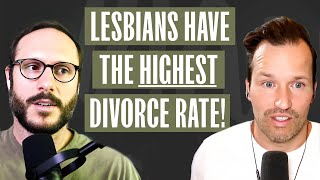
A long-form podcast-style conversation (Connor Beaton interviewing Mark Groves) exploring contemporary gender narratives, relational dynamics, and cultural drivers (social media, activism, COVID) that shape perceptions of ‘toxic masculinity’ and what Groves terms ‘toxic femininity.’ The dialogue covers causes (trauma, social conditioning, hormonal/environmental changes), effects on relationships, identity/political polarization, and practical implications for parenting, intimacy, and accountability.
Chapters
Society teaches us that men are bad, that masculinity is toxic, as opposed to just seeing that what we call toxic masculinity is really on integrated trauma. The whole world changed what it wanted from men while men were at work. There's so much complexity to this, and so it doesn't mean that we shouldn't show up better in a relationship. But interestingly, when you look at gender combinations in relationship, lesbians have the highest divorce rate. So it's like if you got rid of men, it doesn't seem to be helping. So the theory is everyone would just be monogamous and live life forever after. But, you know, in the research has shown that women get bored of monogamy faster. Okay. So that at least challenge it. Again, it's research. So it's like snapshots. But I think if we're going to have a conversation about human dysfunction and call it toxic masculinity, then we also need to have a conversation about toxic femininity. And even that word is triggering.
All right, Mr. Mark Groves, welcome back to the Man Talk Show. How you doing, brother?
I'm good, man. I'm excited to be back. I miss the man talks peeps.
You know what's funny is, is you and I could just shoot the forever. We basically. We basically spent the last 20 minutes. We were supposed to start 20 minutes ago and ended up just sort of like, shooting the. So I was like, we gotta hit record, otherwise you and I will just, like, catch up. So that's kind of what I hope this conversation turns into is just two good friends having a conversation that people can be a fly on the wall for. Does that sound good?
That sounds great.
Let's start with why are men seen as the problem in relationships in our current society?
Oh, we're going right there. I like it.
We're just going to start right there because I see all of this content. I see so much like TikTok videos and social media videos, and it's like, men are the bad ones and da, da, da. And men need to change and grow and all that kind of stuff. And so, like, women. What's that all about?
Yeah, you know, I. I did this video where I said that your partner, if he's male, is not going to want to change if you keep telling him that he's broken and he's a problem. You know, if you keep telling him that masculinity is toxic, that da, da, da, da, da. Because no one TRA changes. When shame is the mechanism or the tool to try to Engage, change. And so there's so many layers to it. But I'll say the first part is as, as you very well know, is that society teaches us that men are bad, that masculinity is toxic, as opposed to just seeing that what we call toxic masculinity is really unintegrated trauma. Right? It's like really that we're just not. Our compensatory strategies or how we source validation or worth, they're just not productive relationally. And because we haven't been shown another way. If you're taught that emotion is bad and being emotional is bad or negative emotion is bad. If you're taught that, that you're bad and there's a problem with you and that masculinity is toxic, you'll, you'll be, There will be such an appeal to people like Andrew Tate because he's saying, you know what it all, I'm great. Look at me, I got power, I got money, I got chicks. I don't care what you say, I don't give a. I'm not going to defend my masculinity. And while obviously there's toxic traits to him and things that he says and things that he does, I think it appeals to young men because they're going like, yeah, I don't want to apologize for a body I was born into. Like, I'm a loving, caring person. I'm sensitive and I'm told that I'm probably a rapist and a murderer. That's what I'm prone to do. And obviously I'm giving extreme language examples. But as a kid growing up in the 90s, that's what I learned about men, that they're bad. And I, I thought it was getting better, but for sure it's gotten worse. And I think it's very hot for a lot of coaches or therapists to appeal to the female side because women consume far more emotional content than men. And that's a survival based thing. That's not, you know, that's a, that's a feature, not a bug, you know, relationship. And, but I think it's easy to win the crowd when you say, you know, what if men don't show up for you, show up for yourself. And yeah, there's truth to that in any relational dynamic. But, you know, when we look at the structure of relationship, there's usually one person who's like, hey, I wish you were better at communicating and I wish you were better at showing up. And this could be any gender dynamic, but it just tends to be the female who's more like that. And then the other person is the problem. The problem. And. And the relationship doesn't work because it doesn't work when they're relating to each other from a healthy place, because it is the problem solver and the problem that keeps the relationship together. And it's usually the man who's like, I'm not good enough at communicating. I let her down. I don't show up enough. I don't share my feelings enough. And there can, again, be truth to all of these things. But if we don't actually uncover that one person needs to be the problem solver and the other person has to have it, then have a problem so that the one person feels validated and they also get to keep people close, then we never move out into a more. I don't even want to say evolve, because that sounds trite, but like a more mature way of relating to one another.
Yeah, I think there's some really interesting pieces in there because I do think that in current times, with the rise of therapy, speak online and, you know, learning a whole bunch of psychological modalities that, you know, relational advice, sort of flooding Instagram, TikTok, YouTube and that kind of stuff. And it's largely, you know, there's a ton of content out there for women around relationships.
It.
I think it is one of those things where. Because we've. How do I say this? It's like, because we see more videos and content and blog articles saying that there's a problem, it skews our perspective of whether or not there is a problem. Right. Like when you look at the data around the. You know, how many news articles are around being published around racism or homophobia or, like, relational problems, they've just all sort of, like, spiked exponentially in the last 15, 20 years with the invention of social media. And so I think in today's day and age, part of the challenge is that anybody can go out and, you know, scroll through social media and get sucked into this rabbit hole of, you know, men are the problem. Or men, I think women, before you jumped on, we were talking about, like, how men are seen as having the deficit relationally, you know, that, like, they are actually worse at relationships than women are. And I think. I think that there's. That. That's a challenging situation to take on. I do think that we as men are better in relationships in some ways and not as effective in relationships in other ways. But if we enter into a relationship with a man, like, if. If I enter into a Friend, friendship with you. From the perspective of men are bad at relationships, then I'm setting myself up for a bias to look at you and myself, because we're both men, to look at you and myself as having flaws and sort of like dysfunction around relationships. And so I can't help but think that that plays into how some women in our culture are entering into relationships or viewing their marriage or viewing their relationship of like, men are the defective ones that need to be fixed. And maybe that's a very extreme way of putting it, but how would you say that social media has started to influence that? Are men really the defective partner? Like, where is that narrative coming from? How do we combat that? Because it's just not, in my opinion. It's just not helpful.
Yeah, I think there can be, you know, we have a hard time holding both hands. It can both be true that a woman has experienced relational trauma at the hands of men. Of course. Right. Like whether that be sexual or physical trauma or emotional trauma. And even if they look up their family tree, they witness that with their mother, you know, and especially in the previous relational dynamics that still exist today where there's like financial abuse. So all of that can be true. But if I do as you're, as you say, and all of a sudden men are bad, is the unconscious belief that or no good men are out there, then I'll complain about the outcomes of my life and just blame it on the. The dating pool. The dating pool has pee in it. It's not my problem. It's the pool, you know, so it's like.
As soon as, you know, one good man, you've disproven that, oh, well, that one's in a relationship and they just got lucky and he grew up in good circumstances, blah, blah, blah. But we all, if we look, there's evidence to show that people have come from the worst circumstances and become the best people. So it's like, is my belief actually productive? Is it helpful? I do need to learn how to create discernment about an intuition about picking good men, about picking good people as partners. I can't do that if I just reject. Because what if I reject the whole dating pool? Then what I've done is I'm not going to be able to learn about the nuances between the behaviors that are red flag behaviors versus green flag behaviors. But one thing I want to come back to, I remember watching the show New Girl. Love that show. So funny. And in it, one of the women's was saying she was, I think she was a Gynecologist, which I love that Schmidt had said she was a lesbian and a gynecologist and he called her a virginius. And I. What I. One of the lines, I believe it was Jessica Beal who was the character. Again, I might be crossing over characters, but she said, yeah, I've like, figured out how to not need men in relationship. And so, like, everything's going to be good. We'll be able to have kids without men and, and then relationships will be great because men will not be part of them. And I, I, I remember thinking like, okay, well, yeah, men can be pretty bad at relationship. Like, we're not generally, we've been like, again, context matters. If you look historically, all of a sudden we're in offices and mines and warehouses. Like, we're not building relational skills. We're actually providing so that the family is okay. So we've like shamed the. What has made us emotionally less skilled. Which makes sense because we're learning our emotional skills now from classes and tick tock and courses and all those things, which is great.
God, hopefully not tick tock.
Yeah.
That'S not where people are really learning their emotional.
Unfortunately. People definitely are learning stuff from there and they're learning a lot of up stuff. But that's a whole. We can get into that. But I think if we can just actually see if we can have context to why men tend to not be as relationally skilled. Because, like, you know about this. I mean, like, you talk about this, it's like if I'm on a battlefield and my buddy's crying, like, not a helpful skill. Like we're. Now granted, I can understand why someone would cry during those old, like, trench warfare. Stupidest form of warfare. Let's just run into 50 cows. Like, so stupid. But I look at that and I'm like, that's not someone you want to be around. Grief is not valuable there. Fear not valuable. So it's like we, and then we come back from things like war and where's the integration of that? Where's the conversation? Where's the, like you watch someone die, it's like, just get on with it. Often you came back and your partner has left you for somebody else. Like, there's all these things that I think we don't have compassion for. We don't have compassion for the fact that when a man finally, let's say, retires after years of working in a warehouse or wherever, that he comes home and he's a stranger in his home and he's like, I thought I did everything right. I thought I did everything right. I did everything I was told to do. I put a roof over your head. I. I put food on the table. And now you're like, you don't have emotional skills because you're consuming all this stuff. And again, it's like, it's not saying there's not a responsibility for the men, of course, but where is the compassion? Like, the whole world changed what it wanted from men while men were at work. And that's a really interesting. And again, I'm not. There's so much complexity to this. And so it doesn't mean that we shouldn't show up better at a relationship. But interestingly, when you look at gender combinations in relationship, lesbians have the highest divorce rate. So it's like, if you got rid of men, it doesn't seem to be helping. So the theory is everyone would just be monogamous and live life forever after. But, you know, in the research has shown that women get bored of monogamy faster. Okay, so that at least challenge it. Again, it's research. So it's like snapshots. But the thing that I think is interesting is, and my theory as to why lesbians have a higher divorce rate is because women have much less tolerance for relational dysfunction. So their barometer of relational challenges is more sensitive. If you get two of them, you got much more sensitivity. That's why when you hear a woman say, I'm leaving this man, I've told him two years ago, the dude's like, wait, what? I thought you just, like, were upset that I watched NFL Sunday, you know, but there was so much more going on, and now I'm ready to change. So there's a health to that. I mean, like, if you think about it contextually, a woman needs a relationship to be much safer because her actual survival is correlated to that. So that makes sense that she would have more sense of a sensitive of a barometer. How do I think social media is impacting all that? I think it amplifies the narratives. I think it amplifies all the stuff. I think, I think on top of that, you have this, like, call out culture which says that, that, okay, men need to be held to account for the exploitation of power. 100% agree. I really like the line that you can have accountability without annihilation. So what does that look like? But I think if we're going to have a conversation about human dysfunction and call it toxic masculinity, then we also need to have a conversation about human dysfunction and toxic Femininity. And even that word is triggering because it's like, we would never use that in the context of that. Have you seen that reel that has gone viral where a girl is talking a woman and she says, yeah, you know, I was talking to my brother and I was sharing how like, if a guy doesn't open a door for you, go find one who will. If a guy doesn't do this, go find one who will. She's like, and then he was, flipped it around. It was like, if a woman doesn't have dinner ready, go find one who will. She's like, didn't sound quite as good. And I'm like, isn't that so interesting that we've created a tolerance for the way we speak about men that if we were to flip it, it would be considered totally unacceptable. So why do we have such a capacity for that? What do you think? Welcome to my TED Talk. That was one.
I mean, I think you're making some very good and interesting points because I do think that culturally we've decentered men's wants and needs and we've, I, I think that, I think that culturally we've also decentered and devalued what men bring to the table relationally. And what we've, what we've somewhat done is said that what women provide in a relationship is more valuable and that's how men should be in relationship, is that you should, you should acquire more of those feminine oriented traits and that the masculine traits that you bring to the table are actually less valuable. And I think in some ways in culture what we've done is actually said, the caveat or the asterisk to that is that what men bring to the table or the masculine traits that men have been revered for or chased after for from women are less valuable unless they are inside of a woman. Like, unless a woman is exemplifying some of those traits.
Like the achiever, you mean, or.
Yeah, like the achiever and assertive and having, you know, very like giving direction, like those types of things.
That's interesting. Yeah, I've never thought of that.
So we've, you know, I think we've like reallocated because those are the things that are celebrated amongst women, right? Like if you're a, if you're a boss babe in modern culture, like you are, you're winning, you know, like you're the winner. But I think when you, you look at a lot of those women, it's like, I think that some of them are now struggling to find a relationship and Find satisfaction. And that's not, that's a generalization. I'm not saying everybody out there, so save the, the angry DM at me. But, but I know a lot of women, you know, I know a lot of women through, you know, through friend circles, through the work that I do. I mean, I get messages from women all the time that are in that space that are like, oh, I hyper focused on my career and you know, now I'm struggling to find a relationship that's meaningful to me. And so I think that we've, you know, we've de. Centered masculine traits, needs, relational attributes and we've, we've actually encouraged women to embody those things. And I think that there's just like a reshuffling of the deck. And I think that in some ways what we've done is we have hyper, hyper centered women's wants, needs and desires in a relationship. And a lot of my concern culturally is like a lot of the content that is viewed through Instagram, through social media, through, you know, TikTok and stuff like that is very much centered around putting a woman's wants, needs and desires at the epicenter of what is the utmost important in a relationship versus, hey, there's two people. And maybe the desires, needs and wants are different and maybe what they bring to the table are equally important, right? So we're talking about equality in a very strange way. And I get where it's coming from, right? Because I can hear the comments that are about to be made like typed in, you know, online on my podcast. But like I get where it's coming from, right? Because for a period of time those things in the post industrial era were very like the relationship was very hyper male focused, right? Like it was very focused in on that. We've swung the pendulum to the other direction, you know, where I would say that it's very much on the opposite end of the spectrum and now we have to try and find our way back to how do we center both people, both people's wants, needs and desires that might be differing, you know, and that what I bring to the table as a man or you bring to the table as a man might be fundamentally different than what your wife or my wife is going to bring to the table. And that, that's okay. It's almost like you can't say that anymore, you know, like, do you get what I'm saying? Or of the mind.
Yeah, I think we can sense that, like semantically, culturally, I think men and women can both sense that. You know, there Seems to be like a.
I've seen it on, like trending that there's sort of like reclaiming the role of housewife or reclaiming the trad.
The trad wife.
Yeah. And traditional wife. Yeah. That's interesting, right? Because it's like we said, if you're a stay at home mom, you've forgiven. You've forgone what the feminist movement has created, you know, and, and now you could be a stay at home dad. You could do all that. These are all beautiful things. And how relationships decide to organize is for everybody. That's great. I like it. So it's like, can we hold the reality that when we reject something because we don't understand it or it has been harmful? Right. Like you were saying, they centered male needs in relationship 100%. And like, what male hasn't looked back and been like, oh, you came home, got your feet massaged, dinner was on the table, you got the big piece of chicken. Like.
When you're in that role, you're not going like, this is a problem. But I do think you have to disconnect from your heart to be.
I remember seeing the advertising from the 1950s, which is awful. Like, everybody Google it. It's some of the worst you've ever seen where, you know, you see, like, I remember there, I used to put this up in presentations because it was five easy ways to train your wife. Something like that. And it was like a little booklet and I, I forget who it was made by, but if you look it up, it's like available online. But I thought, oh man, Like, I used to just joke. Like five easy ways, that's it, just five. And I used to joke about it because I wanted to give context. Like if you're a 4 year old and that's on your coffee table, you're learning both as a boy and a girl. What? And it's, it's a toxic way to relate to a female. Of course. So what you're saying is like, okay, well, instead of just like erasing masculinity or what we call that, how do we actually create space and collaboration for both people to come most alive? Like, you know, interestingly, which I. There's so many layers to what I'm about to say. But our son Jasper is obsessed, obsessed with trucks, like trucks and construction things. I'm not obsessed with construction things. I do love cars, but I never was like, I love cars, you're gonna love cars. We would just walk around and he'd always point at trucks, truck, truck, truck, truck, Trailers he calls trucks. He needs to learn the difference. But he. I had someone be like, oh, well, that's conditioning. I'm like, well, there are innate differences between boys and girls. And there seems to be. And this is the layers, I think, that are fascinating. There seems to be this desire to say that nurture is the only thing. And if we acknowledge that there are actual biological sex differences between men and women, of course nurture makes a difference. But, you know, they took twins. I remember studying this in psycho child development. Twins, where by accident during circumcision, that's a whole other subject, genital mutilation to children. But, like, they circumcised, ended up cutting the penis off of the. Of the boy. And so they raised these twins, they raised the boy as a girl. But eventually, and I can't remember the exact outcome, but I believe that that person ended up committing suicide. I can't remember specifically, but they actually eventually were like, I'm. There was a conflict within their own bodies about who they were.
And what I think is. Is so layered in this. And that's why I added that context is we were at a. A baby singing class and there was a young, like a little baby, maybe like four months old. And I was like, oh, is it a little boy or a girl? Hard to tell, you know, when they're that young. And she, the mother said, well, it's a girl, as far as we know so far. And I was like, what? Like, what do you mean? So in my brain, I'm like, so far, like. And the reason I say this is because you have the layers of endocrine disrupting hormones that are happening through things like coffee cups, plastics, food, glyphosate, all these things that are. That are affecting us hormonally. I remember reading that something like boys in their 20s now have the same testosterone rate as men in their 60s in the year 2000. It's something like that. And I was like, this is crazy. So you have these layers of one less hormones and you have messages from. We talked about this last time on my podcast about Cameron, the director, James Cameron, who said testosterone was toxic.
Right.
Even though it's actually in women. And it's a necessary hormone for a lot of things. But. But that messaging again, is like, we have hormonal impacts. We have people believing that.
You can choose your gender. And look, I'm all for however you want to express. This is not a judgment of that, but this is saying like, and I get the difference between sex and gender, but I couldn't believe I did an Instagram story where I said, it's wild to me that it's controversial to say that biological sex is real, right? Like, it's wild to me that I'm sitting in a room with someone and I'm saying, do you have a little boy or girl? And they say, a girl, as far as we know, right? Because I'm going like, you're their parent. And again, I recognize the sensitivity, which is crazy to me, that this is hypersensitive. I had a response to when I said that where I was called transphobic. I'm like, well, transphobic by literal definition is to be afraid of trans people. I love trans people. I've had two incredible trans people on my podcast to explore all the complexities of it. But it's like saying.
Trans women shouldn't compete in women's sports, right? Like, that statement.
That doesn't make me not like trans people. It just makes me be like, okay, well, maybe that's not fair. Can we talk about it? Like, can it be a conversation? What about women's feelings?
It could also be from, like, a protection, you know, it's like, if my daughter at some point became a trans man or came out as. As trans, I wouldn't want them to be competing against guys that have been biological males all their life. Like, that just wouldn't be good for them. Like, especially if it was like a contact sport, it's like, it's just not going to go well. You know, it's just not going to be a pleasant experience, right?
And saying there's no difference, again, requires. It requires this leaving an ontological truth that biological sex exists, again, how we choose to express and all that kind of stuff. You know, I forget the psychologist who said this. He got a lot of backlash for it, but he said, instead of, why don't we actually broaden the definitions of men and women so that we don't have to change what we are in order to accommodate how we want to express. And I was like, yep, that's actually fairly simple. And I see we seem to be doing that on some level, but I think it's like, I'm not 20. I don't know what it's like to grow up in Tik Tok. I listen to.
The witch trials of J.K. rowling, and it's a fantastic podcast series just that offers so much. It felt like it. It gave a pretty balanced view of both perspectives. And I didn't know that all the pronouns really came to be from places like Tumblr, you know, and that's really what birthed all of these different, you know, perspectives on pronouns. But I'm like, do we just not know who we are? Like, have we. Is it a combination of. Of endocrine disrupting hormones mixed with a lack of guidance and a lack of initiation and a lack of, you know, it's. It. And then you add to that smartphones and all the different complexities of that. I was talking to someone who said that 30 of their class is LT LGTBQ + + or whatever the different letters. No disrespect, I just don't have memorized. And I was like, holy 30 of people.
And I'm just kind of like, wow, okay, well, can we have a conversation about what is going on? Because something's going on. It's like the increase in autism rates, massive. The increase in mental health rates, massive. Like, this is. These are all symptoms of something that's happening on a much deeper level. So do you want to dive in on that? What do you think?
I think we can. I mean, I think we can tie it in. Because, look, I think the one thing I know about you from knowing you've now for like, a decade, is that most things tie into relationships or that it's relational. And, you know, it's like how we have a relationship to ourselves, how we have a relationship to the culture, how we have a relationship to our bodies or to somebody else. It does seem like our ability to be in relationship with others without needing to try and coerce them or force them to fit into how we want them to behave or act. It's like, that seems to be on the rise. You know, how do you think about things like, raising a child in the world today? How do you think about things like, you know, speaking. Because, like, you're saying. I mean, you've said it a number of times. It's like, this is Laird. This is Laird. And I. You know, this is a charged topic. And I feel like this. As soon as you enter into some of these territories, it's like there's all of this preface that needs to come along with it.
It's like, you can't just have a.
Conversation about it in a way without, like, oh, what's that person gonna say? And I'm gonna get attacked for that. And like, oh, man, that's gonna get me, like, five DMs and, you know, threats to unfollow and shit like that. So it's like, how do you even approach some of this. Some of this stuff when it comes to talking about subjects that you feel are very important to you.
But it is interesting that we seem to have to add so many qualifiers because. And you know, the feedback that people have on that is like, well, eventually you don't say anything like, what do you actually stand for when there's so many qualifiers through? I do think that to honor someone's experience, their human experience is actually really important because it disarms them. You know, Like, I think giving context to why women or men show up in relationship at least contextualizes it so we realize there's nothing wrong with us. Maybe it's a perfectly adaptive strategy to what we've been doing. You know, I think if someone has gender dysphoria, it's like, okay, well, let's actually explore gender dysphoria. Let's explore why you have rejected the masculine or the feminine. What's your relationship to your mom and dad? What kind of foods are you eating? What's the cultural messaging you're getting? I think that is true of all of our developmental behaviors that, you know, are either functional or dysfunctional. They're either relational or they're not. You know, and, and think of all the greatest reasons we break down relational think. You know, they're all ways that we respond in conflict that aren't productive. And I. It seems to be that because we have so much more information, we desire to create what we call decision heuristics, which are like shortcuts to figure to create a safe psychological environment. So it's like if. If you say that biological sex is real, then I can probably also make a bunch of other associations with you. You're probably anti vax. You're probably right wing. You're probably mega. Or in Canada they call it maple mega, which makes no fucking sense. That's hilarious. Yeah, it's so stupid. But I like, if I could put you, okay, you're. You wear a mask, so you're probably a sheep. You're probably pro pharma. You're probably pro vaccine. You're probably pro whatever other pro war, pro whatever the other again, tropes. Oh, yeah. And if you're anti facts, you're probably racist, right? So we have like all these ways that are just two lines that we've really tried to organize the world. Like the other day I was talking to a film producer and he said to. He's like, oh, where are you living? And I said, right now I'm living in Cordelane. He said, oh, there's a lot of Gun toting rednecks there. And I was like, I mean there are some, but there's like really nice people. I don't even know who they vote for. I don't care. I had another friend whose mom is from California, she said, oh, you live there? How do you handle it? Like, well, there's a lake and trees. It's really nice. No, I mean all the Republicans. I'm like, holy moly. I don't even know who people vote for here. I don't ask. To me I'm like, wow. If I was to just maybe it's because we're Canadian that it's not as the, like it's not the gateway or the permission piece to have a conversation. And so I think how do we restore space and relationship to honor the complexity, to honor the difference? Like we don't break bread generally with people we disagree with anymore.
Right?
And that's a problem. Like I think during COVID one of the greatest, the greatest violation I think was that they used messaging that violated the sacredness of our relationships. And what I mean by that is they used shame and belonging as a tool to change behavior, to get people to take a product. They used a lot of things like you're not going to have a job, you're not. But if you do this, if you don't get this thing, you're not a good person and you don't have each other's back. You're a grandma killer. And so what happened is like within friendships, groups and families, they're like, well, I can't have you in my house anymore. You represent one, a possibility of me dying, even though that was amplified and magnified and untrue. But you also represent, we have now different values. And you know, I grew up in Alberta, which you did too, and it's like the Texas of Canada. And my uncle, he's a farmer. And I would consider myself like pretty left, especially for Calgary, like very liberal minded. I had a problem with a lot of the conservative minded, oil and gas, blah blah, blah, you know, when I bought into those binaries. But I used to love disagreeing with my uncle. I used to love it. You know, we'd have chats at the Thanksgiving dinner table. He'd get all mad at some of the things I thought, I get mad at some of the things he thought. But I was left broadened, I was left with compassion and context to him, his upbringing, the environment. And it just like makes me think of a famous quote from Jonathan Haidt. Maybe it's not Famous enough. But he said, like.
Beyond the binary, like you and I disagreeing, just having two different perspectives, what is inevitably created beyond that binary is a third perspective and it's seemingly smarter than the first two. And I always think about that now of like my wife and I having different perspectives doesn't make us weaker, it makes us stronger. You and I having a different perspective on something has never been something that didn't deepen our connection. Like it's actually through the difference, through a challenge we've had, through whatever it's like way, that's how we understand each other more. And I think because we're so afraid, because we consume so much fear based information now, because the algorithm amplifies it, it's easier to just.
Not relate to you. And I think if you look even deeper from a cultural perspective, I think there's a line where things like activism have overlaid with COVID narcissism. And if you look, there's a lot of overlay of the dark triad with far left or far right activism. It's just that one of the shadow sides of left wing is that it doesn't believe it's capable of being captured. It doesn't believe there's a righteousness to the perspective. I'm doing this for good, for you, for us. I'm going to censor information that doesn't agree to protect you. So there's an infantilization and then there's like an altruism to it. So like the shadow side of right wing is pretty obvious, it's pretty explicit. But the shadow side of left is not, and I only use those words because it gives us like an archetypal idea of what that even represents. What do you think?
I think it's. There's a couple of things that stood out to me as you're talking. Like one, the, the, like virtuousness as a weapon, you know, like virtue has become a weapon within our modern culture. And there's, there's, I mean some of it's just absurd to me, like throwing orange paint on a painting. I'll never, I'll just, I'm just like, what? Like you're just wasting your time. Like you're actually just wasting time, energy. It doesn't do anything, doesn't create any change. You could actually put yourself towards creating meaningful, substantial change in the way that you want. That would, that would actually be helpful. But that aside, I think what's fascinating, what really hit me is that as we have tried to deconstruct the genders Right. Of male, masculine and feminine, of tried to, you know, so socially we've tried to sort of like, deconstruct this biological binary. What's fascinating to me, and it just kind of struck me as you were talking, is that we've just replaced that fundamental binary with a different one. Right. You gave all those indicators of if you're wearing a mask, if you got the vax, if you vote for this person, like, that puts you into this one binary. If you like Trump, if you didn't get the vax, that puts you into this other binary. And that's the split.
Right?
And so, like, I think that there's something within our minds as human beings, within our sort of like, psychological or biological makeup, that has a predisposition towards binaries, because they exist and they exist in nature and they exist within us. You know, like, there are binary parts of our existence, and, you know, there are binary parts to biology. And when you start to deny that truth, I think that there's consequences to that. When you start to. When you start to sort of, like, wholesale. And I'm not even talking about trans. If you're just part. That aside for a moment, if you just start to try and reject some of the binaries that are there because you don't like them or you don't like the. The categories and some of the pieces that are in the categories, that binary doesn't go away. It'll just show up in a different way. Right. You'll just fall. You'll just find yourself in a different category of a binary psychologically, because we seem to have some predisposition towards it. What are your thoughts on that? I know, like, what now we're just like, in the rabbit hole.
But I think it's such an important rabbit hole because it's like, can we get. You know, I had a deep disagreement with a very close friend of mine during COVID And it was interesting because I said to her, you know, we're actually orienting around the same values. You're. We're just orienting differently around those values, and you're moralizing the way you're doing it. Like, you don't respect my perspective. You believe that it's morally.
Below. Yeah. Inferior to yours. And she was able to receive that and actually see that because it. We can't meet eye to eye when that happens. And I get that. That's from a. Fundamentally. That's from a protective space, you know, And I look at research like, you know, that. That when college students are asked if they'll share a dorm room with someone with a different political view, we would naturally believe that it would be quote unquote Democratic people who would be more open, but they're actually less. The Republicans are more open. Again, I'm not, I don't want to create this as the binary of left and right, but it's to see that there is actually a shadow side to the belief in doing good that's easy to capture. And what I mean by that is if you believe, you know, when people give that example of like if you were in Nazi Germany, you would have been a Nazi and people get real triggered by that. I wouldn't have. No, of course, because we project our current free will on history. But if you can actually just say it's possible.
Then you're less likely to be captured by an ideology. And I think that is this belief that it can't be me, it won't be me, is actually what makes it possible. It's actually the belief it's not possible that makes it possible because you can't see the way you're captured by propaganda. And I think we're in a really interesting time. I, I don't think everyone, more people have never woken up and ask questions and stop trusting their government or, or their public health or whatever it is.
And it's interesting to me that in the exploration of that, in order to, to think, well, maybe my government isn't actually out for my greatest good, like maybe there is collusion with lobbyists and industry and the food industry and pharma, like it's convenient that fat was bad. And then all of a sudden they made food with more sugar that then created more diabetes and now they have tons of drugs for all those things. Look at Ozempic. That's the solution to our obesity issue instead of the systemic issue. And when I look at all of that, I go, the existential crisis that is created by being curious can be too confronting. And I, it makes me think of an Adiashanti quote where he says that enlightenment is, is anything but a peaceful process. It's the complete eradication of everything you thought to be true. And I know when I started to look at how I related the things I chose, that I was in a casual one night stands, that I was afraid of commitment, I was afraid of connection, I was afraid of being betrayed. I didn't have good communication skills. I hurt people, I let myself be hurt in circumstances. It's the same death that has to be confronted of everything you thought to be true. And I Used to be a pharmaceutical rep for 14 years. So you can imagine my world melting when all of a sudden I realized that. Holy. When I started to study cholesterol, I'm like, wait, I used to sell a statin. This is up. But I had no choice but to have my world view dismantled. In order to survive the same thing with relationally, I had to have my worldview. Wait, maybe everyone doesn't stay together forever and happily ever after. Like, wait, that's what I thought. That's what I. Maybe you don't go to hell if you make a mistake. That's what I was taught in Catholic school. Maybe if you have sex with somebody, it can be great and connective instead of the pathway to the fiery infernos.
Eternal damnation.
Yeah.
Through the portal of the vagina.
Yeah, yeah, yeah. Well, even that, like when we're not taught how to be in intimacy and connected to ourselves, then we get wasted, then we consume porn, Then we, you know, because we're not taught how to have integrated relating experiences because we're taught arousal is bad. But you're human, so you're going to have arousal. So what do you do? Do you reject a part of yourself to maintain the religious belief? Yeah, till you don't. And that's why I think every friction you have in your life is an opportunity to heal your relationship with yourself, to like, become more powerful, to have stand in more things, you know, and I, I think at the basis, you know, there's that saying that the opposite of addiction is connection and, and, you know, the, the opposite of trauma is choice. I always think about that a lot of, like, really at the basis of almost all of our challenges, what makes us monetizable is that we're out of alignment with our integrity and we're out of alignment with our values. And it really is, to me, it's that simple. It's obviously not simple from a psychological perspective because again, you have to confront and let the part of you die that has been using and doing these behaviors. And, you know, if you take something that alters your state, which I would argue social media does, then there's a state you don't want to experience or you're afraid to be with. And I think social media has amplified this. It's like, of course people have anxiety. Like, why wouldn't they? They have nine second attention spans now. They get, they get an ADHD diagnosis, so they don't even have to worry about that. There's another pill. Take some Adderall. It's pretty Much meth. Like, awesome. Don't worry. All these problems we've created, there's a solution. And we can either believe there's, like, people holding a puppet at the top, and they're with us. They're called the elites. They're lizard people, apparently. And they also. We live on a flat earth. We can, like, go there, or we can just go, hey, systems that are structured and owned by shareholders have profit as the only motivation. There's no feedback loop relationally, so they don't give a about your mental health. So we could either get stuck in the, like, savior trauma triangle complex of that, or we could be like, well, what am I going to do? How do I clean up my life? How do I change that for me, you know? And maybe we could deconstruct that, I.
Think, to, like, come up the chain a little bit of what we're talking about. It does seem like, you know, where we started in this conversation, the very beginning, was this notion that, like, men are seen as the problem children in relationships, right? And I think that anytime that we dehumanize somebody into just a label, which seems to be very, very common right now.
We begin to objectify them. And it does seem like things like social media and the current state in the world has made it so much easier to just objectify people and put them into that binary of, like, you're with me because you have the vax, or you're against me because you don't, or you're with me because you wear a mask, or you're not, or you're with me because you believe this thing or not. And it's so challenging to hold the middle line. You know, it's like, I had a trans man on the podcast the other day that I did an anonymous session with, and he was born a biological woman, and. And he wanted to do some work with me, reached out to me, and so I had. I had him on the show. And, like, I used the pronouns that he was like, I have no problem with him being trans. And we didn't even talk about that. The work that we got into was something completely different. But I think that when we go down this path of.
Of rejecting. Well, here's. Here's where. Here's where my question kind of lies. If two people do not have shared truths that seem foundational, how do you stay relational? Like, this is something that I've been grappling with, right? So, like, if. If I'm on one side and I believe and I look at the science, I look at the data. And I'm like, yeah, biological sex is a real thing. You know, testosterone is a real thing that has a real impact on the, on the male body and that produces certain behavioral results which are like in a strange way identified by culture and society. Right? James Cameron saying that testosterone is toxic is actually an acknowledgement that the fucking male difference is there, right? That like testosterone creates a real difference in men, right? Which is like, blows my mind anyway. If I look at that and I say, okay, there are biological differences between men and women. That's for me, that's an unequivocal truth. That's something that I fundamentally believe. I've looked at the science and the research and the data and somebody comes along and says, biological sex, there's no difference between men and women biologically, just none. There's no biological difference. Does that fundamental rift, like, is that so substantial that it's, that's not possible to be relational with that person? Because it's almost like you're taking something that's in objective reality and the two people can't agree on that, or you're taking something that's in subjective reality and the two people can't agree on that. So like, what's your thoughts on that? How do people. Because I think this is such, such a huge thing that people are facing today is that there's these fundamental truths that are being sort of debated on and people hold them to be different. And it's almost like it's, it's ripping relationships apart, right? Whether it's a couple or it's, you know, the people that you're talking with online. So what's your take on that? What's your thoughts on that?
It's such a good question because I think that is at the core of so much of the challenges we have on social media is like, if I don't agree with what is considered a main held belief about something, then I'm seen as all these other tropes. And.
There'S, I think comedians really represent. They, they point to the satire of, of culture. You know, they like point to the things that we're doing that don't really make a lot of sense. And it's interesting because if you were to sit down with someone who says, okay, well biological sex is a real thing, and here's the evidence for that. And the other person goes, it isn't. What I would argue is you're dealing with an emotional response versus a factual piece of information. And again, we might hear me say that and go, that's a judgment. And I go, okay, well, is it true that people are born with different sex organs? Yes. Do they have different hormonal makeups? Do they develop differently? Yes. Okay, so we know those are true. So there is a difference. So what I noticed a lot is that we are actually prioritizing people's feelings over truth. So when someone says, well, it doesn't exist. And if all of a sudden I go, you know what? It doesn't exist. Now I have to leave. What is an ontological truth? I have to now participate in a different reality. Can I be with someone who says that biological sex isn't real? Of course I can. I can love and be curious about their experience.
This might be a judgment from me, and I'm okay with that. Is that.
That is not reality. So I can hold the truth that they're not existing in a reality, and I can still love them. I have a friend who I had on the podcast. She's a biologic. She's a. A trans woman. Her name is Julia Malat. And she said to me that one of her best friends that she met through activism in the education space, because Julia's whole belief is that we should be having these conversations, because if you don't, it actually increases trans hate.
And she said that she was talking to her best friend, who's a woman, a biological female, and she said, do you believe I'm a woman? And her friend said, no. And she's like, wait, wait, what? Like, this is my best friend, one of my best friends. And she's like, I couldn't sleep. I was having a hard time. Like, I was thinking to myself, like, why is it that this is keeping me up? And her friend had said to her, like, I love you. I love how you show up to the world, but you'll not. You're not a woman, and you'll never be a woman. And she said, I realized that the whole reason I was so distressed by it is because there was truth to it. I'm a biological male who makes his way through the world as a woman, and I do my best to do that. And I was like, huh, that's so interesting. Because even just the naming of the truth is both an exhale for everybody in that experience. And so I say that because it's like. It's interesting when you look at all these different layers, because you go, okay, well, let's just look at mass in a restaurant. Did it make sense that I walk into a restaurant with a mask and then I sit down and Take it off and eat makes no, no sense. But if I live in a world where that makes sense now I have to leave reality. But if we could just name. It actually makes no sense. We just happen to have it as a policy. Who made the policy makes no sense? Masks work versus masks don't. Well, is there research that shows mass work? And yes, there is. Is it good? Not really. Is there research that shows masks don't work? Yes. Is it good? It's good. Ish. But there are other flaws to that. Yes. So there's no truth now. They either work or they don't. Right. And. And I think it's the same thing with all these different layers of very sensitive cultural conversation is like, we seem to not want to acknowledge the nuance.
And if you hold the one belief, you're a good person and if you don't, you're bad. And that's. Can we still hold. Can we hold on to the ability to hold on to some truth and not be liked? And I think that's the hardest part because I remember doing a post being like, this makes no sense. I'm walking to a restaurant, I take my mask, I put it on, I take it off. And I remember people being like, you're anti masker. Yeah. I actually, in this circumstance, so dumb. I can't even get behind it because I'm like, if I start to collude with people in their own, like, where they have to throw out critical thinking, then I have to lose critical thinking. And now I think we get to that philosophical question of, like, what is true? Like, what is, what is reality? Maybe we're just all in a simulation. Then we don't have to worry about any of it. Yeah.
Then it doesn't matter.
What do you think about it in terms of holding? Can you have a fundamental difference? I don't know that I could sit with someone who like, believes that their daughter as a baby is not a girl. Like, I could sit with them with love and compassion for who they are. Of course. 100. But I don't know that I could relate in everyday life. Like, we become best friends.
Right.
Maybe. Maybe I could. I would be open to it. I think one of us would shift our perspectives, though.
I think it would be hard. I think it'd be challenging. I don't think it's not possible. I had the same experience when, when Code was born. I was like, I'm, you know, I, you know, put a photo out of me holding him and I was like, celebrating my baby boy, you know, so excited to be a dad. And, you know, all the love, all the adoration, you know, everybody's like, congratulations. And then I got one or two messages from. And it's always a white woman. I don't know why, but I got one or two messages from a white woman being like, how, like, how could you gender label your child? And I was like, because he has a penis. And like, until he tells me that he feels otherwise, he's my son and he's a boy, you know, and so I, I think, I think it's possible. I think this is where my, you know, we were at the Psych Networker earlier this year and I had a couple conversations with a couple of psychologists and therapists about my kind of like issue with affirmation based care.
Yeah. And I did too.
You know, like when you look at any diagnosable issue in the DSM 5.
Nowhere is just affirming the affliction a plausible or celebrated route to go in the treatment or the healing of that disorder or that issue. You know, if somebody has bipolar, if somebody has multiple personality disorder, if somebody has, you know, panic attacks, you know, you don't encourage them to pursue the multiple personalities. You're not like, just play it out, you know, just go along with it and see what happens. Because that's going to cause so much psychological distress because they're, they're fractured internally. Right. Like when you look at, then this is my frame. When you look at the majority of psychological issues of mental health issues, all of them are some form of a fracturing. Either you're fractured with your sense of self, you're fractured from a part of what's true in who you are. Right. Could be you're fractured off from your anger, you're fractured off from your compassion, you're fractured off from a sense of belonging in your family system. But it's a type of fracturing. And we never encourage the continuation of that fracturing as a form of treatment because that causes a good amount of suffering. We want to explore how do we produce a sense of how wholeness. Now for some people that have very real gender dysmorphia, maybe the completion of, not completion, but maybe the route to a sense of wholeness is to transition. Right. That I can hold that as true. And I don't have to also adopt the notion that biological sexes are, aren't real. You know, it's like I can hold those two things right. And so I think we've entered into this space where, you know, with trigger warnings and safe Spaces and this notion of, like, I just have to affirm how you feel about things. And I see this all the time on social media where people are like, how come you're not commenting on this war or this travesty? And it's like, people just want to be affirmed in what they're thinking and feeling. And it's like. But that's not necessarily relational. You know, if my wife comes to me and she's upset about something and it's not true, does it help me or her or us as a. As a couple if I just affirm what's going on even though her perspective is completely and utterly wrong? You know, it might be okay to affirm it for a little bit, to be like, okay, I understand you're upset about this, but let's talk about this, because maybe she missed something, you know, and so we have to be able to have dialogue, because just the pure. Just the pure buying into and the affirmation of something. Just because you think something or feel something doesn't make it inherently true. And it's almost like culturally, we're not allowed to say that anymore. You know, it's like, just because you think and feel something doesn't mean that's true. And in relationships, I mean, that's hard. Part of being in relationship is having somebody say, that's not right, you know, or, I think you're wrong, or you. You screwed up. And for us to receive that and have that hard conversation and go through that hard time with somebody who's not willing to affirm something that we've done or that we've said or we want or that we desire, you know, that's sort of.
We're not. We're not designed to have everybody just affirm everything about our experience that's not relational. That is. In some ways, that is the definition of narcissism. To say you're responsible with affirming absolutely everything that I think and feel because I'm right all the time, that. That's nonsense.
Yeah, I'm fully with you on that. It's codependent. It's like, I can't be with your inability. I can't be with your discomfort as we confront reality. Like, if I say if this was an addiction and I say to you, you have an unhealthy relationship to heroin, and you get mad at me, and I go, oh, never mind. I'm walking on eggshells, and I'll never confront the thing. You have an alcohol issue. You have an anger issue. You have. I Have these things. It's actually loving to tell people the truth. That's to me, love is the truth, full stop. And now I get that there are subjective truths and there are objective truths. Right? But in order for human systems to organize, we have to agree on some. Like, it's not okay to murder people. It's not okay to rape people. It's not okay. Right. Like biological sex is real. Like there's these things that they're just the starting point. Point. It doesn't mean that, that, okay, we might get into the nuances, which, that's a whole other can of worms, but it's like we might get into the when is it okay to murder somebody? Is it ever? And there, there's going to be differences. I think it's in the complexity of things like the abortion subject. It's like, really, people are disagreeing at where life starts and where it doesn't. And so it's like for some, it starts right at the idea. So for some, I think it's. I forget what state said, even eggs now, an egg, if you get rid of the egg, it's like, well, they better get upset every month because that happens every month.
So it's like the human body does that naturally.
Yeah, right. So there's like this really in. But if we can have a conversation about the complexity, and I'm not taking a side, I'm speaking to that. It's not just aside. And there is a prioritization of feelings over truth. And I think when you actually look, look at like the book, like Coddling of the American Mind by Greg Lukayanoff and Jonathan Haidt. Jonathan Height's new book, Generation Anxiety, the Anxious Generation. It's like in Coddling of American Mind, they really made such a great demonstration of the cultural things that have shaped our inability to be with difference. Like, if you don't agree with me, you're bad. And. And that means you're rejecting me. We have come up with this thing to create safety, which is if you criticize an idea, you reject an idea that's way too simple of a binary. And so it's like, then that means you reject me. So I've tied my identity to my belief, which actually is a quick way to. And then I, I can now weaponize my identity against you and get you canceled and get you eradicated because you don't align. What we're really creating is relationally weak people. I pointed out on a video.
Where I said the people who have the lowest capacity for difference and the Lowest capacity for dialogue are the ones dictating the cultural capacity.
And I'm like, that's up. If that was in a relationship, we'd be operating by the people who have the lowest ability to handle conflict. They're not the leader. So it's like the person who's most reactive in a family system often is what everyone orients around. So we're like this whole culture that's like, there's really mad activists in these different spaces. Like, I don't want to get called all these names because then it puts my survival at risk. I did a post that had nothing to do with. It was like, about a heartbreak or something. And someone wrote, that's a really interesting perspective for a privileged cisgender male. And I was like, what the does that have to do with anything? Like, is that what I've been reduced to? Like, that's so. You know, Africa Brooke, I interviewed her recently. She has a new book came out called the Third Perspective. And she said, we fight for diversity of everything but ideas.
And I was like, oh my God. She had a viral article or essay that was called why I'm Leaving the Cult of Wokeness.
And I think there's such. What you pointed out is so exactly true. It's like, I'm so afraid that someone will feel hurt and not valued. But look how sensitive these different beliefs are. If a vaccinated person gets a side effect, they get attacked and called anti vax. If a trans person detransitions, often the activist space rejects them and calls them transphobic. If someone who's gay is like, hey, I. I don't like different aspects of this movement. They have internalized transphobia. If someone has. Is trans and has criticisms of the movement, sorry, trans. And I think that's how sensitive these ideologies are, that in the wake of some sort of feedback mechanism or even truth within the community that comes out. Well, communities that don't hold diverse thoughts are not communities, they're cults. And that's why it's really easy for all of us. Like, I know that I could easily all of a sudden become one of those guys that that producer was talking about. I wouldn't mind toting a gun right now. I might get a truck. You know, like, it's. I laugh and poke at it because I had a friend who sent me a video. He like, gets captured by all the things and I love it. It's like fun to like, interact with him about this stuff. And he sent me a video on flat earth. And it was like a YouTube video. It was like, I don't even know. It's like three hours. I watched the first 10 minutes and I'm like, can't go here. I can already see how the evidence is building up for me to be captured by this. And I was like, it's first off, if the world's flat, I haven't walked off it. So that's great. It's still working. It's like when someone said to me, like, oh, the queen's a lizard. Well, she's dead now, but this was when she was alive. And I was like, she might be. Like, it's actually possible, right? Because everything's possible. But is it something I need to spend my time exploring? Like, I, I think like just holding the possibility is what's interesting, which my brother would lose his mind if I said that to him. But I think there's something. It's like, do we actually. This gets down to more your avenue, but do we actually know what we're doing on earth? Do we know what this human experience is? Do we know like, what reality is? Do we know what time is?
Do you know what I mean, though? It's like I say all that because it's like, if you really. We actually don't know. Like, we don't know. And so it's like as humans, we want to create certainties so that we don't have to deal with existential angst, which we were talking earlier about. Like, the willingness to let a part of you die is actually also the confrontation that you will die.
So you know, as they called the orgasm in French, le petit more, the small death. It's like, it's very fascinating to me that it all really comes back to we want to know how everything works and that will create some sort of certainty in our lives. And it's like, wait, if everything's possible for you, why do you choose limitations? If, if, if love and unconditional love and all that stuff is possible for you, why do you choose defensiveness and stonewalling? If we could get caught in the weeds all day about men, women, this, that, but it's like, who am I and what do I want to bring to this world and how do I step fully into my potential? Like all the rest is just distractions. It's just Monet, like, go spend more time looking at a 30 second video on tick Tock. Now granted, there's some really good ones, but it's like I realize how captured I have been by social media and the algorithm really Saying, I'm just going to monetize your attention. I'm going to take everything from you. And I'm like, what an act of revolution it is to say, I don't buy into any of this anymore. They go, well, you're a conspiracy theorist. Great. That's the greatest conspiracy in the world. It's all a construct now.
What?
Blank canvas.
Yeah.
What do you think? Is time real?
You are time. You know my stance on that.
You are times.
You are the experience. Experience of time happening. Real time. No, I mean, I think I. I think it was in Homo deus, where he talks about.
How there's three levels to the reality. There's subjective reality, so there's what I experience. There's objective reality, which is outside of me, and then there's intersubjective reality, which is the story, the shared narrative about reality itself. And the interesting thing that he said that stuck with me, that I have just come back to time and time again, is that all the future wars will be fought in intersubjective reality, that all the future battles and wars that we are seeing playing out right now are happening in the realm of narrative and story, where it's not even connected to objective or subjective reality. It's just what's the story about it. And that's what so many people are getting caught in. They're dislodged, they're fractured off from a real sense of subjective experience, objective reality and objective experience. And they're wrapped up in the story about what is happening in that moment. And that's a very. You know, that, to me is. Is what is dangerous about what's happening right now is that when you circumvent or bypass your own subjective experience and the objective reality around you and you vote for and attach to the intersubjective reality, that's the ultimate form of manipulation. That's the ultimate form of being manipulated. Because you. You let go and you detach from an inner sense of knowing, an external sense of knowing, and you go wholesale and push all your chips on the story. And that's not something that you necessarily have any say in. It's not something that you're pulling any of the levers on or can even really influence, because it's a mass thing. You know, like story is really something that is controlled by the masses, or if you have a powerful enough technology, which we are building and have now controlled by that. And so I think that that's a very dangerous thing that at a very high level, is deeply impacting and devastating relationships, you know, intimate relationships, friendships, family relationships. I mean, how many people wouldn't see each other during COVID Won't talk to each other because of voting preferences, won't talk to each other because of beliefs. I mean, it is just, it is just shattering relationships right now because so many people are worrying and fighting over this narrative or a story. Or as he says in Homo deus, I think it's Yuval Harari. I can't remember if that's right. But people are just stuck in this battle for intersubjective reality and the narrative and the story that's there and that happens to us in relationships too. How many times have you seen couples that are just lost because they're fighting over the story about what happened? And it's not even really rooted in truth. And when you work with them and you pull it apart, it's. They're both full of shit, you know, and it's just like this argument happening about what happened, and their subjective experience is out the window and the objective reality of what happened is gone, and they're just arguing and bickering about the story. And so anyways, my good friend, Mr. Mark Groves, this is such a blast. If anything, people just got to tune into probably what a conversation would be like between the two of us if we were just sitting down at my house here in New York or Cor Lane. For people that are wanting to check out you and the book that your beautiful wife just wrote and have come out. Where can they find you? Where can they grab a copy of it?
Yeah, thanks for having me, man. And that's breaking down and discussing all of these things is, is I, I really love it. I think it's a necessary conversation to have out loud because short form content has made it so we don't know how to have long form conversations, you know, and, and actually explore. We don't hear other people explore all these complexities. So then we don't know how to explore the complexity. It's much easier to just live life like a, like a real, you know, so thanks for having me. And Liberated Love is the book. The book is about using the material between you and your partner, or even how you date if you're single, how you relate and actually using it to free yourself, using it to step in your fullest potential. And that how do you create a relationship that is structured on that, that honors each other's path, that dedicates, you know, a fierce dedication to what is truth? And coming back to what we said earlier, this recognition that that two truths can coexist and that's actually a strength of the dyad, not, not a failure of it.
So you can find it wherever you get books. The audiobook actually has unscripted conversations at the end of each chapter between us. So I'm an audiobook guy, so I wanted to do something special for that. And you can get again wherever you get audiobooks. And I have a new community that's going to be coming out called Aligned, and it's all about how do we hold each other to our highest possible potential. And you know, I said in the podcast, if you made it this far, then, you know, maybe you're interested is is that everything comes back to getting into alignment with our own values and integrity. If we could place that ahead of our relational outcomes, that ahead of causing disruptions, all that kind of stuff. That's how we create a fulfilling life. That's how we create fulfilling relationships. So you can find that@markgroves.com and I appreciate you, brother. Thanks for having me.
Yeah, man. Well, we'll have the links to all that in the show. Notes if you enjoyed this conversation, as always, man it forward and even if some of it ruffled you, all the better to share it and have a discussion about some of these things, just like Mark and I did. Until next time, thank you so much for tuning in. This is Connor Beaton signing off.
More from Connor







How to Raise Strong, Unshakable Boys in Today's Culture, with Dr. Shefali Tsabary



