How Much Golf Does Your Junior Golfer Need To Play For Division 1 Golf
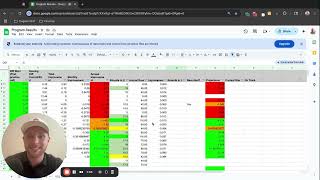
Coach Connor Stirling Peterson analyzed his junior golfers' data to find how much play drives improvement. Players improving fastest play about 16-18 rounds per three months, roughly one 18-hole round, one 9-hole session, and two practice sessions weekly. A scoring differential of -5 is far more promising for Division I recruitment than 0.
Chapters
All right, what's going on guys? In today's video, I am going to be covering how much golf should your junior golfer be playing if they want to play Division 1 golf. So as you guys can see here, we're going to be digging through some numbers on my students. I'm not showing off their names just out of, you know, privacy for obvious reasons, but I want to be able to show you guys the real impact of how much golf you play impacts the scores you're likely to shoot. If you're a new, new viewer here, that's all we talk about is how to help your child play Division 1 golf. And if you're a returning subscriber, welcome back, it's going to be a good one. So today I wanted to research across all my students of the players who are improving the most. As you guys can see over here on the left-hand side for annual improvement, I have this filtered for the players who are improving the most on an annual basis and the players who are improving the least. So at least they're at the top, most are at the bottom. Um, obviously in this case, you know, it's a little bit of an outlier. It's probably going to normalize. But again, you know, I'm just looking at this across the board so you guys can see. You can also see the absolute improvement by players as well here. So anyway, long story short, what I did was I looked at this and I said, okay, cool, of all these students based on where they're at, um, how much golf are they playing? And can I use that to really determine like, hey, you is this— does this tell me something about where the player is at and why they're improving or not improving? So that's what I went ahead and did. I also looked at the averages here, but just kind of like walk you guys through here. So, um, the worst player improvement rate, um, is a little over— I guess under 3 shots worse. Um, so in that case, you guys can see right away this player has entered no rounds into the stats platform over the last 3 months. So you can see there, it's like, okay, cool, yeah, that's interesting. And then we start to see more normal numbers. So we have one player who's gotten 0.72 shots worse, or is on pace to do that. Technically, they've only gotten about 0.1 shots worse, but I like to annualize these out so I have a clear perspective of pacing. If we continue at the current pace, like, what's going to happen? Um, so that player's, you know, played 15 rounds. Anyway, long story short, you guys can see a really clear dividing line here. And so technically this player here at, you know, 1 shot, um, of improvement, they had a period where they were actually kind of converted on this, where they were playing, they were practicing a ton and they just weren't playing enough golf and they were just grinding on their golf swing. They weren't really improving. And so if I actually normalized based off of when I got them like back on the ship and back doing the right stuff, um, they'd be improving by about 5 shots. So this is kind of like the one outlier as far as 21. 0.5 rounds of golf logged in the last 3 months, this would be a lot higher. But again, I want to make sure that, you know, this— I'm showing you guys the actual averages for these numbers and not just kind of like an optimistic appraisal here. So anyway, what you guys can see here is there is a substantial amount of more rounds played by players who are better. Also, on this right-hand side, you can see the way these players are projected to, you know, improve and the numbers that they're projected to get to, assuming they continued on their current pacing. So this number would obviously change for that player, um, you know, if we had more data. But, you know, again, that's where they're at right now. So technically, this player is not on pace to play Division 1 golf. But for the most part, with all these other ones, the exception of this one here is kind of in no man's land. It's possible, but, you know, not ideal. For the most part, all these, all these students are in a really good spot. Now, are they probable to get to all these numbers? I mean, like, is someone going to get to negative, you know, 13 as a scoring differential? Probably not. Um, 8.5 as a scoring differential? Maybe. It's possible. Probably not though. 21? Absolutely not. You know, that's a case where a student is, you know, starting off at like a higher number, so I'd expect a degrading element of how much they're improving per year. Um, and same thing for these last two. This one's obviously an outlier, and then this one is, is likely an outlier as well. Um, to be fair, this last one, you know, they were starting off in the, um, in the '90s here, and we can— or not in the '90s, they're starting the '80s. So you can see they've actually improved by about 2.35 shots. If we normalize that for the amount of time that they've been in the program, they're on pace to improve by 7 shots, which is a massive amount. But also what we're going to see alongside that is the quantity of rounds that they play. They played 19.5 rounds over the last 3 months, and that's technically logged in the stat tracking app that I have all my students use. So long story short here, the other thing you can see— so I've got just like the annualized number of rounds, so if they played that many rounds per year I've also taken the amount that they're improving on an annual basis and divided that out based on the number of rounds that they've played to kind of get an improvement per round of golf. And so what we see here, throwing this high-end one out, is as a number somewhere between 0.09 shots and essentially 0.0113 is really what I would say, because like I said, this, this one has some weird stuff going on. 0.013 and 0.09 is about what we would expect per round of golf played. I can also tell you guys that the average here is about 0.065, median 0.08, but 0.065 I think is very, very fair compared to the players who are playing less than that, um, you know, or, you know, we have this 15, it's kind of a exaggeration, or there's overall average here. Anyway, um, for the players that are playing less, on average they're not improving as far as the median. And then, you know, as the mean, then they're actually getting a little bit worse. I had to calculate those out manually because there is an issue with, uh, divide by zero stuff. Um, but long story short, like, what can we derive from this? We can see very clearly that among the players who are improving you know, at least faster than average. And I talk about the average player improves by roughly 1.19 shots per year, you know, somewhere in that ballpark. And so of the players who are beating that, what are they doing? Well, they're playing an average of 17.5 rounds of golf per, um, whatever it would be, 3 months, right? Compared to the players who are not, they're improving by less than that. They're playing between let's say 8 and 10 rounds of golf per, you know, 3 months. Now, when I work with a student, the minimum I want a student to play is 1 round of golf per week. And I also have a rule that is I do not want more than 1 practice session per round of golf. And so when I look at these students, we can see here very clearly, a lot of time, you know, some people might look at me and be like, Connor, that's not enough. You know, you need to, I see these ads for these people who talk about, oh, you need to practice like 20 hours a week, which I think is absolutely absurd. Um, you know, like maybe, you know, maybe they want to show me some data, but until I see some data backing that up, that just sounds absurd to me. Um, what I'm seeing here though, you know, maybe that, maybe that's including like rounds of golf, but even still, like looking at this data, I mean, seems unlikely anyway though. If we look at these numbers, we can clearly see that, you know, for better players, we're essentially playing about 1 to 1.5 rounds of golf to accomplish this. If we're playing less than that, we only have 1, 2 players who are playing more than that, and we have 1 that's actually like getting worse. So in this case, a very good case could be made, be like, hey, either A, we haven't had enough time which, you know, again, like I said, he's only gotten worse by 0.1 shots. So not a lot of time here. Um, but we can look and say, hey, you know, maybe the practice isn't good enough. There's other players though, like this player here, where, you know, yeah, we can still tidy up the practice a little bit, but there's more of a case to be made to say like, hey, you maybe just need to play a little bit more golf. And with all of these players, I mean, they're in a great position to say essentially like, hey, if you play more rounds of golf, you're going to improve substantially. Now I have these two highlighted, um, 10.5 and 11. Um, these players are relatively recent as far as like being more intense about the rounds they're playing. So obviously improved a lot, um, but for, for certain reasons, you know, this player, um, we had a talk about this and, you know, this is being calculated off of, you know, relatively recent improvement, which, you know, substantial, but, you know, at a higher number. Um, you guys can see here we're starting out at scoring differential of 15, so that's obviously going to have different impact on things. Um, as far as those numbers go. And then for the 11 as well, starting at a scoring differential of 12.46, there's also an element for this player where he's actually gotten a little bit worse over the last 3 months again. So he's kind of being dragged up by his average in the past where he was a little bit more diligent, and now he's kind of fallen off a little bit. So anyway, I want to make sure I give you guys all the clarity on that stuff. Long story short though, what can you guys tell? If you want to play Division 1 golf, you know, it's kind of based on this, this judgment call over here on the right. Well, you need to play about 17.5 or at least 16 rounds of golf per, uh, 3 months. And so, you know, an easy way to do that would be like 1 round of golf of 18 holes— and this is included, this is practice and tournaments, to be clear— 1 round of golf of 18 holes per week and 1 9-hole session, and then have 2 practice sessions. That's that's 4 days a week, you're probably looking at a time commitment of about 11 hours, right? And this is, again, this is backed by actual data. And again, if someone wants to point, uh, a study that actually like shows the data behind it as well, that, that says that it needs to be way more, they get way better results for way more, fantastic. But I'm also looking at this from the perspective of like, you know, these students who are improving substantially more, do I see do I see anything different? Do I see anyone like brute forcing it? And, um, you know, for the most part, I kind of see something in this range as far as improvement between 0.09 and, you know, 0.013, um, in this case. And so my biggest takeaway from that is if you want to, you know, shoot lower scores, you need to play more golf. And there's kind of a frequency, and it's about— I'd say at least 16 rounds of golf is what you want to be aiming for if you want to be able to improve, you know, substantially. If we look at the players who have played at least 16 rounds of golf, we're improving— like I said, in this case, you know, the more recent, you know, statistic would probably be closer to like 5 shots, um, of annual improvement, but that's neither here nor there. Um, so we're improving by 0.14, um, we're improving by 0.16, we're improving— in this case is a little bit under that, but 4.26. 4.34, 4.56, 5.66, 6.1, 7. 16 is absurd, so I wouldn't take too much stock in that. But as compared to, you know, even these numbers who are relatively close, point, you know, 0.57, 0.19, um, there's just a substantial difference. And I think anyone who, you know, has, has played golf at a high level understands this. You know, if we're only playing you know, one round, or really less than one round in most of these cases, we just don't have a lot of opportunities to really develop our feels and understand where our misses are going to go. Versus if we're able to play a little bit more than a round of golf per week, you know, for somewhere in the range of like 1 to 2 rounds of golf, and we have 1 to 2 practice sessions per week, then, you know, we've got a lot of opportunities to understand where our patterns are going to be. And so I think that that is really important. I think if anything, as well on the high end, for, you know, we see 27.5, 29 is, is really, really good. Um, we also can be cautious. We can say, hey, you know, there's a point of diminishing returns. And I would agree with that. I'm not necessarily sitting here saying, hey, you need to play golf every single day. You know, if we look at this and say, okay, 29 divided by 13 weeks, so this player is playing 2 rounds of golf per week. And I would assume I would have to look at their statistics, but I would assume that that's on Saturday, Sunday, you know, most likely. Um, I know this player is mostly entering 18 holes, so that's what I would presume that they're doing. Um, for this player as well, we've got 27.5 divided by 13 weeks. It's about 2 rounds of golf per week. So again, that's probably the high end, you know. In this player's case, they're already a very good player, as you guys can see over on the left side. We've got a scoring differential -1.26. Um, and there's a little bit of backlog for them. They're actually shooting better scores than their junior golf scoreboard would, would show. Um, but anyway, the big picture here is this meant to give you guys a perspective with a lot of data rather than an individual player's case to kind of showcase like, hey, look at this player who got recruited. As you guys can see here, you know, this player has gotten recruited already. Does that mean I'm happy with their overall progress? No. Does that mean that they weren't kind of, you know, diligent as they could have been? Yeah. Um, does that mean they probably could have gotten somewhere better? Sure. Um, so at the end of the day, it's like my biggest KPI that I look at as a coach is how much the player is improving and what are the things that I can do to help them improve, because that's going to be a lot more predictable versus I can't bank on a kid getting recruited at, you know, okay scoring differential. I want to make sure that they get to a great scoring differential. You know, a player who's on pace to get to a -5 scoring differential has a much higher probability of making it compared to a player who has a on pace to get to a 0 or a -0.5 or something like that. So anyway, long story short, if you guys want to help your child improve faster, I'm recommending around— but ideally, you know, closer to, based on this data, about a round and a half per week. So one round of golf, one 9-hole session, and then two practice sessions to butt in those, or just one practice session and then have those, those rounds reasonably close to each other. So, you know, perhaps a Thursday, Friday 9 holes, Saturday 18 holes. Goals. So that's really the way that I would approach this. Um, hopefully you guys learned something here as far as how much golf your child should be playing to give themselves a high probability of playing Division 1 golf. And obviously this is what I do. Um, I don't just tell kids how often to play, but I'm also building out their practice plans. I'm telling them which tournaments to play in and give them the specific drills of what they should do, analyzing their statistics. We get on weekly coaching calls, so whatever they need to be able to help facilitate this. Obviously this is just one dimension I thought really impactful for you guys to see. But if you want more on this, there's a link below in the description where you can apply for coaching. If your child's in a good position where I feel confident that they can be one of these kids in green and not one of the kids in red, um, that we can work together, then, you know, I'll show you guys what that looks like. We can get on a call and we'll go over it together. If you're not quite there yet, there's an opt-in for my newsletter. I get videos like this every single week, as long— or in addition to a couple of emails per week going more in-depth in these topics. And then there's also a pacing calculator below. So if you're unsure of where your child is at and, you know, whether or not there— it's even possible for them to improve to play Division 1 golf, there's a link below for that. You can opt in, I'll send that tool over to you. You can just plug in where your kid's shooting, what they're, you know, what they're shooting, how long the golf course is, how much time they have, and it'll show you exactly how much they need to improve to play Division 1 golf. So hopefully this video is helpful for you guys. If you want to take me up on one of those resources, go ahead and fire away on that. And I'll see you guys in the next video.










