How To Talk To College Coaches For Junior Golf Recruiting
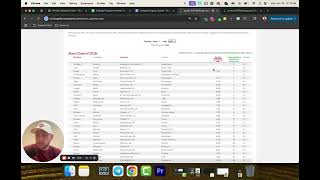
In this June 2025 video, Connor Stirling Peterson walks junior golfers and their parents through the process of handling inbound outreach from college golf coaches. He frames recruiting conversations as two‑way sales dialogues, emphasizing the need for the athlete to respond directly, track interactions, and ask strategic questions about roster spots, timelines, and scholarship availability. The video outlines a step‑by‑step approach: proper etiquette for the initial contact, setting communication preferences, using spreadsheets to log coach details, probing coaches with key questions, evaluating and negotiating scholarship offers, and managing multiple coach relationships. Peterson stresses the importance of using performance statistics to demonstrate development, maintaining timely follow‑ups, and separating on‑course improvement from recruiting negotiations. He also promotes paid services—a coaching application and a pacing calculator—to help families position their child for future coach outreach. The overall message is to treat recruiting like a professional sales process, stay organized, and continuously improve both golf skills and communication to secure a spot on a Division I team.
Chapters
All right, what's going on guys? In today's video, I'm going to be talking about how to have conversations with college coaches once they reach out to you. Making this video on June 16th, 2025, and so if you're one of the lucky few junior golfers, or if you're a parent watching this and your child is having college programs reach out to them, then this video is going to be profoundly valuable for you. Um, so welcome in. Um, it's gonna be a really good one. If you're a returning subscriber, welcome back, it's gonna be awesome. If you're new here, this is all we talk about is literally helping junior golfers and how specifically to help your child play Division 1 golf. Got a ton of videos on the channel of the how to put yourself in position, so I highly recommend you go ahead and check those out. But today's video is actually going to be on the other side of the equation. I don't talk about as much, but it's what do you do once those college coaches are reaching out to you and how do you have those conversations? Because because it's a little bit of you're the dog that caught the car. You've always wanted college coaches to reach out to you. Most people, they just want to get attention from college coaches, and you're in a position where you might have one college coach reaching out to you, you might have several, like some of my students that I've just finished getting off of calls with today. One of them's got, you know, several programs reaching out to them, and another one's got about 5. Um, so still trying to round up everyone on exactly how many offers they're getting. Um, and just to be clear, you know, this is the power of, of what I do and the methods that I talk about on this channel. So like I said, highly encourage you guys going ahead and binging all that other content to really understand the process. And if you want additional help with this, maybe you're having these conversations with a coach and you want some additional assistance, there's an application to work with me below, um, if you want to learn more about that. Or if you're just kind of being in the educational phase, you're not quite sure yet, you want to make sure that you're in position to have these types of conversations, you know, when the time comes, when your child can actually be recruited or at least, you know, talk to college coaches, there's a link below as well for my pacing calculator It'll show you based on where your child's at, what scores they're shooting, how much they're going to need to improve to be able to be in a position where they're going to have coaches reaching out to them, right? So, um, big picture here, you guys are in the, you know, bucket where, you know, things worked out. So let's go ahead and dive right into it. So for the most part, I've got this first page pulled up here because it's just like, this is, um, kind of our initial, you know, framing. This shows all the players who recruited back to 2017. So if you're watching this, you're having like coaches reaching out to you, odds are you're class of 2027. Um, you know, if you're in 2026, then you might still have college coaches that are talking to you. But yeah, this is really for the 2027 kids who just got that, you know, uh, inbox full of coaches reaching out, and you want to make sure that you're making the most of that because that's really what this is, is, um, you know, something you need to really capitalize on, you know. So long story short, that's where you want to get to. You want to get to a position where you're, you know, realistically recruitable. And if you are, coaches will reach out to you. That's, that's literally kind of my, my thing that I talk about is you don't want to just email a bunch of coaches. You want coaches coming out to you. So let's go ahead and dive into it. So when that coach reaches out to you, they're gonna say something along the lines of— it could either be personal or it could be generic, right? Those are kind of like two things. And obviously personal, you know, as a player, it comes off a lot better, right? You have a coach comes out to you and they say— they DM you on Instagram and they say, hey, you know, I love watching you in tournaments. I'd love to have the opportunity to talk over what you're looking for in college. That's one type of conversation. There's another type of conversation that happens where it's still the program reaching out to you, still the head coach says, hey, I want to talk to you. But it might be in a more generic kind of corporate-sounding approach. And obviously that's not quite as appealing if you're the player, but by no means should you take that as you should ignore those. You absolutely want to have conversations with all these people, um, or these coaches. So the big picture framework to apply here is you want to think about this like a sales conversation. So if your child aspires to potentially be in business, um, or have some type of job— maybe they want to be a lawyer, maybe they want to be a doctor— I mean, for all those things Maybe they want to be in finance. All those things require them to become good at sales. And so that's one of the things that I encourage my students is that this is kind of like an opportunity for you to develop that skill. And it's a two-way sales conversation. So for the coach, they're probably reaching out to a lot of players, right? Um, and just as indicated by like those email blasts, you know, maybe it feels a little bit more generic. They're reaching out to a lot of players, right? And so this is kind of an opportunity for you to be able to segment yourself out and show you know, show that you're different, right? But anyway, they're talking to a lot of people. At the same time, you might have a lot of coaches reaching out to you, and that, you know, there's kind of an advantage to that as well. And so you need to be able to know how to go through that conversation. Now, as far as when I'm working with students, I tell them literally what to say. I tell them exactly the questions to ask. I tell them how to negotiate like scholarship money and kind of how to manage those entire conversations, how to know how many, you know, players are going to get recruited, how much time they've got, and how to manage all of those relationships. I've got spreadsheets that manage all that stuff. That's obviously not stuff that I'm going to give away in a free YouTube video. So once again, if you guys are interested in that, just fill out the application, we can talk about it. But anyway, back to the main point here. There's a— there's that initial conversation. They say, hey, I'm interested. At that point, you want to do some pretty basic sales. You want to be able to respond to them, acknowledge what they said, not be weird. You don't want your parents to respond. So if you're the parent watching this, do not respond like on behalf of your child. Your child should be responding at this point. They're probably 16 years old, they need to be able to have conversation for themselves. They need to be in a position where the coach who's having that conversation recognizes, like, this kid is competent, right? This kid is not weird. They are intelligent, right? And I'm able to have a conversation with them, and I feel like I can get along with them. Because that head coach is gonna have a lot of power over your child's life in college if they choose to go to that program. They're gonna be able to control what they eat, when they go to the gym, when they wake up, when they go to classes, what majors they potentially have, right? Those are all things that that coach is going to have control over. So that initial conversation Well, it might seem kind of trivial a lot of the time, you know, you just kind of like hop on a call without thinking, which is something I'm gonna encourage you guys not to do. Um, nonetheless, you want to be able to acknowledge that quickly. So anyway, you want to acknowledge those things. Don't be weird. Um, just, you know, just, just be normal. Like, to just— if they say, hey, um, I was watching the US Open and, you know, I was watching the replay, you know, looking forward to seeing this back nine, you might want to follow up that and say, hey, yeah, that back nine was crazy. I couldn't believe XYZ happened. They're trying to see if you love golf, which is going to be an important thing. So anyway, continuing on, they say, hey, I want to communicate, or I want to have this conversation. You say, absolutely, you know, I want to have this conversation. Um, you also might want to compliment the program. Say, hey, I really like this thing about your program. Um, and that could be service level, you know, it could be like, hey, I'd love to get to a sunnier place, or it could be more specific and be like, hey, I really like the way you guys do this thing, or I really like this major, right? Those are all things to kind of consider there. But this is just kind of that initial first touchpoint. And they're going to go from there and say, okay, cool. Um, they're gonna say, hey, I want to talk. Be like, absolutely. What, you know, what's your preferred method of communication? Do you want to text? Do you want to email? Or do you want to get on a phone call? Whatever works best for you. You want to make sure that you're amenable to where they're at because they're trying to suss you out, you're trying to suss them out, and it makes sense to say, okay, cool, what's gonna be the best way of communication? And you want to note that down. You want to say like, okay, cool, I'm communicating with this person. You want to remember their names. Ideally you have that in a spreadsheet. It's something I give all my students, but you just set it up. It's not that complicated. You want to note who they are, um, their position, right? So you don't want to confuse, you know, head coach with assistant coach or something dumb like that. You want to know how they prefer to be communicated with, and then you want to make sure that you keep track of when's the last time you communicated with them. Anyway, continuing on with this, this initial conversation here, you want to go ahead and they're going to probably have questions, you know, they're going to want you to kind of ask them some questions, and they're also going to have questions for you, right? So it might open up with something along the lines of, hey, um, you know, what are you looking for out of your college golf experience? Yeah, and you might want to talk about your short-term goals, right? Maybe you want to be on the team, like maybe you actually want to play. A lot of people get focused on, I want to play college golf. It's like, are you actually going to be on the travel team? Because they might have a team that's, you know, 10 guys or 12 guys, um, but there might only be 5 that travel. Or maybe they've narrowed down rosters a little bit recent years. So maybe it's 9 guys, and, you know, once again, it might only be 5 that are traveling, right? So you might want to be in a position with that. You might want to share long-term goals. If you aspire to play professional golf, that might be something to say because that's part of, you know, that what that program is going to do for you. They might elevate you, right? If you're looking at an elite-level program like a Stanford or a University of Illinois or Florida State or Florida or some of these really good programs, then you might be looking at that as a springboard on the PGA Tour. You might be interested in the, uh, PGA Tour University or, or whatever the case is where you can get exempt status on the PGA Tour for a certain number of events. So those are things you might want to consider. You're also going to want to talk about the academics, right? What, what are the programs you're particularly interested in? Um, do you want to go into business? Do you want to go into, you know, law? Do you want to go into medical? Like, whatever the case may be, you want to have an understanding of that. Now, at that point, you're going to have earned the right to ask that coach some questions, and they're going to invite it. They're going to say essentially like, hey, do you have any questions for me? And You want to make sure that you look like you've thought these things through. If they ask, do you have any questions for me, and you say nope, doesn't look very good, right? It doesn't differentiate you. You want to be able to ask questions. So I want to give you guys— I encourage you guys to ask a few questions, um, that are going to be really, really helpful. Again, I'm not going to give you guys every question, um, just, you know, again, for YouTube video, um, you know, the— all the elite stuff is, um, is for my students. But anyway, One of the questions you definitely want to be asking is, how many players do you plan on recruiting? Like, how many players do you plan on picking up for my class? That's going to be really important for you to know because it's going to set up kind of like the, you know, the framing here. If they say I'm trying to pick up 3, that's very different than if they say I've got 1, right? So you want to be attentive to that, right? Not recommending that you ask that as the first question. That's a down the road question. The other question that you want to ask, when do you plan to fill these spots? Right? So if I know how many they've got, how many spots they've got, and when they plan to fill them, that gives me strategic leverage, but leverage for down the road in that conversation. Right? So I've got those two pieces of information. At that point, they might press you for a commitment. Odds are, you know, maybe they won't. A lot of time they're going to want to see how you're going to do. But you want to make sure that you have an understanding of the timeline. Are they trying to do it like Are they trying to get you recruited like immediately? Do they want to see a whole summer? Do they want to see— what do they want to see? Right. And so that's going to help you understand the timeline that you've got. And you might have multiple programs that are reaching out to you. They want to make sure that you're communicating with all of those and keeping those communications straight. Again, the importance of having something like a spreadsheet where you can identify and be like, hey, I'm really interested in this program. I'm less interested in this program. This program has 3 spots. This program has 1 spot. This program has 2 spots. This program wants to get done by the end of the summer. This one. Wants it next spring, you know, blah blah blah. Um, those are all things to consider. This program is this much scholarship available, right? Um, those are all things you want to consider. At that point, you're probably gonna have some variation of, hey, you know, I want to see, you know, you continue to, to, um, play in tournaments or what have you, right? And so you're going to continue to have this conversation with those other programs as well. What if you have that understanding of that timeline? Then it sets this up a lot nicer because you understand, okay, cool, I'm expecting to get an offer from this coach at this time in the future, right? Or you might reach out and say, you know, hey, whatever. So anyway, continuing on, they're going to communicate with you throughout that process, most likely. If they are communicating with you more frequently, then they're generally more interested, right? So if they're texting you on a daily basis or a weekly basis, they're a lot more interested than if they text you on a, you know, every 2-week basis or a once-a-month basis or a once-a-quarter basis, right? Because remember, they're having communication with a lot of people, right? So if they're texting you all the time, there's a lot of space you're kind of taking up in their head. They might be, you know, seriously considering to say, hey, I want to, I want to make sure that we get this kid. And so, you know, that's important. Obviously, you're probably a parent watching this, but it's important for your child to be aware of is like, don't ignore those texts. Like, I've, I've heard, you know, stories where it's like, you know, ignore text for like 2 weeks. Um, don't do that, right? But you want to make sure that those are framed appropriately, right? And that some of those— not every one of those has to be a conversation about future recruiting. Right? Not every one of those conversations needs to be out like where we're trying to get to. It could just be getting to know you, right? Because again, that coach is going to have a lot of control over their life. You want to make sure that they're getting along and kind of understand like, hey, here's what I'm doing, here's what I'm— you know, here's this most recent tournament. Maybe it went well, or maybe it didn't go as well as you thought. Now, when I'm working with students, one of the things that I really encourage and advocate for, it's kind of like the main thing that I do, is I'm building a custom plan for them to play Division 1 golf, and that's based on data. right? So if they have a poor tournament, what they can say to a coach— if they're saying, and the coach is like, hey, how's this tournament going? You'd be like, yeah, I struggled a little bit. They can be very specific about that. It's like, actually, you know, a lot of my statistics are actually really, really good. My greens regulation is really great, you know, my— I feel really good about my driver off the tee. Uh, it's just my lag putting specifically is a little bit of a problem. Uh, you know, just had an uptick in 3-putts. Typically my rates, you know, my average rates around here over these last, you know, 10 rounds of golf, but, you know, more recently I've kind of struggled with that speed. So this is what I'm working on specifically in order to improve that. I've got this tournament coming up, I've got this set tournaments coming up, you know, so we're going to test out that theory and see if that improves it, right? That's a much more sophisticated answer than to say, hey, I'm just grinding on my game, you had a bad tournament, you know, learning lessons, right? Something generic like that, right? And so anyway, long story short, you want to be able to continue to have those communications. You want to continue to nurture that, right? Now, I told you strategically we want to have those two questions answered of, you know, which, you know, how many spots do you have available and where are you trying to fill those? Because that also gives you a timeline on when you should be reaching out to coaches in return, right? So they might reach out to you and say, hey, how'd this term go? You might also reach back out to them, be like, hey, I just wanted to check in. I had this, you know, XYZ program reach out to me. Um, you know, I'm still really interested in what you guys are talking about here, but I just wanted to kind of get a sense of like where you guys at on, you know, players that have committed. And again, that timeline question also has a lot of information because, you know, if you— if they say, hey, I want to fill it by, you know, next year, it doesn't make sense to follow up with a question like that in a month. You know, it's like you want to make sure that you're having those conversations at the appropriate time. Um, so anyway, that, that's what that stage looks like. Eventually you get to a point where you start talking about money and you start talking about commitment, right? So that money might be important to you, um, or it might not be. Some people need scholarships, some people do not, right? It's all going to be different. And even at their level, as the coach is reaching out to you, understand that where they might have a kid who they're, you know, really want to recruit, um, and that kid might not need any money, right? They might be able to get away with giving them a little bit less scholarship than maybe another kid who might not be as good but needs the money a little bit more. They still really like— and so that's just something to kind of consider here is like everyone's situation is a little bit different, and the coach is also trying to manage that because they just want to fill out their team with the best players possible. They're not just going to throw money at someone who doesn't need it, right? They're going to throw money at the people that, you know, they feel like it's going to make an impact, right? So anyway, at some point you're gonna have to cop the, uh, the conversation about what scholarship money looks like, you know, is, is there, um, what is that program offering you specifically or willing to offer? And that's kind of a delicate conversation. And, you know, it helps a lot obviously to have someone kind of coaching you through, you know, the mechanics of how to say that. But essentially you have that conversation and then you start talking about like, hey, you know, what are the other programs offering and how do we strategically move around and say, okay, cool. Essentially I'd say it's a little bit of a game of chicken, right? Because you might have a program says, hey, you know, I want to recruit you right now And you could say, yeah. And you know, I've had students who have done that, you know, where it's like they are just extremely stressed out by the recruiting process. And when they have a program that they like that says, hey, I'm interested, like, boom, they're like, yeah, let's sign up. Like, you know, that's how it went for them. Other people are willing to drag it out a little more. And I've had students on, on both sides of that where sometimes they just want to get a little bit more and they're willing to gamble for a little bit longer. And so they're able to, um, you know, leverage that a little bit differently. So anyway, long story short, if you have more people, you know, kind of interacting with you, then you're able to string this process out a little longer. And in general, the longer you're able to string this process out, the more potential scholarships you can get. The caveat to that is the longer you drag it out, the more possible it is for a coach to say, okay, I'm going to find somebody else, right? So again, it's a cat and mouse, um, you know, game of chicken here. And so Long story short, just kind of like give you guys a quick, um, kind of structure or summary here. It's like the first piece of this is just understanding, like, you might be interested in a program, but you get talking to them, you're just like, oh, this is actually terrible, right? I don't like this at all. That, you know, that could be a potential, you know, thing for you to know. Like, that would be really important. Then you have that secondary phase of the communication during, you know, at their point they're doing their due diligence, you're doing your due diligence because you got programs reaching out to you, you're continuing to play golf. And then Phase number 3 is where we start kind of getting into, you know, what is the scholarship available and, um, you know, what, uh, when are they going to make an offer essentially? Or, you know, at that point, like, what does that look like? And there's different ways you could pull this, right? Like, you could go to a program who hasn't made you an offer yet officially. You could say, hey, this other program— to be clear, always be truthful on this stuff, never, ever lie about any of these things— this other program has made me an offer. And yeah, I, I really like what you guys are doing. I really like to be able to go to your program, but at the same time, like, you know, I don't know where you guys are heads at or right now. Um, but once again, like, I would love to go to your program, but you know, there's realities to this and I just want to make sure we're on the same page. Um, then that's another way to kind of like bring that out. And so again, like, all these are human conversations, right? It's just kind of understanding that, not being weird. Um, not being— I think that's like one of the big themes that I want to kind of like hit at here is you don't want to be weird about this. You want to make sure that you're cognizant of where everybody's at. Um, you want to make sure that you understand, okay, I like this program for these reasons, so on and so forth. And you're just, you're just communicating that in an intelligent and effectual way. Um, it's really the best way to approach that. So, um, it can be obviously challenging, right? Because it's like, you know, your child, he's probably, you know, 16 or 17 years old, is having to manage these conversations. And odds are they're not used to handling a sales conversation with that much weight. You know, we're talking about scholarships that could be worth literally hundreds of thousands of dollars, um, depending on the golf scholarship, and not just— not even to mention the academic scholarship, right? That's a whole nother piece of this, this puzzle here. And so it can be really, really helpful, obviously, to have someone guiding them through that, um, if that's something that's accessible to you guys and will make an impact. So anyway, in summary, you want to make sure you understand the program, understand what you're getting into, right? Um, this is visits, um, down more toward phase 3 is when you start doing the official visits. Um, but just get kind of getting to know these coaches, keeping them in communication, getting into phase 2, especially if you, you know, are really happy with them. But just even if you're not as thrilled, you want to keep as many options on the table. It makes you look more appealing, and it also just keeps— gives you options. Um, and then the last piece of that is kind of like nailing down that deal. That's what that structure looks like, and it's really important you also separate this out from golf. Right? So you're gonna have good tournaments, you're gonna have bad tournaments. That's just part of the gig. And part of the thing that they're gonna be evaluating is how do you react to those bad tournaments? You know, if you walk out of a bad tournament, you're just like, you know, lessons learned, versus if you walked out of a bad tournament and be like, yeah, you actually feel pretty good about my game, um, you know, here's kind of the statistics to back it up, and it was just this one particular skill set that, you know, just kind of dropped off a little bit for me, and here's what I'm gonna do to fix it. And I've got these, these next set of tournaments lined up that I just want to make sure that that gets fixed. And we'll see how that goes. That puts you in a position where you're, number one, your segment, you're kind of like differentiating yourself as a little bit more sophisticated than some of the other people. Because plenty of the other kids are talking here, just be like, yeah, I don't know, I got a bad tournament, whatever. You have a more sophisticated plan that's gonna help you stand out. Um, but then it also, you know, puts you in a position where it's like when you finally get ready to, to make that final commitment, you're in a good spot. You've kind of worked out all of those, those kinks. But it's important, again, like I said, to separate out those two issues of, okay, I've got my goal for my development over here and I've got these sales conversations over here. That's, that's the easiest way to really look at this and just navigate those two things and then put yourself in a position. Cause at the end of the day, it's like the goal isn't just to get recruited. The goal is to actually play on the team. And in order to play on the team, it's like, you're probably gonna have to be better than when they recruited you. And so it doesn't make any sense to just take your off the— well, you know, I got recruited, so like, I don't have to worry about this anymore. That's not how this works at all. You need to continuously improve because you want to actually get on the team. Like, you want to be on the travel team. You want to be able to compete at the highest level, right? So it's continuing and understanding that it's like, yeah, the cell— the, the recruiting conversations are cool, but big picture, like, I don't want to just get recruited. I want to be on this team, right? That's, that, that's the bigger goal. And that's part of what's going to alleviate a little bit of the pressure. Not all the pressure. You're going to have pressure for sure. You're gonna have that thing nagging you. Um, but again, that's where it's like that much more important to have an understanding of like what your statistics look like and, um, and, and just kind of like have a clear perspective, like what your planning is around what you're trying to execute on. Because then you can say like, okay, cool, I'm nervous and these things popped out as particular problems. That's going to be a different, um, attitude that you would have versus just like, oh, I'm just playing bad, right? There's a lot more room for doubt versus if you have the numbers to back it up, it's a little bit easier. So anyway, just want to make this quick video for you guys. I gotta go through what that recruiting conversation should look like, assuming that you've had some programs reaching out to you, and, um, just make sure that you guys have the tools to really make the most of this. Because this is one of those things where it's like, I always talk about, you know, long, slow, and steady as far as development, which is true. You know, slow and steady is actually part of how we do fast. You know, it's a slow, smooth, smooth, fast type of thing. But once you're in that position, these conversations like matter a lot. You know, waiting a week or even a few days on one of these conversations can, can make a really big difference. And so this is like one of the areas for me with my students where I really ramp up communication with them because like this, this stuff matters. You know, it's like if I'm trying to develop a practice plan, it's like one round of golf doesn't move the needle at all. 10 moves the needle. Okay, let's update things. But for these types of conversations, the communication frequency needs to go up pretty substantially. So Anyway, hope you guys enjoyed this. Like I said, if you're in a position where a coach is reaching out to your child and you want help, you want somebody to guide you through that process— and not just guide you through the process, but also help your child continue to develop so that once they get to college, they're actually going to be on the team, they're actually going to be able to compete at that higher level— then I want to encourage you, there's an application below to work with me. Go ahead and fill that out. We'll obviously talk about that. And you might have specific situations where you're saying, hey, you know, this program, this program, this program maybe you like them, maybe you don't. Maybe there's other particular programs that you want to have your child at. So we'll be able to talk through those specific situations. And if you're watching this video, it's just kind of like a preface, you know, you haven't quite gotten there yet. You can also check out the pacing calculator. Or again, if you want help positioning yourself or your child to be in a position where these coaches are reaching out to you so you can have this conversation in the next year or 2 years, I'd also encourage you to go ahead and apply for the program there. So, um, just to be clear, you know, program between 10 and 16 is really kind of like that sweet spot. Uh, like I said, if you're kind of on the fence here or you're not quite sure about it yet, just go ahead and get the pacing calculator so you can kind of see where you're at, um, where your child's at, and how much they'll need to improve in order to have the programs that they want reaching out to them. So hopefully you guys enjoyed this video, and I'll see you guys in the next one.










