Recovering from a Break Up with Lauren Matheus
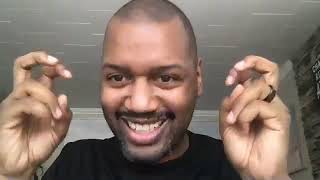
A conversational podcast episode (YouTube video) in which host Anwar White interviews dating and relationship coach Lauren Matheus about recovering from breakups. They cover why breakups hurt (rejection, grieving a lost dream, biochemical overlap with physical pain per Dr. Edward Smith), how trauma cycles and attachment styles (secure, fearful, avoidant, anxious) shape responses, and which coping strategies help: allow grief and physical expression (crying/screaming), seek comfort and community, use no-contact or minimal-contact boundaries when possible, clearly communicate contact limits, block/unfriend when needed, set small achievable goals to rebuild confidence, and analyze relationships as data to learn. The episode also includes personal anecdotes (Anwar's breakup in Germany; Lauren's long-distance courtship — emails → calls → engagement → marriage) and practical scripts for boundary-setting.
Chapters
Hello, my loves. And thank you so much for joining me today on the get yout Guy coaching podcast. I have an amazing guest that I cannot wait for you all to hear. Her name is Lauren Matthews and she is a dating and relationship coach. Lauren, thank you so much for joining me today.
It is so good to be with you, Anwar.
Girl, stop flirting with me. You're already doing much.
Girl.
Now you know I'm taking and you're taken too. We can't be doing this on the slide.
Okay, okay, okay. Let me get professional. Okay.
Okay. Girl, thank you again. I'm just like really happy that you're here and I really wanted to have you on here because I know that you know so much about how to deal with a breakup. Right. And how to do it in a healthy way. And I talk to so many people in consults every day and they're generally coming from a breakup and they just like don't know how to deal. So I thought I would have you on here so that we could really talk about what's going on physically, mentally, intellectually, emotionally, and also how to overcome those moments. Right. But before we get into that, talk to the lovely people out there about like what you do, all about your business and how you got into it.
Sure. So like you said, I'm a dating and relationship coach and I help people who are struggling with feeling their agency in their romantic life. Right. So it's easy. Easy. It's not always easy, but sometimes we can find it easier to execute on an educational level, on a professional level. If we have community activities that we're involved in, we can find it easy to make a plan and figure it out for those things. But then our romantic life feels like it's categorically different. And while there are important differences, I love helping people figure out their strengths that they've been able to use in other areas and bring it over to romance and love and find their forever date, find that love that they're looking for. And you. You know, a big part of my motivation for this is because I know so many wonderful people, amazing people, some of the most loving, giving people. I look at them and I'm like, you're going to be such a great partner. But something inside of them just like has them closed off. And so I love coming alongside people who know that they want that forever date but are having a hard time figuring out the path toward it. I help them with a goal oriented, values based approach to, to their dating lives.
I love that so much. Now, you know, we have to get into, like, breakups and everything. I guess I have been. I've broken up quite a few times with different individuals. For me, the way that I have really dealt with that is I'm on my couch for a day, and then I'm like, okay, I gotta get through this. I'm either, like, watching TV and just, like, numbing and buffering or for the day, and then the next day I'm like, let's go. Let's hit it. Like, in the way that you have experienced breakups, like, what has been your go to?
I, in general, in my life, like to pretend that I'm not having an emotional response. I'm okay.
I think a lot of listeners will definitely resonate with that.
The pain of the experience, on the surface, not even doing any of the emotional work is a lot because we're dealing with a rejection or. And that. That sends us into some not really happy places in our minds. So in the times that I have broken up or been broken up with, man, my go to is like, nope, this was a good decision. I get really cerebral about it, really. I go to my safe intellectual space and I'm like, this was. Here are all the reasons. It was great. It's a good decision, and I'm moving forward, and I try to as little as possible engage with the hurt and engage with the pain. But I think there's a better way. And it's been really cool to see the wisdom that I can access when I'm willing to tolerate the pain of the relationship. There's such wisdom there for us as we heal.
Yeah. I love that.
You and I have both talked a little bit about how difficult it is to kind of get over a breakup a bit in our own past experiences in general. Why, like, you talked about rejection. Why else is it so hard to just, like, be done, be over, move on with a breakup?
I mean, the pain is the biggest thing that comes to my mind. Pain hurts. To quote, to say the obvious, a painful experience. And.
I mean, we're human beings, so the process of having to learn and grow, that's just part of being a human, also includes these experiences of pain. And we're also hardwired to want to protect ourselves from pain. So I think it's hard to move on because it's hard to.
Get. Become more willing to, like, deal with the parts that hurt on the front but are going to really help us.
Yeah. Yeah, definitely. I remember when I was going through a really harsh breakup with a guy in Germany, and I was in Germany and all my family and friends were in America. And I'm on the phone with my mom at this basement of my former boyfriend's house, and I'm like, mom, it's not going to happen. It's not going to work. And she. She was saying, you know, grief, it's okay. It's a death relationship. But more importantly, it's a death of a dream that you had about where the relationship was going to go, who you are going to be in that idealized version of that relationship. Right. And that hit me so hard. Obviously, I haven't forgotten about it. It's been almost 20 years.
She knows about it. She has been married a few times, been around the block, and so she gets it. And I think it is. It is like, it's a grieving process. It's a death. So in so many ways, at least that's how I've experienced it. What about you?
Absolutely. Yeah. I think another thing that what you said brings to mind is it's not just. It's a death of the relationship and what you had hoped for. It's also a grieving for the work that you put in. It's a grieving, and I like to say an honoring. Like, when we take the time to grieve a relationship, we're honoring all the hope that we had and all the work we put in into continuing to get to know this person, into figuring out the balance of maintaining my sense of self while I'm getting to know this person, learning to love them, getting to know their friends, figuring out rhythm. So when. When the relationship ends, we're also looking at our hard work and our vulnerability, our openness that has, you know, been put away for that time taking the. Taking the time to really let that be real. I keep thinking of the word honor. We want to honor ourselves in that process.
I'm really glad that you brought this up because so many times people will feel like, oh, my God, this was such a waste and it was such a failure. And it's never going to happen to me because I've broken up with this person. I think that is, like, toppled on top of the hurt and the pain and the grieving that we're already going through, which makes it 2, 3, 10 times worse. It's also. It's the beating up of this was considered a failure. So I'm a failure. Right. And all of these thoughts that we have around what this breakup means about me. Right. As well. Which is, like, so hard. Talk to me a little bit about. Because not only Is that happening? But I feel like there's also some chemistry and biology happening as well in our bodies during this time that can also, like, weigh so heavily on us during, you know, right after a breakup. What is the. What does the research say? What do you know about that?
Yeah, I like the way you're kind of building that picture, Anwar, of all the things that are crushing us. And this.
Biochemical reaction to our breakups is definitely a part of that as well. So there was a professor, Dr. Edward Smith, out of Columbia University, who did research on this exact thing. He did research on our biochemical reactions to a breakup. And, and what he found is that our brains process the emotional pain of a breakup in the same place in our brain that physical pain is processed. And I find that fascinating. I find it fascinating that when we're going through emotional pain, what's triggered in our brain and what reactions are started is the same one that happens when I'm in physical pain. Right. So when, when I'm alerted in physical pain to protect myself from danger, to figure out what the source of the pain was and remove myself from it as quickly as possible, that same thing is being triggered in me when I'm having an emotional, an emotionally painful situation. So to your earlier question about, like, why is it so hard? It's so hard because our brain is actually being triggered to just protect. Just get out. And for our emotional responses, we need more than just get away from the pain, though. We need to do that. We need to do more than just get away from the pain in order to move forward. So I think it's really interesting to think about that. I think another thing that shed some light on how our bodies, how our body chemistry is experiencing the pain of a breakup is to think about the. The trauma cycles that we can. We have gone, that people have gone through. So can you talk a little bit.
More about these trauma cycles and, like, what the cycles are?
Exactly, yeah. So in a. In a limited way, I can say when we experience trauma, simply, we go through cycles of trying to distract or avoid the emotional pain. And then the other part of that cycle is coming around to being flooded with intense feelings, intense thoughts, intense emotions around the source of the trauma. And we kind of. We can cycle through those. And I know you've talked a lot about breaking free of cycles of trauma. So when we talk about that, we're trying to get out of just distracting ourselves or the intense flood of emotion. And I think it's helpful to think about that in terms of a breakup because it helps us anticipate what some of the things that we can do are to help get. Avoid those cycles altogether or get out of them if we see that we're starting to spiral.
Yeah, yeah. I love this. This image of, like, I kind of think of like a pendulum, and you're literally going from.
I don't want to say 0 to 10. It feels like you're going from negative 10 to 0 to negative 10 to 0 to negative 10 To 0. Right.
I know that a lot of my clients have adhd, which means that they have, like, a sensitivity to rejection. Right. And I know that when you talk about trauma, that's the first thing that kind of pops into my head, that these women that do have ADHD probably are definitely very intensely affected by a breakup. Right. Because of rejection being so hard. Are there other types of individuals or specific, you know, experience experiences that might make it hard for us to experience and, you know, get over a breakup?
For sure. I think there are. There. It's just like you said, there are going to be experiences that make a hard thing feel harder. We can say it like that. I think I like to say better.
We have to pay attention to the unique. The uniqueness of us that's coming to an experience and account for and care for all the parts of ourselves in processing this breakup. So for your clients who are experiencing adhd, it's not that they.
Are, like, uniquely challenged. Uniquely challenged. Cut. Let's see.
So when we think about people who are experiencing things like adhd, I think it's really important for me to say on the front end, human beings have this amazing, amazing capacity for healing, for growing, for learning things. And so no matter what the particular experience is that needs to be accounted for, it is not going to be enough to hold you back. You're going to be able to move to recovery from the breakup. But at the same time, if we think about childhood traumatic experiences, that's going to impact how we experience a breakup. If we think about our attachment style. I've done a lot of reading about attachment style. And so when I think about that, I think, of course that's going to impact how I experience a breakup. For example, there are four types of attachment. It's secure attachment, fearful attachment, avoidant attachment, and anxious attachment. So let's say, for example, if you're anxiously attached, you tend to experience relationships with a lot of insecurity. You need a lot of validation. You might be clingy or possessive. You have this constant need for the love that you're experiencing. To be like, I don't want to say, just verbalized. Because it might come in more forms than just words of affirmation. But like, you really need to know first and foremost and always you're loved in order to function in the relationship. So if you go through a breakup, your mind, of course, is immediately going to go to this breakup. Means I'm not worthy of love. Yeah, happening again. You tend to view the breakup through the lens of it being your fault. And that can blind you to valid reasons. Your former partner was not living up to his or her potential or what you needed them to do. So the self talk could sound like, I knew this would happen. I always mess things up. I should have been more fill in the blank. And then they would have wanted to say.
It can sound like that. But like I said, we're blinded from reality to a certain extent because of this attachment style. So, yeah, trauma, attachment style, sensory issues, all of those will play a part into how we need to care for ourselves and work through the process.
In the past, I would have considered myself avoidant and also having some abandonment issues because my dad did abandoned me when I was 8 years old. And so part of the way that I also think about breakups are like, I have to try to like justify it in my head and I have to be the person that's on top and I have to win. It almost feels like competitive. It used to almost feel like competitiveness, like, okay, I don't need you and this is why I'm better than you and this is why I'm going to be so much better when you're not there. Right. And how you were dragging me down and all of these other things that I think avoidant people tend to do to help them be okay with the needs not being met. Right. The abandonment and all of that. So I wanted to share that because I feel like there's probably a lot of other people out there that are. Especially if you're high achieving, sometimes it's really helpful to be avoidant so that you could just focus on your goal. And so I think that, you know, doing that and having that clarity about if you're avoidant, that's supernatural to have those sort of reactions to a breakup. Maybe not the best reactions. I'm talking about myself now. But you know, definitely there are a variety of different things that we can say and do to just feel okay.
Right. And what you're saying, acknowledging where it comes from, it helps us be kind to ourselves.
Yeah.
Only going to help in the process of getting over a breakup if, if they rejected me and now I'm not even on my own team, I'm joining them in being mean to myself. I'm getting in my own way of moving forward. But like you said, you can, you can make sense of it and that helps you be kind to yourself and say, there's a reason I do this.
Yeah, definitely. And I think that's what it's all about. The reason why we're having this conversation now is so that you can have clarity if this is to happen to you, to what is actually happening, like inside. Right. I also want to offer that I think it's important to realize that a lot of these breakups are actually just triggering a very deeper foundational hurt that has happened in your life. Right. Anytime anyone leaves me, and this is just not necessarily romantic, I have that abandonment wound. Right. That comes up and is like, okay, now that someone's leaving me, I want to self sabotage. I want to do X, Y and Z. And so there's a variety of different things that.
You can feel. But I think understanding where it comes from and what that original trigger for you is, can be so monumentally helpful in you being able to step back, understand where the thoughts are coming from, and be able to assess and then make moves accordingly. What other thoughts do you think that people have when they are, you know, in the breakup mode?
Yeah. I think.
Two things come to mind most quickly. The first one is we can really jump to a scarcity mindset. So because this person left me, we have, and we have a lot, we have a lot of statistics that make it seem like there aren't a lot of good people. There aren't enough good people for everybody. So this person left. And that means I'm never going to find another person who's going to work with me. I think to your other point, Anwar, when our foundational wounds are triggered, like you said, it could make us start doubting personal value, fundamental worth in our humanity. Nobody else is going to put up with me. It could sound like that. I think also about people who have this fear of settling, who are going to be triggered into thinking, maybe I'm being too picky. It could send you to the scarcity mindset, but it could make you question and turn towards settling. Maybe I'm being too picky. Maybe I was being too hard on that person. Maybe I wasn't being kind enough. Maybe I wasn't being. I hear this one a lot. I wasn't being patient enough. It would have worked out. They Would have gotten better. They would have started honoring my fundamental.
Can we let these hoes know right now we are not playing that potential game?
No, we're not. All those thoughts have got to be canceled because they are lies. They're lying to us. They're holding us back. They're making us doubt ourselves. They're making us doubt what we want. They're making us distrust our own gut feeling that has been telling us probably from earlier on than we acknowledge this is not a good idea.
Yeah.
It's trying to hold us back. So, like you said, yes, all of those things need to be canceled. All of those thoughts.
I also think it's like, also when this happens, to your point about scarcity, we're like, okay, I'm destined to just be a cat lady, so I'm just gonna, like, I don't care. I'm, like, just gonna talk to people however I want to talk to them and not actually be open to the possibility of connection and partnership. Like.
The statistics say that 89% of people are going to be married. Right. So it's not like you're not going to potentially find someone. I think our jobs as dating and relationship coaches is to make sure when you do find that one that it's your forever one. Right. We don't want you to just be randomly marrying people just because. But the numbers say that you'll probably find someone. Right. That's what I think is, like, so important. As we start to kind of counteract some of these thoughts that can really hold us down. Do you have any other reframes in terms of helping people think in a different way that might. Might allow them to feel better, do better, be better?
Yeah. I love the way you. You framed that last part about the stats. Say that you're probably going to be with somebody. Such a high percentage and like. Like a reclaiming because. Yeah, a reclaiming of those stats. I wanted to say thank you for saying that. Yeah. I think sometimes we.
Down on ourselves. And I know this is my tendency when something doesn't go the way I want it to, I'm real quick to see it's my fault. And so I think that one of the temptations if you're like me when you're getting over a breakup is to look and nitpick at yourself about all the things that are wrong with you. And I would love to be just a little voice in. In your ear if you're like that. That's saying, do you know anybody else with that quality who's found their Person like do you know anybody else who is not as fit as they want to be but is also in a happy, healthy relationship? Yes, you do. Do you know anybody else with. I don't know, fill in the blank. Anything that is missing that's also happily partnered? We put this expectation of needing to be perfect to be worthy of love. It's a lie.
Yeah.
There are so many people. What, what makes us worthy of love is that we're a human being, that we're here.
That's exactly.
We're here and worthy right now.
I love that you talked about this like affinity for self blame. Right. That it's like always. But guess what? I also think it's important to realize that we co create our relationships. Not just us, it's also them. So I always tell my clients that are in relationship, it's about the me, it's about the we and it's about the. And I think that we have to be honest and really analyze all of the parties involved. But what wasn't working and also what was working. Right. I think that sometimes people are all so focused on the negative that they're actually not gleaning the insights from the experience that like I always say, dating is like data ing. It's about collecting data and actually understanding for the next go around how you're going to show up. What are you going to do differently? What do you know about yourself that is new, that's going to help you move around this world in such a powerful way. So you know, I think analyzing all three of those different aspects are so, so important so that it's not all in vain. Like. Right. I think so many of us don't actually do the analysis of the relationship that's going to help us move forward. That's something that I do in my program so that we can really get clear about. Okay, well what were the things that you didn't like? What were the things that you actually really love that you want to look forward to and maybe ask future people questions so that you don't get into a relationship and then six months down the line you have the same situation happening. Right?
Yes. This kind of data analysis that doesn't sound sexy or romantic at all, but is is the groundwork for having the love that you want. It is so vital. It's like a gift. If you can't do it for yourself, for your future partner, for the future family that you want to have, look back at all those jokers that are in your past and say what did I learn? Instead of that self protection part, right. That says they were horrible. I'm okay. Sometimes we can come to a breakup that way and it's all them, it's not all me, nothing's wrong with me. And even still, we, we miss out on the wisdom, the wisdom that relationships have for us.
I love this. We talked about what are we learning from the relationship. We talked about analyzing all parties. Are there other healthy ways that we can really think about the breakup and also get over it?
Yeah, I think if we look back to that physical pain piece, there's a lot of lesson for handling our emotional pain. So if I stub my toe on something really badly, the first thing I'm going to do is probably cry out. Ah. I'm also going to go to the painful part. I'm going to take off my shoe, I'm going to hold my foot, I'm going to offer it some comfort. I'm also going to be looking for.
What exactly happened so that I can avoid that in the future. And so when I think about emotional pain and healing from emotional pain, getting over a breakup, I say what? Let's let that be a guide. First and foremost, offer yourself the comfort. Let it hurt. Like we said before, cry.
Cry by your feels, girl. Feel the feels always.
And don't be ashamed of them. I mean, there's research that says when we allow ourselves to physically express our emotions in a healthy way. Of course, when we let ourselves cry instead of stifling it, when we maybe in a private moment have our primal scream, we're completing a stress cycle. Our brain can register that as done and let us move forward. I wonder how many times we're getting in our own way of healing by not letting ourselves feel it. So feel the feelings.
It sounds like screaming is also good. So get your nearest pillow and scream in it as much as you want. I know they have also those rooms where you can just destroy stuff. Maybe that will also be helpful in terms of release as well, right?
Getting a physical. Yeah, a physical release out of it. Also offer yourself some comfort. You know, I'm not talking about overindulging or now I only ever get drunk. I'm not saying that. But let yourself engage with those things that are comforting to you. If it's massage, if it's a long bath, if it's a particular kind of food or beverage or something, if it's being alone, if it's being with your people, you know, your people that have your back, that have your corner, engage in comforting activities, a long walk, doing Some yoga, stretching your body, letting it be physical and not just emotional. And then I would say, like we were just talking about, we need to investigate what went wrong because it doesn't have to be repeated. Human beings are amazing in our capacity to learn, which requires going through experiences multiple times where it doesn't end the way we want to and then learning what we need to do differently the next time. So yeah, remembering you said a while back, we can think that relationships that don't end in whatever we want, a marriage or long term commitment or whatever, they're a failure and they're wastes. And I have to say, like, that's not a thing for humans. It doesn't have to be that. Nothing has to be a waste because we can gather those tools. It's about being strong enough to look back.
Honestly, I think there is like this.
Really, really like very intense shame that comes upon us as well after a breakup and it makes us want to recluse and be alone. And one of the things that I have found to be really important is, girl, have that alone time, figure out what that is, a day, a week, a month. But like, give yourself that date, that time period to be like, I'm going to do all the shit I need to do and make it as ugly as you need it to be. And then I want you to reach out. I actually think connection and community are really important. And the reason that I'm bringing up shame is because oftentimes the shame will disallow us from connecting with other people and talking and sharing our story and how we're feeling. But the thing that I think we tend to forget in this moment is that everyone understands that love is about making, connecting and also breaking and breaking up. And so I think there's a level of understanding when we break up with people that like, you're in need, you're in need of help, you're in need of nurturing and attention. And this is an opportunity for people to really be there for you in a way that you need. And so I want to just really encourage listeners out there that are either going through a breakup or, you know, as you prepare for how you think about relationships, realize that you get to reach out and ask for this. And people are going to be more than willing to help you in this. And it's going to make you feel good, it's going to make you feel like it's going to completely dispel all the myths that you have been creating in your head around. Nobody's looking out for Me, no one loves me. I'm not worthy of attention or love or nurturing. And you get to see it. You get to see the physical proof of possibility, right. That will help you be able to move forward, which I think is really important. The other thing that I think is also important is I always tell my clients, like, it's important to find a small goal, right? Because as you were pointing out, I think it's like, I can't do anything right. I'm just like, this failure. Everything is my fault. But actually, that's not true. And, like, it's important to, like, figure out, okay, I'm actually going to work out once a week, right, and walk it out of the park. I don't care if it's like five minutes of walking around the block on a Sunday afternoon. You've said, I'm going to do this, and you do it. And this is how we actually increase the confidence. Because breakups are also a confidence, like, hit right so much. And so I think part of being able to move on and move forward is also being able to crush those small goals so that you feel like just because this thing didn't work out doesn't mean I don't have the ability. Right. To accomplish my goals, love or otherwise. What are your thoughts on that and any other thoughts around kind of how to get over breakup in a healthy way?
No. Yeah. I love the point that you're bringing out about friendship to jump back just for a little bit. Like, I think it's easy to think that because this romantic relationship devolved, I'm not good at relationship. I remember talking to a group of single ladies once, and we were just talking about how to identify good options for dates. And one of the young women there was saying, you know, I've been single for so long, how do I know I'm going to be able to function in a. In a relationship, in this romantic relationship? And I told her, you've been able to maintain strong friendship over time and space throughout your life. That's the root skill set. Don't worry about the fact that, like, you, you haven't been in a romantic relationship long. You know how to be a friend. And so I love that you bring up calling on our crew to. To support us. And there can be a lot of shame around needing help. There can be a lot of shame around. Women are frequently socialized to not really have a lot of needs, especially women of color. We're allowed to serve other people. We're not allowed to be served. And so it is a gift to your community to lean on them and let them nurture you and help you because you, you know, you've already been.
Nurturing long term relationship.
With them.
And also, you know, I oftentimes I'll hear, I don't want to be a burden. They got a lot going on, they're really busy. I want to share with other the people that are listening right now that they will take it as an honor that you have asked them to be there for you in this moment of need.
Because how do you feel when they come to you?
Right?
When they come to you and are like, girl, I need help. Can you just listen? I know I've said this story five times already. Can you just listen one more time?
And you're like, yes, girl, what's going on?
And tell me. And I have my, my mug ready to listen. They want to love you back in that same way. Let them love you. Yeah, that's what. It's so important.
Love that so much. Okay, I. We would not be doing our job if we didn't talk about no contact breakup. Right? And so for those of you that don't understand in the dating and relationship world, oftentimes people will say, you know, when you break up, you should definitely do no contact for a certain amount of time so that there's no contact with the person that you've broken up with. And you, what are your thoughts on that? You subscribe to that?
I think that no contact is a really good idea when you can make that happen. I don't think no contact as a, as a philosophy of life has to keep you from processing through your breakup. And I say that because I have a lot of compassion for our sisters who can't avoid contact if you have kids with somebody, you can't avoid contact if you work with somebody. Are you really going to quit your job over this? Some of us worship in a community with someone and we're not willing to give up our worship community. So I'm gonna have to keep seeing him. So I don't think, I don't think no contact.
Has to rule works. I don't think no contact works because it is magic of in itself. But I think we can have a no contact mindset that whether I have to keep interacting with this person because even when I don't want to or not, we can say I'm not remaining open to this person coming back into my life. I think a lot of times when we have the choice.
A couple things we can think we're going to be so weak to letting this person back in, that no contact is the only way to keep ourselves from what we know. And so.
I think about it this way. If I initiated a breakup with someone, I want to honor what made sense. When I decided it was not worth continuing this relationship. I want to honor that and say for a time, as much as I can, I'm not interacting with you. And if I didn't initiate a breakup out of honoring myself, this person has said to me, I don't want to be with you. I'm not going to give them an opportunity to keep stringing me along to be their backup person, et cetera, et cetera. So I like and strongly encourage the idea of no contact when possible. I don't want people to think if I can't no contact, I'm stuck. You're not stuck.
No, totally. I love that. No contact or minimal contact, depending on your situation. That's what I'm hearing. I totally agree with that. I think I love no contact and I love no contact. Because a breakup is also, as we talked about before, I think a death, right? Also a death of your past self, that you actually have to become a new different, a different person and actually have a new identity. And I think that that takes a little bit of time to reassociate yourself with a woman that was in a relationship to a single, independent woman who isn't. And that time cannot be, you know, muddled up with, you know, conversations and thinking you're going to get together and all of the different chemicals that go into all of that. And so I love no contact for at least three to four weeks so that you can really reestablish yourself as the single woman that you are. And also focus on the goal that I was talking about earlier. Right? That small goal that you can start to build, build yourself up in a moment where you might feel a little bit weaker or a little bit sensitive. Right. Because I think that's really important. And for the minimal contact, I had a podcast episode earlier about this. In terms of dealing with narcissistic.
Co parents and things like that, we want to make that as minimal as possible. So that means maybe not even text messages, maybe it means email. Right. It means he doesn't come into your house when you are doing drop off, that actually he stays in the front and you have your child go to the front to meet him and vice versa. And there's no conversation that has nothing. That has nothing to do with the child. Right. Minimal. Minimal. Minimal. Minimal for sure.
I Like that, because it, it helps you kind of, I think, of a protective, like, coat or exterior that you're able to. Even though you see, you know your kid or, I don't know, wherever else you might be, through it, you're able to keep yourself resistant. Especially like you said with narcissistic people who are. Their whole game is keeping you entrapped, keeping you in their web. And it might be a narcissist. It might just be another sad person who gets to missing you. I mean, the person that you broke up with may not be a narcissist, but they. They might have a moment of weakness where they're not regarding you, but doing what feels good to them. And that includes trying to get you to think about them again. I mean, either way, you're. You're reinventing. Like you said, you're. You're re establishing you as an individual entity, and that person requires some protection.
Yeah, definitely. You talked about him potentially having a moment where he needs to feel connection. And so sometimes these men will message you even if you've broken up with them. What are your thoughts on that? What should we do?
I like emphasizing the word clarity in this next sentence. Communicate clearly one time that you don't want contact. And that's a bold statement. I think in my coaching practice, in my own life, it has been hard to come up to that real truth point where I'm saying, no.
I love.
That you said clarity too, because I think that's important. Sometimes we want to explain and over explain why. And the. It has to be very. In German, there's a term called klartex, which means like, so, so clear. Like baby clear. Like, no communication.
I don't want you to talk.
Right. That's right. None of the kind of. Just maybe none of those kind of qualifiers.
When I hear from clients, like, he just keeps contacting me. My first question is how, what. What were the exact words that you said when you were communicating? You don't want him to talk to you. And I think that's an important thing to revisit for multiple reasons. For one, for you, for. For the person, the girl that we're talking to.
That's right.
Do you want. Is there something in there? You're saying with your words you don't want to be with him? But this, this lack of clarity can be. Can be on purpose confusing.
That's right. That you playing yourself at the same time. Right.
You know, when we're talking about unclear language, we're also talking about saying something to the degree of, I don't want to talk to you right now. Okay, well, it's Tuesday afternoon. I'll call you Thursday afternoon. Right. We have to say, do not contact me until I contact you, or if.
And for the nice girls who are listening and think, but that's being mean, first of all. It's not being mean. It's being kind. Because you're saying, here's what you can expect if you reach out to me. Nothing. Not. Hope. Not. Maybe she'll pick up this time. So clearly communicate, don't contact me. It might even be. It might feel good to say, I'm not going to be responding to you anymore. That way it doesn't matter what he does.
That's right.
You're saying, clearly, this is what I'm gonna do, and you can do what you need to do, but I'm not responding to anymore. And then do it. So if there's a temptation, if it feels like it's gonna be tricky, if you feel like you're gonna have moments of weakness, I mean, do what you need to do for the life that you want to live. Don't feel bad at all about blocking someone's number. Definitely don't feel bad about not responding to them. But if you feel like you need to, please do block the person. At least don't see them on social media. I mean, social media makes it really easy. At least Facebook makes it easy to not have to look at somebody in your feed.
Yeah.
At very least. And don't feel bad about unfriending them. Oh, I can hear the voice of the person. Oh, so it's like that you're just going to unfriend me? Yeah, because we broke up. We're not friends. It's okay for our social media to reflect the reality of the relationship, which is if you want to move forward, needs to be nothing.
Totally.
Lauren and I have given you so many. So much language that you can use around this. So do not come to us with. I didn't know what to say. We gave you at least three or four different things that you could say. Pick one of those that make that feels most comfortable for you and run with it. Right. The other thing that. Here's the thing, and I think this is something that is, like, so honest and so true and also, I think, biological, which is sometimes our body. Body yearns for that X. Right. That it feels like it needs to. Like it's like it's moving toward it. I don't even know how to, like, describe, describe it. It's just this feeling like I need to hear from them, I need to connect with them, I need to engage with them. And one of the things that I would just offer in that moment, first, let's differentiate between needing him and also enjoying the feelings that are associated with the intention and the validation that you are feeling. Right. Because those are two very different things. Sure. Right. I think it's important for people out there that are having that temptation to also understand what am I actually looking for? What do I want to feel? And can I feel that in a different way? Right. Can I feel the attention and the validation with my friends, with my family? Can I feel it when I'm playing my favorite sport and I'm really good at it and I'm crushing it and everybody's living for me? Right. There are so many different ways that you can actually embody and feel those feelings. And it doesn't have to be from this one person.
I think it's also important to remember what comes with validation from that person. You don't get just the good parts, just the validation. Because remember, you broke up with this person for a reason. I think it's a nice counterbalance to I miss so and so is, but so and so comes along with not just the great way he made me feel, but also all these other things that did not.
Yeah.
And not disconnect. Yeah.
Were you going to say. Sorry to interrupt.
Not to disconnect those two things. It's a complete package. Right. We can remember the early days of a relationship when love was new and see the whole relationship through the lens of, you know, month one or months one through three. Instead remembering. I don't get. I don't get that warm feeling from the way he did X without the cold feelings from all the. All the really good reasons I broke up with him.
Yeah, I think that's a really great point. We actually have to evaluate him on how he's most recently shown up and not necessarily what does the. The meat story was the cute meat. Right. The meet cute and all of that. Okay, let's change some subjects here. I think that we have killed everything we needed to kill around breakups and things like that. I want to talk a little bit about you, girl, and how you got your guy.
Okay, let's see. So I got my guy through. Through letter writing. I know.
For all I know, not letter writing.
Not pen pals, not physical pen pals, but through emails. So I got mail literally from 1993. No, just kidding. So I was talking to a Girlfriend of mine, we were chatting about this play that we really liked and I couldn't remember the name of the play. I knew it was by Shakespeare. I knew this one line, I was misremembering it. And my girlfriend who I was talking to couldn't remember either. She was like, oh, just ask so and so on Facebook. Just ask him. He'll know because he loves Shakespeare. We knew enough. Google couldn't even help us because I was misremembering this line of the play so poorly. Anyway, so I reached out to him. I'm like, I'm Anna's friend. Do you know the name of this play? This is the line I remember. And he was like, oh, yeah, yeah, that's Macbeth. I was like, oh, okay, thank you. And we kept interacting and like.
I love our story so much because it's like I could not, I could not have planned. I was like on my mission to find my person and was not thinking about him. So I'm like, oh, he's cool. I was comparing him to the guys I was dating with online. Man, he's such a good communicator. Because online people love a one line answer, you know, not really engaging. Man, I wish I liked him. He's. He's really cool to talk to. And we kept emailing back and forth and emails turned to phone calls. And after several months I'm like, what am. I'm grown and have a pen pal? What's happening right now? What is it? And so we had this kind of not confrontation but like this what are we doing? Conversation. And he, I was living in California at the time. He flew out to California and hung out for the weekend because we wanted to see if what was so fun on the phone and in email was also real in a physical experience. And we just clicked. So we, we dated long distance for. We dated long distance. Once we finally got together. We dated long distance for like four or five months and then got engaged and then got married five months later. So. I know, but it's just, I love our story because it lets me know be that it's, it's such a valuable practice to be open. Right? I think it's so important to be clear on what you're looking for. I love having a list of character qualities that you, that you want to your person to espouse, but you have to maintain a sense of openness because my guy's a surprise in a lot of ways and he keeps surprising me in the best ways. As we've. Coming up on 10 years.
I love that so much. That's what I tell people all the time. It's not going to look like you imagine probably 90, 95% of the time, but you're.
But you're still getting those things. It's just. Yeah, it feels like.
It feels like you wanted it to feel, but it may not look the way that you wanted it to look. And that's okay too, right? So I think your point about openness is so spot freaking on, girl.
Final question. How did you know that you wanted to go from dating to marrying this man? Was there a moment, Was there something that he did? Were there certain things that you felt like, this is my forever person?
More from Anwar

#datingtips #datingadvice #datingadviceforwomen #singleblackfemale #singleblackfemale #blackfeminini








Dating Pitfalls of the Smart and Successful Woman - Get Your Guy Podcast S1 E2

