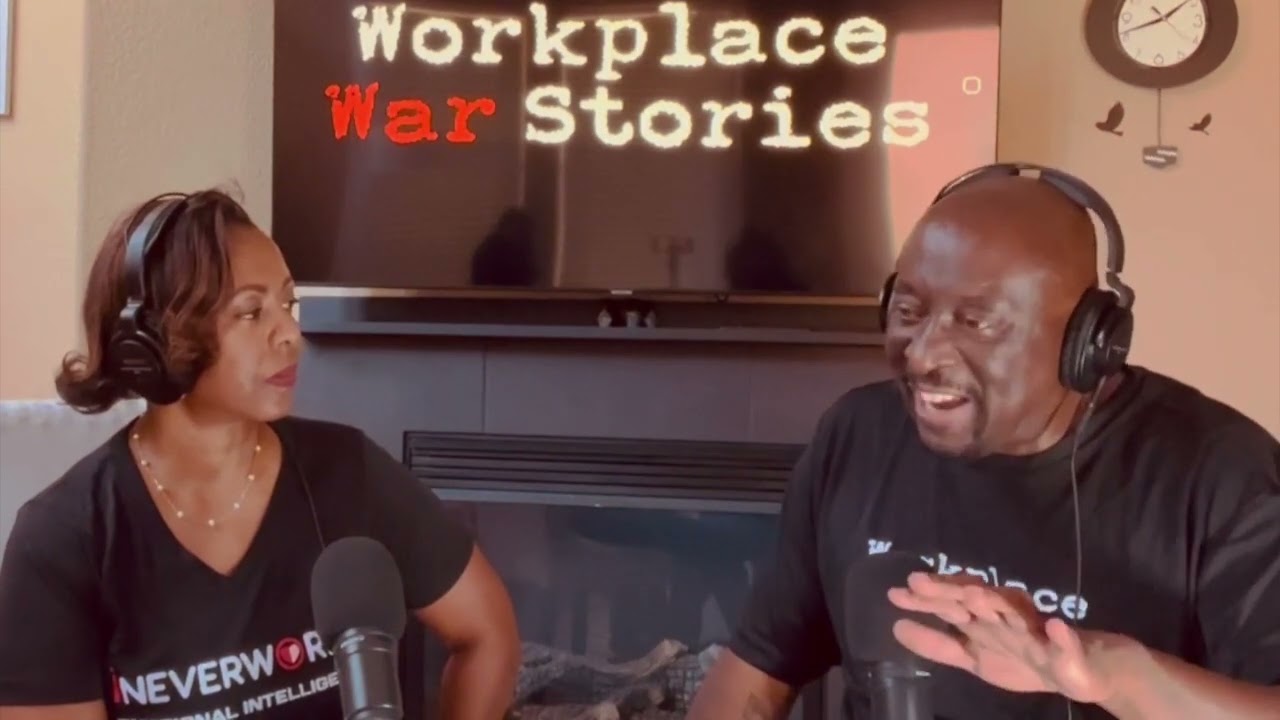
In this YouTube interview, a former supervisor (Speaker A) openly discusses how they leveraged their higher‑ranking position to favor allies and move projects forward, acknowledging that this created resentment among other staff, especially long‑tenured or union members who felt excluded. Speaker A admits to intentionally presenting opportunities to supporters while neglecting those without a connection, and describes the resulting controversy and negative perception within the organization. When prompted, Speaker B confirms the presence of favoritism. Speaker A reflects on what they would change, emphasizing a desire to improve the work environment and reduce controversy, while still maintaining the original intent of correcting poor behavior and boosting performance. The exchange highlights the personal rationale behind favoritism, its organizational impact, and a tentative commitment to more inclusive leadership.
Chapters
If you fooled with me, I took care of you. If you didn't, I ain't fool with you, right? Which rubbed people the wrong way who couldn't benefit from the type of plug that I had, right? The leverage that I was able to get as a higher-ranking supervisor. I was able to make things move, and only people who really rocked with me benefited from it. And I didn't see nothing wrong with that, right? Right. Um, a lightweight still don't see nothing wrong with it, but I get how it can make the organization as a whole feel a certain kind of way. Those who feel like they can't reach me, they don't have the kind of connection. So not— so let me, let me try to put it more into context. There was a group of individuals. Right. Some of them were unions, some of them just folks who've been there a long time, where I felt were just kind of jealous or envious of just my ability to move throughout the organization. So I get that. But then they started doing things intentionally to try to stain or neutralize my movement. So I had a focus on them like they had a focus on me. So I was, was very intentional about what opportunities I presented for them and for those who supported me, believed in me, and the work that we needed to get done, done it under my leadership. But I didn't take into consideration those that had nothing to do with either one. But didn't feel like they can approach me because how I was moving. Go ahead.
So did you have favorites? Absolutely. So, okay, I just wanted to bring that up.
The things that I would do differently would be to try to increase the chances of improving the environment and not creating more controversy in it.
Right.
Where at the time I didn't care about the controversy, the impact that you're talking about. Because I was intentional about correcting poor behavior, increasing performance. The intent was great. Knocking down negligence, all that kind of stuff, trying to get the organization that we could be proud of. But there was a byproduct of that.