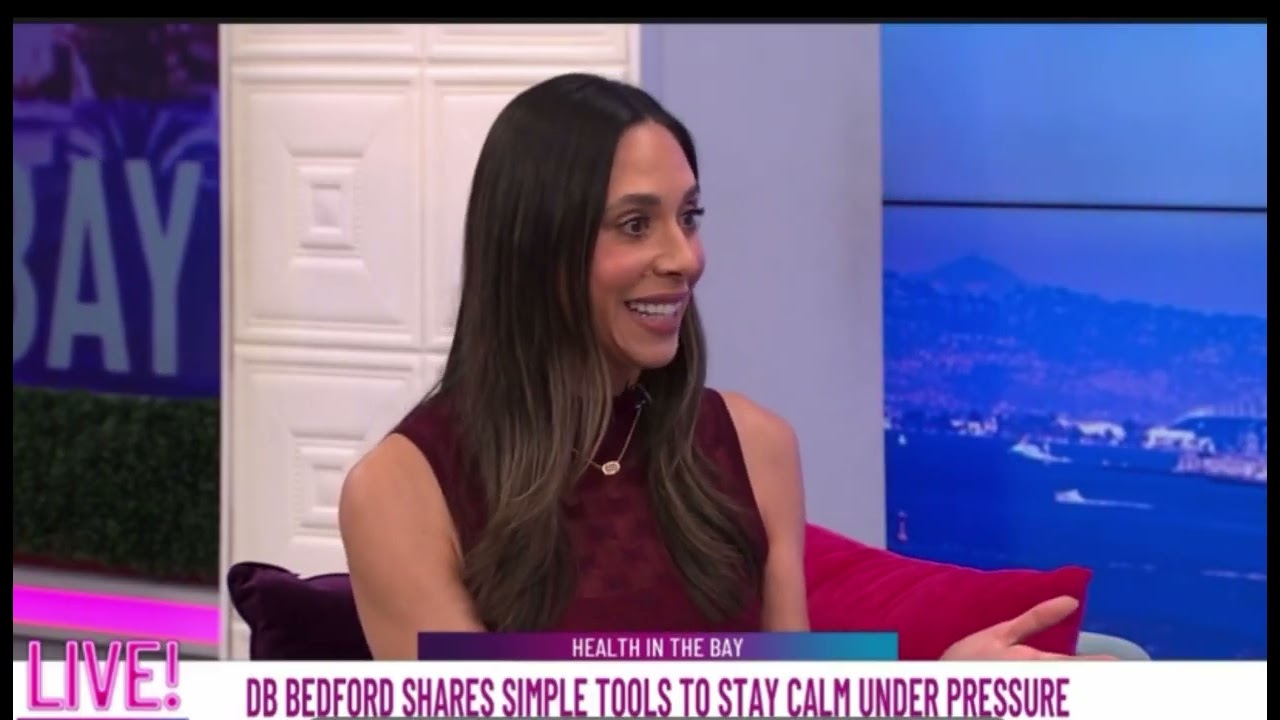
Chief Behavioral Strategist DB Bedford explains how to stay calm under pressure using emotional intelligence. He introduces the "EI Code of Conduct," eleven principles for emotional regulation, and a technique called the "purposeful pause" that creates space for logic before you react. Recognizing emotional drivers behind habits like stress eating or spending is key to change.
Chapters
We all have those moments where stress takes over and it feels like our emotions are running the show. But what if you could take control instead? Joining us today is DB Bedford, Chief Behavioral Strategist, here to share practical ways to strengthen emotional intelligence and handle high-pressure situations with confidence. DB, thanks for being here at Live in the Bay.
All right, thanks for having me.
Yes, the work that you are doing is just really fascinating. So I wanna kinda break this down. What does an emotional expert entail? What do you do?
It's like being a behavior detective, right? It's someone who is very intentional about guiding and coaching others, of helping them when emotions get high. We learned that logic is low. And so when you're in the most emotionally charged or challenging situation, an emotional intelligence strategist will help you kind of guide through that so you don't make a decision you don't— you kind of regret and you don't want to come back from.
Yeah, that makes sense. And I feel like a lot of people could definitely benefit from this type of coaching. We all find ourselves in those situations. Right? And then you might say something or do something that you're not too proud of later. So how are you helping people, you know, manage those high-pressure situations?
Yeah, so we have something we call the EI Code of Conduct, right, which is rooted in like 11 self-operating principles. And so, you know, there's a lot of things that we learn in our personal or professional career, but we don't spend a lot of time on our own behavior. And so what we do is provide these very simple, practical, but powerful strategies to help you have something to kind of reach for, you know what I mean, when you get Yeah, and we're gonna talk about some of these strategies in just a bit, but I read something that you said emotional habits have more of an impact on our success than, say, goal setting and kind of writing it down.
So how, you know, what are these emotional habits that we should be paying attention to?
Emotional eating, emotional spending. You think about like a lot of times what people eat is driven by emotions, sometimes stress when you overeat. You've heard the term of retail therapy, Yeah, guilty. I'm an emotional spender. So those could be bad habits. Those could be things that you're trying to correct in the new year. But if you don't understand that it's emotions that's driving it, then you'll miss the mark.
Oh, wow. That is so fascinating. I love this. Okay, so then let's dive deeper. I wanna know the practical, tangible tips that we can take with us and be better in these areas.
Yeah, so it's always gonna start with self-awareness. And not in just a broad term. Self-awareness is rooted in your motives. Your mood, your attitude, and your energy. So having a conscious connection to how you feel, what you're thinking, and how you show up is super important because you're going to experience a series of what we call micro moments throughout the day. And the goal is not to get emotionally hijacked throughout the day.
Oh, that makes a lot, a lot of sense. Something that my husband always says to me, and I feel like it used to irritate me, but now I've really bought into it, is 2 things you can always control: your attitude and your effort. There's a lot of things that aren't in your control, but this is kind of along those lines.
Yeah, absolutely.
Yeah.
And you can control it until you get in your feelings. And that's where the strategy comes in at. I mean, we all know better, right? It's just that once you get into a feeling, they say, get in your feelings about things, people start to— we have a saying that says, when emotions are high, logic is low. It's like a scale.
Yeah.
So what we try to do is pay attention to how strong of a feeling we're having about something, and we understand, When that's happening, it's time to, you know, try to slow it down a little bit and let calmness be your superpower.
Yes, okay, well a lot of people are really good at the first part, getting their emotions high. So for someone that knows that they do this, what is kind of the first thing that they can do to start to correct this?
Something we call a purposeful pause, right? It's one of the fastest ways to manage your reactions. Purposeful pause is being intentional. about putting space in between your responses so you can allow logic to kind of catch up to whatever you wanna do moving forward. And I also say be in tune with your level of emotional reactivity, knowing how you overreact when things rub you the wrong way. Because you'll usually be in that space when you run across something you don't like, you don't agree with, or you don't understand. Usually that's when you start to get tensed up, and it's a great time to pay attention to how you're feeling.
Okay, very helpful tip there. All right, this is— I could talk to you forever about this.
I'm here for it.
I feel like this is so fascinating. You got to work with me. You know, for anyone that wants more information, maybe to work with you, what can they do?
Well, they can go to our website. They can go to www.eiconduct.com. And that's where we are becoming a thought leader in what we call civility intelligence, which is like emotional intelligence 2.0.
Okay. All right. Thank you, DB. I really appreciate you joining us, sharing all about this. I know that you are helping so many people with this. So appreciate you.